Contractor Table Saw Guide: SawStop Contractor Saw Review & Comparisons

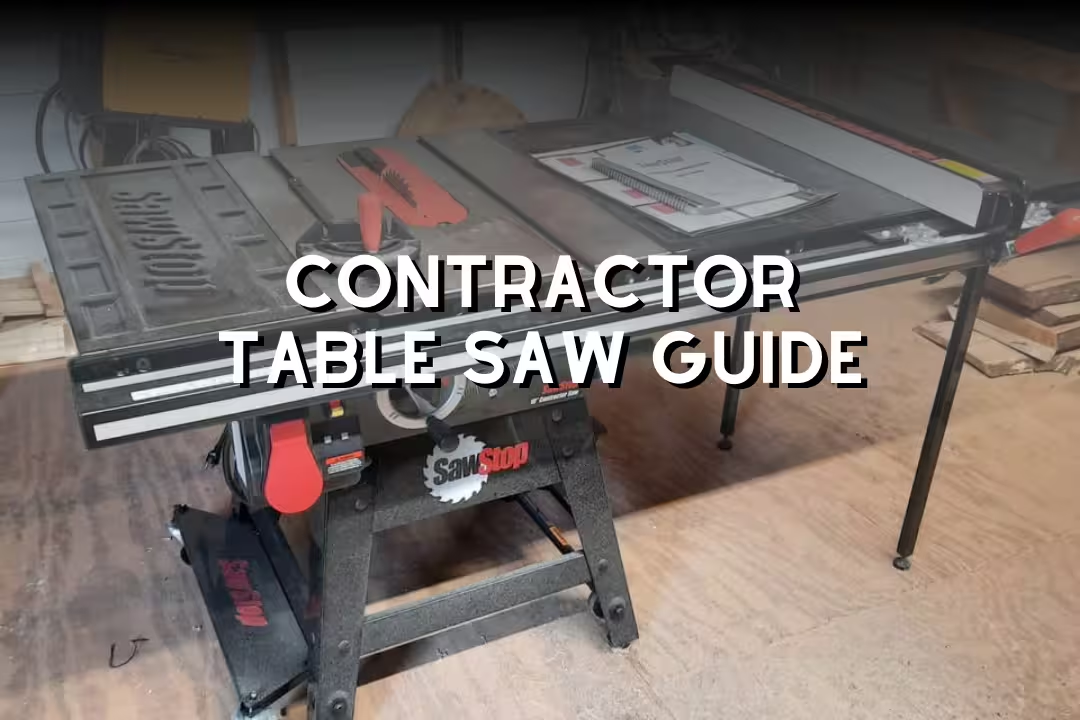
A contractor table saw is a mid-weight, open-stand table saw that uses a belt-driven motor (often 1.5–2 HP) to deliver smoother cuts than most jobsite saws, without the size and power demands of a cabinet saw. It’s the sweet spot if you want shop-like accuracy for hardwood and sheet goods, but still need some mobility and a 120V-friendly setup.
Table of Contents
Contractor table saw basics
What it is
A contractor saw is typically built around a cast-iron top, an open base/stand, and a belt-driven motor hanging off the back or tucked inside a partial shroud. In use, you feel the difference right away: the saw doesn’t “skitter” as much on startup, and the cut sound is a steadier hum instead of the higher-pitched whine you hear from many direct-drive jobsite units.
Most contractor models run a 10-inch blade and hit the common benchmarks: about 3-1/8 inch cut depth at 90° and about 2-1/4 inch at 45°, which is enough for 4x material and thick hardwood when paired with a sharp blade. That mix—mass from the top plus belt-drive torque—is why this style stays popular for remodel work, trim shops, and serious DIY garages.
If you’re still deciding between saw types, it helps to compare to other categories on the site: my broader guide to the best table saw breaks down who should buy jobsite, contractor, hybrid, or cabinet in plain language.
Contractor vs jobsite
A jobsite saw is built for fast setup and frequent transport. You trade away mass and usually get a louder, higher-RPM feel, with more vibration telegraphed into the workpiece—especially when you push an 8/4 board through with a combo blade.
Contractor saws usually feel calmer under load, since belt-drive isolates motor vibration and the heavier top doesn’t “ring” as much. The trade-off is bulk and lift: moving a 225–335 lb contractor saw up a ramp is a two-person job more often than beginners expect, even with “mobile base” marketing.
Jobsite saws also win on compact storage. Contractor saws need more floor space, and the motor/belt area can catch offcuts and cords if you don’t manage the area behind the saw.
Contractor vs cabinet
Cabinet saws are the heavyweights: fully enclosed base, bigger trunnions, and typically 3+ HP on 240V. You get more feed rate headroom for thick ripping all day, plus better built-in dust control since the cabinet can be sealed and directed to a dust collector.
Contractor saws give you much of the cut quality most people need, but with a real limit: sustained production ripping in thick hardwood will expose the difference. You’ll notice it as slower feed, a little more heat, and sometimes a faint burning smell when your blade gets dull and the motor starts working harder.
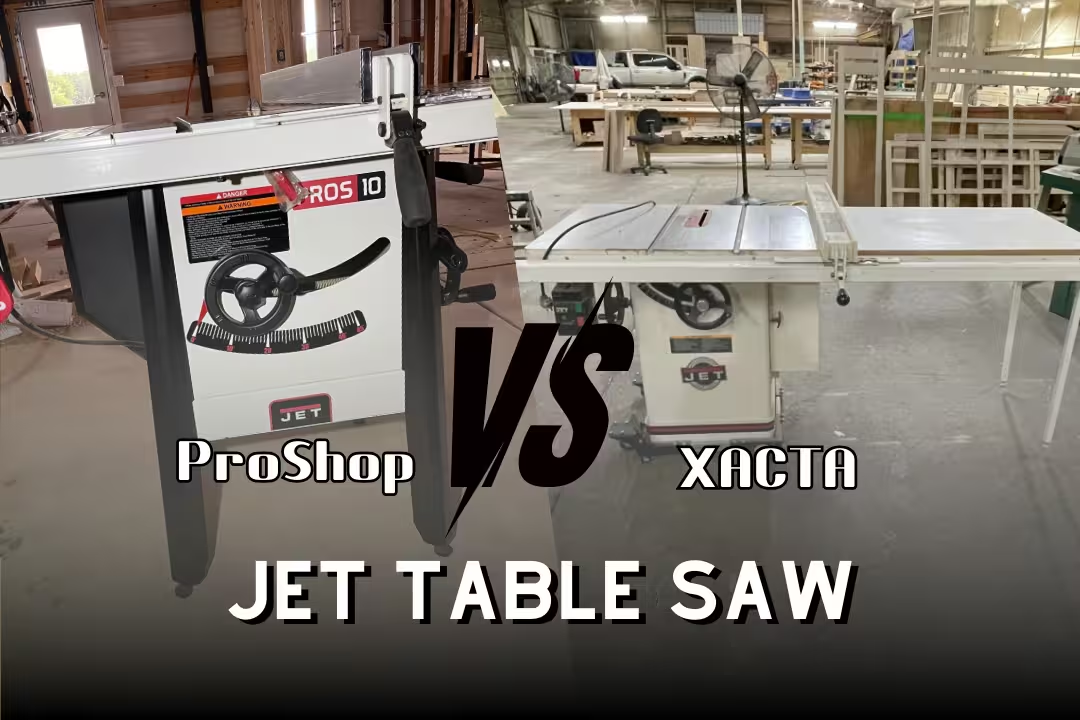
If you’re weighing premium shop-grade options, my breakdowns of the Jet table saw and Harvey table saw lines give a good sense of what you’re paying for as you step into cabinet territory.
Contractor table saw specs that matter
Motor and power
On a contractor saw, the practical difference is less about “amps” and more about belt-drive torque and how the saw holds RPM under load. A typical 1.75 HP setup on 120V can rip hardwood cleanly with the right blade, but it’ll punish dull teeth quickly—your first warning is the feed pressure increases and the stock starts to feel “sticky” against the fence.
Watch for dual-voltage capability if your shop can run 240V later. On some saws, 240V doesn’t magically add power, but it can reduce nuisance breaker trips and voltage sag on long runs, which shows up as slower starts and more bogging on thick rips.
Rip capacity
Rip capacity is how wide you can cut to the right of the blade with the fence. If you break down plywood often, 30–32-1/2 inches is the minimum that feels sane; 52 inches is a luxury that’s hard to give up once you’ve done cabinet sides and long rips without add-on support.
One beginner mistake is chasing rip width without planning outfeed support. A 52-inch rip is useless if the panel tips off the back and pinches the blade; at best you ruin the cut, at worst you set up kickback conditions.
Cut depth
Most 10-inch contractor saws hit about 3-1/8 inch at 90° and about 2-1/4 inch at 45°. That’s enough for 4×4 posts with a single pass at 90°, yet beveling thick stock quickly reveals limitations—your bevel depth drops, and you may need two-step cuts or a different approach.
Don’t overlook throat plate clearance: thicker blades and dado stacks can rub or bind if the insert is flimsy or bowed. A tight, flat insert reduces tear-out and keeps small offcuts from wedging into the blade path.
Fence systems
The fence is where “contractor” saws separate into good and frustrating. A solid T-style fence resists deflection when you press a sheet edge into it, while rack-and-pinion systems shine for repeatable moves and quick micro adjustments.
Most accuracy problems I troubleshoot come from fence alignment habits, not the saw casting. If you want a deeper setup checklist, this guide to a table saw fence explains how to verify parallelism and why “toeing out” slightly matters in real cuts.
Safety features
At a minimum, you want a riving knife that stays close to the blade, a guard that’s easy to reinstall, and a switch you can slap with your knee. Kickback is the main hazard most new owners underestimate, and it happens fast—your palms feel the stock try to climb and you get that sudden “thunk” when the board shifts into the rear teeth.
Advanced systems like SawStop’s brake add another layer, but they don’t replace basic practices. The common mistake is using the saw “just for one quick cut” with the guard off and no push stick ready, then getting hands close as the offcut twists.
Dust collection
Open-stand contractor saws tend to leak dust unless you manage airflow. Expect dust to spray forward and to the left during ripping; you can feel fine grit settle on your forearms and the tabletop gets that dry, sandy film that makes boards drag.
A 4-inch port helps, but the biggest gains come from capturing dust near the blade and sealing big gaps. Lowe’s explains the basics of table saw selection and features in its table saw guide, and in real use the takeaway is simple: if dust control is an afterthought, precision and safety both suffer.
Precision metrics
Specs like table flatness and arbor runout sound academic until you’re fitting joinery. When a table is slightly crowned, you’ll chase mystery gaps because the board rocks under pressure, and your cut edge won’t square up the same way twice.
Use real checks: a straightedge, feeler gauges, and a dial indicator on the arbor if you’re picky. Dummies has a practical explainer on measurable saw specs in Table Saw Specifications; the key is to verify what impacts your work—slot-to-blade alignment and fence repeatability—before you blame blades or technique.
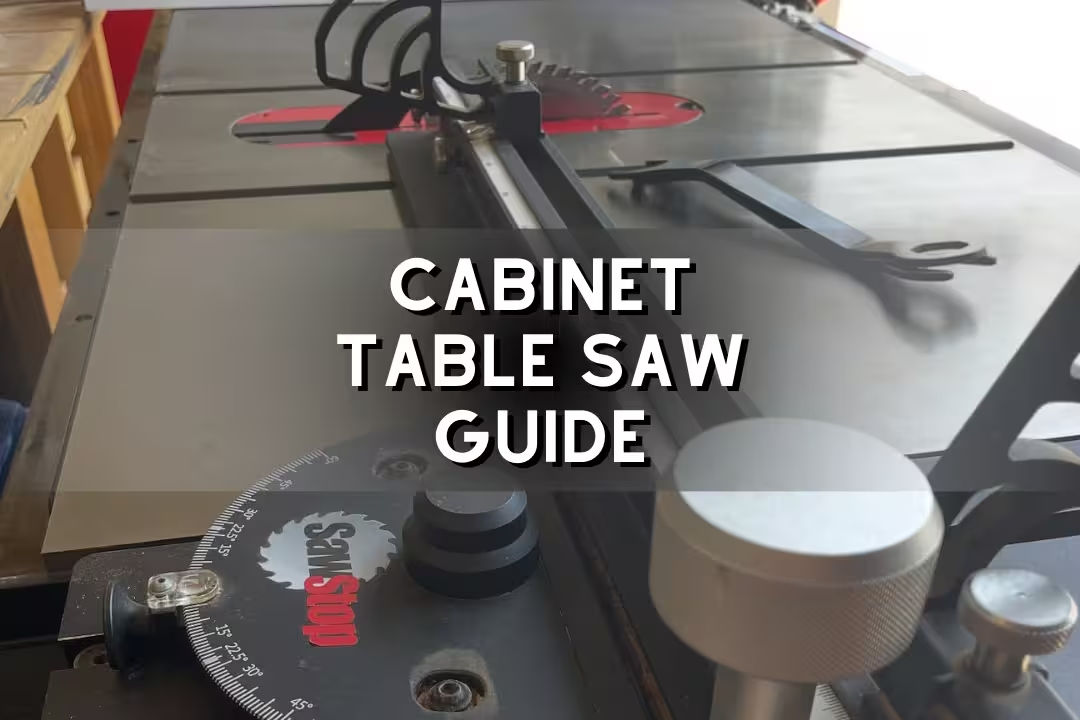
SawStop contractor table saw review
CNS175-TGP252 overview
The SawStop CNS175-TGP252 is a contractor saw built around a 1.75 HP motor and the 52-inch T-Glide fence option, aimed at people who want long-rip capacity and premium fit without jumping to a full cabinet saw. In practice, the footprint and rails feel “furniture-like” once assembled—smooth edges, solid lockup, and a top that doesn’t feel tinny when you tap it with a knuckle.
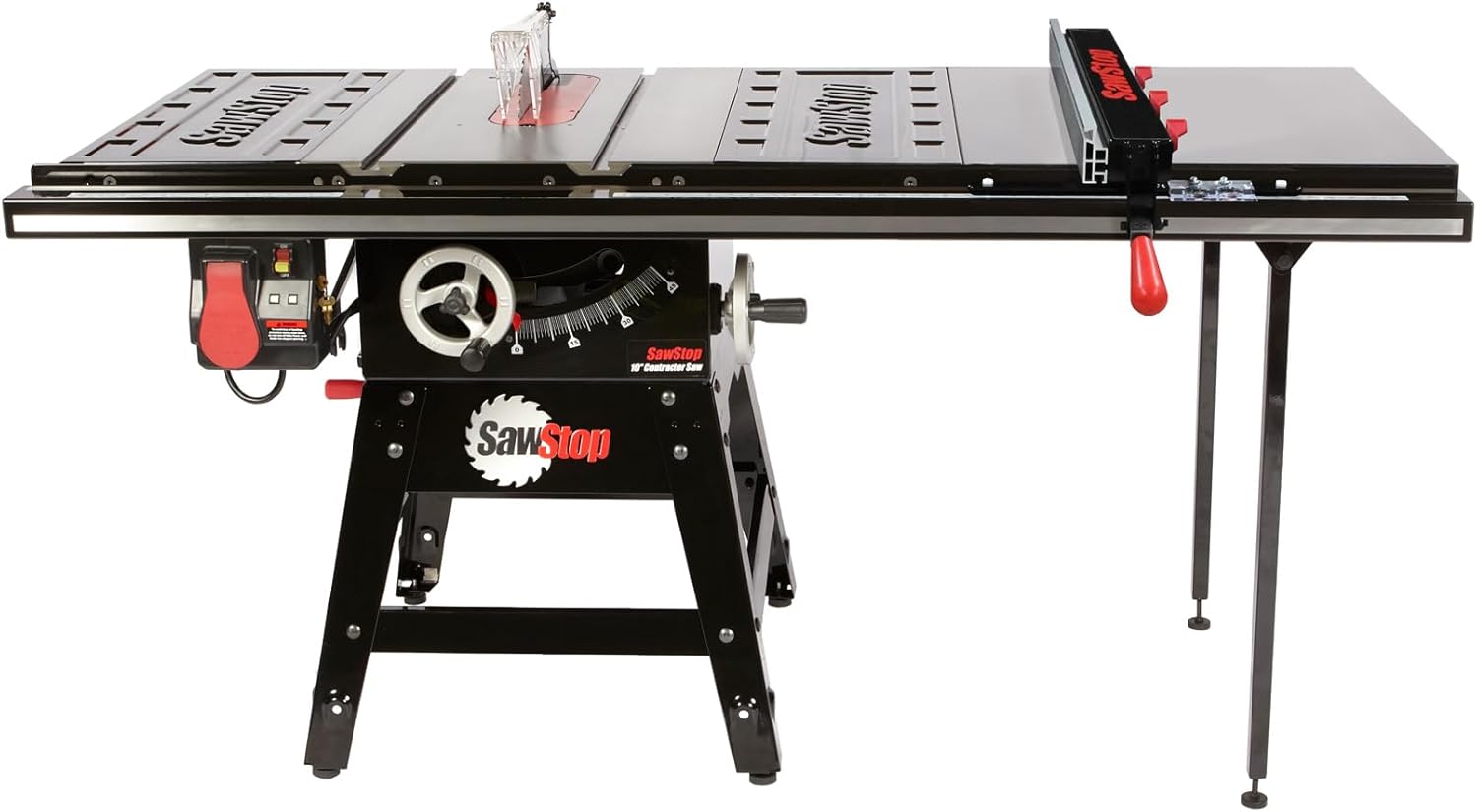
SawStop Professional Table Saw – Power, Precision, and Advanced Safety
- Heavy-duty construction designed for professional workshop use
- Powerful motor delivers smooth, consistent cuts through hardwood and sheet goods
- Advanced SawStop safety system enhances operator protection
- Precision fence system for accurate, repeatable cuts
- Large work surface supports full-size materials with stability
 Buy on Amazon
Configuration details and accessories are extensive on the official product page for the SawStop Contractor Saw CNS175-TGP252, and it’s worth reading before purchase because small choices (rail length, mobile base, wings) change how the saw behaves in a tight shop.
Safety system
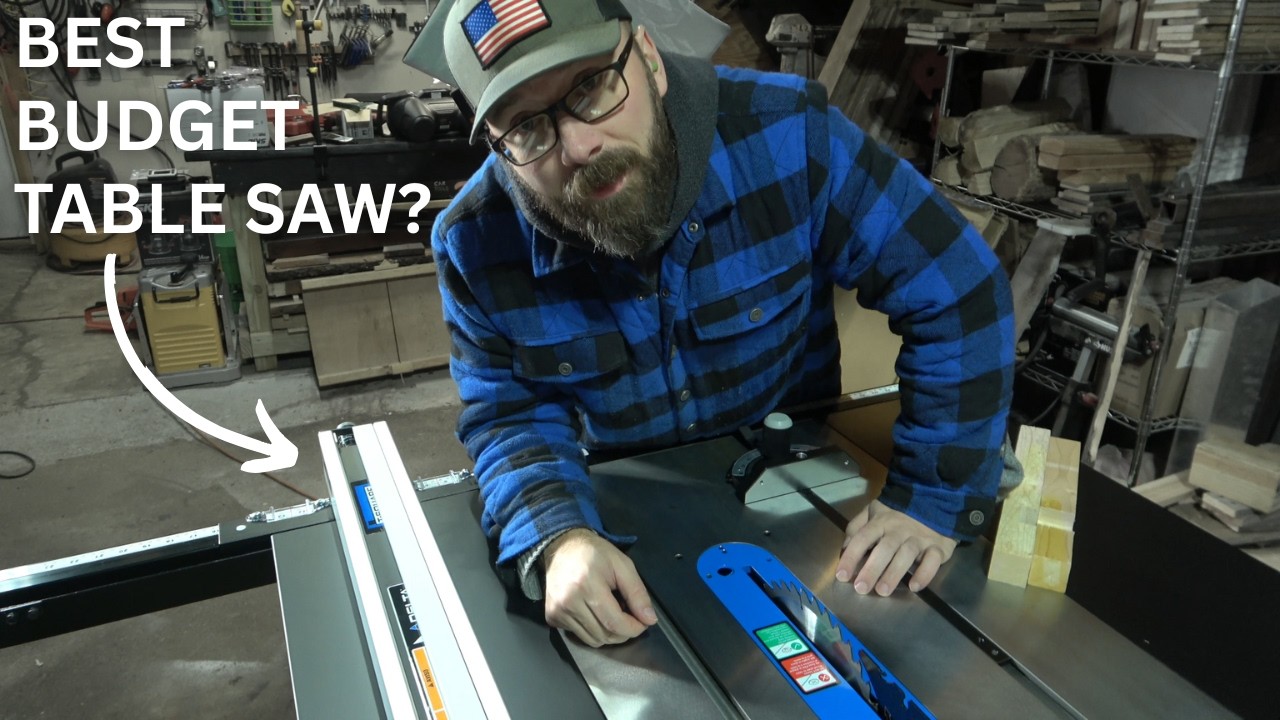
This is the headline: the brake system is designed to stop the blade fast when it detects skin contact. That changes daily workflow because you’re less likely to “risk it” with a weird cut, but it can also create a new habit problem—people get casual with hand placement, and that’s still a bad idea around a spinning blade.
False triggers are rare but real in dusty, humid, or conductive-material situations. The workaround that actually helps is to control dust at the source, avoid cutting questionable wet stock when possible, and use the bypass mode when you must test materials—but only after you’ve verified the fence, guard, and riving knife are set correctly so you don’t trade one risk for another.
Fence and accuracy
The 52-inch T-Glide setup is the reason many buyers land here. Under real pressure—leaning a heavy plywood edge into the fence—the system stays square and steady, so you spend less time “bumping” the fence and re-measuring both ends.
Accuracy still depends on setup. The pro move is to set the fence so it’s dead parallel or very slightly toe-out at the rear, then verify with a test rip and calipers instead of trusting the scale on day one.
Power and vibration
The belt drive and heavier top keep vibration low compared to many portable saws. You feel it in the cut: less buzzing in the fingertips, and the offcut doesn’t chatter against the blade as much on a steady feed.
That said, it’s still a 1.75 HP class saw. If you rip 8/4 maple all afternoon with a dull 40T combo blade, it will slow down and heat up; swapping to a dedicated rip blade often fixes “power complaints” faster than any wiring upgrade.
Configurations and add-ons
SawStop’s ecosystem is deep: mobile base options, rail lengths, wings, and add-ons that can turn the saw into a more complete workstation. The trade-off is decision overload, and it’s easy to buy pieces that fight each other in a small shop (like long rails that block a door swing or steal assembly space).
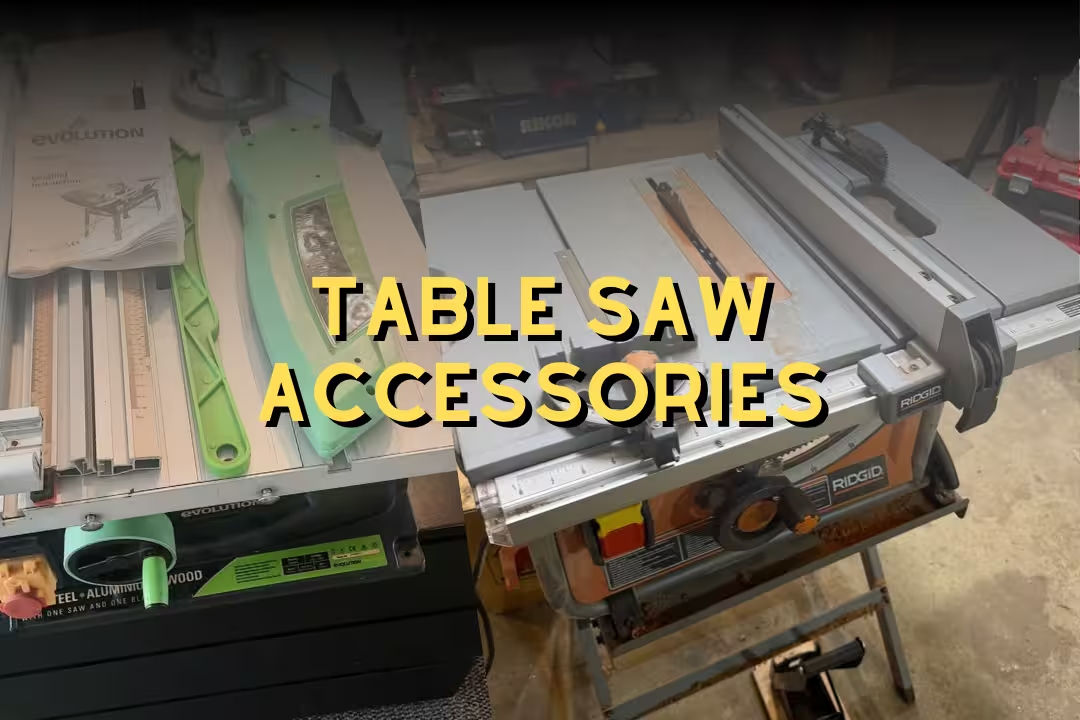
If you’re building a full station around the saw, plan your support surfaces before you order. My roundup of table saw accessories covers the add-ons that actually improve accuracy and control, instead of just adding clutter.
Price and brake costs
The big drawback is total cost. The saw itself is a premium buy, and you also need to plan for brake cartridges—most owners keep a spare because downtime is worse than the cost of the part when you’re mid-project.
Beginner mistake: treating brake activations like a freak one-off. A poorly set riving knife, pinched offcuts, or cutting wet/dirty reclaimed lumber can lead to avoidable triggers and blade loss; I’ve had the best results by keeping a dedicated “questionable stock” blade and cleaning pitch off the blade more often than feels necessary.
Contractor table saw comparison
Rip capacity comparison
Rip width determines how often you’ll need a track saw or circular saw breakdown step. If you cut cabinet parts weekly, 52-inch rails save time and reduce handling errors, but they demand outfeed and side support to stay safe and accurate.
| Model | Rip capacity (right) | Best fit |
|---|---|---|
| SawStop CNS175 (T-Glide) | 52″ | Sheet goods, furniture parts, long repeat rips |
| DEWALT DWE7491RS | 32-1/2″ | Remodel work, site carpentry, quick breakdown |
| Rikon 10-205 | 29-1/2″ | Budget shop saw feel, belt-drive value |
| SKIL TS6307-00 | 25-1/2″ | Portable cuts, smaller stock, tight storage |
Power and drive type
Drive type affects the “feel” more than many spec sheets admit. A belt-drive contractor saw tends to cut with less harshness and less motor scream, while direct-drive jobsite saws push high RPM and rely on blade choice and feed technique to keep the cut clean.
If you frequently cut thick hardwood, belt-drive usually gives better results with fewer burn marks at comparable power ratings. If you mostly cut framing lumber and trim on-site, direct-drive portability can outweigh the refinement.
Portability and weight
Portability is where expectations break. A 90 lb jobsite saw on a rolling stand can be moved solo; a contractor saw in the 250–335 lb range often needs a plan, a ramp, and a helper.
Real-world tip: measure door widths and turning clearance before buying long-rail systems. I’ve watched people assemble a saw beautifully, then realize they can’t rotate it to face the outfeed area without disassembling rails.
Safety and ergonomics
Safety is a blend of features and how likely you are to keep them installed. A guard that’s annoying gets removed; a switch you can hit without looking becomes muscle memory, which matters when something binds mid-cut.
DEWALT’s product page for the DWE7491RS highlights jobsite convenience, and that’s the ergonomic win: faster setup means you’re more likely to use the saw correctly instead of balancing stock on makeshift supports.
Best alternatives to SawStop
Rikon 10-205
If you want belt-drive contractor behavior without the premium safety system price, the Rikon 10-205 is a common short list candidate. It’s positioned as a value-focused contractor saw that still gives you the steadier cut feel many people want when they’re tired of compact-jobsite compromises.
Use the Rikon 10-205 product page to confirm rip capacity, wings, and dust port size before buying, since the “contractor” label can hide meaningful differences in fence quality and included surface area.
DEWALT DWE7491RS
The DWE7491RS is a jobsite saw that many buyers cross-shop against contractor models because it offers a big 32-1/2 inch rip in a portable format. For remodel work, built-ins, and punch lists, the rolling stand saves your back and keeps the saw usable when the “shop” is a driveway.
Common issue: stand wobble on uneven ground, especially when you’re ripping wide stock and pushing sideways into the fence. The fix is simple but overlooked—shim the wheels or feet, lock the stand on a flatter patch, and add a dead-flat outfeed surface so the panel doesn’t lever the saw during the last third of the cut.
SKIL TS6307-00
The TS6307-00 is for buyers who want a capable budget jobsite saw with decent capacity and a stand included. It’s the kind of saw that makes sense when space is tight and the saw has to live against a wall, then roll out for weekend projects.
Check details and included safety components on the SKIL TS6307-00 page. A frequent beginner mistake is running without the riving knife after a blade swap; label your storage spot for removed parts so they go back on every time.
Other brands to consider
Delta, Bosch, and Grizzly all sit in the broader table saw ecosystem, and each has strengths depending on whether you prioritize value, mobility, or shop expansion. Grizzly’s catalog is a useful reference when you’re comparing what changes as you step into heavier shop saws: grizzly.com/table-saws.
One practical rule: don’t compare by motor claims alone. Compare fence behavior under pressure, parts availability, and how painful it is to align the blade to the miter slot after moving the saw.
Accessories and upgrades
Dust upgrades
Dust upgrades pay off twice: better visibility at the cut line and less grit between stock and fence. The first time you add above-blade capture, you notice the air feels less dry and scratchy in your throat after a long ripping session.
If you want a quick, tool-free add-on that captures at the source, this style of collector can help on both contractor and jobsite saws.
Stands and mobility
A good base is about more than wheels; it’s about how the saw behaves mid-rip. If the stand flexes, you’ll feel a tiny shudder as the board transitions onto outfeed support, and that’s where cuts drift and corners blow out.
Workaround: treat mobility and stability as separate goals. Use a mobile base that lifts and locks firmly, then add independent outfeed support that doesn’t hinge on the saw’s frame staying perfectly rigid.
Blades and dado
Blade choice changes your results more than most saw upgrades. A dedicated rip blade reduces feed pressure and burn, while a fine crosscut blade reduces tear-out on veneered plywood—your fingertips can feel the glassier edge right off the cut.
Dado stacks are where beginners often get into trouble: wrong throat plate, improper stack width, or forgetting to re-check arbor nut engagement. If you run dadoes, keep a dedicated insert, measure stack width with calipers, and test in scrap before you touch a project part.
Buying considerations and common pitfalls
Budget tiers and value
Budget usually breaks into three buckets: entry jobsite models, value contractor saws, and premium systems like SawStop. Value isn’t just the purchase price—factor in blades, a proper outfeed surface, and dust control, since those three shape cut quality more than small spec differences.
Common mistake: spending everything on the saw and leaving nothing for support and dust. A wobbly setup turns a great saw into a frustrating one, which leads to more forceful pushing and worse safety decisions.
120V vs 240V kits
Lots of contractor saws run well on 120V, but 240V can feel steadier under heavy load because the circuit is less likely to sag. You’ll notice the difference during startup—less light dimming and fewer bog-down moments in thick hardwood.
Don’t treat voltage changes as a fix for poor technique. If your blade is dull, your fence is toeing in, or you’re trapping stock between fence and blade without a riving knife doing its job, 240V won’t save the cut.
Dust and false triggers
Dust affects accuracy because it changes how stock slides, and it affects safety systems because fine debris can create weird conditions. With brake-equipped saws, keep the cabinet/under-table area cleaner than you think you need; the payoff is fewer surprises.
Pro workaround: run a short “dust purge” at the end of the day. Crack open access panels, vacuum the belt/motor area, and wipe the tabletop so pitch and grit don’t turn tomorrow’s first cuts into burn marks and sticky feeding.
Stand wobble issues
Wobble gets exaggerated on wide rips because you apply sideways pressure into the fence for longer. If the saw rocks, the cut edge can “snake,” and you’ll feel the board pulse as it passes the blade.
Fix it with three steps: level the stand (shims work), add outfeed support that’s independent, and reduce sideways pressure by using featherboards and keeping the fence face clean so boards slide instead of grabbing.
Maintenance checklist
Maintenance keeps a contractor saw feeling “tight.” When alignment drifts, you’ll notice more burning, more noise, and a faint chirp as the belt slips under load.
- Check blade-to-miter-slot alignment and adjust trunnions if needed.
- Verify fence parallelism and lock pressure across the full rail.
- Inspect belt tension and pulley alignment; replace glazed belts.
- Clean pitch from blades and resin from the tabletop.
- Confirm riving knife alignment and guard function after every blade change.
Practical Notes From Real-World Use
The biggest surprise for new contractor saw owners is how many “accuracy problems” are really support problems. I’ve seen perfect fences give bad cuts because the outfeed was 1/8-inch low and the workpiece dipped at the end, twisting into the rear teeth and leaving a shiny burn stripe you can smell before you see.
Dust collection also rarely works the way people expect on open stands. Even with a strong shop vac, chips can ricochet under the table and pile near the motor; once that pile grows, you get odd rattles and more cleanup time than you planned. Sealing big openings with magnetic sheets or simple panels can cut the mess fast without permanent mods.
One more constraint: long rails and big rip capacity change your workflow, but they also eat space. If your shop is a garage, you’ll feel it immediately when you’re carrying a 4×8 sheet and your hip bumps the rail end—plan clear walk paths before you commit to 52-inch setups.
Contractor table saw picks
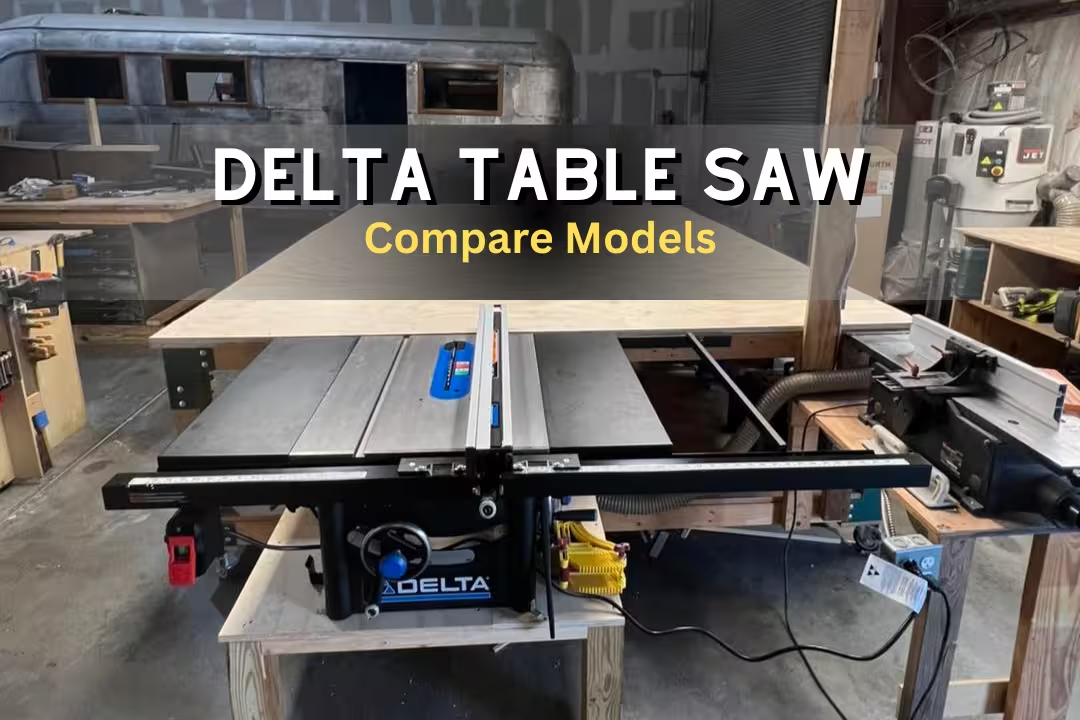
Contractor-tough Delta option
If your priority is a straightforward contractor-style package from a familiar name, Delta is often cross-shopped for durability-focused builds. Pay attention to fence lock feel and tabletop flatness during setup, since those two points determine whether the saw feels dependable or fussy over time.
Jobsite-style alternatives
These picks make sense if you need portability first and still want strong rip capacity and usable fence systems.
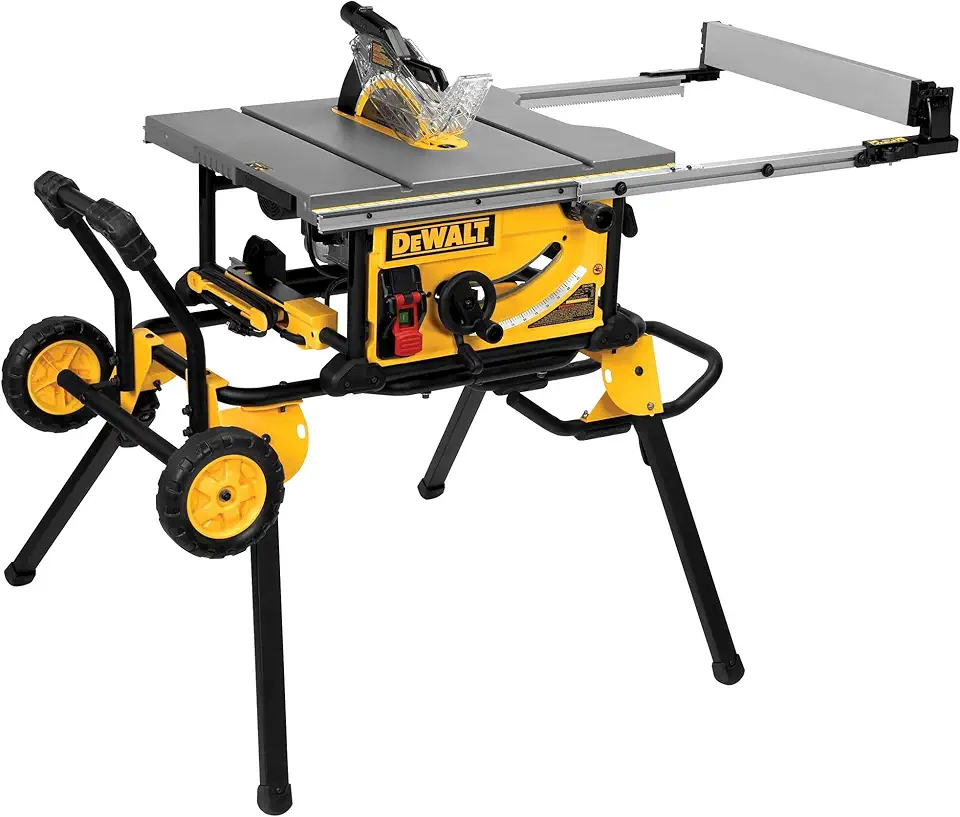
DEWALT 10-inch Table Saw with Rolling Stand
- Powerful 15 amp motor delivers up to 4800 RPM for fast cuts
- Foldable rolling stand for easy transport and stable setup
- 32-1/2 inch rip capacity handles wide stock and sheet goods
- Rack-and-pinion fence system for smooth, accurate adjustments
- Tool-free blade changes and bevel adjustments for quick setups
Buy on Amazon

SKIL 10-inch Jobsite Table Saw with Stand
- 15 amp motor provides consistent cutting power for daily jobsite tasks
- Compact 10-inch blade platform balances portability and performance
- Folding stand makes setup and storage quick and easy
- Adjustable fence and miter gauge deliver accurate rip and crosscuts
- Built-in safety features like blade guard and riving knife improve user protection
Buy on Amazon

DEWALT Compact 8-1/4 inch Table Saw
- Compact design with a 15 amp motor for powerful portable cutting
- 8-1/4 inch blade ideal for trimming, ripping, and panel work
- Lightweight frame for easy transport between job sites
- Accurate rack-and-pinion fence for smooth adjustments and repeatable cuts
- Tool-free blade changes and clear bevel stops speed up setup
Buy on Amazon
Multi-material option
Multi-material saws can be useful when your work crosses into plastics or metals, but they demand stricter habits around chip control and blade selection. Mixing materials without cleaning can leave embedded debris that scratches wood faces and makes cuts feel gritty.
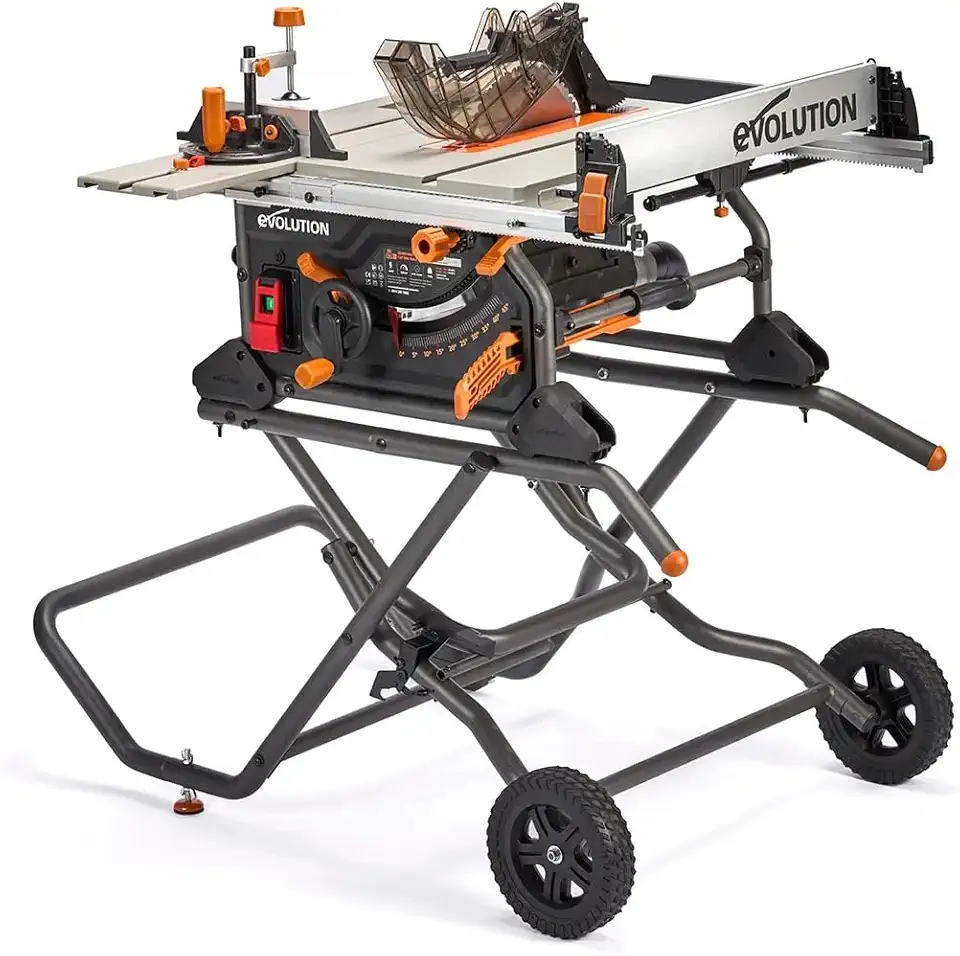
Evolution 10-inch Multi-Material Jobsite Saw
- 15 amp motor built for heavy-duty jobsite cutting
- 10-inch multi-material blade cuts wood, metal, and plastics without blade changes often
- Wheeled scissor stand provides fast setup and convenient transport
- 26 inch rip capacity and 3-3/8 inch cutting depth for thicker stock
- Precision fence and 0-45 degree bevel capability for versatile, accurate cuts
Buy on Amazon

SKIL 8-1/4 inch Compact Jobsite Saw
- 15 amp motor offers reliable cutting performance in a small footprint
- 8-1/4 inch blade keeps the saw lightweight and portable
- Ideal for tight spaces and quick on-site jobs where mobility matters
- Compatible with optional stand for added stability when needed
- Integrated safety features like blade guard and riving knife for safer operation
Buy on Amazon

DEWALT 8-1/4 inch Saw with Rolling Stand
- 8-1/4 inch blade with a high-torque motor for smooth jobsite cutting
- Rolling stand included for quick transport and fast setup
- Up to 48 degree bevel capacity for versatile angled cuts
- Lightweight yet stable design suited for frequent relocation
- Rack-and-pinion fence and tool-free adjustments for accurate, repeatable results
Buy on Amazon
FAQs
Is A Contractor Table Saw Better Than A Jobsite Table Saw?
A contractor table saw is not inherently better than a jobsite saw—each is designed for different priorities. Contractor saws usually offer a larger table, more stable fence, and higher continuous power for stationary shop work, while jobsite saws prioritize portability and durability on the go. Choose based on whether you value transportability or a bigger work surface and accuracy.
Is The SawStop Contractor Saw Worth The Extra Cost?
Yes — for many woodworkers the SawStop contractor saw is worth the extra cost because it combines excellent safety with strong performance. Its flesh-detection brake can prevent severe injuries, and the saw offers accurate cuts and solid build quality for a small contractor-style machine. If safety is a priority, the premium often pays off.
How Much Does A SawStop Brake Cartridge Cost To Replace?
A SawStop brake cartridge typically costs between $50 and $150, depending on model and retailer. Activation after blade contact requires cartridge replacement plus any professional service fees, so total cost can be higher when labor and shipping are added. Buying replacement packs or checking authorized dealers can lower the price.
What Rip Capacity Do I Need For Cutting Plywood Sheets?
To rip full 4×8 plywood sheets in one pass you generally need a rip capacity of about 48 inches. However, many woodworkers find a 24-inch rip capacity adequate for splitting sheets into manageable widths and then using a track saw or crosscut sled for final dimensions. Decide based on whether you need single-pass full-sheet rips or a more portable workflow.
Can A 1.75 HP Contractor Table Saw Handle Hardwood And 4x4s?
A 1.75 HP contractor table saw can handle most hardwoods and occasional 4×4 cuts, but it may struggle with heavy, continuous ripping or very dense timbers. Use a sharp, suitable blade, slower feed rates, and take multiple passes for thick 4x4s to avoid bogging the motor. For frequent heavy-duty work, consider a higher-horsepower saw or a bandsaw.