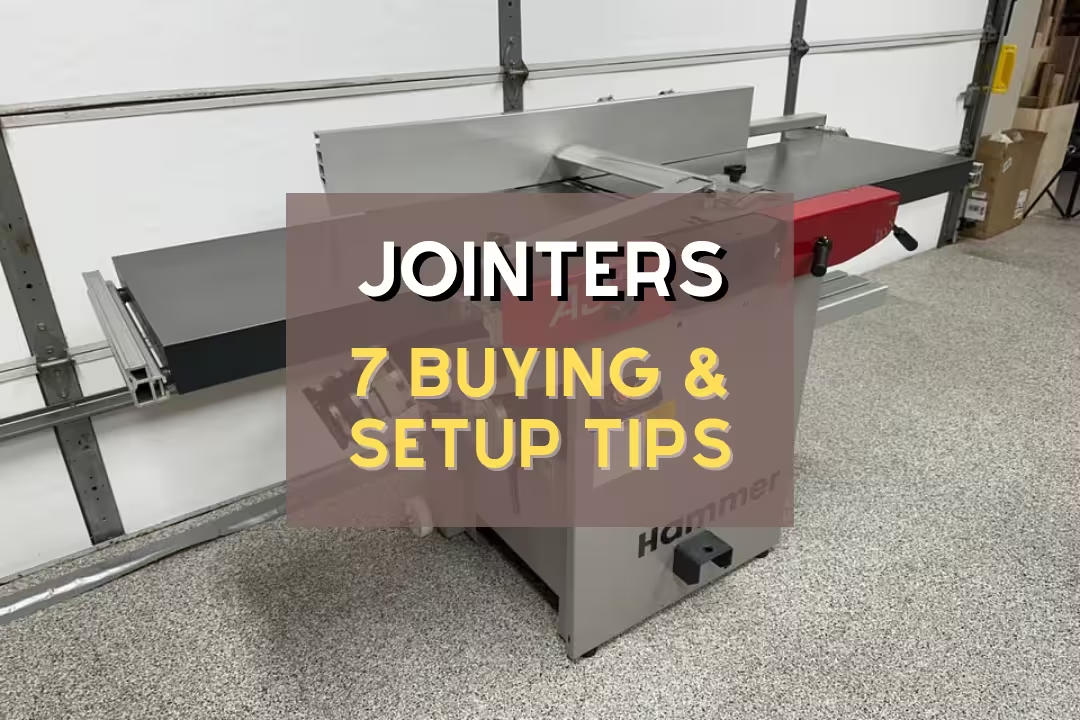
Jointers: 7 Buying & Setup Tips for Cleaner, Flatter Boards

Ever get frustrated when a board won’t sit flat? A jointer fixes that fast. It flattens faces, squares edges, and preps boards for a planer. This guide gives seven clear tips to pick and set up the right jointers for your shop. You will learn how to match size, pick a cutterhead, check table and fence alignment, and control dust. The steps are short and easy to follow.
Table of Contents
Jointers flatten and straighten lumber so your parts fit tighter and your glue-ups stay flatter. This guide explains what a jointer does, which types fit your shop, and how to pick features that match your projects.
What jointers do in woodworking
Flatten faces
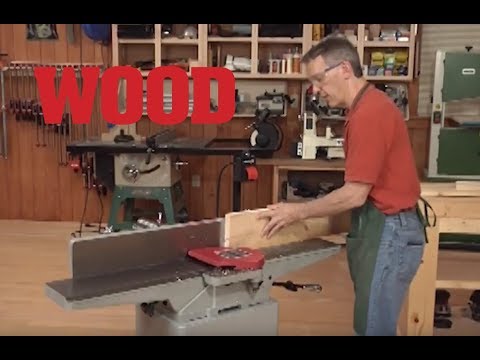
A wood jointer removes high spots on a warped board so one face becomes flat and stable. You run the board over the infeed table, across the cutterhead, and onto the outfeed table, and the machine shaves only what sticks up.
For best results, mark the face with pencil lines, take light cuts, and keep steady pressure on the outfeed side after the first few inches pass the cutter. If the board rocks, the jointer will copy that rock and you’ll chase flatness longer than needed.
Square edges
A jointer for wood also makes one edge straight and square to the flattened face, which is the key step for tight panel glue-ups. Set the fence to 90°, joint the edge in light passes, then rip the opposite edge parallel on a table saw (see our best table saw guide).
If your edge comes out slightly out of square, don’t keep taking random passes. Re-check fence stops, confirm the tables are coplanar, then joint again with consistent sideways pressure against the fence.
Prep for planers
A planer makes boards thickness-consistent, but it won’t fix twist by itself because it references the bottom face. Joint one face first, then send that flat face down through the planer to make the opposite face parallel and smooth.
If you don’t own a jointer yet, a router sled can flatten a face before planing, just slower. This alternative works well for occasional wide slabs (see our router sled walkthrough).
Speed and cut depth
Most wood jointers take up to about 1/8 inch per pass, yet lighter cuts usually leave a cleaner surface and reduce tear-out. Set depth based on the defect size, then switch to fine passes to finish.
Cutterheads spin fast for smooth results; many jointers run at 5,000+ RPM, and some deliver extremely high cuts-per-minute counts for a cleaner edge. For a simple overview of what a jointer does and why it’s used in milling lumber, see what is a woodworking jointer.
Types of jointers for your shop
Benchtop jointer
A benchtop jointer (often called a bench jointer) sits on a stand or workbench and fits small shops where every square foot counts. It’s a smart pick for smaller boards, quick setup, and easy storage, though shorter beds require more attention to technique on long stock.
Here are a few popular benchtop options to compare by cutterhead style, amperage, and features.

WEN JT630H Compact 6-inch Jointer
- Powerful 10 amp motor delivers consistent stock removal
- 6-inch cutting width suits small to medium boards
- spiral cutterhead provides cleaner edges and reduced noise
- compact benchtop footprint saves shop space and is easy to move
- simple fence and depth adjustments for accurate jointing
 Buy on Amazon
Open-stand jointers
An open-stand jointer uses a freestanding frame instead of an enclosed cabinet, which can keep cost down and make the machine easier to move. You’ll usually get a longer bed than a benchtop model, but you may also get more vibration and more noise if the base is light.
Pick an open-stand jointer if you want floor-model capacity without cabinet pricing, and you don’t mind spending time leveling the base. Add a mobile base only if it stays rigid; wobble shows up as tapered or slightly bowed edges.
Closed-stand jointers
A closed-stand jointer encloses the motor in a cabinet, which often improves stability and helps dust collection work better. This style fits serious hobbyists that joint hardwood often and want a heavier machine without jumping to a full cabinet tool.
Look for gaskets around the dust chute and solid door fit because air leaks reduce suction at the cutterhead. If you’re building a cleaner sanding workflow after milling, pair it with the right shop setup from our sanding machine resource.

JET JWJ-8CS 8″ Closed Stand Jointer
- Powerful 2HP motor handles tough jointing tasks
- three high-speed steel knives deliver over 16,500 cuts per minute for a smooth finish
- extra-long precision-machined cast iron tables support longer boards
- two-way tilting fence with positive stops at 45° and 90° for accurate angles
- built-in 4″ dust chute connects to dust collection
Buy on Amazon
Long bed jointers
Long-bed cabinet jointers are built for straight results on long boards because the extended infeed/outfeed tables support more of the workpiece. Heavy cast iron reduces vibration, and longer beds make it easier to joint an 8-foot board without tipping or rolling.
If you mill rough lumber for furniture, this style pays off fast because it reduces rework. For a broad buyer-friendly overview of jointer categories and what to check before buying, see best jointer.

Jet JJ-6HHDX 6″ Helical Head Jointer
- Helical cutterhead with 27 indexable carbide inserts for smooth, quiet cuts
- extra-long heavy-duty cast iron infeed and outfeed tables support longer boards
- two-way tilting fence with positive stops at 45° and 90°
- built-in 4″ dust chute connects to dust collection
- powerful 1HP motor on a stable closed stand handles tough jointing tasks
Buy on Amazon
Match jointer size to projects
6-inch wood jointer fit
A 6-inch wood jointer fits cabinet parts, face frames, and smaller boards you can rip narrower if needed. It’s also the common sweet spot for a benchtop jointer because the footprint stays manageable while still handling most hobby lumber.
If your project uses wide panels, plan your workflow: joint one straight edge, rip the board into narrower strips, joint the sawn edges lightly, then glue back up. This approach takes longer, but it lets a 6-inch jointer produce very flat panels.
8–12 inch capacity
An 8–12 inch jointer reduces ripping and re-gluing because it handles wider boards in fewer passes. That matters if you build tabletops, doors, and casework where wide stock saves time and keeps grain more continuous.

WEN JT833H 8-inch Spiral Jointer
- 10 amp motor provides reliable cutting power for wider boards
- 8-inch cutting width accommodates larger stock and faster workflow
- spiral cutterhead reduces tear out for smoother edges
- extendable table supports longer pieces and improves stability
- easy fence adjustments and dust collection port enhance usability
Buy on Amazon
| Jointer size | Best fit for | Shop tradeoff |
|---|---|---|
| 6-inch | Small furniture, trim, narrower boards | More ripping/glue-ups for wide panels |
| 8-inch | Most furniture parts, wider hardwood boards | More floor space and higher cost |
| 10–12 inch | Wide stock, production work, fewer passes | Heavier machine, higher power needs |
Choose the right cutterhead
Spiral/helical benefits
A spiral head uses small inserts that shear the wood at an angle, which often cuts cleaner in tricky grain and runs quieter. When an edge dulls, you rotate a single insert instead of resetting long knives across the whole head.
Insert counts and tear-out
More inserts can mean more consistent cutting and fewer visible scallops, but setup and alignment still matter most. A light pass, slower feed, and sharp inserts usually beat “max depth” settings for preventing tear-out on curly or knotty boards.
If you want a compact jointer with inserts for cleaner edges, this benchtop option is a solid reference point for features.
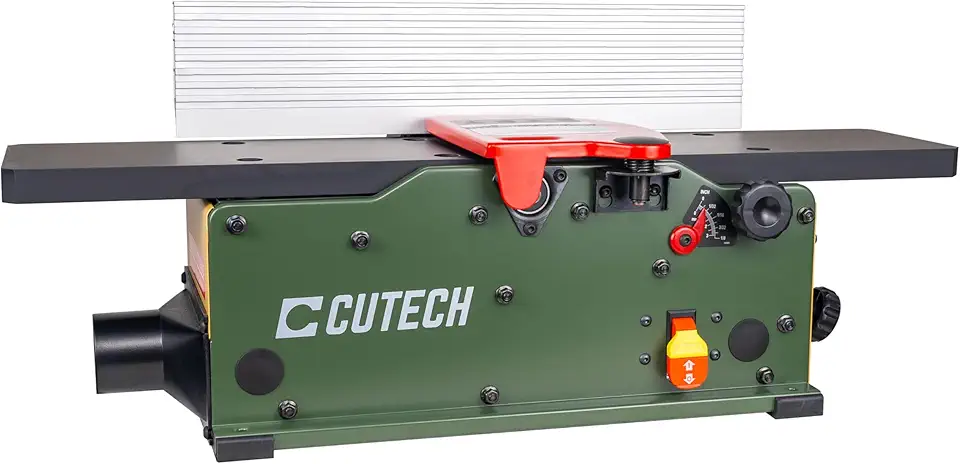
Cutech 40160HB 6-inch Spiral Jointer
- Teflon coated aluminum tables reduce friction for smoother feeding
- spiral cutterhead with 12 TC inserts produces clean, tear free edges
- 19-5/8 inch aluminum fence provides solid support for accurate jointing
- 10 amp motor balances performance and control for small to medium stock
- compact benchtop design fits tight shops and is easy to move
Buy on Amazon
Straight-knife tradeoffs
Straight knives cost less up front and can leave a very smooth finish on straight-grained woods. Knife changes take more time, and nicks can show up as repeating lines until you shift or replace the knives.
If budget is tight, straight-knife jointers still do great work with sharp blades and shallow cuts. Plan for a simple sharpening or replacement routine so your jointed edges stay glue-ready.
Check tables, fence, and alignment
Table length targets
A longer table length gives your board more support before and after the cutterhead, which helps you produce straight results with less technique stress. If you joint long boards often, prioritize bed length over extra motor amps.
Short-bed benchtop units can still work well if you add infeed/outfeed support stands and keep cuts light. Stand height matters, so set rollers exactly level with the outfeed table to avoid accidental snipe or a bowed edge.
Fence range and stops
A good fence should lock tight at 90 degrees and hit common angles like 45° with repeatable stops. A longer fence also supports taller boards when you joint edges for panels or doors.
Test the fence with a reliable square, then joint a scrap and check the edge. If the angle drifts pass to pass, fix the lock mechanism or adjust the stop bolts before blaming the cutterhead.
Dovetail ways alignment
Dovetail ways and other guided adjustments help keep infeed and outfeed tables coplanar, which is what stops tapered cuts. If the tables aren’t aligned, you’ll see edges that look straight at first but open up at the ends during glue-up.
Use a straightedge across both tables and check for gaps at each corner. If your jointer uses gibs, adjust them in small steps and recheck often; small turns can change the cut a lot.
Power, speed, and dust collection
Motor amps and RPM
A 10–12 amp motor on 120V is common for small to mid-size jointers and helps maintain cutter speed in hardwood. If the motor bogs down, your surface quality drops fast and burn marks become more likely.
Pay attention to how the machine starts and how it sounds under load. A smooth start and steady pitch often signal better belt alignment and less vibration transferring into the cut.
Cuts per minute
Higher cuts-per-minute can leave a cleaner finish because the cutter meets the wood more times per inch of travel. Pair that with a steady feed rate and shallow depth, and you’ll spend less time sanding.
If you want to reduce sanding steps after jointing and planing, plan the rest of your surface prep around your abrasive tools. A drum sander can level glue lines quickly (see our drum sander guide).
Dust port basics
A jointer makes long, springy chips, so a dust port and decent airflow matter more than many people expect. Connect a shop vac for benchtop tools, or use a dust collector for floor models, and keep the hose route straight to prevent clogs.
Clean the chute and check for buildup near the cutterhead because packed chips can affect cut quality. If you’re adding more machines, think about a dust plan that works across your sanding tools too (see machines for sanding).
Build quality, setup, and long-term value
Cast iron vs aluminum
Cast iron dampens vibration and stays flatter over time, which helps you joint straight edges with less chatter. Aluminum tables reduce weight for portability, and coatings can lower friction, but they usually won’t feel as stable on long hardwood boards.
These heavier spiral-head examples show what you often gain with more mass and wider capacity.

Cutech 40180HI 8-inch Spiral Jointer
- Heavy cast iron tables offer stable, vibration free operation
- spiral cutterhead with 16 TC inserts yields clean, tear free cuts
- long 24 inch aluminum fence gives extra support for longer stock
- 10 amp motor balances power and efficiency for shop use
- included fence brackets help ensure accurate alignment
Buy on Amazon
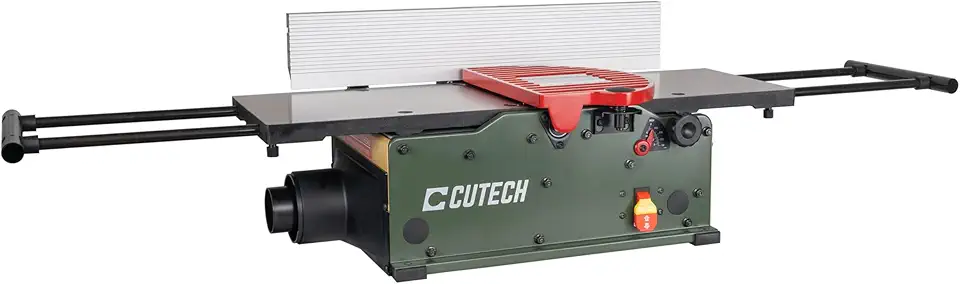
Cutech 401100HI 10-inch Spiral Jointer
- Powerful 12 amp motor handles heavy cuts and hardwoods with ease
- 10-inch cutting width speeds up work on wider boards
- 20 TC inserts on the spiral head deliver very smooth, consistent edges
- long 24 inch fence improves support and accuracy for larger pieces
- robust construction and included brackets boost rigidity and alignment
Buy on Amazon
Portability and storage
A bench jointer can be the right call if you need to lift it onto a shelf or roll it under a bench between projects. Measure storage space with dust hose clearance in mind, since ports and fittings add length behind the machine.
Set a rule for your shop: if the tool is annoying to set up, you’ll avoid using it and accept worse lumber prep. A dedicated stand at the right height makes a small jointer feel much more capable.
Ease of adjustments
Look for simple controls that you’ll actually use: clear depth-of-cut scale, fence locks that hold, and accessible table adjustments. If changing settings is awkward, you’ll keep the tool “close enough” and spend time fixing fit later.
- Check that the infeed wheel moves smoothly and doesn’t bind mid-travel.
- Confirm the fence returns to 90° repeatably after bevel cuts.
- Verify the cutterhead guard swings freely and snaps back every time.
- Do a quick test joint on scrap and measure for square and straight.
Reviews and warranties
User reviews help you spot patterns like fences that won’t stay locked, tables that arrive out of flat, or dust chutes that clog. Focus on repeated issues across many owners, then weigh those against your work style and how often you’ll joint hardwood.
If you’re choosing between two similar jointers, a longer warranty and responsive parts support can save real money later. For more buyer notes and comparisons across categories, see best jointers for woodworking.
If you want to step up to wider capacity for long-term shop use, these 12-inch options show what to expect in power and table mass.

Cutech 401120HI Pro 12-inch Spiral Jointer
- Robust cast iron tables stabilize long workpieces for precise cuts
- 24 TC inserts on the spiral cutterhead provide exceptionally smooth finishes
- extra-large 24 inch by 6 inch fence improves support and accuracy
- 12 amp motor offers the power for heavy stock and hardwoods
- included fence enhancement brackets increase rigidity and alignment options
Buy on Amazon

WEN JT1224H 12-inch Spiral Jointer
- Strong 12 amp motor provides steady power for demanding cuts
- 12-inch cutting width handles wide boards and larger projects
- extendable cast iron table adds stability for long stock
- spiral cutterhead reduces tear out and produces smooth joints
- easy adjustments and dust port improve workflow and cleanup
Buy on Amazon
FAQs
How Do I Use A Jointer To Flatten And Square A Board?
Use the jointer to remove high spots and create a flat reference face, then joint one edge against the fence to square the board.
Start by inspecting and marking the board, then make light, steady passes with even pressure while using push blocks to keep your hands safe. Finish by checking flatness with a straightedge and confirming the edge is square to the face.
What’s The Difference Between A Jointer And A Thickness Planer And When Should I Use Each?
A jointer flattens one face and squares an edge, while a thickness planer makes the opposite face parallel to the reference face and sets consistent thickness.
Use the jointer first to create a flat face and a straight edge; then run the board through the planer to achieve uniform thickness. For rough or warped lumber, joint one face and an edge before planing for best results.
How Do I Set Up And Align The Fence, Table, And Knives On A Jointer?
Set the infeed and outfeed tables level with each other, align the fence square to the tables, and set the knives to the outfeed table height for consistent cuts.
Use a straightedge or dial indicator to check table alignment and feeler gauges to set knife height, making small adjustments until readings match. Follow the manufacturer’s procedure for cutterhead removal and torque when rotating or replacing knives.
Can I Joint Long Boards Or End Grain Safely And What Are The Best Safety Tips For Using A Jointer?
You can joint long boards and some end grain, but only with proper support, slow feeds, and dedicated safety techniques.
Support long stock with roller stands or an outfeed table and use push blocks; avoid jointing small end-grain pieces unless you know the correct shearing technique or use a sled. Always keep guards in place, unplug before maintenance, and wear eye and hearing protection.