

Want to start wood turning but worried about cost? A solid wood lathe does not have to be expensive. This post walks through seven budget buys, clear spec checks, and safety tips for beginners. Find the model that fits your space and plans in 2026.
Table of Contents
A wood lathe spins a piece of wood while you shape it with turning tools, creating clean, symmetrical parts like spindles and bowls. This guide breaks down specs, smart budget picks, and safe beginner habits so you can buy a wood turning lathe with confidence in 2026.
Wood lathe basics for beginners
What a wood lathe does
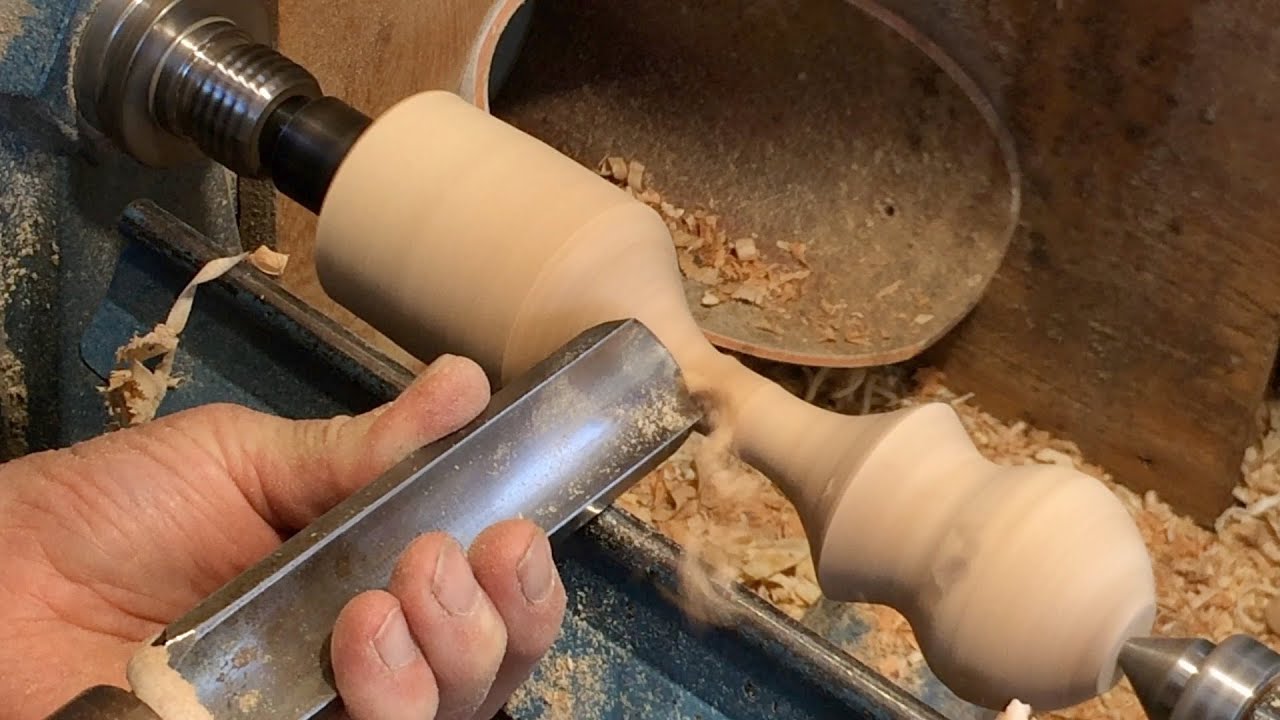
A wood lathe holds wood between centers (or on a faceplate/chuck) and rotates it so your chisel removes material evenly. This spinning action is what makes turning different from carving: you shape with controlled tool pressure while the machine creates the symmetry.
Most beginner projects fall into two buckets: spindle work (pens, chair legs, bottle stoppers) and face work (small bowls, plates). If you’re picking blanks, start with straight-grain stock before moving up to more figured pieces like burl wood, which can be unpredictable and demands better tool control.
Key specs: swing, DBC, RPM
Swing is the maximum diameter you can turn over the bed. An 8″ swing is great for pens and small ornaments, while 12–14″ swing opens the door to real bowl work without constant limits.
Distance between centers (DBC) is the longest spindle you can mount between the headstock and tailstock. If you want table legs or longer spindles, prioritize DBC first—many budget wood lathes look similar until you notice one gives you 20″ and the other gives you 13″.
RPM range affects safety, surface quality, and sanding time. Low speed helps when roughing an unbalanced blank; high speed helps refine cuts and speed up sanding, but only after the piece runs true.
Start slow, get the blank balanced, then increase speed only after vibration drops and the tool feels stable on the rest.
BobVila: Best Wood Lathe
Wood turning lathe types
Mini lathes are compact benchtop machines meant for pens, small spindles, and small bowls. They’re easier to store and usually cost less, which is why they’re common as a first wood turning lathe.
Midi lathes add swing, bed length, and mass for smoother turning. Many budget midi options still fit on a bench, but they handle bigger blanks with less chatter.
Full-size lathes add more power and capacity for large bowls and long furniture parts. If your goal is big-diameter work, budget units can feel limiting fast, so it’s better to buy for your real target projects.
Why budget wood lathes make sense in 2026
Typical price range under $500
Most budget wood lathes live around $250–$500, which usually buys you a benchtop size, a workable speed range, and enough power for learning. In that band, you’ll see two common value adds: variable speed and heavier bases that cut vibration.
Bundled deals matter at this price because accessories add up fast. A package that includes a faceplate, drive center, live center, and a usable tool rest can save $50–$100 versus buying separately.
Best beginner project fits
Pick a budget lathe based on the first 10 projects you’ll actually do. Pens and small handles need less swing but benefit from smooth speed control; bowls demand more swing and better stability.
- Pens, bottle stoppers, small tool handles: 8–10″ swing, 13–18″ DBC
- Candlesticks, chess pieces, small legs: 10–12″ swing, 18–20″ DBC
- Bowls and platters (small to medium): 12–14″ swing with solid tool rest support
- Practice blanks: start with straight-grain turning stock like wood turning blanks
Value vs jet lathe durability
A jet lathe (and similar premium brands) often earns its price through tighter machining, better bearings, smoother controls, and longer-term parts support. Budget machines can still cut cleanly, but they may need extra setup time: belt alignment, tool rest tuning, and better workholding.
For many people, the smart move is to start with a budget wood lathe, learn sharpening and tool control, then upgrade after you know you’ll keep turning. If you already know you want larger bowls, frequent use, or heavier hardwood turning, a premium unit can reduce vibration and frustration from day one.
Buying a budget wood lathe: key factors
Motor power range
Most budget lathes land at 1/3–3/4 HP (about 250–550W). That range is fine for pens, stoppers, and small bowls, but roughing wet or out-of-round blanks will feel slower and can stall if you push too hard.
Use motor size as a project filter: if you’ll turn mostly spindle stock under 2″ diameter, smaller motors can work well. If bowls are your main goal, lean toward the top of the range and pair it with a heavier machine body to reduce vibration.
Speed control options
Variable speed makes learning easier because you can start slow, then raise RPM in small steps until the cut smooths out. Multi-speed (step pulley) lathes can still work great—you’ll just change belt positions to shift speed ranges.
Look for a low end that supports safe roughing and a high end that supports sanding and finishing. A digital RPM display is helpful for repeatability, like returning to the same sanding speed after tool work.
Size and capacity
Capacity is where budget mistakes happen most: people buy small, then discover their projects don’t fit. Match swing to your largest planned bowl diameter and match DBC to your longest planned spindle length, with a little room to grow.
Benchtop lathes need a stable stand. If the base is light, bolt it down or add weight so the machine doesn’t walk during roughing; stability improves surface finish and makes tool control easier.
Build quality checkpoints
Start by checking for cast iron where it counts: bed and base mass reduce vibration. Then look at alignment: the headstock and tailstock points should meet cleanly; poor alignment hurts drilling accuracy and spindle turning.
Next, confirm common standards like MT2 tapers and a practical tool rest system. MT2 support gives you more accessory choices and makes it easier to upgrade centers later without replacing the whole machine.
Accessories and bundles
Bundles can be a real value if the add-ons are usable. A faceplate, live center, drive spur, and tool rest matter right away; cheap chisels can hold you back if they won’t take an edge, so plan on upgrading tools or sharpening gear early.
For sharpening, a basic stone setup makes a bigger difference than many people expect. If you’re building a starter kit, a reliable sharpening stone can improve your cuts more than adding extra turning tools.
7 budget wood lathe buys in 2026
These picks focus on beginner-friendly wood lathe features under $500: usable speed control, stable construction, and practical capacities for common projects.
WEN 8×13 mini variable-speed wood lathe
If you want a compact first wood turning lathe for pens, small handles, ornaments, and light spindle work, this size makes setup simple and storage easy. Variable speed helps when you’re learning tool pressure and trying to reduce sanding time without risking catches.
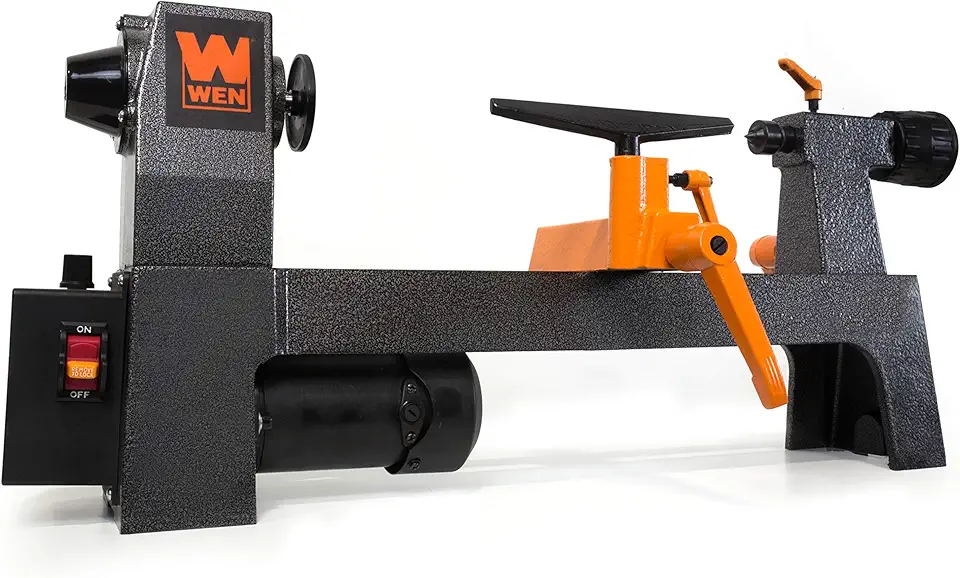
WEN 8x13 Mini Variable-Speed Lathe
- Compact benchtop size ideal for small projects and limited workspace
- Variable-speed control for precise shaping and finishing
- Stable construction reduces vibration for smoother cuts
- User-friendly setup great for beginners and hobbyists
- Compatible with common turning accessories for versatility
 Buy on Amazon
VEVOR 14×40 4-speed wood lathe
This long-bed wood lathe is a strong budget choice if you want more DBC for chair parts, longer spindles, and repeated practice cuts. The step speeds keep operation simple, and included basics help you start turning faster without hunting for every accessory.

VEVOR 14x40 4-Speed Wood Lathe
- Four selectable speed ranges for bowls, spindles, and detail work
- 0.5 HP motor provides steady power for a variety of woods
- Includes basic chisels and faceplate to get you started
- Long bed capacity (14 x 40) handles larger turning projects
- Durable build and straightforward controls for reliable performance
Buy on Amazon
WEN 14×20 variable-speed benchtop lathe
If you want a more versatile wood lathe without going full-size, this 14×20 class is a practical middle ground for medium spindles and starter bowl work. Variable speed supports smoother learning because you can fine-tune RPM to reduce chatter as your tool control improves.

WEN 14x20 Variable-Speed Benchtop Lathe
- 6-amp motor delivers reliable torque for larger turning projects
- Variable speed lets you dial in the perfect RPM for each task
- 14 x 20 capacity accommodates medium-sized workpieces
- Smooth operation minimizes chatter for cleaner finishes
- User-friendly controls and easy setup for quick starts
Buy on Amazon
12×18 3/4HP 5-speed benchtop wood lathe
This option fits buyers who want stronger power for steadier cuts on harder species and slightly larger turning tasks. Five speed steps cover roughing to finishing work, and MT2 support helps if you plan to add better centers or drilling accessories later.

12x18 3/4HP 5-Speed Benchtop Lathe
- Powerful 550W (3/4HP) motor for consistent cutting performance
- Five speed settings (680–2770 RPM) cover roughing to finishing tasks
- MT2 drive and live center support accurate turning and repeatability
- Solid construction and tool rest for stable operation
- Easy to adjust and suited for both hobbyists and small shops
Buy on Amazon
14×40 infinitely variable-speed wood lathe
If you like long-bed capacity but also want fine speed adjustment, an infinitely adjustable control is useful for dialing out vibration on long spindles. This style is a good match for repeat work where you want to return to the same RPM for similar blanks.

14x40 Infinitely Variable-Speed Wood Lathe
- Infinitely variable speed control (1040–2980 RPM) for fine tuning
- 0.5 HP motor balances power and smoothness for wood turning
- Large 14 x 40 bed handles longer workpieces and spindles
- Includes basic wrench and two chisels to start turning right away
- Sturdy design reduces vibration for cleaner cuts and finishes
Buy on Amazon
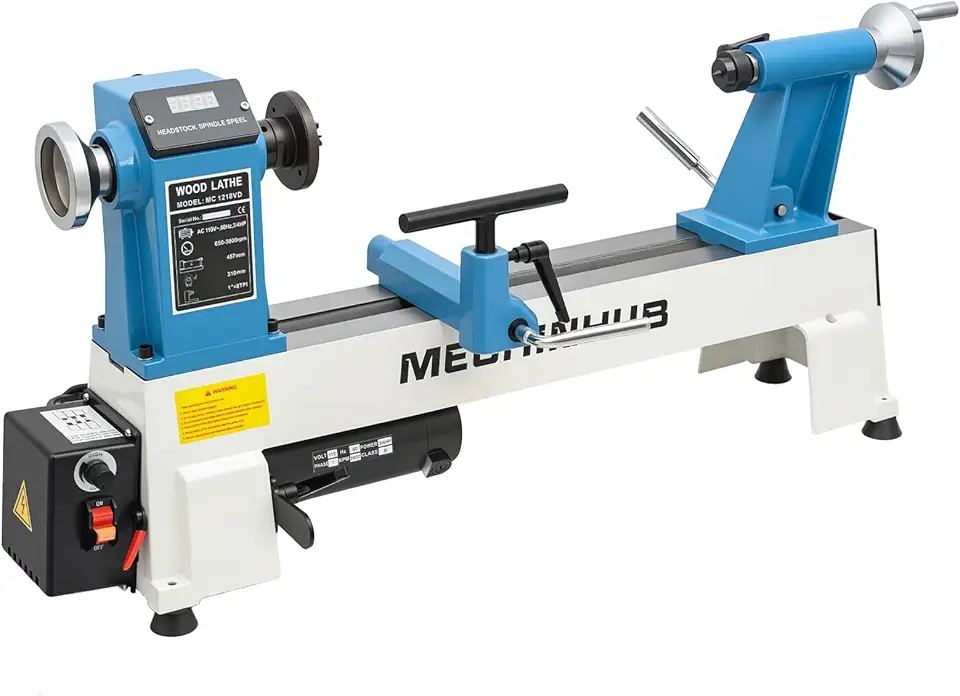
12×18 digital-display high-speed wood lathe
A digital RPM readout is helpful if you’re learning what speeds work best for a certain diameter and wood type. The higher top speed is also handy for sanding and polishing once your piece is round and stable.
12x18 Digital-Display High-Speed Wood Lathe
- Digital RPM display for accurate speed monitoring and repeatability
- High-speed range up to 3800 RPM ideal for sanding and polishing
- 3/4HP motor provides strong performance across tasks
- Infinitely variable control for smooth adjustments
- Compact benchtop design fits small workshops and studios
Buy on Amazon
SainSmart 600W variable-speed mini wood lathe
This mini unit targets buyers who want extra wattage and a more complete accessory bundle in a small footprint. It can be a good fit for frequent small turning where quick speed changes and consistent torque matter more than large swing.

SainSmart 600W Variable-Speed Mini Wood Lathe
- 600W motor delivers strong, consistent turning power
- Variable speed control adapts to different materials and finishes
- Comes with a full set of accessories to get you started
- Built for both hobbyists and professional users seeking reliability
- Sturdy construction reduces vibration for smoother results
Buy on Amazon
Budget wood lathe comparison table
Swing and DBC overview
Use swing to filter bowl size and use DBC to filter spindle length. If you’re unsure, buy for the largest project you can picture yourself building in the next six months, not the smallest project you can do tomorrow.
Power and speed ranges
Power helps you keep the cut steady without stalling, while speed range helps you match RPM to diameter and balance. Variable speed is easier for new turners; stepped pulleys keep cost down and can be perfectly workable with a simple workflow.
Best use-case picks
This table gives a quick fit guide so you can match machine size to what you’ll actually turn and avoid buying too small.
| Model | Swing / DBC | Power | Speeds (RPM) | Best for |
|---|---|---|---|---|
| WEN 8×13 Mini | 8″ / 13″ | Mini class | Variable | Pens, small spindles, ornaments |
| VEVOR 14×40 4-Speed | 14″ / 40″ | 0.5 HP | 4-speed | Long spindles, repeated practice, light bowl work |
| WEN 14×20 Variable | 14″ / 20″ | 6-amp class | Variable | General beginner work, medium spindles, starter bowls |
| 12×18 3/4HP 5-Speed | 12″ / 18″ | 3/4 HP | 680–2770 (5) | Harder woods, steady spindle turning |
| 14×40 Infinitely Variable | 14″ / 40″ | 0.5 HP | 1040–2980 | Long spindles with fine RPM adjustments |
| 12×18 Digital High-Speed | 12″ / 18″ | 3/4 HP | Up to 3800 | Sanding/polishing workflows and repeat settings |
| SainSmart 600W Mini | Mini | 600W | Variable | Small work with stronger torque and accessories |
Beginner tips for using a wood lathe safely
Safer starter woods
Start with straight-grain wood that’s dry and free from cracks, bark, and knots. Softer, predictable species help you learn bevel control and reduce the chance of catches that can tear out chunks.
If you’re choosing stock by properties, density and hardness affect how a tool feels at the same RPM. A quick reference like the wood hardness scale helps explain why one “same size” blank cuts smoothly while another feels grabby.
Workholding basics
Secure mounting prevents wobble, which prevents bad cuts. Between centers is the easiest starting point: mark centers, seat the drive spur firmly, bring up the tailstock, then lock everything before turning on the motor.
As you grow, you’ll likely add a chuck for bowls, but the same rule applies: mount cleanly, tighten correctly, and spin the blank by hand first to confirm it clears the tool rest and bed.
RPM guidelines
Lower RPM is safer when the blank is unbalanced or has corners, especially on bowl blanks. After the blank becomes round, keep raising speed in small steps until vibration drops and your tool produces continuous shavings.
Use sanding speeds that don’t burn the wood. If you notice heat checks or dark rings, slow down and switch to fresh abrasive; a smoother cut from a sharp tool often reduces how much sanding you even need.
Tool quality essentials
Sharp tools are safer because they cut with less force. If a chisel skates, chatters, or demands heavy pressure, stop and sharpen—forcing the cut increases the chance of a catch.
Cheap tool kits can work for practice, but many arrive with soft steel that won’t hold an edge. If you upgrade one thing early, upgrade your sharpening routine and learn a repeatable edge that matches your turning style.
Simple upgrade ideas
Add stability first: bolt the lathe down, add a heavier bench top, or mount on a stand with ballast. Less vibration improves surface finish and makes your hands relax, which makes everything safer.
Next, upgrade consumables that affect results fast: better centers, a smoother tool rest, and abrasives that cut cleanly. If you do a lot of sanding after turning, a small drum sander can also help you prep blanks faster before they ever touch the lathe.
Where to find a wood lathe for sale
New vs used buying
Buying new gets you a warranty, return options, and fewer surprises with bearings and speed control. Used can save money, but only if you can inspect it or you trust the seller’s proof that it runs smoothly across the speed range.
If you’re buying used, ask for a video at low and high speeds, plus a close look at the spindle threads and tool rest locks. A simple checklist like the one discussed in AAW Forum: What lathe should I buy can help you spot common fit and finish issues before you pay.
Bundle deals to watch
A “wood lathe for sale” listing is best when the bundle includes real workholding: a chuck, extra jaws, faceplates, and centers. Those items can cost as much as a budget mini lathe if you buy them later one at a time.
Pay attention to tool extras too, but value them carefully. A set of chisels is only a deal if the steel takes an edge and the handles feel safe in your hands without flexing.
What to avoid in listings
Avoid listings with missing parts that stop you from turning right away, like the tool rest, tailstock handwheel, or speed control components. Replacing small parts can be harder than you’d expect on off-brand machines.
Skip units that show crash damage: bent tool rests, chewed spindle threads, cracked pulleys, or tailstocks that won’t lock down firmly. If a seller won’t show a running test, treat it like a repair project and price it that way.
FAQs
How to Sharpen Wood Lathe Tools
Sharpen wood lathe tools by using a bench grinder with a fine or medium wheel and a consistent sharpening angle. Hold the tool firmly on a tool rest or use a sharpening jig to maintain the correct bevel, then make light passes to avoid overheating the edge. Finish by lightly honing or touching up as needed to keep the tool sharp and ready for clean cuts.
What Size Wood Lathe Do I Need As A Beginner?
A 12- to 14-inch swing with about 16–20 inches between centers is a good starter lathe for most beginners.
This size handles bowls and spindles comfortably without taking up too much space and fits common turning projects. If you expect to make large bowls or deep vessels, consider a larger swing; hobbyists often prefer compact, stable machines with variable speed.
How Do I Mount And Secure Wood On A Lathe Safely?
Secure the workpiece with a properly fitted faceplate, chuck, or drive center and support it with a live tailstock center.
Ensure the toolrest is locked close to the wood and tighten all fasteners before turning. Check grain orientation, use tailstock pressure or a spur center for rough work, and always wear eye protection and a face shield.
What Are The Essential Turning Tools And Accessories For A New Wood Lathe?
Start with a core set: a 1/2-inch bowl gouge, spindle gouge, parting tool, and a skew or roughing gouge, plus sharpening stones.
Also get a sturdy toolrest, a four-jaw chuck or faceplate, calipers, abrasive papers, and safety gear like a face shield and respirator. These basics cover most beginner projects and let you learn sharpening and tool technique.
How Can I Avoid Catches, Tear-Out, And Get A Smooth Finish When Turning Wood?
Use sharp tools, positive cutting angles, slow controlled cuts, and light finishing passes to avoid catches and tear-out.
Turn with the grain where possible, support thin sections with the tailstock, and reduce speed if vibration occurs. Finish with progressively finer abrasives and a suitable sealer or oil for a smooth surface.