
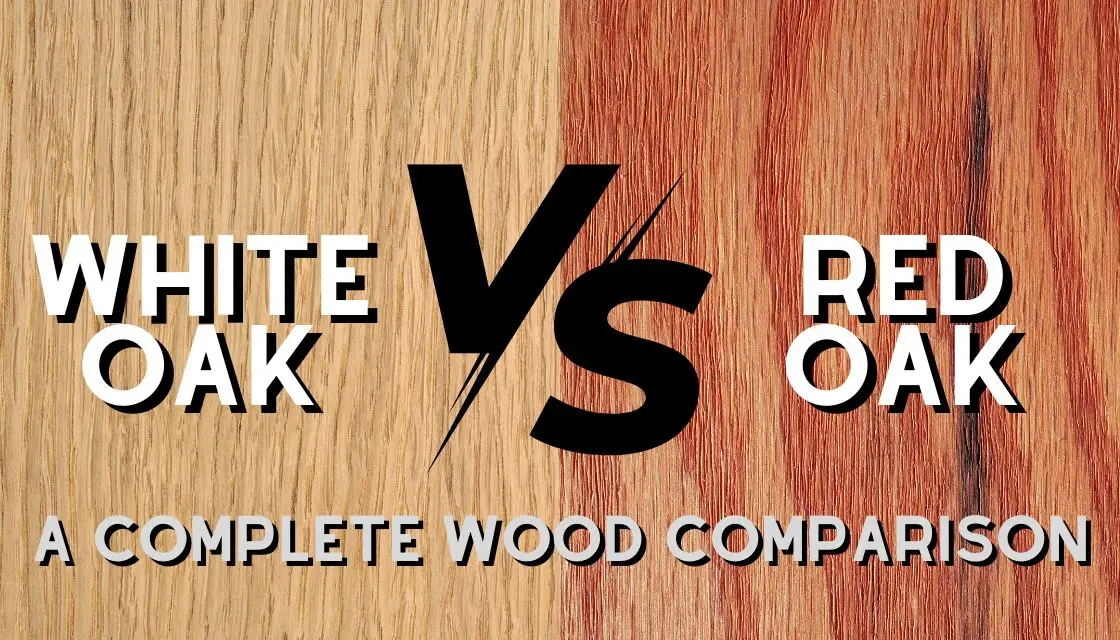

I love working with oak wood because of its beauty and versatility. Oakwood adds warmth and elegance to any project. But choosing between white oak versus red oak can be tricky, especially for beginners.
In this guide, we’ll explore the differences between red oak and white oak. We’ll look at their characteristics, uses, and what to consider. This will help you choose the right oak for your project.
Table of Contents
Understanding Oak Wood Species
Oak wood comes in many species and varieties, each with its look and use. From the large oak trees in North America to the beautiful oak types in Europe, it is important to know these differences. It helps you pick the perfect oak for your project.
North American Oak Varieties
In North America, you’ll find famous oak species like the white oak (Quercus alba), Northern red oak (Quercus rubra), and black oak (Quercus velutina). Each has its look, from the white oak’s rounded lobes to the red oak’s pointed ones. This makes them great for many uses.

European Oak Varieties
In Europe, the oak varieties are just as interesting. The English oak (Quercus robur) and sessile oak (Quercus patraea) stand out. Each has its traits and uses.
Commercial Oak Classifications
In the business world, oak species are grouped into two main types: red oak and white oak. These types look similar but have key differences. Knowing these oak varieties is vital for choosing the right oak for your needs.
“Proper identification of oak species is essential for selecting the right wood for your project, as each type has unique properties and characteristics.”

Red Oak vs White Oak: Key Differences
Oak wood comes in two main types: red oak and white oak. They look similar but have key differences. These differences affect how well they work for different uses.
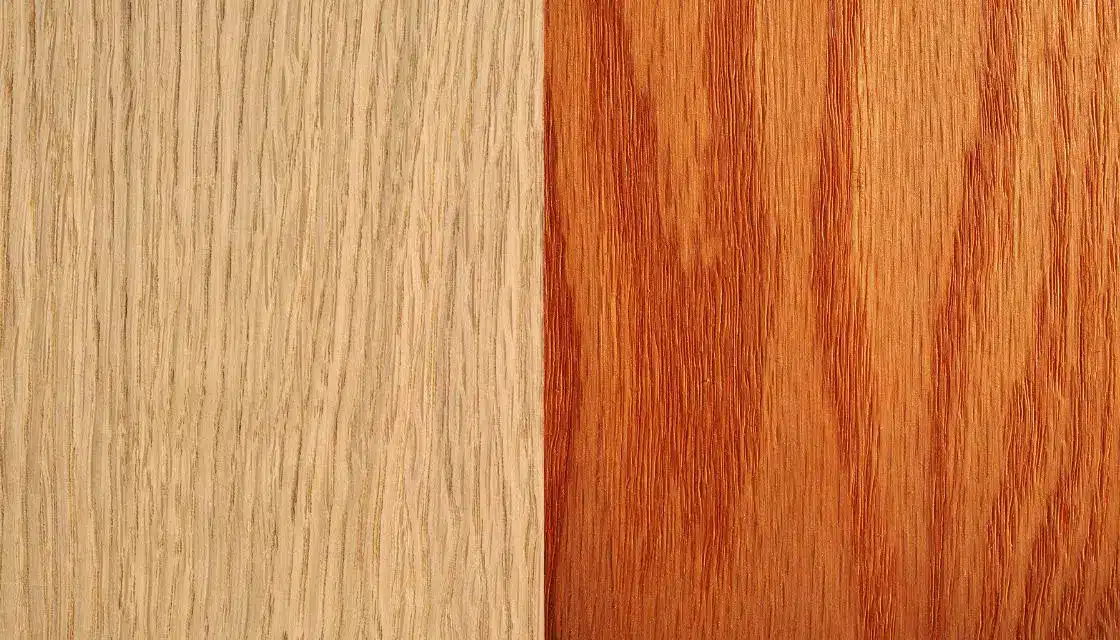
The main difference is in color. Red oak has a reddish or pinkish color. White oak is more olive-colored. This color difference comes from the wood’s chemical makeup and structure.
The grain pattern also differs. Red oak has a coarser grain. White oak has a finer, more even grain. This affects how the wood looks and works, including how it finishes.
- Red oak soaks up moisture better, making it good for indoor use.
- White oak, with its tyloses, resists rot and decay. It’s perfect for outdoor and water-resistant projects like boat building.
When it comes to durability, white oak is stronger than red oak. It has a higher Janka hardness rating. This means it’s more resistant to dents and scratches.
“White oak was even used in 18th-century warships due to its exceptional strength and resistance to moisture.”
These differences in color, grain, and durability matter for choosing oak wood. Knowing these differences helps you pick the right oak for your project.

Physical Properties and Characteristics
Oak wood comes in two main types: red oak and white oak. Each has its own set of physical properties. Knowing these differences is key to choosing the right wood for your projects or home improvements.
Density and Weight Comparison
white oak vs red oak: White oak is denser and heavier than red oak. It has a specific gravity of 0.75 and weighs about 47 pounds per cubic foot. Red oak, with a specific gravity of 0.70, weighs around 43.8 pounds per cubic foot.
Red vs White Oak: Hardness and Durability Factors
Red oak vs white oak: White oak is harder than red oak. It scores a Janka hardness rating of 1,350 pounds, while red oak scores 1,220 pounds. This makes white oak more durable and resistant to wear.
red oak vs white oak: Grain Patterns and Texture
Both oak types have unique grain patterns and textures. White oak has longer ray flecks and a more detailed ray fleck pattern when quartersawn. This gives it a special look. Red oak, on the other hand, has a coarser texture with larger pores. White oak’s pores are plugged by tyloses, making it more water-resistant.
| Property | Red Oak | White Oak |
|---|---|---|
| Specific Gravity | 0.70 | 0.75 |
| Average Weight (lb/ft³) | 43.8 | 47.0 |
| Janka Hardness (lb) | 1,220 | 1,350 |
| Grain Pattern | Coarser texture with larger pores | Finer texture with pores plugged by tyloses |
The physical properties of oak wood, like density, hardness, and grain patterns, are important. They help decide the best use for each oak type. Knowing these differences helps you choose the right oak for your needs.
Color Variations and Appearance
red oak vs white oak: Red oak and white oak have different oak wood colors. Red oak’s heartwood can be pale reddish-brown to light tan. White oak’s heartwood is usually pale or greenish-tan to grayish-brown. This difference in oak appearance is key when picking the right oak for your project.
Red oak looks warmer and more vibrant, with clear oak grain patterns. White oak, on the other hand, has a more subtle look, with an olive cast and finer grain. These differences affect the final look of your project, so it’s important to think about what you want.
| Characteristic | Red Oak | White Oak |
|---|---|---|
| Heartwood Color | Pale reddish-brown to light tan | Pale or greenish tan to grayish-brown |
| Tone | Warmer, more vibrant | Subtler, more refined |
| Grain Pattern | Larger, more prominent pores and grain lines | Finer, less pronounced grain structure |
Choosing between red oak and white oak depends on your taste, the look you want, and your project’s needs. Knowing about these oak wood color and oak appearance differences helps you make the best choice. This way, you can get the look you want for your space.
Porosity and Water Resistance
Oak wood has two main types: red oak and white oak. The main difference is in their porosity and water resistance. White oak stands out for its better water resistance, thanks to a special feature called tyloses.
Understanding Tyloses in White Oak
Tyloses are like balloons that block the pores in white oak. This makes white oak almost water-proof. It’s great for things like boat-building and outdoor furniture. Red oak doesn’t have this, so it can’t block water as well.
Moisture Absorption Rates
To tell red oak from white oak, just blow air through a piece of wood. Air will go through red oak but not white oak. This shows how different their pores are.
White oak is perfect for outdoor projects because it’s water-resistant. Red oak is better for inside where it’s not as wet.
“White oak is the preferred choice for boat-building and other outdoor applications that require superior water resistance and durability.”
Applications and Best Uses
Oak is a versatile and durable wood with many uses. It’s great for making oak furniture, oak wood uses, or exploring oak applications. Knowing the differences between red oak and white oak helps you choose the best wood for your project.
White oak is known for its water and rot resistance. It’s perfect for outdoor projects like boatbuilding and making wine and whiskey barrels. Its structure and natural water resistance also make it great for exterior construction.
Red oak is better for indoor projects like oak furniture, flooring, and cabinetry. It’s not as water-resistant as white oak but still durable. Its grain pattern is highly valued for its beauty.
Both red oak and white oak are used in construction. But, they’re better suited for different environments and uses. Knowing these oak wood uses and oak applications is key when picking the right oak for your project.
“Oak is a versatile and durable wood that has a wide range of applications, from furniture to construction.”
In short, white oak is best for outdoor and marine projects because of its water resistance. Red oak is popular for indoor projects because of its beauty and versatility. By thinking about your project’s needs, you can pick the right oak wood uses and oak applications for the best results.

Red Oak vs White Oak Flooring
Hardwood flooring comes in many types, with red oak and white oak being favorites. Each has its look and benefits. Knowing the differences can help you choose the right one for your space.
red oak floor vs white oak: Red oak has a warm, reddish color and a bold grain. It’s perfect for traditional or rustic designs. White oak, on the other hand, has a softer look with finer grain and shades of beige and brown. It suits modern interiors well.
| Feature | Red Oak | White Oak |
|---|---|---|
| Janka Hardness Rating | 1290 | 1360 |
| Moisture Resistance | Less resistant | More resistant |
| Color Variations | Warmer, reddish tones | Cooler, beige and brownish hues |
| Grain Pattern | More pronounced | More subtle |
| Cost | Typically less expensive | Typically more expensive |
White oak is harder and better at handling moisture. It’s great for busy areas or places with moisture. It’s also used for outdoor projects like boat making and wine barrels.
Choosing between red oak and white oak depends on your style and needs. Both add beauty and elegance to any home. Your choice will reflect your taste and the space’s character.
Cost Comparison and Availability
Oakwood prices and availability can change a lot. Red oak is usually cheaper and easier to find than white oak. You can find red oak at home centers and hardware stores. But, white oak is harder to find and only available at specialized stores or small sawmills.
White oak can cost up to twice as much as red oak. Prices change based on where you are, how much people want it, and the type of oak. So, the cost and where you can find oak wood can change a lot.
Market Pricing Factors
Many things affect how much oak wood costs. These include:
- Regional availability: Oak species may be more abundant in certain geographic areas, affecting local supply and demand.
- Demand: The overall demand for oak wood, both for residential and commercial applications, can impact pricing.
- Species variations: The specific oak species, such as red oak or white oak, can result in price differences due to their unique characteristics and popularity.
Regional Availability
Where you are can really affect oak wood prices. For example, in places where red oak is common, it’s cheaper. But, in areas where white oak is more available, the price difference might be smaller.
So, oak wood costs and availability can really vary. Knowing what affects prices can help you choose the right oak wood for your needs.
Staining and Finishing Properties
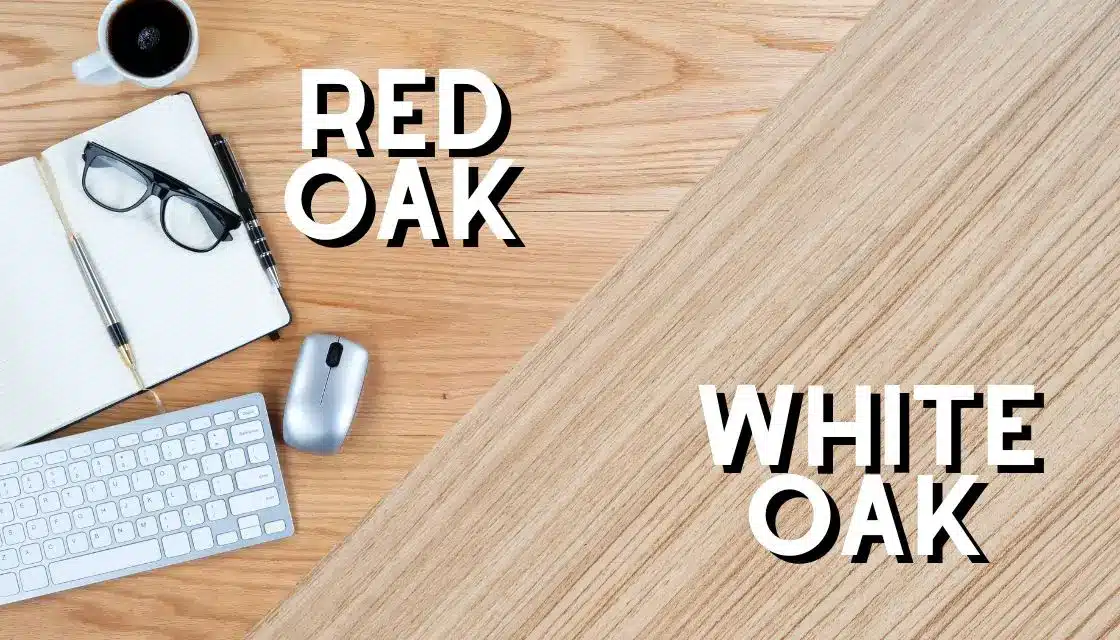
Understanding the staining and finishing properties of oak wood is key. Red oak is more porous, making it easier to stain evenly. This is why it’s great for different color tones. White oak, on the other hand, has a closed grain and can be harder to stain. But, it often looks more natural and unstained.
The color of each wood type also plays a role in the final look. Red oak’s pinkish hue can show through lighter stains. White oak’s olive tones can affect the final color. Both types work well with various oak wood sealers and finishes. But, the right finish depends on the wood’s natural properties and use.
- Red oak has a Janka hardness rating of 1290, making it slightly less durable than white oak’s 1360 rating.
- White oak has a smoother grain, while red oak’s grain is more dramatic.
- White oak’s closed-grain structure makes staining harder, but its natural look is often preferred.
- Red oak’s porosity allows it to absorb stains well, offering a wide range of colors.
“White oak’s durability and moisture resistance make it great for outdoor use. Red oak’s versatility is perfect for indoor furniture and cabinetry.”
When picking between red oak and white oak, think about the look you want, the use, and the staining and finishing needs.
Durability in Different Environments
Both red oak and white oak are durable, but white oak is better for outdoors. It resists rot, decay, and moisture well.
Indoor Performance
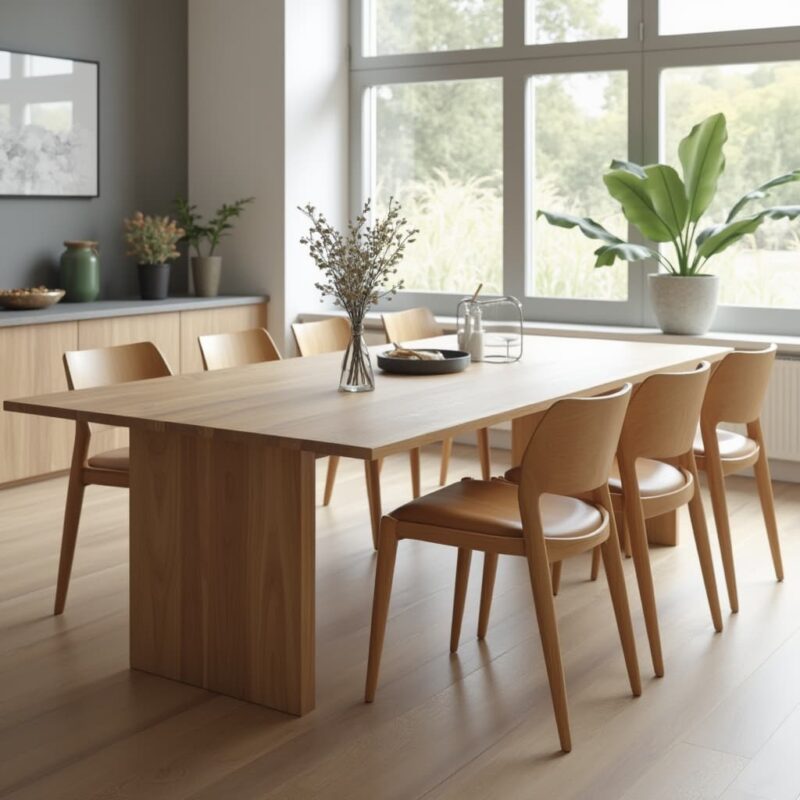
Indoors, both oaks do well, but white oak is a bit more durable. Red oak is great for dry indoor spots. White oak, with its hardness and density, is better for busy areas. It lasts longer against daily wear.

Outdoor Applications
White oak is top-notch for outdoors because it can handle the weather. Its closed-grain and tyloses block water, making it very durable. It’s used in boats, furniture, whisky barrels, and truck floors.
Red oak, being more porous, isn’t as good for outside. But both oaks last a long time with care.
| Characteristic | Red Oak | White Oak |
|---|---|---|
| Janka Hardness Rating | 1,290 lbf | 1,360 lbf |
| Moisture Resistance | More porous and absorbent | Highly resistant due to tyloses |
| Outdoor Durability | Less resistant to elements | Exceptional resistance to rot, decay, and moisture |
| Common Uses | Furniture, flooring, cabinets | Outdoor furniture, boating, whisky barrels |
In summary, white oak is best for outdoors because of its moisture resistance and hardness. Red oak is better for indoors, especially where it’s dry.


Working with Oak: Processing and Installation
Working with oak woodworking is easy with both red and white oak. But, their density can dull tools. White oak, being slightly harder, may require more effort to cut and shape. Luckily, both types work well with glue, nails, and screws. Just remember to pre-drill to avoid splitting.
For oak installation, stability, and longevity are key. When installing oak flooring or furniture, remember its natural expansion and contraction. Proper acclimation before installation is vital for both types of oak.
Preparing Oak for Processing
- Use sharp tools to minimize dulling and tear out
- Pre-drill holes to prevent splitting when nailing or screwing
- Sand surfaces thoroughly to achieve a smooth finish
Acclimating Oak for Installation
- Allow the oak to adjust to the local climate for 7-14 days before installation
- Monitor moisture levels and ensure they are within the recommended range
- Maintain a consistent temperature and humidity during the acclimation period
By following these best practices for oak processing and installation, you can ensure a successful and long-lasting project. This applies to oak flooring, cabinetry, or furniture.
“Oak is a versatile and durable wood that requires careful handling to unlock its full potential.”
Conclusion
Choosing between red oak and white oak depends on your needs and preferences. Both are strong, durable and last long. They are great for many woodworking and construction projects.
White oak is better for outdoor use because it resists water well. It’s also good for places with a lot of moisture and traffic. Its grain is closed, and it looks neutral, which is why it’s often used for indoor furniture and cabinet doors.
Red oak, however, is loved for its unique grain and warm colors. It stains easily, making it perfect for projects where looks matter most. Plus, it’s cheaper than white oak, which is a plus for those watching their budget.
FAQs
What are the main differences between red oak and white oak?
Red oak and white oak differ in color, grain, and durability. Red oak has a reddish hue and coarser grain. White oak is olive-colored and has finer grain. White oak resists rot better, making it great for outdoors. Red oak is more porous and best for indoors.
How do the physical properties of red oak and white oak compare?
White oak is denser and heavier than red oak. It’s also harder, with a Janka hardness of 1350 lb. compared to red oak’s 1220 lb. Both have unique grain patterns, with white oak’s being more pronounced when quartersawn.
What are the key differences in appearance between red oak and white oak?
Red oak heartwood ranges from pale reddish-brown to light tan. White oak heartwood is pale or greenish tan to grayish-brown. Red oak has a warmer tone and more visible grain lines. White oak is more subtle with its olive-colored cast.
How does the porosity of red oak and white oak differ?
White oak’s pores are plugged by tyloses, making it water-resistant. This is why it’s great for outdoor use. Red oak has open pores and absorbs moisture. A simple air test can tell them apart.
What are the best uses for red oak and white oak?
White oak is perfect for outdoor furniture and boatbuilding. It’s also used in wine and whiskey barrels and exterior construction. Red oak is better for indoor use like flooring and cabinetry. Both are used in construction, but each has its own strengths.
How do red oak and white oak perform as flooring options?
Red oak flooring has a warm, reddish tone and prominent grain. White oak flooring is more subtle and durable. White oak is better for high-traffic areas. The choice depends on the space’s look and needs.
What are the cost and availability differences between red oak and white oak?
Red oak is more affordable and widely available than white oak. You can find red oak in many stores, but white oak is harder to find. White oak can cost twice as much as red oak, depending on location and demand.
How do red oak and white oak perform when it comes to staining and finishing?
Red oak takes stains well, making it versatile for color. White oak is harder to stain but looks natural. Both types work well with various finishes, but the finish should match the wood’s natural look and use.


