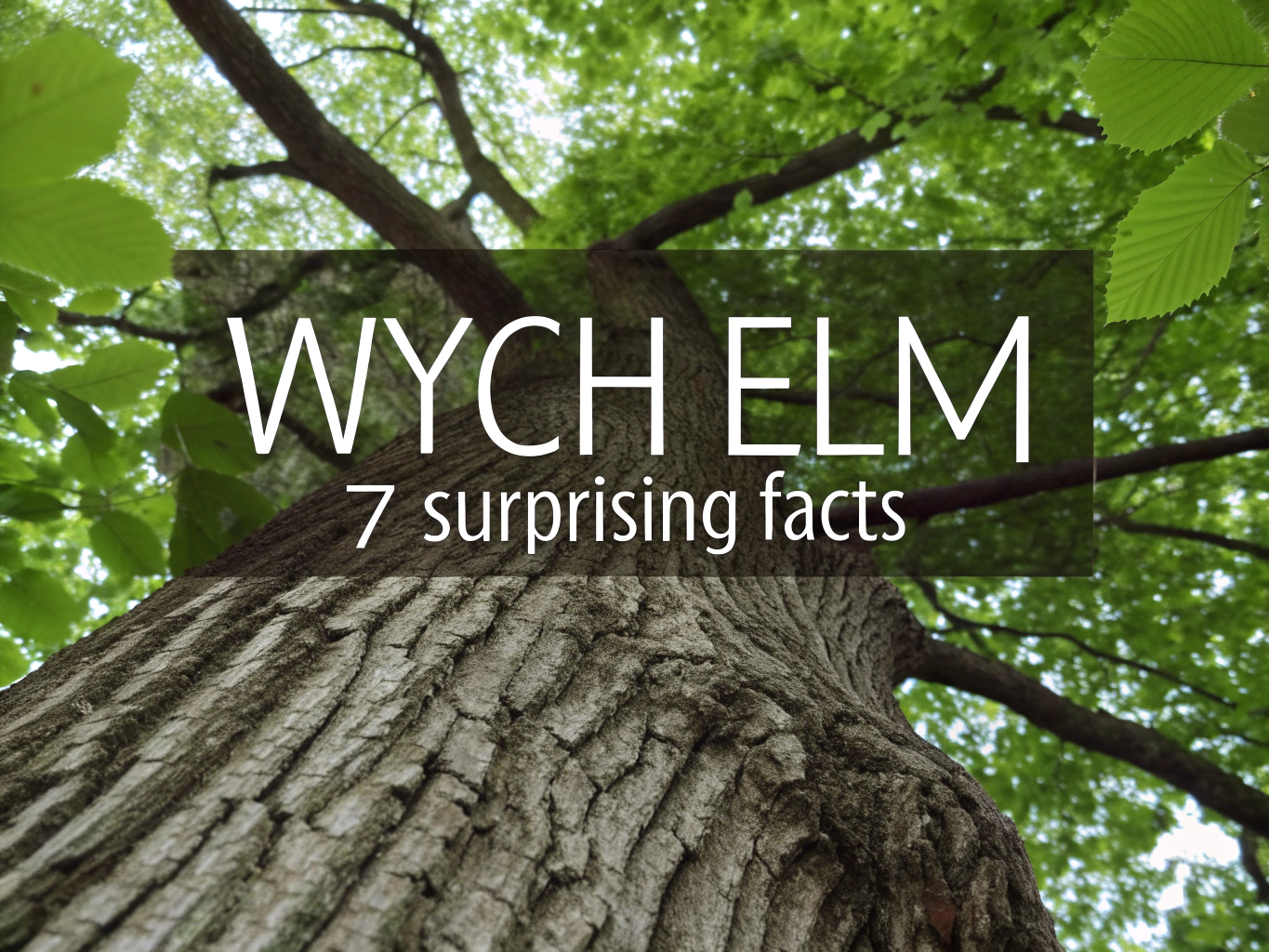

Wych Elm trees stand tall across British woods and carry odd stories. Have you heard of the case called Bella in the Wych Elm? Some sources call the species elm wych. This post lists seven simple facts about the tree: its role in woods, timber uses, fungi partners and the baffling Bella mystery.
Table of Contents
The wych elm (Ulmus glabra) links natural history, folklore, and a still-talked-about mystery. This guide brings clear facts, practical ID tips, and the story behind “bella in the wych elm.”
What Makes Wych Elm Unique
Native British Heritage
Ulmus glabra is the only truly native elm across the British Isles, often called “Scots elm.” For reliable ID notes and range info, see the concise profile by Yale Nature Walk.
You’ll meet it in moist valleys, hedgerows, and uplands where air stays humid. It tolerates cooler sites and can grow up to about 1,500 m (4,900 ft) in elevation.
Impressive Size and Longevity
Under ideal conditions, wych elm can reach about 40 m (131 ft), with broad crowns and heavy limbs starting low on the trunk. Many Scottish trees today are smaller in height, yet girths like the “Jedburgh Giant” show impressive bulk.
Lifespan can approach 400 years in the best sites. Old veterans often persist as multi-stemmed or pollarded forms in farms and estates.
Distinctive Identification Features
Leaves are rough on top and have a long taper, with about 12–18 veins per side. Early spring flowers give way to round samaras, each seed sitting near the wing’s center.
| Feature | Details |
|---|---|
| Leaves | Round-elliptical, long-tapered tip, rough above, 12–18 vein pairs |
| Bark | Grey-brown, fissures with age; may host mosses and lichens |
| Buds | Purplish-brown, often rounded; twigs robust |
| Flowers | Small, red-tinged clusters in early spring before leaf-out |
| Fruit (samaras) | Round to oval wings, seed roughly central |
| Form | Large, spreading crown; big limbs emerge low |
| Habitat | Moist valleys, hedgerows, uplands; high humidity sites |

Ecological Powerhouse of British Woodlands
Supporting 40+ Fungi Species
Dead wych elm wood sustains about 40 fungi species that feed on decaying timber. This specialist community is highlighted by conservation group Trees for Life.
The tree’s size and habit create varied microhabitats. Standing deadwood, fallen limbs, and rot holes all support niche organisms across seasons.
Wildlife Habitat Provider
Wych elm boosts woodland biodiversity by offering shelter and food. Use these pointers during surveys or garden planning near existing trees.
- Saproxylic beetles and hoverflies develop in dead and decaying wood.
- Nesting birds use cavities and dense crowns for cover and safety.
- Bats roost behind loose bark and in old pruning wounds.
- Leaf-feeding insects support predators like birds and spiders.
Pollinator Resource
Early flowers provide pollen when few other trees bloom. This spring boost helps hoverflies, bees, and other early-foraging insects.
Surviving the Dutch Elm Disease Crisis
Disease Resistance Capabilities
Wych elm shows some relative tolerance yet still falls to Dutch elm disease (DED). Infection comes from Ophiostoma ulmi and O. novo-ulmi fungi spread by bark beetles.
Mature survivors hint at useful traits. Field notes on crown health, dieback, and regrowth help scientists spot promising trees.
Conservation Efforts
Citizen science projects track big, healthy specimens for research and seed. A good example is the “Borders Wych Elm Hunt” run by the Royal Botanic Garden Edinburgh—see the RBGE press release for goals and methods.
Genetic Importance
Each old wych elm adds to the species’ gene pool. Seed from long-lived trees may carry combinations that help future plantings face pests and climate stress.
Traditional Uses and Craftsmanship
Water-Resistant Timber Properties
Wych elm’s interlocked grain and high durability against water made it prized for wet work. For material traits across elms, see our plain-English overview of elm wood.
Green wood bends well for curved parts, while seasoned boards resist splitting. Pre-drilling and sharp cutters give cleaner results in furniture and joinery.
Historical Applications
People used wych elm for water pipes, wheel hubs, floorboards, and coffins. Craftspeople also turned bowls and stools from figured burrs.
Boatbuilders valued it for keelsons and parts that sit damp. Farmyards saw it in troughs, bridge timbers, and gate posts.
Etymology and Meaning
“Wych” comes from Old English “wice,” meaning pliant or flexible. The word isn’t about witches, though folklore sometimes links the two; see Ulmus glabra for background.
Cultural Legacy and Folklore
Scottish Highland Connections
Place-names hint at former elm groves in glens and around lochs. Some writers suggest Loch Lomond’s name may trace to a phrase meaning “lake of the elms.”
Folklore and Symbolism
Wych elm often stands for endurance and shelter in British lore. Farmers planted it as a boundary marker and to shade livestock in summer.
Historical Significance
Estate avenues and parish greens once featured elm wych forms with heavy, spreading crowns. Many were lost to DED, yet veteran stumps and regrowth still mark historic lines.
Bella in the Wych Elm Mystery
The 1943 Worcestershire Case
In 1943, human remains were found inside a hollow wych elm near Hagley, Worcestershire. The graffiti question “Who put Bella in the Wych Elm?” turned a grim find into a national talking point (case history).
Who put Bella in the Wych Elm?
Anonymous graffiti, Midlands, 1940s
Investigators pursued leads from missing persons to espionage whispers, yet no firm identity emerged. The case still fuels talks on forensic practice, archives, and community memory.

Pop Culture Impact
The phrase entered pop culture through documentaries, podcasts, and street art. Writers and filmmakers use the image of a tree hiding secrets to shape mood and plot.
True Crime Legacy
Cold-case fans debate motives, suspects, and wartime context. Local historians push for renewed evidence reviews and careful preservation of records.
Readers who want deeper reporting on “bella in the wych elm” can explore these standout books.

Who Put Bella in the Wych Elm
- Compelling cold-case investigation into a decades-old mystery
- Meticulous research that pieces together clues and theories
- Eerie local folklore and atmospheric detail throughout
- Raises provocative questions about motive and cover-up
- Engaging for true-crime and mystery readers
 Buy on Amazon

Who Put Bella in the Wych Elm — Vol. 1
- Deep dive into the crime scene and original evidence
- Careful timeline reconstruction and analysis of leads
- Re-examines witnesses and archival material with fresh perspective
- Highlights unresolved questions and competing theories
- Essential reading for anyone interested in the case
Buy on Amazon

Who Put Bella Down the Wych Elm
- A haunting reexamination of a notorious unsolved case
- Blends archival detail with on-the-ground reporting
- Presents multiple theories and invites readers to decide
- Richly descriptive and atmospheric writing
- A must-read for mystery and true-crime enthusiasts
Buy on Amazon
Literary Inspiration and Fiction
Mystery Novels and Thrillers
Authors use the wych elm’s brooding shape to signal secrets and memory. These novels show how a single tree can anchor suspense and family drama.

The Witch Elm
- Gripping psychological mystery about a family secret
- Tense, slow-burn suspense that builds to a shocking twist
- Thoughtful exploration of memory, identity, and loss
- Rich, atmospheric prose that evokes place and mood
- A page-turner for fans of literary thrillers
Buy on Amazon

The Wych Elm
- Sunday Times bestseller with intense psychological drama
- Stylish, suspenseful storytelling with a powerful twist
- Deep character study that lingers after the last page
- Evocative setting that enhances the mystery
- Perfect for readers who like literary suspense
Buy on Amazon
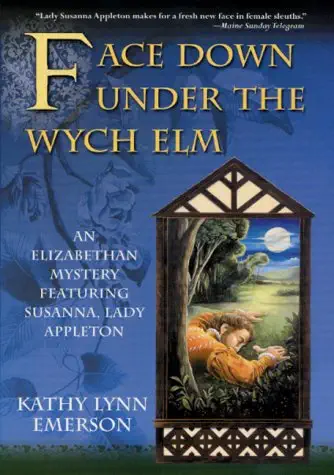
Face Down Under the Wych Elm
- Chilling crime narrative centered on a macabre discovery
- Taut investigative pacing that unravels clues steadily
- Strong sense of place and unsettling atmosphere
- Focus on local history and folklore that deepens the mystery
- Ideal for fans of classic true-crime and dark fiction
Buy on Amazon
Atmospheric Settings
Writers place scenes under heavy crowns, along hedgerows, or inside hollow trunks. The tree becomes a stage for clues, unreliable memory, and shifting point of view.
Psychological Drama
Ulmus glabra often mirrors themes of identity, guilt, and buried history. Its long life and scars echo the slow reveal common in top-tier thrillers.
FAQs
What Is The Significance Of The Wych Elm In Folklore?
The Wych Elm Features Often In British And Irish Folklore As A Tree Associated With Protection, Boundaries And Local Spirits. Its Gnarled Form And Long Lifespan Meant It Was Frequently Linked To Fairies, Ancestral Sites And Small Rituals Or Charms, And In Some Traditions Felling A Sacred Elm Could Bring Bad Luck.
What Are The Distinguishing Features Of A Wych Elm Tree?
Wych Elm (Ulmus Glabra) Is A Large Deciduous Tree With A Broad, Often Spreading Crown. Its Leaves Are Alternate With Asymmetrical Bases, A Rough Upper Surface And Hairy Undersides, And The Tree Produces Early Spring Catkins And Distinctive Oval Samarae With The Seed Near The Centre.
How Can I Care For A Wych Elm In My Garden?
Plant A Wych Elm In Full Sun Or Partial Shade In Deep, Moist, Well-Drained Soil With Room For Its Crown And Roots To Spread. Water Regularly While Establishing, Apply Mulch To Retain Moisture, Prune Dead Or Crossing Branches In Late Winter, Avoid Heavy Topping, And Monitor For Pests And Disease While Encouraging Biodiversity To Reduce Stress.
Are Wych Elms Susceptible To Dutch Elm Disease?
Yes, Wych Elms Are Susceptible To Dutch Elm Disease (DED), A Fungal Illness Spread By Bark Beetles And Root Grafts That Can Kill Trees Rapidly. Management Includes Prompt Removal Of Infected Wood, Sanitation, Monitoring Beetle Activity, Considering Trunk Injections Where Appropriate, And Choosing Resistant Or Diverse Plantings When Possible.
Can I Grow A Wych Elm From Seed?
Yes, Wych Elm Can Be Grown From Seed; Collect Mature Samarae In Autumn And Either Sow Them Fresh Or Cold-Stratify Them In Moist Conditions For Several Months Before Sowing. Use Free-Draining Compost, Keep Seedlings Moist And Protected From Grazing, And Be Aware That Young Trees Need Careful Management To Reduce Disease Risk As They Establish.