


What makes Indian laurel so useful? This tree gives steady shade and can help cool streets. Birds and insects use it for food and shelter, so it supports wildlife. Its strong laurel wood is used for furniture and instruments. Once set, it needs low water and little care. Read on for five clear benefits and safe growing tips.
Table of Contents
Indian laurel (Ficus microcarpa) is a fast-growing evergreen valued for shade, privacy, and city planting. You’ll see it called indian laurel fig, ficus indian laurel, and laurel fig, and it adapts well to yards, streets, and parks.
What Is Indian Laurel? Understanding This Versatile Tree
Growers prize this tree for its glossy leaves, dense canopy, and toughness in warm climates, with mature heights of 30–60 feet. For an overview of names and uses, see What Is Indian Laurel.
Botanical Identity and Common Names
The correct botanical ID is Ficus microcarpa, also marketed as Ficus nitida, Indian laurel fig, laurel fig, and sometimes Chinese banyan. Leaves are glossy green with smooth, light-gray bark and a rounded crown that responds well to pruning.
Regional labels cause confusion with camphor laurel (Cinnamomum camphora) and culinary bay laurel (Laurus nobilis), which aren’t Ficus. Stay alert to product names that say “laurel wood” or mention laurel oak, both unrelated to Indian laurel.
Distinguishing From Similar Species
Use the traits below to separate Ficus Indian laurel from lookalikes and to avoid mix-ups in plant purchases or timber sourcing.
| Plant | Botanical name | Key traits | Common use |
|---|---|---|---|
| Indian laurel fig | Ficus microcarpa (F. nitida) | Evergreen, small figs, smooth gray bark, dense crown | Shade, hedges, bonsai, urban tree |
| Camphor laurel | Cinnamomum camphora | Aromatic camphor scent, laurel-like leaves | Ornamental, camphor source; different family |
| Bay laurel | Laurus nobilis | Culinary bay leaves, slower growth | Cooking herb, patio/topiary |
| Laurel oak | Quercus laurifolia | True oak with laurel-shaped leaves | Timber, shade in SE U.S. |

Live Bay Laurel Plant Standard Variety Fresh Bay Leaves
- Seed grown standard bay laurel with stronger flavor and a more open growth habit
- Aromatic bay leaves for cooking plus spring blooms and classic topiary hedge potential
- Fast growing for ground planting and can be pruned to stay about 4 to 6 feet in a container
- Ships in a biodegradable starter cup that lets roots water and air pass through
- Care guidance included plus seller support if you send a photo right after delivery
 Buy on Amazon
Environmental Benefits of Indian Laurel Trees
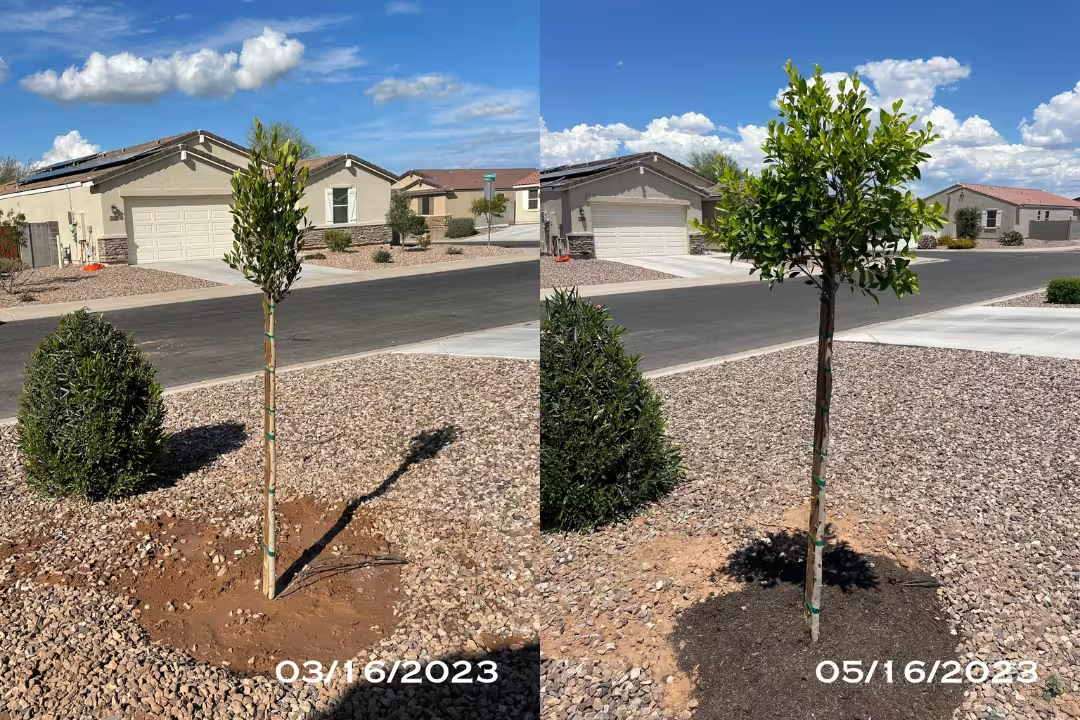
This ficus improves city comfort by shading streets, cooling nearby surfaces, and supporting urban greenery. A practical care guide highlighting these benefits is the Indian Laurel Fig — care and benefits.
Air Purification Capabilities
Leaves capture particulates and absorb gases like carbon dioxide and trace formaldehyde, boosting air quality around buildings. Plant rows along traffic edges and use multi-stem hedges to increase leaf surface area for filtration.
Soil Erosion Control
A wide, fibrous root system grips slopes and banks, cutting runoff and soil loss during heavy rain. Space trees 12–18 feet apart on grades, add 3 inches of mulch, and keep a 6-inch mulch gap around the trunk for root health.
Urban Heat Island Reduction
Broad canopies shade asphalt and walls, which lowers nearby surface temperatures and cuts AC loads. Site trees on the west and southwest sides of buildings and prune to a high canopy to expand the useful shade footprint.
Supporting Wildlife and Biodiversity
Indian laurel provides nectar, figs, and safe cover for birds and small fauna, creating a living wildlife habitat. For a regional snapshot of those benefits, see An in-depth look at its benefits.
Habitat for Birds and Wildlife
Small figs feed many bird species, while dense branching gives nesting cover and wind protection. Add a birdbath within the dripline and keep chemical use low to support insect prey for fledglings.
Attracting Beneficial Pollinators
Specialized fig wasps handle ficus pollination, and companion plants draw bees and butterflies to the area. Underplant with native salvias and milkweeds, then let leaf litter decompose to feed a healthy soil web.
Traditional Medicine and Cultural Significance
Communities across Asia use parts of this tree in folk remedies and honor it in sacred spaces. A cultural overview appears in Hidden benefits and cultural significance.
Anti-Inflammatory and Antimicrobial Properties
Traditional practices apply leaf, bark, or root extracts for skin issues and minor infections, guided by local knowledge. Speak with a qualified clinician before use, and avoid ingesting latex sap, which can irritate skin and mouths.
Sacred and Symbolic Uses
Temple plantings and courtyard trees symbolize endurance, shade, and community gathering. Planting one near public paths offers summer relief and a living landmark for neighbors.
Economic Value: Laurel Wood and Timber Uses

In many markets, “laurel wood” from Ficus microcarpa sees use in furniture, small crafts, and some instrument parts. Confirm the species before buying, since “laurel” labels can also refer to unrelated woods with different properties.
Furniture and Handicraft Applications
Artisans use Indian laurel for cabinets, carved panels, turned bowls, and veneers, citing decent stability and workable grain. For project planning, compare it with teak wood, acacia wood, and mango wood to balance durability, weight, and cost.
Season boards to 8–12% moisture before assembly, then use sealers or oil finishes to stabilize movement. For outdoor accents, pick thicker stock, add UV-protective topcoats, and plan periodic maintenance.
Musical Instrument Construction
Small-shop luthiers sometimes choose laurel wood for backs, sides, or decorative veneers in guitars and ukuleles. Target 8–10% moisture, and audition sample plates next to species like myrtle wood to evaluate tone and workability.
Water Management and Drought Tolerance
Once established, Indian laurel is drought-tolerant and stays green with limited irrigation in warm zones. Deep, infrequent watering trains roots down, lowering demand during dry spells.
Natural Water Storage System
Extensive roots store moisture and tap subsoil water, which helps stabilize groundwater in planted corridors. In parks and medians, group-plant trees to create overlapping canopies that reduce evaporation from soil.
Low-Maintenance Growing Requirements
Set up simple care from day one to reduce inputs over the long run.
- Water: Deep soak weekly for the first 8–12 weeks; then cut to biweekly in warm seasons and monthly in cool weather.
- Soil: Plant in well-drained loam or sandy loam; amend heavy clay with coarse compost for aeration.
- Pruning: Shape lightly 2–3 times per year; raise canopy over paths and keep hedges tight for privacy.
- Fertilizer: Use a balanced, slow-release feed in spring; reapply midsummer in high-growth regions.
- Spacing: Allow 12–20 feet between trunks for trees; 2–4 feet for hedge lines depending on desired density.
Landscaping and Ornamental Applications
Dense foliage and quick growth make this an effective landscaping tree for streets, courtyards, and windbreaks. For fast coverage or tight hedges, many buyers pick nursery stock like this starter:

Indian Laurel Fig (Ficus nitida) — Fast-Growing Evergreen
- Quick, vigorous growth ideal for fast coverage
- Hardy evergreen that provides year-round foliage and shade
- Adaptable to hedges, screens or standalone specimens
- Easy transplant from 2.5
Buy on Amazon
Privacy Screens and Formal Hedges
For a living wall, plant liners 2–3 feet apart and trim 3–4 times a year to keep a crisp line. For tree-form screens, choose 12–15 foot spacing and lift the canopy to 6–8 feet for clear sightlines and airflow.
Bonsai and Container Gardening
Compact branching, small leaves, and quick response to pruning make ficus Indian laurel a bonsai favorite. Use a fast-draining mix, wire young branches, and repot every 1–2 years to refresh roots and maintain vigor.

For containers, pick at least a 5–7 gallon pot with large drainage holes, and rotate monthly for balanced light. Keep soil slightly moist, never soggy, and feed lightly during active growth.
Safety Considerations and Growing Tips
Ficus sap can irritate skin and mouths, and trees prefer frost-free zones with bright light. For a plant profile related to care and sensitivity, check Gardenia: Ficus benjamina.
Toxicity Warnings for Pets
All Ficus species contain latex sap that can cause vomiting or mouth irritation in pets. Keep pruned debris off lawns, rinse sap from tools and hands, and place trees where chewers can’t reach young shoots.
Cooking leaves labeled “bay” come from Laurus nobilis, not Indian laurel; here are kitchen-safe options you can plant or keep in the pantry for flavor.

Sweet Bay Laurel (Laurus nobilis) — Starter Culinary Tree
- Fragrant leaves perfect for soups, stews and marinades
- Compact 6–9 inch starter ideal for containers or garden beds
- Thrives indoors or outdoors with bright light
- Low-water needs once established and drought-tolerant
- Attractive glossy foliage adds visual appeal to any space
Buy on Amazon
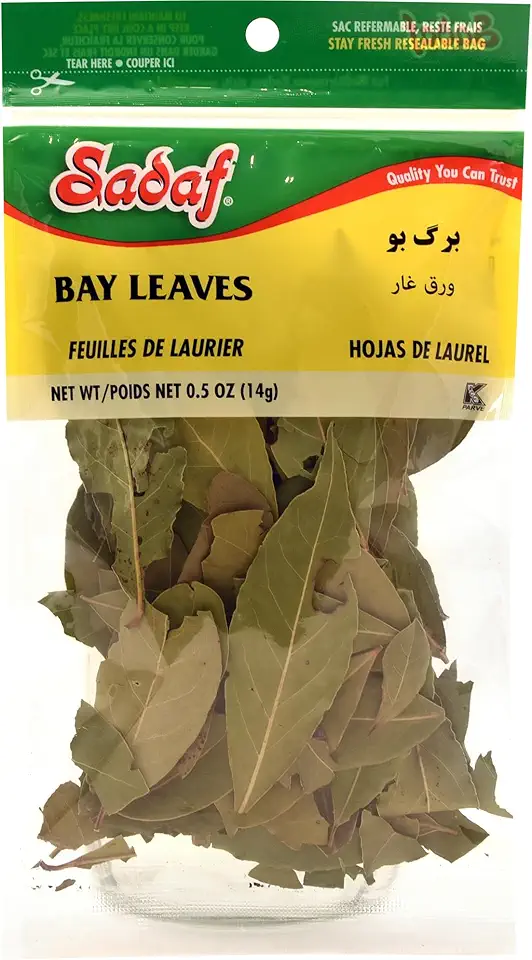
Sadaf Whole Bay Leaves — Aromatic Dried Laurel
- Intensely aromatic whole bay leaves for authentic flavor in cooking
- Resealable 0.5 oz bag keeps herbs fresh between uses
- Ideal for soups, stews, sauces and braises
- Kosher-certified and consistent quality for reliable seasoning
- Long shelf life when stored in a cool, dry place
Buy on Amazon
Climate Requirements and Cold Hardiness
This tree thrives in USDA zones 10–12 and doesn’t tolerate frost, so protect young plants during cold snaps. In cooler regions, grow it in containers, wheel indoors for winter, and move back out after nights stay above 50°F.
FAQs
What Is Indian Laurel Wood Used For?
Indian laurel Is Commonly Valued As An Ornamental And Shade Tree; Its Wood Is Used Locally For General Carpentry, Small Furniture, Turned Items, Veneers And Fuel. It’s Not Typically Considered A Premium Tonewood Or High-End Hardwood, But Where Available It Works Well For Utility Pieces, Decorative Carving And Interior Joinery When Properly Dried.
How Do You Care For An Indian Laurel Tree?
Caring For An Indian Laurel Involves Planting In Well-Drained Soil With Full To Partial Sun, Watering Regularly While Establishing And During Dry Spells, Applying A Balanced Fertilizer In The Growing Season, Mulching To Conserve Moisture, And Pruning Annually To Shape And Remove Dead Or Crossing Branches. Monitor For Common Pests And Diseases, And Protect Young Trees From Severe Frost Or Root Disturbance.
Is Indian Laurel Good For Guitar Construction?
Indian Laurel Is Not A Commonly Used Tonewood In High-End Guitar Making; Its Acoustic Properties Aren’t Widely Documented, So Luthiers Usually Prefer Established Woods Like Mahogany, Maple Or Rosewood. It Could Be Used For Practice Or Budget Instruments If Properly Seasoned And Stable, But Expect Variable Tone And Workability Compared With Traditional Guitar Woods.
Can Indian Laurel Wood Be Used Outdoors?
The Indian Laurel Tree Is Well Suited To Outdoor Planting As A Landscape Tree. The Wood Can Be Used Outdoors, But It Requires Proper Treatment—such As Preservatives, Sealants Or Paint—to Resist Rot And Insects. Untreated Wood Left Outdoors Will Deteriorate Faster, So Choose Heartwood When Possible And Maintain Periodic Finishes For Longevity.
How Fast Does An Indian Laurel Tree Grow?
Indian Laurel Typically Grows At A Moderate To Fast Rate In Warm, Favorable Conditions—often Putting On 1–3 Feet (0.3–1 M) Per Year When Young. Mature Size And Growth Speed Vary By Species, Climate And Soil, But Many Indian Laurels Reach Substantial Height And Can Attain Mature Canopy Size Within 10–20 Years.