

Chinaberry Guide: Identification, Pros and Cons, Toxicity, and Removal

Chinaberry, or Melia azedarach, is a fast-growing deciduous tree with compound leaves, lavender flowers, and persistent yellow drupes. Once planted for shade, it now spreads invasively in parts of the southern United States, including Texas, and its fruit can poison people, pets, horses, and livestock.
This guide explains how to identify a chinaberry tree, compare lookalikes, assess its pros and cons, use the wood safely, and remove unwanted trees without triggering persistent stump sprouts.
Table of Contents
What Is Chinaberry?
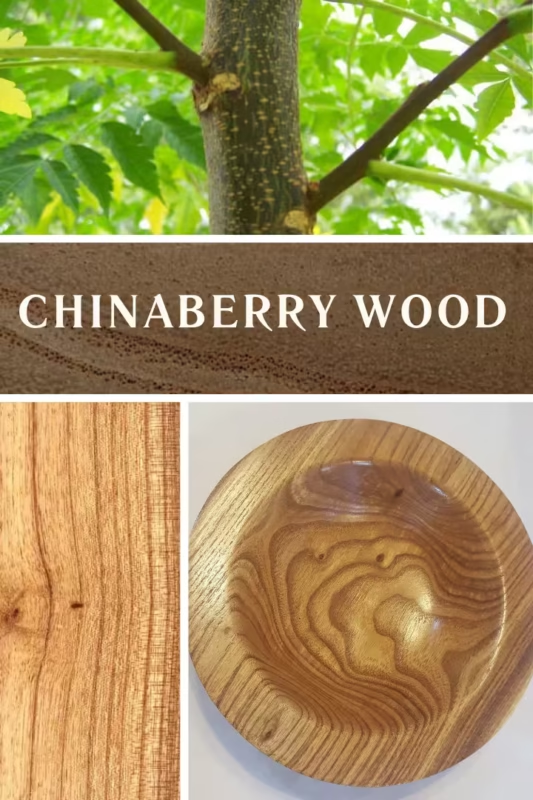
Chinaberry is Melia azedarach, a deciduous member of the mahogany family. Its quick growth, fragrant spring flowers, and broad shade made it a popular ornamental, but heavy seed production and vigorous resprouting let it escape gardens and displace native vegetation.
Definition and Classification
The accepted scientific name is Melia azedarach L. It belongs to Meliaceae, the same botanical family as neem and commercially valuable mahoganies. That relationship doesn’t mean their leaves, fruit, extracts, or wood perform in the same way; species-level identification still matters.
Botanists classify chinaberry as a fast-growing deciduous tree. A mature specimen commonly reaches 20–50 feet, though moisture, soil depth, pruning, and competition can produce a shorter multi-trunk tree or a larger spreading form.
Names and Spellings
China berry tree is a spelling variation, not a different plant. Other names include bead tree, Persian lilac, pride-of-India, Cape lilac, bakain, and white cedar in parts of Australia. Common names cross regional and language boundaries, so confirm the label Melia azedarach before buying, cutting, or handling plant material.
Searches for China berry fruit, China wood, or China berry oil may return unrelated products. A seller’s use of “chinaberry” doesn’t prove botanical identity, safe preparation, or suitability for ingestion.
Native Range
Melia azedarach is native to parts of Asia and Australasia, though published boundaries vary. The name doesn’t mean the species originated solely in China. People introduced it widely across Africa, Europe, the Americas, and warm oceanic regions as an ornamental and shade tree.
Habitat and Growth
Chinaberry colonizes disturbed sunny ground, including roadsides, pastures, fencerows, creek corridors, woodland margins, vacant lots, and abandoned homesites. It tolerates heat, periodic drought, and varied soils once established, while seedlings often benefit from exposed mineral soil and reduced plant competition.
Rapid juvenile growth can create long shoots with weak branch unions. After wind, the broken wood often looks pale and stringy, while crushed foliage releases a sharp, bitter odor that can cling to gloves.
How to Identify Chinaberry

Identify chinaberry by combining compound leaves, lilac flowers, and round yellow fruit. One trait alone can mislead you, so inspect the entire leaf structure, flower center, fruit type, bark, and seasonal appearance before starting removal.
Size and Canopy
A mature tree usually develops a rounded, irregular canopy about 20–50 feet high. Low limbs and multiple trunks are common. The crown looks airy rather than dense because each large leaf divides into many smaller leaflets.
Compound Leaves
Chinaberry leaves are alternate and usually twice pinnately compound; some divide three times. A full leaf may span 1–2 feet and resemble a leafy branch. Its pointed leaflets have toothed or irregular edges, unlike the smooth-edged leaflets found on several similar trees.
Crushing a leaflet releases a pungent green odor. Smell can support identification, but don’t rely on it alone because sensitivity differs and nearby vegetation may mask the scent.
Lavender Flowers
Spring flowers appear in loose branching clusters. Each small bloom usually has five pale lavender petals surrounding a dark purple staminal tube. At close range, the blossoms smell sweet and powdery, a sharp contrast with the odor of crushed leaves.
Fruit and Seeds
The so-called berry is botanically a round drupe, commonly about ½–¾ inch wide. It changes from green to yellow, gold, or tan and contains a hard, grooved stone. Clusters frequently remain attached after leaf drop, making winter identification easier.
Old fruit feels leathery before it shrivels, while the inner stone feels hard and ridged between the fingers. Don’t taste fruit during identification; China berries aren’t edible.
Bark and Roots
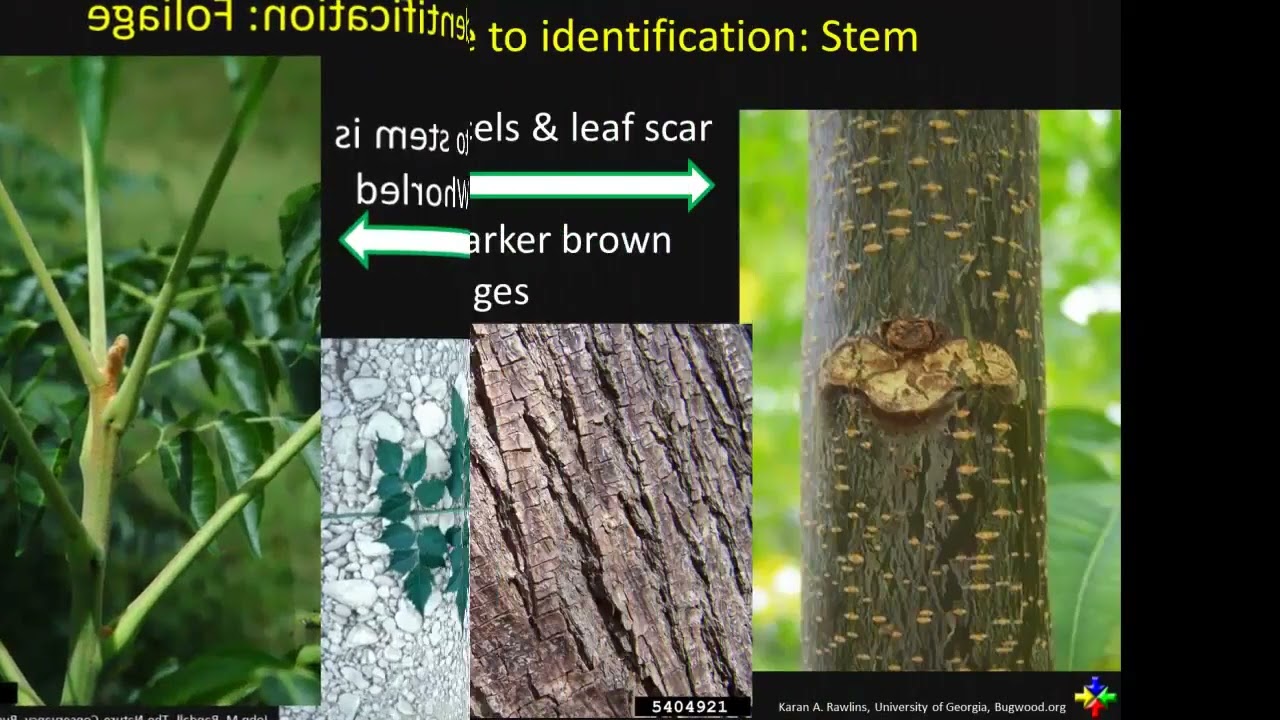
Young trunks have relatively smooth bark that becomes gray-brown and fissured with age. Cutting or damaging the trunk and roots can release clusters of fast-growing shoots. Surface roots and suckers may appear several feet from the original stem.
Seasonal Checklist
- Spring: expanding compound leaves and fragrant lavender flower clusters.
- Summer: an airy green canopy with developing green drupes.
- Autumn: yellowing foliage and yellow or golden fruit.
- Winter: bare branches holding tan-yellow fruit clusters.
Winter fruit offers the clearest long-distance clue, but confirm it with fallen leaves, grooved stones, and bark. A multi-season check reduces confusion with soapberry and other compound-leaved trees.
Chinaberry Lookalikes
Common chinaberry lookalikes differ in leaf arrangement, flower color, fruit structure, or seasonal habit. Use several traits together because young plants may lack flowers and fruit.
| Plant | Leaves | Flowers or fruit | Best distinction |
|---|---|---|---|
| Chinaberry | Usually twice or three-times compound | Lavender flowers; opaque yellow drupes | Purple staminal tube and persistent fruit |
| Neem | Once compound | White flowers; olive-like fruit | Often evergreen in tropical climates |
| Western soapberry | Once compound | Translucent amber fruit | Fruit looks glassy in backlight |
| Tree-of-heaven | Large, once compound | Winged samaras | No round yellow drupes |
| Golden rain tree | Compound | Yellow flowers; papery capsules | Lantern-shaped seed pods |
| Texas mountain laurel | Evergreen compound leaves | Purple flowers; thick pods | Red seeds inside pods |
Neem
Neem, Azadirachta indica, belongs to the same family but is a different species. Neem is commonly evergreen in tropical conditions and has once-compound leaves. Never replace neem oil or a labeled neem product with homemade chinaberry leaf, bark, seed, or fruit preparations.
Western Soapberry
Western soapberry, Sapindus saponaria var. drummondii, is native across much of Texas. Its once-pinnate leaves and translucent amber fruit separate it from chinaberry’s more divided leaves and opaque drupes. Backlit soapberry fruit often glows like amber glass.
Tree-of-Heaven
Tree-of-heaven, Ailanthus altissima, has long once-compound leaves and clusters of papery winged samaras. Small glandular teeth occur near each leaflet base. Both trees resprout after cutting, so identification by regrowth behavior won’t separate them.
Golden Rain Tree
Golden rain tree, Koelreuteria paniculata, produces yellow flowers followed by papery lantern-shaped capsules. Chinaberry has lavender blooms and fleshy round drupes. Golden rain tree can escape cultivation in some regions, so check local guidance before using it as a replacement.
Texas Mountain Laurel
Texas mountain laurel, Dermatophyllum secundiflorum, is an evergreen shrub or small tree with fragrant purple flowers. It develops thick pods containing bright red toxic seeds, not yellow drupes. Its evergreen foliage also separates it from deciduous chinaberry in winter.
Melia toosendan Confusion
Some taxonomic and herbal references distinguish Melia toosendan from Melia azedarach. The name Chuan Lian Zi commonly refers to fruit from an accepted medicinal source, while Ku Lian Pi commonly refers to bark. Marketplace terms remain inconsistent, making self-treatment unsafe.
Chinaberry Tree Pros, Cons, and Uses
The main chinaberry tree pros are fast shade and flowers; its cons include invasive spread, poisonous fruit, weak limbs, litter, and recurring sprouts. Existing wood can serve limited craft or furniture uses, but those uses rarely justify planting another tree.
Ornamental Benefits
Chinaberry grows quickly, tolerates heat, and produces an airy canopy with fragrant lilac flowers. These traits explain its historic use near homes and farms. A short wait for shade can carry a long maintenance cost once seedlings, fruit litter, and unstable limbs appear.
Invasive Ecological Costs
Escaped trees compete with native plants for light, moisture, nutrients, and growing space. Creek banks face added risk because water and animals move seeds along the corridor. Dense growth can simplify habitat and reduce the native plant diversity that local wildlife uses.
Weak Wood and Litter
Fast growth often produces brittle branches and poor attachments, especially in crowded multi-stem trees. Storm damage near roofs, vehicles, roads, or play areas can turn a low-cost shade tree into expensive tree work. Fallen fruit also creates slippery, sticky patches on hard surfaces.
Chinaberry Wood Uses
Chinaberry wood ranges from pale brown to reddish brown, often with a more distinct grain than its modest reputation suggests. Workers use it for small furniture parts, carving, turning, boxes, and decorative objects. It belongs to the mahogany family, but it shouldn’t be sold as true mahogany wood.
Freshly cut China berry wood may feel light for its size and can contain enough moisture to move during drying. Seal thick end grain, stack boards with even spacers, and dry them slowly to reduce end checking and warp. Interlocked grain may tear around knots, so use sharp cutters and light finishing passes.
Wear eye protection and a well-fitted dust mask while sawing or sanding. Don’t burn painted, treated, moldy, or contaminated stock, and check local fire rules before using clean wood as fuel. Compare it with other types of hardwood before choosing it for load-bearing furniture.
Beads and Crafts
The hard, naturally grooved stones have been used for beads and rosaries, which led to the name bead tree. Remove all decaying pulp, wear gloves, and wash tools afterward. Keep finished beads away from young children and pets because mouthing remains hazardous.
Traditional Herbal Risks
Historical use of bark, fruit, oil, or leaves doesn’t establish a safe home dose. Species confusion, variable toxin levels, preparation methods, body weight, and health conditions change exposure. Don’t prepare chinaberry tea or oil for internal use, and don’t substitute it for neem.
Chinaberry Tree Texas: Status and Spread
A chinaberry tree in Texas is introduced rather than native and can spread from old ornamental plantings into roadsides, pastures, woodland margins, and waterways. Texas Invasives identifies the species as invasive, but that designation doesn’t automatically make possession illegal in every Texas jurisdiction.
Texas Native Status
Melia azedarach is not native to Texas. Settlers and property owners planted it for quick shade around farms, towns, and roads, and many present populations trace back to those mature seed sources.
Invasive Behavior
The Texas Invasives profile describes chinaberry as an invasive tree that can form dense stands. Its combination of fruit production, animal dispersal, rapid establishment, and resprouting gives it a repeat colonization advantage after soil disturbance.
Seed Dispersal
Birds and other animals can carry seeds away from the parent tree. Water, dumped branches, contaminated soil, and mowing equipment may move fruit too. Some birds consume it, but that doesn’t prove universal wildlife safety or make the fruit safe for domestic animals.
Root Suckering
Cut stumps and damaged roots can send up numerous shoots. A single trunk may return as a dense cluster after mowing, creating more stems to treat later. This response explains why cutting alone often fails.
At-Risk Habitats
Texas creek bottoms, riparian corridors, disturbed pastures, utility rights-of-way, urban woodland edges, and abandoned lots face the greatest pressure. Moist corridors support establishment and carry seeds downstream, while open ground provides the sunlight seedlings favor.
Regulations and Restrictions
“Invasive” and “legally prohibited” aren’t interchangeable. Before buying, transporting, planting, or disposing of chinaberry in 2026, check Texas Department of Agriculture rules, city ordinances, county or water-district guidance, utility restrictions, and HOA requirements.
Is Chinaberry Poisonous?
Yes. Chinaberry is poisonous, with fruit and seeds posing the most practical household and pasture hazard. Toxicity varies by plant part, ripeness, quantity, animal species, body weight, and individual health, so no fixed number of berries can be called safe.
Toxic Plant Parts
Fruit, seeds, bark, and other tissues contain biologically active compounds associated with meliatoxins and related limonoids. Fallen drupes pose the highest routine exposure because children and animals can reach them easily. Treat every plant part as inedible.
Human Poisoning Symptoms
Possible symptoms include nausea, vomiting, abdominal pain, diarrhea, weakness, drowsiness, confusion, tremors, seizures, and breathing trouble. Appearance alone can’t reveal the swallowed dose or toxin concentration. The NC State Extension profile lists chinaberry’s human toxicity concerns alongside its identification traits.
Risks to Pets
Dogs may investigate fruit that has fermented, softened, or become mixed with food scraps. Cats face exposure from plant material carried indoors. Reported signs include drooling, vomiting, diarrhea, depression, weakness, poor coordination, and seizures. The ASPCA plant database lists chinaberry as toxic to pets and horses.
Livestock Exposure
Horses and livestock face greater exposure where fruit accumulates in sparse pasture, holding pens, or feed areas. Remove animals from the site, save a sample, and call a veterinarian if ingestion may have occurred. Don’t wait for neurological signs to develop.
Immediate Poisoning Response
- Remove remaining fruit or plant material from reach.
- Do not induce vomiting or give home remedies without clinical direction.
- Photograph the tree, fruit, leaves, and any material that was chewed.
- For human exposure in the United States, call Poison Control at 1-800-222-1222.
- Call emergency services for collapse, seizures, severe confusion, or breathing trouble.
- For animal exposure, contact a veterinarian or animal poison-control service at once.
Poison Control provides case-specific instructions based on age, weight, symptoms, amount, and timing. Quick communication matters because symptoms may be delayed, and a casual fruit count may be inaccurate.
How to Remove Chinaberry
Remove chinaberry by pulling young seedlings or combining tree cutting with a labeled stump-control method and repeated monitoring. Never cut and walk away; untreated stumps and roots frequently produce vigorous shoots.
Site and Nest Assessment
Record stem count, trunk diameter, height, lean, fruit load, suckers, nearby vegetation, and distances to roofs, fences, roads, and utilities. Look for active bird nests before work. Hire an insured arborist for hazardous or confined trees, especially where climbing, rigging, or electrical clearance is involved.
Pulling Small Seedlings
Pull seedlings after rain or irrigation when soil releases the root with less resistance. Grip near the soil line and remove the full root where practical. A root left behind may resprout, so mark the location for a later inspection.
Gloves, eye protection, hand tools, and cleanup supplies help make small-scale control safer. These listings should contain removal equipment rather than chinaberry seeds, fruit, bark, or herbal products.
Cut-Stump Treatment
Cut the trunk close to ground level, then apply a herbicide labeled for cut-stump use to the living cambium near the stump’s outer edge. Apply it within the timing stated on the label. Triclopyr and glyphosate appear in woody-plant programs, but formulations and directions differ.
Fresh cambium looks moist and pale just inside the bark. Treating that narrow ring uses less product than flooding the stump center, which consists mainly of nonliving wood. Keep herbicide away from desirable plants, drains, water, and exposed roots.
Basal-Bark Treatment
Basal-bark treatment may suit smaller, accessible stems. It commonly uses a labeled oil-soluble triclopyr product applied around the lower trunk. Bark thickness, stem diameter, weather, product formulation, and local applicator rules affect results, so read the full label before use.
Mechanical Removal
Excavation can remove small root crowns where herbicide use isn’t allowed. Stump grinding removes the visible obstruction but leaves distant roots, seedlings, and seeds. Heavy machinery also exposes bare soil, which can create a fresh germination site.
Field results improve when crews flag every sucker before cutting, clean fruit from equipment, and photograph treated stumps. The easiest sprouts to miss sit behind fences or beneath shrubs; those overlooked stems can restore the infestation within a growing season. These are the practical details that separate temporary clearing from control.
Methods to Avoid
- Cutting mature stems without treating or monitoring the stump.
- Repeatedly mowing woody stems while ignoring the root system.
- Pouring bleach, salt, fuel, motor oil, or household chemicals on roots.
- Applying foliar herbicide to a large canopy where drift can hit other plants.
- Treating immediately before rain when the product label prohibits it.
- Leaving fruit-bearing branches where animals or flowing water can move seeds.
- Burning debris where fire rules or air-quality restrictions prohibit it.
Beginners often treat the visible trunk and miss connected suckers. Mark the full root zone, revisit it after warm rain, and remove shoots while they remain small. One treatment isn’t final.
Removal Costs
Small accessible tree removal often costs several hundred dollars. Large, hazardous, or confined trees can cost $1,000–$2,000 or more, with stump grinding, debris hauling, fruit cleanup, and return treatments charged separately. Multi-tree sites may be priced by crew time, acreage, or visit.
Request several written quotes. Each should state whether it includes rigging, stump work, herbicide treatment, hauling, cleanup, and resprout visits. A cheap cutting-only quote may create a larger future bill if the stump returns as multiple stems.
Disposal and Monitoring
Collect fruit and follow local waste guidance. Don’t compost seed-bearing debris where the process may fail to kill seeds. Clean soil and fruit from tools, tires, and machinery before moving to another site.
Inspect the former root zone during the growing season and after rainfall for at least two seasons. Replant promptly with suitable vegetation to shade bare ground and reduce reinvasion. Repeated inspection provides the best control advantage against missed roots and delayed seedlings.
Texas-Friendly Chinaberry Alternatives
Good Texas replacements include desert willow, Mexican plum, cedar elm, chinkapin oak, Texas persimmon, and western soapberry. Match the tree to available space, drainage, soil, regional rainfall, utility clearance, and desired shade rather than copying chinaberry’s quick growth.
Desert Willow
Chilopsis linearis is a Texas native with showy pink to purple tubular flowers. It suits hot, relatively dry sites and provides floral interest without chinaberry’s dense fruit clusters. Choose desert willow where lower water demand matters more than a broad shade canopy.
Mexican Plum
Prunus mexicana is a small to medium native tree with white spring blossoms, textured bark, and wildlife value. It fits spaces too tight for a major shade tree. Like other Prunus species, its pits and tissues still call for normal plant-safety care.
Cedar Elm
Ulmus crassifolia is a native shade tree adapted to Texas heat and varied soils once established. It develops a more substantial canopy than desert willow or Mexican plum. Allow room for its mature crown and roots rather than forcing it into a narrow planting strip.
Chinkapin Oak
Quercus muehlenbergii offers long life, structured shade, and wildlife value. It grows more deliberately than chinaberry, but stronger long-term form can reduce replacement cycles. Check mature dimensions and overhead clearance before planting this large native oak.
Texas Persimmon
Diospyros texana is a compact native tree with smooth pale bark and dark fruit used by wildlife. It works well in many central and southern Texas sites where a full-sized shade tree would crowd structures. Its textured trunk provides year-round visual interest.
Western Soapberry
Sapindus saponaria var. drummondii is the closest visual substitute because it has pinnate leaves and round fruit. Confirm nursery identity, since common names can be mixed. Native status doesn’t mean edible; soapberry fruit contains saponins and shouldn’t be eaten.
FAQs
What Are The Pros And Cons Of A Chinaberry Tree?
Chinaberry trees provide fast shade, fragrant spring flowers, and attractive yellow berries, but they can create serious maintenance and environmental problems. Their fruit is poisonous, seedlings spread readily, and fallen berries can be messy. The tree also has brittle branches and may displace native plants in suitable climates.
Is Chinaberry Fruit Poisonous To People And Pets?
Yes, chinaberry fruit is poisonous to people, dogs, cats, livestock, and other animals if eaten. The berries and other plant parts contain toxins that may cause vomiting, diarrhea, weakness, tremors, or more serious symptoms. Keep children and pets away from fallen fruit, and contact a medical professional or veterinarian after suspected ingestion.
Is Chinaberry Invasive In Texas?
Yes, chinaberry is considered an invasive tree in many parts of Texas. It spreads through seeds carried by birds and can form dense stands along waterways, roadsides, and disturbed areas. Removing young trees and preventing berry production helps protect native vegetation and reduces its spread on your property.
What Is Chinaberry Wood Used For?
Chinaberry wood is commonly used for small furniture, cabinets, veneer, carving, and decorative craft projects. It has an attractive grain and is generally easy to machine and finish. Because its durability can vary outdoors, it is usually better suited to indoor projects unless it receives proper protection.
How Do You Remove A Chinaberry Tree Without Regrowth?
To prevent chinaberry regrowth, cut the tree down and promptly treat the fresh stump with a labeled systemic herbicide according to the product instructions. Simply cutting it often causes stump sprouts and new shoots. Pull small seedlings when the soil is moist, then monitor the area regularly for new growth.
Affiliate Disclosure: Some links in this post are affiliate links. If you make a purchase through these links, we may earn a small commission at no extra cost to you. We only recommend products we genuinely believe in.