

Black alder is Alnus glutinosa, a deciduous, wet-soil tree in the birch family that is native to Europe, western Asia, and northern Africa but invasive in parts of North America.
This guide explains identification, ecology, responsible growing, practical uses, and how the tree differs from Sherwin-Williams Black Alder stain.
Table of Contents
Black Alder at a Glance
A black alder tree typically reaches 40–60 feet tall and performs best beside streams, ponds, floodplains, and other consistently moist sites. Persistent woody strobiles, rounded leaves, catkins, and nitrogen-fixing root nodules distinguish it from many other alder trees.
Names and Taxonomy
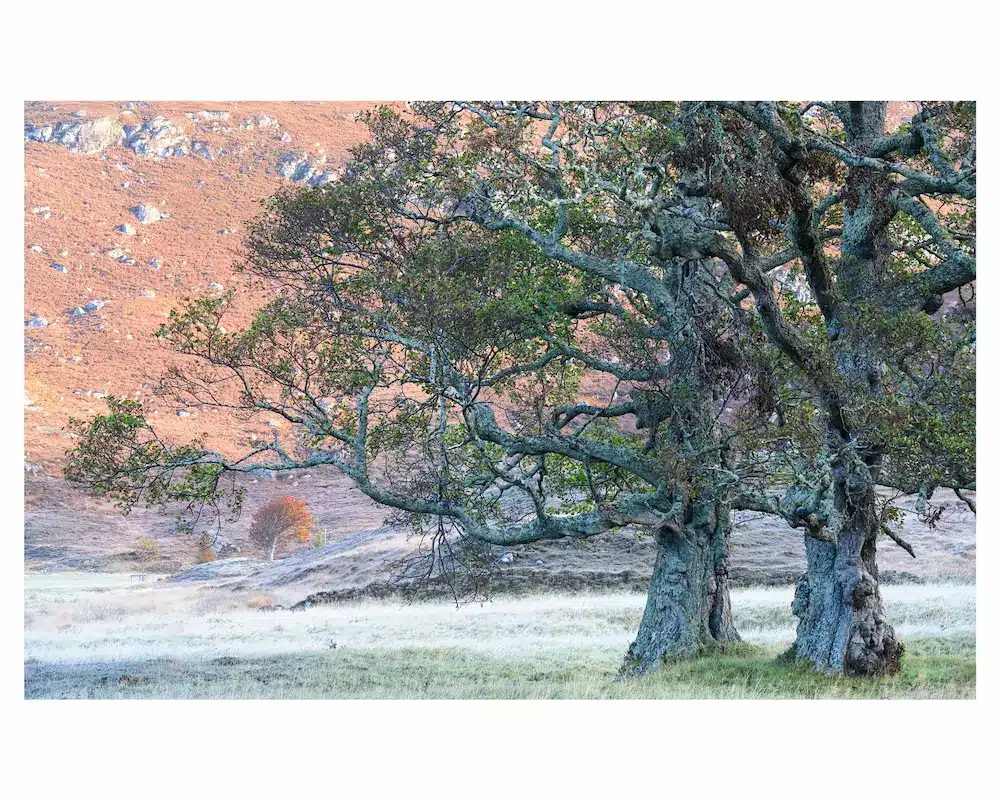
The accepted scientific name is Alnus glutinosa. Black alder, European alder, European black alder, and common alder all describe this species in the Betulaceae family, which also contains birches; the epithet glutinosa refers to the sticky feel of young leaves and shoots.
Searches for “alnus glutinosa black alder” and “black alder alnus glutinosa” refer to the same plant. The Kew Plants of the World Online profile provides accepted taxonomy and documented distribution.
Core Tree Facts
| Characteristic | Black alder facts |
|---|---|
| Scientific name | Alnus glutinosa |
| Plant family | Betulaceae |
| Plant type | Deciduous broadleaf tree |
| Typical mature size | 40–60 feet tall and 20–40 feet wide |
| Common hardiness range | Approximately USDA Zones 3–7, varying by provenance |
| Light | Full sun to partial shade |
| Soil | Moist to wet clay, loam, or sand |
| Flowers | Separate male and female catkins on one tree |
| Fruit | Woody, cone-like strobiles |
| Pollination and dispersal | Wind-pollinated; seeds move by wind and water |
| North American status | Non-native; invasive or regulated in some jurisdictions |
These measurements describe typical mature trees, not fixed limits. Genetics, moisture, exposure, competition, and past cutting can produce a narrow single-trunk tree, a broad crown, or several stems emerging from an old base.
Tree or Stain?
Most uses of black alder mean the living tree. Sherwin-Williams Black Alder refers to SW 3022, a wood-stain color selection unrelated to the tree’s taxonomy or to an ingredient extracted from alder.
Black Alder Tree Identification

Identify black alder from a combination of features: rounded or notched leaves, hanging male catkins, persistent woody strobiles, and darkening fissured bark. Bark color alone isn’t reliable because age, rain, lichens, and shade change its appearance.
Leaves and Leaf Tips
Black alder leaves are alternate, broadly rounded to obovate, toothed, and usually 2–4 inches long. The tip is blunt, rounded, or visibly indented rather than drawn into a long point; young leaves may feel slightly tacky between the fingers, while mature upper surfaces feel smoother and firmer.
Fall color can be surprisingly subdued. Leaves often stay dull green late into autumn and then fall without the bright display associated with many maples or birches.
Bark and Twigs
Young bark is smooth and gray-brown, while older trunks become dark and fissured, often breaking into irregular plates. Twigs carry visible lenticels, and fresh growth may have the sticky surface behind the species name.
Catkins and Strobiles
Black alder is monoecious, so each tree carries separate male and female flowers. Long, flexible male catkins hang like soft tassels and release yellow pollen in late winter or spring, while the short female catkins mature into hard, dark strobiles measuring roughly 0.5–1 inch.
The strobiles feel dry and woody and may rattle faintly when several old ones move together in a cold breeze. Their persistence after leaf fall makes winter identification easier.

Seeds and Dispersal
Opening strobiles release numerous small, lightweight seeds. Wind moves them across open ground, while water carries them through ditches, streams, shorelines, and connected wetlands; this second route explains why one planted tree can create seedlings well beyond its property line.
Crown and Roots
Young trees commonly form a conical crown, then become broader and more irregular with age. Their oxygen-tolerant roots cope with saturated soil better than most common hardwoods, but permanent deep water can still prevent establishment.
Range, Habitat, and Ecology
Black alder is native across much of Europe and extends into western Asia and northern Africa. It occupies wet, disturbed ground readily, which supports useful native habitats but also encourages spread where the species has been introduced.
Native Range
Within its native range, Alnus glutinosa grows beside rivers, lakes, marshes, fens, wet woodland, and floodplains. It can form alder carr woodland where saturated ground favors alder over trees that need more oxygen around their roots.
Introduced Range
People introduced black alder to North America and other temperate regions for ornament, forestry, reclamation, and erosion control. Escaped populations tend to follow water-connected corridors, so regional distribution changes as planted trees mature and release seed.
Wet-Soil Habitats
The tree tolerates clay, loam, and sandy ground when moisture remains available. “Wet-soil tree” doesn’t mean it needs standing water: established specimens can grow on moist banks, while young seedlings often fail when surface soil dries during their first summer.
Frankia Nitrogen Fixation
Alder tree nitrogen fixation comes from a partnership with Frankia bacteria, not mycorrhizal fungi. The bacteria occupy root nodules and convert atmospheric nitrogen into plant-available compounds, helping alder colonize nutrient-poor substrates.
Nitrogen-rich litter can increase soil fertility after leaves fall and decompose. That effect benefits some reclamation sites, yet it may change nutrient-poor wetlands where introduced alder favors nitrogen-loving plants and shifts succession.
Native-Range Benefits
In native ecosystems, seeds feed birds such as siskins and redpolls, roots stabilize banks, and fallen material supports aquatic food webs. Early catkins also provide pollen to some insects, though black alder remains primarily wind-pollinated.
Those benefits don’t transfer automatically to introduced regions. A plant can support wildlife in one geographic setting while displacing local vegetation in another.
Invasive Status and Similar Trees
Black alder isn’t invasive throughout its native range, but it is invasive, restricted, or discouraged in parts of North America. Before planting or removing one, confirm both local legal status and species identity.
Regional Invasive Status
Rules vary among states, provinces, counties, and conservation areas. Check agriculture departments, weed lists, extension offices, and the Invasive Plant Atlas profile rather than relying on a nursery listing, since online availability doesn’t prove that planting is permitted.
Spread and Impacts
Seeds colonize wet meadows, lake margins, forest edges, drainage ditches, and exposed streambanks. Dense stands can shade native plants, alter nitrogen availability, change wetland succession, and supply new seed to downstream sites.
Plant, Avoid, or Replace
- Plant only after review: The species is legal, the site lies within its native range, and it matches an approved forestry or restoration plan.
- Avoid planting: The property drains into a wetland, ditch, lake, or stream within an introduced range.
- Replace it: Native alders can provide wet-soil tolerance, bank stabilization, and wildlife value without introducing a foreign seed source.
- Request local advice: Regulations or identification remain uncertain, or the project involves public land and open water.
Speckled and Red Alder
Speckled alder, Alnus incana subsp. rugosa, is native across much of northern and eastern North America and often grows as a multi-stemmed shrub. Black alder is usually more tree-like and has rounded or notched tips.
Red alder, Alnus rubra, is native to western North America. Its leaves often have rolled-under margins, and cut bark exposes reddish inner tissue; it is also an important regional timber and habitat tree.
Italian Alder and Buckthorn
Italian alder, Alnus cordata, usually has glossy, heart-shaped leaves with a more pointed tip. Alder buckthorn, Frangula alnus, isn’t a true alder: it belongs to Rhamnaceae and produces fleshy berries rather than woody strobiles.
Native Alder Alternatives
Suitable alternatives depend on geography and hydrology. Speckled alder serves many northern and eastern sites, red alder suits the Pacific Northwest, and green or mountain alder fits selected colder regions; local provenance gives a better ecological match than species name alone.
Removal and Monitoring
Pull small seedlings from moist soil with the whole root system attached. Larger trunks commonly require cutting plus repeated resprout control or a legally approved cut-stump treatment; near water, use only products labeled for aquatic settings and follow licensed local guidance.
One visit rarely completes the job. Recheck surrounding wet ground for several growing seasons because missed strobiles, nearby adult trees, and stump shoots can produce fresh growth.
Growing Black Alder Responsibly

Grow black alder only where it is legal and ecologically suitable. A nursery tree planted beside moving water may become a downstream seed source, regardless of how well it behaves inside the planted area.
Light and Moisture
Full sun produces the strongest growth, fuller crowns, and more flowers. Partial shade is tolerated, particularly by young plants, but deep shade may reduce vigor and seed production.
Soil and Flooding
Moist clay, loam, and sand can all work. Black alder tolerates low-oxygen soil and periodic flooding, yet constant deep water, compacted fill, or repeated drying can kill newly planted roots; keep the root ball evenly damp during establishment.
Space and Placement
Allow for a crown up to 20–40 feet wide and a mature height near 40–60 feet. Keep trees away from utility lines, drains, foundations, patios, and natural waterways because roots, catkins, seeds, and seasonal litter can create maintenance or escape problems.
Growth and Longevity
Young black alder grows quickly on open, moist sites, but a fixed annual rate isn’t dependable. Many trees remain useful for several decades and may approach a century on favorable ground, though disease, drought, storm damage, and competing stems can shorten service life.
Seed Collection
Collect brown strobiles as their scales begin opening, then place them in a dry paper bag. As they dry, the tiny seeds fall free; label the collection with date and location because seed provenance matters for adaptation and restoration approval.
Stratification and Sowing
Freshness and seed source affect dormancy, so follow provenance-specific supplier instructions. Many growers use moist chilling, then surface-sow or cover the seed lightly; maintain moisture, airflow, and clean trays to limit damping-off disease.
Seedling Care
Give germinated seedlings bright light and damp, aerated compost rather than stagnant water. Harden plants by increasing outdoor exposure gradually, protect them from browsing, and keep the root flare at soil level during transplanting.
Practical notes from real-world use: the common failure appears during the transition from a sheltered nursery tray to wind and direct sun. A fine seedling can wilt within hours when its small root plug dries, so transplant on a calm, cool day and water the plug before and after planting.
Seed Buying Checklist
Before buying, confirm legality, species name, origin, harvest date, germination-test date, storage method, and stratification directions. Compare cost per viable seed, not packet count alone; a large packet of old, untested seed may cost more per seedling than a smaller tested lot.
- Look for the full name Alnus glutinosa.
- Ask whether the seed is wild-collected or orchard-grown.
- Check provenance against the planting site and project rules.
- Confirm import, shipping, nursery, and phytosanitary restrictions.
- Reject listings that promise a guaranteed fixed growth rate.
- Never use retail seed for ecological restoration without project approval.
These retail seed options illustrate several packet sizes, but listing availability doesn’t establish legality, authenticity, freshness, or germination performance.

European Black Alder Seeds
- European black alder tree seeds
- Four gram seed packet
- Ideal for garden and landscape planting
- Deciduous tree with natural character
- Choose the quantity that suits your project
 Buy on Amazon

Black Alder Tree Seeds
- Includes 50 black alder seeds
- Alnus glutinosa tree variety
- Great for growing projects
- Suitable for gardens and natural landscapes
- Compact pack for home growers
Buy on Amazon

European Black Alder Seed Bulk Pack
- European black alder tree seeds
- Generous quarter pound package
- Ideal for larger planting projects
- Great for landscape and restoration use
- Deciduous tree variety for outdoor spaces
Buy on Amazon
Black Alder Tree Seeds 11 Pack
- Includes 11 black alder seeds
- Simple choice for small planting projects
- Grow a distinctive deciduous tree
- Suitable for garden experimentation
- Compact pack for beginner growers
Buy on Amazon
Pests, Diseases, and Safety
Black alder can suffer from water-mold disease, defoliating beetles, drought stress, poor planting, and structural defects. Correct diagnosis matters because similar symptoms can have very different causes.
Phytophthora Alder Dieback
Phytophthora alni and related organisms cause alder dieback through root and collar damage. Warning signs include sparse yellow foliage, crown decline, dead branches, and dark bleeding lesions near the trunk base; the Forest Research alder disease guide explains symptoms and biosecurity.
Wet ground doesn’t protect alder from these water molds. Clean mud from footwear and tools before changing waterways, avoid moving suspect soil, and seek laboratory diagnosis because root injury and drought can produce similar crown decline.
Alder Leaf Beetle
Alder leaf beetle, Agelastica alni, can leave foliage thin and skeletonized as larvae and adults feed between veins. Healthy mature trees often tolerate limited damage, while repeated severe defoliation reduces vigor; identify the insect before using any pesticide.
Drought and Establishment Failure
A wet-site species can still die from drought when its nursery root ball dries before roots enter surrounding soil. Common mistakes include planting too deeply, leaving circling roots intact, watering only the surface, and piling mulch against the trunk; expose the root flare and apply mulch in a broad, shallow ring.
Structural and Site Problems
Fast juvenile growth may produce competing stems with narrow attachments. Select a sound leader while branches are small, but don’t remove excessive live crown at once; poor placement near roads, buildings, or drains becomes harder to correct after rapid early growth.
Pollen and Sawdust Safety
Windborne alder pollen may trigger symptoms in people sensitive to birch-family pollen. Cutting and sanding wood creates fine dust that feels dry and gritty in the nose and eyes, so use extraction, ventilation, eye protection, and suitable respiratory protection.
Botanical Extract Cautions
Historical bark, bud, and leaf preparations don’t establish modern clinical safety or effectiveness. Don’t ingest homemade extracts or apply concentrated preparations based on folklore alone, particularly during pregnancy, while taking medication, or with known pollen allergies; consult a qualified healthcare provider.
Black Alder Uses
Black alder has been used for carving, turning, charcoal, dyes, tannins, reclamation, and aquarium botanicals. Each use carries limits: the wood isn’t rot-proof, restoration planting may spread the tree, and cones can change aquarium chemistry.
Alder Wood and Crafting
Fresh alder wood begins pale and often develops warm orange or reddish tones after cutting. It is relatively soft, machines easily, and suits turning, carving, plywood, small objects, and some alder wood furniture applications where dent resistance isn’t the main requirement.
Its even texture and moderate weight also explain alder’s use for an alder body guitar, though instrument stock is more often associated with red alder than European black alder. Check the botanical species when timber identity matters.
Black alder can remain durable when continuously submerged because oxygen needed by many decay organisms stays limited. Alternating wet and dry exposure tells a different story, so historical underwater use doesn’t mean the timber is universally rot-resistant.
Dyes, Tannins, and Bark
Bark, leaves, catkins, and wood have supplied tannin-rich dyes ranging from yellow-brown to dark shades, depending on mordant and material. Test a small batch because mineral content, vessel type, fiber, and bark age can produce uneven color shifts.
Reclamation and Erosion Control
Wet-soil tolerance, quick juvenile growth, and nitrogen fixation make black alder useful for selected reclamation work inside its native range. Outside that range, native wet-site trees such as white willow or locally native alder species may reduce escape risk, subject to regional suitability.
Aquarium Alder Cones
Aquarists use alder cones to release tannins and humic compounds, creating amber or tea-colored water and extra surfaces for shrimp and small fish. Sellers may not verify the alder species, so an “alder cone” label doesn’t confirm Alnus glutinosa.
This cone product is relevant for aquariums where the keeper can monitor water chemistry and introduce botanicals gradually.

Natural Alder Cones for Aquariums
- Includes 30 natural alder cones
- Rich in natural tannins
- Helps condition aquarium water
- Creates a more natural habitat
- Suitable for shrimp betta and breeding tanks
Buy on Amazon
Water Chemistry Checks
Test pH and carbonate hardness before and after adding cones. Water with low KH has little buffering and may show a larger pH drop, while hard, well-buffered water may change mainly in color; add a small initial quantity and retest rather than following a universal cone-per-gallon rule.
Sherwin-Williams Black Alder
Sherwin-Williams Black Alder is a wood-stain color, not a botanical product made from Alnus glutinosa. Its final appearance depends on the stain line, wood substrate, preparation, application, and lighting.
Black Alder SW 3022
Black Alder SW 3022 is associated with Sherwin-Williams wood-stain selections. Confirm the available formula, transparency level, container size, and regional product line through the Sherwin-Williams website or a local store because product offerings can differ by market.
Stain Appearance Variables
Wood species, grain, porosity, sanding grit, old coatings, coat thickness, and exposure all change the apparent color. Rough-sawn boards absorb more product and often look darker, while dense or previously sealed areas may leave lighter patches.
Digital swatches can’t show how earlywood, latewood, knots, and end grain absorb stain. Screen calibration and room lighting add another source of error, so avoid choosing from an online image alone.
Testing Actual Wood
Prepare an offcut with the same sanding sequence intended for the project, then apply the planned number of coats. View the sample after full drying in morning light, shade, and artificial light; end grain often turns much darker, so seal or sand it more finely when a uniform finish matters.
Pricing and Coverage
Compare container size, product line, store location, contractor discounts, preparation materials, tools, waste, and likely coat count. Coverage drops on rough, porous, or weathered boards, making finished cost per square foot more useful than price per gallon.
Measure the surface, add a sensible waste allowance, and use the coverage figure printed for the exact product. Buying from a color name alone risks mismatched formulas, poor adhesion, or too little stain to complete one continuous face without visible lap marks.
FAQs
What Is A Black Alder Tree?
A black alder is a moisture-loving deciduous tree native to Europe, western Asia, and North Africa. It usually grows near rivers, ponds, and wet soils, where its roots help stabilize banks. Like other alders, it improves soil by working with bacteria that add nitrogen.
Is Black Alder Invasive In North America?
Black alder can be invasive in parts of North America, especially in wet habitats of the northeastern United States and Canada. It spreads by seed and may form dense stands that compete with native plants. Check local invasive-species guidance before planting, and choose a native alder where it is discouraged.
How Can You Identify Black Alder?
Black alder is identified by its dark, fissured bark, rounded toothed leaves, and small woody cone-like fruits that remain on branches. Its leaves are often notched at the tip, unlike many other trees. In late winter, look for dangling yellowish catkins before the leaves appear.
How Tall Does A Black Alder Tree Grow?
A black alder tree commonly grows 40 to 70 feet tall, although exceptional specimens can reach about 80 feet. It develops a narrow to rounded crown and grows quickly in consistently moist ground. Size varies with climate, soil, available water, and pruning.
Is Sherwin-Williams Black Alder Related To The Tree?
No, Sherwin-Williams Black Alder is a paint color name, not a botanical type of alder tree. The deep, near-black brown shade may be inspired by dark wood or bark tones, but it has no scientific connection to Alnus glutinosa. Always compare paint samples in your room’s lighting.
Affiliate Disclosure: Some links in this post are affiliate links. If you make a purchase through these links, we may earn a small commission at no extra cost to you. We only recommend products we genuinely believe in.