

Tulip wood usually means American tulipwood, the light and workable wood of Liriodendron tulipifera, but the name also identifies Brazilian tulipwood, a dense decorative Dalbergia. American tulipwood measures about 540 lbf on the Janka scale, while Brazilian tulipwood reaches about 2,500 lbf, so species identification must come before buying or project planning.
Table of Contents
What Is Tulip Wood?
Two unrelated timbers share the tulipwood name. American tulipwood is an economical domestic hardwood used for cabinetry and trim, while Brazilian tulipwood is a scarce rosewood sold mainly as veneer, inlay, and small turning blanks.
American Tulipwood
American tulipwood comes from Liriodendron tulipifera, a tall deciduous tree native to eastern North America. The timber is commonly sold as yellow poplar, tulip poplar, or simply poplar, particularly in the United States.
Despite the trade name, it isn’t a true Populus species. It belongs to the magnolia family, Magnoliaceae, while botanical poplars include aspens and cottonwoods; our guide to poplar wood explains those naming differences in more detail.
Large trees can yield wide, clear boards with modest weight and straight grain. That combination suits painted furniture, cabinet frames, moulding, carving, plywood, pallets, patterns, and interior structural components.
Brazilian Tulipwood
Brazilian tulipwood usually refers to Dalbergia frutescens; sellers may also use the synonymous or historical name Dalbergia decipularis. It belongs to the rosewood genus and has little in common with American tulipwood beyond the shared trade name.
The wood has a pale cream or straw background crossed by pink, red, violet, or salmon-colored stripes. Logs yield limited clear stock, so dealers commonly sell pen blanks, knife scales, veneer, inlay strips, small boards, and box-making pieces rather than furniture-sized lumber.
Tulipwood vs Wooden Tulips
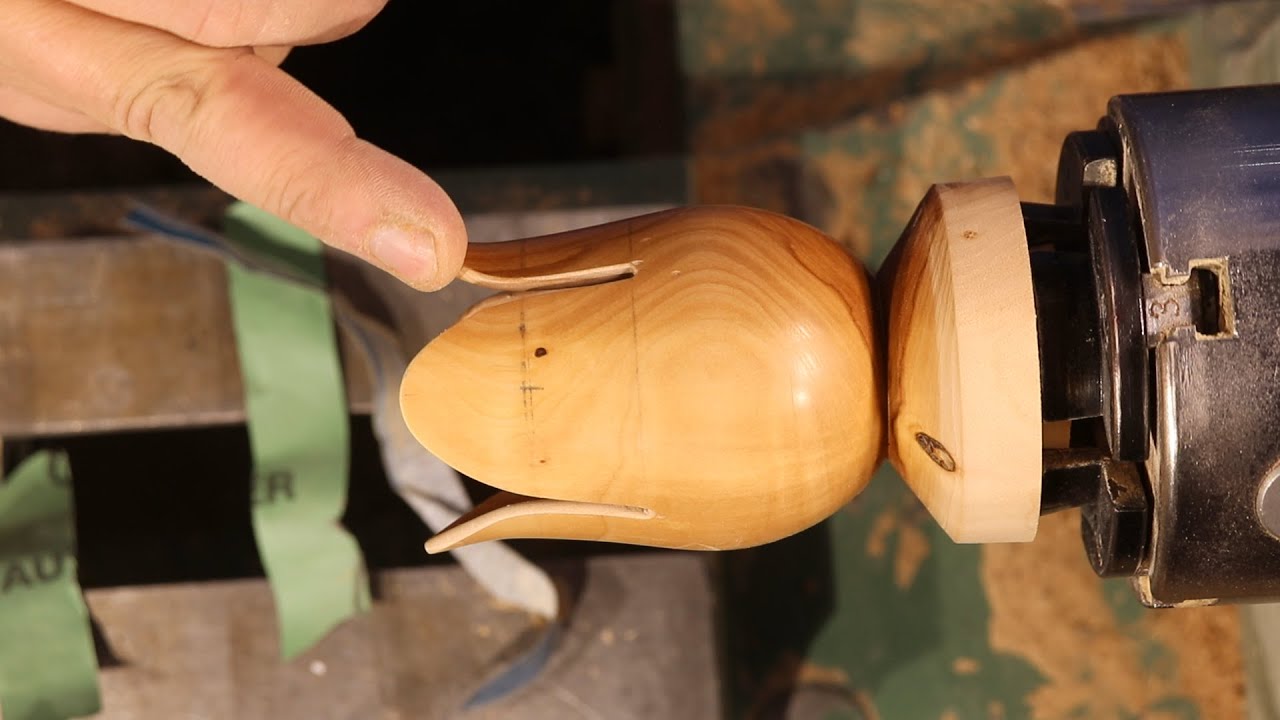
A wooden tulip is a flower-shaped decoration, not proof that the item was made from tulip wood. Craft flowers may use pine, plywood, MDF, basswood, or an undisclosed material, so their grain and durability reveal nothing about either tulipwood species.
These products illustrate the separate décor meaning behind some tulip-related shopping results. Check the stated material before treating any wooden flower as a sample of tulipwood.
A boxed product result may also represent tulip-shaped décor rather than verified lumber. The seller should name Liriodendron tulipifera or Dalbergia frutescens before the material can be evaluated as tulipwood.
American Tulipwood Properties
American tulipwood is a light, relatively soft hardwood with easy machining, moderate movement, and poor natural decay resistance. Typical dried density is about 29 lb/ft³, or 455 kg/m³, and Janka hardness is approximately 540 lbf.
Color and Grain
Sapwood usually runs from creamy white to pale yellow. Heartwood can be yellow-brown, olive, gray, green, brown, or purple-streaked, and green areas often turn browner after exposure to light and oxygen.
Grain is commonly straight with a fine-to-medium, even texture. Flatsawn boards show broad, subdued arches, while quartersawn faces look quieter; the patterns are less prominent than the open pores and rays found in oak. See our visual guide to wood grain patterns for sawing-orientation examples.
Mineral streaks create the main selection problem. A board graded for clear cutting yield can still contain olive, purple, or dark areas, since hardwood grades don’t promise uniform color. Order sapwood-selected or color-sorted stock for pale clear-finished work.
Density, Hardness, and Strength
At about 540 lbf Janka, American tulipwood is much softer than hard maple, red oak, or white oak. “Hardwood” describes a botanical group rather than a guaranteed level of physical hardness; the wood hardness scale shows how this test measures indentation resistance.
Typical reference values include a modulus of rupture near 10,100 psi, modulus of elasticity around 1.58 million psi, and crushing strength near 5,540 psi. The USDA Wood Handbook explains why mechanical properties change with moisture, grain direction, growth conditions, and test method.
The timber feels light in the hands compared with oak, which makes long cabinet parts and large painted frames easier to lift. Its surface tells a different story: a dropped clamp or a hard shaving trapped under a workpiece can leave a visible crescent-shaped dent.
Moisture and Movement
Reference shrinkage from green to oven-dry is about 4.6% radial, 8.2% tangential, and 12.7% volumetric, with a tangential-to-radial ratio near 1.8. Normal seasonal movement is much smaller, yet wide flatsawn panels can still cup when one face gains moisture faster than the other.
For heated interiors, lumber often settles near 6–8% moisture content, though the correct target depends on regional humidity and the building. Check several spots with a calibrated meter, acclimate boards with air reaching both faces, and mill thick stock in stages.
Floating door panels, tabletop fasteners, and elongated screw holes let boards move across the grain. Beginners often glue a solid panel into a rigid frame; seasonal expansion then cracks the panel or forces the joints apart.
Durability and Outdoor Limits
Untreated American tulipwood is rated non-durable to perishable where fungi, insects, and persistent moisture can reach it. It isn’t a sound choice for ground contact, uncovered decking, fence posts, or outdoor furniture expected to remain exposed.
Paint and exterior adhesive don’t turn the timber into decay-resistant wood. A coated component can survive in a sheltered location when end grain is sealed, joints drain freely, and damaged paint receives repairs, but trapped water behind hardware can start decay out of sight.
Choose white oak or another naturally durable species for repeated weather exposure. Tulipwood makes more sense for protected porch trim that can be inspected and maintained than for horizontal surfaces where rain pools.
Brazilian Tulipwood Properties
Brazilian tulipwood is a dense decorative rosewood with vivid striping and a Janka hardness near 2,500 lbf. It machines and buys more like a precious exotic wood than the pale American timber sold as yellow poplar.
Color and Identification
Authentic material often shows fine, even texture with pink, salmon, violet-red, or reddish-brown lines over cream or straw-colored wood. Striping intensity varies, and prolonged light exposure may soften the brightest colors.
Color alone can’t establish species. Photos can be altered, finishes shift the hue, and several ornamental woods have similar stripes. Ask for the scientific name, origin, invoice description, and supporting trade documents before paying a rosewood-level price.
Density and Hardness
Average dried weight is roughly 60 lb/ft³, or 970 kg/m³, with Janka hardness around 2,500 lbf. Reference values include bending strength near 16,590 psi, stiffness around 1.84 million psi, and crushing strength close to 8,750 psi.
Those figures make Brazilian tulipwood more than four times harder than American tulipwood by Janka rating. Applying its data to yellow poplar creates serious design errors, especially for flooring, hardware holding, tool selection, and wear expectations.
Approximate shrinkage is 5% radial, 8% tangential, and 13% volumetric. Small blanks can still hide end checks or drying stress, and a hairline split may open with a dry click as a turning blank becomes round.
Workability and Dust Safety
Dense stock cuts more slowly and can heat or burn against dull blades. Use sharp carbide edges, clear chips often, and reduce friction rather than forcing the feed; dark scorch marks and a sweet, hot odor signal excess heat.
Pre-drill near ends and narrow edges because hard, brittle sections can split. Before gluing, machine or lightly abrade the joint faces and remove dust; a polished or contaminated surface can produce a weak bond despite heavy clamp pressure.
Rosewood dust may cause irritation or sensitization in some people. Use local dust extraction, eye protection, and a fitted particulate respirator, then wash exposed skin rather than blowing dust from clothing with compressed air.
CITES and Responsible Sourcing
Dalbergia species are broadly controlled through CITES Appendix II, subject to annotations, product exemptions, national laws, shipment type, and destination. The official Species+ database should be checked before an international purchase or shipment.
Request the scientific name, country of origin, proof of legal harvest or import, and any applicable CITES paperwork. “Old stock” and “reclaimed” are claims rather than exemptions by themselves; credible sellers can document acquisition dates and chain of custody.
Brazilian tulipwood also shouldn’t be confused with Brazilian rosewood, Dalbergia nigra, which has a different and stricter listing. Finished objects aren’t automatically free from every permit or import rule, so confirm the rules with the destination country’s management authority.
Tulip Wood Uses and Suitability
American tulipwood works best for protected interior projects where easy machining, low weight, and paintability matter more than abrasion resistance. Brazilian tulipwood suits small decorative pieces where color, hardness, and fine detail justify its cost and sourcing burden.
Furniture and Cabinetry
American tulipwood is useful for painted cabinet face frames, doors, furniture frames, drawer components, bed rails, sofa framing, and carved details. It also serves as a secondary wood beneath veneer or inside pieces where appearance matters less than clean machining.
Its low surface hardness makes sharp corners vulnerable during assembly and delivery. Ease exposed edges with a small radius, use padded clamps, and keep metal tools off finished surfaces; these steps prevent dents that paint tends to reveal rather than hide.
For a clear-finished dining table, select boards by color and protect the top from concentrated impact. Hard maple or oak performs better where keys, cookware, chair hardware, or daily cleaning create repeated wear. Our guide to furniture woods covers project-based selection.
Trim, Veneer, and Plywood
The straight grain and uniform texture make American tulipwood a practical choice for paint-grade moulding, interior trim, stair parts, architectural millwork, and door components. Profiles cut cleanly when knives are sharp, and the low weight helps with long overhead pieces.
American material also appears in veneer, plywood cores, and engineered panels. Brazilian tulipwood veneer serves a different role: narrow decorative fields, banding, marquetry, instrument details, and small feature panels where its colored stripes remain visible.
Carving and Turning
American tulipwood carves easily, making it suitable for patterns, prototypes, relief work, and practice pieces. Soft fibers can fold instead of severing, so a freshly honed gouge leaves a clean satin-like cut while a dull edge produces pale fuzz along the grain.
Brazilian tulipwood holds fine turned details and takes a smooth surface, but heat management matters. Small cuts, sharp tools, and frequent pauses reduce burning and limit the chance that a checked blank will split at lathe speed.
Practical notes from real-world use: On American stock, place cardboard or clean plywood between the work and clamp jaws, then remove chips before tightening. On Brazilian blanks, mark visible end checks and cut past them before mounting rather than hoping the crack will disappear during turning.
Outdoor and High-Wear Limits
American tulipwood isn’t suited to exposed decking, ground-contact structures, heavily trafficked flooring, or unprotected workbench tops. Moisture attacks the wood outdoors, while grit and concentrated pressure mark its soft surface indoors.
- Use hard maple for worktops and wear-prone cabinet parts.
- Use white oak for exterior furniture and moisture-prone joinery.
- Use American tulipwood for painted interior cabinets, trim, carving, and protected frames.
- Use Brazilian tulipwood for small decorative components, veneer, inlay, and turning.
If American tulipwood must serve outdoors, keep it above ground and sheltered, slope horizontal faces, seal end grain, avoid water-trapping joints, and maintain the coating. Replacement remains likely sooner than with a naturally durable exterior hardwood.
Working and Finishing Tulip Wood

American tulipwood cuts and glues easily, but its soft fibers require sharp tools and light pressure. Finishing success depends on controlling dents, end-grain absorption, heartwood color, and mineral-stain bleed.
Cutting, Planing, and Sanding
Use sharp blades and take light planer passes, particularly around irregular grain. A dull cutter compresses fibers and leaves a fuzzy surface that looks acceptable until primer or clear finish makes the raised patches visible.
Back up crosscuts and drilled exits to prevent breakout. Begin sanding with the least aggressive grit that removes machine marks; a common sequence is 120, 150, then 180 grit, with a sanding block used to keep edges flat.
Heavy sanding pressure can hollow softer areas and round crisp profiles. Vacuum the surface and inspect it in low, raking light—the shallow shadows reveal planer ripples, glue smears, and dents more clearly than overhead lighting.
Fastening and Gluing
Nails and screws drive easily into American tulipwood, but holding strength is lower than in denser maple or oak. Drill pilot holes near ends, use threaded inserts for hardware removed repeatedly, and spread loads with washers or wider mounting plates.
The wood normally glues well when surfaces are flat and freshly cut. Beginners sometimes tighten clamps until the soft fibers crush or most adhesive squeezes out; use enough pressure to close the joint and create a thin, continuous glue line.
Choose adhesive for the expected moisture exposure, but don’t treat an exterior-rated glue as protection against decay. A waterproof bond can remain intact while the surrounding tulipwood softens and fails.
Painting and Stain Blocking
American tulipwood is widely used as a paint-grade hardwood because it has subdued grain and machines into clean profiles. Dark heartwood and mineral streaks can bleed through pale paint, particularly after a waterborne coating wets the surface.
Sand, remove dust, seal absorbent end grain, and apply a compatible stain-blocking primer over discolored areas. Once dry, sand the primer lightly before topcoating; test the complete system on an offcut containing the same green or dark streaks.
Ordinary primer may cover the color at first yet allow a brown-green shadow to return. A shellac-based or purpose-made blocking primer often works better, subject to compatibility with the chosen topcoat and the manufacturer’s safety directions.
Staining and Clear Finishes
Tulipwood can stain unevenly because end grain and locally compressed fibers absorb more color. A washcoat, wood conditioner, gel stain, or dye-and-toner schedule can reduce blotching, but every method should be tested on project offcuts.
Water-based clear finishes add less amber color, while oil-based products warm the wood and may make olive or brown areas more visible. Clear coating preserves natural color variation; it doesn’t make mismatched boards look uniform.
Sand end grain one grit finer or seal it before staining to limit dark patches. Don’t promise that tulipwood will copy cherry, walnut, or mahogany exactly—the underlying green and mineral colors can remain visible beneath translucent stain.
Tulip Wood vs Other Hardwoods
American tulipwood is lighter, softer, and easier to machine than hard maple, red oak lumber, and white oak wood. Brazilian tulipwood sits at the opposite end of the range, with far greater density, hardness, cost, and trade controls.
Species Comparison Table
| Wood | Approximate Janka hardness | Approximate dried weight | Decay resistance | Best fit |
|---|---|---|---|---|
| American tulipwood | 540 lbf | 29 lb/ft³ | Low | Painted cabinetry, trim, carving |
| Brazilian tulipwood | 2,500 lbf | 60 lb/ft³ | Verify for intended exposure | Inlay, veneer, small turnings |
| Hard maple | 1,450 lbf | 44 lb/ft³ | Low | Flooring, work surfaces, furniture |
| Red oak | 1,290 lbf | 44 lb/ft³ | Low to poor | Interior furniture and millwork |
| White oak | 1,360 lbf | 47 lb/ft³ | Good heartwood resistance | Exterior joinery, flooring, furniture |
| Bog oak | Variable | Variable | Variable | Decorative and historic work |
These figures are typical reference values, not guarantees for an individual board. Moisture content, growing conditions, original species, grain direction, and defects all affect performance.
Hard Maple and Maple Hardwood
Hard maple, Acer saccharum, measures about 1,450 lbf Janka, nearly three times the hardness of American tulipwood. It resists dents and abrasion better, making it the stronger choice for flooring, worktops, cabinet doors, and high-use furniture.
American tulipwood costs less in many domestic markets, weighs less, and carves with less effort. It suits painted frames and hidden components, while hard maple suits exposed surfaces that receive repeated contact.
The phrase maple hardwood can cover hard maple and softer maple species, so a listing for maple wood for sale needs a scientific name or stated hardness. Don’t assume every maple board matches sugar maple’s wear resistance; compare it with our soft maple guide.
Red Oak Lumber
Northern red oak, Quercus rubra, has a Janka rating near 1,290 lbf. Red oak lumber withstands surface wear better than American tulipwood and shows strong open pores, growth-ring arches, and visible rays.
Tulipwood is lighter, quieter in grain, and easier to carve. Red oak boards offer better dent resistance for clear-finished furniture, but their open vessels and limited heartwood decay resistance make them poor choices for continuously wet outdoor work.
White Oak Wood
White oak wood, commonly Quercus alba, reaches about 1,360 lbf Janka and weighs roughly 47 lb/ft³. It is harder, heavier, and more decay resistant than American tulipwood.
Tyloses block many white oak vessels, helping explain the wood’s long use in barrels and moisture-resistant joinery. White oak lumber is the better candidate for exterior furniture, entry doors, flooring, and hard-wearing tables.
American tulipwood remains attractive for lightweight painted cabinetry, carving, interior trim, and cost-sensitive secondary parts. White oak also demands more effort from tools and from anyone lifting a wide assembled panel.
Bog Oak
Bog oak isn’t a separate tree species. It is oak preserved for centuries or millennia in oxygen-poor, waterlogged peat or sediment, where tannins react with dissolved minerals and often darken the wood to brown or near-black.
Density, strength, and stability vary with the original oak species, burial conditions, degradation, recovery, and drying method. Hidden checks, mineral contamination, brittle edges, and internal stress make bog oak lumber less predictable than commercial tulipwood.
Use ancient oak for decorative work where provenance and unusual color justify extra waste. Age claims should have records or scientific testing behind them; darkness alone doesn’t prove that a board is authentic reclaimed historic timber.
How to Buy Tulip Wood

Buying tulip wood starts with the scientific species name, followed by grade, dimensions, moisture content, defects, unit of sale, and origin. A price has little meaning until those details match across suppliers.
Verify Species and Origin
Ask whether “tulipwood” means Liriodendron tulipifera, Dalbergia frutescens, or another regional trade name. A wide pale domestic board is likely American tulipwood, while a small vividly striped blank may be Brazilian, but appearance isn’t adequate proof.
Have the species and country of origin written on the quote or invoice. For imported Dalbergia, request legal-origin and shipment documents before paying, particularly if the seller uses vague terms such as old rosewood or estate stock.
Grades, Dimensions, and Color
Rough hardwood thickness is sold in quarter-inch increments: 4/4, 5/4, 6/4, and 8/4. A rough 4/4 board finishes below one inch after flattening and planing, so ask for the minimum finished thickness your project needs.
S2S means surfaced on two faces, while S3S and S4S include more milled edges. Surfaced stock costs more but reveals grain and defects sooner; rough stock offers greater control over final dimensions and may hide internal color until planed.
NHLA grades focus mainly on clear cutting yield rather than exact color. The NHLA grading rules help explain why an FAS American tulipwood board may still contain green heartwood or mineral streaks.
Moisture, Defects, and Waste
Ask for measured moisture content rather than accepting “dry” without a number. Test several locations, including near each end and toward the middle, then acclimate the stock in conditions close to its final indoor setting.
- Check for cup, bow, crook, and twist.
- Inspect ends for checks and poorly sealed Brazilian blanks.
- Look for knots, bark pockets, sticker stain, and insect holes.
- Ask about honeycombing or internal checks in thick stock.
- Evaluate mineral streaks and heartwood color under neutral lighting.
- Buy extra material for color matching and defect removal.
A waste allowance of 15–25% often works for ordinary cutting, but long clear parts or strict color matching can require more. Photograph each selected board and mark intended parts before crosscutting; this prevents an attractive long section from becoming several unusable short pieces.
Board-Foot and Piece Pricing
Calculate board feet with this formula: thickness in inches × width in inches × length in feet ÷ 12. A board measuring 1 inch × 8 inches × 8 feet contains about 5.33 board feet.
Compare the same species, grade, thickness, drying condition, surfacing, width, and length. Include shipping, oversize fees, and expected waste; inexpensive defect-heavy lumber can cost more per usable part than higher-grade stock.
Brazilian tulipwood is commonly priced per piece or blank. Converting a tiny pen blank to a board-foot equivalent produces a strikingly high figure, but that calculation reflects cutting labor, scarcity, handling, and low usable yield rather than a furniture-board market.
Legal and Certified Sourcing
American tulipwood is widespread and commercially available, but responsible sourcing still depends on forest management and traceable supply. FSC, PEFC, SFI, or comparable chain-of-custody documents can support a seller’s sourcing claim.
For Brazilian tulipwood, verify legal harvest and trade records before purchase or international transport. Permit needs can change by product, annotation, country, and shipment, so retain invoices and species documentation with the material and finished object.
Frequently Asked Questions
These answers address the most common questions about tulip wood classification, naming, furniture performance, outdoor use, and cost.
Is Tulip Wood Hardwood?
Yes. American tulipwood is a botanical hardwood because it comes from a deciduous flowering tree, but it is physically soft at about 540 lbf Janka. Brazilian tulipwood is also a hardwood and is far harder at roughly 2,500 lbf.
Is It Really Poplar?
American tulipwood is sold as yellow poplar or tulip poplar, but Liriodendron tulipifera isn’t part of the Populus genus. The name is a commercial convention, not a botanical classification.
Is It Furniture Grade?
Yes, American tulipwood is suitable for painted furniture, cabinet frames, drawer parts, carved details, and low-to-moderate-wear surfaces. Choose harder wood for heavily used tops, and color-sort boards before applying a clear finish.
“Furniture grade” doesn’t mean dent-proof or color-matched. Grade controls usable cutting yield more than appearance, so inspect the actual stock for mineral streaks, green heartwood, crushed edges, and movement.
Can It Be Used Outdoors?
Untreated American tulipwood isn’t recommended for exposed or ground-contact outdoor work because its decay resistance is low. Sheltered, fully coated components may last with drainage and regular maintenance, but white oak is safer for long-term weather exposure.
Is Tulipwood Expensive?
American tulipwood is commonly an economical domestic hardwood. Brazilian tulipwood is much more expensive because it is scarce, dense, decorative, restricted in trade, and usually sold as small blanks or veneer.
Judge tulip wood price by species, scientific name, grade, dimensions, moisture condition, surfacing, origin, and unit of sale. Searches for tulip wood for sale should never compare a rough American board-foot price directly with the piece price of a Brazilian turning blank.
FAQs
Is Tulip Wood A Hardwood?
Yes, tulip wood is a hardwood, although it is softer than many common hardwoods. It comes from the tulip tree, also called yellow poplar, and is easy to cut, sand, and paint. Its moderate strength makes it useful for interior projects, trim, cabinetry, and painted furniture.
Is Tulip Wood The Same As Poplar?
Tulip wood is commonly called tulip poplar or yellow poplar, but it is not a true poplar species. It comes from the tulip tree, while true poplars belong to a different plant genus. Lumberyards may use the names interchangeably, so ask for yellow poplar or tulip tree lumber when buying.
Is Tulip Wood Good For Furniture?
Yes, tulip wood is a good choice for many indoor furniture projects, especially painted pieces. It is affordable, stable, easy to machine, and accepts paint very well. Because its grain and color can vary, it is less popular for clear-stained showpieces, but it works well for cabinets, drawers, frames, and utility furniture.
Can Tulip Wood Be Used Outdoors?
Tulip wood is not recommended for outdoor use unless it is thoroughly protected from moisture. It has low natural resistance to rot, insects, and weathering, so untreated boards can deteriorate quickly outside. For exterior projects, choose naturally durable wood or use tulip wood only in covered, painted, and well-maintained locations.
How Expensive Is Tulipwood Lumber?
Tulipwood lumber is generally one of the more affordable hardwood options. Prices vary by region, board width, thickness, grade, and whether the wood is surfaced or kiln-dried. It usually costs less than oak, maple, or walnut, making it a practical choice for painted furniture, trim, and larger woodworking projects.
Affiliate Disclosure: Some links in this post are affiliate links. If you make a purchase through these links, we may earn a small commission at no extra cost to you. We only recommend products we genuinely believe in.