

Red oak wood flooring is a durable, stain-friendly hardwood with prominent grain, warm undertones, and a 1,290 lbf Janka rating. It suits most dry living spaces and often costs less than white oak, though its open pores require careful moisture control.
This buyer’s guide explains construction, grades, finishes, costs, installation, maintenance, and the practical differences between red and white oak.
Table of Contents
Red Oak Flooring Overview
Red oak flooring is commonly made from Northern red oak, Quercus rubra, or related North American species sold within the commercial red oak group. Buyers value its visible grain, broad availability, and ability to accept colors ranging from clear natural finishes to deep brown stains.
Is Red Oak Good?
Yes, red oak is good for residential flooring. It offers a practical balance of hardness, price, and repairability, while the open grain helps disguise shallow dents better than a quiet, uniform wood surface.
The species isn’t waterproof or scratch-proof. Grit under shoes feels like fine sand against a finish and can create dull traffic lanes, while standing water can darken board edges or raise the grain. A sound finish and steady indoor humidity often affect performance more than the small hardness difference between oak species.
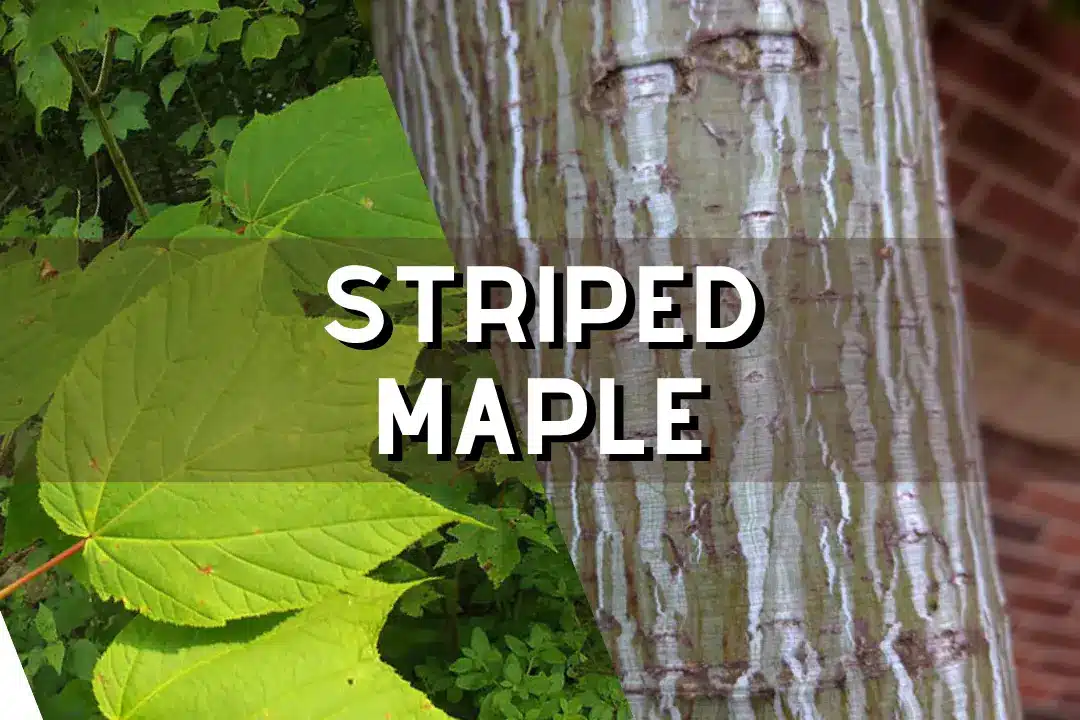
Grain and natural color. Red oak usually shows tan, salmon, pink, and pale reddish tones. Plain-sawn boards display sweeping cathedral patterns, while sapwood and heartwood mixed in one floor produce natural board-to-board variation. See this guide to wood grain patterns for a closer comparison.
1,290 lbf Janka hardness. Northern red oak has a commonly cited Janka rating of 1,290 pounds-force. Janka testing measures resistance to indentation, not scratches, moisture damage, finish wear, or seasonal movement. The USDA Wood Handbook provides broader physical and mechanical property data for wood species.
Pros and cons. Red oak is readily available, relatively easy to stain, familiar to installers, and suitable for repeated refinishing in solid form. Its drawbacks include pink undertones beneath pale stains, more open pores than white oak, seasonal width changes, and visible ambering under aging oil-based finishes.
- Advantages: recognizable grain, broad grade selection, moderate hardness, good stain absorption, and strong refinishing potential.
- Limitations: low tolerance for prolonged moisture, movement in unstable humidity, and color mismatch between repairs and aged finish.
- Best value: conventional-width, plain-sawn material in Select or Number One Common grade.
- Common mistake: choosing from one tiny sample that doesn’t show the floor’s full color range.
Best Rooms, Risks, and Red Oak Lumber
Best rooms and risks. Red oak performs well in bedrooms, living rooms, dining rooms, offices, hallways, and conditioned family rooms. Kitchens can work if spills are wiped quickly and plumbing is monitored. Full bathrooms, wet laundry rooms, damp basements, and unconditioned spaces carry higher risks.
Homes with dogs benefit from matte finishes, trimmed claws, entry mats, and frequent grit removal. Dark, high-gloss flooring shows pale scratches and paw marks far more readily than a medium natural color with low sheen.
Is red oak outdated? No. The dated orange look associated with some older floors often comes from ambered oil polyurethane rather than red oak alone. Wider planks, restrained brown stains, waterborne finishes, and matte sheens produce a cleaner appearance. The same principle applies when asking whether oak trim is outdated: color and sheen often date the room more than the wood species.
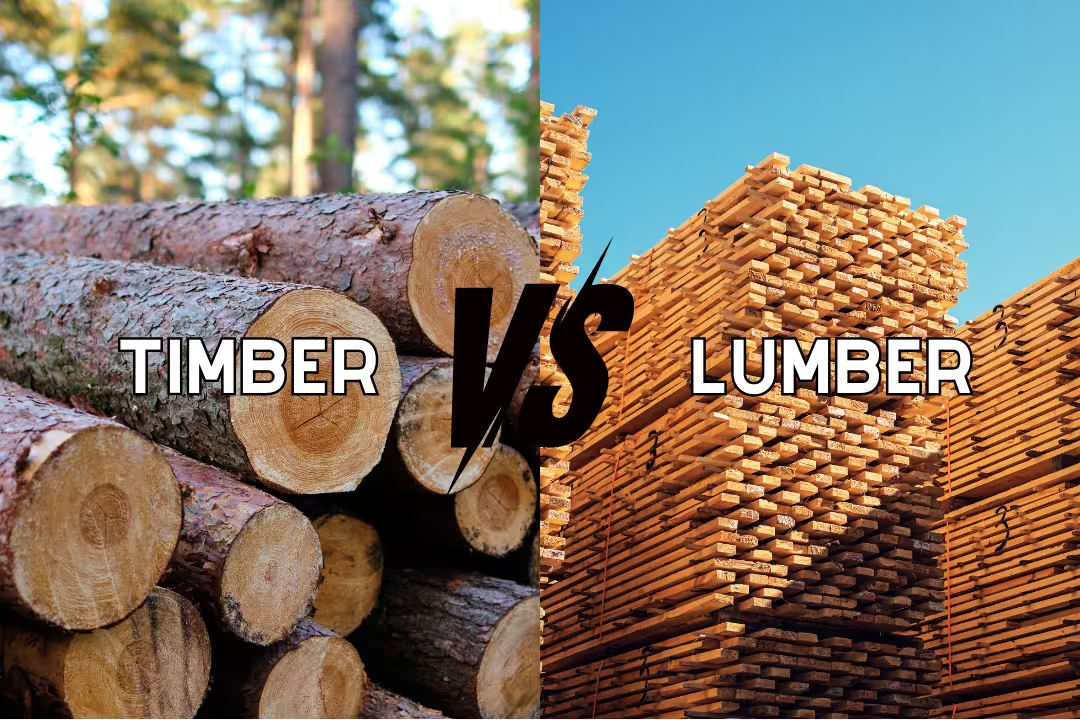
Red oak lumber vs flooring. Red oak lumber is a raw or partly processed material used for cabinets, furniture, stairs, a red oak bookcase, or a red oak bookshelf. Flooring must be dried, graded, precision-milled, end-matched, and formed with tongue-and-groove edges or an approved locking profile.
Generic red oak boards shouldn’t be laid as flooring without suitable drying and milling. Boards that look straight in a lumber rack may twist or form uneven joints after installation. Read more about kiln-dried wood before comparing lumber with finished flooring.
Types, Grades, and Finish Options
Red oak flooring comes in solid and engineered constructions, several appearance grades, and plain-, rift-, or quarter-sawn cuts. Construction determines where the floor can be installed, while grade and cut control much of its visual character and price.
Solid vs Engineered Red Oak Flooring
| Feature | Solid red oak | Engineered red oak |
|---|---|---|
| Construction | One piece of red oak | Red oak wear layer over a stabilized core |
| Common thickness | 3/4 inch; thinner options exist | About 3/8–5/8 inch |
| Typical installation | Nail or staple over approved wood subfloor | Glue, float, nail, or staple when approved |
| Concrete use | Usually needs a specialized wood-subfloor system | Many products are approved for concrete |
| Below grade | Usually unsuitable | Possible when the product is approved |
| Refinishing | Often several times if enough wood remains above the tongue | Depends on wear-layer thickness |
| Seasonal movement | Greater across the board width | Usually lower |
Solid flooring gives a traditional feel underfoot and can have a faintly hollow note where the subfloor isn’t perfectly flat. It remains a strong choice above grade over plywood. Wide solid boards demand tighter humidity control because movement increases with plank width.
Engineered flooring is usually the safer construction over slabs, below grade, or in wider formats. Core quality matters: poorly bonded layers, weak locking edges, and thin veneers can limit service life. Natural red oak engineered hardwood should state the real-wood wear-layer thickness, not just total plank thickness.
Prefinished vs unfinished. Prefinished boards install faster and arrive with a cured factory coating, often reinforced with aluminum oxide. Their microbeveled seams remain visible and can collect a fine dark line of soil. Unfinished flooring is sanded flat after installation, giving smoother transitions and more control over stain and sheen.
Site finishing adds sanding dust, odor, drying time, and contractor skill to the project. Factory finishes are more consistent, but discontinued colors can be hard to match after a board replacement. With either option, order spare boards from the same production run.
Flooring Grades, Cuts, and Finishes
Flooring grade comparison. Flooring grades describe appearance, not structural strength. Names and defect limits vary by manufacturer, so compare actual knot sizes, color ranges, mineral streaks, milling tolerances, and board lengths rather than relying on a grade name alone.
| Grade | Typical appearance | Best fit | Buying concern |
|---|---|---|---|
| Select | More uniform color, fewer knots | Formal or restrained interiors | Higher material price |
| Number One Common | Moderate variation, small knots, mineral marks | Balanced natural appearance | Standards differ by supplier |
| Number Two Common or Character | Strong variation, larger knots, shorter boards | Rustic and informal rooms | More waste and end joints may occur |
Red oak lumber grades used by cabinetmakers don’t automatically equal flooring grades. Flooring evaluation also covers milling accuracy, end matching, usable board length, and permitted natural defects.
Plain, rift, quarter sawn. Plain-sawn oak is common, economical, and recognizable by cathedral grain. Rift-sawn material has straighter grain but lower log yield. Quarter-sawn boards may display bright ray fleck and resist width movement better than typical plain-sawn boards. This guide to quarter-sawn oak explains the cutting pattern.
Natural and clear finishes. Clear waterborne coatings retain a paler color, while oil-based polyurethane develops a honey or amber tone. A freshly sanded sample can look cool and pink, then become noticeably warmer after oil finish touches the grain.
Stains and whitewashing. Red oak absorbs pigmented stains readily, and its open grain stays visible through most colors. White or gray finishes can expose pink undertones. A layered sample using neutralizing color, pale pigment, and a waterborne topcoat often works better than one heavy coat of gray stain.
Sanding scratches, glue smears, and inconsistent water-popping become darker after stain. Test the full sequence—filler, final sanding grit, stain, sealer, and topcoat—on several boards. Stain alone can’t make red oak identical to white oak.
Finish sheen options. Matte and satin surfaces hide dust, claw marks, and slight waviness. Semi-gloss and gloss reflect more light but expose every scuff and sanding ripple. In active homes, satin usually offers a practical balance between cleanability and wear concealment.
Red Oak vs White Oak Wood Flooring

Red oak usually has warmer pink undertones, a more open grain, and a lower entry price. White oak wood flooring is slightly harder, has tighter pores, and often suits neutral brown or pale finishes, but neither species is waterproof.
Technical Comparison Table
| Characteristic | Red oak flooring | White oak flooring |
|---|---|---|
| Common botanical reference | Quercus rubra group | Quercus alba group |
| Janka hardness | About 1,290 lbf | About 1,360 lbf |
| Common undertone | Pink, salmon, warm tan | Beige, brown, olive, neutral tan |
| Grain | Open and prominent | Tighter, often straighter |
| Natural liquid resistance | Lower | Better because heartwood pores commonly contain tyloses |
| Typical price position | Often lower | Often carries a premium |
| Finish fit | Warm natural and medium stains | Pale natural and muted brown finishes |
Hardness difference. White oak is about 70 lbf harder, a difference of roughly 5%. That margin is too small to make hardness the sole purchase factor. Finish chemistry, grit, pet claws, color, sheen, and maintenance often have a greater effect on visible wear.
For broader context, compare both species on the wood hardness scale. A Janka number doesn’t measure the coating that receives most day-to-day scratches.
Grain, Stain, Moisture, and Price Differences
Grain and undertones. Red oak shows stronger growth-ring contrast and warm pink or reddish notes. White oak tends to read beige, olive, or neutral brown. Dark stain narrows the color difference, but pore structure and ray patterns remain visible.
Stain behavior. Red oak takes pigment readily and can show dramatic dark lines through earlywood pores. White oak is frequently chosen for soft beige, smoke, and European-style brown colors. Neither species gives predictable results without samples made from the actual flooring batch.
Moisture resistance. White oak heartwood commonly contains tyloses that block vessel openings, slowing liquid penetration. Red oak’s open vessels admit liquid more readily. Prompt spill cleanup still matters on both floors because joints, end grain, finish breaks, and sapwood remain vulnerable.
Price differences. Red oak is often cheaper because it is widely available, yet grade, width, length, cut, finish, and construction can outweigh the species difference. Quarter-sawn red oak may cost more than common-grade white oak. Compare complete specifications using this red oak vs white oak guide.
Red Oak Flooring Costs
Red oak flooring material commonly falls between $4 and $12 per square foot, while professional installation often adds $3–$8 per square foot. Unfinished material may need another $3–$8 per square foot for site sanding and finishing.
Material, Installation, and Finishing Costs
Material cost factors. Grade, board width, average length, solid or engineered construction, wear-layer thickness, cut, finish chemistry, texture, certification, and freight all affect the quote. Wide rift-sawn planks cost more because fewer usable boards come from each log.
Material: $4–$12 per square foot. The lower end commonly covers narrower, standard-grade, or basic engineered products. Wider boards, thick wear layers, long lengths, quarter-sawn stock, specialty textures, and premium factory coatings sit nearer or above the upper end.
Installation: $3–$8 per square foot. Straight nail-down work over a flat wood subfloor usually costs less than glue-down work, complex layouts, occupied-home projects, or installations needing extensive preparation. Regional labor rates and contractor workload also change bids.
Site finishing costs. Sanding, stain samples, filler, sealer, finish coats, masking, and return visits can add $3–$8 per square foot. Difficult dark stains and whitewashed systems may cost more because surface preparation must be exceptionally consistent.
| Cost component | Planning range | What changes it |
|---|---|---|
| Flooring material | $4–$12 per sq. ft. | Grade, construction, width, cut, finish |
| Professional installation | $3–$8 per sq. ft. | Method, layout, region, subfloor |
| Site sanding and finishing | $3–$8 per sq. ft. | Color system, finish, repairs, schedule |
| Waste material | 5%–15%+ | Room shape, layout, color selection, short boards |
500-Square-Foot Cost Example and Missed Costs
500-square-foot cost example. A conventional room with a 10% waste allowance requires about 550 square feet of flooring. At $6 per square foot, material costs about $3,300. Installation at $5 per installed square foot adds about $2,500, producing a $5,800 subtotal before preparation, delivery, trim, tax, or finishing.
If unfinished flooring needs site finishing at $4.50 per square foot, add about $2,250. The working subtotal becomes $8,050 before demolition and subfloor correction. Contractors may calculate labor from net room area or purchased quantity, so ask which figure their bid uses.
Waste allowances. Order about 5%–10% extra for simple rooms with standard straight installation. Plan for 10%–15% or more with diagonal layouts, irregular walls, selective color matching, herringbone patterns, or cartons dominated by short boards.
Commonly missed costs. Budget for freight, residential delivery, old-floor disposal, appliance moving, plywood overlays, slab moisture treatment, floor flattening, door trimming, baseboards, shoe molding, reducers, vents, stair nosing, and spare boards.
- Ask whether moisture testing and written results are included.
- Price matching stair parts before ordering the field flooring.
- Confirm whether transitions come prefinished or need site staining.
- Set aside unopened spare material for later board replacement.
- Check whether furniture moving and appliance disconnection are excluded.
How to Choose Red Oak Flooring
Choose red oak flooring by matching its construction to the subfloor, confirming wear-layer thickness, reviewing board dimensions and lengths, and testing representative samples. The product label alone doesn’t reveal refinishing capacity, milling quality, or the true visual range.
Construction, Wear Layer, and Plank Dimensions
Match construction to subfloor. Solid red oak usually belongs above grade over an approved plywood or wood subfloor. Engineered red oak offers more choices for concrete, basements, wider planks, and radiant heat, provided the manufacturer approves that location and method.
Check wear-layer thickness. A very thin veneer usually can’t accept traditional sanding. Around 2 mm may permit limited abrasion or a screen-and-recoat. A 3–4 mm layer may allow one or more professional refinishes, while 5–6 mm offers more working wood.
Those figures aren’t promises. Bevel depth, existing damage, floor flatness, sanding equipment, and remaining wood all affect the result. Ask whether the listed measurement refers to real wood alone or includes the factory finish.
Compare plank dimensions. Traditional 2 1/4-inch strip flooring tolerates seasonal humidity changes better than very wide solid boards because each board moves over a smaller distance. Wide engineered planks can be more stable, though low-quality cores may still warp or delaminate.
Review board lengths. Cheap bundles often contain many short pieces. These create a busy pattern with frequent end joints and more installation labor. Request minimum, maximum, and average board lengths, plus the percentage of nested bundles.
Samples, Warranties, Sourcing, and Buyer Checklist
Order representative samples. View several boards in daylight and evening light beside cabinets, trim, rugs, and adjoining rooms. Run a hand across the surface: deep wire brushing feels ridged beneath fingertips and can trap more grime than a smooth matte board.
Verify finish and warranty. Check finish chemistry, sheen, approved cleaners, indoor humidity range, structural coverage, residential finish terms, and exclusions for scratches, pets, water, rolling loads, or radiant heat. A long warranty doesn’t mean the finish is scratch-proof.
Sustainable sourcing. Red oak is widely grown in North America. Certification may include FSC, SFI, or PEFC, but a retailer carrying certified products doesn’t mean every carton is certified. Verify the product claim and chain-of-custody documentation. The FSC label guide explains common label categories.
Indoor air quality. Review factory coatings, adhesives, underlayments, and composite cores rather than considering wood alone. Useful references include FloorScore, GREENGUARD Gold, California composite-wood rules, and EPA TSCA Title VI. The EPA composite wood standards apply to regulated composite panels used in some engineered cores.
Buyer and installer checklist. Put every promised specification in writing before paying a deposit. Product substitutions can change thickness, sheen, edge profile, board length, installation method, and stair-part compatibility.
- Confirm solid or engineered construction and total thickness.
- Record the real-wood wear-layer thickness in millimeters.
- Check grade, cut, width, length range, edge profile, and sheen.
- Verify approved subfloors, grade levels, radiant heat, and installation methods.
- Ask which moisture tests the installer will document.
- Confirm subfloor flatness limits and preparation charges.
- Review water, pet, scratch, and indoor-humidity exclusions.
- Check carton coverage, waste percentage, trim, and stair-part availability.
- Decide who handles claims if separate companies supply and install the floor.
Installation and Moisture Control
Successful red oak installation depends on measured moisture conditions, a flat and suitable subfloor, the approved fastening or adhesive system, and room for movement. Leaving cartons indoors for a fixed number of days doesn’t prove that the flooring is ready to install.
Pre-Installation Moisture Testing and Acclimation
Pre-installation inspection. Check species, grade, width, color, finish, milling, carton count, and visible damage before work begins. Blend boards from several cartons so light, dark, straight-grained, and cathedral-grained pieces don’t form isolated patches.
Moisture-based acclimation. Acclimation ends when flooring moisture, subfloor moisture, manufacturer limits, and expected occupied conditions align—not when a calendar reaches day three or day seven. Heating or cooling should operate close to normal use before testing.
Wood subfloor testing. Use a calibrated meter suitable for both the flooring and subfloor. Common guidance places solid strips under 3 inches within about four percentage points of the wood subfloor. Planks 3 inches or wider are commonly kept within about two points.
Concrete slab testing. A surface meter can help locate comparative wet areas but may not satisfy the flooring or adhesive warranty. Many systems call for an approved method such as ASTM F2170 in-situ relative-humidity testing, followed by the specified vapor-control treatment.
Test results belong in the project record with dates, room conditions, meter settings, and locations. Skipping documentation is a common beginner mistake because a later moisture claim becomes difficult to diagnose.
Installation Methods, Expansion, and Seasonal Movement
Nail-down installation. Solid red oak is commonly nailed or stapled over approved plywood or wood subfloors. Fastener gauge, length, angle, and spacing must match the product instructions. Wrong fasteners can split tongues, loosen boards, or cause sharp squeaks underfoot.
Glue-down installation. Compatible engineered flooring can be glued over a tested, flat concrete slab. Adhesive choice depends on plank size, slab moisture, required vapor control, open time, trowel size, and warranty. Remove wet adhesive smears with the approved cleaner before they cure.
Floating installation. Use this method only with a locking or edge-glue product approved for floating. The subfloor must meet its flatness limit, and the underlayment must suit the system. Fixed cabinets can trap a floating floor and block normal movement.
Expansion space. Follow the product instructions rather than applying one universal figure. Perimeter gaps around 1/2–3/4 inch are common, but room size, climate, construction, plank width, and transition layout can change the required space.
Cupping and crowning. A cupped board has edges higher than its center, often because its underside is wetter than its face. A crowned board has a raised center. Crowning can develop if a cupped floor is sanded flat before its moisture imbalance has stabilized.
Don’t sand distorted flooring until leaks, drainage, slab vapor, crawl-space moisture, and indoor humidity have been checked. Sanding too soon removes wood from the edges; once the boards dry, those edges can settle below the center.
Seasonal movement. Solid red oak expands and contracts mainly across its width. Narrow winter gaps may close during humid months. Large, uneven, or persistent gaps can indicate improper moisture conditions, loose fastening, weak adhesive transfer, or installation over a moving subfloor.
Practical notes from real-world use. Moisture trouble often appears first beside exterior doors, dishwashers, refrigerators, plumbing walls, or floor vents. A cool board edge, musty smell, darkened seam, or ridge that catches a sock can reveal a local problem before distortion spreads across the room.
Maintenance, Refinishing, and Repairs
Red oak flooring lasts longest when abrasive grit and liquid are removed quickly, furniture feet are protected, and cleaning products match the finish. Solid floors often accept several refinishes, while engineered floors are limited by their remaining wear layer.
Routine Care, Pets, Refinishing, and Seasonal Gaps
Routine floor care. Vacuum with a hard-floor attachment or sweep abrasive grit regularly. Use felt pads, breathable entry mats, and a lightly damp microfiber pad with the finish maker’s pH-neutral cleaner. Avoid flooding the floor or using a steam mop without written approval.
Pet and spill protection. Trim claws, place water bowls on waterproof trays, and clean urine at once. Liquid can enter open seams and leave a dark ring with a sharp ammonia odor. Matte, medium-tone surfaces hide claw marks better than dark gloss.
Refinishing solid flooring. Traditional 3/4-inch flooring can often be sanded several times, but usable wood is limited to the material above the tongue. Previous sanding, deep stains, uneven boards, and aggressive drum-sander work reduce what remains.
Engineered refinishing limits. Very thin veneers shouldn’t receive conventional sanding. A screen-and-recoat refreshes the finish with far less wood removal, provided wax, polish, oil, or contamination won’t interfere with adhesion. A test patch can prevent widespread peeling.
Seasonal gaps. Don’t force rigid oak wood filler into active winter gaps. When humidity rises, closing boards can crack the filler, squeeze it upward, or crush board edges. Fill stable nail holes, chips, and nonmoving defects instead.

Stable Defect Fillers and Professional Floor Filling
Stable defect fillers. Use color-matched filler for small nail holes, edge chips, and cracks that no longer move. Filler labeled red oak may dry lighter, darker, smoother, or less porous than the surrounding board. Test it with the planned stain and topcoat before repairing a visible area.

DAP Red Oak Wood Filler
- Red oak color for blended repairs
- Latex formula applies easily
- Fills small cracks and nail holes
- Useful for floor touch-ups
- Six ounce tub for minor projects
 Buy on Amazon

Parks Pro Red Oak Floor Filler
- Made for wood floor repairs
- Red oak tone helps conceal gaps
- Fills small cracks and surface flaws
- Quart size suits larger patching jobs
- Useful before refinishing floors
Buy on Amazon

Deuvuo Red Oak Repair Putty
- Red oak shade for coordinated repairs
- Fills cracks holes and blemishes
- Dries quickly for efficient touch-ups
- Sandable for a smooth finish
- Paintable and stainable after drying
Buy on Amazon

FamoWood Red Oak Latex Filler
- Red oak color for small repairs
- Latex filler is easy to apply
- Fills minor cracks and imperfections
- Useful for flooring touch-ups
- Compact size for occasional fixes
Buy on Amazon
Professional floor filling. Trowelable filler can address widespread stable cracks before final sanding. It won’t correct loose boards, unresolved moisture, weak fastening, or seasonal movement. Confirm compatibility among the filler, stain, sealer, and finish system.

Bona Pacific Red Oak Filler
- Designed for filling wood floor gaps
- Red oak color supports blended repairs
- Large 3.5 gallon size
- Practical for substantial flooring projects
- Helps prep floors for finishing
Buy on Amazon
Stain touch-ups. A stain named “red oak” describes a color, not a guaranteed species match. Existing finish age, sanding grit, wood color, wiping time, and topcoat all shift the final tone. Test beneath an appliance, inside a closet, or on matching scrap.

Varathane Red Oak Wood Stain
- Red oak color for wood finishing
- Refreshes the look of bare wood
- Useful for matching repaired areas
- Suitable for refinishing projects
- Helps create a consistent warm tone
Buy on Amazon
Cosmetic surface patches. Grain-pattern repair tape can conceal a small scuff on flooring, trim, or furniture. It isn’t a structural repair for water damage, delamination, deep gouges, broken tongues, or loose boards. Clean the surface first and keep the patch away from wet areas.
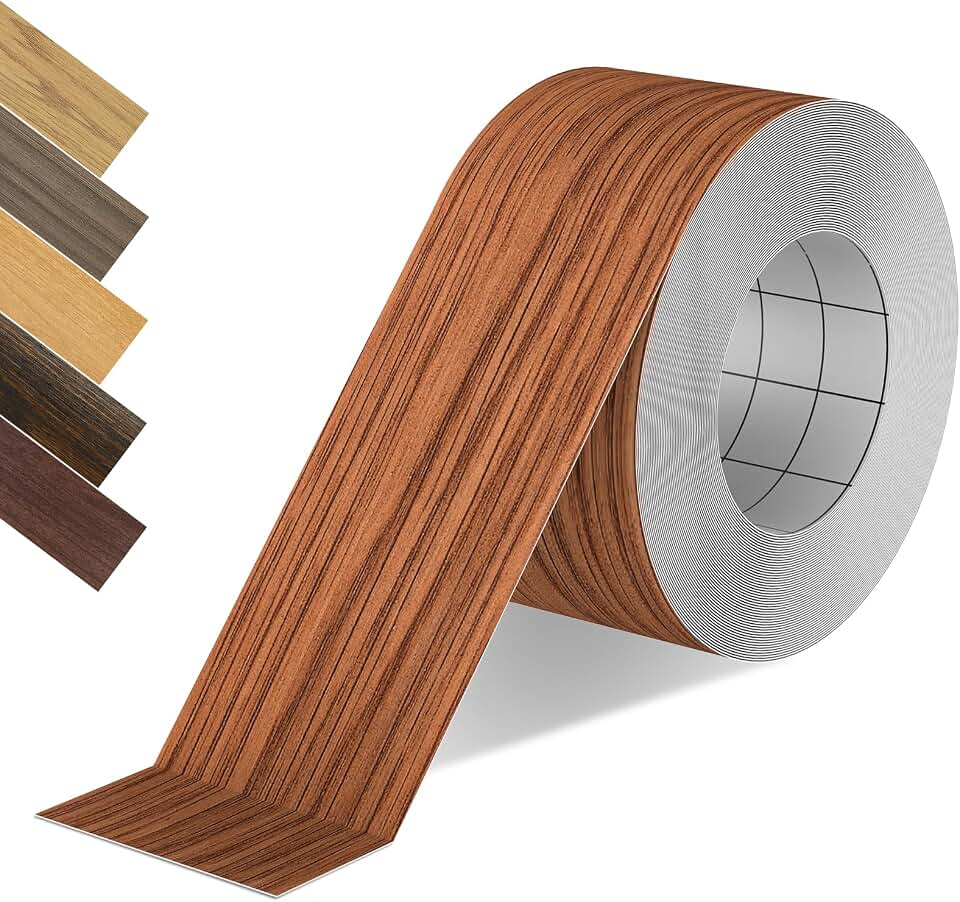
Red Oak Grain Repair Tape
- Red oak grain pattern for quick patches
- Self-adhesive application needs no glue
- Covers scuffs and worn surface areas
- Useful on floors baseboards and trim
- 2.4 inch by 15 foot roll
Buy on Amazon
Affiliate Disclosure: Some links in this post are affiliate links. If you make a purchase through these links, we may earn a small commission at no extra cost to you. We only recommend products we genuinely believe in.