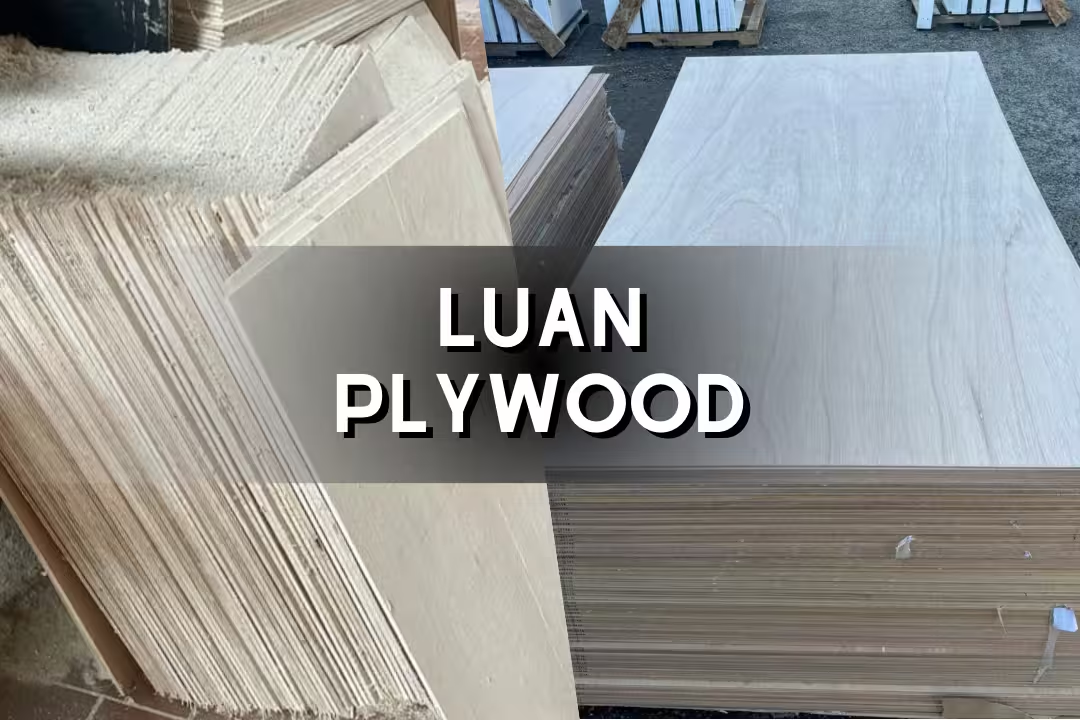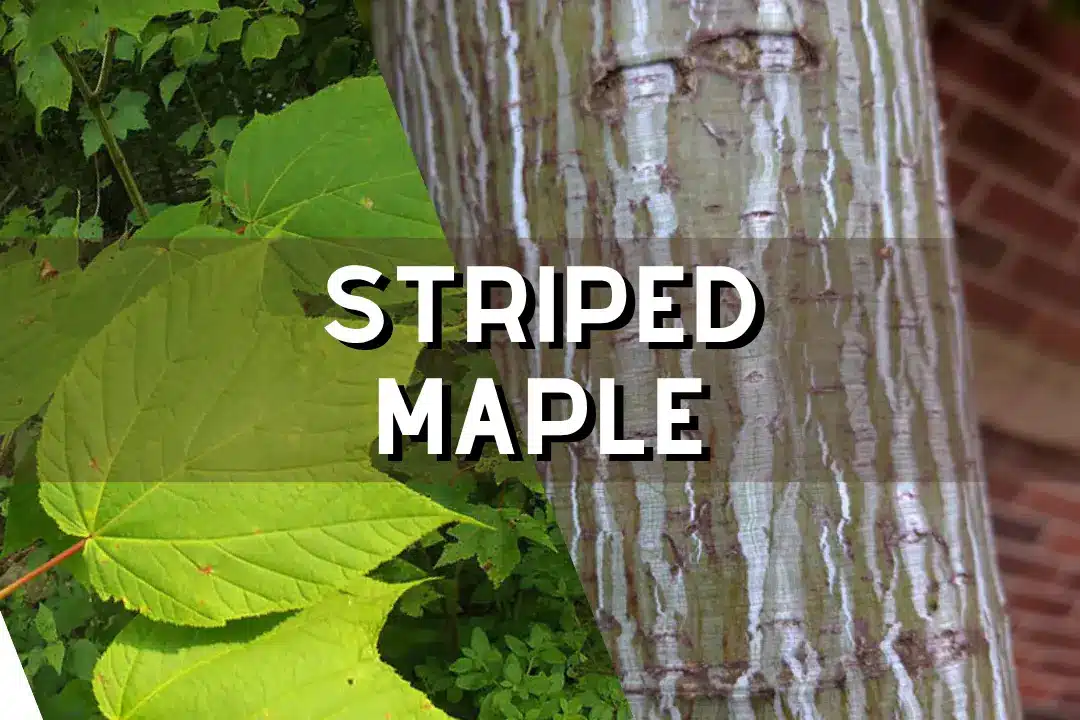
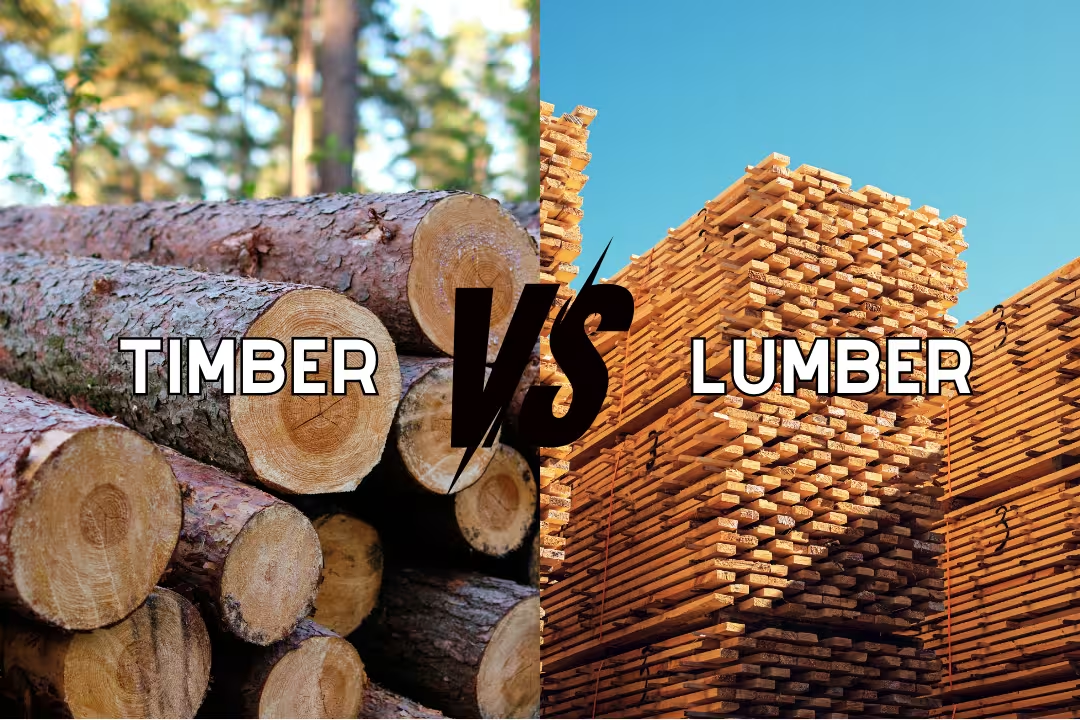

Wood is the natural fibrous material made by trees; timber may mean commercial trees, logs, prepared building wood, or large structural members, while lumber usually means sawn boards in North America. The exact difference between timber, lumber, and wood depends on region, trade, and product form.
Table of Contents
What Is Timber Wood?

Timber wood is a common search and trade phrase rather than one fixed technical category. It usually describes wood obtained from trees for construction, furniture, manufacturing, packaging, or other commercial uses.
Direct Timber Wood Definition
Timber wood means commercially useful wood in a tree, log, board, beam, or prepared product. Forestry workers may call harvestable trees timber, a British builder may call planed boards timber, and a North American engineer may reserve the term for large structural members.
Wood Meaning
Wood is the material formed by the cellular tissues of woody plants. It remains wood whether it sits inside a living trunk, arrives as firewood, becomes an oak tabletop, or is separated into fibers and veneers for manufactured panels.
The term includes solid boards and products such as plywood, paper pulp, and fiberboard. Our guide to the main types of wood explains how species, anatomy, and end use create further categories.
Timber Meaning
Timber has several meanings. It can describe standing trees valued as a crop, felled stems awaiting processing, sawn building material, or large posts and beams. Context matters more than the word alone.
A listing for forestry timber for sale may refer to harvesting rights or standing trees rather than stacks of finished boards. Buyers should confirm whether a sale covers land, stumpage, roadside logs, delivered logs, or milled stock.
Lumber Meaning
Lumber usually means logs sawn into boards, planks, posts, beams, or standardized framing sizes. The term dominates retail and construction language in the United States and Canada, where stores sell rough, surfaced, kiln-dried, pressure-treated, graded, and appearance lumber.
Timber vs Lumber vs Wood

Wood is broadest, lumber normally means sawn commercial wood in North America, and timber changes meaning by place and industry. All lumber is wood, but bark, wood chips, living trunks, and paper pulp aren’t normally called lumber.
Three-Term Comparison Table
| Term | Core meaning | Common North American use | Common British and Irish use |
|---|---|---|---|
| Wood | Natural material produced by trees and woody plants | General material term | General material term |
| Timber | Commercial trees, logs, prepared wood, or structural members | Forest resource or large structural member | Normal trade term for prepared building and manufacturing wood |
| Lumber | Sawn commercial wood | Standard term for boards and framing stock | Less common in ordinary trade language |
Timber vs Wood
Timber is wood selected or prepared for commercial use, yet wood covers far more material. A branch in a living tree, decorative veneer, wood flour, and a carved spoon are all wood, but speakers may not label each item timber.
The phrase timber also adds an economic or structural context. In forestry, trees become standing timber when they form a merchantable resource; in construction, timber often describes material intended for buildings or civil works.
Lumber vs Wood
The difference between lumber and wood is processing and scope. Wood is the raw biological material, while lumber is wood converted from logs into usable rectangular sections such as boards, studs, planks, and beams.
Wood can exist before or after sawing, but lumber starts after conversion. Plywood and MDF contain wood, yet North American suppliers usually classify them as panels or sheet goods rather than solid lumber.
Timber vs Lumber
Timber and lumber overlap but aren’t universal synonyms. In Britain, timber commonly covers what Americans call lumber; in North American forestry, timber may still be growing, while lumber has already passed through a sawmill.
Structural language creates another exception. A North American timber can mean a large solid-sawn member, while smaller standardized members are classed as boards or dimension lumber. This technical use explains why a beam may be timber and a 2 × 4 lumber, though both are wood.
Regional Terminology Exceptions
Trade context can override geography. An American timber framer may speak of timbers, and a British importer may use lumber when quoting a North American specification. Product standards, invoices, and drawings carry more weight than assumptions based on national vocabulary.
Regional Timber Terminology
Timber terminology varies across countries and industries. Confirm whether a seller means standing trees, round logs, rough boards, finished stock, or large structural members before comparing quantities or prices.
United States and Canada
North American stores use lumber for sawn boards, framing stock, hardwood planks, treated material, and moulding blanks. Timber appears more often in standing timber, timber rights, heavy timber construction, and timber framing.
Canadian usage follows this pattern in many retail settings, though forestry agencies and local industries have their own terms. Labels such as species group, grade, treatment category, and moisture condition give a safer specification than timber or lumber alone.
United Kingdom and Ireland
Timber is standard British and Irish trade language. Common descriptions include sawn timber, carcassing timber, structural timber, planed all round timber, and treated timber; lumber appears less often outside imported terminology or specialist contexts.
Australia and New Zealand
Australian and New Zealand suppliers also favor processed timber for framing, decking, joinery, and furniture stock. Grades, durability classes, treatment levels, and local standards still differ, so a familiar product name doesn’t promise an identical specification.
Forestry and International Trade
International statistics use standardized product terms such as roundwood, industrial roundwood, wood fuel, sawnwood, veneer, and wood-based panels. These labels reduce ambiguity across languages and separate unprocessed stems from manufactured output.
Regional Terminology Table
| Region or field | Usual term for sawn boards | Common meaning of timber |
|---|---|---|
| United States | Lumber | Standing commercial trees or large structural members |
| Canada | Lumber | Forest resource, logs, or heavy structural material |
| United Kingdom and Ireland | Timber | Prepared construction or manufacturing wood |
| Australia and New Zealand | Timber | Processed building, furniture, or industrial wood |
| Forestry | Sawnwood after processing | Commercially valuable standing or felled trees |
| International statistics | Sawnwood | Meaning depends on the reporting system |
Timber Types and Commercial Forms
Timber types include hardwood, softwood, roundwood, sawn boards, dimension lumber, heavy members, and engineered products. Botanical group, processing stage, size, grade, moisture, and surface finish each describe a different property.
Hardwood and Softwood
Hardwood comes from angiosperms, usually broadleaf flowering trees such as oak, maple, walnut, teak, beech, poplar, and balsa. Softwood comes mainly from conifers such as pine, spruce, fir, cedar, larch, redwood, and Douglas fir.
These are botanical groups, not performance guarantees. Balsa belongs among the types of hardwood yet feels soft enough to dent under a thumbnail, while dense softwoods can resist wear better than lighter hardwoods.
- Hardwoods often serve furniture, flooring, cabinetry, turning, and decorative joinery.
- Softwoods dominate house framing because they are widely available, relatively light, and efficient to mill.
- Either group can supply structural, decorative, exterior, or industrial products if its species and grade suit the job.
Hardness Versus Strength
Hardness isn’t strength. Janka hardness measures resistance to indentation, which helps compare floors and work surfaces. Structural design also depends on bending strength, stiffness, compression, shear, grade, grain direction, knots, moisture, and member size.
Published Janka figures place hard maple near 1,450 pounds-force, white oak near 1,360, red oak near 1,290, and teak near 1,070. Values vary by specimen and condition, so use the wood hardness scale as a wear comparison, not a beam-sizing tool.
Logs and Roundwood
Roundwood retains its round form after felling and basic trimming. Sawlogs, veneer logs, pulpwood, poles, posts, and fuelwood fall into this broad group, though each requires different diameter, straightness, species, and defect limits.
A log estimate isn’t the volume of boards it will produce. Saw kerf, slabs, taper, bark, edging, end trimming, drying shrinkage, and internal defects reduce finished lumber yield.
Rough-Sawn and S4S Lumber

Rough-sawn lumber carries saw marks and extra thickness for drying and planing. S2S means surfaced on two sides, S3S on three, and S4S on four; the last option saves preparation time but leaves less material for correcting twist or cup.
S4S faces should feel smooth and consistent, yet smoothness doesn’t prove dryness or straightness. Sight along each edge, lay the board on a flat surface, and read our S4S lumber guide before buying project stock.
Boards and Dimension Lumber
North American classifications commonly place boards below 2 inches in nominal thickness and dimension lumber from 2 through 4 inches thick, with some structural classification rules extending through 5 inches. Exact categories depend on the governing standard and grading rules.
Dimension lumber includes familiar 2 × 4 through 2 × 12 labels. Those labels are nominal categories, so finished measurements are smaller after drying and surfacing.
Heavy Structural Timber
Structural timbers are large members, commonly classified in North American grading rules as at least 5 nominal inches in their smallest dimension. Posts, beams, bridge members, barn frames, and exposed roof systems are common examples.
Large size doesn’t make an ungraded beam safe. Structural work needs recognized species, grade, design values, connections, loading assumptions, support conditions, and code acceptance; attractive reclaimed beams may lack traceable capacity.
Engineered Wood Products
Engineered wood rearranges veneers, strands, particles, fibers, or smaller pieces into panels and structural members. Products include plywood, OSB, LVL, glulam, CLT, PSL, LSL, MDF, particleboard, and laminated wood.
Manufacturing can produce predictable dimensions, longer spans, or better use of smaller trees. Adhesive type, exposure rating, edge protection, cutting limits, and approved connection details remain product-specific, so engineered products aren’t interchangeable by appearance.
Timber Framing Reference
Timber framing uses large posts, beams, braces, and fitted joints rather than relying solely on light wall studs. A construction reference can explain layout and vocabulary, but it can’t replace engineering, permits, or local connection requirements.
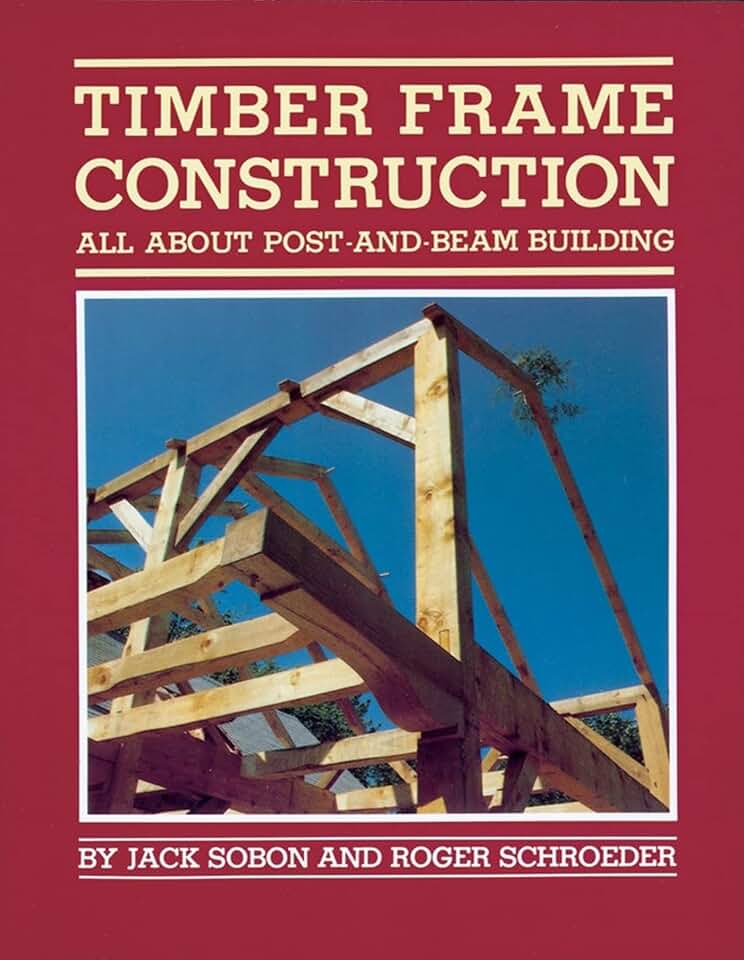
Timber Frame Construction Guide
- Explains traditional post-and-beam methods
- Helps clarify timber framing terminology
- Covers planning and construction basics
- Useful for aspiring owner-builders
- A practical reference for structural wood projects
 Buy on Amazon
S4S Lumber Example
A small S4S board suits shelves, trim, jigs, and crafts because its four surfaced faces reduce milling. Verify its actual half-inch and six-inch claims, species, flatness, and moisture before planning joints around catalog dimensions.

S4S Natural Lumber Board
- Surfaced on four sides for a smooth finish
- Half-inch by 6-inch by 4-foot board
- Natural plantation-grown lumber
- Ready for woodworking and DIY projects
- Convenient size for shelves trim and crafts
Buy on Amazon
How Trees Become Usable Timber
Trees become usable timber through selection, harvesting, log sorting, sawing, drying, surfacing, grading, and optional treatment or lamination. Decisions made at each stage change yield, stability, appearance, strength, and cost.
Harvesting and Log Sorting
Trees are felled, delimbed, and cut into transportable lengths. Mills sort logs by species and diameter, then assess taper, sweep, visible decay, knots, length, and likely end use before sending them to sawing, peeling, pulping, or pole processing.
Responsible procurement also checks legal origin, regeneration, habitat effects, soil protection, water protection, and chain-of-custody records. A valuable species name alone says nothing about how the tree was obtained.
Scaling and Yield
Log scaling estimates output before sawing. Doyle, Scribner, and International ¼-inch scales make different allowances for taper, slab loss, and kerf, so the same log can receive different estimated board-foot totals.
A small mill may recover extra thin boards with a narrow bandsaw kerf, yet poor log shape or hidden metal can erase that gain. Finished tally should stay separate from predicted log scale.
Sawing Patterns
Sawing pattern controls figure, movement, yield, and price. Plain sawing gives broad cathedral grain and high recovery; quarter sawing produces straighter face grain and may reveal ray fleck; rift sawing favors uniform linear grain but creates more waste.
Live sawing cuts parallel passes through the log and can preserve wide slabs. Grain direction remains visible to the fingertips: rising fibers feel smooth one way and slightly bristled in reverse, a cue that helps set planer and hand-plane direction.
Air and Kiln Drying
Air drying uses stickers, cover, airflow, and time. Kiln drying manages temperature, humidity, and air movement to remove moisture faster, but an unsuitable schedule can cause surface checks, honeycombing, collapse, or case-hardening.
Fresh boards often feel cool and slightly clammy compared with dry stock, and their weight can be surprising. A moisture meter gives better evidence than touch; the kiln-dried wood guide explains why kiln drying never means zero moisture.
Surfacing and Grading
After drying, boards may be jointed, planed, edged, and trimmed. Structural grading assesses strength-related features, while hardwood appearance grading focuses mainly on the size and yield of clear cuttings.
Planing exposes defects that rough surfaces can hide, including torn grain, pin knots, mineral streaks, and fine checks. Leave enough thickness for final flattening rather than assuming one light planer pass will clean both faces.
Treatment and Engineered Processing
Preservative treatment improves resistance to decay or insects for stated exposure categories, but it doesn’t make wood waterproof or maintenance-free. Incising, chemical retention, penetration, species, and whether the wood is rated for ground contact all matter.
Engineered processing may peel veneers, orient strands, laminate sections, finger-joint short pieces, or modify wood with heat. Each process changes performance; for example, thermally modified wood may gain dimensional stability while losing some mechanical capacity.
Lumber Milling Reference
Small-scale milling requires more than passing a log through a saw. Safe felling, metal detection, blade selection, stacking, end sealing, drying, and yield tracking often decide whether the resulting boards stay useful.

Harvest Your Own Lumber
- Covers felling sawing drying and milling
- Explains how trees become usable lumber
- Helpful for understanding lumber production
- Guides wood preparation from log to board
- Great reference for self-sufficient woodworkers
Buy on Amazon
Timber Grades, Moisture and Measurements
Timber quality and quantity can’t be judged from species and length alone. Grade, moisture, actual size, sales unit, treatment, and usable yield determine whether a purchase fits the work and its budget.
Structural Size Classifications
North American rules separate boards, dimension lumber, and timbers by nominal cross-section. The category affects applicable grading rules and design values, while local building codes decide which products may carry a given load.
Never apply a generic internet span to an unidentified member. Species group, grade, wet-service conditions, duration of load, spacing, supports, holes, notches, and connection geometry can all change capacity.
Structural and Appearance Grades
Structural grades evaluate features that affect load performance, including knot size and position, slope of grain, checks, splits, wane, and decay. Names may include Select Structural, No. 1, No. 2, No. 3, Stud, Construction, Standard, and Utility.
Hardwood appearance systems use grades such as FAS, Selects, and Common grades to estimate clear cutting yield. A clear cabinet board isn’t automatically structural, while a stamped framing board may be strong enough despite unattractive knots.
Grade Stamps and Markings
A grade stamp may identify the mill, grading agency, species group, grade, moisture condition, and heat treatment. S-GRN indicates surfacing above 19% moisture; S-DRY or KD commonly indicates 19% or less at surfacing, while MC15 or KD15 indicates a lower threshold under applicable rules.
These markings record condition at a defined production stage, not permanent moisture. Wood can absorb water during outdoor storage or dry further inside a heated building.
Moisture Content Formula
Moisture content (%) = (wet weight − oven-dry weight) ÷ oven-dry weight × 100. A sample weighing 120 grams before drying and 100 grams after oven drying contains 20% moisture.
The oven-dry method is the reference measurement but destroys the sample. Pin meters measure electrical resistance, while pinless meters infer moisture from electromagnetic response; species correction, depth, temperature, surface water, and meter calibration affect readings.
Fiber Saturation Point
Fiber saturation commonly occurs around 25%–30% moisture content, with variation by species and method. Above this range, losing free water changes weight more than dimensions; below it, bound-water loss causes shrinkage.
The USDA Forest Products Laboratory’s Wood Handbook documents moisture relationships, directional shrinkage, mechanical properties, and service behavior. Tangential shrinkage usually exceeds radial shrinkage, which helps explain cupping and checking.
Movement and Acclimation
Wood exchanges moisture with surrounding air until it approaches equilibrium moisture content. Conditioned North American interiors often place wood near 6%–10%, but coastal, seasonal, exterior, and unconditioned locations can sit far outside that range.
Acclimation isn’t a fixed waiting period. Stack material with airflow in service-like conditions, measure several boards at different depths or locations, and compare the readings with the expected environment before fitting movement-sensitive joints.
Nominal Versus Actual Sizes
Nominal size is a trade label; actual size is the finished measurement. A nominal North American 2 × 4 commonly measures about 1.5 × 3.5 inches after drying and surfacing.
Rough-sawn, reclaimed, metric, and custom-milled stock may follow other conventions. Measure every batch with a tape or caliper and check the sawmill lumber dimensions guide before cutting joinery or ordering hardware.
Board-Foot Formula
Board feet = thickness in inches × width in inches × length in feet ÷ 12. A rough board measuring 1 inch × 8 inches × 12 feet contains 8 board feet.
One board foot equals 144 cubic inches. Ask whether a hardwood tally uses rough dimensions, nominal thickness, or surfaced measurements, since two sellers can quote the same rate yet provide different usable volumes.
Cubic and Linear Measures
Wood is measured per piece, linear foot or metre, square unit, board foot, cubic foot, cubic metre, or thousand board feet, abbreviated MBF. One cubic metre equals about 35.315 cubic feet, and one board foot equals about 0.00236 cubic metre.
Linear pricing works for trim and decking only after cross-sections match. Square pricing fits flooring and panels, but thickness still changes material volume; cubic measures offer cleaner international comparisons for bulk timber.
Pricing, Yield and Waste
Usable yield controls value. Compare species, grade, moisture, rough or surfaced condition, actual width, length, treatment, certification, delivery, and defect allowance rather than looking at the unit price alone.
Wide rough hardwood may need 20%–35% extra volume for edging, flattening, color matching, and rejected defects; unusually clear projects can require more. S4S stock costs more per listed unit but may reduce machinery time and waste for a small job.
Choosing Timber Wood by Use
Choose timber by service conditions, not by species reputation alone. Match load, moisture exposure, wear, movement, appearance, machining, treatment, grade, and local code to the intended use.
Structural Framing
Framing requires a recognized species and structural grade, suitable design values, correct moisture condition, treatment where required, and code-compliant spans and connections. Never substitute an ungraded craft board or appearance board for graded framing material.
For walls, floors, roofs, and beams, start with approved plans and product stamps. Our overview of construction wood covers framing forms and common selection factors without replacing project engineering.
Furniture and Cabinetry
Furniture stock needs stable moisture and grain, sound joinery performance, workable hardness, matching color, and enough thickness for milling. Solid panels need room to move across the grain, so don’t glue a wide tabletop rigidly across fixed supports.
Run a hand over planed faces and sight down the edge under raking light. A faint washboard feel signals planer marks, while changing sheen can reveal cup or twist before assembly.
Exterior Wood Projects
The best wood for outdoor projects depends on ground contact, drainage, climate, finish schedule, expected life, and budget. Naturally durable species or correctly rated treated lumber can perform well when joints shed water and end grain receives protection.
Keep horizontal surfaces sloped, leave ventilation gaps, and avoid water-trapping joints. Use fasteners compatible with the species and preservative; western red cedar, for example, contains extractives that can stain with unsuitable iron hardware.
Flooring and Work Surfaces
Wear surfaces need balance between hardness, stability, repairability, moisture tolerance, and finish. Janka ratings predict indentation resistance better than seasonal gaps, edge swelling, finish scratches, or water damage.
Check subfloor and flooring moisture separately before installation. A hard board installed too wet can shrink into visible winter gaps; material installed too dry can swell and buckle during humid weather.
Crafts and Model Making
Craft stock calls for accurate thickness and flatness, fine grain, clean edges, and compatibility with blades, lasers, glue, paint, or finish. Thin solid sheets can curl within minutes when one face absorbs water-based adhesive before the other.
Store small panels flat between clean cauls and apply finish to both faces in the same session. The guide to thin wood explains veneer, solid sheets, and flexible product differences.
Buildings and Interiors
Interior timber products include doors, stairs, mouldings, wall panels, flooring, cabinets, furniture, and exposed beams. Fire classification, emissions, finish compatibility, movement allowance, and cleaning demands can matter as much as appearance.
Industrial and Packaging Uses
Pallets, crates, sleepers, forms, dunnage, and tool handles prioritize cost and mechanical performance. Export packaging may require approved heat-treatment marks, while food, chemical, or precision equipment shipments may impose cleanliness and contamination limits.
Unusual local resources can also enter this market. Coco lumber from mature coconut palms is used in some tropical regions, but density varies strongly from the softer inner stem to the denser outer zone, so grading and intended load matter.
Species, Grade and Supplier Checks
Practical Notes From Real-World Use: carry a tape, straightedge, moisture meter, pencil, and cut list to the supplier. Check several pieces from the same bundle because the top board can be dry and straight while protected boards beneath it hold more moisture or tension.
- Confirm the botanical or trade species rather than accepting a vague color name.
- Read grade, moisture, treatment, and certification marks.
- Measure actual thickness and width at several points.
- Sight each face and edge for bow, crook, cup, and twist.
- Inspect ends for checks and fresh insect holes.
- Calculate usable yield after knots, sapwood, splits, and milling loss.
- Ask whether returns are allowed after moisture or defect checks.
A professional workaround for mixed bundles is to mark every board’s intended part before cutting. Place straight stock in long rails, mildly bowed stock in short components, and visually active grain where it will be seen rather than discarding material blindly.
Thin Craft-Wood Example
These thin teak panels illustrate retail lumber sheets intended for models, veneers, inlays, and small crafts. Their 1/8-inch thickness and 4 × 8-inch size don’t make them structural timber, and actual thickness should be checked before cutting fitted parts.

Teak Craft Lumber Sheets
- Solid teak wood panels for small projects
- One-eighth-inch thickness suits detailed crafts
- Compact 4 by 8 inch sheet size
- Pack of five for multiple builds
- Ideal for models veneers and woodworking
Buy on Amazon
Timber Defects and Sustainability
Timber defects affect appearance, yield, joints, and structural capacity, while sustainability depends on forest origin, production, transport, service life, reuse, and disposal. Neither a natural appearance nor a certification label makes every product suitable for every job.
Knots, Checks and Splits
Knots mark branch intersections. Tight knots remain fixed more reliably than loose, encased, or decayed knots, but their position and size can still interrupt grain and reduce structural capacity.
Checks are separations that don’t usually pass through the full section; splits extend through it. End checks form because exposed ends dry faster than the board’s middle, so sealing fresh end grain soon after sawing can reduce loss.
Bow, Crook, Cup and Twist
Bow curves the face along length, crook curves an edge, cup bends across width, and twist pulls corners out of one plane. Growth stress, grain angle, sawing pattern, uneven drying, and poor stacking can cause or worsen each defect.
Beginners often force warped boards flat with screws. That may transfer stress into the joint or surrounding frame; a safer fix is to remill mild distortion, shorten the part, change its role, or reject severe stock.
Decay and Insect Damage
Decay needs sustained moisture, suitable temperature, oxygen, and a food source. Moisture readings near or above 20% in building wood act as a warning, though actual risk depends on exposure time, temperature, species, and airflow.
Soft fibers, cubical cracking, musty odor, frass, exit holes, or hollow-sounding areas deserve investigation. Fix leaks and trapped moisture before replacing wood; coating damp material can hide the cause while decay continues.
Corrosion and Tannin Staining
Iron reacts with tannins in oak, cedar, and other extractive-rich woods, leaving blue-black stains. Wet preservative-treated lumber can also corrode unsuitable fasteners, so follow the treatment manufacturer’s hardware specification and applicable code.
Use approved hot-dip galvanized or stainless-steel fasteners where required and keep metal filings off damp surfaces. A beginner mistake is scrubbing dark iron stain with plain water, which spreads it; identify and remove the metal source before treating the discoloration.
Moisture-Related Joint Failures
Wood movement breaks rigid details when panels can’t expand or contract across grain. Common failures include split tabletops, opened mitres, loose flooring, cracked finishes, swollen cabinet doors, and screws pulled through fixed battens.
Use elongated holes, tabletop clips, floating panel grooves, suitable clearances, and balanced finishing where the design calls for movement. Let adhesive cure at a suitable moisture level rather than relying on clamps to restrain wood permanently.
FSC and PEFC Certification
FSC and PEFC operate forest and chain-of-custody certification systems. Their labels help trace certified material through harvesting, milling, manufacturing, and distribution, but certification doesn’t mean zero impact or prove that a product fits structural or durability requirements.
Check the supplier’s certificate scope and claim on the invoice rather than relying on a logo in a brochure. The Forest Stewardship Council chain-of-custody guidance explains how certified claims move through a supply chain.
Reclaimed Timber Checks
Reclaimed timber needs inspection for hidden nails, screws, bullets, decay, insect channels, oil, preservative chemicals, and lead-based coatings. A metal detector protects saw blades, but it can’t verify chemical safety or structural grade.
Historic beams may carry attractive wear, tight grain, and deep color, yet undocumented pieces shouldn’t enter load-bearing work without qualified assessment. Mill a test area first because embedded grit can dull planer knives almost at once.
Forestry and Production Facts
The global forest area was about 4.06 billion hectares, roughly 31% of land area, in the FAO Global Forest Resources Assessment 2020. Estimated deforestation averaged about 10 million hectares per year during 2015–2020.
Recent forestry datasets place annual roundwood output near 3.9 billion cubic metres, split broadly between about 2.0 billion cubic metres of industrial roundwood and 1.9 billion of wood fuel. Reporting years and revisions matter, so verify figures through the FAOSTAT forestry database before using them in procurement or policy work.
Carbon Storage Claims
Oven-dry wood is roughly 50% carbon by mass, with species and tissue variation. One metric tonne of oven-dry wood can contain about 0.5 tonne of carbon, equivalent to roughly 1.83 tonnes of biogenic CO₂ using the 44/12 molecular-weight conversion.
That number describes carbon stored in material, not an automatic avoided-emissions benefit. Harvest timing, forest regrowth, processing energy, transport, product lifespan, substitution, reuse, burning, decay, and landfill behavior change the full greenhouse-gas result.
Life-Cycle Considerations
Timber can be renewable when forests regenerate and harvest remains legal and responsible, but no material is impact-free. Long service life, efficient structural design, local processing, repair, reuse, and clean material recovery can improve performance more reliably than broad “carbon neutral” claims.
Specify only the grade and appearance the work needs, protect wood from avoidable moisture, and design assemblies that can be repaired or dismantled. Extending a beam, floor, or cabinet’s useful life often saves more material than replacing it early with a product carrying a stronger marketing claim.
FAQs
Is Timber The Same As Wood?
Timber is wood that has been prepared or selected for construction, while wood is the broader material that comes from trees. Wood can include logs, branches, chips, and finished products. Timber usually refers to structural pieces, such as beams, boards, or posts, used in building projects.
What Is The Difference Between Timber And Lumber?
Timber often describes wood in larger structural forms, while lumber usually means sawn boards or planks ready for use. The exact meaning varies by region and industry. In many North American contexts, lumber is the common term for milled building boards, whereas timber can refer to larger pieces or standing trees.
Is Timber British English For Lumber?
Timber is commonly used in British English where American English often uses lumber. In the United Kingdom, timber usually means processed wood sold for building, furniture, or other projects. However, lumber can also be understood in Britain, especially in international trade, technical documents, and online DIY discussions.
Is Plywood Considered Timber?
Plywood is generally considered an engineered wood product rather than solid timber. It is made by gluing thin layers of wood veneer together with alternating grain directions for strength. Plywood is widely used in construction and furniture, but it is normally classified separately from sawn timber such as studs, joists, and boards.
Why Is A 2 × 4 Smaller Than Its Nominal Size?
A 2 × 4 is smaller than its nominal size because the board is cut larger first, then dried and planed smooth. These finishing steps remove material and reduce its final dimensions. In the United States, a typical finished 2 × 4 measures about 1.5 × 3.5 inches.
Affiliate Disclosure: Some links in this post are affiliate links. If you make a purchase through these links, we may earn a small commission at no extra cost to you. We only recommend products we genuinely believe in.