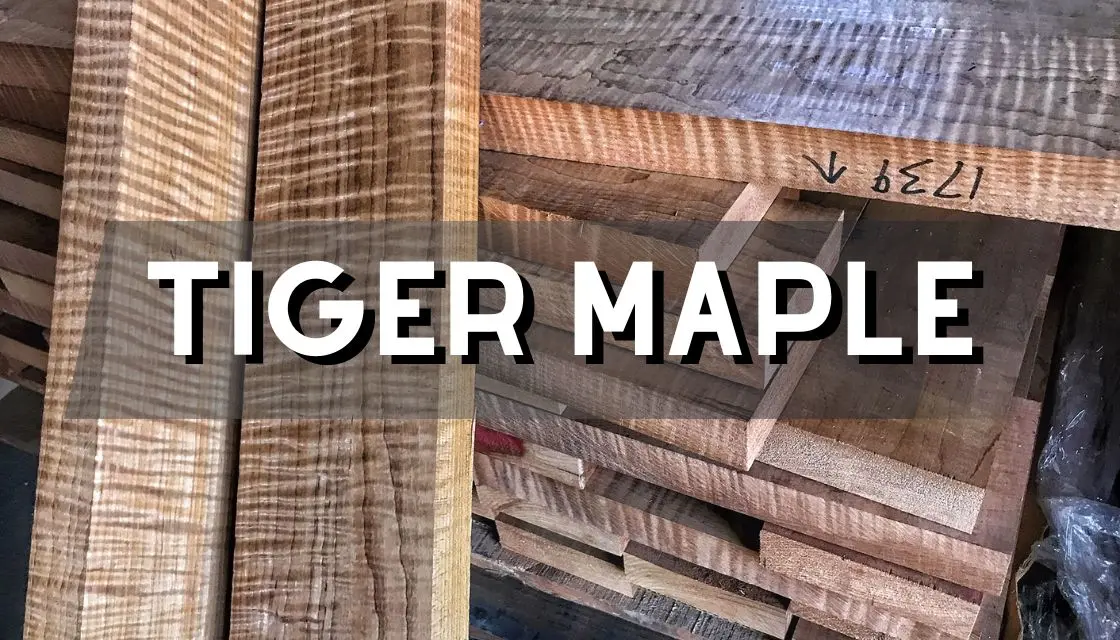


Thin wood may mean veneer, thin plywood, solid craft sheets, fiberboard, strips, or blanks rather than one standardized product. Veneer gives the thinnest decorative surface, balsa minimizes weight, basswood balances strength with easy cutting, and plywood offers better stability.
Table of Contents
What Is Thin Wood Called?
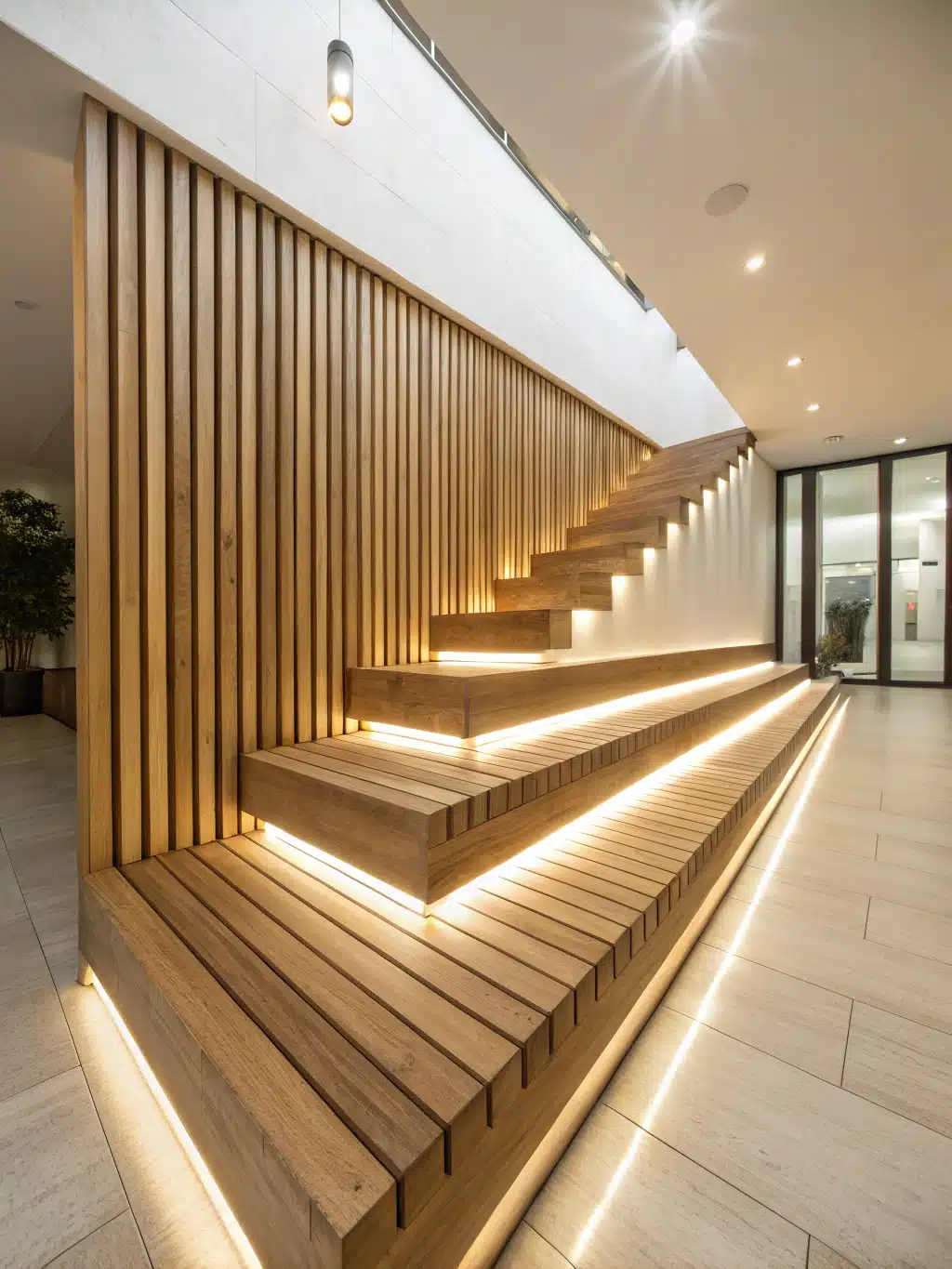
The correct name depends on how it is made. A single decorative layer is veneer, cross-laminated layers form plywood, one continuous board is solid wood, and compressed fibers form MDF or hardboard.
Wood Veneer
Wood veneer is a thin layer sliced, peeled, or sawn from a log. Many commercial veneers measure close to 1/42 inch, or 0.6 mm, but the species, cutting method, sanding, and backing can change that figure.
Raw veneer feels light and slightly springy between the fingers, while brittle species can crack with a dry snap if bent across the grain. It has little freestanding strength and normally covers MDF, plywood, particleboard, or stable lumber.
Common forms include raw, paper-backed, wood-backed, and peel-and-stick veneer. Raw material works well for marquetry and vacuum pressing; backed veneer handles broad furniture surfaces with less splitting. Our guide to walnut veneer shows how cut and figure affect the finished appearance.
Veneer isn’t the same as plywood. The APA plywood guidance explains that plywood uses bonded layers arranged with crossing grain directions, while decorative veneer may consist of one unsupported wood layer.
Thin Plywood, Solid Wood, MDF, Sheets, Strips, and Blanks
Thin plywood contains multiple veneers bonded with neighboring grain directions commonly rotated across one another. Cross-lamination limits splitting and movement, making plywood useful for freestanding signs, box parts, ornaments, and structural models.
Face species alone doesn’t reveal the construction. A listing labeled “basswood sheet” could describe solid basswood, basswood-faced plywood, or a panel with an unspecified inner core, so check ply count and core details before ordering.
Thin solid wood is sawn, resawn, or planed from one board. It shows real edge grain and accepts clear finishes beautifully, but it moves across the grain and can cup or split more readily than plywood.
MDF and hardboard are engineered fiber panels, not solid sheets of natural wood. Their smooth, uniform faces paint cleanly, yet they weigh more than balsa or basswood and leave brown, fiber-like edges after cutting.
A sheet is a broad flat piece, a strip is narrow and long, and a blank is a small pre-cut shape ready for crafting. Buying strips often saves material and avoids the risky task of ripping slender pieces from flexible stock.
Retail names can overlap. “Project panel,” “craft wood,” and “miniature wood sheet” describe intended use rather than exact construction, so consult the product specification instead of relying on the category name. This overview of plywood types explains common panel constructions.
Thin Wood Thicknesses Explained

Thin wood thickness commonly ranges from about 1/64 inch for miniature details to 1/4 inch for rigid craft panels. Press-fit joints and layered assemblies require actual measurements because nominal labels can differ from the sheet in your hands.
Conversion Table
| Nominal size | Decimal inches | Metric equivalent | Common uses |
|---|---|---|---|
| 1/64 inch | 0.0156 | 0.40 mm | Laminations, miniature skins, fine details |
| 1/32 inch | 0.0313 | 0.79 mm | Inlay, models, lightweight surfaces |
| 1/16 inch | 0.0625 | 1.59 mm | Craft cutting, ornaments, model parts |
| 3 mm | 0.1181 | 3.00 mm | Metric plywood, laser-cut boxes and signs |
| 1/8 inch | 0.1250 | 3.18 mm | Rigid crafts, models, boxes and layered art |
| 1/4 inch | 0.2500 | 6.35 mm | Jigs, signs, paneling and sturdy boxes |
Sizes near 1/64 and 1/32 inch behave more like skins than structural boards. At 1/16 inch, basswood gains useful stiffness while remaining knife-friendly; 1/8-inch material suits larger parts that must stand without a full backing.
A 1/4-inch sheet falls at the thicker edge of this category. Products sold as 1/4-inch wood paneling may measure less after sanding or may include a veneer face over an engineered core.
3 mm vs 1/8 Inch, Nominal Size, Calipers, and Project Fit
Three millimeters isn’t exactly 1/8 inch. One-eighth inch equals 3.175 mm, leaving a 0.175 mm difference—about 5.5% of the 1/8-inch dimension.
That small gap becomes easy to feel in a press-fit joint: a slot may grip with a dry squeak, slide loosely, or refuse to seat. Miniature furniture, tabbed boxes, multilayer maps, and stacked lettering all expose this mismatch.
Nominal thickness is the product category or stated size; actual thickness is what the finished sheet measures. Sanding, pressing, veneer variation, moisture, and factory tolerance can shift the final dimension, much like the differences discussed in our guide to lumber dimensions.
Use digital calipers rather than a ruler for fitted parts. Close the jaws lightly at the corners, center, and opposite edge without crushing balsa, then record the smallest and largest readings.
- Zero the closed calipers and confirm the display unit.
- Measure at least five locations across each sheet.
- Keep the jaws clear of splinters and damaged corners.
- Record the range rather than one convenient reading.
- Cut a slot-comb test before producing the full design.
Choose by function: 1/32 to 1/16 inch suits skins and fine details; 1/16 inch works for small ornaments and miniatures; 3 mm or 1/8 inch fits many laser boxes and signs; 1/4 inch supports jigs and larger panels.
Thin Wood Materials Compared

No single thin wood material wins every comparison. Balsa cuts most easily, basswood offers a stronger craft surface, plywood resists splitting in several directions, veneer covers curved substrates, and hardwood gives natural edges.
Comparison Table
| Material | Weight and strength | Cutting behavior | Main limitation | Good uses |
|---|---|---|---|---|
| Balsa | Extremely light; low crush strength | Easy to knife-cut | Dents and splits easily | Gliders, aircraft and lightweight models |
| Basswood | Light to moderate; stronger than balsa | Fine, predictable fibers | Thin sheets may warp | Miniatures, ornaments and engraving |
| Birch plywood | Strong and dimensionally stable | Cuts crisply when the core is sound | Glue pockets and voids impede lasers | Boxes, signs and structural crafts |
| Raw veneer | Little unsupported strength | Easy to slice with grain awareness | Needs a substrate | Furniture, cabinets and marquetry |
| Thin hardwood | Varies from moderate to high strength | Harder species need powered tools | Short-grain details can snap | Fretwork, inlay and visible-edge parts |
| Pine | Light with variable local strength | Soft earlywood cuts faster than latewood | Knots disrupt narrow parts | Frames, trim and model structures |
| MDF or hardboard | Heavy for its thickness | Uniform machining and smooth paint finish | No natural edge grain; binder concerns | Templates, backing and painted crafts |
Natural properties still vary within a species. The USDA Wood Handbook documents how moisture, grain direction, density, and wood structure affect movement and strength, which explains why two similar-looking sheets may behave differently.
Balsa, Basswood, Birch, Veneer, Hardwood, Pine, and Panels
Balsa versus basswood is mainly a weight-versus-durability choice. Balsa feels almost cork-like under a fingertip and takes a knife with little resistance, while basswood offers a firmer surface and holds narrow details more reliably.
Balsa density varies greatly within one board. Light sheets suit skins and glider tails; denser pieces belong around landing areas, wing roots, joints, or parts that users will handle. Learn more about these variations in our balsa wood guide.
Basswood has subdued grain and a smooth, warm surface that sands without the alternating hard ridges found in pine. American basswood is commonly listed near 410 lbf Janka, though individual boards differ. Our basswood overview covers its wider working properties.
Birch plywood gains strength from cross-laminated layers, not from its face species alone. A birch-faced craft sheet may hide poplar or mixed cores, while genuine Baltic birch is known for multiple birch plies and comparatively consistent edges.
Veneer flexes better than plywood because it lacks crossing plies, but grain orientation still controls the bend. A dry raw veneer often bends smoothly along one axis and crackles sharply along the other, so test a scrap before wrapping a tight curve.
Thin hardwood such as walnut, cherry, maple, oak, poplar, or mahogany suits natural-finish work and exposed edges. Maple resists dents but requires more cutting force; walnut gives rich color yet costs more and breaks at narrow cross-grain projections.
Pine works well for economical strips, though soft earlywood compresses before the darker latewood bands. Avoid knots in small frame members and inspect grain runout, since a strip with diagonal grain can split well before a straight-grained piece of the same size.
MDF produces consistent painted surfaces, while hardboard makes economical templates and backers. Neither gives a natural wood edge, and unknown binders or coatings should stay out of a laser until the manufacturer confirms compatibility.
Choose Thin Wood by Project
Choose thin wood by project, cutting tool, and required strength rather than appearance alone. Grain direction, unsupported span, joint type, edge visibility, and exposure to handling often matter more than the species name.
Laser-Cut Projects, Aircraft, and Models
Laser-cut ornaments and signs work well in flat basswood or birch plywood around 1/16 inch to 1/8 inch. Boxes need measured slot dimensions, while broad engraved areas need smooth, color-consistent faces.
Check actual thickness, ply count, adhesive, flatness, core quality, and manufacturer approval before laser cutting. Unknown coatings can produce unsafe fumes, while glue-heavy cores leave sticky brown residue and deep charcoal bands.
Model aircraft and gliders favor light balsa for skins, ribs, tails, and lightly loaded parts. Denser balsa or thin plywood works better around high-stress joints, motor mounts, landing areas, and wing centers.
Align the grain with the longest load path. A narrow wing rib or spar extension cut across the grain can break with a quiet tick during assembly, while the same shape rotated 90 degrees flexes rather than snapping.
Architectural models, dollhouses, book nooks, and miniature furniture benefit from fine-grain basswood. Use 1/32- or 1/16-inch sheets for siding and small details, then move to 1/8-inch sheets or strips for floors and framing.
Plywood makes stronger miniature floors and freestanding walls, but the striped edge can look oversized at scale. Basswood gives a cleaner scale appearance, while balsa dents too easily for parts handled during repeated fitting.
Veneer Repair, Fretwork, Frames, and Strips
Furniture repair calls for matching veneer, not generic craft plywood. Match species, figure, grain direction, color, thickness, and cut pattern, such as quarter-sawn or plain-sliced.
New wood often finishes lighter or cleaner than aged furniture. Prepare several offcuts with the full glue, stain, sealer, and topcoat schedule; judging unfinished veneer beside an old surface gives misleading color matches.
Scroll-saw fretwork works in thin hardwood or plywood. Plywood resists splitting across multidirectional patterns, while solid wood gives attractive natural edges but requires grain-aware pattern placement.
For stack cutting, tape sheets firmly and place pins or tiny brads outside the finished area. Loose layers chatter against each other, producing a raspy sound and fuzzy internal corners even with a sharp blade.
Frames and strips are often cheaper to buy pre-cut than to rip from broad stock after waste and safety are counted. Pine suits economical trim, basswood suits model beams, and hardwood strips resist dents on exposed frame edges.
Sizes such as 1/2-by-1-inch wood and 1/2-inch pine boards are thicker than most craft sheets, yet they pair well with thin panels as rails or back frames. Confirm whether a listing means actual or nominal size before laying out joints.
Thin Wood Products by Use
Product choice should follow material construction and dimensions, not pack photos alone. Measure delivered stock, inspect its grain and flatness, and reserve one sheet for tool tests before committing the full pack.
Lightweight Balsa, General Basswood, and Small Blanks
These 1/16-inch balsa sheets suit lightweight models, delicate decorations, and hand cutting. Choose them when low weight matters more than resistance to dents or fastener pullout.

Ultra-Thin Balsa Craft Sheets
- Five unfinished wood sheets for creative projects
- Thin one-sixteenth inch profile for delicate work
- Generous 12 by 12 inch sheet size
- Suitable for cutting painting and crafting
- Smooth blanks ready for personal finishing
 Buy on Amazon
Six 12-by-12-inch basswood sheets provide a firmer surface for painted crafts, miniatures, and model parts. The 1/16-inch profile is thin enough for detailed work yet less crush-prone than typical balsa.

Six-Pack Thin Basswood Sheets
- Six unfinished basswood sheets per pack
- Thin one-sixteenth inch material for crafts
- Large 12 by 12 inch format
- Easy starting surface for DIY designs
- Useful for cutting painting and model work
Buy on Amazon
Small 4-by-6-inch blanks reduce offcut waste for labels, ornaments, place cards, and miniature components. This pack’s 24 compact sheets also makes batch testing easier, but compare total square footage rather than piece count.

Compact Thin Basswood Blanks
- Twenty-four basswood sheets for frequent crafting
- Compact 4 by 6 inch blank size
- Thin one-sixteenth inch material
- Unfinished wood is ready to customize
- Handy for small crafts and detailed designs
Buy on Amazon
Pine Strips, Large Laser Sheets, Model Balsa, and Bulk 3 mm Sheets
These 1/8-by-1-by-12-inch pine strips suit frames, trim, slats, spacers, and model structures. Pre-cut strips remove the need to guide a narrow flexible offcut past a powered saw.
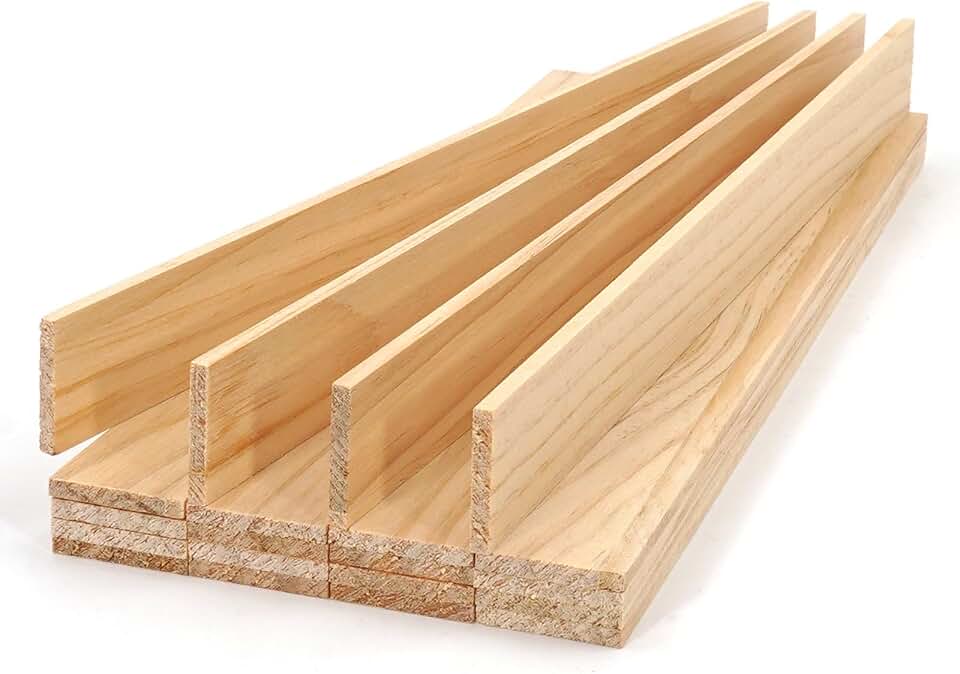
Slim Pine Craft Wood Strips
- Twenty unfinished pine strips for projects
- Narrow one-eighth by one inch profile
- Twelve inch length suits trim and models
- Flat slats work well for decorative details
- Ready to cut stain paint or glue
Buy on Amazon
Large 12-by-18-inch sheets reduce seams in signs, architectural models, and layered artwork. Measure the nominal 1/8-inch stock before drawing slots, since a fraction of a millimeter can change joint fit.

Large Basswood Sheets for Makers
- Ten large unfinished basswood sheets
- One-eighth inch thickness for substantial projects
- Spacious 12 by 18 inch format
- Designed for laser cutting and engraving
- Useful for painting burning and architectural models
Buy on Amazon
These 1/8-inch balsa boards add stiffness without the weight of denser craft wood. They fit model aircraft and glider work, provided the grain follows long parts and stronger material reinforces high-load joints.

Thin Balsa Boards for Models
- Five unfinished balsa boards per pack
- One-eighth inch thickness balances lightness and support
- Twelve by 4 inch planks fit hobby builds
- Suitable for models crafts and laser projects
- Great material for glider airplane creations
Buy on Amazon
This bulk pack suits repeated ornament, engraving, model, and wood-burning work. Since the listing references both 3 mm and 1/8 inch, buyers should verify construction and measure several sheets before cutting fitted designs.
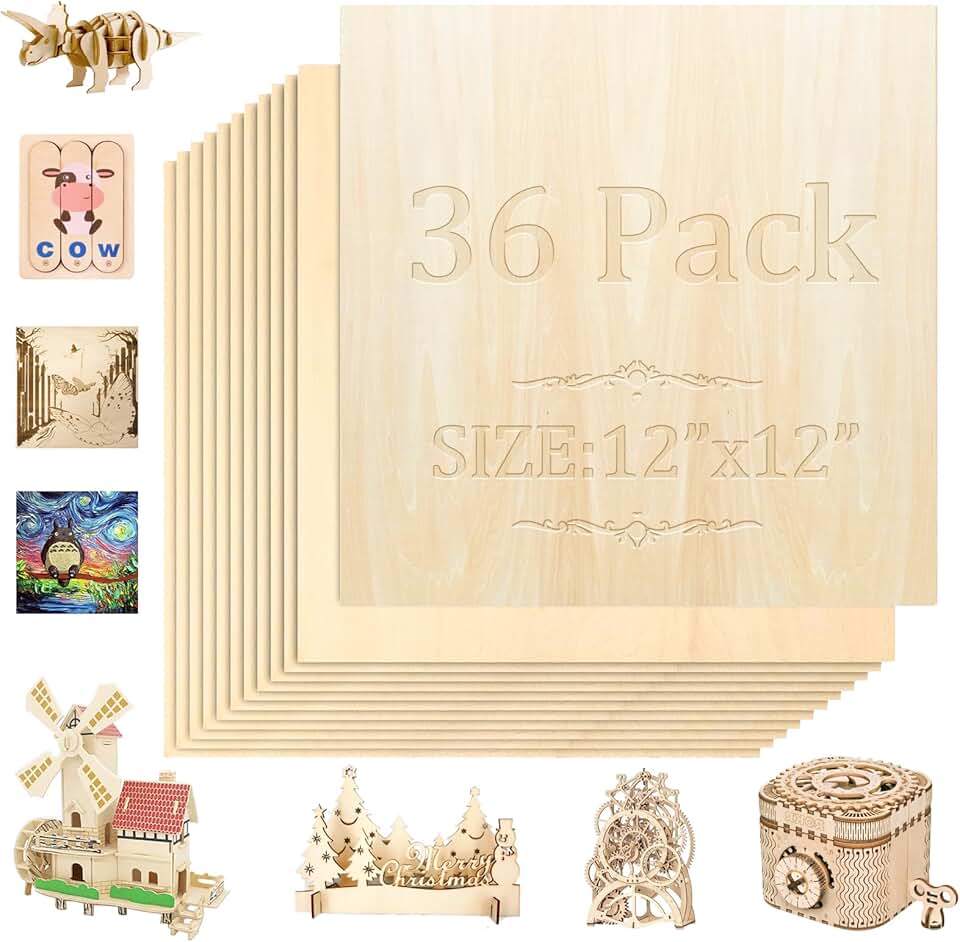
Bulk Basswood Sheets for DIY
- Thirty-six unfinished basswood sheets
- One-eighth inch or 3 mm thickness
- Large 12 by 12 inch craft boards
- Suitable for laser cutting and engraving
- Ideal for ornaments models drawing and wood burning
Buy on Amazon
How to Cut Thin Wood
Cut thin wood with a sharp blade, full support, and low feed pressure. The safest tool depends on material hardness, thickness, cut shape, sheet size, and the machine maker’s approved limits.
Craft Knives, Scroll Saws, and Cricut Knife Blades
A craft or hobby knife works best on veneer, thin balsa, and some 1/32- to 1/16-inch basswood. Make repeated light passes against a metal straightedge rather than forcing one deep stroke.
The first pass should score the surface without crushing it. Later strokes deepen the same groove; if the blade begins pushing a soft ridge ahead of itself, replace it rather than adding pressure.
- Work on a self-healing mat with the sheet fully supported.
- Keep fingers behind the cutting edge and clamp the straightedge where practical.
- Turn the work for corners rather than twisting the blade in the cut.
- Cut veneer with grain direction in mind to limit wandering splits.
- Use a sanding block to refine edges instead of shaving toward your hand.
A scroll saw handles thin plywood, basswood, and hardwood fretwork. Use a fine-tooth blade, zero-clearance insert, light feed, and backing material when the lower face tends to splinter.
Thin stock can flutter on the saw table and buzz against the insert. Keep broad finger pressure well away from the blade, support both sides, and stack-cut only when the layers are fixed firmly together.
Cricut knife-blade machines can cut selected basswood or balsa, but approved thickness and setup vary by model. Consult the manufacturer’s Knife Blade FAQ for compatible materials, pass counts, mat preparation, and machine limits.
Tape sheet edges to the strong-grip mat when directed and clear loose chips before loading. A bowed corner can catch the tool carriage, while a dirty mat allows the wood to creep between passes.
Laser Cutters, Jigsaws, Circular Saws, and Tool Safety
A laser cutter can produce narrow kerfs and repeated detail in verified laser-compatible wood. Basswood, balsa, veneer, and birch plywood are common choices, but approval depends on the exact coating, adhesive, backing, and core.

Don’t copy one universal speed-and-output setting. Laser type, wattage, lens, focus, air assist, moisture, density, adhesive, optics, and batch variation all change the result, so run a small test grid on every new pack.
Never leave an active laser unattended. Use effective exhaust, keep the work area clear, follow the machine manual, and avoid PVC, vinyl-containing material, or any panel with unidentified surface treatments.
A jigsaw can cut broad thin panels, but its up-and-down action makes small unsupported pieces chatter and tear. Sandwich fragile stock between sacrificial boards or place it on rigid foam when the chosen blade and procedure permit.
Circular saws handle larger panels when the sheet is supported on both sides of the cut. Use a suitable fine-tooth blade, set a shallow cutting depth, and keep narrow scraps from dropping or twisting near the blade.
Small strips create high saw risk because flexible offcuts can lift, bind, or pull hands close to the cutter. Buy pre-cut strips or use a purpose-built jig and guarded machine rather than improvising around a spinning blade.
Prevent and Repair Common Problems
Most thin-wood failures come from moisture imbalance, weak grain, poor support, dull cutters, inconsistent panel cores, or excess heat. Identify the cause before recutting because extra force or repeated laser passes can make the damage worse.
Warping, Splintering, Incomplete Cuts, Delamination, and Breakage
Warping and cupping often follow uneven moisture exposure, one-sided paint, poor shipping support, or internal stress. Store sheets flat between clean rigid boards, away from damp floors, direct heat, and strong sunlight.
Let unopened or loosely stacked stock adjust to the work area before precision cutting. If a panel arrives bowed, document it before trying to flatten it; forced correction can hide a return-worthy defect or crack a brittle face.
Splintering points to a dull blade, coarse teeth, high feed pressure, or an unsupported exit face. Add a zero-clearance insert or sacrificial backer, score the line, and use low-tack tape after testing that it won’t lift veneer.
Tool direction affects the show face. A jigsaw commonly damages the upper surface with a standard up-cut blade, while a circular saw often leaves its cleanest edge on the lower face; blade designs differ, so inspect the tooth direction first.
Incomplete laser cuts can result from a bowed sheet, wrong focus, dirty optics, glue pockets, hidden voids, or batch variation. Flatten approved material safely, clean the machine as directed, and test a less aggressive speed change.
Repeated hot passes increase charring and fire risk. If one isolated area refuses to release while the surrounding cut is clean, a glue pocket or core defect may be the real cause rather than insufficient output.
Delamination appears as lifting face layers or gaps along plywood edges. Reject sheets with widespread separation; for a tiny nonstructural lifted edge, work compatible adhesive into the gap and clamp it flat between protected cauls.
Short-grain breakage occurs where a narrow arm, serif, tab, or decorative projection crosses the grain. Rotate the pattern, widen the feature, reinforce its rear face, or switch to plywood when the design projects in several directions.
Practical Notes From Real-World Use
Gluing thin wood requires a light, even adhesive film. Thick beads create hard ridges, squeeze-out, and localized moisture; on 1/32-inch stock, the wet face may curl upward within moments.
PVA works for many wood-to-wood joints but introduces water. Spread it thinly, align the parts, and clamp between flat cauls covered with release paper so stray glue doesn’t bond the work to the clamping boards.
Cyanoacrylate fixes small model components quickly, yet porous balsa can wick it far beyond the joint and leave a dark, glassy patch. Apply tiny amounts with a fine tip and test finish compatibility on scrap.
Contact cement offers broad veneer coverage with little repositioning time. Cold-press veneer adhesive allows more controlled assembly, but both need even pressure across the full face to prevent bubbles and hollow spots.
Finish both faces when dimensional balance matters. The coating schedules don’t always need identical color, but similar moisture and film loading on each face reduces the pull that causes a panel to bow.
Water-based finishes can raise fibers and produce temporary curl. Apply light coats, let each face dry with airflow, sand softly with the grain, and avoid saturating exposed balsa edges, which drink finish faster than the face.
Veneer bends readily around broad curves, especially when its grain orientation favors the bend. Thin solid wood may need hot water, steam, kerfs, or lamination; forcing a dry sheet across the grain often starts a pale fracture line before it breaks.
Laminated curves are often more stable than one thicker bent piece. Glue several thin layers over a smooth form, stagger weak areas, use a continuous caul or strap, and leave the assembly clamped until the adhesive reaches handling strength.
A useful workshop habit is marking grain direction and measured thickness in pencil on the waste corner of every sheet. That small note prevents mixed batches from entering one fitted assembly and makes failed test cuts easier to diagnose.
Buying Thin Wood Sheets
Before buying thin wood sheets, verify construction, actual thickness, dimensions, flatness, grain, surface grade, adhesive, and return terms. Pack count and species names alone don’t reveal whether the material will fit a laser, model, repair, or press-fit design.
Material Specifications, Laser Compatibility, Flatness, and Receiving Inspection
Read the complete specification for species, solid or layered construction, core material, ply count, nominal and actual size, sheet count, grain direction, sanding, backing, and thickness tolerance. Vague listings create the greatest risk for precision work.
A “basswood” face doesn’t prove a sheet is solid basswood. Likewise, birch-faced plywood isn’t automatically Baltic birch, and a project panel isn’t automatically suitable for fine fretwork or laser cutting.
Laser compatibility should come from product or manufacturer documentation. Ask about coatings, pressure-sensitive backing, fire retardants, core adhesive, and fiber content rather than assuming unfinished-looking wood is safe.
Flatness matters because a lifted center moves out of focus in a laser and rocks under a saw or knife. For fitted work, compare thickness tolerance with broader information on plywood dimensions.
- Photograph the package before opening if corners appear crushed.
- Check each sheet for bow, cup, twist and damaged edges.
- Measure thickness at several locations with calipers.
- Inspect plywood edges for gaps, voids and lifting veneers.
- Compare grain direction, color and figure across the pack.
- Rub a clean cloth over each face to find rough fibers or residue.
- Separate questionable sheets before cutting or finishing.
- Contact the seller within the stated return period.
Thin packages need rigid shipping support. A cardboard envelope may protect the surface yet still permit a broad bend, so favor suppliers that use stiff backing and accept returns for warped or delaminated sheets.
Cut-to-Size, Allowance, Price per Square Foot, Suppliers, and Returns
Yes, you can buy wood cut to size from many specialty wood shops, panel suppliers, cabinet shops, lumberyards, and online cutting services. Ask whether quoted dimensions include cutting tolerance and kerf, and whether fragile sheets ship with rigid backing.
Custom cutting pays off for repeated rectangles, narrow strips, or 3 mm plywood sheets in large formats such as 8-by-4 feet. Shipping limits may force full panels into local collection, while smaller cut pieces can reduce freight and workshop handling.
Can you make your own thin stock? Resawing and sanding are possible, but very thin solid wood releases internal stress and can cup quickly. Leave extra thickness after resawing, let paired pieces rest between stickers, then finish both faces in light passes.
Order an extra material allowance for test cuts, grain matching, damaged corners, bowed sheets, voids, finishing samples, and setup errors. Ten percent may cover simple rectangles; intricate veneer matching or defect-prone plywood can require 20% or more.
Compare packs by usable square footage rather than sticker price. First calculate square feet per sheet as length in inches multiplied by width in inches, divided by 144; multiply that result by the number of usable sheets.
Cost per square foot equals the total delivered price divided by usable square feet. Include shipping, damaged pieces, minimum order charges, and test material so a cheap-looking pack doesn’t hide a poor yield.
| Pack example | Total listed area | If one sheet is unusable | Buying implication |
|---|---|---|---|
| Five 12-by-12-inch sheets | 5 sq. ft. | 4 sq. ft. usable | One defect removes 20% of the material |
| Ten 12-by-18-inch sheets | 15 sq. ft. | 13.5 sq. ft. usable | Large sheets reduce seams but raise shipping risk |
| Twenty-four 4-by-6-inch blanks | 4 sq. ft. | 3.83 sq. ft. usable | High piece count doesn’t mean high surface area |
| Thirty-six 12-by-12-inch sheets | 36 sq. ft. | 35 sq. ft. usable | Bulk packs spread one-sheet loss across more area |
Marketplace sellers offer broad selection, home-improvement stores suit large project panels, and specialist suppliers provide better species and thickness choices. For visible cabinetry or dependable cores, compare specifications with those used for cabinet-grade plywood.
Read return conditions before opening or marking every sheet. Some sellers require photographs of bowed stock beside a straightedge, while cut, engraved, stained, or acclimated material may no longer qualify for a return.
The best purchase is the pack that supplies flat, measurable, usable wood for the chosen process. A lower upfront price loses its advantage when inconsistent thickness ruins joints, hidden voids stop cuts, or mismatched grain forces recutting.
FAQs
What Is Very Thin Wood Called?
Very thin wood is commonly called veneer when it is sliced into thin sheets for covering surfaces. Other thin wood products include hobby plywood, balsa sheets, and basswood sheets. The right name depends on how it was made, its thickness, and whether it is intended for decoration, modeling, or structural use.
Is Thin Wood The Same As Veneer?
No, thin wood is not always veneer. Veneer is a thin slice of natural wood, usually applied over another material to create a finished appearance. Thin plywood, basswood, and balsa are solid or layered wood sheets that can be used directly for crafts, models, laser cutting, and lightweight projects.
Is Basswood Stronger Than Balsa?
Basswood is generally stronger and denser than balsa. It resists dents and bending better, making it useful for detailed models, carving, and craft parts that need more durability. Balsa is much lighter and easier to cut, so it is often preferred for lightweight structures such as model aircraft.
Can You Cut Thin Wood With A Craft Knife?
Yes, you can cut very thin wood with a sharp craft knife. Make several light passes along a metal ruler instead of trying to cut through in one stroke, and support the wood on a cutting mat. This works best for balsa, basswood, and thin veneer; thicker plywood usually needs a saw.
Is 3 Mm Plywood The Same As 1/8 Inch?
No, 3 mm plywood is not exactly the same as 1/8-inch plywood, but the sizes are very close. Three millimeters equals about 0.118 inch, while 1/8 inch equals 0.125 inch. Check the actual sheet thickness before matching slots, plans, hardware, or laser-cut designs.
Affiliate Disclosure: Some links in this post are affiliate links. If you make a purchase through these links, we may earn a small commission at no extra cost to you. We only recommend products we genuinely believe in.