

Basswood is a pale, lightweight hardwood from Tilia trees. Its soft, even texture makes it a leading choice for carving, models, painted interior parts, laser crafts, and some solid-body instruments.
The standard timber spelling is basswood, though people often search for bass wood, baas wood, or similar variations. This guide explains its properties, limits, uses, finishing needs, and what to check when finding bass wood for sale.
Table of Contents
What Is Basswood?
What is basswood? It is wood from deciduous broadleaf trees in the genus Tilia, chiefly American basswood in North American lumber markets. It counts as hardwood because it comes from a flowering broadleaf tree, not because the timber is physically hard.
Standard and Regional Names
Regional names include American linden, linden wood, and lime wood. British woodworkers use “lime” for related Tilia timber, not citrus wood; sellers may group several species under these names, so density, color, and cutting feel can differ.
Hardwood Classification
Basswood is a botanical hardwood with a typical Janka hardness near 410 pound-force. That figure places it far below hard maple, yet botanical groups and mechanical hardness measure different traits. Our guide to the wood hardness scale explains how the test relates to dents and wear.
Botanical identity: American basswood is Tilia americana, a member of Malvaceae in modern classification systems. Older references may place the genus in Tiliaceae, while European lime and other Tilia species enter international wood markets under related trade names.
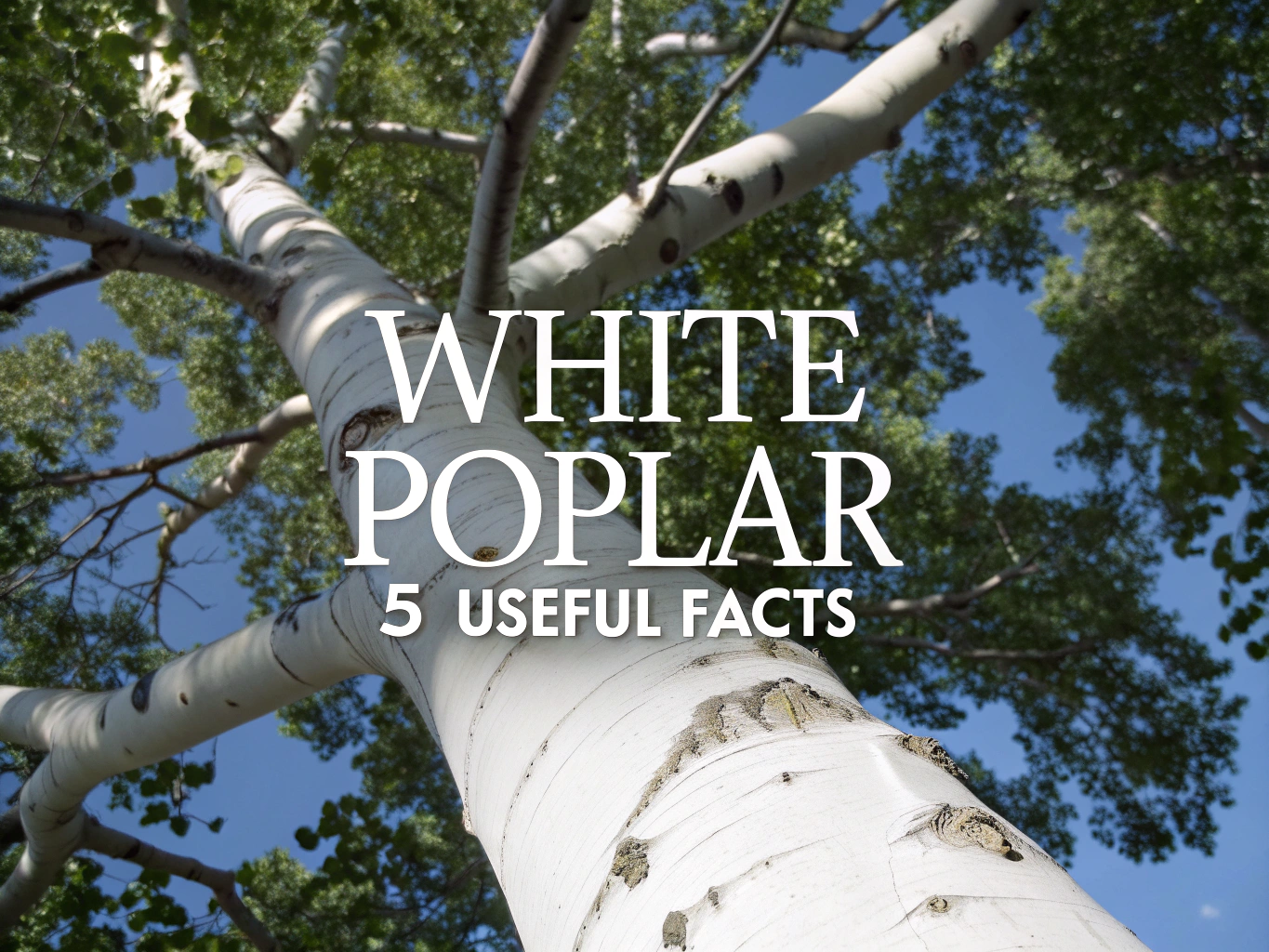
Tree identification and range: American basswood grows across eastern and central North America. The US Forest Service species profile describes trees reaching about 80 feet at maturity on favorable sites, with larger examples exceeding that height.
- Large, heart-shaped leaves with uneven bases and serrated margins
- Fragrant cream or pale-yellow flowers that attract bees
- Flower and fruit clusters attached to a narrow, leaflike bract
- Gray-brown bark that develops deep furrows with age
- Common forest lifespan near 100 years, with some trees living much longer
The blossoms release a sweet floral scent that can carry beneath a mature tree on a warm day. Bees use the nectar to produce linden or basswood honey, while dense shade and root sprouts can make the living tree conspicuous along woodland edges.
Basswood Properties and Appearance
Basswood properties include low weight, low hardness, fine texture, and moderate movement during drying. These traits make it pleasant to cut but vulnerable to dents, crushed edges, and moisture-related distortion.
Color, Grain, and Texture
Fresh basswood ranges from creamy white to pale yellow-brown. Its broad sapwood may blend into the heartwood, while straight grain and subtle growth rings create a quiet surface suited to carving, paint, dye, and decorative burning. See other examples of light-colored wood for visual comparisons.
A planed board feels dry and silky beneath the fingertips, without the deep pores found in oak or ash. Dull cutters change that sensation: the surface turns slightly woolly, and fine fibers lift around end grain instead of falling away as clean shavings.
Weight, Hardness, and Strength
American basswood averages about 26 pounds per cubic foot when dried. Published values vary by specimen and test method; the figures below represent common reference values reported by The Wood Database, not guarantees for every board.
| Property | Typical value | Practical meaning |
|---|---|---|
| Average dried weight | 26 lb/ft³ (415 kg/m³) | Light for a commercial hardwood |
| Janka hardness | 410 lbf (1,820 N) | Dents under modest impact |
| Modulus of rupture | 8,700 psi (60 MPa) | Adequate for light interior parts |
| Modulus of elasticity | 1.46 million psi (10.1 GPa) | Less stiff than maple or oak |
| Crushing strength | 4,730 psi (32.6 MPa) | Clamp faces can compress fibers |
| Radial shrinkage | 6.6% | Movement across quartersawn width |
| Tangential shrinkage | 9.3% | Greater movement across flatsawn width |
| Volumetric shrinkage | 15.8% | Drying still needs controlled handling |
Shrinkage and stability: A tangential-to-radial shrinkage ratio near 1.4 is fairly favorable, but thin stock still cups when one face absorbs water or finish faster than the other. Wide panels need room for seasonal movement, and cross-grain joints can crack if restrained.
Property variations: Species, soil, growth rate, grain angle, board density, drying schedule, and moisture content all affect performance. A dense, straight-grained block may hold a small carved nose cleanly, while a lighter block with diagonal grain may crumble at the same detail.
Basswood Benefits and Limitations
Basswood’s main benefit is easy, predictable cutting with sharp tools. Its main limits are poor dent resistance, modest fastener holding, and low natural resistance to outdoor decay.
Carving and Machining Benefits
A sharp knife produces thin curling shavings with less hand force than maple, pine, or poplar. Fine, diffuse grain changes direction gently, which lowers splitting risk around faces, lettering, feathers, and other carved details.
Basswood also saws, routs, and glues well, but sharp edges matter. A dull router bit pushes fibers aside and leaves fuzz that sanding often makes worse. Taking a light final pass with a clean cutter preserves detail better than heavy abrasive work.
Design and Finishing Benefits
The pale surface gives paint, dye, and pyrography a neutral background. Low weight suits suspended ornaments, shutters, models, signs, fishing lures, and instrument bodies, while the fine pores rarely need the heavy grain filler used on open-pored wood.
Dents and surface damage: Fingernails, bench debris, metal clamp pads, and dropped tools can mark basswood. Place clean plywood cauls, cork, or leather between the work and clamps. If a shallow dent hasn’t severed fibers, a damp cloth and brief heat may swell it back, but test first near glue lines.
Fastener performance: Short screws can strip when tightened twice, especially near an edge. Drill pilot holes, use longer fasteners where the design allows, and add hardwood dowels or threaded inserts beneath hinges and removable hardware. Glue-supported joinery carries loads more reliably than screws alone.
Moisture and outdoor durability: Basswood isn’t waterproof and has poor decay resistance. Paint may slow wetting, but it can’t turn the wood into durable exterior stock. Protected outdoor ornaments need sealed end grain, drainage, full coating coverage, and regular inspection; cedar or a modified wood is safer for long exposure.
Workshop and laser safety: Fine basswood dust can irritate eyes, skin, and airways. Use extraction, eye protection, and a suitable particulate respirator during sanding; the OSHA wood-dust guidance covers exposure and control measures. Laser users also need active ventilation, air assist, and continuous fire supervision.
Basswood Uses and Project Selection
Common basswood uses include carving, whittling, models, laser-cut crafts, fishing lures, interior millwork, boxes, blinds, toys, veneer, and electric guitar bodies. Choose it where easy shaping and low weight matter more than hardness or weather resistance.
Carving and Whittling
Basswood carving wood works for figures, reliefs, decoys, ornaments, chip carving, and beginner practice. Select clear blocks with grain running through narrow parts rather than across them. A diagonal grain line through an ankle, antler, or bird beak creates a hidden fracture path.

Basswood Blocks for Easy Whittling
- Includes 24 basswood carving blanks
- Three sizes suit varied project ideas
- Soft even grain cuts smoothly
- Pre-sanded surfaces are ready to carve
- Takes paint and stain well
 Buy on Amazon

Large Basswood Blocks for Carving
- Two large unfinished basswood blocks
- Generous size for bigger carving ideas
- Soft basswood is friendly for hand carving
- Blank surfaces allow custom finishes
- Great for art crafts and seasonal projects
Buy on Amazon

BeaverCraft Basswood Blocks for Whittling
- 18 unfinished basswood carving blocks
- Two sizes add project flexibility
- Soft wood supports controlled carving
- Fine material for crafts and whittling
- A practical supply for new carvers
Buy on Amazon
Laser Crafts, Models, and Lures
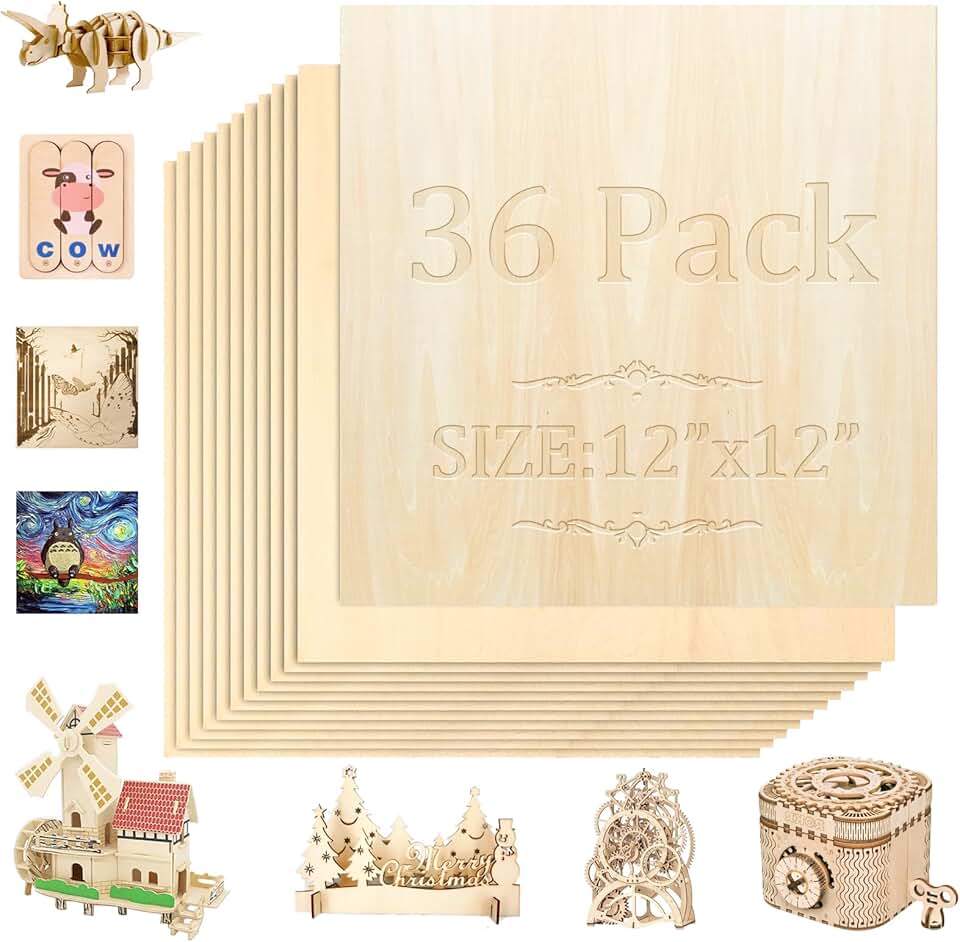
Thin basswood sheets suit architectural models, dollhouses, signs, ornaments, layered pictures, and prototypes. Full basswood sheets 4×8 are commonly plywood or veneer-faced panels rather than solid wood; confirm the construction before ordering.
Basswood Sheets for Laser Crafts
- 36 unfinished basswood plywood sheets
- 12 by 12 inch square format
- One eighth inch thickness for craft work
- Smooth surface supports engraving and burning
- Great for models ornaments and laser cutting
Buy on Amazon
For laser work, run a small test grid before the final cut. Machine wattage, focus, air flow, adhesive, ply count, moisture, and actual thickness alter the result. Brown sticky smoke residue, a slow glowing edge, or repeated flame means the settings or material need attention.
Basswood can be the best wood for fishing lures that need low weight, easy shaping, and controlled buoyancy. Seal every surface before painting, including hook holes and ballast cavities. Water entering one pinhole can raise grain, shift balance, and soften the wood around hardware.
Furniture and millwork: Basswood suits painted moldings, shutters, drawer parts, decorative panels, and low-impact furniture light wood components. Avoid it for floors, chair joints under heavy stress, long unsupported shelves, and tabletops that must resist everyday knocks.
Guitars and bass bodies: Makers use basswood guitar body blanks for their moderate weight, consistent texture, and easy machining. Descriptions such as warm or mid-focused remain subjective; pickups, bridge, neck, electronics, strings, setup, and playing technique also shape an electric instrument’s sound.
Industrial and traditional uses: Basswood appears in boxes, crates, veneer, plywood, core stock, toys, pulp, patterns, and wood wool. People historically processed the fibrous inner bark into cordage, mats, and woven goods, linking the tree’s usefulness to much more than lumber.
Basswood Compared With Other Woods

Basswood is softer than pine, poplar, alder, and maple in many practical comparisons, but it cuts more evenly than several of them. Balsa is lighter and easier to crush, making basswood the better choice where delicate parts must survive handling.
Basswood Versus Balsa
Basswood versus balsa isn’t a comparison between two names for the same material. Basswood is denser, harder, and better at retaining carved edges; balsa wins where minimum mass controls the design, such as lightly loaded model aircraft. Read the full balsa wood guide for its density range and uses.
Basswood Versus Pine
Basswood versus pine: Basswood has finer, more uniform texture without the hard latewood bands that can steer a carving knife through pine. Pine may offer greater stiffness for construction, yet species differ widely and resin pockets can interfere with paint or laser work.
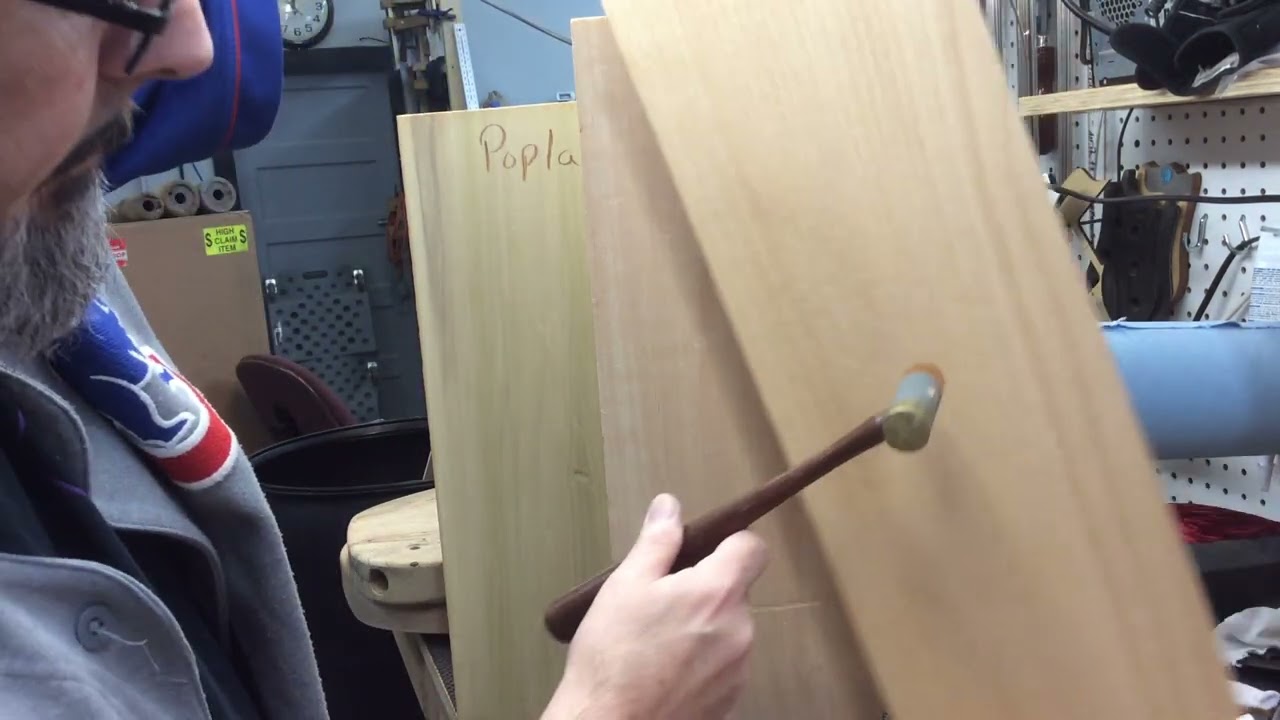
Basswood versus poplar: Poplar is usually harder and better for painted cabinets or trim exposed to moderate wear. Basswood carves with less force and fewer abrupt density changes. Poplar’s green, brown, or purple mineral streaks may remain visible beneath pale finishes; see the poplar wood profile for more detail.
Basswood versus alder: Alder provides more visible grain and better surface hardness for cabinetry and furniture. Basswood is paler and easier to shape by hand. Regional supply often decides the better value, especially because alder is more common near the western lumber trade. Our alder wood guide covers its working traits.
Basswood versus maple: Maple resists dents and abrasion far better, making it suitable for flooring, counters, and harder-working parts. Basswood needs much less carving force but loses crisp corners sooner under impact. Soft maple still surpasses basswood in hardness; compare it in the soft maple guide.
Working, Finishing, and Storing Basswood
Work basswood with sharp cutters, light passes, moderate clamp pressure, and balanced finish coats. Store boards flat, support thin sheets fully, and let delivered material adjust to workshop humidity before precision milling.
Cutting, Carving, and Sanding
Cut with the grain where possible and make shallow finishing cuts near fragile edges. Start sanding with the least coarse grit that removes tool marks, then move through a sensible sequence. Heavy pressure compresses soft fibers and rounds facial features, lettering, and corners.
Beginner mistake: Many new carvers keep cutting when the knife starts dragging. Stop and strop the edge instead. A properly sharpened blade makes a faint slicing sound and leaves a slightly reflective cut; a dull edge feels gritty and produces torn, chalky fibers.
Gluing, Clamping, and Fastening
Common woodworking adhesives bond clean basswood well. Use moderate clamp pressure and broad cauls because narrow pads leave compressed ovals that may appear only after finishing. Dry-fit joints once rather than forcing repeated assemblies that deform soft shoulders.
Painting and staining: Seal end grain and carved recesses before opaque paint so these areas don’t drink in extra primer. Stain can turn patchy on low-density sections. A washcoat, dye, gel stain, or toner offers better color control, but every schedule needs a scrap test.
Clear and outdoor finishes: Water-based polyurethane keeps basswood pale, while oil-based products add amber warmth. Shellac and lacquer preserve fine detail when applied in thin coats. Finish both faces of thin panels on a similar schedule to limit unequal moisture exchange.
Storage and acclimation: Stack lumber flat with evenly spaced stickers and keep craft sheets between rigid boards. Interior stock often performs well near 6–10% moisture content, but the correct level follows the building’s seasonal conditions. The USDA Wood Handbook explains moisture movement and equilibrium moisture content.
Practical Notes From Real-World Use
Freshly surfaced basswood can look flawless until raking side light reveals clamp dents, sanding hollows, and fuzzy end grain. Inspect low-angle reflections before applying finish, keep the bench free of chips, and place delicate work on clean paper or soft shelf liner.
Thin sheets often warp after one-sided water-based paint. The reliable workaround is to control wetting: use light coats, support the sheet during drying, coat the reverse in a comparable schedule, and postpone final assembly until the panel lies flat at room humidity.
Bass Wood for Sale: Buying Guide
When comparing bass wood for sale, identify the product type, actual dimensions, grade, grain direction, moisture content, and delivered cost. A low-priced sheet may be basswood-faced plywood, while small carving blocks can carry a high equivalent board-foot cost.
Common Retail Formats
- Rough-sawn 4/4, 5/4, 6/4, or thicker lumber
- S2S, S3S, and S4S surfaced boards
- Carving blocks, whittling blanks, and mixed hobby wood packs
- Turning blanks and guitar or bass body blanks
- Thin solid basswood sheets and veneer
- Basswood-faced plywood and MDF-core panels
- Edge-glued panels, short offcuts, and dimensional strips
Solid wood versus plywood: Solid sheets have continuous grain through their thickness. Basswood plywood uses thin face veneers over crossed plies, giving broader sizes and better flatness. Glue lines, core voids, visible layered edges, and variable laser behavior are the trade-offs.
Grade, Grain, and Defects
Choose straight-grained stock without knots, checks, insect holes, stain, or advanced warp for carvings and instruments. Minor color variation can disappear beneath paint. Clear-finished projects need closer matching because gray streaks and pale-brown heartwood become more visible after coating.
Moisture and drying: Ask whether lumber is kiln-dried, air-dried, or conditioned for interior use. Compare several areas with a moisture meter rather than trusting one reading. A wet core can move after resawing, while extremely dry carving stock may feel brittle at thin edges.
Board and sheet dimensions: Rough 4/4 lumber starts near one inch before surfacing and finishes thinner after flattening and planing. Craft-sheet labels may show nominal thickness. Measure press-fit and laser stock with calipers because a difference of 0.2 millimeter can loosen tabs or prevent slots from fitting.
Board-foot pricing and shipping: Calculate board feet as thickness in inches × width in inches × length in feet ÷ 12. A board measuring 1 × 8 inches × 6 feet contains four board feet before waste and surfacing.
| Cost factor | Why it changes the price | Buyer check |
|---|---|---|
| Width and length | Large clear sections yield fewer saleable boards | Compare usable area, not piece price alone |
| Thickness | Thick stock takes longer to dry | Confirm rough or finished thickness |
| Surfacing | Planing and sanding add labor and reduce size | Ask whether stock is S2S, S3S, or S4S |
| Craft packaging | Sorting and small-quantity handling raise unit cost | Convert the pack to an equivalent board-foot cost |
| Instrument grade | Low weight and clear body-sized yield command premiums | Request weight, moisture, and piece count |
| Freight | Long boards trigger oversize handling | Compare local pickup with delivered cost |
Online photos may show a representative sample rather than the board shipped. Ask how the seller handles warp, thickness variation, corner damage, knots, and returns. For a small order, freight and rigid packaging can cost more than the wood itself.
Sustainable sourcing questions: Ask for the Tilia species, harvest region, kiln status, and chain-of-custody details. FSC or PEFC certification can document managed sourcing, while local sawmills and urban-tree recovery may lower transport and make productive use of logs that would otherwise become mulch.
- Is this solid basswood, veneer, plywood, or an MDF-core panel?
- Are the listed measurements nominal or actual?
- What moisture content was measured, and when?
- Does the photograph show the exact board?
- What defects does the seller allow in the chosen grade?
- How are thin sheets supported against bending and corner damage?
- Is certified or locally recovered material available?
FAQs
Is Basswood A Hardwood Or Softwood?
Basswood is a hardwood, even though it is relatively soft and lightweight. It comes from a deciduous tree, which places it in the hardwood category rather than the softwood group. Its low density and fine, even grain make it easier to cut and shape than many other hardwoods.
What Is Basswood Used For?
Basswood is commonly used for carving, model making, musical instruments, boxes, and lightweight furniture parts. Its smooth grain accepts paint, stain, and glue well, making it popular for craft projects. Woodworkers also use it for trim, toys, plywood cores, and items that need easy shaping.
Is Basswood Good For Carving?
Basswood is one of the best woods for carving, especially for beginners. Its soft texture, straight grain, and low tendency to split let hand tools make clean cuts with less effort. It works well for whittling, relief carving, small figures, and detailed practice projects.
Is Basswood Stronger Than Balsa?
Basswood is stronger and more durable than balsa wood. Although both are lightweight hardwoods, basswood has greater density and holds screws, edges, and carved details better. Balsa is better when minimum weight is the priority, while basswood is usually the better choice for carvings, models, and general craft work.
Where Can I Buy Bass Wood?
You can buy basswood from lumberyards, woodworking stores, craft retailers, and online wood suppliers. Craft shops often sell small sheets, blocks, and carving blanks, while lumber dealers may carry wider boards. Check the wood’s moisture level, grade, and dimensions before buying, especially for furniture or detailed carving projects.
Affiliate Disclosure: Some links in this post are affiliate links. If you make a purchase through these links, we may earn a small commission at no extra cost to you. We only recommend products we genuinely believe in.