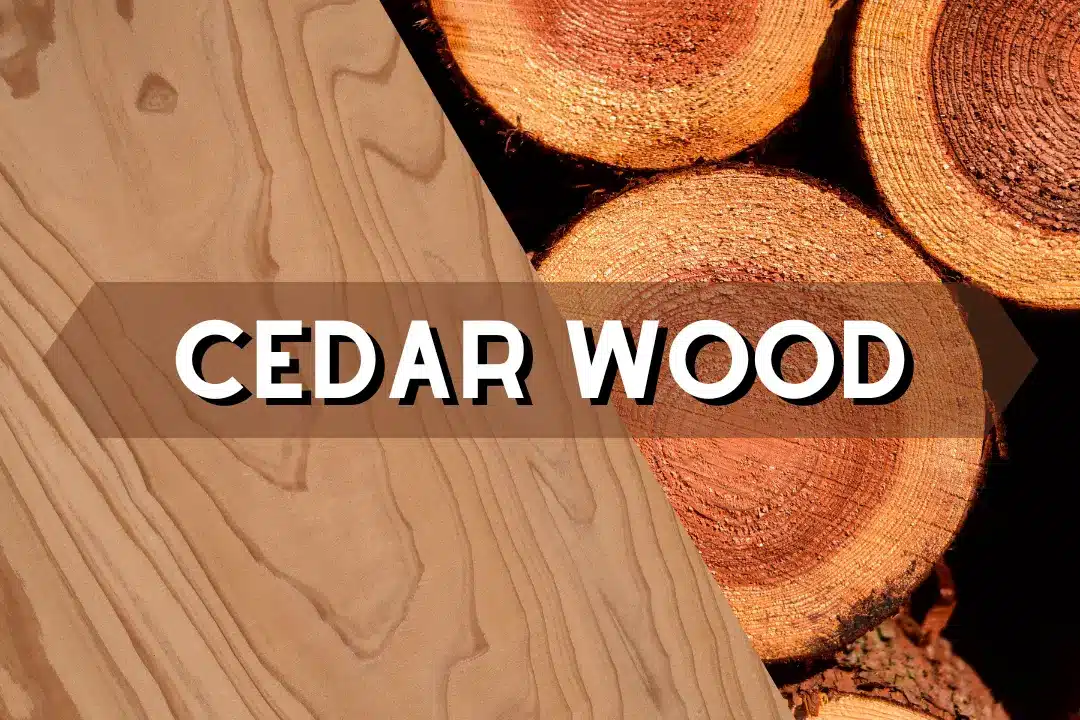

Cedar wood is a commercial name for timber from true cedars in the genus Cedrus and several unrelated aromatic trees. Its weight, scent, hardness, color, and outdoor durability depend on the botanical species, so buyers should never treat every board labeled cedar as the same material.
Table of Contents
What Is Cedar Wood?
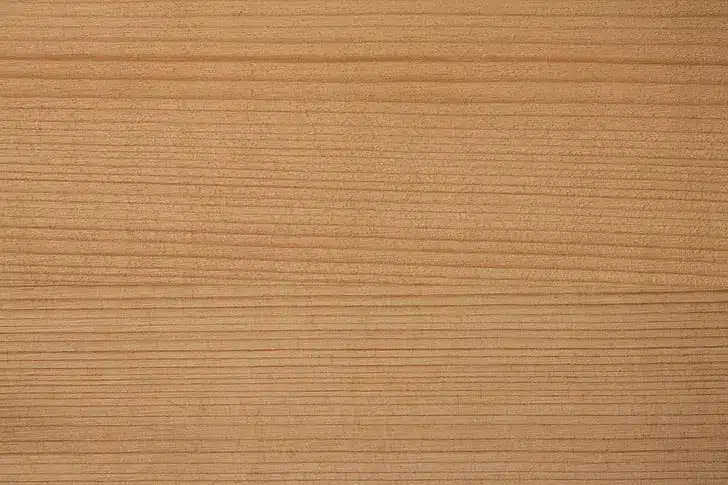
The word cedar describes a group of woods, not one uniform species. Most share a conifer-like grain and some degree of aroma, yet their physical properties differ enough to change how they should be bought, finished, and used.
Cedar Wood Definition
Cedar wood may come from true Cedrus trees or unrelated genera such as Thuja, Juniperus, Calocedrus, and Cedrela. The commercial name often reflects the wood’s scent, appearance, regional history, or use rather than a close botanical relationship.
This distinction affects practical choices. Western red cedar suits lightweight siding, aromatic eastern red cedar suits closets, and Spanish cedar appears in humidors and cabinetry; replacing one with another can produce a project with the wrong color, hardness, movement, or exposure performance.
True Versus False Cedar
True cedars belong to the genus Cedrus in the pine family, Pinaceae. The Kew Plants of the World Online database records accepted botanical names and ranges, which helps separate true cedar species from regional trade names.
Atlas cedar, cedar of Lebanon, deodar cedar, and Cyprus cedar are true cedars. Western red cedar is Thuja plicata, eastern red cedar is Juniperus virginiana, and Spanish cedar is the tropical hardwood Cedrela odorata; all are commonly called false cedars.
Softwood Classification
True cedars and most commercial cedars are softwoods because they come from conifers. Softwood is a botanical classification rather than a promise that the material feels soft: aromatic eastern red cedar measures about 900 lbf on the Janka scale, far above western red cedar at roughly 350 lbf.
Spanish cedar is the main exception in this guide. It comes from the mahogany family and is botanically a hardwood, despite its name and relatively light, workable wood structure.
Heartwood Versus Sapwood
Cedar heartwood forms in the older inner trunk and contains many of the extractives linked to color, aroma, and decay resistance. Sapwood carries water in the living tree, looks pale cream or nearly white, and commonly offers much less natural resistance to fungi and insects.
Beginners often buy a low-grade board with broad pale margins and assume the whole piece has equal outdoor durability. For wet locations, inspect every face and end for sapwood, then design the assembly so water drains away rather than relying on the cedar label.
Color, Grain, and Aroma
Cedar wood color ranges from pale yellow through pink and honey-brown to purple-red. Freshly planed western red cedar often shows a warm red-brown stripe beside cream sapwood, while eastern red cedar can reveal vivid violet-red heartwood that slowly settles into brown under light.
Straight grain cuts cleanly, but fibers around knots can tear and feel woolly beneath a fingertip. The dry, pencil-like scent of western red cedar differs from the sharper, sweet aroma released when sanding eastern red cedar; that smell comes from volatile natural extractives and fades as the surface oxidizes.
Types of Cedar Wood

The main types of cedar wood include four true Cedrus species and several commercially significant false cedars. Match the species to the job, since a strong closet aroma, marine durability, or low siding weight doesn’t occur equally across the group.
Atlas and Blue Atlas Cedar Wood
Atlas cedar wood comes from Cedrus atlantica, a true cedar native to the Atlas Mountains of Morocco and Algeria. It has aromatic, commonly straight-grained wood, but North American buyers encounter it more often from removed ornamental trees or specialty sellers than in standardized exterior-lumber inventories.
Blue Atlas cedar is a blue-foliaged horticultural form of the same species, commonly sold as Cedrus atlantica ‘Glauca.’ The phrase blue cedar wood doesn’t describe blue-colored lumber; boards usually show pale to warm brown tones, and tree form, knots, urban metal contamination, and drying history control their usable yield.
Before milling a landscape-grown tree, scan it for nails, wire, and embedded hardware. A hidden screw can chip a planer knife in an instant, producing a sharp metallic snap, so reclaimed Atlas stock should pass through a metal detector before sawing; see the full Atlas cedar guide for species detail.
Cedar of Lebanon

Cedrus libani is a true cedar native to parts of the eastern Mediterranean and Anatolia. Its historical reputation comes from construction, carving, shipbuilding, and cultural use, but that history shouldn’t be read as evidence of broad modern lumber availability.
Material offered today may come from planted trees rather than old native forests. Confirm origin, dimensions, moisture condition, and legal documentation before buying, and consult the site’s cedar of Lebanon profile for a closer botanical description.
Deodar Cedar
Deodar cedar, Cedrus deodara, is native to the western Himalayas and has long served regional construction and woodworking needs. Its name is associated with “timber of the gods,” while planted specimens appear widely as ornamentals outside their native range.
Boards recovered from large garden trees can contain sweeping grain, heavy limbs, compression wood, and internal stress. Seal freshly cut ends and dry thick slabs slowly; fast surface drying can create deep end checks before the damp core begins to equalize.
Cyprus Cedar
Cedrus brevifolia is a true cedar with a restricted natural range in Cyprus. It belongs in a complete species guide, but its limited distribution makes Cyprus cedar lumber an unlikely mainstream choice for ordinary building or furniture projects.
Use common alternatives where the design doesn’t depend on this exact species. A rare name can increase price without supplying verified grade, stable drying, or suitable dimensions, so ask for the botanical name and documented source chain.
Western Red Cedar
Western red cedar, Thuja plicata, is a lightweight false cedar native to western North America. Its combination of low density, dimensional stability, easy machining, and durable heartwood makes it a major choice for siding, fencing, shingles, trim, saunas, pergolas, and canoe strips.
Clear dry wood averages about 23 lb/ft³ and has a Janka hardness near 350 lbf. It lifts easily and feels warm rather than heat-sinking against bare skin, but dropped tools leave dents readily; the western red cedar guide covers its grades and appearance in greater depth.
Eastern Red Cedar
Eastern red cedar, Juniperus virginiana, is a juniper commonly called aromatic red cedar. At roughly 33 lb/ft³ and 900 lbf Janka hardness, it is denser, harder, redder, and far more strongly scented than western red cedar.
Common uses include closet lining, chests, drawers, boxes, turning blanks, and fence posts. Narrow trunks and irregular pale sapwood can limit clear-board yield, so wide uniform pieces command a premium; learn more in the eastern red cedar profile.
Northern White Cedar
Thuja occidentalis is another false cedar from eastern and central North America. Northern white cedar averages about 22 lb/ft³, machines with little effort, and appears in shingles, fencing, rustic furniture, outdoor structures, and traditional canoe construction.
Its softness makes clean handling part of the workflow. Clamp jaws and rough benches can emboss the surface, so use cork-faced cauls and keep chips off the worktable before setting down a freshly planed show face.
Alaska Yellow Cedar
Alaska yellow cedar, also called Alaskan cedar wood, yellow cedar, or Nootka cypress, may be listed botanically as Callitropsis nootkatensis or Cupressus nootkatensis. Its pale yellow color, fine texture, and resistance to wet exposure suit marine work, carving, exterior joinery, and boatbuilding.
At about 31 lb/ft³ and 580 lbf Janka hardness, Alaska cedar wood is harder and heavier than western red cedar. Fresh cuts release a distinct, sometimes potato-like scent, while sharp tools leave a smooth, slightly waxy surface; the Alaskan cedar guide explains its working traits.
Incense Cedar
Incense cedar, Calocedrus decurrens, is valued for stability, straight grain, and clean sharpening. Its close association with wooden pencils comes from the ease with which a blade pares the wood without producing hard, brittle splinters.
It also appears in blinds, siding, fencing, and specialty millwork. Don’t assume pencil stock and exterior boards share the same grade; knot limits, grain alignment, drying, and surface quality create very different material specifications.
Spanish Cedar
Spanish cedar, Cedrela odorata, is a tropical hardwood in the mahogany family. Its moderate weight, fragrance, stability, and workability support humidors, cabinetry, boat interiors, instruments, and decorative joinery.
Reference values are about 29 lb/ft³ and 600 lbf Janka hardness. Its interlocked grain can leave fuzzy patches after planing, and the aromatic dust can irritate; confirm legal origin before ordering and use the Spanish cedar guide for fuller selection notes.
Cedar Wood Properties and Durability
Cedar wood properties vary by species, moisture content, grain direction, and heartwood percentage. Most commercial cedars combine low to moderate weight with useful stability, but hardness and decay resistance can differ by more than twofold.
Species Properties Table
The figures below are approximate values for clear, dry wood and shouldn’t replace graded structural data. The USDA Wood Handbook explains why moisture, grain direction, defects, and test methods affect wood performance.
| Commercial name | Botanical name | Approximate dry weight | Approximate Janka hardness | Distinguishing use |
|---|---|---|---|---|
| Western red cedar | Thuja plicata | 23 lb/ft³ / 370 kg/m³ | 350 lbf / 1,560 N | Siding, fencing, exterior trim |
| Eastern red cedar | Juniperus virginiana | 33 lb/ft³ / 530 kg/m³ | 900 lbf / 4,000 N | Closets, chests, small projects |
| Northern white cedar | Thuja occidentalis | 22 lb/ft³ / 350 kg/m³ | 350 lbf / 1,560 N | Canoes, shingles, outdoor structures |
| Alaska yellow cedar | Callitropsis nootkatensis | 31 lb/ft³ / 500 kg/m³ | 580 lbf / 2,580 N | Marine work, carving, joinery |
| Spanish cedar | Cedrela odorata | 29 lb/ft³ / 470 kg/m³ | 600 lbf / 2,670 N | Humidors, cabinetry, instruments |
Density and Weight
Density affects handling, dent resistance, fastener holding, and how quickly a board responds to moisture. Lightweight western red and northern white cedar reduce lifting strain and dead load, while denser eastern red cedar gives small boxes and turned pieces a more substantial feel.
Published dry weights don’t predict what a wet board weighs at delivery. Green cedar can feel cool and unexpectedly heavy in the hand, so measure moisture rather than estimating it from species averages or the surface feel.
Janka Hardness
The Janka test measures the force required to embed a steel ball into wood. It describes indentation resistance, not structural strength, decay resistance, screw holding, or fitness for outdoor exposure.
A 350 lbf deck board can serve well outdoors yet mark beneath metal chair feet or grit trapped under a planter. Use broad furniture pads, lift rather than drag heavy objects, and reserve softer cedar for surfaces where dents won’t become a maintenance concern.
Shrinkage and Stability
Western red cedar has approximate radial shrinkage of 2.4% and tangential shrinkage of 5.0% from green to oven dry. That relatively low movement supports siding and millwork, but grain orientation still matters: flat-grain boards usually cup more visibly than vertical-grain stock.
Stability doesn’t eliminate seasonal movement. Leave installation gaps specified for the product, seal vulnerable end grain, and avoid fastening a wide board so rigidly that it can’t move across its width.
Rot Resistance
Cedar’s rot resistance comes mainly from heartwood extractives that inhibit some decay organisms. The benefit varies among species, trees, and boards, while pale sapwood may decay much faster under the same wet conditions.
Good detailing often matters more than a premium species name. Sloped caps, open drainage paths, raised end grain, rear ventilation, and protected cut ends help cedar dry before fungi establish sustained activity.
Water and Weather Resistance
Cedar isn’t waterproof. It absorbs and releases moisture, changes dimension, develops checks, and can rot if it remains wet; a finish slows wetting and color loss but doesn’t create a permanent moisture barrier.
A vertical ventilated siding board experiences a different exposure from a flat deck board where rain pools around a fastener. Judge likely service by drainage, airflow, sun, splashback, climate, and maintenance rather than using one universal outdoor lifespan.
Ground-Contact Limitations
Untreated cedar isn’t automatically suitable for direct soil contact. Damp soil keeps end grain wet and gives decay organisms continuous access, particularly where a post sits in a poorly drained concrete pocket.
Check local code, species, grade, structural requirements, and any required treatment category. Pressure-treated lumber may be the safer hidden post material, with cedar used above grade for appearance; keep horizontal members clear of soil and shape caps to shed water.
Fire Performance
Cedar is combustible, and decay resistance doesn’t provide fire resistance. Projects in wildfire-prone areas may require listed assemblies, fire-retardant-treated products, noncombustible zones, screened ventilation, and ember-resistant details under local rules.
A coating marketed for fire performance must match the tested wood product and assembly. Don’t infer code approval from a surface treatment alone, and keep dry cedar shavings away from sparks, heaters, and finishing rags.
Common Cedar Wood Uses
Common cedar wood uses include siding, fencing, outdoor furniture, closet storage, sauna paneling, and lightweight boats. The right choice depends on species-specific traits, exposure, structural loads, and the desired scent or appearance.
Siding and Exterior Trim
Western red cedar and northern white cedar suit cladding because they’re light, workable, and relatively stable. Reliable cedar siding still needs flashing, a drainage path, correct overlap, rear ventilation, sealed cut ends, and fasteners approved for the profile.
Calculate coverage from the exposed face, not nominal board width. A lapped board may hide a meaningful part of the purchased width, while corners, openings, color matching, and defect removal increase the number of pieces required.
Fencing and Garden Structures
Cedar works for pickets, gates, trellises, pergolas, and selected raised-bed components. Compare styles in the guide to wood fence types, then size posts and rails for actual span, wind load, hardware, and soil exposure.
- Keep picket ends above soil and mulch.
- Slope rail tops and post caps so rain drains.
- Use stainless steel or rated hot-dipped galvanized fasteners.
- Leave airflow around dense planting and climbing vines.
- Choose treated structural members where local rules require them.
Decking and Outdoor Furniture
Western red cedar feels warm and relatively soft under bare feet, which makes it pleasant for benches and lightly used decks. That same low hardness allows grit, dog claws, narrow chair legs, and dragged planters to mark the surface.
Use wide protective feet, ease exposed edges, and select boards with tight grain around high-contact areas. For other material choices and impact trade-offs, compare the site’s guide to the best outdoor furniture wood.
Closets, Chests, and Drawers
Aromatic eastern red cedar is the usual choice for closets, chests, and drawers. Leave the scent-bearing face unfinished, keep it exposed to circulating air, and lightly sand an oxidized surface when its cedar aroma becomes faint.

Aromatic Cedar Closet Blocks
- Sixteen-piece cedar storage set
- Made from aromatic cedar wood
- Helps freshen closets and drawers
- Compact pieces fit around garments
- Suitable for clothing storage areas
 Buy on Amazon

Cedar Blocks with Hooks
- Fifteen-piece natural cedar set
- Includes metal hooks for hanging
- Sandpaper helps refresh the aroma
- Useful in closets and drawers
- Compact planks store with garments
Buy on Amazon
Cedar and Closet Pests
Cedar blocks can freshen enclosed storage and release compounds that some insects avoid, but they don’t reliably kill hidden eggs or larvae. University of Minnesota Extension guidance on clothes moths supports inspection, cleaning, and secure storage as the core pest-control steps.
Wash or dry-clean garments before storage, vacuum lint and hair from cracks, and isolate infested items. Sand blocks outdoors or under extraction to renew the smell, but don’t mistake a strong nose-tingling aroma for proof that an active infestation has ended.
Saunas and Interior Paneling
Cedar’s low density, low heat transfer, appearance, and scent suit sauna paneling and benches. Choose smooth stock with limited splinters, hide fasteners from skin contact, maintain ventilation, and account for users who react to strong aromas.
Sauna construction needs purpose-specific wall, vapor, ventilation, heater-clearance, and electrical details. Exterior siding directions don’t cover repeated heat and humidity cycles, so use the sauna-system supplier’s installation requirements.
Boats and Canoes
Western red cedar is widely associated with strip-built canoes because thin strips bend easily and keep hull weight low. Alaska yellow cedar offers greater hardness for selected marine components, while cedar planks can be explored in the site’s cedar plank guide.
Boat cedar isn’t waterproof by itself. Long service depends on accurate joints, encapsulation or sheathing where the design calls for it, protected end grain, drainage, and prompt repairs when a coating turns cloudy, cracks, or lifts.
Cedar Advantages and Comparisons
Cedar offers low weight, attractive grain, useful stability, and natural heartwood durability in suitable species. Its main limits are soft surfaces, variable sapwood durability, confusing trade names, extractive staining, combustible material, and premium clear-grade prices.
Cedar Wood Advantages
Key cedar wood advantages include easy cutting, manageable weight, low shrinkage in several species, appealing color, and decay-resistant heartwood. Mills also offer clear, knotty, rough-sawn, surfaced, vertical-grain, flat-grain, and patterned products for different visual results.
- Low carrying weight for siding and overhead trim
- Good machining with sharp cutters
- Useful stability across seasonal humidity changes
- Natural heartwood durability in selected species
- Aromatic options for closets and storage
- Strong acceptance of penetrating stains after proper preparation
Cedar Wood Disadvantages
Cedar wood disadvantages include denting, color change, extractive bleed, dust sensitization, and variable resistance between heartwood and sapwood. Clear vertical-grain boards can be costly, while ordinary steel fasteners may create dark iron stains.
Strong aroma can bother sensitive users, and no cedar is fireproof. Beginners also overestimate ground-contact life, coat wet boards, or choose a species by common name alone; species verification and moisture testing prevent many of these failures.
Cedar Versus Pine
Cedar versus pine is mainly a comparison of appearance, treatment, grade, durability, weight, and local supply. Cedar is often lighter and more stable, while pressure-treated pine may offer a rated option for structural ground contact at a lower material cost.
Compare equivalent grades rather than a clear cedar board with a knotty construction pine board. Painted dry pine can work well above grade, while cedar may be preferred where exposed grain and lower weight matter more than impact resistance.
Cedar Versus Redwood
Cedar and redwood both supply attractive exterior heartwood, but regional availability can control price and dimensions. Compare clear with clear, knotty with knotty, and similar heartwood percentages; the site’s sequoia wood guide provides related species context.
Redwood often brings deeper uniform color in high grades, while western red cedar offers very low weight and broad cladding availability in many regions. Certification, freight, profile options, and installed coverage may outweigh small differences in base lumber cost.
Cedar Versus Cypress
Cedar versus cypress depends on species, origin, density, and heartwood content. Both names cover multiple materials, so compare moisture condition, dimensions, grade, and delivery cost rather than relying on a broad claim about outdoor durability.
Cypress may be more practical near regional mills, while western red cedar often offers a wider range of siding profiles elsewhere. Review cypress wood before selecting either for a humid or wet site.
Cedar Versus Treated Lumber
Cedar relies on naturally durable heartwood, while pressure-treated lumber uses preservatives matched to defined exposure categories. Treated lumber is often the better fit for buried or persistently wet structural parts; cedar commonly wins on weight and appearance above grade.
Check structural grade, treatment category, corrosion requirements, local code, surface dryness, and finish compatibility. Neither material is superior for every assembly, and combining treated posts with replaceable cedar screens or pickets often gives a practical balance.
Buying Cedar Lumber

Buy cedar lumber by species, grade, moisture condition, dimensions, and intended exposure rather than by common name alone. A complete quote should include installed coverage, milling, freight, waste, fasteners, finish, and expected maintenance.
Species and Intended Use
Ask the seller for the common and botanical names, particularly for exterior, marine, aromatic, or regulated material. Western red cedar, aromatic eastern red cedar, and Spanish cedar serve very different purposes despite sharing the cedar name.
State whether the boards will become siding, ground-adjacent fencing, sauna benches, humidors, or painted trim. Suppliers can then flag unsuitable sapwood, moisture conditions, grades, or chemical treatments before material reaches the shop.
Grades and Grain
Grade terms may include clear, select knotty, tight knot, appearance grade, vertical grain, and flat grain. Rules vary by agency and product, so determine whether a label describes structural capacity, visual defects, or both; appearance grade alone doesn’t establish a design value.
Vertical-grain stock tends to show narrow, straight lines and more uniform movement. Flat-grain boards display broad cathedral patterns and can cup more visibly, while knotty boards create a rustic surface but need inspection for loose knots and checks.
Moisture and Dimensions
Green cedar can shrink after installation, while kiln-dried stock offers more predictable interior fitting and finishing. Check several boards with a calibrated moisture meter, including readings near the center and ends, rather than judging dryness by touch.
Confirm actual thickness, width, and installed face coverage. Nominal dimensions can overstate usable size, and rough lumber may lose meaningful thickness during flattening, especially where twist or cup requires repeated planer passes.
Board Inspection
Inspect each board for sapwood, loose knots, end checks, twist, bow, cup, crook, machine damage, staining, and inconsistent thickness. Sight down the edge under raking light; a twisted board reveals alternating corners before a tape measure shows any usable-width loss.
Rub a hand lightly across the grain to locate fuzzy machining, but wear gloves around rough stock. Stack selected boards by color before installation because red, pink, brown, and pale pieces can create abrupt patches beneath a transparent finish.
Pricing and Coverage
Cedar may be priced by board foot, linear foot, square foot of coverage, or individual piece. Convert quotes to the same basis and use actual installed dimensions, especially for overlapping siding and patterned profiles.
Board feet = thickness in inches × width in inches × length in feet ÷ 12.
Standard lumber-volume formula
A lower piece price can hide narrow exposure, short lengths, high sapwood content, or expensive shipping. Ask for a written tally showing grade, dimensions, quantity, profile, drying condition, packaging, and delivery.
Waste, Freight, and Milling
Allow for defect removal, end trimming, color matching, pattern overlap, and cutting errors. Straight clear trim may need a smaller allowance than knotty boards selected for long uninterrupted runs; create a cut list before choosing the percentage.
Practical notes from use: long cedar boards can cost more to ship than to mill, and corner damage often occurs inside an intact-looking bundle. Photograph packaging before unloading, inspect ends at delivery, store boards flat with support, and keep them dry but ventilated.
Responsible Cedar Sourcing
Ask for species, origin, harvest documentation, and chain-of-custody information. FSC, PEFC, or SFI certification can support responsible sourcing checks, but no label replaces verification of legal origin, product suitability, transport distance, and realistic service life.
Reclaimed cedar can reduce demand for new material, yet old boards may contain nails, preservatives, paint, glue, or decay hidden below a gray surface. Scan for metal and test questionable coatings before sanding or repurposing the wood indoors.
Certification and CITES
International trade in neotropical Cedrela, including Spanish cedar, receives controls under CITES Appendix II. Check the official CITES Appendices and request matching documentation before importing, exporting, or purchasing material with an uncertain trade history.
Certification and CITES address different questions: one may document forest-management or custody claims, while the other regulates international trade in listed taxa. Retain invoices, botanical names, origin statements, and permit records with project files.
Finishing and Maintaining Cedar

Cedar can remain unfinished, receive a penetrating stain, or be painted with a compatible primer system. Successful finishing depends on dry wood, clean surfaces, protected end grain, correct application conditions, and moisture details that let the assembly dry.
Leaving Cedar Unfinished
Unfinished exterior cedar slowly turns silver-gray as sunlight and weather alter the exposed surface. Graying is mainly an appearance change rather than proof of decay, but shaded areas, roof overhangs, splashback, and metal runoff can create uneven weathering.
Natural weathering works best when the owner accepts color variation. Protected strips may remain brown for years beside gray exposed areas, making later attempts at a uniform transparent finish labor-intensive.
Clear and Tinted Finishes
Completely clear finishes provide limited ultraviolet protection. A lightly pigmented penetrating finish usually preserves color longer, while film-forming products can peel if water enters behind them or the cedar was coated at excessive moisture content.
Follow the coating maker’s surface, temperature, moisture, coat-count, and recoat directions. Test a sample from the actual batch because cedar’s red and brown extractives can shift a stain warmer or darker than the color card.
Painting and Priming
Cedar can be painted, but soluble extractives may migrate through unsuitable coatings as yellow-brown marks. Use a compatible stain-blocking primer, coat vulnerable end grain, and follow product instructions for back-priming siding where the assembly calls for it.
Don’t paint rain-damp or freshly washed boards. Trapped moisture may produce blisters and peeling, while compressed glossy mill surfaces can reduce coating grip and may need light preparation specified by the finish maker.
Cleaning and Refinishing
Begin with the least aggressive cleaning method and test it in a hidden area. Excess pressure washing tears away soft earlywood, leaving hard latewood ridges that feel like a washboard after drying; use controlled pressure and a broad spray pattern.
Never mix cleaning chemicals. Rinse as directed, allow the wood to dry to the coating maker’s stated level, sand feathered fibers, and remove dust before recoating.
Fastener Compatibility
Use stainless steel, properly rated hot-dipped galvanized fasteners, or another product approved for cedar and the exposure. Moisture can drive a reaction between cedar extractives and ordinary iron, creating blue-black streaks around incompatible fasteners.
Predrill near board ends and thin edges, then set fasteners flush rather than crushing the fibers. Overdriven heads form water-catching depressions and weaken the wood where the fastener should bear.
Stains and Discoloration
Dark marks may come from iron, mildew, dirt, tannin-like extractives, or persistent moisture, and each cause needs a different response. Diagnose the water path and contamination source before applying a cleaner, brightener, or new finish.
Black lines centered on nail heads often indicate metal reaction, while diffuse spotting in a shaded damp area may indicate surface growth. Random bleaching without diagnosis can create pale halos without stopping the original problem.
Checking, Cupping, and Splitting
Checks form as the surface and interior change moisture at different rates. Cupping often reflects grain orientation or uneven wetting, while splits near ends commonly follow overdriven fasteners, missing pilot holes, or unsealed end grain.
Shade fresh stock, support it evenly, seal slab ends early, and coat all specified faces rather than one side alone. For wide exterior boards, use the intended fastening schedule and leave movement room at joints.
Moisture and Finish Failures
Peeling usually signals trapped moisture, weak preparation, an unsuitable coating, or application outside stated conditions. Look above and behind the failure for leaking flashing, blocked drainage, unsealed cuts, interior vapor sources, or repeated splashback.
Repair the moisture source before refinishing. A new topcoat can hide damage briefly, but it won’t stop water entering through a horizontal joint or drying from only one face.
Cedar Woodworking and Safety
Cedar usually cuts easily, yet its soft fibers, aromatic dust, and natural extractives require controlled machining and ventilation. Sharp tools, dust extraction, eye protection, suitable respiratory protection, and careful material selection reduce the main woodworking risks.
Cutting and Assembly
Use sharp cutters and support fibers around crosscuts to reduce fuzzy grain and tear-out. Soft western red cedar can crush beneath clamps, so spread pressure with flat cork-faced cauls and stop tightening once the joint closes.
Predrill fragile ends, ease sharp corners, and test adhesives on scrap from the same batch. Moisture, oils, extractives, or a polished mill surface can alter bonding, while excessive clamp pressure may squeeze out too much adhesive film.
Dust and Sensitization
Cedar’s pleasant smell can disguise a serious exposure. Western red cedar dust is linked with allergic sensitization and occupational asthma; the UK Health and Safety Executive’s wood dust guidance identifies western red cedar as a notable asthma risk.
Capture dust at the saw, router, and sander instead of relying on room air filtration alone. Stop work and obtain medical advice if exposure brings wheezing, chest tightness, persistent coughing, rash, or burning eyes.
Eye and Respiratory Protection
Wear impact-rated eye protection during cutting and sanding. Select a properly fitted respirator suited to the measured or expected exposure when extraction can’t keep airborne dust controlled; a loose disposable mask may leak around the nose and face seal.
Vacuum clothing and surfaces with suitable equipment rather than blowing dust through the shop. Compressed air turns settled particles into a visible amber cloud and sends the finest fraction back into the breathing zone.
Food-Contact Applications
Don’t assume every wood called cedar is suitable for cutting boards, smoking, serving, or food storage. Cooking planks should be sold for culinary use and must be free from preservatives, paint, glue, mold, unknown coatings, and workshop contamination.
A clean cooking plank and an exterior cedar offcut aren’t interchangeable. Species, treatment history, storage conditions, and adhesives matter, while porous, cracked wood can become difficult to clean after repeated food contact.
Pets and Animal Enclosures
Aromatic oils and dust may irritate sensitive animals, so cedar shouldn’t be declared universally safe for bedding, cages, coops, or reptile habitats. Ask a veterinarian familiar with the animal species before introducing aromatic cedar shavings or enclosed cedar panels.
Outdoor enclosure parts also need inspection for splinters, chewing, finishes, fastener exposure, and trapped urine or wash water. Smooth accessible edges and choose clean, untreated stock only where species-specific guidance permits it.
Safe Scrap Disposal
Separate clean solid-wood scraps from painted, treated, glued, or contaminated waste. Don’t burn coated or treated cedar indoors, and keep fine dust away from ignition sources because suspended particles and packed collection bags create a fire hazard.
Follow local disposal or recycling rules for treated material and old coatings. Clean untreated offcuts may suit approved reuse projects, but aromatic cedar isn’t automatically appropriate for mulch, animal bedding, cooking fuel, or compost.
FAQs
Is Cedar A Hardwood Or Softwood?
Cedar is a softwood, even though it is durable and relatively strong. It comes from coniferous trees, which are classified as softwoods. Cedar is usually easy to cut, shape, and sand, making it popular for outdoor projects, furniture, siding, and decorative woodworking.
Is Cedar Wood Waterproof?
Cedar wood is water-resistant but not completely waterproof. Its natural oils help it resist moisture, decay, and insect damage better than many other woods. For outdoor pieces exposed to frequent rain or standing water, use a suitable exterior finish and keep the wood properly maintained.
How Long Does Cedar Last Outside?
Cedar can last 15 to 25 years or longer outdoors when properly installed and maintained. Its natural resistance to rot and insects helps it perform well in decks, fences, siding, and garden structures. Lifespan depends on climate, ground contact, drainage, and whether the wood is regularly sealed or stained.
What Is Atlas Cedar Wood Used For?
Atlas cedar wood is used for furniture, cabinetry, carving, decorative joinery, and aromatic wood products. It is valued for its pleasing scent, attractive grain, and natural durability. Atlas cedar is also grown as an ornamental tree, while its essential oil is commonly used in fragrances and personal-care products.
Does Cedar Wood Need To Be Sealed?
Cedar does not have to be sealed, but sealing helps it last longer and retain its color outdoors. Left unfinished, cedar naturally weathers to a silvery-gray shade while still resisting decay. Apply an exterior water-repellent sealer or stain if you want better moisture protection and a more consistent appearance.
Affiliate Disclosure: Some links in this post are affiliate links. If you make a purchase through these links, we may earn a small commission at no extra cost to you. We only recommend products we genuinely believe in.