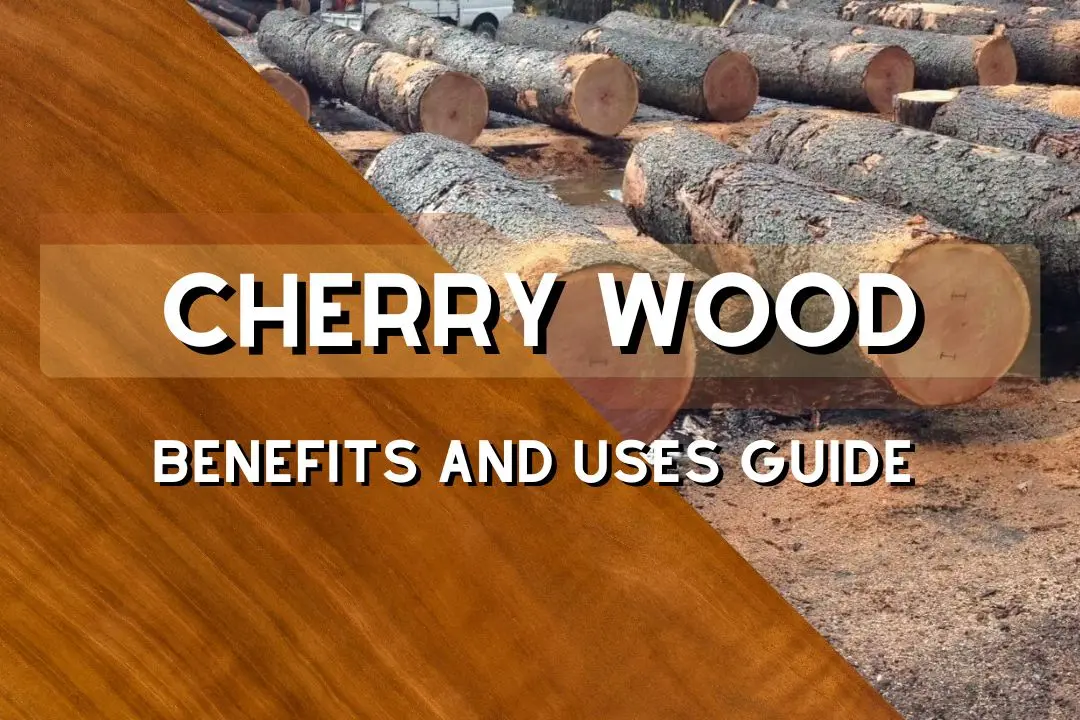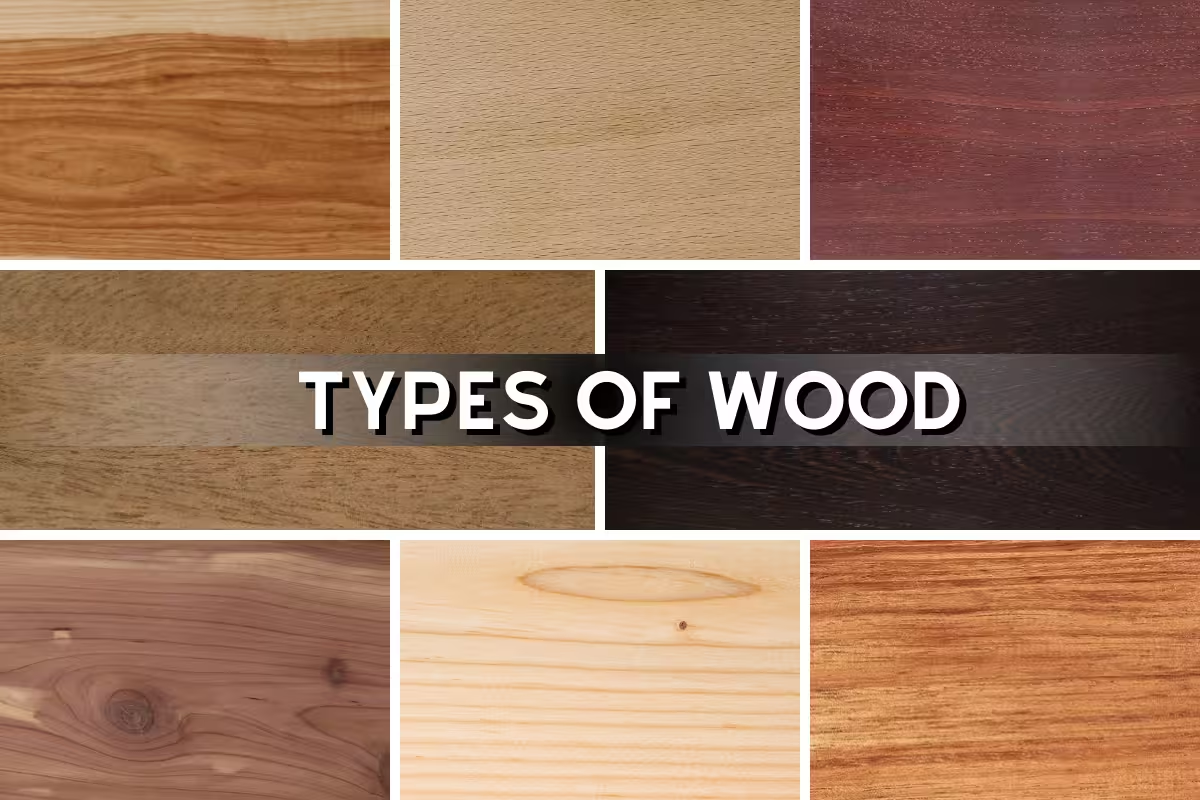


Teak is the best wood for outdoor furniture for most uncovered settings because its oily, stable heartwood handles moisture, decay, and seasonal movement well. Cypress, cedar, white oak, black locust, acacia, and pressure-treated pine offer better value for certain climates, painted projects, budgets, and furniture styles.
The right choice depends on heartwood content, drainage, hardware, finish, local availability, and how often you’ll maintain the furniture.
Table of Contents
Best Wood for Outdoor Furniture at a Glance

What Wood Is Best Outdoors?
Teak is the best overall choice, while ipe suits severe wear, black locust offers excellent domestic durability, cedar keeps furniture light, and pressure-treated pine controls initial cost. No species wins every category because a soft, rot-resistant board may outlast a harder wood that absorbs water through open pores.
Use naturally durable sound heartwood for fully exposed furniture. Sapwood from teak, cedar, cypress, black locust, and similar species doesn’t carry the same decay resistance as the darker inner wood.
Species Comparison Table
The Janka figures below measure resistance to indentation, not resistance to fungi or water. Published values vary with species, origin, and sample, so use them to compare dent resistance rather than predict outdoor lifespan.
| Wood | Approx. Janka hardness | Natural decay resistance | Maintenance | Paint suitability | Relative cost | Best use | Main failure risk |
|---|---|---|---|---|---|---|---|
| Teak | 1,070 lbf | Excellent heartwood | Low–moderate | Poor value | $$$$ | Premium all-weather furniture | Finish adhesion on oily wood |
| Ipe | 3,510–3,680 lbf | Excellent | Low–moderate | Difficult | $$$ | Heavy benches and tables | Checking and difficult machining |
| Black locust | About 1,700 lbf | Excellent heartwood | Low–moderate | Fair | $$–$$$ | Domestic frames and legs | Movement in poorly dried stock |
| White oak | About 1,360 lbf | Good heartwood | Moderate | Good | $$–$$$ | Tables and traditional joinery | Iron staining and wet end grain |
| Acacia | About 1,100–2,200 lbf | Variable | Moderate–high | Fair | $$ | Covered patio sets | Checking after wet-dry cycles |
| Cypress | About 510 lbf | Good heartwood | Moderate | Very good | $$ | Painted furniture in humid areas | Dents and variable sapwood |
| Western red cedar | About 350 lbf | Good heartwood | Moderate | Good with primer | $$ | Light chairs and porch furniture | Dents and extractive bleed |
| Redwood | About 450 lbf | Good quality heartwood | Moderate | Good with primer | $$–$$$ | Light regional projects | Low-grade sapwood decays sooner |
| Genuine mahogany | About 800–900 lbf | Good–very good | Moderate | Good | $$$ | Refined, stable furniture | Trade-name and sourcing confusion |
| Pressure-treated pine | Species-dependent | Treatment-dependent | Moderate | Good after drying | $ | Budget benches and picnic tables | Warping and premature coating |
Best woods by use: choose teak for low-maintenance premium furniture, ipe for public benches, black locust for domestic durability, cypress for paint, cedar for movable chairs, white oak for traditional joinery, and treated pine for economical utility builds.
10 Best Woods for Outdoor Furniture Compared
1. Teak: Best Overall
Teak heartwood, usually Tectona grandis, combines natural oils, fungal resistance, moderate hardness, and low movement. It performs well beside pools, on uncovered patios, and in humid or coastal air, while unfinished surfaces gradually turn silver-gray.
Gray teak isn’t necessarily damaged. The pale, slightly fuzzy surface feels dry under a fingertip because sunlight has broken down exposed fibers, while the dense wood below may remain sound. See the full teak wood guide for its grain and working properties.
Common mistakes include coating oily boards without preparation, skipping pilot holes, and buying pale boards with excessive sapwood. Wipe bonding surfaces as the adhesive maker directs, use sharp carbide tooling, and select boards by heartwood percentage rather than trusting a premium label.

Marine Grade Teak Lumber
- Naturally suited to outdoor furniture projects
- Marine-grade teak for demanding moisture exposure
- Smooth S4S boards simplify cutting and assembly
- Dense hardwood supports durable furniture construction
- Ideal for decks, railings, and boat-inspired builds
 Buy on Amazon

SeaTeak Teak Lumber Plank
- Teak plank for outdoor furniture repairs and builds
- Naturally durable hardwood for exterior use
- Compact size suits small project pieces
- Good for slats, trim, and custom details
- A classic choice for weather-exposed furniture
Buy on Amazon
2. Ipe: Best for Severe Wear
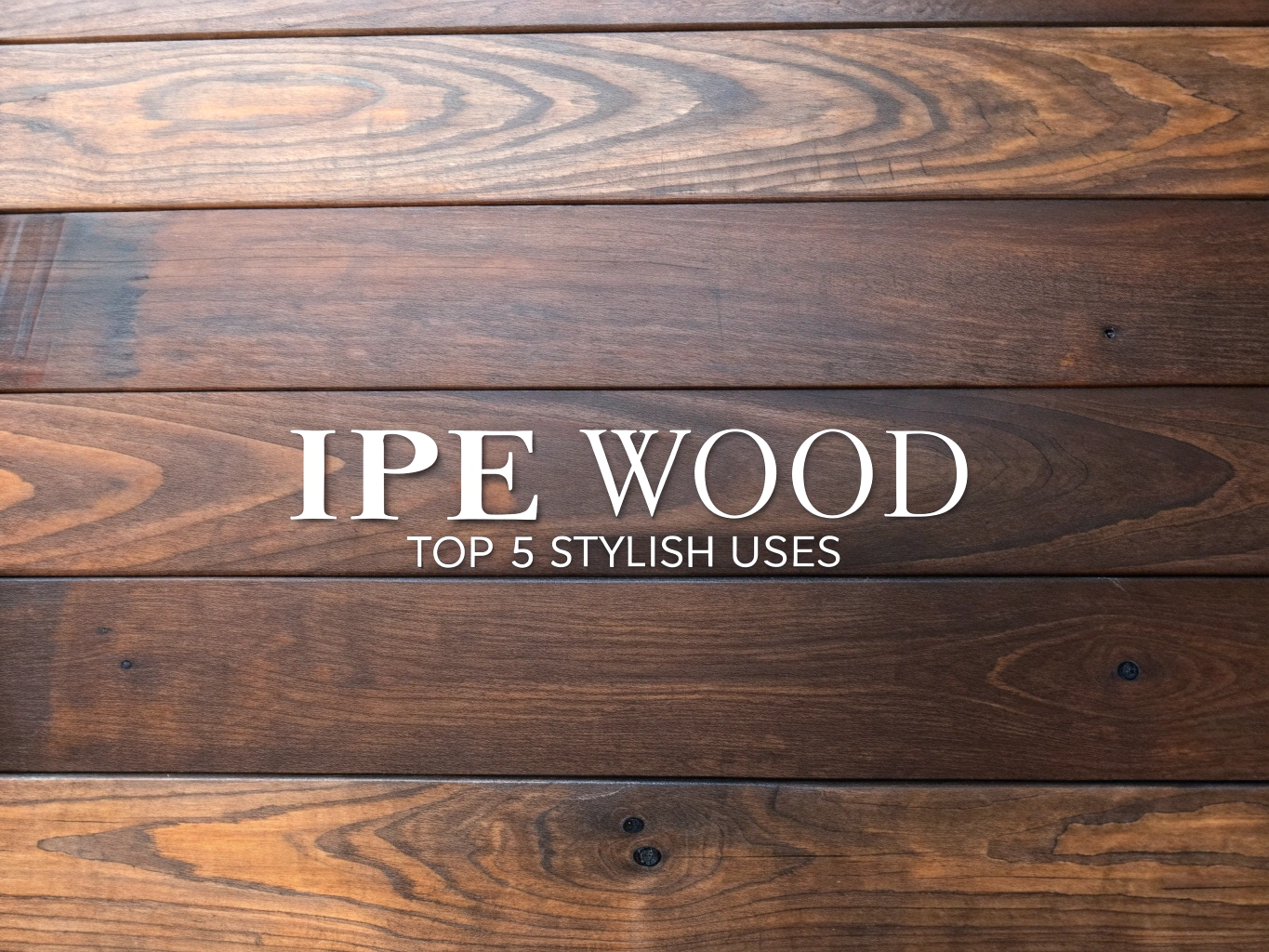
Ipe is exceptionally dense and resists dents, insects, and decay, making it useful for commercial seating and heavy outdoor tables. Its weight keeps furniture steady but makes seasonal storage awkward, and a dark seat left in full sun can become uncomfortably hot against bare skin.
Predrill screw holes, use carbide cutters, and collect the fine dust rather than letting it hang in the air. Adhesive and finish performance can be unreliable on freshly machined oily surfaces; consult the ipe wood profile before choosing tooling or coatings.
3. Black locust: Robinia pseudoacacia offers excellent heartwood durability at about 1,700 lbf Janka hardness. It suits chair legs, bench frames, and table bases, but straight furniture-grade boards can be scarce, and stock dried too quickly may arrive twisted or deeply checked.
Locally sawn boards often contain tension that becomes apparent after the first rip cut: the kerf pinches the blade or springs open. Mill black locust in stages, leave parts slightly oversized, then let them rest before final sizing; the linked black locust guide covers its traits.
4. White oak: tyloses block many vessels, slowing liquid movement through the grain. This makes white oak a sound choice for tables, chairs, and traditional mortise-and-tenon work, unlike red oak, whose open vessels can draw water through an end-grain offcut much like a bundle of tiny straws.
Apply extra finish to feet and exposed ends, then use stainless-steel hardware to prevent blue-black iron-tannin stains. Don’t buy lumber marked only “oak”; confirm it belongs to the white oak group.
5. Acacia: this commercial name covers multiple species ranging from roughly 1,100 to more than 2,000 lbf in hardness. Good acacia furniture offers attractive grain at a midrange price, yet unidentified stock may split or loosen at joints after repeated soaking and fast drying.
Place acacia under a roof or use a breathable cover, clean spills early, and renew its penetrating finish before the surface looks chalky. Ask for a botanical name and certification instead of relying on the word acacia; compare the variations in this acacia wood overview.
6. Cypress: sound heartwood offers good decay resistance and machines without the jarring resistance felt when cutting ipe. Cypress is especially useful for humid-region benches, porch swings, and painted Adirondack chairs, though its 510 lbf hardness means chair arms can collect dents.
7. Cedar: western red cedar weighs little, cuts cleanly, and provides good heartwood durability. It’s ideal for furniture moved around a porch, but screws can crush its soft fibers if overtightened; wider washers, pilot holes, and sensible driver torque prevent that damage.
Clear cedar costs far more than knotty construction grades, and knots may loosen as boards weather. The western red cedar guide explains why grade and grain orientation change performance.
8. Redwood: quality Sequoia sempervirens heartwood is stable, light, and workable. Regional supply controls its value, while low grades containing broad cream-colored sapwood won’t deliver the same decay resistance as darker heartwood; inspect every face rather than judging the board’s end alone.
9. Mahogany: genuine mahogany offers stable movement, a refined surface, and good outdoor durability. “Mahogany” is also applied to unrelated woods, so request the botanical name; the characteristics described here refer mainly to Swietenia macrophylla, not every reddish imported board.
Premium mahogany often deserves a clear or lightly pigmented penetrating finish instead of opaque paint. Review mahogany wood before comparing it with African mahogany or other trade-name substitutes.
10. Pressure-treated pine: preservative treatment makes inexpensive pine practical for picnic tables, rustic benches, and utility furniture. Fresh stock often feels cool and heavy, and moisture may bead around a newly driven screw; building or painting at that stage invites shrinkage, twisting, and coating failure.
Sort through the rack for straight grain, minimal pith, and low warp. Let boards dry with stickers and weight, verify moisture with a meter, use treatment-compatible fasteners, and never burn scraps. Treatment suitability depends on the labeled use category, not the green or brown color.
Best Wood for Painted Outdoor Furniture

Best Paintable Wood Choices
Properly dried cypress is the best wood for painted outdoor furniture because it combines natural heartwood durability, easy machining, and reliable paint acceptance. Cedar, redwood, white oak, exterior-grade pine, and dry pressure-treated pine are also practical choices with the right primer.
- Cypress for exposed chairs, swings, benches, and table bases
- Cedar for lightweight painted furniture
- Redwood for stable regional projects
- White oak where hardness and strength matter
- Exterior pine for protected furniture with a complete coating system
- Pressure-treated pine after its moisture level falls within coating requirements
Why Cypress Paints Well
Cypress has a moderate density that accepts machining, primer, and fasteners without the adhesion problems found in oily tropical hardwoods. Select heartwood-rich boards, sand weathered fibers, and coat end grain, feet, undersides, and joint shoulders rather than painting only visible faces.
The best cypress wood for furniture is dry, straight, and low in sapwood. Old-growth marketing isn’t a substitute for checking the actual board’s grade, moisture, and defects.
Cedar and redwood priming requires extra care because water-soluble extractives can migrate through pale paint as yellow or brown stains. Start with clean, dry wood and use an exterior stain-blocking primer compatible with the chosen topcoat.
Painting pressure-treated pine by calendar alone is risky. A board might dry in weeks during warm, breezy weather or remain wet much longer in a stacked, humid garage; test multiple spots with a moisture meter and follow the coating maker’s limit.
After drying, sand raised fibers, remove dust, spot-prime resinous knots if required, and apply primer before the finish coats. Paint placed over wet treated pine often blisters at sunny faces while sheltered undersides stay damp.
Woods not worth painting include teak, ipe, and other costly oily hardwoods. Opaque paint hides the grain that justified their price and creates an avoidable adhesion problem; choose cypress or pine and spend the difference on better hardware and preparation.

Wolman Outdoor Furniture Paint
- Made for patio and lawn furniture
- Durable finish helps refresh weathered wood
- UV resistance supports longer-lasting color
- Weather-resistant coating for outdoor exposure
- Good choice for painted outdoor wood projects
Buy on Amazon
Match Outdoor Furniture Wood to Climate
Humid and Rainy Climates
In wet regions, choose teak, cypress, ipe, black locust, or correctly treated pine, then build for quick drainage. Clear leaves from slat gaps because damp organic debris holds moisture against the wood and supports dark mildew that’s often mistaken for rot.
Hot and Sunny Climates
Sunlight degrades surface fibers and clear finishes on every species. Use shade, breathable covers, or pigmented coatings; dark ipe and mahogany seats can become too hot for comfortable bare-skin contact long before the wood suffers structural damage.
Coastal and saltwater climates call for naturally durable wood paired with Type 316 stainless steel. Teak is the premium choice, while cypress offers regional value; ordinary hardware may stain the wood or lose section beneath a screw head where salty moisture stays trapped.
Freezing and thawing climates punish water-holding recesses and exposed end grain. Keep feet above soil, slope rails, leave drainage gaps, and repair cracked paint before winter so absorbed water doesn’t freeze inside vulnerable joints.
Covered porch conditions make cedar, redwood, cypress, acacia, and painted pine more practical. Roof cover reduces direct rain but doesn’t stop condensation, wind-driven moisture, or UV reaching furniture near the porch edge.
How to Evaluate Outdoor Furniture Wood
Heartwood, Sapwood, and Decay
Natural durability belongs mainly to heartwood, where extractives discourage fungi or insects. Sapwood transports water in a living tree and lacks much of that protection, so a cedar or teak board with broad sapwood stripes may fail sooner than its species reputation suggests.
Decay needs suitable temperature, oxygen, moisture, and food. No bare wood is immune when a wet joint traps debris for long periods; the USDA Wood Handbook explains moisture movement, decay, durability, and structural properties in greater depth.
Stability and Seasonal Movement
Wood changes size mostly across the grain as moisture shifts. A wide tabletop screwed rigidly across its width may split or bow, while slotted holes, figure-eight fasteners, and suitable joinery let it move without breaking the base.
Hardness versus rot resistance is a common source of poor choices. Cedar dents easily but resists decay; red oak is harder yet its open vessels admit water readily, so Janka hardness can’t identify the longest-lasting outdoor wood.
Weight and workability affect daily use. Cedar is easy to carry but may shift in high wind, while ipe feels almost stone-like in the hand, strains portable furniture joints, dulls cutters, and makes a large table difficult to move.
Species and grade variability matter with acacia, mahogany, cedar, and cypress. Ask for the botanical name, grade, moisture content, and heartwood proportion; plantation source, growth rate, knots, and drying quality can change performance within one commercial label.
White oak versus red oak isn’t a minor color choice. White oak’s tyloses obstruct many vessels, while air can pass through a short red-oak offcut when one end is submerged and the other is blown through—a practical sign of its open pore structure.
Woods to avoid outdoors include untreated construction pine, red oak, poplar, maple, beech, and birch where repeated wetting is expected. They can work beneath a roof with complete paint coverage and regular repairs, but one cracked foot or open joint creates a fast route for moisture.
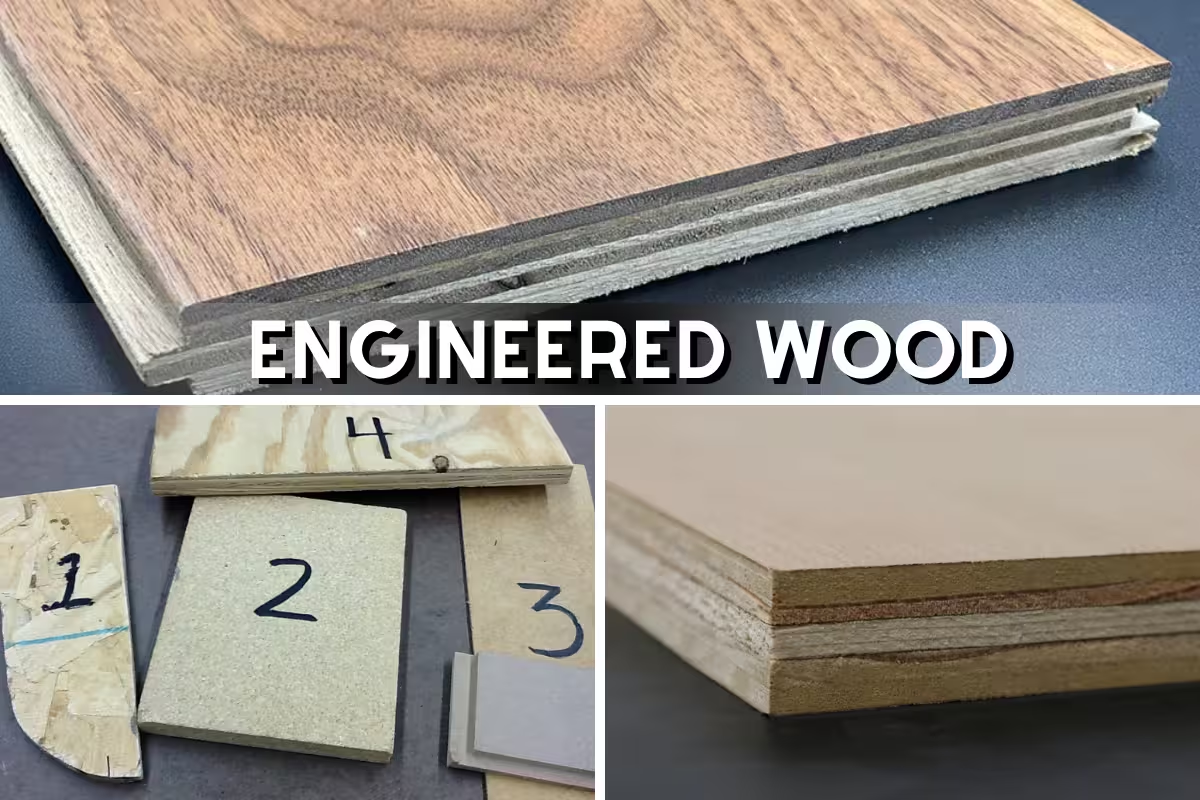
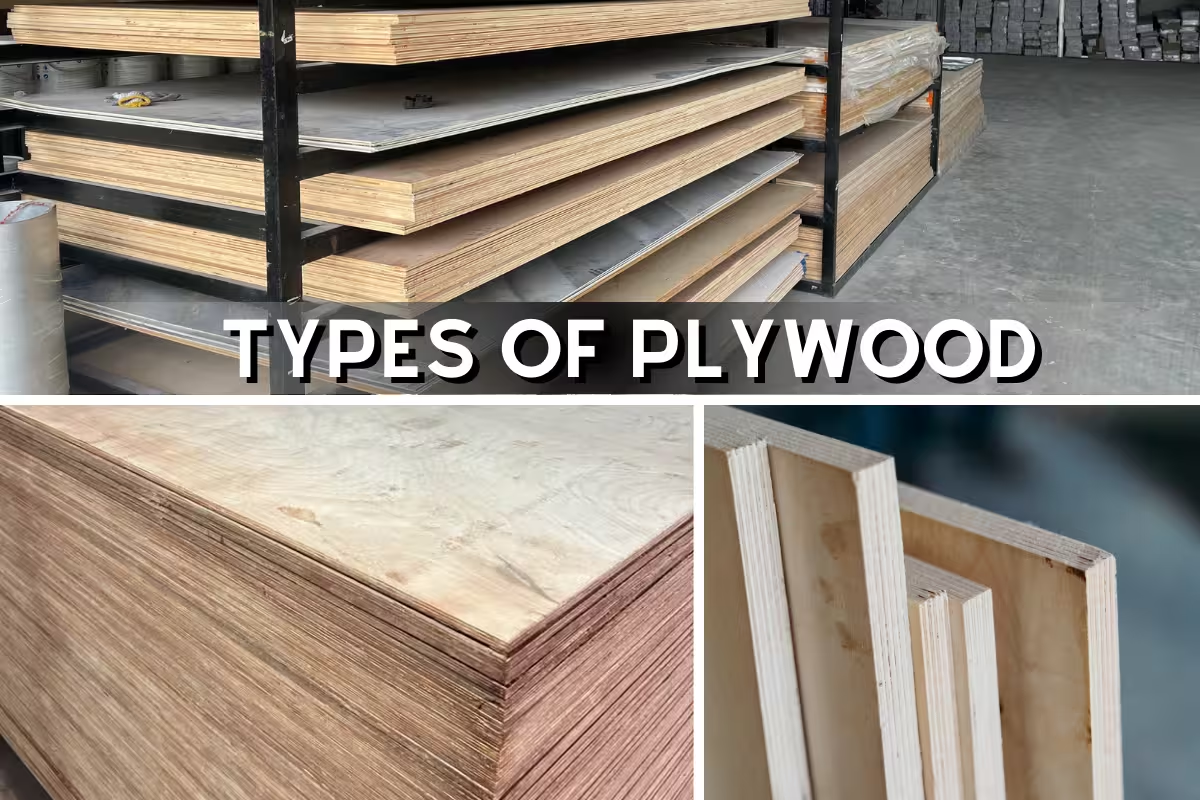
Exterior plywood can serve in sheltered panels if its glue rating suits outdoor exposure and every edge is sealed. Marine-grade plywood uses durable adhesive and higher-quality veneers, but neither marine nor exterior plywood should be left with raw edges; MDF, particleboard, and interior plywood swell or delaminate quickly.
Construction Details That Extend Furniture Life
Drainage and Airflow
Good design can outlast better lumber used in a water trap. Slope horizontal rails slightly, leave gaps between slats, vent enclosed bases, round exposed edges to hold coatings better, and avoid upward-facing holes that collect rain.
Protect end grain at chair legs, tabletop ends, slats, and exposed tenons with extra finish or a compatible end sealer. Furniture glides create a small air space above wet paving and stop thirsty leg ends from wicking water after every storm.
Practical Notes From Real-World Use
The first failures often appear as dark rings around fasteners, softened feet, hairline checks beside rigid screws, or paint lifting at end grain. Inspect these areas before broad face surfaces; a tabletop may look clean while an underside joint remains damp and smells earthy.
Movement-safe joinery uses mortise-and-tenon, loose-tenon, or well-made lap joints with exterior adhesive, while still allowing wide panels to expand. Avoid relying on screws driven into end grain, and don’t fill deep blind holes in ways that create hidden water cups.
Treatment labels and drying matter more than the preservative’s color. For exposed above-ground furniture, check for a use category such as UC3B; parts contacting soil may need UC4A. Follow the AWPA Use Category System and the product label.
Exterior fasteners must match the wood and exposure. Type 304 stainless steel handles many outdoor settings, Type 316 suits salt-heavy sites, and approved hot-dipped galvanized hardware can work with treated lumber; plain steel reacts with oak tannins and corrodes near copper-based preservatives.
Outdoor Wood Finishes and Maintenance
Does Outdoor Furniture Need Sealing?
Durable heartwood doesn’t require sealing solely to survive normal graying, but a finish can reduce staining, slow moisture uptake, retain color, and simplify cleaning. Pine, sapwood-rich boards, and less durable species need a more complete protective coating system.
Leaving durable wood bare reduces coating maintenance but permits silver-gray color, rough fibers, checking, and uneven stains. Bare wood should still drain freely and receive gentle cleaning; unfinished doesn’t mean maintenance-free.
Oils and Penetrating Finishes
Penetrating finishes are easier to renew than peeling films because later coats can often be cleaned and reapplied without full stripping. Pigmented products block more UV than fully clear finishes, though added pigment changes the wood’s natural color.
The best oil for outdoor cedar furniture is an exterior penetrating finish with water repellency, mildewcides where permitted, and enough pigment for UV protection. Raw linseed oil dries slowly and can feed mildew; products sold as teak oil vary widely and may contain no teak-derived oil.
Film finishes can peel after sunlight cracks the coating or moisture enters from an unsealed underside. Exterior paint offers strong protection when intact, while clear varnish demands more upkeep; once edges turn milky or lift, repair them before water travels beneath the film.

SEAL-ONCE Marine Wood Sealer
- Penetrating protection for outdoor wood
- Helps waterproof furniture in damp settings
- Clear finish preserves the wood appearance
- Water-based formula with ultra-low VOCs
- Suitable for high-moisture outdoor areas
Buy on Amazon
Cleaning outdoor wood furniture starts with water, mild soap, and a soft nylon brush. The best wood cleaner for outdoor furniture is the least aggressive product that removes the soil; harsh bleach, stiff wire brushes, and close-range pressure washing erode soft fibers and leave a ridged surface.
Test cleaners under a seat, rinse fully, and let the wood dry before refinishing. Black mildew on surface dirt may wipe away, while fungal decay leaves wood soft enough to indent or crumble; don’t confuse a cosmetic stain with structural damage.
Inspection and recoating should follow condition rather than a fixed annual date. Check furniture at the start and end of its outdoor season for loose joints, worn feet, cracked coatings, exposed end grain, rust stains, water traps, and rough splinters.
Cost, Value, and Responsible Sourcing
Board-Foot Cost Comparison
Compare lumber by board foot: thickness in inches × width in inches × length in feet ÷ 12. A 1-inch-thick board that is 6 inches wide and 8 feet long contains 4 board feet before surfacing and milling losses.
| Wood category | Approximate US planning range per board foot | Cost detail often missed |
|---|---|---|
| Pressure-treated pine | $3–$8 equivalent | Drying, sorting, primer, and compatible screws |
| Cedar or cypress | $6–$15 | Clear grades can cost far more than knotty stock |
| White oak or black locust | $8–$18 | Local supply and kiln-drying quality |
| Ipe or genuine mahogany | $10–$25 | Tool wear, certification, and shipping |
| Furniture-grade teak | $25–$50+ | Heartwood percentage, width, grade, and origin |
These ranges are planning figures, not price quotes. Location, dimensions, grade, certification, and surface preparation can reverse the ranking; cypress may be economical in the Southeast, while locally milled black locust can offer better value in parts of the Northeast.
Waste, Milling, and Shipping
Buy roughly 15–25% extra lumber for defect removal, grain matching, milling, test cuts, and joinery errors. S4S boards cost more but save planer and jointer work, while freight for long tropical hardwood boards can equal or exceed the lumber charge.
Budget to premium choices run from treated pine and painted exterior pine through cedar, cypress, acacia, white oak, and black locust, then teak, ipe, and genuine mahogany. Clear vertical-grain cedar may enter premium territory despite cedar’s common midrange label.
Long-term ownership costs include approved fasteners, adhesive, primer, finish, cleaning, covers, storage, repair labor, and refinishing. Cheap wet pine can lose its price advantage after rejected boards, warping, stainless screws, and multiple paint coats are counted.
Certified and legal lumber matters most with tropical teak, ipe, and mahogany. Request the botanical name, country of origin, certification code, and chain-of-custody details; a vague “plantation” or “sustainable” claim offers little proof by itself.
FSC and PEFC address forest certification systems, while CITES regulates trade in listed species and the US Lacey Act prohibits trade in illegally sourced plants. Check the CITES trade framework when buying regulated imported wood, then retain invoices and species documentation.
Reclaimed wood checks should cover hidden nails, screws, insect galleries, soft decay, deep checks, chemical odor, and unknown coatings. Scan boards with a metal detector before milling; one buried fastener can chip a carbide blade, throw a sharp fragment, and turn apparent savings into tool damage.
For most buyers asking what wood is best for outdoor furniture, teak remains the strongest all-around answer. Choose cypress for paint, cedar for low weight, black locust or white oak for domestic hardwood projects, ipe for severe wear, and dried pressure-treated pine when budget drives the decision.
FAQs
What Type Of Wood Lasts The Longest Outdoors?
Teak is one of the longest-lasting woods for outdoor use because its natural oils resist moisture, rot, and insects. High-quality teak furniture can last for decades with minimal care. Ipe, white oak, and cedar are also durable choices, although each needs occasional cleaning and maintenance.
Is Teak Worth The Cost For Outdoor Furniture?
Teak is worth the cost if you want exceptionally durable outdoor furniture with low maintenance needs. Its natural oils help it withstand rain, sun, pests, and temperature changes for many years. The higher upfront price can be worthwhile because well-made teak pieces often outlast less expensive wood furniture.
What Is The Best Wood For Painted Outdoor Furniture?
Pressure-treated pine is a practical choice for painted outdoor furniture because it is affordable, widely available, and treated to resist rot. Cedar and exterior-grade hardwood can also work well when properly primed. Use an exterior wood primer and high-quality outdoor paint to help the finish resist peeling and moisture.
Is Cedar Or Pressure-Treated Pine Better For Outdoor Furniture?
Cedar is generally better for outdoor furniture because it is naturally resistant to decay, lightweight, and less likely to warp. Pressure-treated pine costs less and offers strong rot protection, but it can be heavier and may crack as it dries. Cedar is often the better choice for appearance and comfort.
Does Outdoor Wood Furniture Need To Be Sealed?
Yes, most outdoor wood furniture should be sealed to protect it from water, sun damage, stains, and cracking. Apply an exterior wood sealer, oil, stain, or paint based on the wood species and desired finish. Naturally oily woods such as teak need less protection, but regular cleaning still helps preserve them.
Affiliate Disclosure: Some links in this post are affiliate links. If you make a purchase through these links, we may earn a small commission at no extra cost to you. We only recommend products we genuinely believe in.