

Beech Wood Guide: Properties, Uses, Furniture, Lumber, and Firewood

Table of Contents
Beech wood is a dense, pale hardwood from beech trees in the Fagus genus, used for furniture, lumber, flooring, utensils, crafts, and firewood. Yes, beech wood is a hardwood, and it’s valued for strength, smooth texture, steam bending, and clean indoor looks.
Best quick answer: choose beech for indoor chairs, tables, tool handles, kitchen tools, and high-heat firewood; avoid it for wet outdoor projects because it moves with humidity and isn’t naturally rot-resistant.
What Is Beech Wood?

Beech wood is timber cut from beech trees, mainly American beech and European beech. It has a pale cream to pinkish-brown color, a fine closed-looking grain, good hardness, and a heavy feel in the hand.
Direct answer: if you’re asking “what is beech wood,” it’s a practical hardwood used where smooth surfaces, clean machining, and strength matter more than dramatic grain. For a wider hardwood comparison, see our guide to types of hardwood.
Beech Wood Definition
Beech wood definition: wood from trees in the Fagus genus, most often Fagus grandifolia in North America and Fagus sylvatica in Europe. The USDA lists American beech as Fagus grandifolia, a broadleaf deciduous tree native across much of eastern North America.
Is Beech Wood a Hardwood?
Yes, beech wood is a hardwood. Hardwood means the wood comes from a broadleaf angiosperm tree, so the classification comes from tree type first, not from the Janka number alone.
Beech is also hard in day-to-day use. American beech sits around 1,300 lbf on the Janka scale, while European beech is around 1,450 lbf, so both feel closer to oak and hard maple than pine.
American Beech
American beech, Fagus grandifolia, grows across eastern North America and produces pale cream to light brown lumber with occasional pink or tan warmth. It’s commonly used for furniture parts, flooring, tool handles, veneer, plywood, and beech firewood.
In the shop, American beech feels dense and steady under a hand plane, but wide boards can cup if they weren’t dried well. I always check both faces before buying because small drying checks can hide along the pale grain lines.
European Beech
European beech, Fagus sylvatica, is a major furniture and flooring wood across Europe. It’s strongly linked with bentwood chairs because it bends cleanly when steamed, especially when the grain runs straight and the stock has no hidden knots.

Steamed Beech
Steamed beech has been heated with steam to even out color and create a warmer pink, salmon, or reddish tone. Steaming improves visual consistency, but it doesn’t turn beech into an exterior wood or make it rot-resistant.
Common Beech Wood Uses
Common uses include chairs, tables, stools, desks, cabinet frames, flooring, stair parts, dowels, domino joiners, tool handles, rolling pins, spoons, spatulas, toys, veneer, plywood, smoking chips, and firewood.
- Furniture: chairs, tables, desks, stools, shelving, bed frames, and bentwood parts.
- Workshop stock: beech wood lumber, dowels, workbench tops, handles, and joinery pieces.
- Household goods: spoons, spatulas, rolling pins, cutting boards, toys, and bowls.
- Fuel and cooking: beech firewood, pizza oven logs, BBQ chunks, and smoking chips.
Beech Wood Properties

Beech wood properties combine high hardness, high density, good strength, fine texture, and high shrinkage. That mix explains why beech works well indoors but needs careful drying, acclimation, and moisture protection.
The key trade-off is simple: beech is strong under load, yet it moves more than many buyers expect. That matters for tabletops, cabinet doors, flooring, wide panels, and any cross-grain glue-up.
Hardness and Density
Beech hardness is close to oak and hard maple. American beech is about 1,300 lbf Janka, while European beech is about 1,450 lbf; compare those figures with the wood hardness scale if you’re choosing flooring or chairs.
Average dried weight sits around 45 lb/ft³ for American beech and about 44 lb/ft³ for European beech. A beech board feels solid when lifted, with less of the airy, resin-scented feel you get from pine.
Strength Figures
Strength data shows why beech performs well in chair frames and wear surfaces. The USDA Forest Products Laboratory’s Wood Handbook explains the mechanical behavior behind bending strength, compression strength, drying, and wood movement.
| Property | American Beech | European Beech | Practical Meaning |
|---|---|---|---|
| Janka hardness | About 1,300 lbf | About 1,450 lbf | Good for chairs, flooring, and tools |
| Average dried weight | About 45 lb/ft³ | About 44 lb/ft³ | Heavy, dense feel |
| Modulus of rupture | About 14,900 psi | About 15,970 psi | Good bending strength |
| Elastic modulus | About 1.72 million psi | About 2.08 million psi | Stiff under load |
| Crushing strength | About 7,300 psi | About 8,270 psi | Strong for legs, frames, and handles |
Shrinkage and Movement
Beech movement is the property that catches beginners. American beech has about 5.5% radial shrinkage, 11.9% tangential shrinkage, and 17.3% volumetric shrinkage; European beech is similar at about 5.8%, 11.8%, and 17.9%.
Wide boards can shift across the grain as indoor humidity changes. Leave expansion room in panels, avoid trapping solid wood in rigid frames, and seal both faces at the same time so one side doesn’t absorb moisture faster than the other.
Durability and Moisture
Beech durability is low in damp conditions. It’s usually rated non-durable to perishable for decay resistance, so it can stain, swell, warp, or rot if it stays wet.
Common beginner mistake: using beech for a garden bench because it feels hard in the lumber rack. Hardness resists dents; it doesn’t equal weather resistance, so use white oak, cedar, teak, or treated lumber for exposed outdoor builds.
Waterproofing Limits
Beech isn’t waterproof. Finish can slow moisture uptake, but it can’t make ordinary beech behave like teak or pressure-treated wood. Water eventually finds end grain, open joints, screw holes, scratches, and worn finish.
Best workaround: use beech indoors, seal end grain carefully, raise kitchen items away from standing water, and renew oil or film finishes before the surface turns fuzzy or gray.
How to Identify Beech Wood

Identify beech wood by its pale cream to pinkish-brown color, fine even texture, small diffuse pores, dense weight, and occasional ray flecks. It often looks calmer than oak and slightly more charactered than plain maple or birch.
Use several clues together, not one. Color shifts with steaming, age, finish, and lighting, so grain, pores, weight, and rays give a safer answer than color alone.
Beech Wood Color
Beech color ranges from pale cream and light tan to pinkish beige or light reddish brown. Steamed European beech has a warmer, more uniform salmon tone, while American beech often looks lighter and more neutral.
Freshly sanded beech can look almost silky under shop lights, then warm after clear finish. If you’re choosing pale woods for interiors, our guide to light colored wood helps compare beech with maple, birch, ash, and poplar.
Grain and Pores
Beech grain is usually straight, fine, and even. It’s diffuse-porous, meaning the small pores spread evenly through the growth ring instead of forming the open, coarse channels seen in oak or ash.
Run your fingertips across sanded beech and it feels smooth, almost waxy, without the open ridges that oak often leaves. For more visual comparison, see our guide to wood grain pattern.
Texture and Weight
Beech texture is fine and tight, and the board feels heavier than pine, poplar, or basswood. When you tap a dry beech offcut on the bench, it gives a firm, higher-pitched knock rather than a soft thud.
Ray Flecks
Ray flecks are one of the best beech clues on quarter-sawn faces. They appear as tiny pale or silvery streaks, less bold than quarter-sawn oak but more visible than many plain maple boards.
Beech Tree Clues
Beech trees often have smooth gray bark that looks like elephant skin, oval leaves with toothed or wavy edges, and small triangular nuts inside spiny husks. Tree clues help when you’re identifying logs or firewood before milling.
Beech vs Maple
Beech vs maple can be tricky because both can be pale, hard, and fine-grained. Beech often shows more visible ray flecking and a slightly pinker cast, while maple can look cleaner, whiter, and more glassy under finish.
Beech vs Birch
Beech vs birch comes down to density, rays, and use. Beech tends to feel harder and heavier, while birch often appears in plywood and cabinet panels; compare the species further in our birch wood guide.
Beech Wood Furniture

Beech wood furniture is a good choice for indoor chairs, tables, stools, desks, bed frames, shelving, and bentwood pieces. It gives strength and a smooth modern look, but it needs stable indoor humidity and protection from standing water.
Search note: many people type “beachwood furniture,” but the correct material name is beech wood furniture. If the piece is pale, fine-grained, and smooth with a pink-tan warmth, it may be beech rather than beach wood.
Good for Furniture?
Yes, beech is good for furniture when used indoors. It’s hard enough for daily wear, strong enough for frames, and fine enough to paint or clear coat without a heavy grain pattern showing through.
Best answer: beech is especially good for chairs because it handles stress, shock, and steam-bent curves better than many pale hardwoods. Our guide to wood for furniture compares it with other furniture species.
Best Furniture Uses
Best uses include dining chairs, café chairs, stools, table bases, drawer parts, cabinet frames, desks, children’s furniture, and painted furniture. Beech also works well for bent backs and curved rails when the grain runs cleanly.
Furniture Advantages
Furniture advantages include hardness similar to oak, a smooth fine texture, good screw and glue holding, strong bending behavior, and a clean look that fits Scandinavian, modern, minimalist, and painted designs.
Furniture Disadvantages
Furniture disadvantages include high seasonal movement, poor outdoor durability, possible blotchy stain, and sensitivity to damp rooms. Beginners often glue wide beech panels too rigidly, then blame the wood when the top cracks in winter.
Professional workaround: use floating panels, elongated screw holes, figure-eight fasteners, or tabletop clips. These small details let the beech expand and shrink quietly instead of forcing the joint to fail.
Indoor Maintenance
Maintain beech by wiping spills fast, using coasters, keeping it away from radiators and damp walls, and renewing finish before bare wood shows. A dry beech tabletop feels smooth and warm; a water-damaged one feels raised and slightly fuzzy.
Outdoor Use Cautions
Avoid outdoor beech for benches, decking, posts, garden beds, or exposed trim. A heavy exterior finish can buy time, but white oak, teak, cedar, black locust, and pressure-treated lumber are safer choices for weather.
Beech Wood Lumber Guide

Beech wood lumber is sold as rough boards, surfaced boards, steamed boards, turning blanks, craft blanks, veneer, plywood, dowels, and flooring stock. Buy it kiln dried for furniture and let it acclimate before final milling.
Buying beech is less about one fixed price and more about grade, thickness, drying quality, board width, region, and whether the stock is steamed. Local supply changes more than beginners expect.
Lumber Forms
Common forms include rough-sawn, S2S, S3S, S4S, turning blanks, steamed beech lumber, veneer, plywood, craft blanks, dowels, and flooring strips. Rough lumber gives more control, while S4S saves milling time.
Inspect boards for twist, end checks, gray staining, and surface tension. Beech that has been poorly dried can move after the first rip cut, sometimes opening like a spring as internal stress releases.
4/4 to 8/4 Thickness
Lumber thickness uses quarter sizing. 4/4 beech starts near 1 inch rough, 5/4 near 1.25 inches, 6/4 near 1.5 inches, and 8/4 near 2 inches before surfacing.
Finished thickness is thinner after flattening and planing. Don’t design a 1-inch finished table leg from 4/4 stock unless your boards are unusually flat and you can tolerate little cleanup.
Board Foot Formula
Board feet = thickness in inches × width in inches × length in feet ÷ 12. A 4/4 board that is 6 inches wide and 8 feet long equals 1 × 6 × 8 ÷ 12, or 4 board feet.
Moisture Content
Furniture-grade beech should usually measure around 6% to 8% moisture content for indoor builds in many heated homes. A pin meter isn’t perfect, but it’s far better than guessing by weight or feel.
For deeper drying guidance, see our guide to kiln dried wood. Beech is unforgiving if you build before the board settles to the shop environment.
Drying and Acclimation
Acclimate beech by stacking it with stickers so air reaches both faces. Let thicker stock rest longer, then rough mill, pause, and finish mill after the board shows what it wants to do.
Pricing Factors
Pricing factors include location, grade, thickness, width, surfacing, kiln drying, steaming, defect level, shipping, and demand. Beech is often moderate compared with walnut and premium white oak, but it may be harder to find in some yards.
Sustainable Sourcing
Sustainable beech comes from responsibly managed forests, local hardwood suppliers, FSC or PEFC sources, and transparent mills. American beech and European beech aren’t CITES-restricted in normal trade, but forest health varies by region.
Tree health issues such as beech bark disease, beech scale insect, Nectria fungi, and beech leaf disease affect some forests. Ask suppliers where the lumber came from instead of assuming all beech has the same environmental story.
Working With Beech Wood
Working with beech is pleasant when tools are sharp and feed speed is steady. It saws, planes, turns, routes, glues, and sands well, but dull edges can burn it fast.
Practical shop note: fresh beech shavings come off pale and tight, with a dry, faintly sweet wood smell. If the cutter starts polishing instead of cutting, the surface can scorch brown before you notice the heat.
Machining Tips
Machine beech with sharp carbide blades, clean router bits, and steady feed pressure. Burn marks show most often during slow routing, dull ripping, or long cuts where resin and heat build on the cutter.
Best workaround: take lighter passes, clean blades often, avoid pausing during router cuts, and sand out scorch marks before finishing. Burned beech can reject stain and leave darker streaks under clear coat.
Joinery Strength
Beech joinery is strong because the wood holds glue, screws, dowels, and loose tenons well. Pre-drill near board ends because dense beech can split if a screw wedges the fibers apart.
For chairs, match strong joinery with movement-aware design. A tight mortise-and-tenon joint works well in a rail, while a wide tabletop still needs clips or elongated holes.
Steam Bending
Steam bending beech works well because its dense, fine grain bends cleanly when heated, supported, and clamped around a form. Straight grain matters; runout and knots often become cracks on the outside of a bend.
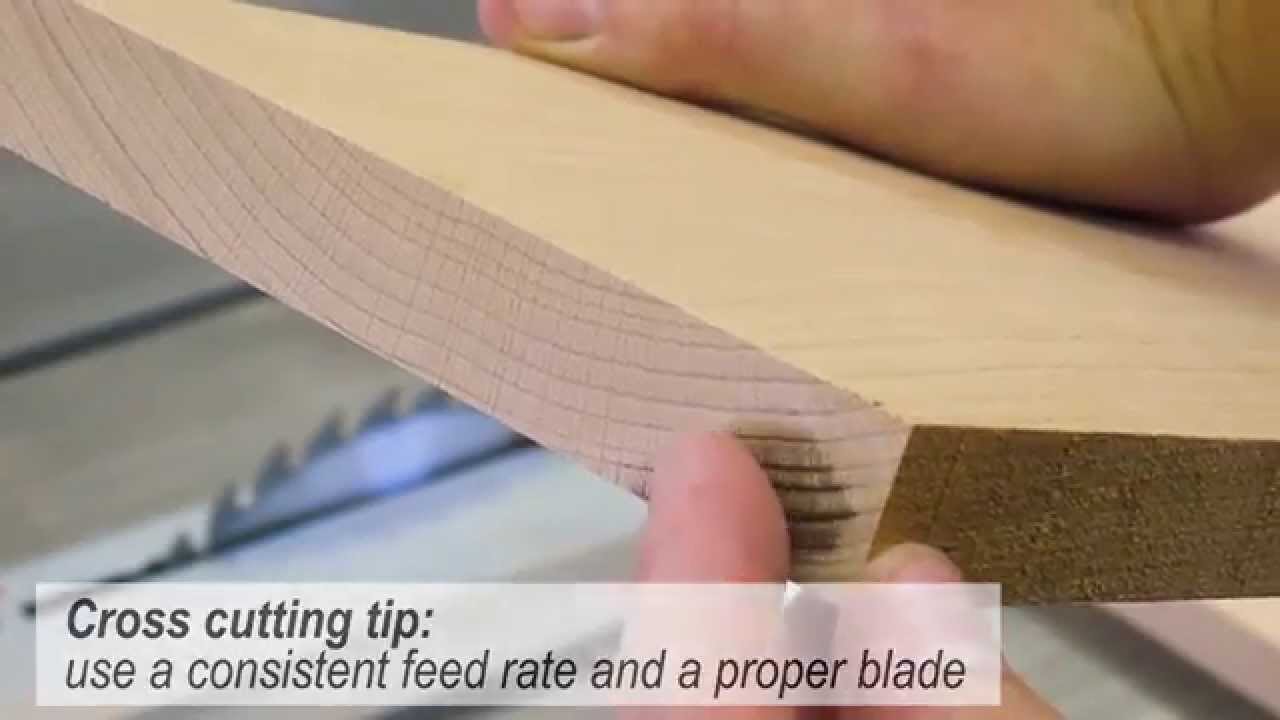
This video gives useful context for bending wood and handling curved stock, which connects closely with why beech became famous in café chairs and bentwood furniture.
Staining and Finishing
Finishing beech is easiest with clear polyurethane, lacquer, hardwax oil, water-based finish, or paint. Stain can look blotchy if sanding is uneven or end grain isn’t controlled.
Use test cuts from the same board, sand through steady grits, vacuum dust from pores, and try gel stain or conditioner if color goes patchy. Don’t skip grits; beech makes sanding scratches stand out under darker stain.
Dust Safety
Beech dust can irritate eyes, skin, and breathing, especially during sanding and routing. Use dust collection, eye protection, airflow, and a well-fitting respirator when the air starts to smell dry and powdery.
Practical Notes From Real-World Use
Real-world use rewards patience with beech. Rough mill parts oversized, sticker them overnight or longer, then take final passes after small bends or twists show themselves.
Biggest beginner error: building a wide tabletop the same day the lumber arrives. Let the boards acclimate, orient growth rings wisely, seal both faces evenly, and attach the top with hardware that permits seasonal movement.
Beech Wood Uses and Products
Beech wood uses range from flooring and furniture to utensils, smoking chips, craft blanks, dowels, and turned parts. Its dense, smooth surface suits indoor wear and food-contact tools when cared for correctly.
The main limit is moisture. Beech can serve in kitchens and workshops, but it needs drying, oiling, sealing, or indoor storage depending on the product.
Flooring and Wear Surfaces
Beech flooring can handle foot traffic because the wood is hard and dense. It works best in stable indoor rooms, not damp basements, wet entries, or spaces with large humidity swings.
Wear surfaces include stair treads, shop fixtures, workbench tops, tool benches, and utility counters. The smooth face feels good under the palm, but water rings and swelling can appear if the finish breaks down.
Kitchen Tools
Beech kitchen tools include spoons, spatulas, rolling pins, bowls, brush backs, cutting boards, and handles. The fine grain feels smooth against cookware and doesn’t scrape nonstick pans like metal utensils can.
Care matters: hand-wash, dry fast, avoid dishwashers, and refresh with food-safe mineral oil or board oil. For board-specific choices, see our guide to the best wood for cutting board.
Smoking and Cooking
Beech for smoking gives a mild, clean smoke that works with fish, pork, poultry, vegetables, cheese, and sausages. It’s less aggressive than hickory or mesquite, so it’s useful when you want smoke flavor without bitterness.
Cooking caution: use clean, untreated, properly dried beech. Don’t cook with painted scraps, unknown pallet wood, plywood, glued scraps, or boards that smell like chemicals when cut.
These beech products fit smoking, cooking, pizza ovens, and everyday kitchen use.

Beech Wood Smoking Chips
- Adds a mild, clean smoke flavor
- great for grilling, smoking, and BBQ
- beech wood burns evenly for steady flavor
- works well with meat, fish, and vegetables
- easy to use in smokers and charcoal setups
 Buy on Amazon

Mini Pizza Oven Logs
- Kiln dried logs for hot, efficient burning
- sized for pizza ovens, grills, and smokers
- helps create strong heat with less moisture
- convenient mini logs are easy to handle
- made in the USA for reliable quality
Buy on Amazon

Beech Wood Cooking Spatulas
- Gentle on nonstick pans and wok surfaces
- long handles keep hands safely away from heat
- sturdy beech wood gives a comfortable grip
- useful for frying, stirring, and scraping
- simple natural tools for everyday cooking
Buy on Amazon

Handmade Beech Wood Spoon Set
- Eight piece kitchen set for daily cooking tasks
- smooth beech wood is gentle on cookware
- heat resistant design feels comfortable to use
- handmade finish adds a natural look
- useful for stirring, serving, and mixing
Buy on Amazon
Crafts and Turning
Beech crafts include scroll saw parts, laser blanks, signs, small boxes, toy parts, wood slices, rings, dowels, model parts, turned handles, and domino-style joinery pieces. Sharp tools leave crisp edges and smooth curves.
Hand-carving note: beech is harder than many beginner carving woods. The edge cuts cleanly, but the resistance through the knife is firm, so keep tools sharp and avoid forcing cuts against grain.
Beech vs Basswood
Beech vs basswood is a durability-versus-ease choice. Beech is harder, denser, and better for functional pieces; basswood is softer, lighter, and easier for whittling or first carving projects.
These beech craft items suit blanks, slices, rings, dowels, and joinery projects.

Beech Hardwood Craft Blank
- Solid beech wood for carving and crafting
- unfinished surface is easy to paint, stain, or engrave
- ideal for scroll saw and laser projects
- smooth grain helps clean cuts and detailing
- versatile size works for many DIY builds
Buy on Amazon

Natural Beech Wood Slices
- Unfinished wood rounds for endless creativity
- smooth natural surface is ready for decorating
- perfect for ornaments, tags, and signs
- ideal for painting, staining, or burning
- handy 30 piece set for group projects
Buy on Amazon

Natural Beech Wood Rings
- Unfinished rings ready for custom craft work
- smooth wood is easy to paint or stain
- great for jewelry making and handmade decor
- lightweight shape works well as connectors
- includes 10 pieces for multiple projects
Buy on Amazon
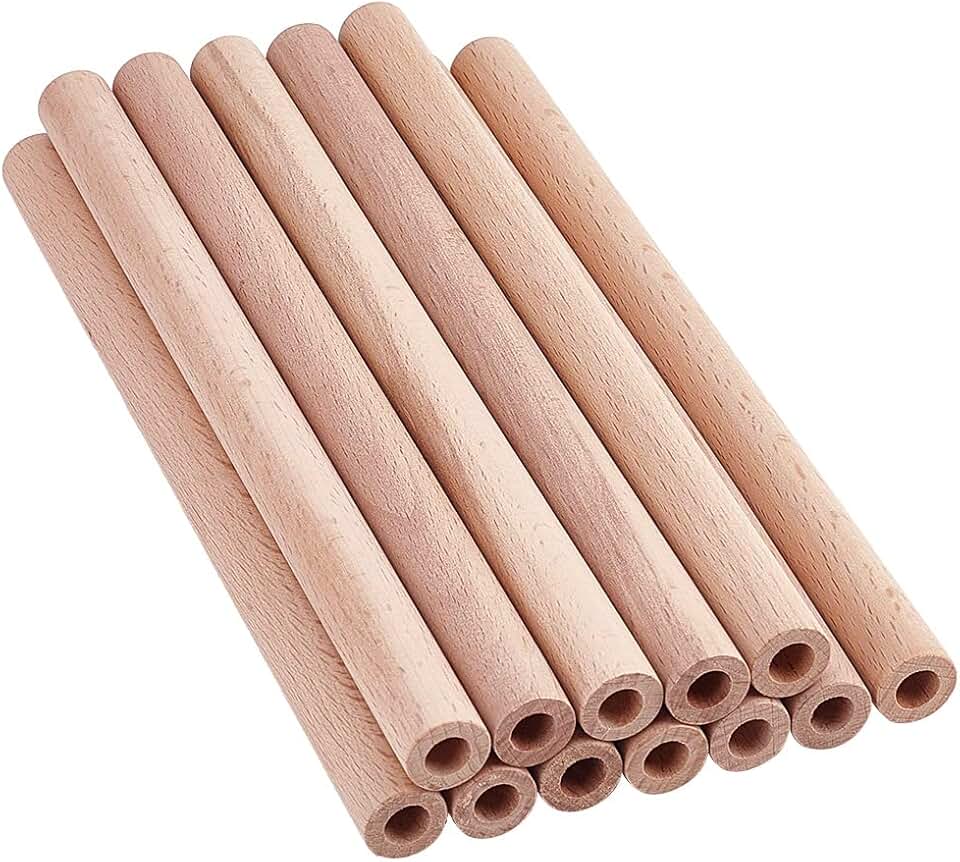
Hollow Wooden Dowel Sticks
- Unfinished beech dowels for creative DIY builds
- hollow design makes them lightweight and versatile
- smooth round shape is easy to cut and craft
- great for model making and art projects
- useful for supports, connectors, and custom pieces
Buy on Amazon

Beech Wood Domino Joiners
- Precision wood dominoes for strong joinery
- made for Festool Domino machines
- helps create accurate, secure furniture joints
- beech wood offers dependable strength and fit
- bulk 100 pack is great for larger projects
Buy on Amazon
Firewood, Comparisons, and Verdict
Beech wood firewood is excellent when seasoned well because it burns hot, makes long-lasting coals, and gives moderate smoke. It performs poorly when green, wet, or left unsplit on damp ground.
Final verdict: beech is a strong indoor hardwood, a useful lumber choice, a good cooking and utensil wood, and a high-heat firewood, but it’s not the right wood for unprotected outdoor exposure.
Good Firewood?
Yes, beech wood is good firewood. It’s dense, hot-burning, and good for wood stoves, fireplaces, fire pits, pizza ovens, campfires, and cooking setups when the moisture content is low enough.
Seasoned beech catches with a steady flame, then settles into firm coals. Green beech hisses, smells damp, smokes more, and wastes heat boiling off water instead of warming the room.
BTU and Heat
Beech BTU is commonly cited around 24 to 27.5 million BTU per cord, depending on species and dryness. The University of Nebraska-Lincoln lists firewood heat values and seasoning factors in its firewood guide.
Heat output feels strong and steady once the stove bed is established. Beech won’t flare like dry pine kindling, but it holds heat longer and leaves a better coal bed for overnight burns.
Seasoning Time
Beech seasoning time is usually about 12 to 24 months, depending on split size, airflow, sun, climate, and starting moisture. Aim for below 20% moisture content before burning indoors.
Split early because beech bark can hold moisture in full rounds. Stack it off the ground, cover only the top, and leave the sides open so wind can pull moisture out.
Burning Cautions
Burning cautions include hard splitting, slow ignition when damp, and rot if rounds sit wet too long. Knotty beech can grab the maul and leave stringy fibers that fight the split.
Safe practice: burn only clean, dry, untreated beech. Don’t burn furniture scraps with unknown finish, glued panels, plywood, stained boards, or wood that smells chemical when cut.
Beech vs Oak
Beech vs oak depends on use. Beech has a fine, pale, quiet grain and high movement; oak has open grain, stronger visual character, and white oak gives far better moisture resistance.
Choose beech for smooth modern furniture, chair frames, and bentwood parts. Choose oak for visible grain, traditional flooring, exterior-friendly white oak projects, or stronger moisture performance; our white oak wood guide explains that difference.
Beech vs Maple
Beech vs maple is close in hardness, especially European beech against hard maple. Beech often bends better and shows small rays; maple often looks paler and is common for butcher blocks and cabinets.
For furniture, either can work well indoors. For cutting boards, maple often gets the first look, but beech performs well if the board is built, dried, glued, and maintained correctly.
Beech vs Pine
Beech vs pine is a clear hardwood-softwood split. Beech is much harder, heavier, smoother, and better for wear; pine is lighter, easier to cut, more dent-prone, and often cheaper.
Use beech for furniture that must resist dents and hold joints well. Use pine for lightweight shelves, rustic builds, painted utility projects, and work where dents add character rather than causing problems.
Pros and Cons
Beech pros include true hardwood status, good hardness, high density, strength, smooth texture, strong joinery, steam-bending ability, clean modern looks, good firewood heat, and useful kitchen-tool performance.
Beech cons include poor rot resistance, no natural waterproofing, high shrinkage, seasonal movement, possible warping, possible blotchy stain, machining burn risk, harder carving than basswood, and dust irritation during sanding.
Bottom line: buy beech wood when you want a pale, strong, smooth indoor hardwood at a moderate value. Skip it for wet outdoor projects, rushed wide-panel builds, or dark stained work unless you test the finish first.
FAQs
What Is Beech Wood Used For?
Beech wood is used for furniture, flooring, cabinets, tool handles, and turned items. It is also common in kitchenware, veneers, and bentwood products because it machines well and has a smooth finish.
Is Beech Wood A Hardwood Or Softwood?
Beech wood is a hardwood. It comes from a deciduous tree, which means it loses its leaves seasonally and produces denser, stronger wood than softwoods.
Is Beech Wood Good For Furniture?
Beech wood is good for furniture because it is strong, stable, and has a fine, even grain. It takes stain and paint well, making it a popular choice for indoor furniture and joinery.
How Do You Identify Beech Wood?
You can identify beech wood by its pale cream to light brown color, smooth texture, and subtle grain pattern. It often has small flecks or tiny rays, and the wood surface feels uniform when sanded.
Is Beech Wood Good Firewood?
Beech wood is good firewood because it burns hot and produces steady heat. It works best when properly seasoned, and it can create good coals for longer-lasting fires.
Affiliate Disclosure: Some links in this post are affiliate links. If you make a purchase through these links, we may earn a small commission at no extra cost to you. We only recommend products we genuinely believe in.




Stop using AI. It makes shitty images! I’m a human being and I prefer to trust content that wasn’t synthesized, especially when I am evaluating wood types.
Yes, you’re right. We won’t use it next time.