
Overcup Oak Guide: Identification, Habitat, Planting, and Care

Overcup oak (Quercus lyrata) is a native white-group oak identified by a deep cup that covers most of its acorn. It grows best in sunny, spacious sites with moist soil and seasonal flooding, but permanent submersion, alkaline fill, and poor planting depth can cause failure.
Table of Contents
Overcup Oak Quick Facts

An overcup oak tree commonly reaches 40–70 feet tall with a 35–60-foot crown. Its greatest advantage is tolerance for wet, poorly aerated soil; its main drawbacks are mature size, acorn litter, muted fall color, and sensitivity to alkaline soil.
What Is Overcup Oak?
Overcup oak is Quercus lyrata, a deciduous tree in the beech family, Fagaceae. It belongs to the white oak group, so its leaves have rounded lobes without bristle tips and its acorns mature during one growing season.
The species grows naturally in river bottoms, low flats, slough margins, and floodplains across much of the southeastern and south-central United States. Among native eastern oaks, it has an unusually high tolerance for seasonal inundation.
Species Profile
| Trait | Overcup oak profile |
|---|---|
| Scientific name | Quercus lyrata Walter |
| Oak group | White oak group |
| Native region | Central and southeastern United States |
| Typical height | 40–70 feet; favorable forest trees may reach 80–100 feet |
| Typical spread | 35–60 feet |
| Growth rate | Medium, often about 13–24 inches yearly on a favorable site |
| Hardiness | Commonly listed for USDA Zones 5–9 |
| Light | Full sun, preferably six or more direct hours |
| Soil | Moist clay, clay loam, and alluvial soil |
| Flood tolerance | High after establishment; suited to periodic rather than permanent flooding |
| Defining feature | Thick acorn cup enclosing most or nearly all of the nut |
Size and Growth Rate. Published dimensions vary because forest competition produces taller, narrower trunks, while open-grown trees form lower, broader crowns. Treat 40–70 feet as a practical planning range, not a guaranteed final height.
A young tree may add around 13–24 inches in a favorable year, but that rate falls when roots encounter compacted fill, drought, turf competition, or high pH. A smaller seedling with sound radial roots often overtakes a taller, root-bound tree after several growing seasons.
Overcup Oak Pros and Cons. This species works where many common shade trees struggle, yet it isn’t the right oak for every yard.
- Pros: tolerates poorly drained clay, survives seasonal flooding after establishment, supports wildlife, provides broad shade, and fits floodplain restoration.
- Cons: needs substantial canopy room, drops large acorns and leaves, may develop iron chlorosis in alkaline soil, and rarely supplies bright autumn color.
- Trade-off: wet-site tolerance doesn’t remove the need for irrigation while a young root system becomes established.
- Planning issue: the broad crown conflicts with utility lines, roofs, narrow streets, and small courtyards.
Overcup Oak Identification
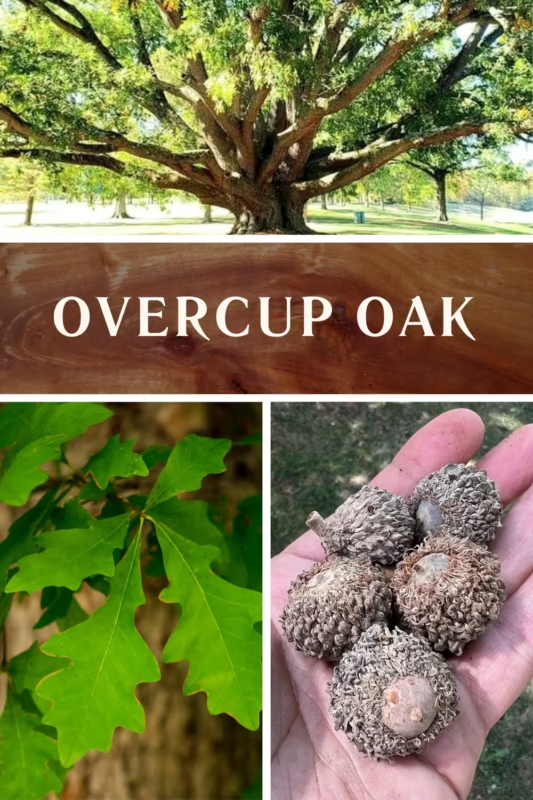
The fastest reliable overcup oak identification combines three traits: rounded leaf lobes, a pale leaf underside, and an oversized acorn cup enclosing most of the nut. Bark by itself isn’t distinctive enough for a confident identification.
Leaves
An overcup oak leaf is alternate, simple, and commonly 6–10 inches long. Most leaves have five to nine rounded lobes divided by irregular sinuses, creating the lyre-like outline behind the species name lyrata.
The upper surface feels firm and slightly leathery, while the underside appears gray-green or whitish and may feel softly fuzzy beneath a fingertip. The lobes lack sharp bristles, separating this white-group oak from water oak and scarlet oak.
Fall leaves usually turn yellow-brown or brown. A tree with pointed lobes and vivid red autumn foliage is more likely a red-group species than overcup oak.
Acorns and Overcup Name
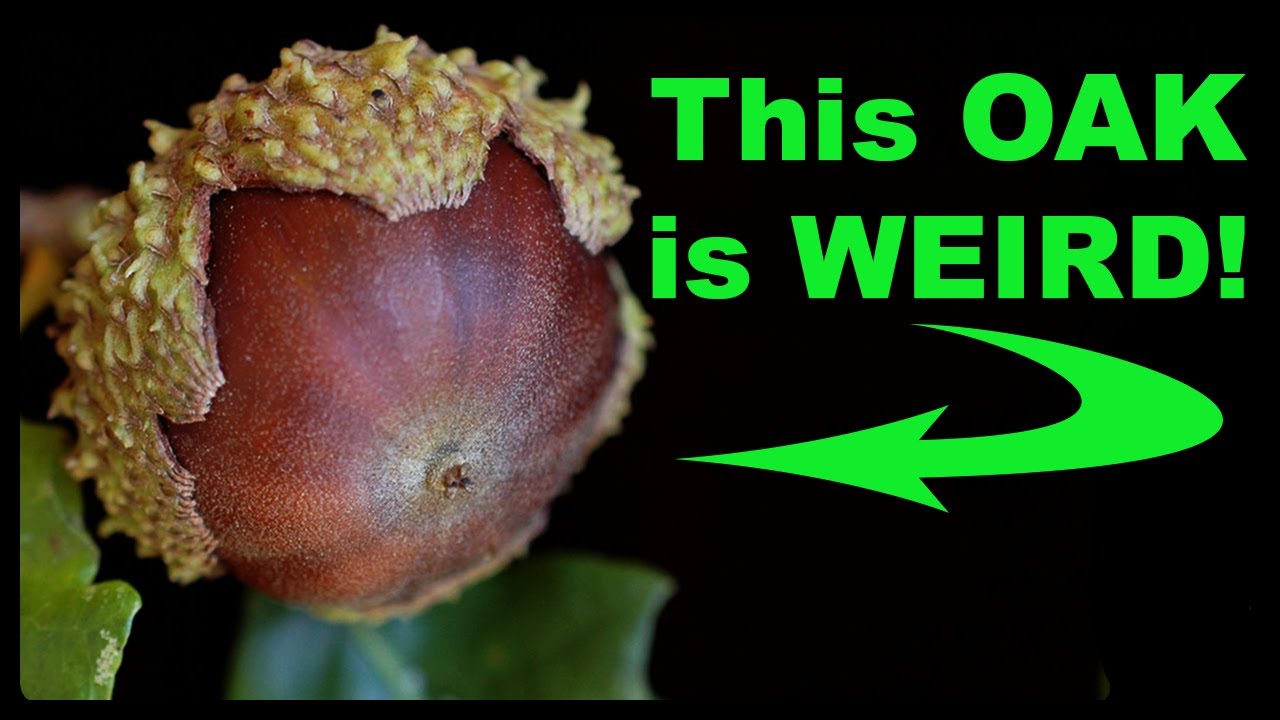
The overcup oak acorn sits inside a deep, thick, scaly cup that covers roughly two-thirds to nearly all of the nut. Often only a rounded tip remains visible, making the fruit look tucked inside a coarse wooden bowl.
This enclosing structure explains the common name. The acorns mature in one season and can float, allowing floodwater to carry them across bottomland sites before water recedes and oxygen returns to the seedbed.
Bark, Twigs, and Flowers. Young bark is gray and fairly smooth. Older bark becomes gray-brown with shallow furrows, irregular ridges, and flaky plates that feel rough under the palm; young gray-brown twigs may retain fine hairs.
Male flowers hang in slender spring catkins, while small female flowers occur separately on the same tree. They rely on wind rather than showy petals, so flowering can pass unnoticed beneath emerging leaves.
Mature Form. Young trees tend to look upright or pyramidal. With open space, an older tree develops a broad, rounded crown and heavy spreading limbs; forest-grown specimens usually carry a narrower crown above a longer clear trunk.
The NC State Extension Plant Toolbox provides supporting botanical details for leaves, fruit, bark, flowers, and mature habit. In the field, use multiple features because leaf shape changes between shaded shoots, vigorous sprouts, and mature crown branches.
Native Range, Habitat, and Uses
Overcup oak is native to floodplains and bottomlands of the central and southeastern United States. It provides wildlife food, floodplain cover, restoration value, and heavy white-group oak wood.
Geographic Range
The native range follows the Atlantic and Gulf coastal plains and the Mississippi River drainage. It reaches from parts of Delaware, Maryland, and Virginia through the Carolinas, Georgia, northern Florida, Alabama, Mississippi, Louisiana, eastern Texas, Arkansas, and southeastern Oklahoma, with extensions into the lower Midwest.
Overcup is one of the oak trees native to Georgia, but native status can vary at county scale near the edge of its distribution. Restoration buyers should check state flora records rather than treating a broad regional range map as proof of local origin.
Bottomland Habitat
Natural sites include river floodplains, shallow depressions, slough edges, low flats, and bottomland forests. Heavy alluvial clay can feel slick and greasy when wet, then harden into dense blocks during dry weather—conditions that exclude many less flood-tolerant oaks.
Common tree associates include water hickory, Nuttall oak, willow oak, water oak, bald cypress, sweetgum, green ash, and American elm. The USDA Forest Service Silvics describes its bottomland distribution, regeneration, hydrology, and timber characteristics.
Seasonal Flood Adaptation. Established overcup oak can withstand longer flooding than most eastern oaks because it is adapted to recurring low-oxygen periods. Flood tolerance still has a boundary: roots need aerated intervals, and permanent deep water can kill young and mature trees.
Acorns may travel in floodwater, yet germination and early root growth perform better after the water drops. This explains why successful seedlings often appear along receding margins rather than in the deepest, continuously flooded center.
Wildlife and Restoration. Acorns feed deer, wild turkey, squirrels, raccoons, small mammals, wood ducks, and other waterfowl. Mature crowns provide nesting structure, shade, leaf litter, cavities, and insect prey for birds.
For floodplain reforestation, plant stock matched to local hydrology and seed origin. Weed competition, deer browsing, rodents, beavers, and mowing damage can erase the species’ natural site advantage, so guards and marked maintenance lanes often matter more than buying taller seedlings.
Wood Uses. Overcup oak produces heavy, hard wood sold within the commercial white oak wood group. Uses can include lumber, flooring, furniture parts, interior products, and fuelwood.
Wet-site trees often develop knots, sweep, or other stem defects, reducing the yield of clear boards. Don’t assume every log suits watertight barrels; grade, anatomy, drying, processing, and buyer standards all affect end use.
Landscape Site Selection
Choose overcup oak for a large, sunny site with moist soil, periodic flooding, and room for a 35–60-foot crown. Avoid permanent pond water, narrow paved strips, overhead wires, dry compacted fill, and sites where heavy acorn litter creates a problem.
Suitable Landscape Uses
Suitable uses include large residential grounds, parks, campuses, riparian buffers, bottomland restoration, wildlife plantings, and stormwater basins that drain between rain events. This isn’t a compact tree for foundation beds or enclosed courtyards.
In a rain garden, place the tree on a broad upper shelf or basin edge where water rises and recedes. A low spot can look moist in spring yet bake dry in August, so check both wet-season depth and summer soil moisture before planting.
Light, Soil, and Moisture
Provide full sun, ideally six or more hours of direct light. Overcup oak handles moist clay, clay loam, alluvial deposits, poor drainage, and periodically saturated ground, but young transplants still need consistent moisture through their first one or two growing seasons.
Acidic to neutral soil is safer than strongly alkaline soil. Construction rubble, limestone base material, and concrete washout can raise pH enough to produce yellow leaves with green veins, even beside a wet basin.
Canopy Space and Litter. Allow for a crown potentially wider than 50 feet, lower limbs on open-grown trees, and roots spreading well past the branch tips. Local utility and street-tree rules should guide clearance from roads, buildings, pipes, and overhead lines.
Large acorns strike hard surfaces with a sharp clack and can roll underfoot. Keep the canopy away from steps, narrow walkways, frequently used patios, vehicle parking, and gutters if routine cleanup isn’t practical.
Sites to Avoid. Reject permanently submerged pond centers, tiny urban yards, narrow pavement cutouts, dry upland fill without irrigation, and strongly alkaline sites. A tree adapted to wet bottomlands can still decline in a deep, compacted planting pit that traps foul, stagnant water.
Planting and Establishment

Plant overcup oak with the root flare at or slightly above finished grade, in a hole wider but no deeper than the roots. Correct circling roots, backfill with native soil, apply 2–3 inches of mulch, and keep the young root zone evenly moist.
Selecting Healthy Stock
Confirm the label says Quercus lyrata. Inspect for a visible root flare, straight main stem, healthy bark, evenly distributed roots, and a moist root system without a sour or sewage-like smell.
A tall container tree isn’t automatically a better purchase. Slide off the pot where nursery policy permits; dense woody roots circling the outer wall signal a defect that height and foliage can hide.
Planting Method
- Locate the first major structural root and measure planting depth from that point, not from the top of excess potting mix.
- Dig a hole two to three times the root ball’s width but no deeper than the root system.
- Remove the container, twine, synthetic burlap, and as much wire basket as can be taken off without breaking the root ball.
- Cut or redirect woody circling roots before placing the tree.
- Set the root flare at or slightly above finished soil level.
- Backfill mainly with native soil and water slowly to close large air pockets.
- Spread 2–3 inches of mulch over the root zone while leaving several inches clear around the trunk.
The International Society of Arboriculture planting guide supports wide planting holes, correct flare placement, and restrained mulching. Avoid a heavily amended pocket, which can keep roots circling inside soft soil instead of entering surrounding clay.
Watering and Mulching. Water deeply after planting, then check the soil by hand rather than following a rigid calendar. Soil should feel cool and damp several inches down, not dusty, dripping, or sour-smelling.
During hot weather, a small bare-root seedling may dry faster than the wet-site label suggests. Mulch limits evaporation and turf competition, but mulch piled against the stem holds moisture on bark and hides gnawing rodents.
Soil Testing and Fertilizing. Don’t add high-nitrogen fertilizer automatically at planting. Test soil when pH is unknown, leaves turn pale, construction debris is present, or growth remains weak after irrigation and planting depth have been checked.
Fertilizer can’t correct buried roots, girdling roots, compacted subsoil, or prolonged submersion. Diagnose the physical cause before applying nutrients; forced shoot growth can outpace a damaged root system.
Structural Pruning. Train one dominant leader where the tree’s natural form permits it, then space major scaffold branches along the trunk. Remove competing leaders and weak unions gradually rather than stripping a large share of the canopy in one visit.
Temporary lower branches feed trunk growth and help produce taper. Shorten or remove them in stages once permanent scaffold positions become clear, using regional pruning dates where oak wilt occurs.
Problems and Failure Prevention
The most common overcup oak failures come from buried root flares, permanent standing water, defective nursery roots, alkaline soil, and pruning at unsafe times in oak-wilt regions. Most are site or planting problems, not failures of the species itself.
Planting Too Deeply
A buried root flare reduces oxygen near structural roots and encourages roots to circle the lower trunk. Warning signs include slow extension growth, a telephone-pole trunk entering the soil, sparse foliage, basal decay, and roots crossing against bark.
Remove excess soil until the first major roots are visible. If the root ball was set far below grade, professional lifting and replanting may be safer than excavating a deep bowl that collects water.
Permanent Water Damage
Seasonal flooding differs from permanent submersion. Established overcup oak tolerates long wet periods, but roots still need oxygen; newly transplanted roots are less able to cope with stagnant water than roots of a tree that developed naturally on the site.
Place trees above the permanent pool line in stormwater systems. If a planting hole stays full for days after nearby soil drains, break up compaction, move the site, or use a broad raised planting area rather than adding gravel to the hole.
Root-Bound Trees. Woody roots that circle a pot can tighten against the trunk years later. Shave dense fibrous container mats and prune major circling roots before planting; replacement is safer when correcting defects would remove much of the root system.
Iron Chlorosis. Yellow leaf tissue between green veins often points to iron becoming unavailable at high pH. Confirm soil pH, drainage, compaction, and root health before adding iron, since repeated treatments provide little lasting value if alkaline fill dominates the rooting area.
Common Pests and Diseases. Leaf blister, anthracnose, powdery mildew, leaf spots, galls, scales, and stress-related borers may occur. Cosmetic spots or galls on an otherwise vigorous mature tree rarely warrant spraying; repeated canopy thinning or branch dieback calls for diagnosis.
Oak Wilt Risk. Overcup oak belongs to the white oak group and often declines more slowly from oak wilt than red-group oaks, but it isn’t immune. Avoid unnecessary pruning during locally defined high-risk periods and follow state instructions for fresh wounds.
Pruning windows vary with climate and beetle activity. Consult a local forestry agency or the Texas Oak Wilt Partnership in affected Texas regions rather than relying on one national calendar.
Practical Notes From Real-World Use. A wet-looking site can still produce drought stress when shallow spring water disappears and dense clay cracks open in summer. Check moisture beyond the original root ball, since a nursery mix can feel wet while surrounding clay stays dry—or the reverse.
Freshly cut roots should look pale and firm, while dead roots often appear dark, soft, or hollow. A sour smell when the root ball is opened points to poor aeration; moving the tree to a slightly higher shelf is often more effective than adding fertilizer.
Overcup Oak vs. Similar Oaks
Overcup oak differs from similar oaks through its nearly enclosed acorn, rounded lobes, and strong association with seasonally flooded bottomlands. Fruit offers the clearest field distinction, since juvenile and shade-grown leaves can vary.
Swamp Chestnut Oak
Swamp chestnut oak (Quercus michauxii) favors rich, moist bottomlands with better aeration. Its large leaves have coarse rounded teeth rather than the deep, irregular lobes of overcup oak, and its acorn cup usually covers a smaller share of the nut.
| Species | Leaf clue | Acorn clue | Typical habitat |
|---|---|---|---|
| Overcup oak | Rounded, irregular or lyre-shaped lobes | Cup covers most of nut | Seasonally flooded bottomlands |
| Swamp chestnut oak | Large blade with coarse rounded teeth | Cup covers about one-third to one-half | Moist, fertile, better-aerated bottoms |
| Water oak | Variable, often spoon-shaped; bristle tips possible | Small nut in shallow cup | Moist lowlands and less saturated sites |
| Post oak | Thick, cross-shaped leaf | Shallow cup | Dry uplands |
| Scarlet oak | Pointed bristle-tipped lobes | Red-group acorn maturing in two seasons | Dry acidic ridges and uplands |
| Swamp white oak | Shallow lobes, white underside | Acorns on long stalks | Wet lowlands |
| Bur oak | Large leaf with deep middle sinuses | Fringed or mossy cup | Bottomlands, prairies, and uplands |
The two bottomland species aren’t interchangeable. Overcup suits longer seasonal inundation, while swamp chestnut oak tends to perform better in fertile ground that drains and aerates sooner.
Water Oak Quercus Nigra
Water oak Quercus nigra belongs to the red oak group. It has small acorns in shallow cups, fruit that matures over two seasons, and highly variable leaves that may be spoon-shaped, unlobed, or three-lobed.
Overcup oak grows more moderately and can be longer-lived, while water oak often grows faster and develops weaker structure. For further identification details, compare the water oak tree profile.
The difference between water oak and live oak also causes confusion, but neither should be identified by the word “water” alone. Live oak usually carries small leathery evergreen or semi-evergreen leaves, while water oak drops thinner, shape-variable leaves.
Post Oak. Post oak (Quercus stellata) occupies dry, sandy, rocky, or clay uplands. Its thick leaves commonly resemble a cross, and its shallow cup covers far less of the acorn; habitat is often the fastest separator.
Overcup oak is the wet-bottom choice, while post oak wood comes from a species adapted to drought and difficult upland soil. Moving either tree into the other’s typical hydrologic setting can reduce vigor.
Scarlet Oak. Scarlet oak (Quercus coccinea) has pointed, bristle-tipped lobes, deep C-shaped sinuses, and often brilliant red fall color. It belongs to the red oak group and favors dry, acidic uplands rather than flooded clay.
Its ornamental color can be attractive, but scarlet oak is a poor substitute for a wet basin. Overcup’s autumn display is subdued, yet its flood tolerance is far stronger.
Swamp White Oak. Swamp white oak (Quercus bicolor) has shallowly lobed or coarsely toothed leaves with strongly white undersides. Its acorns hang on relatively long stalks, and the cups don’t envelop the nuts as completely.
Both tolerate wet ground, so verify fruit stalk length, leaf form, and cup coverage. Common names such as “swamp oak” aren’t precise enough for nursery orders or restoration records.
Bur Oak. Bur oak (Quercus macrocarpa), also written burr oak, has a conspicuously fringed or mossy cup. Overcup oak has a deep enclosing cup without the same shaggy fringe and holds a stronger association with low floodplains.
Searches for bur oak tree Texas often lead to a different planting choice: bur oak can handle a wider mix of Texas bottomland, prairie, and upland conditions. Spacing bur oak trees still depends on the goal, but shade-tree plantings commonly need enough room for crowns 50 feet wide or more.
Buying Overcup Oak Seedlings
Buy an overcup oak seedling only after confirming mature space, soil pH, drainage pattern, botanical identity, and local suitability. Root quality and seed-source provenance matter more than height alone, particularly in restoration work.
Stock Formats and Provenance
Bare-root seedlings cost less to ship and often establish quickly when kept dormant, moist, and protected from weeds and animals. Their fine roots can dry in minutes in sun or wind, so keep them wrapped and plant immediately after unpacking.
Container stock offers a longer planting window and more immediate height, but circling roots are common. Regional seed sources are preferable for habitat projects because flood timing, winter cold, and growing-season length vary across the species’ broad range.
Available Live-Tree Formats
These live-tree formats include single young plants and multi-seedling packs for yards, naturalized sites, or restoration planting.

Overcup Oak Seedling Trio
- Includes three live Overcup oak seedlings
- Ideal for adding lasting shade to landscapes
- Tolerates moist and low-lying planting areas
- Strong oak growth for wildlife-friendly yards
- A resilient choice for long-term planting
 Buy on Amazon

Young Overcup Oak Tree
- One-year-old live Overcup oak plant
- Measures approximately 10 to 12 inches tall
- Great starter tree for gardens and landscapes
- Naturally suited to moist soil conditions
- Grows into a broad shade-providing oak
Buy on Amazon
Overcup Oak Seedling Set
- Includes ten live Overcup oak seedlings
- Ideal for larger landscaping and restoration projects
- Creates long-lasting shade for outdoor spaces
- Resilient oak variety suited to moist soils
- Provides valuable future wildlife habitat
Buy on Amazon
Confirm whether each tree arrives bare-root, potted, dormant, or actively leafed out. Online stock isn’t automatically local, and sellers may restrict shipment to certain states under agricultural rules.
Cost, Shipping, and Guarantees. Compare total delivered cost rather than the displayed plant price. Plant age, height, pot volume, pack size, shipping distance, dormancy, replacement terms, and seasonal handling all affect value.
Read what the guarantee covers and how quickly damage must be reported. Photograph the unopened box, packing, stems, and roots on arrival; this record helps with claims involving dry roots, broken leaders, mold, or incorrect quantities.
A dormant seedling may look lifeless but still have green tissue beneath a lightly scratched patch of bark. Don’t scrape around the full stem, since a complete ring can damage the living cambium.
Pack Size and Spacing. One tree suits most residential sites. Three-tree packs need room for separate mature crowns, while ten-tree sets make more sense for habitat planting, restoration, or projects where some early mortality is expected.
For open-grown shade trees, plan from the expected 35–60-foot crown rather than the seedling’s arrival size. Restoration spacing may be closer to encourage canopy closure, followed by natural mortality or later thinning; don’t crowd a residential planting merely because the trees came in one pack.
Protect small stock from deer, rabbits, rodents, string trimmers, and mowers. A ventilated guard should leave room for stem growth and remain visible above weeds; check ties each season before they rub into bark.
FAQs
What Are The Pros And Cons Of An Overcup Oak Tree?
An overcup oak is a tough, long-lived shade tree that tolerates wet soil, but it grows slowly and produces large acorns. Its broad canopy supports wildlife and provides valuable summer shade. However, its acorns can create yard cleanup, and the tree needs plenty of space as it matures.
How Can You Identify An Overcup Oak?
You can identify an overcup oak by its acorn cup, which covers most or nearly all of the nut. Its leaves have rounded lobes and a pale, slightly fuzzy underside. Mature trees also develop thick gray-brown bark with deep, blocky ridges, especially on the lower trunk.
How Big And How Fast Does An Overcup Oak Grow?
An overcup oak typically reaches 60 to 80 feet tall with a broad spread of 50 to 80 feet. It has a slow to moderate growth rate, often adding around 1 to 2 feet per year when young. Growth is best in full sun and consistently moist soil.
Can Overcup Oak Grow In Standing Water?
Overcup oak can grow in seasonal standing water and tolerates flooding better than many other oak species. It is well suited to low areas, floodplains, and heavy clay soil that stays wet after rain. However, permanently deep water can still limit root health and long-term growth.
What Is The Difference Between Overcup Oak And Swamp Chestnut Oak?
Overcup oak has rounded-lobed leaves and acorns that are almost enclosed by their cups, while swamp chestnut oak has toothed, chestnut-like leaves. Overcup oak usually handles longer flooding and wetter sites. Swamp chestnut oak prefers moist bottomland soil but generally performs better where drainage is slightly improved.
Affiliate Disclosure: Some links in this post are affiliate links. If you make a purchase through these links, we may earn a small commission at no extra cost to you. We only recommend products we genuinely believe in.