
Table of Contents
Bubinga wood is a dense African hardwood from the Guibourtia genus, known for reddish-brown color, dark veining, dramatic figure, and a Janka hardness of about 2,410 lbf. It’s prized for furniture, veneer, instruments, turning blanks, and handles, but buyers need to check price, drying quality, and CITES documentation before using it.
What Is Bubinga Wood?
Basic definition
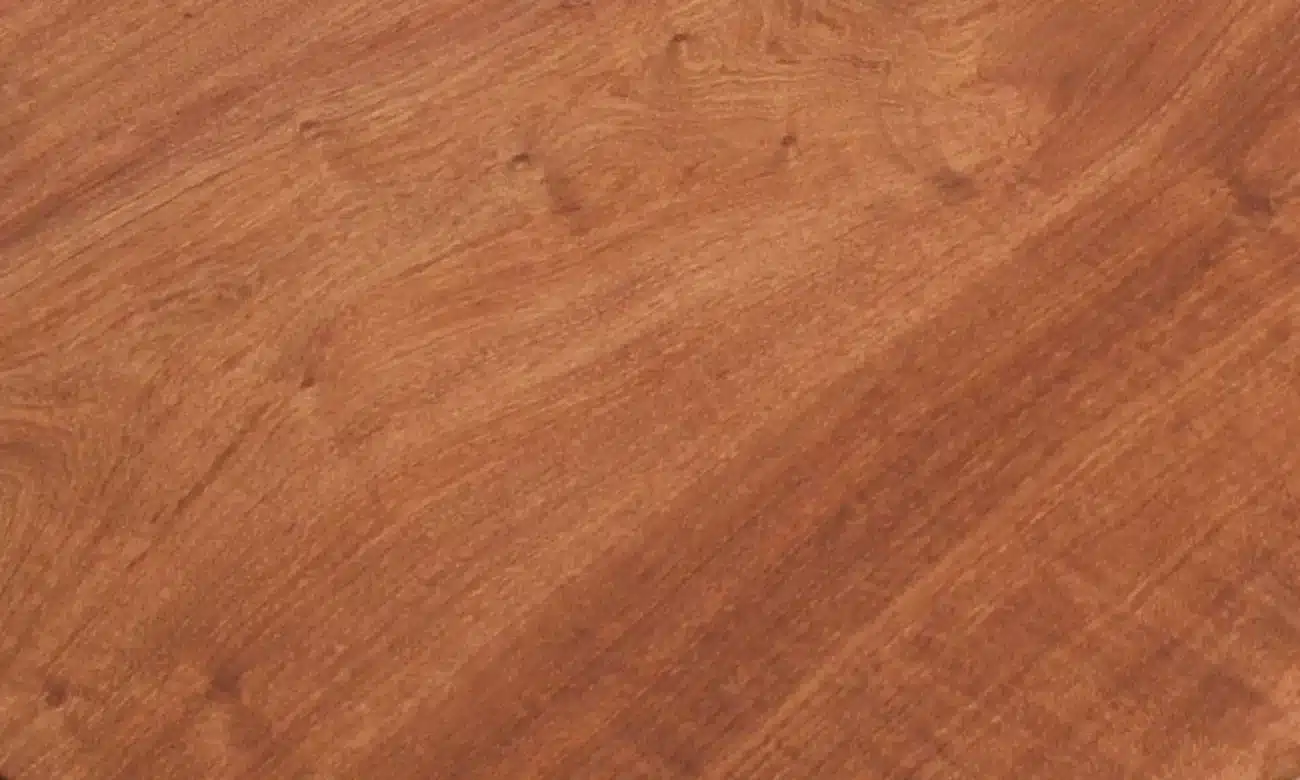
What is bubinga wood? Bubinga wood is a heavy, decorative hardwood from tropical Africa, sold for its deep red-brown heartwood, dark streaks, high hardness, and polished look. In hand, a dry board feels unusually dense for its size, and fresh sanding releases a warm, slightly spicy wood smell that’s stronger than walnut or maple.
African bubinga wood sits in the premium exotic hardwood group, beside woods such as African blackwood, wenge, padauk, and rosewood-like species. It’s used where appearance matters, but its weight, cost, and legal paperwork make it poor for casual bulk use.
Guibourtia species
Bubinga isn’t one tree; it’s a trade name applied to several Guibourtia species, mainly Guibourtia tessmannii, Guibourtia pellegriniana, and Guibourtia demeusei. Botanical references such as Plants of the World Online place Guibourtia in the Fabaceae family, which helps explain why suppliers may list slightly different scientific names for similar-looking boards.
Species ID matters because color, figure, density, and paperwork can vary by source. A beginner mistake is buying “bubinga” with no species or origin listed, then later finding it can’t be shipped across borders for a client, repair job, or resale project.
African rosewood names
African rosewood is a common market name for bubinga, but bubinga is not a true Dalbergia rosewood. It can look rosewood-like because of its red-brown heartwood and dark veining, yet it belongs to Guibourtia, while true rosewoods are usually Dalbergia species.
Trade names vary by region and dealer: kevazingo, essingang, waka, ovang, akume, and buvenga may appear on invoices or old lumber stacks. If you’re matching older furniture, bring a fresh-cut sample or high-quality photo, because oxidized bubinga can darken and look closer to rosewood than it did when first milled.
Native African range
Bubinga grows naturally in tropical Central and West Africa, with commercial supply historically linked to Cameroon, Gabon, Equatorial Guinea, the Republic of Congo, the Democratic Republic of Congo, and Nigeria. Large bubinga logs once made wide slabs and architectural veneer possible, but heavy harvest pressure has made clean, legal, wide stock harder to source.
Origin records help protect your project from legal and ethical problems. Ask for country of harvest, import history, and documentation before buying expensive boards, especially if you plan to sell the finished piece internationally.
Bubinga Appearance and Grain

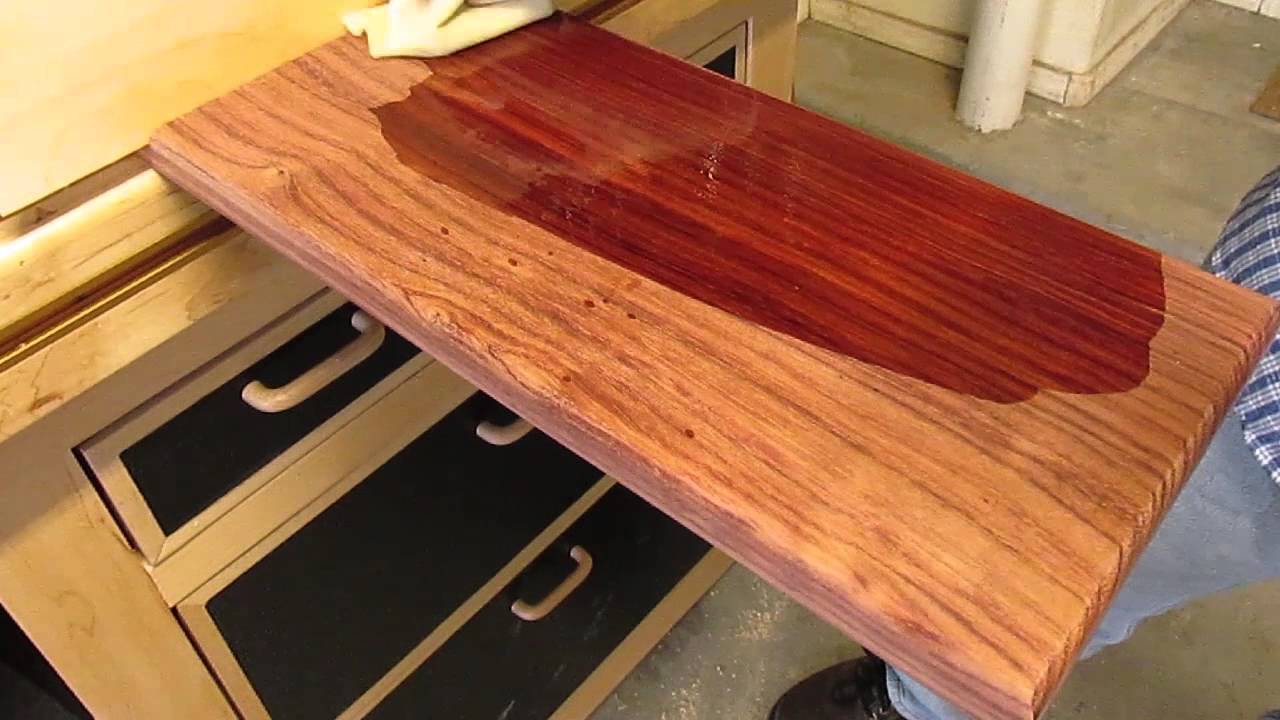
Bubinga’s appearance is the main reason woodworkers pay for it: the surface can shift from pinkish red to burgundy brown, crossed by black, purple, or dark brown lines. Under a clear finish, figured pieces can look deep and liquid, like the grain sits below glass rather than on the surface.
Color and veining
Bubinga wood color usually ranges from pink-red and reddish brown to darker purple-red heartwood. The pale sapwood can look yellowish or whitish, so furniture makers often cut it away or use it only where contrast is part of the design.
Dark veining gives bubinga its dramatic look, but it can also expose layout problems. On drawer fronts or cabinet doors, flip and rotate boards before cutting; mismatched streaks can make an expensive panel look accidental instead of planned.
Grain and texture
Bubinga wood grain may be straight, wavy, interlocked, or irregular. The texture is usually fine to medium, and a freshly scraped surface can feel slick and cool because the wood is so dense.
Interlocked grain creates shimmer, but it also causes tearout when blades lift fibers from opposing directions. A common beginner mistake is planing figured bubinga like oak; the cleaner workaround is a sharp carbide cutter, light passes, and a final card-scraper or sanding pass.
Waterfall bubinga
Waterfall bubinga shows long, cascading figure that looks like flowing vertical ribbons. It’s especially striking in veneer, where a single sheet can turn a cabinet door, jewelry box lid, or speaker face into the main visual feature.
Layout is unforgiving with waterfall figure because the eye follows the movement across a panel. Mark the “up” direction on every piece with painter’s tape before cutting, or the flow can reverse from one door to the next.
Pommele bubinga
Pommele bubinga has a blistered, bubble-like figure that can look almost three-dimensional. It often costs more than plain stock because the figure is less common and works best when sliced into veneer.
Pommele veneer needs careful adhesive control because glue ridges can telegraph through thin sheets. Use a flat caul, even pressure, and a stable substrate rather than trying to force a wavy sheet flat with random clamps.
Curly and quilted figure
Curly bubinga shows tight ripples, while quilted or flamed bubinga has broader waves and rolling light bands. These figures can make small knife scales, pen blanks, and box lids look more valuable than their size suggests.
Figured stock burns more easily during routing and sanding because dense grain holds heat. Keep bits clean, reduce feed hesitation, and move through grits without jumping from coarse scratches straight to finish sanding.
Bubinga Hardness and Properties

Bubinga hardness is one of its defining traits: bubinga has a Janka hardness of about 2,410 lbf, making it harder than walnut, cherry, red oak, white oak, and hard maple. That hardness gives it a premium feel and excellent wear resistance, but it also increases tool wear and makes pre-drilling smart.
Janka hardness
Bubinga Janka hardness is commonly listed around 2,410 lbf, or 10,720 N, according to species data compiled by The Wood Database. In shop terms, it resists dents well, but it also makes hand-sanding slower and can turn a dull blade into a burn mark fast.
| Property | Typical bubinga value | What it means in use |
|---|---|---|
| Janka hardness | About 2,410 lbf | High dent resistance; harder machining |
| Average dried weight | About 56 lb/ft³ / 890 kg/m³ | Heavy furniture parts and solid feel |
| Specific gravity | About 0.72 basic / 0.89 at 12% MC | Dense stock that holds crisp detail |
| Modulus of rupture | About 24,410 lbf/in² | Strong bending performance |
| Elastic modulus | About 2,670,000 lbf/in² | Stiff material for stable parts |
| Crushing strength | About 10,990 lbf/in² | Good strength for handles and chair parts |
| Shrinkage | Radial 6.3%, tangential 8.4%, volumetric 13.7% | Needs drying and acclimation before precision work |
Density and weight
Bubinga is heavy, averaging about 56 lb/ft³ when dry. A wide tabletop looks impressive, but the weight can strain bases, hinges, drawer slides, and wall fasteners if you design it like a lighter domestic hardwood.
Weight changes choices for instruments and furniture. For a guitar, bass body, cabinet door, or large drawer front, veneer over a stable core can give the bubinga look without making the object tiring to hold or hard to install.
Strength data
Bubinga strength is high, with listed values around 24,410 lbf/in² for modulus of rupture and 10,990 lbf/in² for crushing strength. That makes it useful for durable handles, turned parts, chair components, and furniture accents where density is a benefit.
Strength isn’t enough to skip good joinery. Dense hardwoods can split at screw holes and glue lines if the surface is burnished, so fresh milling, pilot holes, and proper clamp pressure matter more than brute force.
Durability and stability
Bubinga durability is rated durable to very durable in many indoor uses, especially where wear resistance matters. It’s better suited to furniture, cabinetry, veneer, handles, and instruments than constant outdoor exposure.
Stability depends on drying quality and acclimation. Thick stock can move after resawing, so let boards rest between milling steps and seal fresh end grain if the shop air is dry enough to make checks open overnight.
Bubinga vs similar woods
Bubinga beats walnut in hardness and density, while walnut wins for easier machining and lower weight. Compared with padauk wood, bubinga is usually darker, less orange, and more rosewood-like.
Mahogany feels lighter and cuts more easily, while bubinga feels heavier, harder, and more dramatic. Wenge is darker and more splinter-prone, so bubinga is often the warmer choice when the design needs red-brown color rather than near-black contrast.
Common Bubinga Wood Uses
Fine furniture
Bubinga furniture works best when the wood is treated as a feature material, not filler. It’s used for table tops, desks, cabinet fronts, drawer faces, chair accents, and show panels where its color and figure can justify the cost.
Design around weight before cutting. A thick solid bubinga slab can feel luxurious, but a veneered panel or thinner solid edge band often gives a better result for large doors and casework; see our guide to the types of hardwood for lighter alternatives.
Cabinetry and panels
Cabinetry uses often favor bubinga veneer over solid stock because panels stay flatter and cost less. Bookmatched veneer can make two doors mirror each other, while slip-matched sheets create a calmer, repeating flow.
Panel balance matters with veneer. Apply compatible veneer or backing on both faces of a panel, or one decorated side can pull the substrate into a cup as glue and humidity change.
Musical instruments
Bubinga guitar wood has been used for guitar backs and sides, bass bodies, drum shells, veneers, and decorative laminates. Builders like its density, hard surface, and dramatic figure, but its weight and CITES paperwork have pushed many shops toward easier-to-source woods.
Instrument makers often reserve bubinga for backs, sides, caps, or accents instead of full heavy bodies. For tonewood comparisons, woods like mahogany wood give a lighter, more traditional feel.
Turning and handles
Bubinga turning blanks are popular for pens, bottle stoppers, tool handles, knobs, and small bowls because the wood polishes cleanly. On the lathe, sharp tools make the cut feel crisp, while dull tools create heat, dust, and a faint scorched smell.
Handles benefit from bubinga’s density and grip-friendly polish. Knife scales, tool handles, and drawer pulls look high-end, but pre-drill hardware holes and ease sharp edges so the hard corners don’t feel harsh in use.
Boxes and inlays
Small projects are one of the smartest uses for bubinga because a little figure goes a long way. Jewelry boxes, inlays, lids, trim strips, and pen parts let you use premium stock without paying for large boards.
Thin parts split if you force them during assembly. Cut inlay strips slightly oversize, sand to fit, and use a glue method that doesn’t swell the surrounding wood enough to lock the part before it seats.
Bubinga Wood Veneer Guide
What veneer is
Bubinga wood veneer is a thin slice of bubinga applied to MDF, plywood, particleboard, or a stable wood core. It gives the visual impact of African bubinga wood while using less rare material and adding less weight.
Veneer is practical for wide surfaces because solid bubinga can be heavy, costly, and harder to source legally. The best results come from flat substrates, clean glue spread, and steady pressure across the full sheet.
Veneer cuts
Flat-cut veneer shows cathedral grain, quarter-cut veneer gives straighter lines, and rotary-cut veneer can show broad movement. Each cut changes the mood of the panel, so choose the cut before choosing the finish.
- Flat cut: best for bold furniture faces and natural cathedral grain.
- Quarter cut: best for formal panels, doors, and straight visual rhythm.
- Rotary cut: best for broad figure and dramatic decorative sheets.
- Paper-backed veneer: easier for small shops and curved work.
- Raw veneer: thinner, more traditional, and less forgiving during glue-up.
Figured veneer types
Figured bubinga veneer includes waterfall, pommele, curly, quilted, and flamed looks. Waterfall sheets create long flowing lines, while pommele sheets show tight blistered shapes that catch light from many angles.
Matching affects value more than many beginners expect. Bookmatched sheets look formal and symmetrical; slip-matched sheets look more continuous; random matching can work for small boxes but often looks busy on large doors.
Common veneer applications
Bubinga veneer is common on cabinet doors, furniture panels, speaker cabinets, jewelry boxes, wall panels, tabletops, instrument accents, and decorative inlays. It’s a good choice when you need beautiful wood grain across a broad surface without the weight of solid lumber.
Edge treatment decides whether veneer looks convincing. Use solid bubinga edging, dark-toned hardwood edging, or a clean shadow line so the thin veneer layer doesn’t look exposed or cheap.
Veneer product example
For small accents, a waterfall bubinga veneer sheet can be easier to manage than a full lumber order.

Bubinga Waterfall Veneer
- Decorative bubinga veneer with a striking waterfall look
- covers 3 square feet for small accent projects
- adds rich color and natural grain detail
- perfect for furniture, boxes, and inlays
- lightweight sheet is easy to cut and apply
 Buy on Amazon
Bubinga Wood Price and Buying Tips
Why bubinga costs more
Bubinga wood price runs high because the wood is imported, dense, slow to dry, visually prized, and tied to regulated trade. Figured boards, wide slabs, and documented old stock can cost far more than plain narrow pieces.
Price also reflects waste. Dense exotic boards with checks, sapwood, or internal stress may lose more usable material during milling, so the cheapest board can become the most expensive one after defects are cut away.
Lumber price factors
Bubinga lumber may be sold by board foot, by individual board, as craft stock, as slabs, or as turning blanks. Thickness, width, figure, moisture content, defects, country of origin, and paperwork all affect the final cost.
Wide figured boards sit at the top of the price range because they combine rarity, visual demand, and drying risk. If you only need a decorative face, veneer can be the smarter buy than thick solid lumber.
Veneer price factors
Bubinga veneer price depends on square footage, backing type, sheet size, figure, matching, and whether the veneer is raw, paper-backed, or pre-glued. Waterfall and pommele veneer often cost more than plain straight-grain sheets.
Backed veneer costs more per square foot, but it saves frustration for small shops because it resists cracking and handles easier. Raw veneer gives a thinner, classic result but needs better glue technique and flatter cauls.
Buying checklist
Before buying bubinga, ask questions that protect both your project and your budget. This is especially useful for online orders, where photos can hide checks, twist, sapwood, or mismatched color.
- Ask which Guibourtia species is being sold.
- Ask for country of origin and legal import history.
- Confirm whether CITES documents are available if needed.
- Check kiln-dried status and moisture content.
- Look for end checks, cracks, twist, and sapwood.
- Confirm whether the stock is plain, waterfall, pommele, curly, or quilted.
- For veneer, check backing type, sheet size, and matching method.
- For turning blanks, check waxed ends, grain direction, and defects.
Craft stock examples
Small bubinga stock is often the easiest way to try the wood before buying larger boards.

Bubinga Craft Board
- Solid bubinga hardwood for woodworking and crafts
- unfinished surface for easy sanding and finishing
- great for scroll saw, laser engraving, and DIY projects
- dense exotic wood with rich color and grain
- one piece sized for versatile small builds
Buy on Amazon

Bubinga Turning Blanks Set
- Six bubinga blanks for multiple turning projects
- square stock is ideal for pens, spindles, and small crafts
- dense hardwood helps create smooth, polished finishes
- consistent size makes planning easier
- great choice for beginners and experienced turners
Buy on Amazon

Bubinga Knife Scales
- Exotic bubinga scales for custom knife making
- rich grain adds a premium handmade look
- durable hardwood stands up well to shaping and finishing
- ideal for fixed blades, folders, and repairs
- a great choice for makers who want standout handles
Buy on Amazon
Turning blank examples
Turning blanks let you use bubinga for pens, handles, spindles, and small parts without paying for oversized lumber.
Bubinga Turning Blanks Set
- Six bubinga blanks for multiple turning projects
- square stock is ideal for pens, spindles, and small crafts
- dense hardwood helps create smooth, polished finishes
- consistent size makes planning easier
- great choice for beginners and experienced turners
Buy on Amazon

Bubinga Turning Blanks
- Two kiln-dried bubinga blanks for dependable turning
- precision cut for easier shaping and better symmetry
- hard exotic wood delivers a refined finish
- great for spindles, handles, and craft parts
- compact size suits a wide range of small projects
Buy on Amazon

Extra Long Bubinga Blank
- Single long bubinga blank for larger turning projects
- 1-1/2 inch square stock offers plenty of material
- unfinished hardwood is ready for custom shaping
- dense wood supports smooth cuts and fine detail
- ideal for furniture parts, handles, and specialty crafts
Buy on Amazon
Legality, CITES, and Sustainability
CITES Appendix II
Bubinga CITES status matters because key Guibourtia species used in trade were added to CITES Appendix II in 2017. The CITES Appendices regulate international trade to reduce unsustainable harvest, especially for logs, sawn wood, veneer sheets, and plywood.
Appendix II does not mean every bubinga board is banned. It means cross-border trade may require export permits, species records, origin documents, and proof that the material was legally harvested.
Is bubinga illegal?
Bubinga isn’t automatically illegal to own, use, or work, especially if it was already legally imported. The risk rises when undocumented material is bought, sold commercially, or shipped across national borders.
For hobby woodworkers, the key issue is legal sourcing, not fear of the wood itself. Keep receipts, supplier emails, labels, and import notes with the project file if the finished item may be sold later.
Required documentation
Documentation may include species identification, country of origin, export permits, import records, chain-of-custody paperwork, and proof of legal harvest. Requirements change by country and product type, so verify before shipping bubinga internationally.
Finished products can be treated differently from raw lumber in some jurisdictions, but don’t assume a completed box, instrument, or knife handle is exempt. Border agencies care about species, form, paperwork, and destination rules.
Responsible sourcing
Responsible sourcing means buying from dealers who can explain species, origin, import status, and drying quality. Reclaimed bubinga, documented old stock, and certified material are better choices than mystery boards with no paper trail.
Low-price warnings include vague species names, no origin, no invoice, wet stock, and sellers who dismiss CITES questions. For other dense exotic options and trade-offs, compare bubinga with wenge wood and related hardwoods before buying.
Sustainable project choices
Use bubinga selectively where its beauty, hardness, and figure matter. Veneer panels, small turned objects, knife scales, inlays, instrument accents, and fine furniture details use less material than thick solid builds.
Waste less material by planning cuts around defects, saving offcuts for inlays, and choosing veneer for large decorative faces. If a domestic hardwood would perform the same hidden structural job, save bubinga for visible parts.
Working and Finishing Bubinga
Cutting and machining
Bubinga machines well with sharp tools, but its density and interlocked grain punish dull edges. Carbide blades, clean router bits, light passes, and backing boards reduce tearout and chip-out.
Listen while cutting: a clean pass sounds steady and smooth, while a dull cutter makes a harsher pitch and leaves warm brown dust with burnished streaks. If the surface smells scorched, stop and sharpen rather than sanding deeper burns later.
Turning bubinga blanks

Turning bubinga can produce a glassy surface, but only if the blank is dry, stable, and cut with sharp tools. Roughing cuts should be light, especially where the grain reverses or figure runs through the blank.
Beginner turners often press too hard with dull tools, which creates heat checks and torn grain. A sharper gouge, slower feed, and patient sanding through 180, 220, 320, and 400 grit usually gives a cleaner finish.
Gluing and fastening
Bubinga glues reliably when surfaces are freshly planed or sanded and dust is removed. Dense wood can be over-clamped, squeezing out too much glue and leaving a starved joint, so use firm, even pressure rather than crushing force.
Pre-drilling is smart for screws, hinges, threaded inserts, and knife scale pins. Bubinga’s hardness can snap small screws or split thin parts if you skip pilot holes and countersinks.
Sanding and finishing
Finishing bubinga wood usually works best with clear finishes that deepen color and highlight figure. Oil, Danish oil, tung oil, shellac, lacquer, and polyurethane can all work, while heavy stain often muddies the red and purple tones.
Sand evenly and test finish on an offcut first. For high-gloss furniture, use grain filler and inspect under raking light; missed swirl marks show clearly once lacquer or polyurethane builds a reflective surface.
Dust and safety
Bubinga dust can irritate skin, eyes, and lungs in sensitive users. Use dust extraction, eye protection, and a respirator during sanding or routing; workplace guidance from OSHA wood dust explains why fine wood particles deserve serious control.
Watch your body after sanding: itchy forearms, watery eyes, tight breathing, or a scratchy throat are warning signs. Wash dust off exposed skin and change clothes after heavy sanding instead of carrying fine red dust into your car or house.
Common downsides
Bubinga problems include high cost, heavy weight, CITES paperwork, tool wear, tearout, dust irritation, and possible movement in poorly dried stock. The workaround is to buy documented dry material, use bubinga where it shows, and switch to veneer or smaller blanks when solid lumber creates more problems than value.
Practical shop notes: mark grain direction before milling, let resawn pieces rest, pre-drill every fastener, and keep offcuts for test finishes. Bubinga rewards patient work with a deep, polished surface, but rushed machining can turn expensive wood into chipped edges and dusty frustration.
FAQs
What Is Bubinga Wood Used For?
Bubinga wood is used for furniture, cabinetry, musical instruments, turning projects, and decorative veneers. Its rich color and striking grain make it popular anywhere a high-end look is wanted. It is also favored for durable items that need strength and a polished finish.
Is Bubinga Wood Illegal To Buy?
Bubinga wood is not generally illegal to buy, but it is regulated in some forms and regions. In many places, legally sourced bubinga can still be purchased from reputable sellers. Always check local laws and make sure the wood was harvested and traded legally.
How Hard Is Bubinga Wood On The Janka Scale?
Bubinga wood is very hard, with a Janka hardness typically around 2,000 to 2,400 lbf depending on the species. That makes it tougher than many common hardwoods and well suited for demanding applications. It can be challenging to cut and machine, so sharp tools work best.
Why Is Bubinga Wood So Expensive?
Bubinga wood is expensive because it is beautiful, dense, and often imported from limited sources. Its strong demand for furniture, instruments, and fine woodworking also raises the price. Supply restrictions and transportation costs can make it even more costly.
Is Bubinga The Same As Rosewood?
No, bubinga is not the same as rosewood. They are different woods, though both are prized for their rich appearance and are sometimes used in similar projects. Bubinga belongs to a different species group and has its own grain, color, and working characteristics.
Affiliate Disclosure: Some links in this post are affiliate links. If you make a purchase through these links, we may earn a small commission at no extra cost to you. We only recommend products we genuinely believe in.