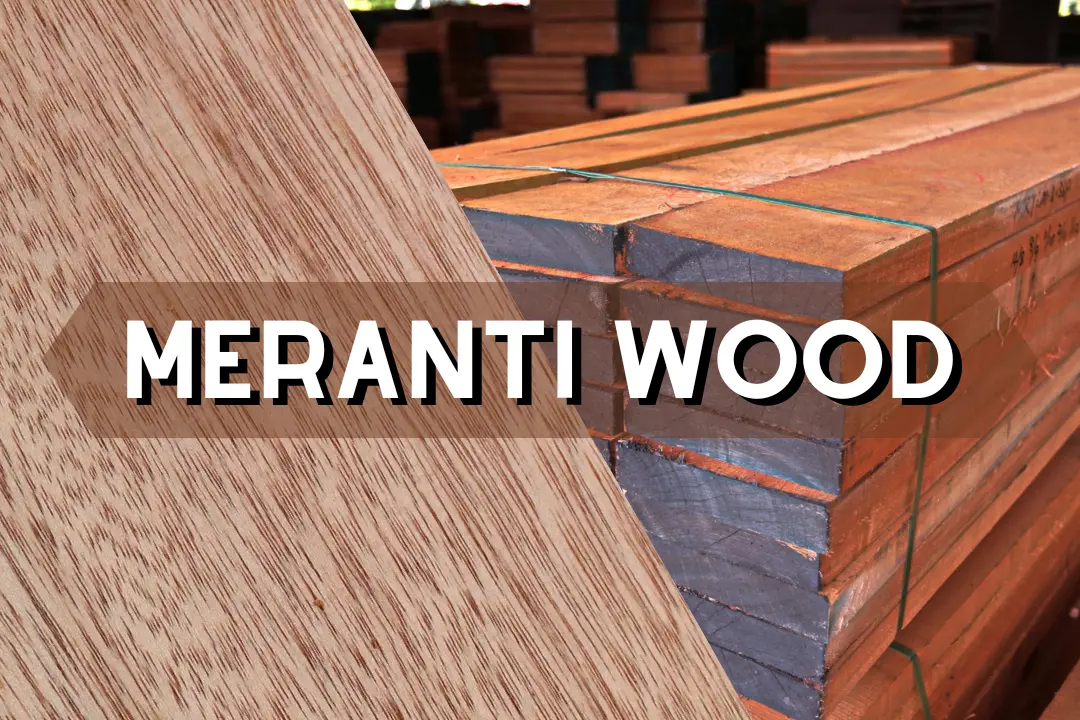

Meranti wood is a tropical hardwood trade name for many Shorea species, commonly used for plywood, doors, windows, furniture, veneer, joinery, boatbuilding panels, and some guitars. It’s real hardwood, but its strength, color, weight, and outdoor durability change a lot by type, grade, drying quality, and source.
Table of Contents
What Is Meranti Wood?
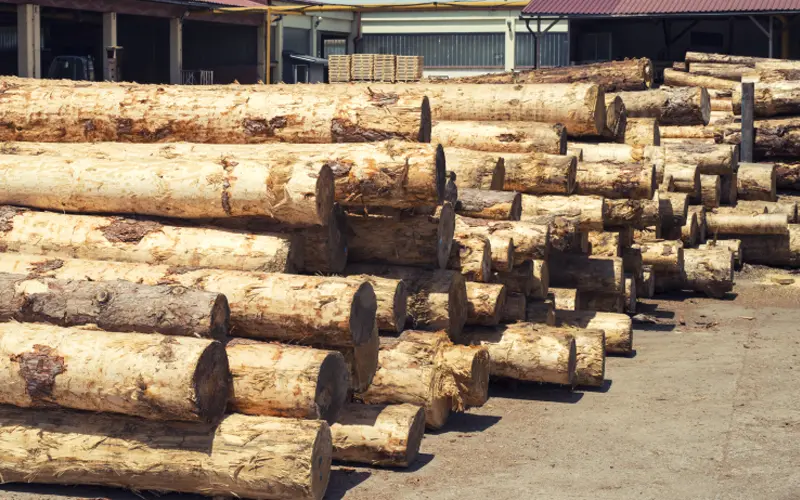
Meranti wood is not one single tree species; it’s a commercial grouping for many Shorea hardwoods in the Dipterocarpaceae family. That grouping matters because a pale, lightweight meranti board and a dense dark red meranti board can feel like different materials under the saw, with different weight, hardness, and moisture behavior; the plant group is documented by Plants of the World Online.
Shorea Tropical Hardwood
Shorea trees grow in tropical forests and produce timber sold under trade names such as meranti, lauan, luan, and Philippine mahogany. In the shop, the boards often have open pores, a faint spicy-resin smell when freshly cut, and a slightly gritty feel in the dust when silica is present.
Hardwood or Softwood
Meranti is hardwood botanically because it comes from broadleaf trees, not conifers. That doesn’t mean every meranti board is hard in daily use; light red meranti can dent more like a soft utility hardwood, while dark red meranti feels closer to genuine mahogany under a fingernail test.
Real Wood or Lauan
Meranti is real wood, but “lauan” or “luan” is often used loosely for thin plywood and underlayment panels linked to Shorea species. If you’re comparing sheet goods, read our guide to luan plywood because retail labels can hide large differences in veneer thickness, core quality, and glue type.
Southeast Asian Origins
Southeast Asian hardwood sources include Malaysia, Indonesia, the Philippines, Brunei, Thailand, Borneo, Papua New Guinea, and nearby regions. Since many markets import meranti, shipping, documentation, moisture content, and certification often affect quality just as much as the wood name printed on the invoice.
Meranti Wood Types
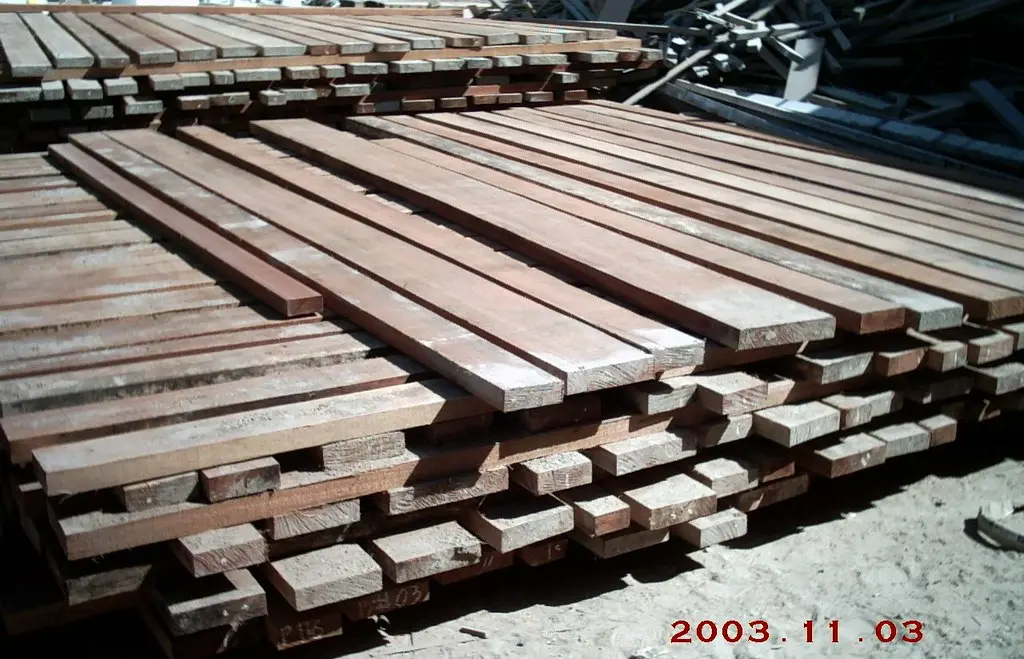
Meranti types are usually grouped by color and density: light red, dark red, white, yellow, and lauan-style plywood grades. Beginners often buy by color alone, but the better move is to ask for species group, grade, moisture content, intended use, and whether it’s solid lumber, veneer, or plywood.
Light Red Meranti
Light red meranti usually runs pale pink, salmon red, or light reddish brown and is lighter and softer than dark red meranti. It’s common in plywood, veneer, moulding, furniture parts, and interior joinery, but it needs careful sealing if used near humidity swings or exterior exposure.
Dark Red Meranti Wood
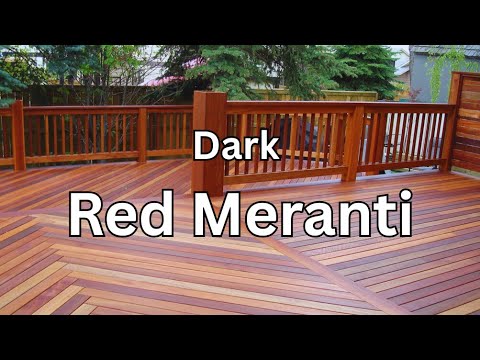
Dark red meranti wood is usually denser, darker, and stronger, with medium reddish brown, dark red brown, or occasional purple-brown tones. It machines well for doors, windows, furniture, cabinet parts, and marine plywood faces, yet interlocked grain can tear if you plane against the figure.
White Meranti
White meranti tends to look pale yellowish or whitish brown, and its density can vary from batch to batch. Don’t assume it will behave like red meranti; test offcuts for screw holding, finish absorption, and edge splintering before using it for visible joinery.
Yellow Meranti
Yellow meranti often shows yellow to golden-brown color and may be heavier than some light red meranti stock. It appears in plywood, utility work, interior trim, and general construction components, but durability still depends on species, grade, drying, and finish.
Lauan and Philippine Mahogany
Lauan is not mahogany in the true Swietenia sense, and Philippine mahogany is a trade name rather than a botanical match. For a deeper look at label confusion, compare our separate guide to luan wood before buying thin panels or imported trim.
Meranti Wood Properties

Meranti wood properties range from light and soft to moderately heavy and mahogany-like, depending on the Shorea group. The most useful buying figures are density, Janka hardness, shrinkage, grain direction, moisture content, and whether the stock is kiln-dried; common reference values are listed by The Wood Database.
| Property | Light Red Meranti | Dark Red Meranti Wood | Practical Meaning |
|---|---|---|---|
| Average dried weight | About 34 lb/ft³ / 545 kg/m³ | About 40 lb/ft³ / 640 kg/m³ | Dark red stock feels heavier in hand and usually holds up better in joinery |
| Janka hardness | About 550 lbf / 2,460 N | About 800 lbf / 3,570 N | Light red dents more easily; dark red approaches genuine mahogany range |
| Typical use | Interior panels, veneer, moulding | Doors, windows, furniture, marine plywood | Match the group to wear, moisture, and load |
| Outdoor caution | Needs strong protection | Still needs sealing | Neither type is raw-waterproof |
Color and Grain
Meranti color can be pale pink, light red, reddish brown, dark red brown, yellowish brown, or brown with subtle ribbon figure. The grain is usually straight to interlocked with medium to coarse texture, so a clear finish can look warm and open-pored unless you fill the grain first.
Density and Weight
Meranti density affects machining, screw holding, dent resistance, and how heavy a finished door or guitar body feels. A dark red board often has a firmer, lower-pitched tap than a light red board, which can feel airy and easier to bruise along sharp edges.
Janka Hardness
Meranti Janka hardness is roughly 550 lbf for light red meranti and 800 lbf for dark red meranti, while red oak is around 1,290 lbf and hard maple is around 1,450 lbf. That makes meranti fine for doors, windows, furniture, and trim, but a poor pick for heavy-wear flooring or shop countertops.
Strength and Stability
Dark red meranti often shows bending strength around 11,600 psi, elastic modulus near 1.6 million psi, and crushing strength around 6,000 psi, while light red meranti is a bit lower. Kiln-dried stock is the safer choice for furniture, windows, doors, and guitars because wet boards can twist after milling.
Shrinkage and Movement
Meranti movement is moderate when properly dried, with dark red meranti often cited near 3.2% radial, 6.6% tangential, and 10.5% volumetric shrinkage. Poor storage still causes cupping and checking, so sticker boards flat, keep them off concrete, and let them acclimate before final milling.
Workability and Finishing
Meranti workability is usually good: it saws, routs, sands, glues, stains, paints, oils, and varnishes without much fight. The common mistakes are using dull knives on interlocked grain, skipping pre-drilling near board ends, and leaving end grain unsealed; sharp carbide cutters, light planer passes, backing boards, and grain filler solve most problems.
Is Meranti a Good Wood?
Yes, meranti is good wood for plywood, interior furniture, doors, windows, veneer, moulding, cabinets, joinery, and protected outdoor furniture. It’s not the best wood for ground contact, unsealed weather exposure, cutting boards, high-wear floors, or premium exterior decking.
Best Uses
Best meranti uses include painted millwork, stained doors, window frames, cabinet components, patio furniture under cover, furniture panels, veneer, and marine plywood that will be fully sealed. Dark red meranti is the better pick when a part needs more strength, better screw holding, or a richer mahogany-like look.
Uses to Avoid
Avoid meranti for ground-contact posts, wet planter boxes without liners, shower benches, butcher blocks, exposed decking, and floors that will take constant grit from shoes. If you must use it outdoors, design the piece so water drains quickly and no joint traps damp dirt.
Meranti Wood Pros
- Attractive color: reddish-brown tones can mimic mahogany-like furniture at a lower cost.
- Good machining: it cuts, routs, sands, and profiles well with sharp tools.
- Finish friendly: stain, paint, oil, varnish, lacquer, and polyurethane work well after prep.
- Useful formats: it’s widely sold as plywood, veneer, solid lumber, trim, and furniture parts.
- Moderate strength: dark red meranti gives a practical strength-to-weight balance for joinery.
Meranti Wood Cons
Meranti disadvantages include variable durability, no natural waterproofing, possible insect-prone sapwood, open grain that may need filling, and interlocked grain that can tear out. Some boards also contain silica, so blades may lose their crisp bite faster than expected and leave fuzzy edges instead of clean shavings.
Durability and Exterior Use
Meranti outdoor use works best in protected or maintained settings, not constant wet exposure. Meranti marine plywood is water-resistant as a panel system, not because raw meranti wood is waterproof; recognized marine panel standards such as BS 1088 focus on panel construction, veneers, and glue quality.
Natural Rot Resistance
Meranti durability ranges from non-durable to moderately durable depending on species group, with dark red meranti usually outperforming light red meranti. Sapwood is the weak point because termites, powder-post beetles, fungi, and moisture attack it faster than sealed heartwood.
Is Meranti Waterproof
Meranti is not waterproof in raw form. It can handle damp service only when dried correctly, sealed on all faces, protected with exterior oil, paint, spar varnish, epoxy, or sealant, and kept away from standing water.
Outdoor Furniture Care
Outdoor meranti furniture needs finish maintenance every 6–12 months in harsh sun and rain, with longer intervals on a covered porch. The surface tells you when it’s ready: oil stops beading, the warm red tone turns chalky, and the end grain feels rough instead of sealed and waxy.
Marine Plywood Misconception
Marine plywood is often misunderstood as waterproof wood, which leads beginners to leave edges raw. The professional workaround is simple: seal every cut edge, screw hole, and exposed face with epoxy or marine coating before water can reach the core.
BS 1088 Panels
BS 1088 panels are worth checking when a project involves boats, exterior cabinetry, or wet service. Look for low core voids, even veneer plies, exterior or marine glue, clean faces, and paperwork that matches the product stamp rather than relying on a salesperson’s “marine grade” claim.
Common Meranti Wood Uses
Common meranti uses include plywood, veneer, doors, windows, furniture, moulding, trim, cabinets, joinery, and boatbuilding panels. The wood earns its place because it’s workable, available in large sheets, easier to machine than very dense tropical hardwoods, and attractive under stain or paint.
Plywood and Veneer
Meranti plywood appears in marine panels, utility panels, cabinet backs, furniture panels, door skins, underlayment, and decorative veneer. Thin lauan-style panels can vary wildly, so inspect the edge for core gaps, uneven plies, and paper-thin face veneer before you build anything visible.
Doors and Windows
Meranti doors and window frames are common because dark red meranti machines cleanly, holds paint well, and moves moderately when dry. This is why “fensterholz meranti” searches often relate to window timber, where stable stock and full finish coverage matter more than raw hardness.
Furniture and Joinery
Meranti furniture can work indoors or outdoors when the design respects its limits. Use larger glue areas, pre-drill screws near ends, avoid thin unsupported legs in soft stock, and seal underside surfaces that beginners often leave raw.
Moulding and Trim
Meranti trim is useful for baseboards, door casings, skirting, paneling, and moulding because it profiles well and takes paint smoothly. If the grain lifts after primer, sand lightly with 220 grit, reprime, and avoid flooding end grain with water-based products.
Boatbuilding Plywood
Boatbuilding meranti is usually plywood rather than solid lumber. Builders value it for large panels, good strength-to-weight ratio, and workable cost, but every panel still needs sealed edges, coated faces, and fastener holes protected from water intrusion.
Meranti Wood for Guitar

Meranti wood for guitar can be a practical choice for affordable and midrange instruments, especially electric bodies, some necks, acoustic backs, sides, and laminated parts. It isn’t true mahogany, but a well-built meranti guitar can sound and play better than a poorly built guitar made from a famous tonewood.
Tonewood Suitability
Meranti tonewood is often described as warm, balanced, and midrange-focused, but the species group and drying quality affect consistency. A dry, stable blank rings more clearly when tapped, while wet or poorly seasoned stock can feel dull, heavy, and slightly cold to the hand.
Electric Guitar Bodies
Meranti guitar bodies can work well because electric tone depends heavily on pickups, bridge type, scale length, neck construction, strings, electronics, and amplifier. Beginners often blame the body wood first, but poor fretwork, unstable neck relief, cheap pickups, and bad setup usually cause bigger problems.
Acoustic Back and Sides
Acoustic meranti back and sides can support a balanced voice, especially in laminated builds. The acoustic soundboard, bracing, body size, bridge mass, and build quality usually shape tone more than the back-and-side species name alone.
Meranti vs Mahogany Guitar
Meranti vs mahogany comparisons can mislead because true mahogany refers to Swietenia, African mahogany refers to Khaya, and meranti belongs to Shorea. If you’re comparing tonewood families, our guides to mahogany wood, African mahogany, and okoume wood help separate trade names from real material differences.
Build Quality Factors
Build quality matters more than the name on a spec sheet. Check neck stability, fret ends, nut slots, bridge fit, finish thickness, body weight, and resonance before judging meranti against nato, basswood, agathis, okoume, sapele, or mahogany.
Comparisons, Buying, and Sustainability
Buying meranti means comparing it with mahogany, teak, pine, oak, sapele, and certified plywood options, then checking source paperwork. Sustainability claims need proof because Shorea forests have faced logging pressure; certification systems such as FSC standards give buyers a cleaner way to verify chain of custody.
Meranti vs Mahogany
Meranti is not mahogany, even if it’s sold as Philippine mahogany. It shares reddish color and good workability, but true mahogany usually has finer texture, stronger prestige in high-end furniture and instruments, and more predictable expectations across boards.
Meranti vs Teak
Teak beats meranti for exposed outdoor durability because teak has natural oils and better decay resistance. Meranti costs less in many markets and works well under cover, but it needs more coating, cleaning, and seasonal care; compare outdoor durability in our teak wood guide.
Meranti vs Pine
Meranti vs pine depends on budget and use. Pine is lighter, often cheaper, and easy to source locally, while meranti usually stains better, feels more stable in joinery, and resists dents better when you choose dark red stock.
Meranti vs Oak
Oak is harder and better for flooring, stair treads, tabletops, and high-wear surfaces. Meranti is lighter, easier to machine, and often easier to paint, but it won’t match oak’s dent resistance or bold grain texture.
Meranti vs Sapele
Sapele is denser, harder, and usually more decorative than meranti, with ribbon figure prized in guitars, veneer, and fine furniture. Meranti is the more practical utility choice for plywood, trim, and cost-controlled joinery; see our sapele lumber guide for the finer comparison.
| Wood | Best Advantage | Where Meranti Wins | Where Meranti Loses |
|---|---|---|---|
| Mahogany | Fine furniture reputation and stable workability | Often lower cost and wider plywood availability | Less prestige and more variability |
| Teak | Outdoor durability | Lower cost and easier painted joinery | Needs more exterior maintenance |
| Pine | Low cost and easy sourcing | Better stained appearance and harder dark red grades | Usually imported and heavier |
| Oak | Wear resistance | Easier machining and lighter weight | Too soft for many flooring uses |
| Sapele | Decorative figure and tonewood appeal | More common in utility panels and trim | Less decorative and less hard |
Meranti Wood Price
Meranti wood price often sits above common construction softwoods and below premium tropical hardwoods such as teak, ipe, and high-grade mahogany. Solid meranti lumber may run about $5–$12+ per board foot, while marine-grade meranti plywood can range roughly $60–$300+ per 4×8 sheet depending on thickness, grade, certification, and shipping.
Plywood Buying Checklist
Buy meranti plywood by inspecting the actual sheet, not just the label. Hold one corner and sight down the panel for warp, smell for sour dampness, check the edge for voids, and run your palm lightly over the face to feel raised grain, patches, or sanding dips.
- Confirm type: light red, dark red, white, yellow, lauan, or mixed tropical hardwood.
- Check construction: solid lumber, veneer, utility plywood, exterior plywood, or marine plywood.
- Ask moisture content: indoor furniture and joinery often perform best around 6–10%, depending on climate.
- Read the stamp: look for BS 1088 or a recognized exterior/marine standard when water exposure matters.
- Inspect edges: reject panels with large voids, delamination, crushed corners, or loose face veneer.
- Verify source: ask for FSC, PEFC, MTCS, or legal sourcing paperwork when buying imported stock.
FSC, PEFC, MTCS
Certified meranti can be a responsible choice when the supplier can show chain-of-custody documents. FSC, PEFC, and MTCS labels are useful, but beginners make the mistake of accepting a logo on a brochure; ask whether the exact order, batch, or invoice carries certification.
Legal Sourcing
Legal meranti should come with country of origin, species group, supplier identity, and compliance records where needed. U.S. buyers should know the Lacey Act, European buyers should know timber due-diligence rules, and U.K. buyers should know UKTR-style documentation expectations.
RevolutionPly Life Cycle Analysis
RevolutionPly life cycle searches usually come from buyers comparing lauan-style underlayment with alternative plywood panels. If you’re evaluating RevolutionPly or similar panels, compare the published life cycle analysis, adhesive type, veneer source, emissions data, and end-use rating against the moisture demands of the project rather than assuming all thin tropical panels are equal.
Meranti Furniture Examples
Meranti furniture is common in patio chairs, folding tables, display shelves, benches, and side tables because the wood is workable, warm-looking, and light enough to move. With the wood basics covered, these examples show where meranti often appears in practical outdoor furniture.

Classic Foldable Patio Chairs
- Made from durable meranti wood
- folds for easy storage and transport
- teak oil finish adds warm style
- comfortable for patios and decks
- set of 2 for instant seating
 Buy on Amazon

Folding Patio Table with Umbrella Hole
- Foldable design saves space when not in use
- umbrella hole adds shade-ready convenience
- octagon shape works well for outdoor dining
- teak finish brings a classic look
- great for gatherings on the patio
Buy on Amazon

3-Tier Garden Display Shelf
- Three tiers create roomy display space
- ideal for plants, decor, and garden accents
- meranti wood offers natural outdoor appeal
- teak oil finish enhances durability and style
- compact design fits patios, porches, and balconies
Buy on Amazon

Farmhouse Wood Bench
- Versatile bench for indoor or outdoor use
- walnut stain adds a rich farmhouse feel
- sturdy meranti wood construction
- works in entryways, patios, and gardens
- roomy 46 inch size offers comfortable seating
Buy on Amazon

Adirondack Side Table
- Handy 20 inch size works beside any chair
- umbrella hole adds extra outdoor convenience
- perfect for drinks, books, and balcony essentials
- meranti wood offers durable everyday use
- teak oil finish gives a timeless look
Buy on Amazon
Outdoor Product Maintenance
Practical notes from real-world use: meranti patio furniture lasts longer when you keep it off wet grass, cover it during long rain, and re-oil before the surface turns gray and thirsty. Pay special attention to the feet, underside, screw holes, and end grain because those spots soak up water first and often fail before the visible top surfaces.
Teak Oil Caveat
Teak oil finish does not mean the furniture is teak, and it doesn’t give meranti teak-level rot resistance. Treat it as a maintenance coating: clean the wood, let it dry fully, sand lightly if fibers rise, oil thinly, wipe off excess, and never leave oily rags crumpled because they can heat up and catch fire.
FAQs
What Is Meranti Wood Used For?
Meranti wood is commonly used for furniture, cabinets, interior trim, doors, windows, and general construction. It is also popular for plywood, veneers, and joinery because it is easy to work with and has an attractive grain. Some types are used outdoors when properly treated and protected.
Is Meranti A Hardwood Or Softwood?
Meranti is a hardwood. It comes from tropical hardwood trees in the Shorea genus, even though some varieties are lighter and easier to cut than many other hardwoods. That makes it a practical choice for both decorative and structural uses.
Is Meranti Wood Waterproof?
No, meranti wood is not naturally waterproof. It can handle moisture better than some woods, but it still needs sealing, finishing, or treatment for wet or outdoor use. Proper maintenance is important if you want it to last in humid conditions.
Is Meranti The Same As Mahogany?
No, meranti is not the same as mahogany, but it is sometimes sold as a mahogany substitute. Both can look similar and are used in furniture and joinery, which is why they are often compared. True mahogany usually has a different botanical origin and is typically more expensive.
Is Meranti Good For Guitars?
Yes, meranti can be good for guitars, especially for budget-friendly models and some body or neck parts. It offers decent stability and works well with basic finishing. Higher-end builders may prefer tonewoods with more consistent sound and appearance, depending on the instrument design.
Affiliate Disclosure: Some links in this post are affiliate links. If you make a purchase through these links, we may earn a small commission at no extra cost to you. We only recommend products we genuinely believe in.