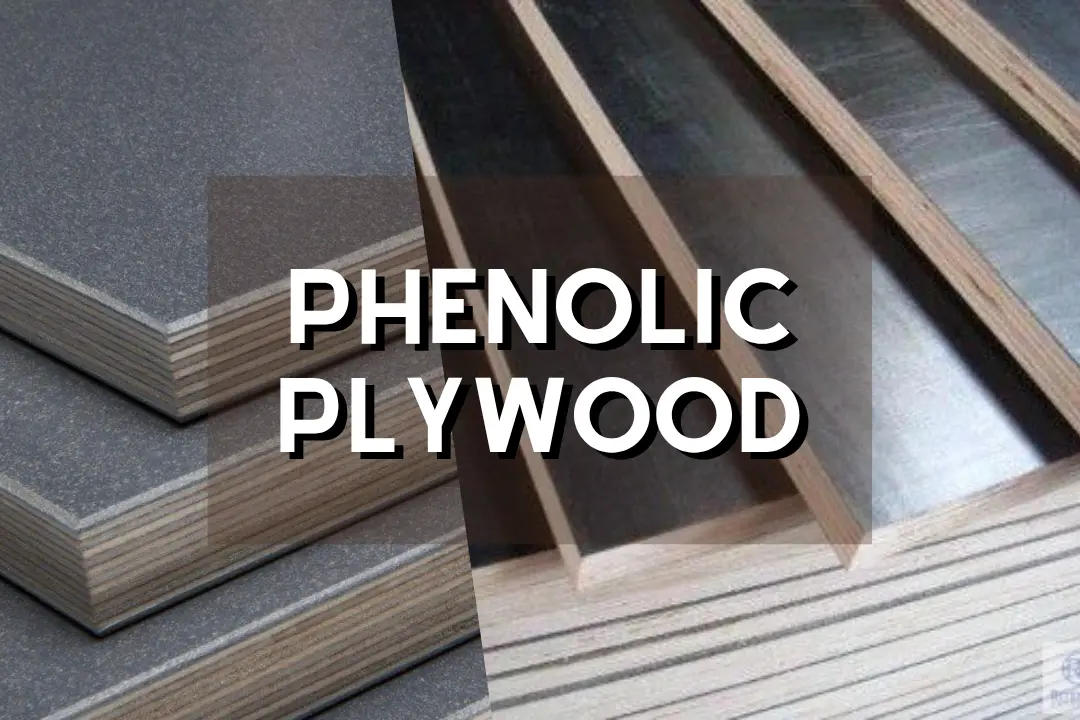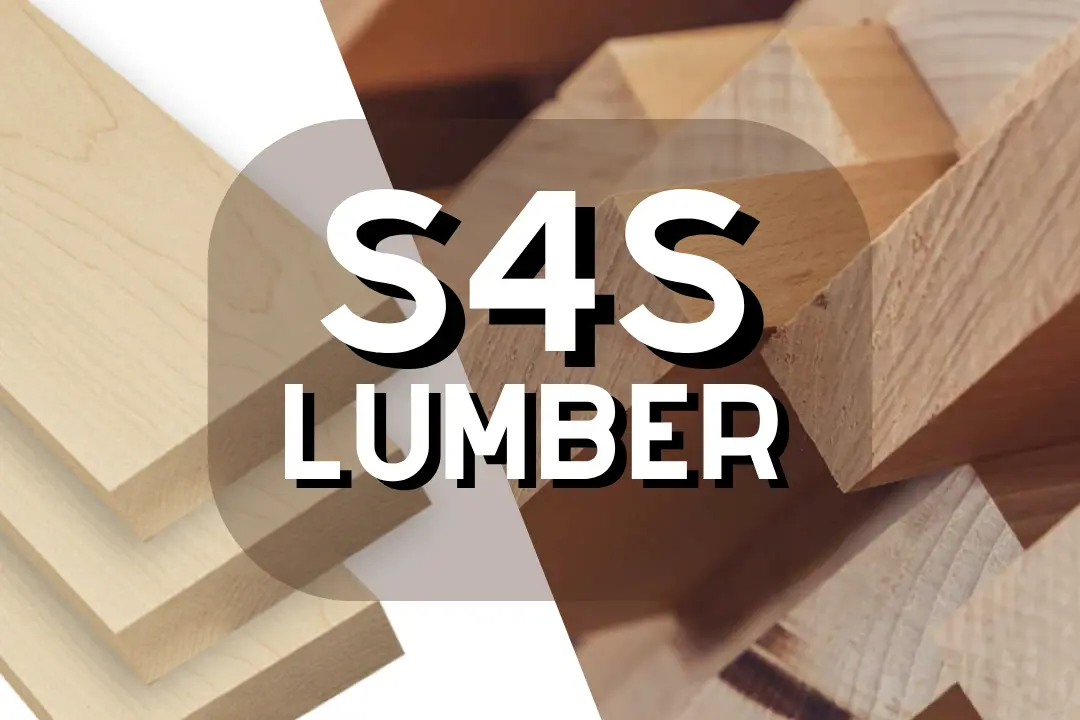


Luan wood, more accurately called lauan, is a trade name for several Southeast Asian hardwoods, especially Shorea species; in stores, it usually means lightweight plywood with a thin tropical hardwood face. It isn’t one tree species, true mahogany, structural plywood, or waterproof by default.
This guide explains how luan wood sheets are built, where they work, why thin panels fail, what they cost, and which alternatives suit flooring, cabinetry, curves, crafts, RVs, and marine projects.
Table of Contents
What Is Luan Wood?
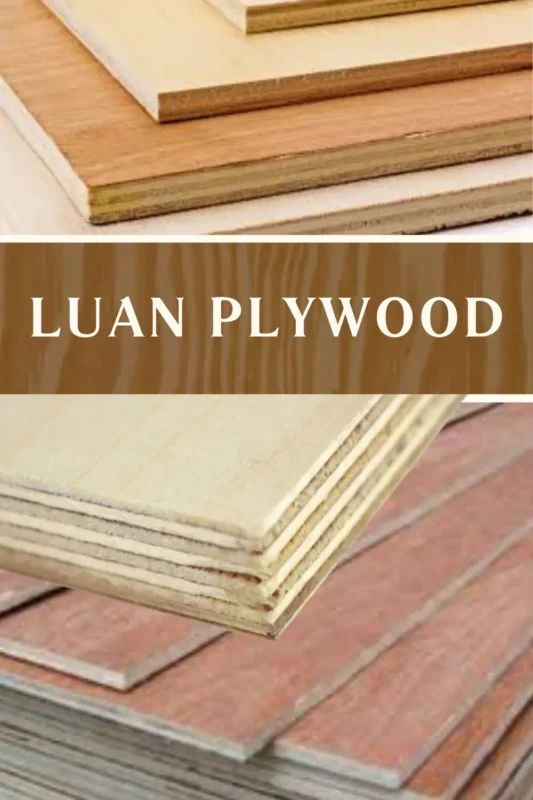
Luan is a trade name, not a precise species or panel grade. It can identify solid tropical hardwood, but North American retailers usually use it for thin, nonstructural plywood sold as paneling, door skin, or utility board.
Direct Luan Definition
What is luan wood? It’s wood associated with several Southeast Asian species, often within the genus Shorea, or plywood faced with veneer from that commercial group. A rack label reading “luan” doesn’t confirm the core species, adhesive, strength, or exposure rating; see this deeper guide to luan plywood for panel-focused details.
Luan, Lauan, and Meranti
Lauan is the established spelling; luan is common retail shorthand. Meranti and seraya are related commercial names covering several Shorea groups, including light red, dark red, white, and yellow meranti. These color groups aren’t uniform species, so grain, density, and durability vary; our meranti wood guide explains those differences.
Philippine Mahogany Explained
Philippine mahogany is a historical marketing term rather than a botanical match for true mahogany. Shorea belongs to Dipterocarpaceae, while true mahoganies such as Swietenia belong to Meliaceae. Compare the color, grain, and identity of true mahogany before treating the names as substitutes.
Solid Lauan Versus Plywood
Solid lauan lumber has properties tied to its species and growing conditions. Luan plywood gains stability from cross-laminated veneers, yet its performance depends on every ply, glue line, void, and defect. A reddish Shorea face may cover mixed tropical hardwood cores, so solid-wood hardness data can’t predict sheet stiffness.
What the Label Means
A luan label describes appearance or trade family more often than certified performance. It doesn’t prove that a panel is structural, exterior-bonded, marine-grade, fire-rated, or approved for flooring. Read the manufacturer’s stamp and intended-use statement rather than trusting a handwritten shelf tag.
Luan Wood Sheets and Panel Construction

Luan wood panels usually contain an odd number of cross-laminated veneer layers, which reduces directional movement. Thin construction keeps weight low but leaves little material for screws, impact resistance, sanding, or hiding core defects.
Actual Thickness and Sizes
A full sheet commonly measures 4 by 8 feet, covering 32 square feet. Project panels also come in 2-by-4-foot and 2-by-2-foot sizes. Nominal dimensions often differ from measurements taken with calipers, a problem when replacing an RV wall skin or fitting a cabinet groove.
| Retail category | Typical actual thickness | Common uses | Main caution |
|---|---|---|---|
| 1/8-inch nominal | 2.7–3.2 mm | Door skins, models, wall coverings | Dents and pulls through fasteners |
| 1/4-inch class | 5–6 mm | Paneling, cabinet backs, curved work | May not measure 0.250 inch |
| 3/8 to 3/4 inch | Product-dependent | Furniture parts and specialty panels | Grade and core quality vary |
Measure every batch rather than designing from nominal labels. The guide to plywood dimensions covers other common size tolerances.
Veneers, Plies, and Cores
Cross-grain plies resist the seasonal movement seen in solid boards, but a three-ply utility sheet can still flex and crack. Inspect edges for open voids, overlapping veneers, glue-starved areas, and separated layers. More plies often improve uniformity, though ply count alone doesn’t establish quality.
Faces, Grain, and Appearance
Faces range from pale tan and pinkish brown to deep red-brown. Grain may look straight from a distance yet feel slightly woolly after sanding because interlocked fibers lift in opposing directions. Patches, glue marks, sand-through, and color bands become much more visible under stain than paint.
Density, Hardness, and Strength
Commercial Shorea groups span roughly 400–700 kg/m³, while reported Janka values range from about 400 to 1,000 lbf. Those broad figures describe solid wood, not rated plywood capacity. The USDA Wood Handbook explains how species, moisture, grain, and panel construction affect wood behavior.
Moisture and Fastener Limits
Standard interior luan isn’t waterproof. Wet edges feel soft and slightly raised before veneers blister or peel, and shallow screws can strip with little warning. Carry loads through the panel into studs, framing, backing blocks, or a thicker substrate.
Luan Wood Uses, Benefits, and Limitations
Luan works best as a lightweight interior skin, decorative cover, template, or lightly loaded component. It performs poorly where standing water, concentrated loads, tight screw connections, or code-rated structural capacity govern the design.
Wall and Ceiling Paneling
Luan wood paneling covers basements, utility rooms, mobile homes, stage sets, and vintage interiors quickly. Since a thin face mirrors bumps and framing lines, flatten the substrate first. Keep it away from damp masonry, and repair condensation or leaks before closing the wall.
Doors and Cabinet Components
Thin luan makes a practical hollow-core door skin, cabinet back, dust panel, or supported drawer bottom. Wide drawer bottoms sag when the groove is shallow or contents are heavy. Match actual thickness and grain direction during repairs, then clamp the skin against a flat caul while the adhesive cures.
Furniture and Curved Projects
Use luan for templates, decorative dividers, broad curves, and laminated furniture skins. Don’t use thin sheets as chair legs, rails, or unsupported shelves. For curved laminations, several thin layers glued over a form resist springback better than one thicker sheet forced past its safe radius.
RV and Boat Interiors
Low weight makes luan useful for RV wall repairs and dry boat interiors. Pull damaged insulation, dry the framing, and stop the leak before fitting new sheets. Generic luan must never replace structural marine plywood simply because both products have reddish tropical faces.
Crafts, Models, and Lasers
Thin sheets suit ornaments, signs, architectural models, and routing templates. Laser cuts can leave uneven dark char where dense veneers, glue lines, or voids interrupt the beam. Test a corner, verify the adhesive is safe for laser use, and exhaust smoke outdoors.
Conditional Flooring Underlayment
Luan can go beneath resilient flooring only when the exact panel is approved by both flooring and underlayment manufacturers. Generic utility sheets can develop swollen edges, visible seams, pulled fasteners, or adhesive staining. An unapproved panel may also void the flooring warranty.
Benefits and Trade-Offs
- Benefits: low weight, broad sheet coverage, easy cutting, moderate bendability, and a paintable real-wood face.
- Trade-offs: inconsistent species, thin veneers, limited screw holding, variable cores, and weak moisture tolerance.
- Best fit: dry, nonstructural interior work with continuous backing.
- Poor fit: exterior sheathing, wet floors, structural decks, fire-rated assemblies, and unsupported loads.
Common Panel Failures
Practical shop failures include splintered saw exits, crushed faces under nail heads, bubbles over glue-starved cores, visible seams, stain blotches, and delamination after leaks. A beginner often drives fasteners harder to flatten a bowed sheet; that masks damage briefly, then leaves dimples or cracks. Reject twisted panels and use a flat substrate instead.
Choosing and Buying Luan Wood Sheets
Choose luan by documented panel performance, not color or shelf name. Confirm actual thickness, intended use, bond rating, face quality, emissions compliance, core condition, and source before comparing prices.
Labels, Ratings, and Approvals
Look for the manufacturer, product code, thickness, interior or exterior bond, structural designation, flooring approval, and emissions documentation. A decorative face doesn’t create a rated panel. Review plywood grades before substituting luan for a specified product.
Edge Quality and Flatness
Sight down both dimensions and reject severe bow, twist, bubbles, or curled panel edges. Count plies and inspect the edge under strong side light. Small dark lines may be harmless glue lines; open cavities that catch a fingernail can weaken curved, visible, or floor-related work.
Matching Panels to Environments
Standard utility luan suits dry interior skins. Humid rooms need a suitable bond plus sealed faces and edges; outdoor work needs exterior-grade plywood. Boat structures, floors, and wall bracing each require products carrying the relevant approval.
Price Ranges and Cost Factors
Useful U.S. budgeting ranges for a 4-by-8-foot sheet are $15–$30 for thin utility panels, $20–$40 for many 1/4-inch-class panels, and $35–$70 or more for thicker or higher-grade tropical hardwood plywood. Region, freight, veneer quality, certification, core construction, and bond type change the total.
Price-Per-Square-Foot Comparisons
A 4-by-8 sheet contains 32 square feet. Divide its sheet price by 32: a $24 panel costs $0.75 per square foot, while a $40 panel costs $1.25. Compare equal actual thicknesses, grades, face quality, and ratings, then add delivery and waste.
Retail Names and Availability
Search for luan wood sheets, lauan plywood, tropical hardwood utility panel, door-skin plywood, meranti plywood, thin hardwood plywood, or hardwood underlayment. Stock has declined in some regions, and two products sold as “sheets of luan” may have different faces, cores, and approved uses.
Indoor Air Quality Compliance
For indoor installation, check for TSCA Title VI or CARB Phase 2 documentation. Emissions come mainly from adhesives and coatings rather than the name luan. The EPA composite wood standards explain federal formaldehyde requirements.
Responsible Tropical Wood Sourcing
The trade name can’t confirm species, harvest legality, or conservation status. Ask for FSC or PEFC chain-of-custody records, country of origin, and species information. Shorea includes many species with different risks, so broad claims that all luan is sustainable or unsustainable lack useful detail.
Cutting, Finishing, and Installing Luan

Clean luan work depends on sharp cutting tools, full support, restrained fasteners, compatible adhesive, controlled moisture, and light finishing passes. The face veneer can be thin enough to sand through before a deep scratch disappears.
Splinter-Free Sawing
Use a fine-tooth carbide blade and support the sheet close to the cut. Score visible faces with a knife and apply painter’s tape over fragile grain. Place the show face down with most handheld circular saws and face up on a table saw, since splintering often occurs where teeth exit.
Drilling and Fastening
Pre-drill near edges, keep fasteners back from corners, and stop before heads crush the face. For loaded connections, drive through luan into solid backing material. Brads, staples, adhesive, or washers spread force better than isolated screws in a 3 mm panel.
Bending and Acclimation
Store sheets flat in the installation room until temperature and humidity stabilize. Bend a scrap slowly over the actual form; faint dry crackling sounds signal veneer stress. Grain direction, ply layout, moisture, and defects all affect radius, so no universal minimum bend applies.
Painting Luan Wood Paneling
Wash away grease and smoke residue, scuff lightly, fill defects, and apply a bonding or stain-blocking primer. Two thin topcoats produce a flatter finish than one heavy coat. Test first because dark glue bleed and reddish extractives can shadow through pale paint.
Staining and Edge Sealing
Stain often turns patchy where species, veneer density, and sanding vary. Test scraps and use conditioner or sanding sealer if the sample looks blotchy. Coat cut edges and, where practical, both faces to reduce uneven moisture uptake; sealing doesn’t convert interior glue into an exterior bond.
Substrate and Moisture Preparation
Check walls and ceilings for active leaks, mold, soft framing, and condensation before covering them. Thin paneling follows every ridge and hollow, so scrape high spots and fill deep damage. Never trap damp insulation behind an RV or basement wall skin.
Adhesives, Seams, and Movement
Use panel adhesive compatible with the substrate, finish, foam, and membrane. Follow the maker’s bead pattern and joint spacing; too much adhesive can leave visible ridges. Battens or trim hide minor seasonal seam movement better than rigid filler between large panels.
Dust and Fire Safety
Wear eye and hearing protection, connect dust extraction, and use a fitted particulate respirator where exposure warrants it. Tropical hardwood dust may irritate or sensitize skin and airways. Plywood is combustible material; don’t burn scraps, and use tested products where a flame-spread or fire rating applies.
Luan Compared With Other Panels
No substitute wins every comparison. Choose by load, moisture, finish, bend radius, machining accuracy, weight, certification, and panel size rather than matching thickness alone.
Luan Versus Construction Plywood
Luan is usually thinner, lighter, smoother, and intended for nonstructural work. Construction plywood carries grade and span information for sheathing, subfloors, or roofs. Generic luan can’t replace rated structural plywood, regardless of how firmly it feels attached.
Luan Versus Baltic Birch
Baltic birch plywood commonly has more uniform plies, cleaner edges, better screw holding, and greater stiffness at similar thickness. Luan tends to weigh and cost less. Pick Baltic birch for durable cabinet parts, CNC work, exposed edges, and precision craft components.
Luan Versus MDF
MDF has a flat, grain-free surface that paints and machines consistently. It’s much heavier, creates fine dust, and swells badly after water exposure. Luan offers lower weight and real veneer grain, though core gaps and surface variation make its finish less predictable.
Luan Versus Basswood
Basswood craft sheets cut, carve, burn, and laser more consistently than mixed-species luan. Full-size luan remains better for large wall skins and templates. Use basswood where predictable fine grain matters, but don’t treat thin solid basswood as plywood.
Luan Versus Balsa
Balsa is substantially lighter and softer, making it useful for model aircraft and low-mass prototypes. Luan plywood provides better puncture resistance and dimensional stability. Choose luan for a durable skin; choose balsa where minimum weight matters more than dent resistance.
Luan Versus Marine Plywood
Marine plywood uses waterproof bonding and stricter veneer and core requirements. Some panels use meranti faces, but meranti or lauan wording alone doesn’t establish grade. For hulls or exposed boat components, use documented marine plywood, not a generic utility panel.
Flexible Plywood for Curves
Flexible plywood bends to tighter radii with less cracking than ordinary luan because its veneer orientation and core are made for curvature. It needs a frame, laminate, or second layer to hold shape. Use it for columns, counters, and tight furniture curves.
Craft Panel Alternatives
For smaller projects, Baltic birch offers strength and clean edges, basswood gives smooth engraving, and balsa supplies very low weight. These are luan alternatives, not structural sheathing, exterior panels, or approved flooring underlayment without supporting manufacturer documentation.
The following products provide craft-focused alternatives for projects where sheet consistency, easy cutting, or low weight matters more than authentic luan construction.

Premium Baltic Birch Craft Plywood
- Six premium Baltic birch plywood sheets
- B BB grade veneer provides an attractive finish
- Three millimeter thickness balances strength and workability
- Suitable for scroll saws laser cutting and woodworking
- Great for painting drawing crafts and custom builds
 Buy on Amazon

Large Basswood Sheets for Crafts
- Six large unfinished basswood sheets for bigger ideas
- Spacious 12 by 18 inch boards reduce waste
- One-eighth inch thickness supports sturdy projects
- Made for laser cutting drawing and wood burning
- Excellent for architectural models signs and DIY crafts
Buy on Amazon

Craftiff Balsa Wood Boards
- Five lightweight unfinished balsa wood boards
- One-eighth inch thickness offers added support
- Long 12 by 4 inch shape suits detailed builds
- Easy to cut paint and customize
- Ideal for models crafts and hobby projects
Buy on Amazon
Luan Wood FAQs
These short answers cover the most common questions about luan wood panels. Product labels still take priority because luan is a broad trade term rather than one controlled specification.
Is Luan Real Wood?
Yes. Retail luan is usually real wood veneer laminated into plywood rather than a solid board. The term may also describe solid lumber from several tropical hardwood species.
Is Luan Plywood?
In most retail settings, yes: luan means thin plywood with a tropical hardwood face. The inner plies may use other woods, and the name doesn’t guarantee one core construction or grade.
Is Luan Waterproof?
No. Standard interior luan can swell, blister, grow mold, or delaminate after wetting. Paint or sealer slows absorption but can’t make an interior glue bond waterproof.
How Thick Is Luan?
Common nominal categories are 1/8 and 1/4 inch. Actual thin panels often measure 2.7–3.2 mm, while many 1/4-inch-class sheets measure about 5–6 mm. Check with calipers before cutting grooves or matching an existing skin.
Is Luan Structural?
Generic thin luan is normally nonstructural. Don’t use it for roof decks, wall bracing, subfloors, or load-bearing work without the required structural rating printed on product documentation.
Luan Under Vinyl Flooring?
Use luan under vinyl only if both manufacturers approve the exact panel and installation method. Generic sheets risk telegraphed seams, edge swelling, staining, fastener marks, and denied warranty claims.
Can Luan Go Outdoors?
Only a product rated for the intended exposure belongs outdoors. Generic interior luan may delaminate after rain or repeated humidity cycling, and sealing its surface doesn’t change the official exposure rating.
Why Is Luan Scarce?
Retail names have shifted to utility panel, tropical hardwood plywood, door-skin plywood, meranti plywood, and hardwood underlayment. Regional supply, freight costs, species availability, and responsible-sourcing requirements also reduce selection. Search by project specification rather than relying only on the word luan.
FAQs
What Is Luan Wood Made From?
Luan is usually made from thin veneers of tropical hardwoods, often from trees in the Shorea family. The name is commonly used for lightweight hardwood plywood imported from Southeast Asia. Wood species, glue type, and face quality can vary by supplier, so check the panel label before choosing it for a project.
Is Luan The Same As Plywood?
Luan is a type of hardwood plywood, but not all plywood is luan. It is typically thinner, lighter, and made with tropical hardwood veneers, while standard plywood may use pine, fir, birch, or other species. Its lower cost and smooth face make it useful for craft work and some interior projects.
Is Luan Wood Waterproof?
Luan wood is not waterproof unless it is specifically rated and sealed for moisture exposure. Most luan panels use interior glue and can swell, warp, delaminate, or grow mold when repeatedly wet. Seal all faces and edges for occasional humidity, but use exterior-rated plywood for wet areas.
Can Luan Be Used Under Vinyl Flooring?
Luan can be used under some vinyl flooring, but only when both the flooring and adhesive manufacturers approve it. It must be smooth, dry, securely fastened, and free of surface defects that could telegraph through the vinyl. Many modern vinyl products require approved underlayment instead, so follow the installation instructions.
Why Is Luan Plywood Hard To Find?
Luan plywood can be hard to find because supplies of tropical hardwood veneers are affected by import rules, sustainability concerns, and changing retailer demand. Some stores now stock alternative underlayment panels or domestic plywood instead. Availability also varies by region, panel thickness, and the grade required for flooring or finishing.
Affiliate Disclosure: Some links in this post are affiliate links. If you make a purchase through these links, we may earn a small commission at no extra cost to you. We only recommend products we genuinely believe in.