
Bamboo Lumber Guide: Types, Uses, Strength, Cost, and Buying Tips

Bamboo lumber is an engineered bamboo board, plank, panel, beam, or sheet made from split bamboo culms, fibers, veneers, or strips. It isn’t botanical wood, but it works like a wood alternative for furniture, cabinets, countertops, wall panels, flooring parts, crafts, and many interior woodworking projects.
Buyers usually compare bamboo boards with hardwood, plywood, MDF, and softwood lumber before choosing it, because the right product depends on strength, moisture exposure, dimensions, finish, adhesive quality, and shipping weight. The sections below explain where bamboo performs well, where it fails, and what to check before spending money on panels or planks.
Table of Contents
What Is Bamboo Lumber?
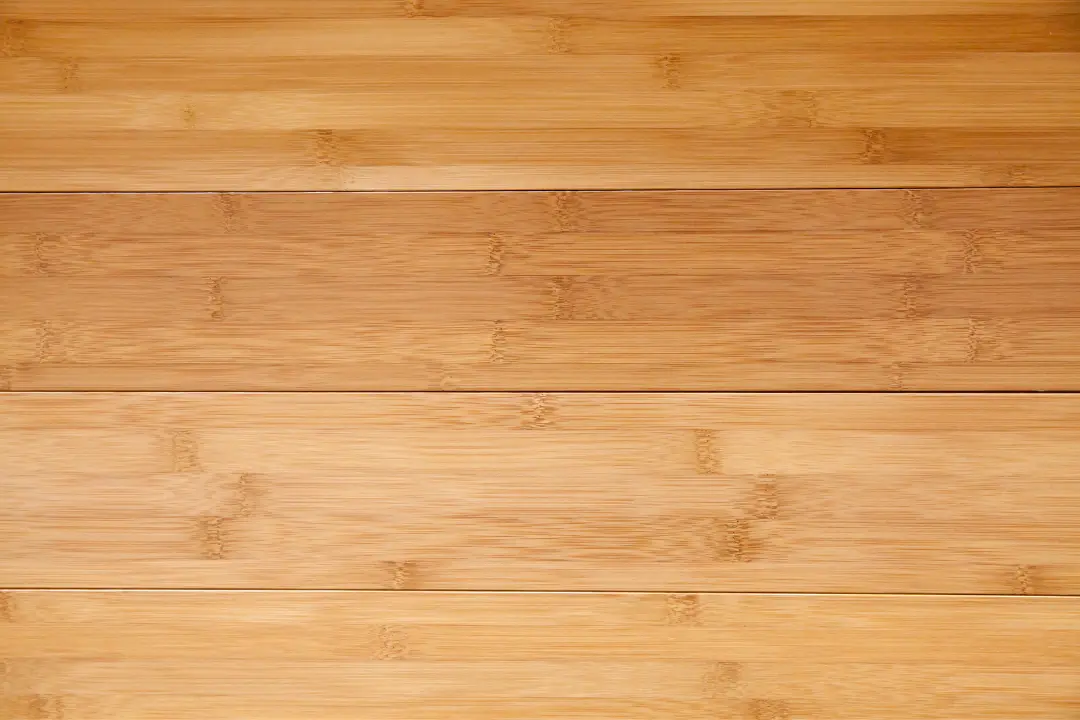
Bamboo lumber is a manufactured material made by cutting hollow bamboo culms into strips or fibers, treating them, drying them, bonding them with resin, and pressing them into usable boards or panels. That process gives you a flat, millable material instead of a round pole with nodes, taper, and a hollow center.
Engineered Grass Material
Bamboo is a woody grass, and that matters because it doesn’t grow as a solid trunk with annual rings like oak, maple, pine, or walnut. The finished lumber gets its shape from engineering: strips are aligned, glued, pressed, and milled, much like other engineered wood materials.
The surface feels smooth and dense under a sharp sanding block, and fresh-cut bamboo often gives off a faint grassy, slightly sweet smell rather than the resin scent you get from pine. When a blade is dull, the fibers fuzz at the edge and leave tiny straw-like hairs, which is the first clue that this material behaves differently from regular sawn boards.
Is It Real Wood?
No, bamboo lumber isn’t real wood in the botanical sense, because bamboo belongs to the grass family. In the shop, it acts close enough to wood that you can saw, route, drill, sand, glue, and finish it, but the glue lines and fiber direction change how it reacts to tools and moisture.
That distinction prevents a common beginner mistake: assuming bamboo planks can replace any hardwood or construction board without checking the product data. A decorative bamboo panel may look tough, but it may have no span rating, no exterior rating, and no load table.
Moso Bamboo Basics
Most industrial bamboo boards use Moso bamboo, or Phyllostachys edulis, because it grows large culms with usable wall thickness and predictable fiber quality. Bamboo is widely described as one of the fastest-growing plant groups, and Encyclopaedia Britannica notes that some bamboo species can grow up to about 91 cm, or 35 inches, in a day under favorable conditions.
For lumber production, mature Moso bamboo is commonly harvested after about 3 to 5 years, while many hardwood trees take decades to reach sawlog size. Fast growth helps bamboo’s sustainability story, but glue chemistry, finishing, shipping distance, waste, and product lifespan still affect the final environmental score.
Common Product Forms
Bamboo lumber comes as boards, planks, panels, plywood, veneer sheets, flooring blanks, slats, trim, poles, glued blocks, countertops, benchtops, beams, and strand-woven products. In practice, bamboo is easier to find as sheet goods and specialty boards than as standard 2×4, 2×6, or 4×4 construction lumber.
If you’re comparing bamboo dimensions with framing lumber, read this guide to lumber dimensions before ordering. A supplier may call a bamboo piece “lumber,” but the product may arrive surfaced, laminated, metric-sized, or panel-based rather than matching a nominal North American board size.
This video gives a helpful visual reference for bamboo material behavior, especially if you’ve only handled pine, oak, or plywood before.

How Bamboo Lumber Is Made
Bamboo lumber production turns round, hollow culms into flat stock by splitting, treating, drying, laminating, pressing, and milling. The finished material depends less on bamboo’s raw strength and more on moisture control, adhesive quality, fiber orientation, pressure, heat, and factory grading.
Harvesting and Splitting
Manufacturers harvest mature bamboo culms, cut them to length, and split them lengthwise into narrow strips. Workers remove the outer green skin, inner pith, and node material because those areas can interfere with bonding and create uneven thickness.
The clean strips feel hard and springy in the hand, but they still carry starches that can attract insects or mold if left untreated. A shortcut here causes later problems: poorly cleaned strips can leave weak glue lines that show up as hairline gaps after cutting or sanding.
Treating and Drying
The strips are usually boiled, steamed, treated, or otherwise processed to reduce sugars, starches, pests, and fungal risk. After that, they’re dried to a controlled moisture content so the adhesive bonds well and the final panel stays flatter.
Drying is where cheap bamboo often gets exposed; uneven moisture can cause cupping, splitting, delamination, or finish blotching. The pro workaround is simple: let bamboo boards acclimate in the job space before cutting cabinet parts, benchtops, flooring trim, or wall panels, just as you would with kiln dried wood.
Lamination and Pressing
For laminated bamboo, strips are coated with resin adhesive, arranged by grain direction, and pressed under heat or pressure. Horizontal grain shows wider bamboo strip faces and node patterns, while vertical grain shows tighter lines from the strip edges.
Strand-woven bamboo uses shredded bamboo fibers compressed with resin into a very dense block, then sliced or milled into boards. This is why strand-woven flooring can feel almost stone-like under a router bit and may dull blades faster than regular laminated bamboo.
- Use sharp carbide blades to reduce splintering.
- Support both sides of the cut because bamboo edges chip easily.
- Pre-drill screws near edges to prevent splitting.
- Seal cut ends because end grain absorbs finish and moisture faster.
- Test stain on scrap because bamboo can absorb color unevenly.
Natural vs Carbonized
Natural bamboo keeps a lighter blonde color, while carbonized bamboo is darkened with heat and steam. Carbonized boards look warmer and browner, which works well for wall panels, furniture, and bamboo colors that need more depth than pale natural stock.
The trade-off is reduced hardness in many carbonized products because heat treatment can soften the fiber structure. If dent resistance matters more than color, test natural laminated bamboo or strand-woven bamboo before choosing a darker carbonized panel.
Adhesives and Emissions
Most bamboo lumber relies on adhesives such as urea-formaldehyde, phenol-formaldehyde, melamine-formaldehyde, polyurethane, or other resin systems. For indoor bamboo panels, ask for CARB Phase 2, TSCA Title VI, E0, E1, or GREENGUARD documentation, especially for bedrooms, schools, offices, kitchens, and children’s rooms.
The EPA formaldehyde standards explain the federal TSCA Title VI rules for composite wood products, which is relevant because bamboo panels are often glued composites. A low-emission label doesn’t fix poor workmanship, but it does give you a better starting point than a mystery panel with no paperwork.
Types of Bamboo Lumber

Bamboo lumber types vary by construction method, appearance, density, moisture rating, and use. Choosing the wrong type is the fastest way to waste money, because a craft board, a bamboo plywood sheet, and a structural bamboo beam solve very different problems.
Laminated Bamboo Boards
Laminated bamboo boards are made from strips glued edge-to-edge, face-to-face, or in layered blocks. They work well for furniture, shelves, cutting boards, tabletops, small cabinet parts, drawer fronts, and bamboo benchtop projects.
These boards behave more like butcher block or laminated wood than rough-sawn hardwood. Beginners often sand through a factory finish near the edges, so start with unfinished bamboo if you plan to shape, stain, engrave, or round over the surface.
Bamboo Plywood and Panels
Bamboo plywood and bamboo panels are sheet goods used for cabinets, furniture, shelving, wall panels, ceilings, architectural millwork, and decorative interiors. They’re usually more decorative and specialty-focused than commodity construction plywood.
Compared with standard plywood types, bamboo plywood often costs more, weighs more, and shows a cleaner finished edge. That edge can be a design feature, but exposed edges still need sealer in kitchens, bathrooms, laundry rooms, and humid basements.
Strand-Woven Bamboo
Strand-woven bamboo is made from shredded fibers compressed with resin under heavy pressure. It’s dense, hard, and common in flooring, decking, stair parts, heavy-wear panels, and some industrial bamboo products.
The upside is wear resistance; the downside is harder machining. Use slower feed rates, sharp carbide tooling, dust collection, and test cuts, because strand-woven bamboo can burn, chip, or smoke when pushed through a dull saw blade.
Bamboo Beams
Bamboo beams are specialized engineered products made by laminating strips, fibers, or veneers into thick profiles. They may be marketed as laminated bamboo lumber, engineered bamboo beams, bamboo composite lumber, or structural bamboo.
Never treat ordinary bamboo boards as load-rated beams, joists, rafters, posts, or deck framing. Ask for span tables, load ratings, fire data, adhesive specifications, code documentation, and engineer-reviewed product data before using bamboo in any structural position.
Poles, Slats, Trim
Bamboo poles are natural culms, while slats and trim are split or milled pieces used for fencing, garden features, wall details, ceiling details, cabinet wraps, furniture accents, and crafts. Poles have nodes, taper, and hollow centers, so they don’t behave like flat boards.
Flat bamboo trim installs cleanly with good surface prep, but thin slats can cup if one side gets glue, finish, or moisture and the other side stays dry. Seal both faces when possible, and use a flexible adhesive where panels may move with humidity.
| Product Type | Best Uses | Main Watch-Out |
|---|---|---|
| Laminated bamboo boards | Shelves, tabletops, small furniture, cutting boards | Seal edges and pre-drill near ends |
| Bamboo plywood and panels | Cabinets, walls, ceilings, millwork | Check emissions and moisture rating |
| Strand-woven bamboo | Flooring, stairs, dense wear surfaces | Hard on blades and harder to machine |
| Bamboo beams | Special engineered structural applications | Needs engineering documents and load data |
| Poles, slats, and trim | Decor, fencing, crafts, wall accents | Not the same as flat structural lumber |
Strength, Durability, and Limits
Bamboo lumber strength depends on species, harvest age, density, adhesive, strip orientation, pressing pressure, moisture content, and quality control. Judge bamboo by the product specification sheet, not by a broad claim that bamboo is stronger than wood.
Janka Hardness
Janka hardness measures resistance to denting, which matters for floors, benchtops, stair treads, tabletops, and work surfaces. As a rough comparison, red oak is about 1,290 lbf, hard maple about 1,450 lbf, and hickory about 1,820 lbf according to published values from The Wood Database.
Natural laminated bamboo often lands around 1,300 to 1,800 lbf, while strand-woven bamboo can exceed 3,000 lbf depending on the product and test method. Carbonized bamboo may dent more easily than natural bamboo, so don’t pick it for a workbench top just because the color looks richer.
Moisture Resistance
Bamboo is hygroscopic, which means it absorbs and releases moisture from the air. Poorly sealed bamboo can swell, cup, split, mold, stain, or delaminate, especially at exposed edges, end cuts, screw holes, sink cutouts, and unsealed undersides.
The surface may feel slick and sealed, but the edge can drink finish like a sponge after one fresh cut. For countertops, cabinets, wall panels, and flooring transitions, seal every cut edge before installation, then give the finish time to cure before heavy use.
Structural Use Warning
Strong doesn’t mean code-approved. Most consumer bamboo boards, craft blocks, slats, wall panels, flooring pieces, and countertops are not substitutes for SPF, Douglas fir, LVL, glulam, pressure-treated lumber, or other rated construction wood.
For beams, joists, rafters, posts, decks, balconies, stairs, lofts, and pergolas, request load data, span tables, fire rating, exterior exposure rating, adhesive information, and code compliance documents. If a seller can’t provide those, use bamboo decoratively and let rated lumber or engineered framing carry the load.
Outdoor Suitability
Untreated bamboo lumber isn’t waterproof, rot-proof, or termite-proof. Outdoor bamboo needs an exterior-rated product, durable adhesive, preservative treatment, UV-resistant finish, drainage, airflow, and a maintenance plan.
The common mistake is using interior bamboo panels on a patio wall, fence, planter, thatch roof detail, or outdoor cabinet because they look sealed on arrival. For weather exposure, compare bamboo with proven exterior options in this guide to the best outdoor wood, then check the bamboo maker’s exposure rating before buying.
Maintenance Basics
Practical notes from real use: bamboo lasts longer when you keep water off cut edges, wipe spills fast, avoid harsh cleaners, and refresh oil or film finishes before they wear through. The first warning sign is a raised, rough edge that feels fuzzy under your fingertip after cleaning.
For indoor boards, use mild soap, a damp cloth, felt pads under heavy objects, and stable humidity when possible. For outdoor-rated bamboo, inspect fasteners, cracks, mold, finish failure, and end-grain darkening at the start and end of each wet season.
Bamboo Lumber Uses
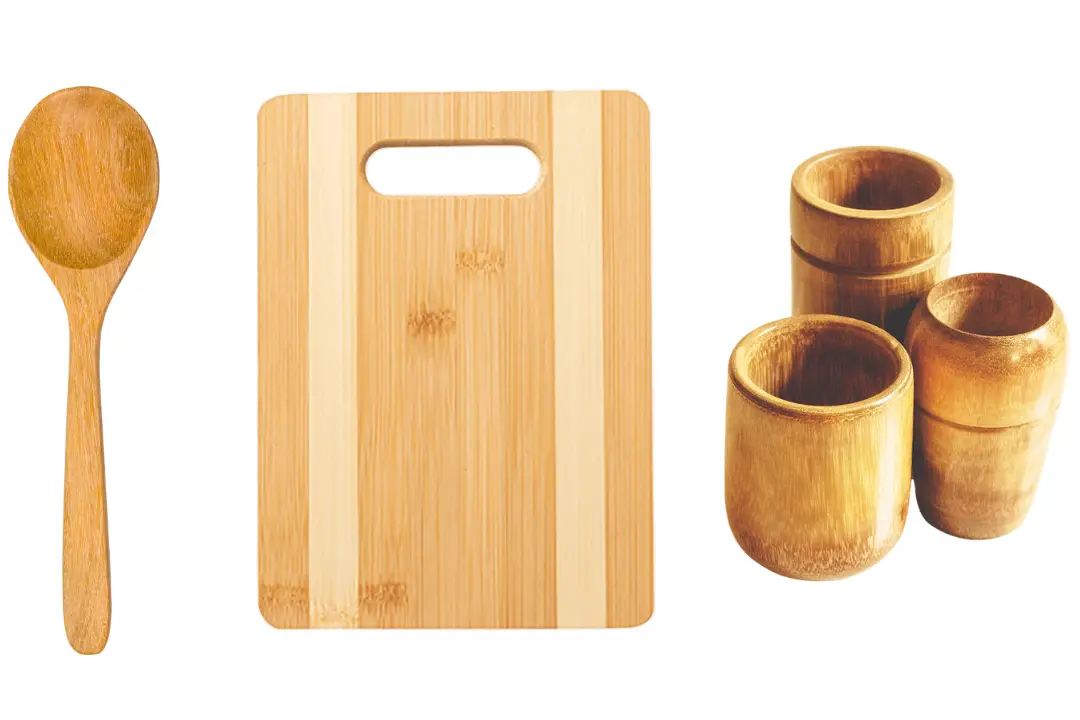
Bamboo lumber uses range from fine interior work to small DIY projects, but each use needs the correct product form. Furniture-grade laminated boards, bamboo plywood, wall panels, flooring, slats, dowels, poles, and strand-woven products are not interchangeable.
Furniture and Shelving
Bamboo boards work well for desks, shelves, stools, benches, small tables, bed parts, and clean modern furniture. The linear grain gives a crisp look, and the surface sands to a satin feel when you move through grits without skipping steps.
Bamboo for furniture needs smart joinery. Pre-drill screws, avoid driving fasteners too close to edges, use sharp bits, and test glue on offcuts because factory finishes can block adhesion on prefinished panels.
Cabinets and Millwork
Bamboo plywood is a good fit for cabinet doors, drawer fronts, shelves, built-ins, trim, appliance panels, and interior millwork. Large flat parts need stable panels, balanced finishing on both faces, and careful edge treatment.
Beginners often leave raw edges hidden behind cabinets or under toe kicks, then see swelling later near a dishwasher, sink, or mop area. Seal hidden cuts just as carefully as visible cuts, because moisture doesn’t care whether the edge is on display.
Countertops and Benchtops
Bamboo countertops and bamboo benchtops are usually laminated strip products with a warm, clean look. They’re suitable for kitchens, laundry rooms, offices, craft benches, and serving areas when sealed with the right finish.
Near sinks, the weak point is standing water around seams, faucet holes, and end cuts. Use a food-safe finish when the surface touches food, avoid soaking, and leave a small piece of finished scrap nearby for future stain and repair testing.
Flooring and Stairs
Bamboo flooring is one of the most common bamboo building products, especially horizontal, vertical, engineered, and strand-woven flooring. Flooring planks are not the same as general bamboo lumber, but buyers often group them together because both come as milled boards.
For stairs, choose rated stair products, matching nosings, compatible adhesives, and finish systems made for foot traffic. A dense strand-woven tread feels hard and smooth under shoes, but a glossy finish can show scratches and dust faster than a matte surface.
Walls, Ceilings, Decor
Bamboo wall panels, slats, pole wrap, and ceiling panels add warm texture without the weight of thick lumber. Natural bamboo gives a pale blonde color, while carbonized bamboo gives an amber or brown tone that reads richer in soft light.
For decor projects, layout matters because repeating seams catch the eye. Dry-fit panels first, sort pieces by color, and avoid ending every slat at the same line unless the pattern is intentional.
Bamboo for Woodworking
Bamboo for woodworking is best for clean, flat parts: shelves, trays, boxes, drawer fronts, cutting boards, signage, small furniture, tool holders, and decorative panels. It machines well with sharp tools, but dull blades leave burn marks and fuzzy edges.
Routing bamboo produces fine, dry dust with a light grassy odor, so use extraction and a good mask. Make climb cuts only when you can control the workpiece, and take shallow passes on end grain to avoid chip-out.
Crafts and Bow Making
Bamboo craft lumber is popular for models, bow backing, handmade handles, wall trim, laser engraving, epoxy projects, school builds, and small prototypes. Flat bamboo for bow work needs straight grain, clean fibers, and careful sanding because small surface flaws can become stress points.
For craft work, buy project-sized pieces instead of cutting large panels unless you need consistent grain across a full build. Small packs reduce waste, save storage space, and let you feel how bamboo cuts before moving to larger boards.
Bamboo Lumber vs Alternatives

Bamboo lumber comparisons can be confusing because bamboo sits between natural wood, engineered panels, and specialty architectural materials. It can be harder than many woods, but it isn’t a direct replacement for every hardwood board, softwood stud, plywood sheet, or MDF panel.
Bamboo vs Hardwood
Bamboo vs hardwood depends on the product. Bamboo can look as polished as maple or birch and may resist dents better than red oak in strand-woven form, but hardwood offers natural grain variation, traditional joinery behavior, and broader local availability.
Hardwoods like oak, walnut, cherry, maple, and hickory are sawn from trees, while bamboo boards are laminated composites. If you want help matching species to projects, compare options in this guide to furniture wood.
Bamboo vs Softwood
Bamboo vs softwood is mostly a use-case decision. Bamboo is often harder than pine, spruce, or fir, but softwood lumber is cheaper, easier to find, and sold in standard framing sizes such as 2×4, 2×6, 1x boards, and 4×4 posts.
If your search is bamboo 2×4, expect limited options and higher specialty pricing. For walls, framing, rafters, and deck structures, standard lumber or engineered structural products usually make more sense unless you have certified bamboo beams.
Bamboo vs Plywood
Bamboo plywood can replace decorative hardwood plywood in cabinets, wall panels, shelves, and furniture parts. Traditional plywood often wins on price, size variety, structural grades, exterior-rated choices, and local supply.
Bamboo wins when the finished edge, hardness, renewable material story, and linear grain are part of the design. If the panel will be painted, hidden, or used in rough construction, standard plywood may be the better value; check plywood grades before paying for decorative bamboo.
Bamboo vs MDF
Bamboo vs MDF comes down to finish, strength, cost, and moisture risk. MDF paints smoothly and costs less, but bamboo gives a natural face, a harder surface, and a more finished edge when the laminated lines are part of the look.
MDF machines softly and leaves powdery dust, while bamboo cuts harder and can chip if unsupported. For painted cabinet doors, MDF may be easier; for exposed shelves, panels, and décor, bamboo often looks more refined with less edge banding.
Cost and Buying Tips
Bamboo lumber cost depends on product type, thickness, finish, density, certification, machining, supplier, shipping, and order size. The cheapest bamboo board is not always the cheapest bamboo project, because freight, waste, finish, blades, hardware, and labor can exceed the board price.
Price Factors
Bamboo lumber price changes by category: craft boards, slats, dowels, plywood, panels, countertops, decking, beams, and poles are priced in different ways. Small DIY packs are often priced per piece or pack, while large panels are priced per sheet, decking per square or linear foot, and beams by quote.
Thicker stock costs more because it uses more bamboo, more adhesive, more pressing time, more sanding, and more freight capacity. Carbonized color, strand-woven density, prefinished surfaces, custom cutting, and low-emission documentation can also raise the final price.
Price Per Board Foot
Bamboo lumber price per board foot can be tricky because many bamboo products are sold as sheets, panels, packs, planks, or finished parts rather than rough boards. If you’re comparing bamboo lumber price per board foot for 2025 planning, convert the usable volume after trimming, not the listed outer package size.
A board foot equals 144 cubic inches, but panel waste changes the math. For example, a bamboo plywood sheet may look cheaper on paper, then cost more after freight, cutting waste, edge sealing, and a few unusable damaged corners.
Dimensions and 2×4 Availability
Bamboo lumber dimensions don’t follow construction lumber habits. You’ll commonly find 4×8 bamboo plywood, furniture panels, slats, strips, dowels, flooring planks, countertops, and custom boards, but standard bamboo 2×4 stock is less common.
If a project calls for 2×4 bamboo, ask whether the supplier means actual dimensional bamboo, a laminated beam blank, or a decorative board close to that size. For visible four-sided boards, this guide to S4S lumber helps explain surfaced board sizing.
Where to Buy Locally
Searches for bamboo lumber near me usually lead to specialty lumber yards, architectural panel suppliers, flooring stores, decking dealers, home centers, woodworking stores, and online marketplaces. Local stores may carry bamboo cutting boards, slats, flooring, or panels, while full-size bamboo plywood often comes through special order.
Call before driving because inventory changes fast and bamboo panels take space that many yards won’t dedicate to slow-moving stock. Ask for thickness, sheet size, finish, natural or carbonized color, indoor or outdoor rating, and whether damaged sheets can be inspected before pickup.
Supplier Checklist
A good bamboo lumber supplier gives product data, not vague claims. Before ordering, ask for the details below and save the answer with your project records.
- Species or material type, such as Moso bamboo.
- Construction method: laminated, plywood, strand-woven, veneer, pole, or slat.
- Actual thickness, width, length, sheet size, and tolerance.
- Natural, carbonized, unfinished, stained, UV-finished, or oil-finished surface.
- Indoor rating, exterior rating, UV rating, and ground-contact limits.
- Adhesive type and emissions certification.
- Load ratings and span data for any structural claim.
- Minimum order quantity, freight method, liftgate needs, and damage policy.
- Recommended fasteners, adhesives, sealers, and maintenance schedule.
Sustainability Certifications
Sustainable bamboo lumber should be judged by sourcing, harvesting, glue, finish, factory controls, transport, durability, and end-of-life options. Bamboo grows fast, but that alone doesn’t prove a panel is low-impact.
Look for FSC certification, CARB Phase 2, TSCA Title VI, GREENGUARD, E0, E1, and manufacturer transparency where relevant. The Forest Stewardship Council explains FSC sourcing claims, which can help separate responsible material from green marketing.
Recommended DIY Bamboo Products
DIY bamboo products are best treated as craft, trim, serving, wall, décor, and non-structural woodworking materials. They’re useful for small builds, but they shouldn’t replace code-rated framing, exterior-rated decking, or load-bearing beams.
Craft Bamboo Boards
Craft bamboo boards suit small woodworking, models, repairs, bow making, decorative blocks, dowels, and test pieces. They’re a low-risk way to learn how bamboo cuts, smells, sands, chips, and takes finish before buying larger panels.
These bamboo craft pieces are useful for small, non-structural projects and shop experiments.
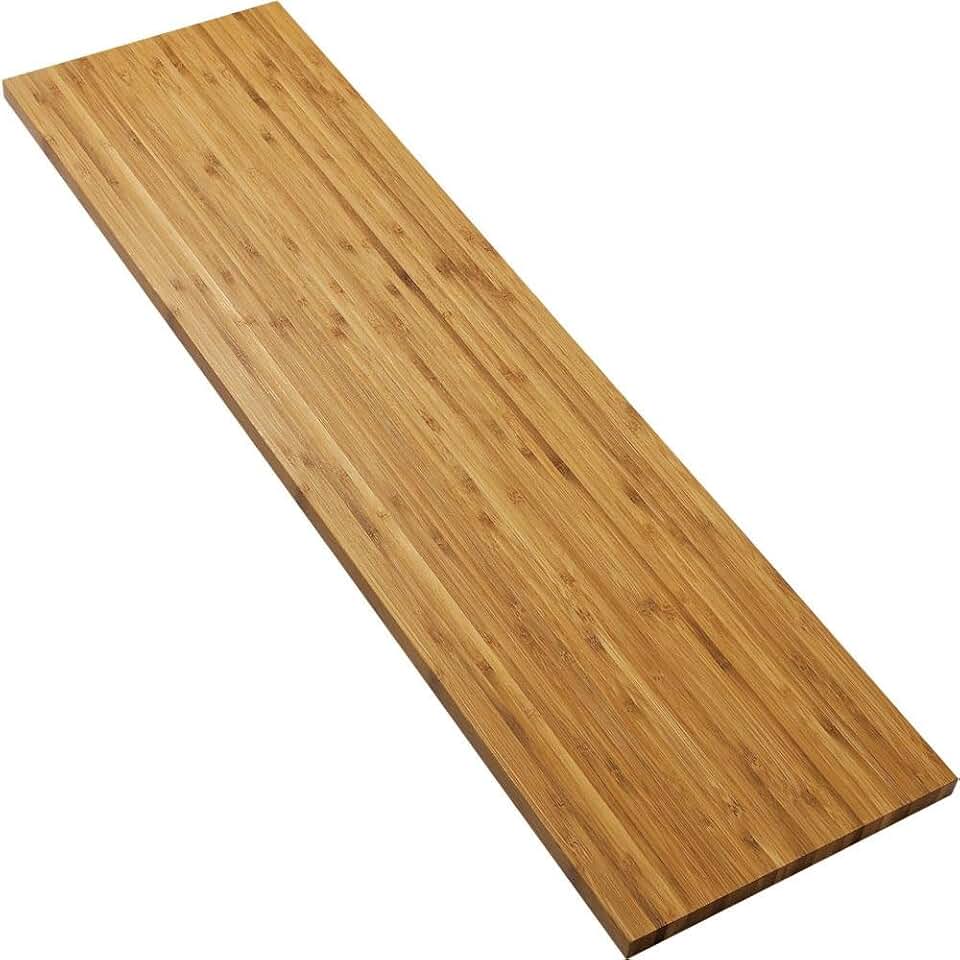
Smooth Bamboo Lumber
- Naturally strong bamboo for reliable projects
- smooth, polished surface for easy finishing
- distinctive striped grain adds visual appeal
- ideal for furniture, crafts, and repairs
- easy to cut, shape, and customize
 Buy on Amazon

Flat Bamboo for Bow Work
- Flat bamboo form made for bow making
- strong and flexible for traditional builds
- clean surface helps with shaping and sanding
- useful for woodworking and custom projects
- great choice for hobbyists and makers
Buy on Amazon

Square Bamboo Craft Blocks
- Compact square blocks for hands-on crafting
- smooth bamboo finish for carving and shaping
- sturdy material supports model building
- uniform size helps with precise projects
- great for DIY decorations and prototypes
Buy on Amazon

Unfinished Bamboo Dowel Rods
- Unfinished bamboo rods ready for custom use
- slim profile works well in crafts and DIY
- smooth material is easy to paint or stain
- great for supports, repairs, and modeling
- handy pack for frequent project work
Buy on Amazon
Bamboo Slats and Trim
Bamboo slats and trim work well for accent walls, ceiling strips, cabinet details, models, edging, school projects, lightweight displays, and decorative repairs. Thin pieces can split at the end, so cut with backing support and pre-drill whenever you use small brads or screws.
These bamboo trim options are better for décor and crafts than for structural work.

Natural Bamboo Trim Slats
- Natural bamboo slats for stylish trim projects
- flat-back design makes installation easier
- perfect for walls, ceilings, and accents
- warm finish adds a tropical, refined look
- versatile pack for home decor upgrades
Buy on Amazon

Long Bamboo Craft Sticks
- Extra long bamboo sticks for bigger craft ideas
- strong natural build supports creative projects
- consistent width helps with neat assembly
- useful for models, decor, and school work
- lightweight and easy to handle
Buy on Amazon

Extra Long Bamboo Sticks
- Large pack of bamboo sticks for crafting
- long length suits bigger builds and displays
- thin profile is easy to cut and arrange
- natural finish works with many design styles
- great for models, decor, and school projects
Buy on Amazon
Decorative Wall Panels
Bamboo wall panels add texture to living rooms, offices, kitchens, retail spaces, ceilings, columns, cabinet fronts, and furniture wraps. Natural panels look lighter, while carbonized panels bring a warmer amber tone that pairs well with matte black hardware and warm lighting.
These decorative bamboo panels are for interior style projects, not load-bearing bamboo lumber.

Natural Bamboo Wall Panel
- Beautiful bamboo panel for upscale interiors
- flexible design wraps around surfaces with ease
- adds warm texture to walls and furniture
- great for living rooms, offices, and kitchens
- carbonized finish brings a refined natural look
Buy on Amazon

Carbonized Bamboo Wall Panel
- Carbonized bamboo panel with a warm modern look
- works for walls, ceilings, furniture, and cabinets
- renewable material adds eco-friendly style
- flexible pole wrap design simplifies coverage
- ideal for elegant indoor upgrades
Buy on Amazon
Serving and Engraving Boards
Bamboo serving boards are useful for charcuterie, laser engraving, epoxy art, resin projects, small signs, and gift blanks. They have a smooth surface and a clean edge, but they are not replacements for general-purpose dimensional lumber or structural bamboo boards.
For food contact, use safe finishes, avoid soaking, skip the dishwasher, and re-oil if the board feels dry or pale. This set is a practical option for serving, engraving, and resin-style projects.
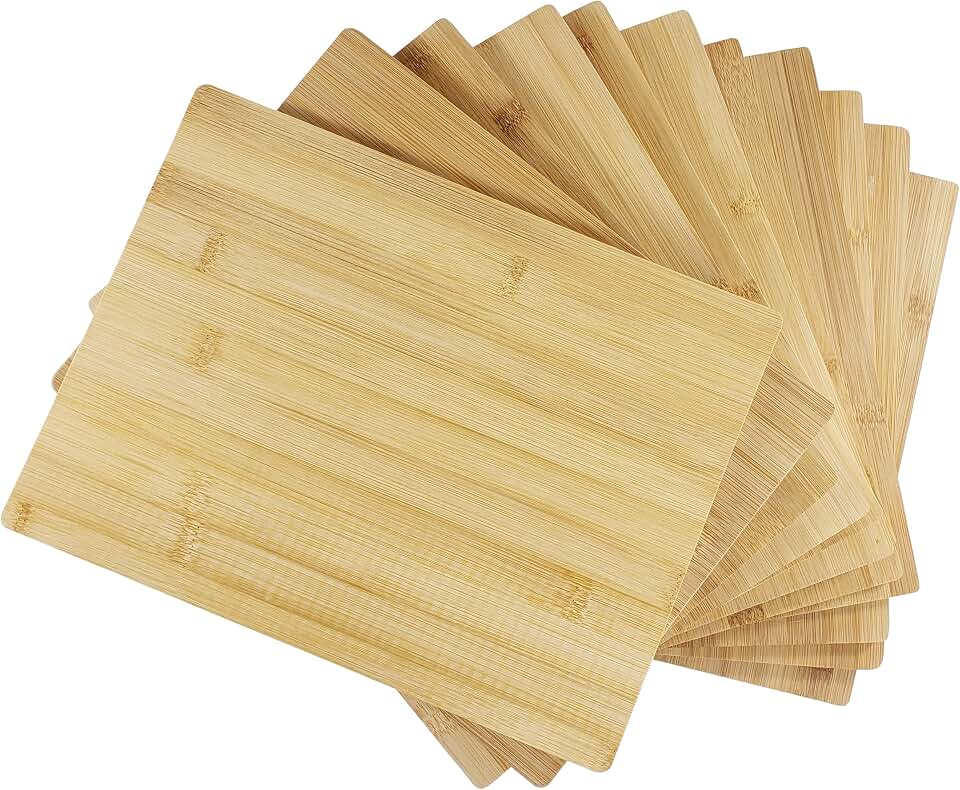
Bamboo Cutting Board Set
- Handy bamboo boards for serving and crafting
- smooth blank surface is great for engraving
- perfect for snacks, cheese, and charcuterie
- sturdy build suits epoxy and resin projects
- reusable boards with a rustic natural look
Buy on Amazon
FAQs
Is Bamboo Lumber Stronger Than Hardwood?
Bamboo lumber can be as strong as, or stronger than, many hardwoods, depending on the product and how it is made. Strand-woven bamboo is especially dense and durable. Strength varies by manufacturer, so check the specifications before buying.
Can Bamboo Lumber Be Used For Structural Framing?
Yes, bamboo lumber can be used for some structural framing applications when it is engineered and rated for building use. It is not a universal replacement for standard framing lumber. Always confirm local code requirements and use products approved for structural projects.
Is Bamboo Lumber Waterproof Or Suitable For Outdoors?
Bamboo lumber is not fully waterproof, but it can be suitable for outdoor use if it is properly treated and sealed. Without protection, moisture can cause swelling, warping, or damage over time. For best results, use outdoor-rated products and maintain the finish regularly.
How Much Does Bamboo Lumber Cost Per Board Foot?
Bamboo lumber typically costs more than basic softwood lumber and can range widely by type and finish. Standard products may be moderately priced, while premium engineered bamboo costs more per board foot. Prices also vary by supplier, region, and availability.
Where Can I Buy Bamboo Lumber Near Me?
You can buy bamboo lumber at specialty lumber stores, flooring suppliers, woodworking retailers, and many online marketplaces. Local availability depends on your area, so searching nearby building suppliers is a good start. If you need a specific grade or size, online sellers often offer more options.
Affiliate Disclosure: Some links in this post are affiliate links. If you make a purchase through these links, we may earn a small commission at no extra cost to you. We only recommend products we genuinely believe in.