

Greenheart wood is a dense tropical hardwood, chiefly Chlorocardium rodiei, valued for marine piling, bridges, docks, and heavy outdoor construction. Its major strengths are exceptional decay resistance and high mechanical strength; its drawbacks include substantial weight, difficult machining, splitting risk, and limited traceable supply.
Table of Contents
Greenheart Wood at a Glance
Greenheart is a very dense hardwood native to northeastern South America. Representative dried density is about 1,010 kg/m³, or 63 lb/ft³, while Janka hardness is roughly 2,530 lbf.
Definition and Key Facts
Greenheart timber has a long record in marine and civil engineering because sound heartwood resists decay, wear, and many marine borers. It remains capable of absorbing moisture, checking, splitting, and failing around poorly detailed connections.
- Scientific name: Chlorocardium rodiei
- Family: Lauraceae
- Primary commercial origin: Guyana
- Typical dried density: about 1,010 kg/m³ or 63 lb/ft³
- Representative Janka hardness: about 2,530 lbf or 11,260 N
- Typical grain: straight to interlocked
- Main uses: piles, docks, bridges, lock gates, decking, and heavy framing
Taxonomy and Synonyms
The accepted botanical name is Chlorocardium rodiei. Older technical documents may call it Ocotea rodiei; the Plants of the World Online database provides accepted-name and synonym records for botanical verification.
Black greenheart, Chlorocardium venenosum, is a separate species. A commercial label containing only “greenheart” doesn’t prove botanical identity, source country, structural grade, or forest origin.
Origin and Tree Size. Greenheart grows within the Guiana Shield, with its strongest commercial connection to Guyana. Mature trees are commonly reported at 100–130 feet tall and 2–3 feet in trunk diameter, though harvestable yield falls when the bole contains cross grain, internal checks, or other defects.
Heartwood and Sapwood. Heartwood may be pale olive, yellow-green, olive-brown, or dark brown. Sapwood is lighter and less decay-resistant, so marine specifications should state a permitted sapwood percentage rather than treating every part of a timber alike.
Color, Grain and Texture. A fresh cut can show a muted green cast that turns browner with air and light exposure. The surface feels smooth and waxy after a sharp plane pass, but reversing interlocked grain can leave rough, lifted fibers within the same board.
Identification Cautions. Color can’t confirm species because oxidation, finish, lighting, and natural variation alter its appearance. Greenheart isn’t purpleheart wood, yellowheart, ipe, or teak; high-value structural stock deserves supplier records or laboratory identification.
Physical and Mechanical Properties
Greenheart combines high density, hardness, bending strength, and stiffness. Published figures describe representative clear samples, not guaranteed capacities for an ungraded board or structural member.
Properties Table
The figures below use a consistent species reference from The Wood Database greenheart profile. Values can differ with moisture, test method, growth site, grain direction, and specimen quality.
| Property | Representative value | Practical meaning |
|---|---|---|
| Average dried density | 1,010 kg/m³ or 63 lb/ft³ | Heavy handling, freight, and tool loads |
| Janka hardness | 2,530 lbf or 11,260 N | Strong dent resistance; harder cutting |
| Modulus of rupture | 25,290 psi or 174 MPa | High representative bending strength |
| Modulus of elasticity | 3.08 million psi or 21.3 GPa | High stiffness |
| Crushing strength | 11,280 psi or 77.8 MPa | Strong under compression parallel to grain |
| Radial shrinkage | 6.1% | Movement across growth rings |
| Tangential shrinkage | 9.9% | Greater movement along growth-ring tangent |
| Volumetric shrinkage | 16% | Meaningful total drying movement |
| T/R ratio | 1.6 | Moderate difference between radial and tangential movement |
Density and Weight
At about 63 lb/ft³ dry, greenheart feels surprisingly heavy before a full board leaves the rack. A dry cubic foot weighs roughly as much as a large bag of concrete, while wetter stock can add far more handling and freight weight.
Some pieces may sink in water, yet sinking isn’t guaranteed. Density varies between trees and boards, and moisture content changes both weight and buoyancy; see this broader guide to wood density for measurement context.
Janka Hardness. The 2,530 lbf Janka value measures resistance to indentation from a steel ball. It doesn’t measure decay resistance, bending capacity, stability, or screw performance, so the wood hardness scale shouldn’t act as a project-selection chart by itself.
Strength and Stiffness. Representative bending strength of 174 MPa and stiffness of 21.3 GPa help explain greenheart’s bridge and harbor history. Structural designs still need graded material, recognized design values, connection calculations, and approval under the applicable code.
Compression Strength. A representative crushing value of 77.8 MPa supports use in piles, posts, bearing blocks, and heavy members. Knots, slope of grain, wet-service conditions, load duration, and bolt holes can reduce usable capacity.
Shrinkage and Movement. Greenheart’s high durability doesn’t make it dimensionally fixed. Installing wet deck boards can produce wider gaps, loosened joints, and small end splits as the stock dries, while restrained wide boards may cup or check.
Data Limits. Laboratory averages commonly come from small, defect-free specimens. Never transfer them directly into a beam, bridge, or pile design because commercial members contain natural defects and may operate at moisture levels unlike those used during testing.
Durability and Marine Performance
Sound greenheart heartwood is commonly rated durable to very durable against decay and has performed well in demanding marine structures. This reputation applies to correctly identified, properly selected material rather than every board carrying the common name.
Natural Decay Resistance
Dense structure and natural extractives help slow fungal deterioration. Sapwood, damaged fibers, trapped debris, poorly drained joints, and repeated wet-dry cycling remain vulnerable points, with the splash zone and soil line often harsher than continuous submersion.
Marine-Borer Resistance. Greenheart has a strong historical record in piles, jetties, piers, and lock gates, but “borer-proof” overstates its capability. Local organisms, salinity, water temperature, abrasion, heartwood quality, and installation damage all influence service life.
Is Greenheart Waterproof?
No. Greenheart is water-resistant, not waterproof. Moisture still enters through end grain, checks, fastener holes, and exposed surfaces, and repeated moisture changes can create movement or splitting without immediate fungal decay.
Ground and Freshwater Contact. Sound heartwood can suit river structures, heavy posts, bridge components, and hydraulic works. Design should prevent standing freshwater and packed organic debris around joints, since moisture plus oxygen creates favorable decay conditions.
Marine Failure Modes. Common problems include sapwood inclusion, end checking, abrasive sand, vessel impact, corroded hardware, poor drainage, cross grain, and local borer pressure. Timber durability can’t compensate for an undersized connection or a split produced during installation.
Practical Notes From Real-World Use. Fresh checks often appear as hair-thin dark lines at board ends, then open after sun exposure. Sealing freshly cut end grain, drilling before fastening, and supporting both sides of a cut reduce damage that may otherwise remain hidden until installation.
Hardware and Maintenance. Use hardware selected for the exposure, including suitable stainless steel or specified hot-dip galvanized components. Saltwater connection design must account for metal compatibility, trapped water, bolt-bearing stress, access for inspection, and replaceable sacrificial parts.
Greenheart Wood Uses

Heavy outdoor construction is greenheart’s strongest application category. Its weight and machining demands make it less attractive for lightweight furniture, casual repairs, and beginner projects built with small portable tools.
Marine and Harbor Construction
Greenheart is used for piles, wharves, jetties, fender systems, dock framing, lock gates, and sea-defense components. Orders should define species, grade, heartwood content, moisture condition, dimensions, defect limits, and preservative requirements rather than relying on a common-name description.
Bridges and Heavy Engineering. Beams, sleepers, bridge timbers, industrial floors, and hydraulic components benefit from high stiffness and wear resistance. Grading and engineering remain mandatory because drilling patterns, notches, defects, and wet service affect structural performance.
Decking and Exterior Work
Greenheart can make durable exterior decking, but installers need carbide tools, predrilled fasteners, movement gaps, and substantial framing support. Boards left in direct sun may develop small surface checks, while the olive color normally shifts toward brown or gray.
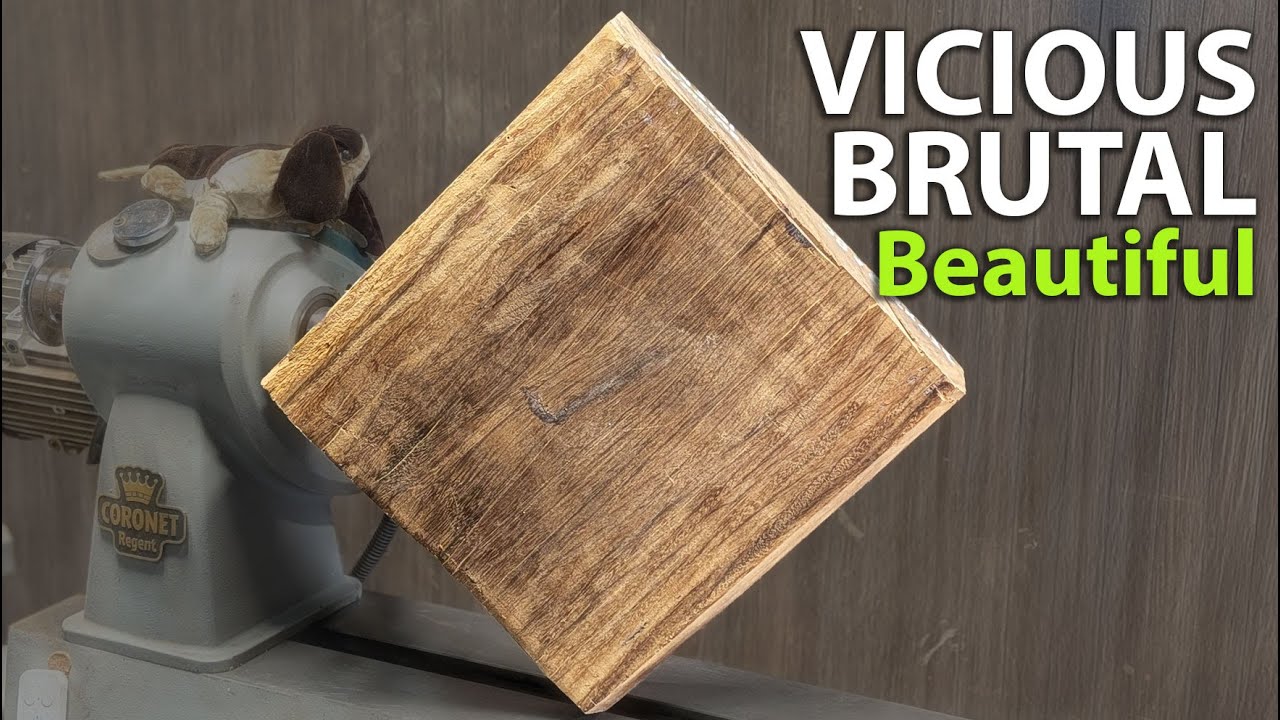
Turning and Small Projects. Handles, mallets, spindles, boxes, and decorative details can hold crisp edges. On a lathe, the blank feels resistant and transmits a hard vibration through the tool rest when the edge dulls, so secure mounting and light cuts matter.
Furniture and Cabinetry. Furniture is possible, yet a large greenheart piece becomes extremely heavy. Interlocked grain, gluing demands, tool wear, and seasonal movement often make teak wood or another stable hardwood easier for full cabinets and outdoor seating.
Food-Contact Projects. Don’t assume greenheart suits cutting boards, bowls, or utensils. Use it only where reliable species-specific food-contact information covers the wood, adhesive, finish, cleaning method, and expected temperatures.
Application Suitability Matrix. These ratings combine biological durability with weight, machining difficulty, connection needs, and sourcing constraints.
| Application | Suitability | Main qualification |
|---|---|---|
| Marine piling | High | Specify graded heartwood and marine hardware |
| Lock gates and hydraulic works | High | Engineering and inspection remain required |
| Bridges and heavy framing | High | Use structural grades and approved design values |
| Exterior decking | Moderate to high | Predrill and allow drainage and movement |
| Ground-contact posts | High | Limit sapwood and inspect the soil line |
| Outdoor furniture | Moderate | Heavy and harder to machine than common choices |
| Interior furniture | Moderate | Best for accents or weight-tolerant designs |
| Turning | Moderate to high | Use sharp tools and secure mounting |
| Hand carving | Low to moderate | Density creates high cutting resistance |
| Beginner projects | Low to moderate | Choose thin, surfaced pieces |
| Cutting boards | Uncertain | Needs reliable food-contact evidence |
| Ungraded structural DIY | Low | Species averages can’t replace graded data |
Workability and Workshop Safety
Greenheart is difficult to machine compared with oak, pine, and many cabinet hardwoods. Sharp carbide edges, stable stock support, dust collection, and predrilling make the work safer and reduce wasted material.
Sawing and Milling
Use a clean carbide blade and steady, controlled feed. Forcing the board can heat the teeth, darken the cut, stall small saws, or magnify tear-out; support the full weight before and after the blade so the kerf doesn’t pinch.
Drilling and Fastening. Drill pilot and clearance holes, then countersink flush-head screws before driving them. Keep fasteners away from ends, clamp loose parts, and withdraw the bit periodically to clear hot chips from deep holes.
Gluing Greenheart. Prepare mating surfaces shortly before assembly, remove dust, and avoid glossy burnished faces. Select an adhesive approved for dense tropical wood and the exposure class, then test an offcut using the same moisture, clamping pressure, and cure conditions.
Sanding and Finishing. Move through grit sizes without large jumps and vacuum the surface between stages. Test finishes on scrap because dense fibers and extractives can produce uneven absorption, while sunlight turns the initial olive shade progressively browner.
Drying and Acclimation. Ask whether boards are green, air-dried, kiln-dried, or partly seasoned. Stack them flat with airflow, measure moisture using a meter suitable for dense hardwood, and delay precision joinery until readings approach the installation environment.
Dust and Splinter Risks
Treat greenheart dust as a respiratory and skin irritant. Fine dust can feel dry and prickly around the wrists and neck, while narrow splinters are stiff, sharp, and harder to remove than splinters from softwood.
Protective Measures. Use source extraction, eye protection, hearing protection, and a fitted particulate respirator consistent with OSHA wood-dust guidance. Wear gloves while carrying rough stock, but remove them near rotating blades, bits, and lathe work.
- Inspect boards for cracks, embedded metal, and loose fibers.
- Support the full board before lifting or cutting it.
- Connect dust extraction before machining starts.
- Use sharp carbide tooling and shallow passes.
- Predrill every screw near an edge or end.
- Vacuum dust rather than blowing it into the room.
- Stop work if breathing, eye, or skin symptoms develop.
Greenheart Versus Other Woods
Greenheart works best where marine durability and strength justify its weight and labor cost. Residential decking, boat trim, furniture, and light outdoor projects may be better served by a species sold in standard dimensions.
Greenheart Versus Ipe
Both woods are dense, durable, and hard on tools. Greenheart has a stronger association with piles and hydraulic engineering, while ipe wood is easier to find as standardized residential decking.
Greenheart Versus Teak. Greenheart is typically denser and harder, making it suitable for heavy structural service. Teak is easier to handle and commonly chosen for boat joinery and furniture, where stability, surface feel, and manageable weight outweigh maximum mechanical strength.
Greenheart Versus Azobé. Azobé, also called ekki, is another very heavy timber used in marine and civil work. The better choice depends on locally recognized strength classes, available dimensions, certification, connection requirements, and delivered cost rather than a single hardness figure.
Greenheart Versus Treated Lumber. Pressure-treated softwood costs less initially, weighs less, and accepts ordinary tools more easily. Greenheart offers natural durability and higher mechanical properties, but freight, predrilling, lifting equipment, and specialist labor can erase a service-life advantage in unsuitable projects.
Purpleheart and Yellowheart. These names identify different botanical groups, not greenheart color grades. Purpleheart usually refers to Peltogyne species, while yellowheart wood commonly refers to Euxylophora paraensis.
Alternatives Comparison Table
| Wood | Best fit | Main advantage | Main trade-off |
|---|---|---|---|
| Greenheart | Marine structures and heavy engineering | High natural durability and strength | Heavy, difficult machining, restricted supply |
| Ipe | Exterior decking | Common deck profiles and strong wear resistance | Dense, difficult fastening, sourcing concerns |
| Teak | Boat joinery and outdoor furniture | Stable and comparatively workable | High purchase cost and oily bonding surfaces |
| Azobé or ekki | Hydraulic and civil construction | Heavy-duty structural capability | Very heavy and hard on tools |
| Treated softwood | Common decks and posts | Available, light, and economical | Lower hardness and treatment-related limits |
| Black locust | Posts and smaller exterior work | Naturally durable regional option | Irregular supply and limited large sections |
Sustainability and Responsible Sourcing
Responsible greenheart purchasing requires proof of species, legal origin, forest management, and chain of custody. A tropical tree can regenerate naturally while a particular shipment still lacks credible harvest documentation.
Conservation Context
Greenheart has a concentrated natural range and grows slowly relative to plantation softwoods. Check the latest assessment in the IUCN Red List rather than relying on an old dealer page or treating legal trade as proof of responsible forestry.
Legal Forest Management. Ask for the harvest country, concession or forest unit, scientific name, legality records, and export documents. “Legally harvested,” “plantation grown,” and “certified” are separate claims with different evidence requirements.
Certification and Traceability
For certified stock, request the seller’s chain-of-custody number and match it to the invoice description. A logo in marketing material has limited value if the certificate holder, scope, species, product group, or validity dates don’t match the sale.
Reclaimed Greenheart. Reclaimed bridge, dock, or industrial timbers can reduce demand for newly cut wood and provide large seasoned sections. Inspect them for salt, oil, embedded metal, bolt holes, deep checks, biological damage, and uncertain prior treatment before machining or indoor reuse.
Verification Checklist. Keep supporting records with the project rather than depending on verbal claims.
- Confirm the scientific name on the quotation and invoice.
- Record the country and forest or concession of origin.
- Check legality and export documentation.
- Verify certification and chain-of-custody numbers.
- Define permitted sapwood, defects, and substitutions.
- Request structural grading records where applicable.
- Document reclaimed origin and previous service.
Buying Greenheart Wood
Buy greenheart by comparing total delivered cost, verified species, moisture, grade, usable dimensions, and machining needs. A cheap rough board can cost more after freight, waste, surfacing, dull tooling, and rejected sapwood are counted.
Common Product Formats
Suppliers sell rough or surfaced boards, thin craft pieces, turning blanks, handle squares, decking, beams, piles, and custom-sawn components. Full marine timbers are commonly quote-only because dimensions, grade, volume, documentation, and freight differ by project.
Evaluating Lumber Listings. Look for the scientific name, country of origin, piece count, actual dimensions, moisture condition, surfacing, and photographs of the supplied stock. “Tropical hardwood assortment” doesn’t mean every piece is genuine greenheart.
Grades and Moisture Content. Appearance stock and structurally graded timber aren’t interchangeable. Ask whether dimensions were measured green or dry, whether drying allowance remains, and whether the moisture meter reading includes a suitable correction for dense tropical hardwood.
Pricing and Board-Foot Costs. Board feet equal thickness in inches multiplied by width in inches multiplied by length in feet, divided by 12. Thin prepared craft pieces usually carry a much higher board-foot equivalent than bulk rough lumber because cutting, drying, surfacing, selection, packaging, and retail handling are included.
Freight and Delivered Cost. A dry cubic foot weighs about 63 pounds, so shipping can exceed the headline lumber charge on small orders. Request packed dimensions, pallet weight, residential-delivery fees, lift-gate charges, customs costs, and minimum-order terms before comparing sellers.
Before-Buying Checklist. Confirm these details in writing before payment.
- Scientific name and country of origin
- Certification or legality documentation
- Actual thickness, width, length, and piece count
- Rough or surfaced condition
- Moisture content and drying method
- Structural or appearance grade
- Heartwood and sapwood allowance
- Permitted checks, knots, grain deviation, and other defects
- Total packed weight and delivered freight charge
- Return terms for damaged or misidentified wood
Small Project Boards
Prepared greenheart project boards suit boxes, inlays, models, tests, and small decorative details where full rough lumber would create excess waste. Verify species documentation and dimensions before ordering, and don’t treat craft boards as structurally graded or marine-certified material.

Greenheart Project Boards
- Ten kiln-dried Greenheart boards
- Sanded faces are ready to use
- Quarter inch thickness adds versatility
- Each board measures 12 by 3 inches
- Excellent for crafts and custom details
 Buy on Amazon
FAQs
What Is Greenheart Wood Used For?
Greenheart wood is commonly used for marine construction, bridges, docks, pilings, heavy outdoor structures, and durable decking. Its exceptional density and natural resistance to decay make it valuable where wood faces water, soil, insects, or harsh weather. It is also used for posts, gates, and specialist engineering work.
Is Greenheart Wood Waterproof Or Rot-Resistant?
Greenheart wood is not completely waterproof, but it is highly rot-resistant and performs extremely well in wet conditions. Its dense structure and natural extractives help it resist fungal decay and marine borers better than many timbers. Sealing cut ends and allowing drainage can further extend its outdoor service life.
How Hard Is Greenheart Wood To Cut And Drill?
Greenheart is hard to cut and drill because it is one of the densest commercial hardwoods. Use sharp carbide-tipped blades, quality drill bits, slow steady pressure, and pre-drilled holes for screws or bolts. Blunt tools can overheat quickly, so larger jobs often require robust equipment.
Is Greenheart Wood Suitable For Decking?
Greenheart wood is suitable for decking, especially in demanding outdoor or coastal locations. Its natural durability helps it withstand moisture, insects, and heavy foot traffic for many years. However, its weight, hardness, and cost mean installation takes more effort than common decking woods, including pre-drilling every fixing hole.
Is Greenheart Wood Sustainable Or Endangered?
Greenheart wood can be a sustainable choice when it is legally harvested from responsibly managed forests. Ask suppliers for clear origin information and credible certification, such as FSC, where available. Conservation concerns and forestry standards can vary by region, so avoid timber with unclear sourcing or documentation.
Affiliate Disclosure: Some links in this post are affiliate links. If you make a purchase through these links, we may earn a small commission at no extra cost to you. We only recommend products we genuinely believe in.