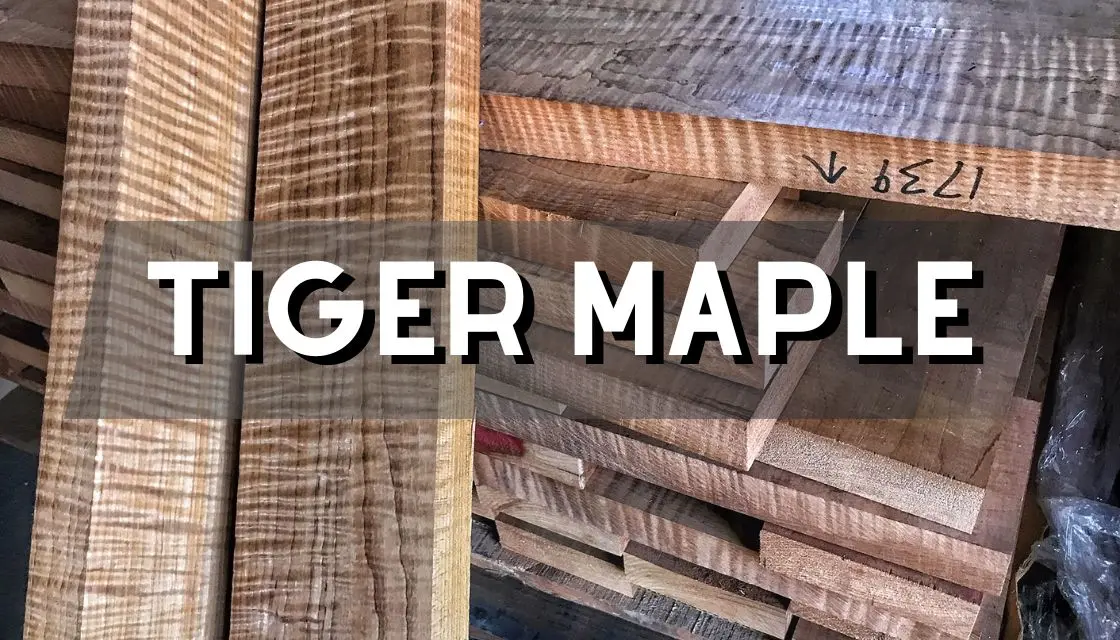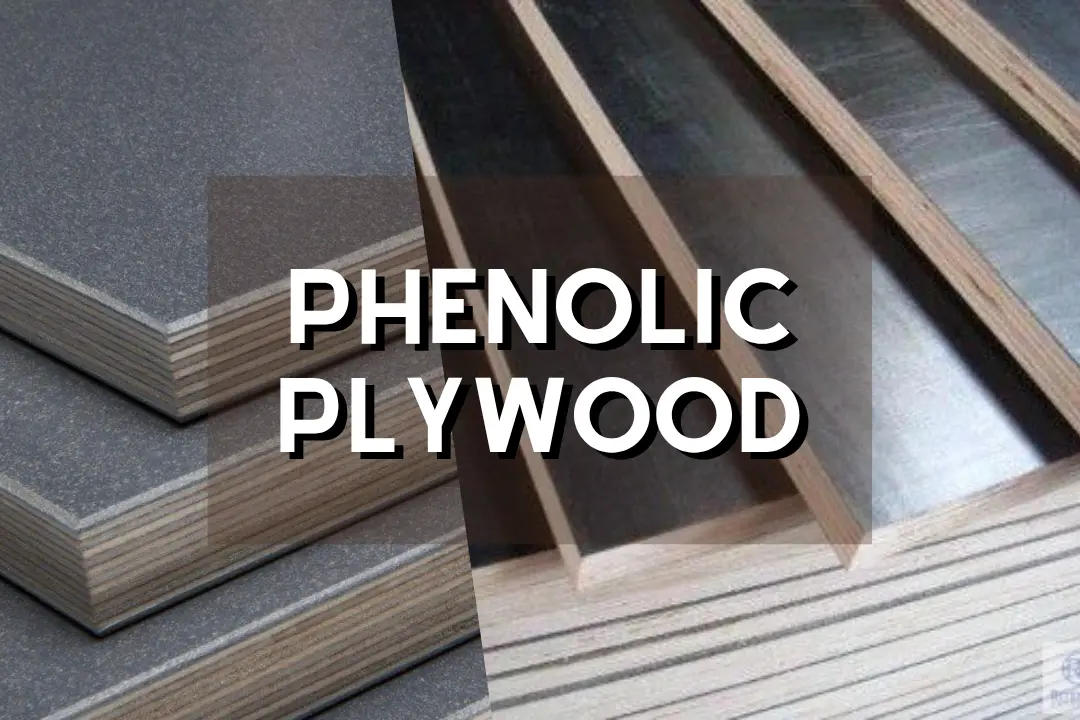


The main types of wood cabinets include oak, maple, cherry, hickory, walnut, birch, alder, pine, and ash. A cabinet’s species describes its visible wood, while its box, doors, shelves, and back may combine solid lumber, plywood, veneer, MDF, or furniture board.
The right choice depends on finish, grain, hardness, construction quality, moisture exposure, and budget. This guide separates those factors so you can compare cabinet quotes without relying on vague labels such as “all wood.”
Table of Contents
What Types of Wood Cabinets Mean
A cabinet’s “wood type” can refer to its species or construction. Those are separate purchasing decisions: maple identifies a species, while plywood identifies how a panel is made.
Species Versus Construction
A cabinet sold as maple may have solid maple door frames, a veneered center panel, maple-faced plywood sides, and a thin plywood back. This mixed construction can perform better than wide solid boards because engineered panels stay flatter across seasonal humidity changes.
Ask for a written component specification rather than accepting “solid wood” as a complete answer. The cabinet line, door style, and finish can change the material specification, so a showroom sample may not match every item in the order.
Cabinet Component Breakdown
A typical cabinet contains several parts that face different loads. Doors need stable panels, shelves need adequate stiffness, and hanging rails must hold screws without splitting or pulling free.
- Door rails and stiles: commonly solid hardwood in five-piece doors.
- Center panels: solid wood, veneered plywood, or MDF, depending on the finish and door design.
- Drawer fronts: solid wood, veneered panels, MDF, or laminated furniture board.
- Face frames: commonly solid hardwood, including maple, oak, birch, alder, or poplar.
- Cabinet sides: hardwood plywood, MDF, or laminated furniture board.
- Shelves: plywood or furniture board with a finished front edge.
- Drawer boxes: solid maple, plywood, metal, or engineered panels.
- Back panels: full plywood or engineered panels, thin backs with hanging rails, or partial backs.
Thickness also matters. A thin shelf may sag under stacks of stoneware even if it carries a premium species veneer, while a properly supported engineered shelf can stay flat for years.
Solid Wood Labels
“Solid wood cabinets” rarely means every surface consists of solid lumber. Wide solid backs and side panels would add movement, weight, and cost without giving most kitchens a practical benefit.
Request the material used for each component and ask whether “wood” includes veneer-faced panels. A real hardwood veneer over stable plywood is still genuine wood, and it can be a sound choice for large slab doors where solid boards could cup or split.
Face-Frame and Frameless Boxes
Face-frame cabinets have a hardwood frame attached to the front of the box. The frame stiffens the opening and provides a mounting surface, though it narrows access around drawers and pull-outs.
Frameless cabinets depend more heavily on panel quality and joinery. Thick sides, accurate boring, secure connectors, and a well-fitted back matter more than whether the panel core is plywood or premium furniture board.
Wood Species Comparison

Oak and maple balance availability with wear resistance, while cherry and walnut provide richer natural color. Hickory has high indentation resistance; alder and pine offer softer, more rustic surfaces.
Species Comparison Table
The figures below are approximate Janka values. Data and wood-property context come from the USDA Wood Handbook; individual boards vary with species, moisture content, growth conditions, and test sample.
| Species | Natural color | Grain | Janka hardness | Finish compatibility | Relative cost | Key drawback |
|---|---|---|---|---|---|---|
| Eastern white pine | Cream to yellow | Growth rings and knots | 380 lbf | Paint or conditioned stain | Value | Dents and knot bleed |
| Red alder | Tan to reddish brown | Fine and straight | 590 lbf | Paint, toner, controlled stain | Value to midrange | Soft and prone to blotching |
| American black cherry | Pinkish to warm brown | Fine and smooth | 950 lbf | Clear or translucent finish | Midrange to premium | Darkens unevenly in light |
| Black walnut | Chocolate brown | Straight to figured | 1,010 lbf | Clear or low-build finish | Premium | Softer than oak and maple |
| Yellow birch | Pale yellow to reddish brown | Fine and even | 1,260 lbf | Paint, clear coat, controlled stain | Value to midrange | Dark stain may blotch |
| Red oak | Pinkish tan to light brown | Open and prominent | 1,290 lbf | Stain and grain-filled paint | Value to midrange | Open pores remain visible |
| White ash | Pale to light brown | Open and visible | 1,320 lbf | Clear coat or stain | Midrange | Limited cabinet-line availability |
| White oak | Tan to medium brown | Linear, cathedral, or ray fleck | 1,360 lbf | Clear, stain, limed, or cerused | Midrange to premium | Selected cuts cost more |
| Hard maple | Cream to pale yellow | Fine and subdued | 1,450 lbf | Paint, clear coat, toner | Midrange | Dark stain can look patchy |
| Shagbark hickory | Pale sapwood and brown heartwood | Bold and varied | 1,880 lbf | Clear coat or stain | Midrange to premium | Strong color variation |
Color and Grain
Color samples should be judged at cabinet scale. A small oak chip can hide cathedral grain, while a narrow hickory sample may miss the sharp cream-to-brown contrast that appears across a full bank of doors.
Grain affects how a room feels under changing light. Open-pore oak and ash cast tiny shadows that remain visible through clear finish; maple feels smoother under a fingertip and reflects light with less visual movement.
Finish Compatibility
Oak accepts stain predictably because its open pores take pigment readily. Maple, birch, alder, and pine can absorb color unevenly, leaving dark patches around end grain and softer growth zones.
A controlled schedule may include sanding to a fixed grit, dye, washcoat, wiping stain, toner, and clear topcoat. Test the complete finish schedule on the same species, cut, and grade used for the order.
Relative Cost Tiers
Pine, alder, birch, and standard red oak often sit in value-oriented cabinet lines. Maple and standard white oak commonly occupy the middle, while walnut, selected cherry, figured maple, and rift-sawn white oak carry larger premiums.
These are relative tendencies, not fixed prices. Paint steps, door design, drawer hardware, finished ends, freight, installation, and moldings can exceed the difference between two species.
Janka Hardness Limits
The Janka test measures the force needed to press a steel ball into wood. It helps compare dent resistance, but it doesn’t measure finish scratching, screw holding, joint strength, shelf sag, water resistance, or hinge life.
A hard hickory door can still develop a white scratch in its topcoat, while softer cherry can last for decades with good joinery and careful use. Treat hardness as one performance measure, not a cabinet-quality score.
Common Cabinet Wood Species
The most common cabinet woods are red oak, white oak, hard maple, cherry, hickory, walnut, birch, alder, and pine. Ash appears less often but offers hardness and an open grain similar to oak.
Red Oak Cabinets
Red oak has prominent pores, pinkish or reddish undertones, and an approximate hardness of 1,290 lbf. Plain-sawn boards show bold cathedral patterns that hide small dents and fingerprints better than smooth, uniform grain.
Stain flows into the earlywood pores and makes the pattern darker. Paint can work, but grain filler and extra surfacing are needed if the goal is a flat, pore-free finish; without that work, the grain remains visible and tactile.
White Oak Cabinets
White oak cabinets range from light tan to medium brown and measure about 1,360 lbf. Natural, pale brown, limed, and cerused finishes work well because the wood’s pores remain visually active.
Rift-sawn boards show restrained linear grain, while quarter-sawn boards display shimmering ray fleck. Both cost more than ordinary plain-sawn stock because cutting and matching lower the usable yield.
White oak resists moisture better than red oak at the wood-cell level, but a finished cabinet is not waterproof. Iron filings, steel wool residue, or iron-rich water can react with tannins and create blue-black marks.
Hard Maple Cabinets
Hard maple has fine grain, a creamy surface, and an approximate hardness of 1,450 lbf. It suits smooth paint, clear finishes, and kitchens where bold grain would compete with counters or flooring.
Dark wiping stain can expose sanding marks and create cloudy patches because maple’s dense areas reject pigment. Toners and dyes give a finisher more control, though mineral streaks and figured grain may still show.
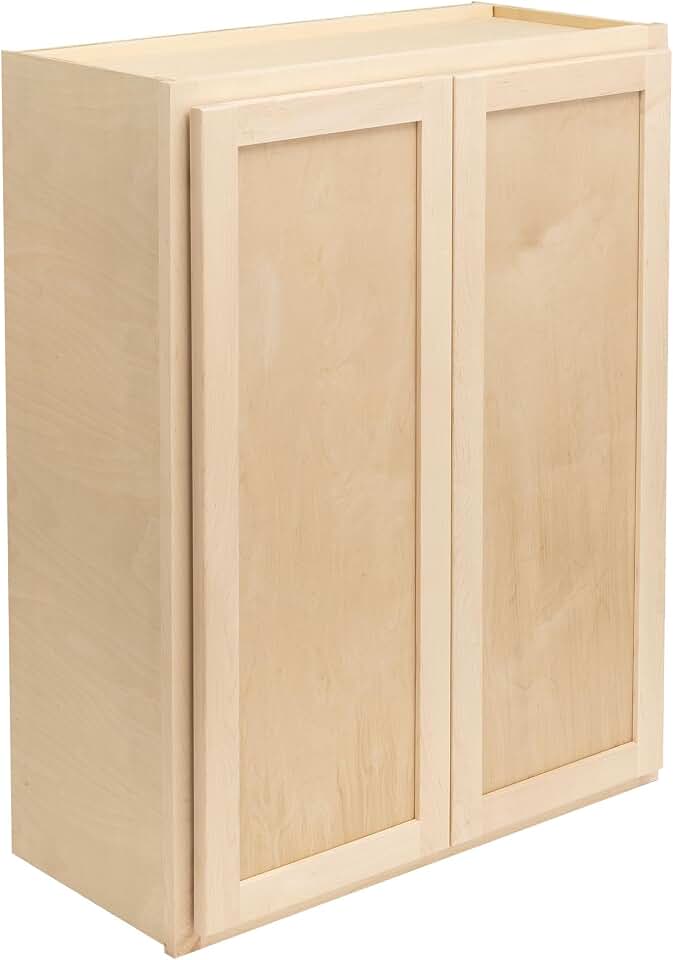
Raw Maple Shaker Wall Cabinet
- 100 percent hardwood maple construction
- Classic Shaker door styling
- Soft-close hardware reduces noise
- Ready-to-assemble wall cabinet
- Raw maple allows a custom finish
 Buy on Amazon
This unfinished example can help assess raw maple preparation, but verify every component, cabinet dimension, mounting requirement, assembly step, and warranty before purchase. One product listing doesn’t define how all maple cabinet lines are built.
American Black Cherry
American black cherry starts pinkish brown and develops richer reddish-brown color after exposure to light. Its fine grain feels silky beneath a smooth clear coat, though gum streaks and small pitch pockets are normal natural features.
At roughly 950 lbf, cherry dents more readily than oak or hard maple. Uneven darkening behind appliances, countertop objects, and fixed hardware is a normal photochemical response rather than automatic evidence of a finishing defect.
Hickory and Pecan
Hickory wood can show pale sapwood beside chocolate-brown heartwood on one door. Shagbark hickory measures about 1,880 lbf, placing it among the hardest domestic woods commonly offered for cabinetry.
Pecan belongs to the hickory group and shares much of its hardness and strong character. The visual variation can make adjacent doors appear mismatched, so buyers who prefer uniform color should review a full sample door and the manufacturer’s matching policy.
Black Walnut Cabinets
Black walnut combines chocolate-brown heartwood with pale sapwood and occasional curl or waves. Its approximate 1,010 lbf hardness means it can dent more easily than oak, yet its rich color works especially well on flat-panel doors.
Walnut often mellows and lightens with exposure, which contrasts with cherry’s typical darkening. Sequence-matched walnut veneer can carry one flowing grain pattern across several fronts while using premium timber efficiently.
Yellow Birch Cabinets
Yellow birch measures about 1,260 lbf and has fine grain that can resemble maple under a pale finish. Heartwood may introduce reddish-brown patches, so natural-grade doors won’t always look uniformly cream-colored.
Birch paints smoothly and handles clear finishes well, but dark stain may blotch. A “birch cabinet” may describe a birch veneer face rather than solid birch doors, sides, shelves, and back.

Unfinished Birch Kitchen Base Cabinet
- Unfinished birch cabinet surface
- Generous 48-inch base cabinet width
- Ready for paint or stain
- Designed for kitchen installation
- Natural wood grain complements custom cabinetry
Buy on Amazon
Before finishing an unfinished base cabinet, confirm the door, face frame, sides, shelf, and back materials separately. Sanding every surface as if it were thick solid birch risks cutting through a thin face veneer.
Knotty and Clear Alder
Red alder is a soft hardwood at about 590 lbf. Clear grades show fine, quiet grain, while knotty grades intentionally include dark knots, small splits, and filled voids for rustic character.
Alder machines cleanly and can imitate warm cherry tones, but it dents easily and absorbs stain unevenly. A washcoat, toner, or spray-stain system reduces patchiness more reliably than applying a heavy wiping stain to raw wood.
Pine Cabinets
Eastern white pine measures about 380 lbf, though other pine species differ. The surface can pick up a thumbnail dent with moderate pressure, which makes pine better for intentionally aged, cottage, farmhouse, and rustic rooms than pristine high-traffic kitchens.
Earlywood absorbs stain deeply while harder latewood stays lighter, producing stripes or blotches. Knots can also bleed resin through pale paint, so use a stain-blocking sealer rated for resinous wood before applying the finish coats.

Unfinished Solid Pine Shaker Sideboard
- Solid pine construction
- Classic Shaker-style doors
- Unfinished surface for custom staining
- Compact 44-inch sideboard design
- Useful storage for dining or entry spaces
Buy on Amazon
This sideboard illustrates unfinished pine and Shaker styling, but it isn’t an installed kitchen base cabinet. Wall fastening, countertop loads, plumbing cutouts, toe-kick design, and appliance clearances create different structural demands.
White Ash Cabinetry
White ash measures about 1,320 lbf and has pale color with open, visible grain. It takes many stains well and offers a lighter oak-like appearance with good shock resistance.
Mainstream cabinet lines offer ash less often than oak or maple. Emerald ash borer losses and regional supply conditions can limit matching material for future additions, so retain a finished sample and confirm replacement-part policies.
Cabinet Box and Door Materials

Solid wood works well for frames, door parts, drawer fronts, and trim, while plywood and engineered panels suit broad, flat surfaces. Material quality depends on core construction, thickness, edge treatment, adhesives, and intended use.
Solid Wood Components
Solid hardwood provides clean edge profiles, repairable surfaces, and strong traditional joinery. Rails and stiles in a five-piece door surround a center panel that floats in grooves, allowing it to expand and contract across its grain.
Beginners sometimes glue a floating panel around its full perimeter. That mistake restrains movement and can split the panel or open the frame joints; finish the panel edges before assembly and leave the required expansion space.
Hardwood Plywood
Cabinet-grade plywood uses cross-laminated veneers to reduce movement and provide broad structural panels. Suitable grades offer good screw holding and work well for boxes, shelves, drawer bottoms, and backs.
The word plywood doesn’t reveal the number of plies, veneer thickness, core voids, species, adhesive, or face grade. Check exposed edges and shelf spans; a hollow-sounding tap or visible gaps along a cut edge can signal internal voids.
Medium-Density Fiberboard
MDF is a dense panel made from refined wood fiber and resin. Its flat, grain-free face creates smooth painted doors and center panels without oak-like pores telegraphing through the coating.
High-quality MDF can outperform an unstable solid panel in a painted door, but raw edges swell after water enters. Pilot holes, suitable screws, adequate edge distance, and complete sealing reduce splitting and fastener damage.
Particleboard and Furniture Board
Furniture board consists of wood particles bonded under heat and pressure. A dense, well-laminated panel with sealed edges and engineered connectors can perform reliably in a dry kitchen, while low-density raw particleboard is much less forgiving.
Water damage is its main weakness. Once a sink leak makes the panel feel raised and crumbly around a seam, drying won’t return it to its original thickness; replacing the panel or cabinet is often the cleanest repair.
Real Wood Veneer
Wood veneer is a thin layer of real wood bonded to a stable core. It allows matching across wide slab fronts and reduces the cupping risk associated with broad solid boards.
Refinishing requires restraint because aggressive sanding can expose the substrate. Start with the least abrasive method, identify veneer thickness where possible, and avoid rounding edges where the face layer is easiest to cut through.
Laminate and Thermofoil
Laminate and thermofoil are decorative surfaces rather than wood species. Laminate sheets bond to a core, while thermofoil commonly wraps a heat-formed vinyl film over routed MDF.
Both resist routine wiping, but heat and steam can weaken adhesive near ovens, dishwashers, and small appliances. Peeling film, swollen edges, and heat discoloration can be difficult to blend, so check heat-shield and clearance requirements before installation.
Grain, Grade, and Finish
Species alone doesn’t predict a cabinet’s appearance. Sawing method, grade, sapwood allowance, board matching, stain, and topcoat can make two white oak kitchens look like different woods.
Plain-Sawn Grain
Plain sawing provides high lumber yield and is the most common cut. Oak often displays broad cathedral arches, while boards cut nearer the log’s center may show straighter sections.
Quarter-Sawn Grain
Quarter-sawn boards meet the growth rings at a steeper angle and tend to show straighter grain. White oak also reveals medullary rays that flash as pale ribbons when light crosses the finish.
Rift-Sawn Grain
Rift-sawn white oak has narrow, linear grain with less ray fleck than quarter-sawn material. Its low yield and strict visual selection explain why a rift-cut upgrade can cost more than a basic species change.
Wood Grade and Matching
Clear or select grades restrict knots and strong color changes. Natural grades allow more mineral streaks, sapwood, heartwood, and board variation, while rustic grades make knots and splits part of the design.
Random matching mixes doors for a natural appearance; sequence matching arranges consecutive veneer leaves or boards to continue the grain. Ask for a sample door plus the maker’s written policy on knots, mineral marks, sapwood, filled defects, and color range.
Painted Cabinet Woods
Hard maple, birch, poplar, and MDF are common paint substrates because they offer fine grain or no grain. Oak can be painted, but its pores remain visible without grain filler and extra sanding steps.
Painted solid-wood frames may develop fine witness lines where rails meet stiles. These hairline seams often appear during dry heating months and close as humidity rises; flexible finish systems reduce the visual effect but can’t stop wood movement.
Stained Cabinet Woods
White oak, red oak, cherry, walnut, and hickory are strong candidates for stained or clear-finished cabinets. Maple also works when the finishing schedule controls blotching rather than relying on a dark wiping stain alone.
Stain won’t erase board variation, and end grain usually turns darker because it absorbs more liquid. Have the finisher coat a representative door, not a generic flat sample, so profiles, joints, edges, and center panels are visible.
Natural Color Changes
Cherry commonly darkens, walnut often mellows, and maple may become warmer or more amber. Clear coatings can yellow independently, so part of the apparent change may come from the finish rather than the wood.
Move countertop objects during the first months and keep a finished sample inside a drawer. UV-filtering coatings can slow change, but they can’t preserve the exact fresh-cut color indefinitely.
Durability and Real-World Performance
Long cabinet life depends more on joinery, finish, edge sealing, hardware, installation, moisture control, and care than on hardness alone. Most severe failures start at a leak, raw edge, steam path, overloaded shelf, or poorly adjusted door.
Hardness Versus Longevity
Hard maple and hickory resist dents well, but a brittle surface coating can still chip along door edges. Softer cherry and walnut show impressions sooner, yet scratches can look less stark under a low-sheen clear finish than under dark opaque paint.
Check drawer slide ratings, shelf thickness, unsupported spans, hinge attachment, and back construction. Those details affect daily performance more directly than a 100 lbf difference in a Janka figure.
Seasonal Wood Movement
Wood changes dimension mainly across the grain, with very little movement along its length. Wide solid panels need room to move; rigidly fastening them across their width can cause cracks, bowing, or open joints.
In practice, dry winter air often reveals pale lines beside floating panels and rail joints. Don’t fill a seasonal gap with hard putty while the door is dry, since the returning panel can crush the filler or strain the frame.
Sink-Base Water Damage
Sink cabinets fail when a slow leak reaches an unsealed plumbing cutout or panel edge. MDF and furniture board swell, the surface forms a raised lip, and veneer or laminate may release with a papery crackle under finger pressure.
Fit a removable leak tray, seal cutouts, inspect shutoff valves, and dry spills at once. A battery water sensor placed near the trap often detects a slow drip before the cabinet floor loses its shape.
Dishwasher Steam Exposure
Repeated steam attacks door edges, adjacent end panels, and the underside of a countertop. Damage often begins as a slightly rough edge, followed by finish whitening, adhesive release, or swelling.
Check appliance clearances and install the supplied vapor barrier in the stated position. Let the drying cycle finish before leaving the door fully open, since a concentrated plume can bathe the neighboring cabinet in hot moisture.
Sunlight and Uneven Aging
Cabinets near windows age faster than shaded doors. Replacement cherry, walnut, and maple fronts may look conspicuously different at first and can need toner or adjacent refinishing to blend with older work.
Cabinet Care and Humidity
Many interiors perform well around 35% to 55% relative humidity, but the cabinet maker’s warranty range controls. Dry air can expose joints and shrink panels; humid air can make doors rub, swell, or bow.
Use a soft damp cloth and an approved mild cleaner, then wipe the surface dry. Avoid soaking seams, spraying cleaner directly at joints, hanging wet towels over doors, or using abrasive pads that leave glossy scratch fields.
Choosing Cabinet Wood
Choose cabinet wood by deciding on paint or visible grain first, then compare color consistency, wear, humidity, construction, and price. Physical samples under the room’s lighting are more reliable than screen images.
Paint Versus Stain
For a smooth opaque finish, compare maple, birch, poplar components, and MDF panels. For visible grain, compare oak, cherry, walnut, hickory, and professionally finished maple.
Choose paint only after deciding whether faint joint lines and grain texture are acceptable. Choose stain only after accepting that natural color variation will remain visible rather than becoming uniform.
Budget and Value
Red oak, birch, alder, and pine often offer lower entry costs, though the cabinet line may limit door styles and finishes. A stable plywood or furniture-board box paired with durable hardware can provide better value than expensive species fitted with weak slides and thin shelves.
Grain and Color Consistency
Maple and clear alder can look quieter than hickory or natural cherry, yet no natural wood is perfectly uniform. Painted MDF gives the most consistent grain-free face, while sequence-matched veneer offers controlled visual flow on slab fronts.
High-Use Kitchens
Busy family kitchens benefit from hard maple, oak, hickory, durable catalyzed finishes, adjustable hinges, and full-extension slides. Rounded or eased door edges tend to hold coatings better than razor-sharp edges where the finish film becomes thin.
Dark, high-gloss paint shows fingerprints, edge chips, and fine scratches sooner than medium-toned wood grain. A low-sheen finish and visually active grain can keep ordinary wear from dominating the room.
Humid Kitchen Conditions
In humid rooms, prioritize stable box panels, floating solid-wood centers, sealed edges, effective ventilation, and accurate appliance clearances. White oak’s moisture resistance doesn’t compensate for a plumbing leak or an unfinished MDF edge.
Samples and Visual Comparisons
View samples vertically because cabinet doors receive light differently from a flat showroom table. Inspect them in morning daylight, evening artificial light, and beside the actual flooring and countertop.
A representative door reveals more than a small chip: corner joints, end grain, panel variation, sheen, edge profiles, and stain buildup become visible. Run a fingertip across the face to compare open pores, finish texture, and edge sharpness.
Pricing Drivers
Price changes with stock, semi-custom, or custom production; framed or frameless design; door detail; finish steps; wood grade; sawing method; matching; hardware; accessories; freight; and installation. Painted cabinets may cost more than standard stained cabinets because surface preparation and coating steps take longer.
Rift-sawn white oak carries a yield and selection premium. Walnut veneer may cost less and remain flatter than wide solid walnut slabs, while still presenting real walnut grain.
Apples-to-Apples Quotes
Quote the identical layout in each species and hold the door style, finish, box, hardware, accessories, freight, tax, and labor constant. Otherwise, the total won’t isolate the species difference.
- Confirm every cabinet size and finished end.
- Match box material, panel thickness, backs, and shelves.
- Keep door style, overlay, finish, and sheen identical.
- Match hinges, slide model, load rating, and drawer construction.
- Include fillers, toe kicks, crown, panels, and appliance skins.
- Include delivery, removal, disposal, installation, adjustments, and touch-up.
- Compare warranty service and exclusions in writing.
Quality and Environmental Checks
A sound cabinet purchase includes construction specifications, performance testing, emissions documentation, sourcing claims, and warranty terms. Certification helps verify a defined standard, but it doesn’t make all certified cabinets equal.
Cabinet Construction Checklist
Inspect a display cabinet from the inside, where shortcuts are easier to see. Open the drawer fully, press lightly on shelf centers, look behind the drawer box, and check whether edge banding sits flush without sharp seams.
- Box material, core type, and thickness
- Full back, partial back, or hanging-rail design
- Shelf material, thickness, edge, and unsupported span
- Drawer-box material and corner joinery
- Slide brand, extension, and load rating
- Hinge adjustment range and mounting method
- Door-frame and center-panel construction
- Finished versus raw surfaces and edges
- Sink and appliance cutout sealing
- Replacement-part availability
KCMA Certification
KCMA cabinet certification covers tests related to structural performance, doors, drawers, finishes, and exposure to household substances. It verifies that a cabinet line passed stated tests; it doesn’t identify every component as plywood or solid hardwood.
TSCA Title VI
Relevant hardwood plywood, MDF, and particleboard sold in the United States must meet EPA TSCA Title VI formaldehyde-emission requirements. Compliance means the product meets an emission limit, not that it produces zero emissions.
CARB Phase 2
CARB Phase 2 is another composite-wood term found on labels and specification sheets. The California Air Resources Board publishes the applicable product and compliance information.
Ask the dealer for labels or supporting documents covering the actual box panels, doors, and imported components. A verbal “low-emission” claim is less useful than paperwork tied to the product line.
Responsible Forestry Certifications
FSC, PEFC, and SFI labels address forestry or chain-of-custody systems under their respective programs. The FSC label guide explains its labeling categories and what buyers should look for on a product claim.
No species is automatically sustainable. Forest origin, harvesting, manufacturing yield, shipping distance, service life, and certified chain of custody all affect the claim; veneer can cover more area with less premium timber.
Warranty Exclusions
Read exclusions for leaks, steam, heat, humidity outside a stated range, direct sunlight, natural color change, knots, mineral streaks, joint lines, and improper cleaning. Photograph the installed kitchen and record indoor humidity if a movement or finish claim develops.
Keep invoices, order confirmations, finish names, touch-up kits, and one sample door. Matching an aged cabinet years later becomes easier when the maker can identify the original species, grade, finish code, and sheen.
Fact-Checking Sources
Use wood-science references for movement and hardness, government pages for emissions rules, certification bodies for label definitions, and the cabinet maker’s specification sheet for component construction. Retail descriptions should be checked against installation manuals and written warranty terms.
The most reliable selection process combines physical samples, written specifications, and matched quotes. That approach catches the mistakes beginners make most often: treating species as construction quality, ranking durability by hardness alone, and assuming every surface in a “wood cabinet” uses the same material.
FAQs
What Are The Most Common Types Of Wood Used For Kitchen Cabinets?
The most common cabinet woods are maple, oak, cherry, birch, and hickory. Maple and birch offer smooth, even grain, while oak and hickory provide stronger visible texture. Cherry darkens beautifully over time. Plywood is also widely used for cabinet boxes because it is stable, strong, and usually less expensive than solid hardwood.
What Is The Most Durable Wood For Kitchen Cabinets?
Hard maple is one of the most durable woods for kitchen cabinets because it resists dents, wear, and daily moisture changes. Hickory is similarly tough and has a more dramatic grain. For long-lasting results, construction and finish matter as much as species: use quality plywood boxes, solid joinery, and a durable protective topcoat.
Is Maple Or Oak Better For Cabinets?
Maple is better for a smooth, modern look, while oak is better for a textured, traditional appearance. Maple has a tighter grain and takes paint well, although stain can look uneven without preparation. Oak is very durable and its open grain adds character, but that grain remains noticeable beneath most painted finishes.
What Wood Is Best For Painted Cabinets?
Maple is often the best wood for painted cabinets because its fine, tight grain creates a smooth finish with minimal texture. Poplar is another budget-friendly paint-grade option for doors and face frames. For the smoothest painted cabinet boxes, many homeowners choose high-quality MDF, which has no grain but needs protection from moisture.
Are Solid Wood Cabinets Better Than MDF Cabinets?
Solid wood cabinets are not automatically better than MDF cabinets; the best choice depends on the cabinet part, finish, and budget. Solid wood is strong and repairable, but it expands and contracts with humidity. MDF is exceptionally smooth for paint and stays flat, while plywood generally offers better moisture resistance and screw-holding strength for cabinet boxes.
Affiliate Disclosure: Some links in this post are affiliate links. If you make a purchase through these links, we may earn a small commission at no extra cost to you. We only recommend products we genuinely believe in.