Pecan Wood Guide: Appearance, Uses, Hardness, and Smoking Flavor

Table of Contents
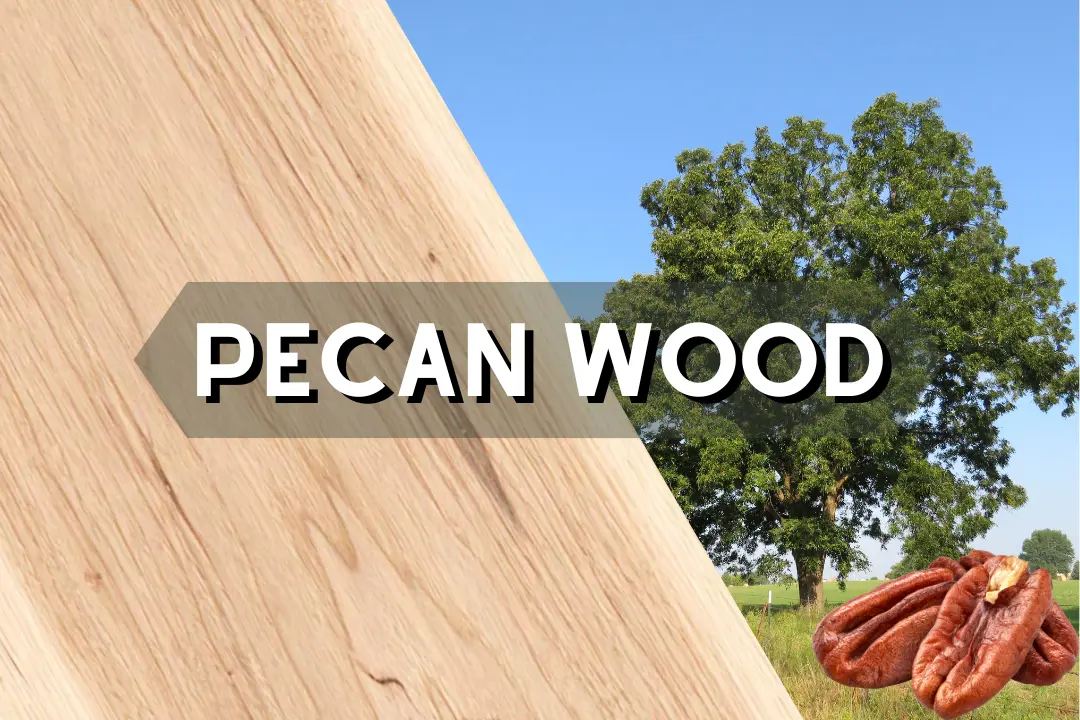
Pecan wood is a dense hardwood from the pecan tree, Carya illinoinensis, closely related to hickory and used for lumber, flooring, firewood, and BBQ smoking. It has pale sapwood, light-to-medium brown heartwood, a Janka hardness near 1,820 lbf, and a sweet, nutty smoke flavor that works well with pork, turkey, ribs, and brisket.
Good pecan feels heavy in the hand, smells faintly sweet when freshly cut, and can show bold cream-to-brown streaking that looks more rustic than maple but lighter than walnut. The main beginner mistakes are buying wet smoking wood, skipping lumber acclimation, or expecting pecan boards to look perfectly uniform.
What Is Pecan Wood?
Pecan wood is hardwood from the pecan tree, a nut-producing tree native to parts of North America and Mexico. Botanically, pecan is Carya illinoinensis, part of the walnut family, Juglandaceae, and the same genus that includes hickory; the NC State Extension plant profile identifies the species and family clearly.
In use, pecan sits in a practical middle ground: strong enough for floors and furniture, dense enough for hot firewood, and mild enough for long BBQ cooks. Fresh-cut pecan often gives off a warm, nut-like scent, while dry boards feel hard, glassy, and stubborn under a dull blade.
Pecan Tree Basics
Pecan trees grow large, with broad canopies and compound leaves, and they’re valued for both nuts and wood. Yard trees often produce short, branchy logs with knots and reaction wood, while orchard removals can supply smoking wood if the wood is clean, untreated, and free from chemical residue.
Hardwood and Hickory Family
Pecan is hardwood, and it is often grouped with pecan hickory rather than sold as a separate species in every lumber market. That matters because pecan shares the density, shock resistance, and movement issues that woodworkers expect from hickory wood.
Quick Property Snapshot
| Property | Pecan Wood Snapshot |
|---|---|
| Scientific name | Carya illinoinensis |
| Wood type | Dense hardwood |
| Family | Juglandaceae |
| Related woods | Hickory, walnut |
| Janka hardness | About 1,820 lbf |
| Average dried weight | About 46 lb/ft³ / 735 kg/m³ |
| Common uses | Furniture, flooring, firewood, smoking wood, handles, turning |
| Smoke flavor | Mild-medium, sweet, nutty, mellow |
These numbers explain why pecan can feel harder to saw than oak but still finishes beautifully when the tools are sharp. If you’re asking how hard pecan wood is, the short answer is: hard enough for high-wear flooring and much harder than many common furniture woods.
What Does Pecan Wood Look Like?

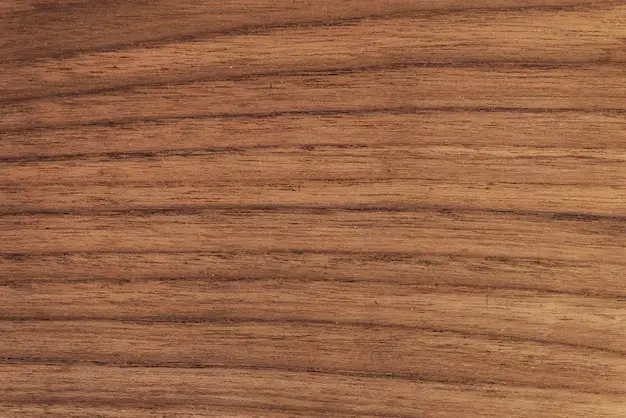
Pecan wood usually has pale cream or yellowish sapwood with light-to-medium brown heartwood, often with golden, reddish, or gray-brown streaks. The surface looks warm and varied rather than plain, and a freshly planed board can show a subtle satin sheen before finish touches it.
The visual clue beginners miss is contrast: pecan boards often mix pale sapwood bands with darker heartwood in the same piece. If you want a perfectly even cabinet face, you’ll need careful board selection; if you like rustic movement, pecan gives you that naturally.
Heartwood and Sapwood
Pecan heartwood ranges from light brown to medium brown and can lean reddish or golden. The sapwood is usually pale cream, light tan, or yellowish, and the shift between the two can be sharp enough to create striped flooring or lively cabinet panels.
Grain and Texture
Pecan grain is commonly straight, but wavy, irregular, and slightly interlocked grain shows up often, especially around branch wood. The texture is medium to coarse, so the surface can feel faintly ridged under your fingertips before final sanding and finish.
End Grain Clues
End grain on pecan shows the ring-porous structure expected in hickory-type woods, with larger earlywood pores and denser latewood. A clean end-grain cut and a hand lens help more than face-grain color alone, since pecan and hickory can look nearly identical in mixed lumber piles; our wood grain identification guide explains these clues in more depth.
Pecan vs Hickory
Pecan vs hickory is hard to call by sight because both woods share strong sapwood-heartwood contrast and dense grain. Hickory boards may look slightly paler or more uniform in some batches, but visual separation is unreliable without source information or lab-level identification.
Pecan vs Oak
Pecan lacks the bold ray fleck that makes quartersawn oak easy to spot. Compared with white oak wood, pecan usually looks more streaked and hickory-like, while oak shows a more open, familiar grain pattern.
Pecan vs Walnut
Pecan is lighter than walnut, with tan, brown, cream, and reddish notes instead of chocolate brown or purplish brown. If a board looks dark and rich from edge to edge, compare it with black walnut wood before calling it pecan.
Pecan vs Maple
Maple looks cleaner, creamier, and more uniform in most boards. Pecan usually carries stronger brown streaking, heavier grain, and a denser feel, which makes it look warmer and more rustic under a clear coat.
Image Alt Ideas
- pecan wood heartwood and sapwood color variation
- what pecan wood looks like in lumber boards
- pecan wood grain pattern close up
- pecan wood flooring with natural brown grain
- pecan wood chunks for smoking meat
- pecan mini splits for offset smoker
Use descriptive alt text that says what the image shows, not just the species name. For visual searches around “what does pecan wood look like,” close-ups of sapwood, heartwood, and end grain answer the query faster than a generic board photo.
Pecan Wood Hardness and Properties

Pecan wood hardness is about 1,820 lbf on the Janka scale, which makes it a hard, dense, wear-resistant hardwood. That hardness gives pecan good flooring and furniture potential, but it also means more tool wear, more pre-drilling, and less forgiveness during drying.
The trade-off is simple: pecan rewards patience but punishes shortcuts. A sharp carbide blade makes a clean, crisp shaving; a dull blade leaves burn marks and a hot, bitter smell that tells you the wood is resisting the cut.
Janka Hardness
Janka rating measures the force needed to embed a steel ball halfway into wood, and pecan’s approximate 1,820 lbf rating puts it above red oak and below many extremely hard tropical species. For context, compare this with the Janka hardness scale before choosing pecan for stairs, floors, or tabletops.
Density and Strength
Pecan density averages about 46 lb/ft³, or roughly 735 kg/m³, with specific gravity around 0.60 to 0.66. Published wood-property references such as The Wood Database pecan profile list common strength values near 13,700 lbf/in² modulus of rupture, 1.62 million lbf/in² elastic modulus, and 7,850 lbf/in² crushing strength.
In practical terms, pecan can handle chair frames, benches, flooring, and utility items that need impact resistance. It also feels noticeably heavy when you carry a stack of boards, so shipping costs and jobsite handling can add up fast.
Shrinkage and Drying
Pecan shrinkage is high enough to deserve respect: radial shrinkage is about 4.9%, tangential shrinkage about 8.9%, and volumetric shrinkage about 13%. That means wide boards can cup, check, or twist if they’re rushed from a wet log into an indoor project.
Professional workaround: sticker pecan properly, slow the early drying phase, and let indoor lumber acclimate before milling to final thickness. For flooring, skip installation until the wood and room moisture levels have stabilized, or seasonal gaps can show up after the first heating season.
Workability and Finishing
Pecan machines well with sharp tools, but it can burn, chip, and split if blades are dull or feed pressure is uneven. Pre-drill screws, take light router passes, and sand through the grits carefully because dense latewood can hold swirl marks under stain.
Field note: clear finish usually flatters pecan more than heavy stain because it keeps the cream sapwood and brown heartwood contrast alive. If a client wants a uniform espresso color, pecan can do it, but test boards first because sapwood and heartwood may absorb stain at different speeds.
Common Pecan Wood Uses

Pecan wood uses include furniture, cabinetry, flooring, trim, firewood, smoking wood, tool handles, turned objects, and rustic slabs. It is good for projects that benefit from hardness, strength, warm color variation, and a natural, non-uniform look.
What pecan is good for depends on moisture control and grading. The same heavy branch wood that makes flavorful BBQ chunks may be too twisted or knotty for furniture, while a straight kiln-dried board can become a durable tabletop or stair tread.
Furniture and Cabinetry
Pecan furniture works well for tables, chairs, benches, cabinet doors, and rustic casework. The common mistake is treating it like a soft cabinet wood; instead, use sharp cutters, pre-drill fasteners, and plan your glue-ups so the bold color bands look intentional.
Flooring and Trim
Pecan flooring can handle foot traffic because the wood is hard and dense. The risk is movement, so flooring should be dried, acclimated, and installed with the same care used for other high-density hardwood flooring types.
Pecan Timber and Lumber
Pecan timber can be valuable when logs are large, straight, clean, and suitable for sawing into furniture or flooring stock. Yard trees with metal, crotches, decay, or storm damage may still have value as slabs, turning blanks, firewood, or smoking wood, but they rarely price like premium kiln-dried lumber.
How much pecan wood is worth depends on board quality, drying, figure, local demand, and whether the buyer wants lumber, firewood, or BBQ wood. Board-foot pricing and square-foot flooring pricing vary widely, while small smoking-wood bags often cost more per pound because they’re cut, dried, packaged, and shipped.
Pecan Firewood
Pecan firewood burns hot, smells pleasant, and lasts longer than many softer woods when properly seasoned. Green pecan can hiss, smoke heavily, and leave more creosote risk in a fireplace or wood stove, so split it and dry it before indoor burning.
Tool Handles and Turning
Pecan handles and turned pieces benefit from the wood’s strength and shock resistance. For bowls, mallets, and small utility items, seal end grain early and rough-turn wet blanks oversized, since pecan can check as moisture leaves the end grain faster than the face grain.
Pecan Wood for Smoking

Pecan wood for smoking gives food a smooth, sweet, nutty flavor that tastes like a softer version of hickory. It is stronger than apple or maple, milder than mesquite, and forgiving enough for pork, poultry, turkey, ribs, brisket, sausage, and ham.
The goal is clean, thin blue smoke, not thick white smoke that smells sharp and makes your eyes sting. If the smoke smells sour or the bark on the meat tastes bitter, the wood is likely wet, smoldering, overloaded, or starved for airflow.
Smoke Flavor
Pecan smoke flavor is mild-medium, sweet, nutty, mellow, and slightly rich. It pairs especially well with rubs that include brown sugar, paprika, pepper, chili, garlic, and warm spices because the smoke rounds off sharp edges without flattening the meat flavor.
Best Meats
- Pork shoulder: pecan supports long cooks and balances fatty pulled pork.
- Ribs: pecan adds sweetness without hiding spice rubs.
- Turkey: pecan gives a richer flavor than apple without becoming harsh.
- Chicken thighs: pecan works well, but use less wood than you would for pork.
- Brisket: pecan can stand alone or blend with oak for deeper smoke.
- Salmon: use lightly because pecan can overpower delicate fish.
For brisket, pecan alone gives a sweeter bark, while pecan plus oak gives more backbone. For turkey, use a lighter hand because poultry skin catches smoke fast and can taste acrid if the fire runs dirty.
BBQ Equipment
Pecan works in offset smokers, charcoal grills, kamado cookers, bullet smokers, gas grills with smoker boxes, wood-fired ovens, and pellet grills when using pecan pellets. Match the format to the cooker: chips for short gas-grill smoke, chunks for charcoal, and splits for offsets.
Clean Smoke Tips
Clean smoke starts with dry pecan, a hot coal bed, and enough airflow for the wood to burn rather than smolder. Preheating chunks or splits near the firebox helps them ignite faster and reduces that dirty white plume that can coat food with harsh compounds.
Food Safety
Food-safe pecan should be natural, untreated, unpainted, unstained, and free from mold, rot, glue, pesticides, or construction chemicals. The USDA FSIS smoking meat guidance covers safe meat handling during smoking, which matters just as much as wood choice.
Do not use flooring scraps, plywood, pallet wood, painted branches, or unknown orchard wood for food smoke. People with severe nut allergies or smoke sensitivity should be cautious, since wood smoke can irritate sensitive airways even when the smoke source is natural.
Pecan Chips, Chunks, Splits, and Pellets
Pecan chips, chunks, splits, and pellets all smoke food, but they burn differently. Choose the format by cooker type and cook length, not by flavor claims alone.
| Format | Best Equipment | Burn Behavior | Best Use |
|---|---|---|---|
| Pecan chips | Gas grills, smoker boxes, foil packets | Fast ignition, short smoke | Chicken, fish, burgers, vegetables |
| Pecan chunks | Charcoal smokers, kettles, kamados | Longer, steadier smoke | Ribs, pork shoulder, turkey, brisket |
| Pecan mini splits | Offset smokers, wood-fired ovens | Heat and smoke source | Live-fire cooking and long BBQ |
| Pecan pellets | Pellet grills | Controlled feed and steady heat | Set-and-forget smoking |
Pecan Wood Chips
Pecan wood chips are best for short smoking sessions because they ignite fast and burn out fast. Use them in a smoker box or foil packet on a gas grill, or sprinkle a small handful onto charcoal when you want quick smoke on burgers, wings, fish, or vegetables.
Pecan Wood Chunks
Pecan wood chunks are the most useful backyard format for charcoal smokers and kamado grills. One to three chunks can carry smoke through a rib or turkey cook without forcing you to open the cooker every few minutes.
Pecan Mini Splits
Pecan mini splits work best in offset smokers, wood-fired ovens, and larger grills where wood provides both heat and flavor. They need airflow discipline; if you choke the stack too hard, the fire gets lazy and the smoke turns thick and bitter.
Pecan Pellets
Pecan pellets are convenient for pellet grills, but labels matter. Some bags are 100% pecan, while others use oak or other hardwoods as a base with pecan in the blend, which changes both burn behavior and flavor intensity.
Should You Soak Chips?
Skip soaking pecan chips in most setups. Wet chips steam first, cool the fire briefly, and then smoke later, while dry chips in a smoker box or foil packet give a cleaner and more predictable release.
Product Picks by Format
These pecan smoking products cover the main formats: chips for quick smoke, chunks for charcoal cookers, and mini splits for offsets or wood-fired cooking.

Sweet Pecan Smoke Chunks
- Rich pecan flavor for a mellow, slightly sweet smoke
- Ideal for beef, pork, poultry, lamb, and fish
- Chunk format burns longer for steady heat and flavor
- Great for smokers, grills, and outdoor cooking
- All natural wood for authentic BBQ taste
 Buy on Amazon

Classic Pecan Smoke Chips
- Adds a smooth, sweet pecan smoke to your food
- Perfect for beef, poultry, pork, lamb, and fish
- Small chip size ignites quickly for fast flavor
- Works well in grills and smokers
- Easy way to enhance everyday BBQ
Buy on Amazon

Camerons Pecan Wood Chunks
- All natural pecan wood for rich, balanced smoke
- Large kiln dried chunks help deliver longer burn time
- Great for smoking meat, grilling, and BBQ
- Works with a wide range of proteins and cuts
- Handy bulk box for frequent backyard cooking
Buy on Amazon

Pecan Mini Splits for Cooking
- USDA certified kiln dried pecan wood for clean burning
- Mini split size is ideal for pizza ovens and smoking
- Great for grilling, BBQ, and outdoor cooking
- Consistent pieces help with steady heat control
- Large pack is suited for frequent wood fired cooking
Buy on Amazon
Choose chips for a gas grill, chunks for charcoal, and mini splits when a live fire is part of the cook. Small bags of chips often run about $8–$20, chunks often land around $15–$35, and boxed mini splits can run about $30–$70+ because shipping heavy wood costs real money.
Pecan vs Other Smoking Woods
Pecan smoking wood is a mild-to-medium wood with sweet, nutty flavor, so it sits between fruitwoods and stronger woods like hickory or mesquite. It is one of the safer choices for cooks who want classic BBQ flavor without the heavy punch of mesquite.
| Wood | Smoke Strength | Flavor | Best Uses |
|---|---|---|---|
| Pecan | Mild-medium | Sweet, nutty, mellow | Pork, poultry, ribs, brisket, turkey |
| Hickory | Medium-strong | Bacon-like, bold, savory | Pork, ribs, brisket |
| Oak | Medium | Clean, earthy, balanced | Beef, brisket, sausages |
| Mesquite | Strong | Sharp, earthy, intense | Beef, short cooks |
| Apple | Mild | Fruity, sweet | Pork, chicken, fish |
| Cherry | Mild-medium | Sweet, fruity, colorful bark | Pork, poultry, ham |
| Maple | Mild | Sweet, soft | Poultry, pork, vegetables |
Pecan vs Hickory
Pecan tastes milder and sweeter than hickory, while hickory tastes stronger, more savory, and more bacon-like. If hickory makes your chicken taste heavy, pecan often solves that problem without losing the BBQ character.
Pecan vs Oak
Oak gives cleaner, earthier smoke and acts as a strong base wood for beef. Pecan brings sweetness and nuttiness, so pecan plus oak is a reliable blend for brisket, chuck roast, and beef ribs; compare oak behavior with red oak wood if you cook over hardwood often.
Pecan vs Mesquite
Mesquite is stronger, sharper, and less forgiving than pecan. Use mesquite wood for short beef cooks or bold flavor, but choose pecan for longer pork, turkey, and rib cooks where harsh smoke builds quickly.
Pecan vs Apple
Apple is lighter, fruitier, and sweeter than pecan. Pecan gives deeper BBQ flavor, so it fits pork shoulder and ribs better, while apple is safer for delicate poultry, pork loin, and fish.
Pecan vs Cherry
Cherry adds fruity sweetness and can deepen the reddish color of bark and skin. Pecan adds more nutty richness, and the two make a strong pair for ribs, turkey, ham, and pork belly; see cherry wood for more species details.
Pecan vs Maple
Maple smoke is soft, mild, and sweet, while pecan is nuttier and more noticeable. Pick maple for subtle smoke on poultry or vegetables, and pick pecan when you want a fuller BBQ profile without using hickory.
Buying Pecan Wood
Buy pecan wood by matching the wood form to the job: smoking wood for food, seasoned firewood for heat, kiln-dried lumber for woodworking, and properly acclimated flooring for interiors. The safest purchase is dry, clean, clearly labeled wood with consistent sizing and no chemical exposure.
Practical note: pecan looks harmless when stacked, but wet pieces feel cool and heavy, moldy bark smells musty, and green splits can sweat at the ends. Those sensory clues tell you more than a pretty product photo.
Smoking Wood Quality
Good smoking pecan should be kiln-dried or properly seasoned, food-safe, natural, and free from additives. Look for consistent chip, chunk, or split size because mixed sizing makes heat control harder, especially in smaller cookers.
Avoid bark-heavy bags with dust, mold, rot, or a sour smell. Some bark is normal, but too much loose bark and crumbly debris can create dirty smoke and uneven burn patterns.
Firewood Seasoning
Seasoned pecan firewood should usually be dried near 20% moisture content or lower for efficient burning. The Penn State Extension firewood guide explains why moisture, storage, and seasoning time affect heat output and smoke.
- Split pecan firewood to speed drying.
- Stack it off the ground on rails or pallets.
- Cover the top, but leave the sides open for airflow.
- Keep smoking wood separate from heating wood if chemical history is unknown.
- Use a moisture meter on fresh splits, not just the outside face.
Lumber and Flooring Pricing
Pecan lumber pricing depends on board-foot yield, grade, width, thickness, drying method, figure, and local supply. Flooring pricing depends on solid versus engineered construction, milling quality, finish system, waste factor, and whether the batch contains strong sapwood-heartwood contrast.
For buyers, the mistake is comparing rough logs, dry boards, smoking chunks, and finished flooring as if they’re the same product. Labor, drying loss, sorting, packaging, and freight often explain why a small box of pecan cooking wood costs far more per pound than local firewood.
What to Avoid
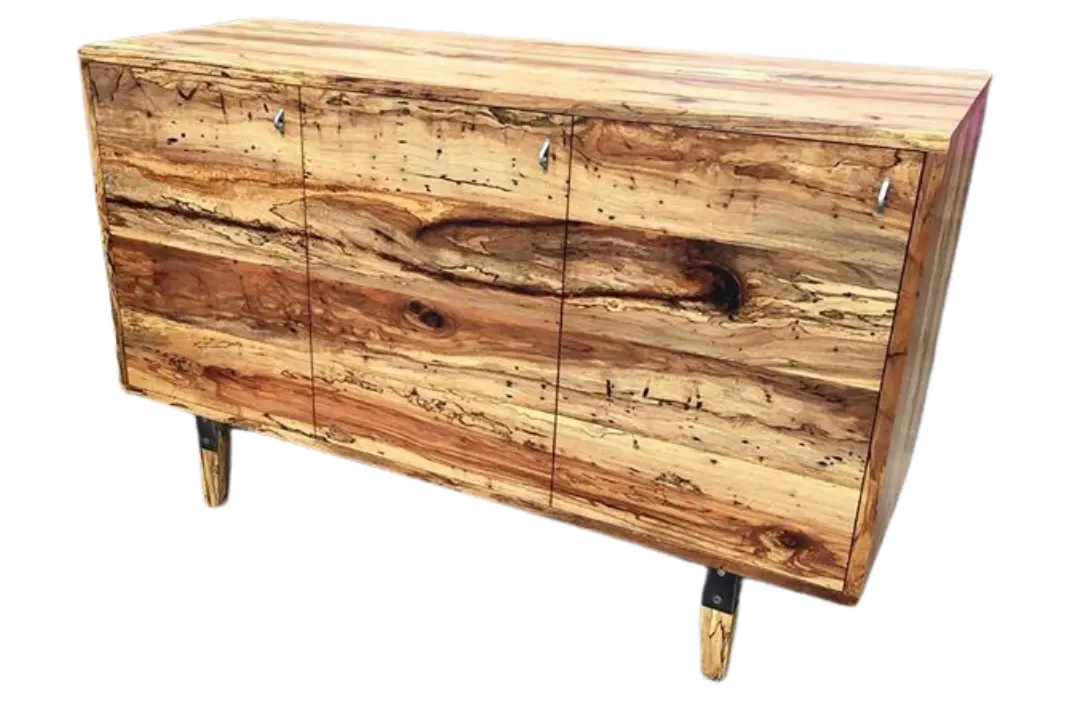
Avoid unknown construction scraps, treated lumber, painted wood, stained wood, plywood, moldy logs, rotten chunks, and green pecan for smoking food. For woodworking, avoid unstable boards with fresh checks, active insect holes, or moisture readings that don’t match your shop conditions.
One workaround for spalted or highly figured pecan is to reserve it for decorative panels, small boxes, or stabilized turning blanks rather than structural parts. Spalting can look beautiful, but soft punky zones cut unevenly and can crumble under pressure if they aren’t stabilized or sealed.
Good pecan wood should match the job: dry and clean for smoking, seasoned for firewood, and kiln-dried plus acclimated for indoor woodworking.
Glamorwood practical buying note
FAQs
What Is Pecan Wood Used For?
Pecan wood is used for smoking meat, furniture, flooring, tool handles, and decorative woodworking. It is valued for its strength, workability, and attractive grain. Many people also use it as firewood because it burns steadily and produces good heat.
What Does Pecan Wood Look Like?
Pecan wood usually has a light to medium brown color with a straight, sometimes wavy grain. Its texture is coarse, and the color can vary from pale tan to deeper reddish brown. The wood often has a natural, rustic look that works well in both furniture and interior projects.
Is Pecan Wood Good For Smoking Meat?
Yes, pecan wood is good for smoking meat. It gives food a rich, nutty flavor that is milder than hickory but stronger than fruitwoods like apple. It works especially well with pork, chicken, turkey, and beef.
Is Pecan Wood The Same As Hickory?
No, pecan wood is not exactly the same as hickory, but they are closely related. Pecan is a type of hickory, so the woods are similar in appearance and smoking flavor. Pecan is usually a little milder and sweeter than many other hickory varieties.
How Hard Is Pecan Wood?
Pecan wood is very hard and dense, making it a durable choice for many projects. It is harder than many common hardwoods and can be more difficult to cut or nail without pre-drilling. That hardness also makes it a strong option for flooring, furniture, and tool handles.
Affiliate Disclosure: Some links in this post are affiliate links. If you make a purchase through these links, we may earn a small commission at no extra cost to you. We only recommend products we genuinely believe in.