Mesquite Wood: Uses, Smoke Flavor, Firewood, Lumber, and Buying Guide

Table of Contents
Mesquite wood is a dense hardwood from Prosopis trees, used for smoking meat, firewood, charcoal, furniture, flooring, cutting boards, and turning. It burns hot, smells sharp and earthy, and has a Janka hardness of about 2,340 lbf, so it works best when you match the wood form to the job.
The main mistake beginners make is treating mesquite like mild apple or oak; too much smoke can leave meat bitter, and dull tools can turn a simple woodworking project into scorched edges and chipped cutters.
What Is Mesquite Wood?
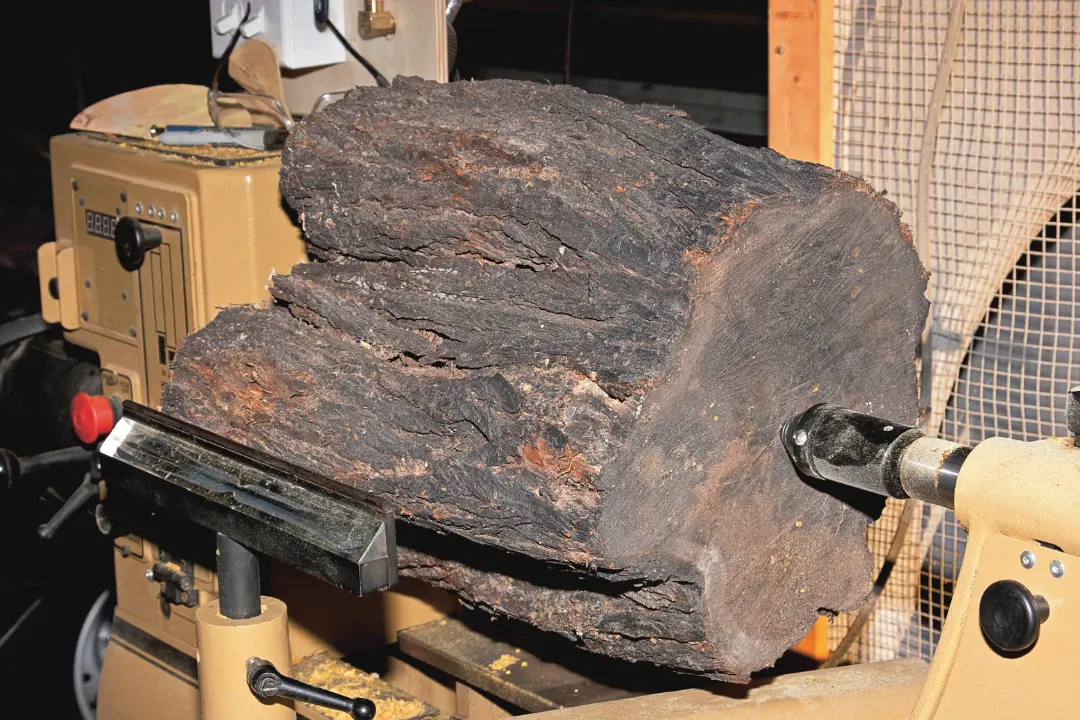
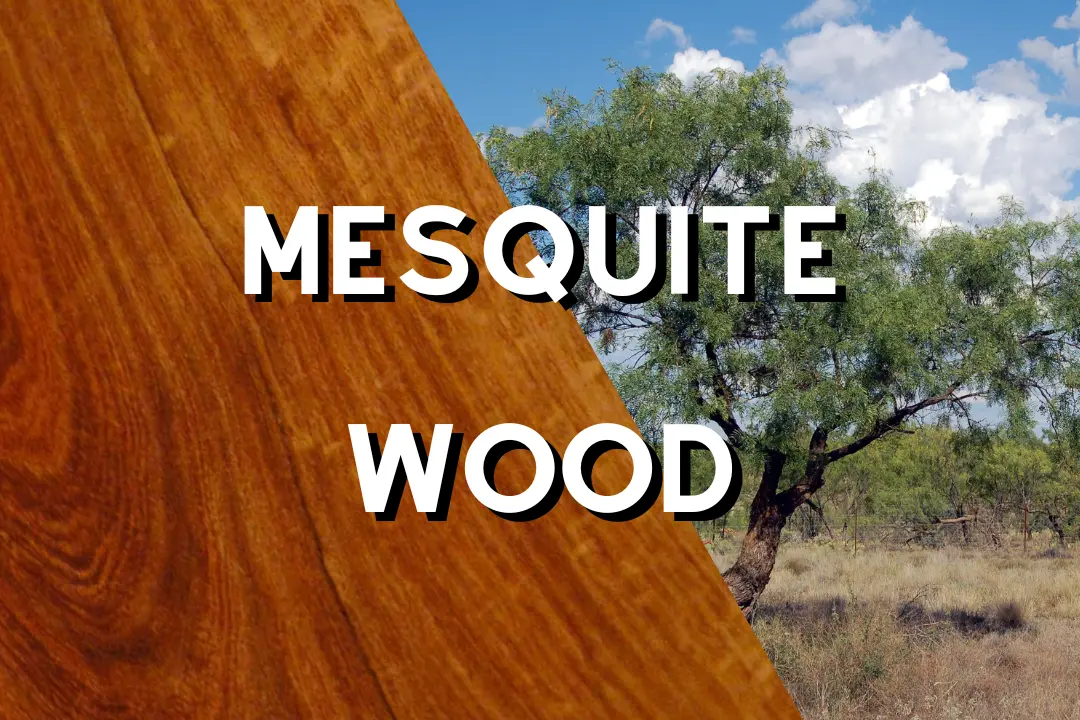
Mesquite wood comes from drought-tolerant trees and shrubs in the Prosopis genus, most common in dry parts of the Southwest United States and northern Mexico. It’s a true hardwood, and its value comes from an unusual mix of heat output, bold smoke flavor, rich reddish color, and strong dimensional stability.
Fresh-cut mesquite has a dry, spicy scent that hangs on gloves, and seasoned pieces feel heavier than their size suggests. That density explains why it burns hot in a firebox, wears well underfoot, and fights back when you push it through a dull planer.
Prosopis and Fabaceae
Prosopis wood comes from trees in the Fabaceae family, the same broad legume family that includes many pod-producing plants. The USDA PLANTS database lists multiple Prosopis species in North America, including honey mesquite, velvet mesquite, and screwbean mesquite; see the USDA PLANTS profile for botanical classification.
This family link matters because mesquite trees often grow with thorny branches, seed pods, and irregular forms rather than tall, straight trunks. For lumber buyers, that means short boards, knots, checks, and live-edge slabs are normal rather than rare exceptions.
Honey Mesquite Wood
Honey mesquite wood, from Prosopis glandulosa, is one of the best-known North American mesquite woods and is strongly tied to Texas barbecue. If you want a deeper tree profile, the site’s guide to honey mesquite covers its growth habit and wood traits in more detail.
Honey mesquite often gives smoke a bold beef-friendly edge, but it can punish light foods fast. A handful of chips may make chicken thighs taste roasted and savory, while the same amount on fish can taste harsh after only a short cook.
Velvet Mesquite Wood
Velvet mesquite wood, from Prosopis velutina, is common in Arizona and nearby desert regions. It shares mesquite’s dense, reddish-brown heartwood and strong heating value, but local supply, log size, and drying practice affect whether it ends up as firewood, smoking chunks, or small lumber.
Arizona mesquite trees often grow with low branching trunks, which looks beautiful in the landscape but lowers clear lumber yield. When milling it, I expect bark pockets and hidden checks near branch unions, so I leave extra length before cutting project parts.
Screwbean Mesquite Wood
Screwbean mesquite wood, from Prosopis pubescens, comes from a smaller mesquite species known for twisted seed pods. Its wood can still be dense and useful, but large clear boards are less common, so it’s more often seen in small craft stock, fuel, or local-use material.
The practical limit is usable size. A small, crooked stem may smoke a steak beautifully, yet yield only pen blanks, knife scales, or short turning blanks after cracks and pith are cut away.
Southwest Growing Regions
Mesquite trees grow across arid and semi-arid areas, especially Texas, Arizona, New Mexico, Nevada, desert California, and northern Mexico. Wood is usually cheaper and easier to source near these regions because shipping dense mesquite adds real cost to chips, chunks, logs, slabs, and boards.
Regional supply changes the buying math: a local firewood seller may offer affordable seasoned mesquite by the rack, while a small online bundle costs more per pound because the package is heavy and awkward to ship.
Hardwood or Softwood
Mesquite is hardwood, not softwood, because it comes from a broadleaf flowering tree rather than a conifer. It is also mechanically hard, with a Janka rating around 2,340 lbf, which puts it above white oak, red oak, hard maple, and hickory in surface dent resistance.
Do not confuse botanical hardwood with easy workability. Mesquite can leave a sweet, warm smell during sanding, but it can also heat router bits quickly and burn the edge if you pause too long in one spot.
Mesquite Wood Properties
Mesquite wood properties explain why the same tree can be useful for BBQ, firewood, flooring, and fine small projects. It is hard, dense, stable after drying, visually warm, and forgiving in service, but it asks for sharp tools and careful drying.
| Property | Common Value | Practical Meaning |
|---|---|---|
| Janka hardness | About 2,340 lbf | Strong dent resistance; harder on tools |
| Average dried weight | About 51 lb/ft³ | Heavy boards and high shipping cost |
| Specific gravity | About 0.68 basic / 0.82 at 12% MC | Dense hardwood with high heat output |
| Radial shrinkage | About 2.6% | Low movement across growth rings |
| Tangential shrinkage | About 4.0% | Stable for flooring and furniture |
| Volumetric shrinkage | About 6.6% | Low overall shrinkage after drying |
These figures match commonly cited mesquite data from The Wood Database, and they line up with shop behavior: mesquite feels heavy, resists denting, and stays flatter than many hardwoods once it reaches a stable moisture content.
Janka Hardness: 2,340 lbf
Mesquite hardness is about 2,340 lbf on the Janka scale, making it harder than white oak at about 1,360 lbf, hard maple at about 1,450 lbf, and hickory or pecan at about 1,820 lbf. That makes mesquite a strong candidate for flooring, knife scales, cutting boards, and table tops that see hard use.
The trade-off is tool wear. A beginner often tries to run mesquite at the same feed rate as walnut or cherry, then gets burn marks, chatter, and dull edges; the better approach is carbide tooling, shallow passes, and a steady feed.
Dried Weight: 51 lb/ft³
Dried mesquite averages about 51 pounds per cubic foot, so even small boards and bags of chunks feel noticeably dense. That weight helps it burn long and hold up in furniture, but it raises shipping costs and makes large slabs harder to handle safely.
When lifting a thick mesquite slab, the weight hits your forearms before the size looks serious. Use help, carts, or padded supports because dropped mesquite dents floors and can crack along existing checks.
Specific Gravity
Specific gravity for mesquite is often listed around 0.68 basic and 0.82 at 12% moisture content. In plain terms, it packs a lot of wood substance into a small volume, which explains its hard feel, high coaling value, and slow ignition compared with softer firewoods.
That density can fool new grill users because mesquite chunks may look small yet release intense smoke. Start with less than you think you need, then add more only after the smoke thins and the food can handle it.
Shrinkage and Stability
Mesquite stability is one of its best technical traits: radial shrinkage is about 2.6%, tangential shrinkage about 4.0%, and volumetric shrinkage about 6.6%. Those numbers are low for a dense hardwood, so dried mesquite behaves well in tabletops, flooring, and cutting boards.
The catch is internal checking. Mesquite may move little after drying, yet logs and slabs can contain old cracks from stress, drought, branches, or fast drying; seal end grain early and cut around defects rather than trusting every board face.
Color and Grain
Mesquite heartwood ranges from golden brown to reddish brown, while sapwood is lighter tan or yellowish. Grain can be straight, wavy, interlocked, or irregular, and many boards contain knots, checks, mineral streaks, bark inclusions, and voids.
Those character marks are not always defects. In rustic furniture, epoxy-filled cracks and dark bark pockets can become the visual feature, but in cutting boards or food-contact projects, deep dirty voids should be cut out rather than filled and hidden.
Workability and Finishing
Working mesquite is pleasant when tools are sharp and frustrating when they aren’t. It glues well, sands to a smooth surface, and takes oil, tung oil, Danish oil, polyurethane, lacquer, hardwax oil, and epoxy fills cleanly when the surface is prepared.
Pre-drill screws, back up crosscuts, and take light router passes. Mesquite’s irregular grain can tear out at edges, and the dust can feel dry and scratchy in the throat, so dust collection and a respirator are worth using even for short sessions.
Main Mesquite Wood Uses
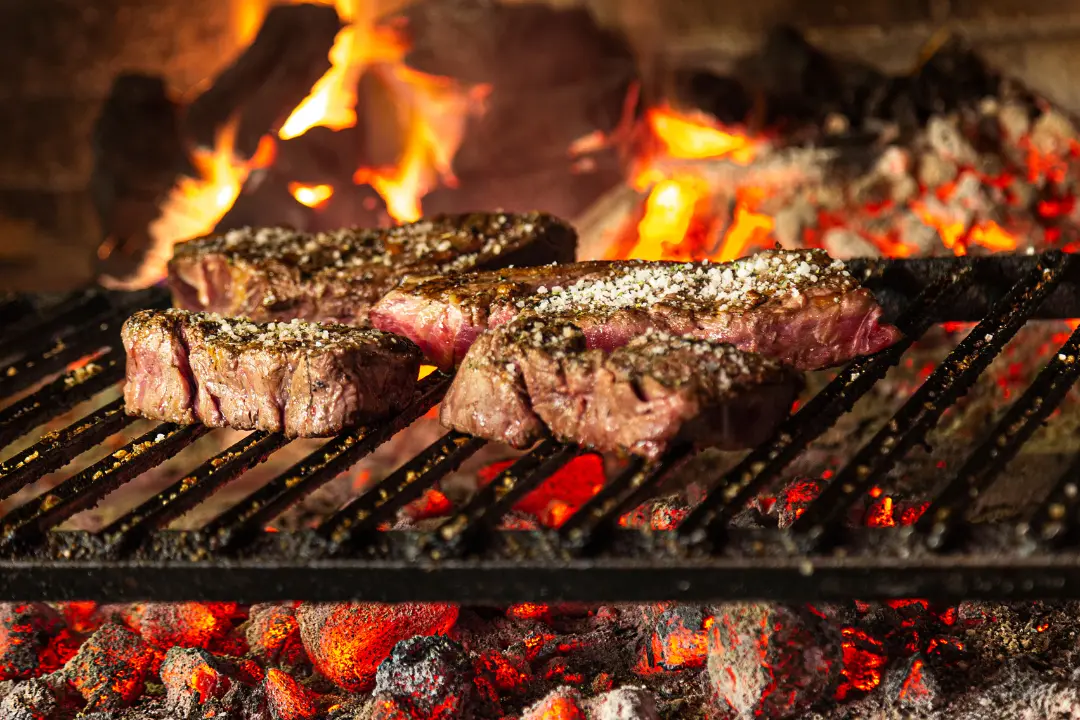
Mesquite wood uses range from cooking fuel to high-end rustic woodworking. Its strongest uses are smoking and grilling, firewood, charcoal, furniture, flooring, cutting boards, turning blanks, knife scales, and decorative slabs.
- Smoking meat and adding bold BBQ flavor
- Hot-burning firewood for stoves, pits, campfires, and cooking fires
- Charcoal and open-fire grilling
- Rustic furniture, tables, desks, benches, shelves, and cabinets
- Hardwood flooring and end-grain flooring
- Cutting boards, charcuterie boards, bowls, pens, knife scales, and handles
- Live-edge slabs with knots, cracks, and epoxy-filled voids
For broader tree context, the site’s mesquite tree guide explains why the tree’s desert growth habit creates short, dense, character-rich wood rather than long clear boards.
Smoking and Grilling
Mesquite smoking wood gives food a bold, earthy, sharp, slightly sweet flavor associated with Texas BBQ and Southwestern cooking. It pairs best with brisket, steak, beef ribs, lamb, venison, bison, duck, and sausages.
Use restraint with mild foods such as chicken breast, fish, vegetables, shrimp, and mild cheeses. If the smoke smells acrid enough to sting your eyes at the grill, the food will likely taste bitter too.
Firewood and Heating
Mesquite firewood is excellent when seasoned because it burns hot, makes strong coals, and lasts longer than many lighter woods. It is useful in fire pits, campfires, fireplaces, wood stoves, and open cooking fires.
The beginner mistake is burning green mesquite. Wet mesquite smolders, smokes heavily, can smell sour, and may increase chimney creosote, so split and dry it before indoor use or serious cooking.
Furniture and Flooring
Mesquite lumber works well for rustic furniture and flooring because it is hard, stable, and rich in color. Dining tables, coffee tables, desks, benches, cabinets, shelves, beds, plank flooring, and end-grain flooring are common uses.
Expect character wood, not perfect furniture-yard boards. Large clear mesquite boards are uncommon, so good designs often place knots and cracks where they look intentional instead of fighting the tree’s natural form.
Cutting Boards
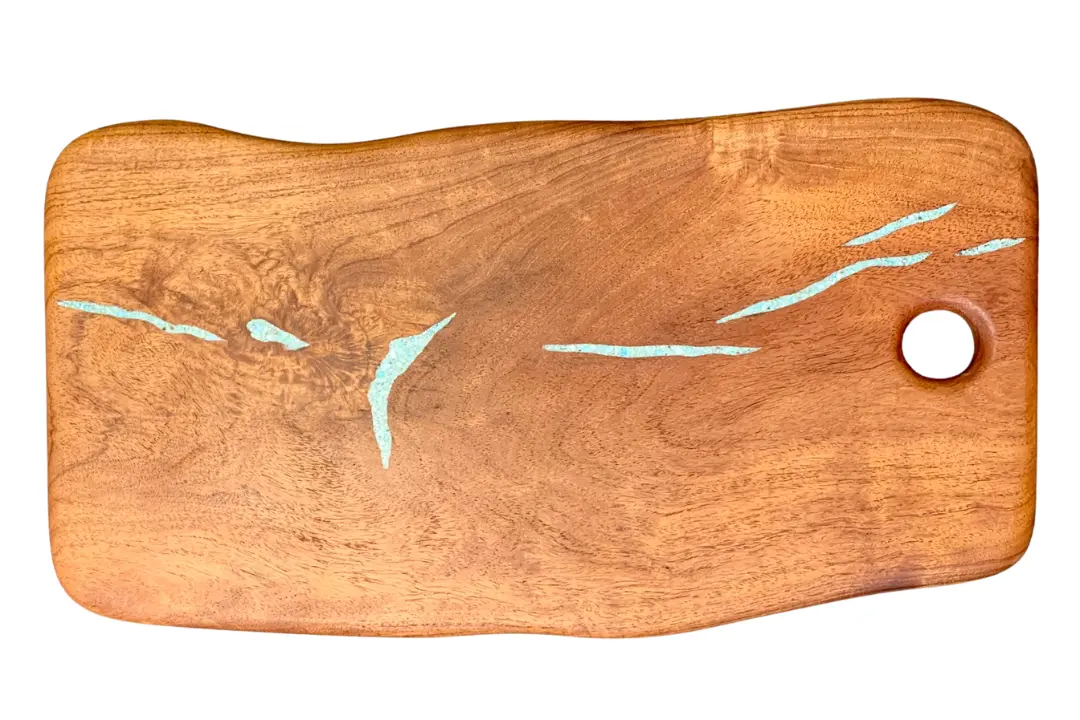
Mesquite cutting boards are durable, stable, and attractive, especially when made from clean, dry, untreated stock. Use food-safe mineral oil or board butter, and reject wood with deep cracks, oily contamination, mold, chemical treatment, or unknown origin.
Because mesquite is so hard, knives can feel a firm tap on edge-grain boards compared with softer maple. For a daily board, sand to a smooth finish, round the edges, and avoid leaving the board soaking in a sink.
Turning and Knife Scales
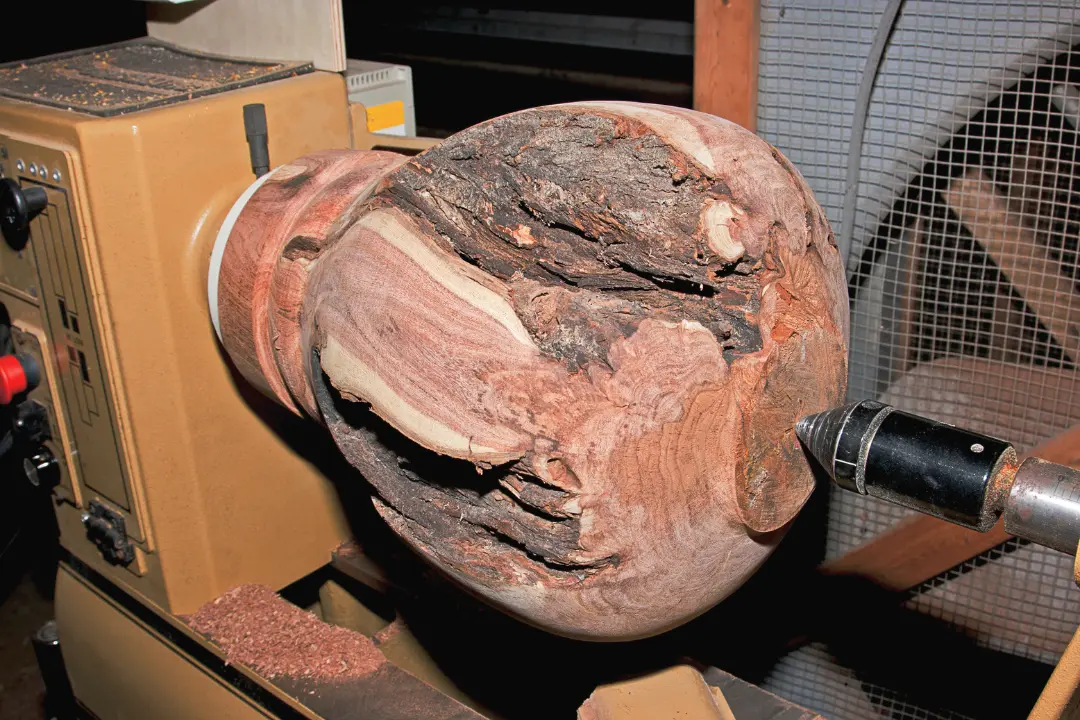
Mesquite turning blanks polish well and show warm color in bowls, pens, tool handles, and knife scales. Small pieces are often easier to source than wide boards, which makes mesquite a practical choice for compact high-value projects.
Sharp gouges matter because interlocked grain can grab and chip near knots. For knife scales, stabilize questionable stock, use fresh belts, and pause before the wood gets too hot to touch near pins or edges.
Charcoal and Cooking Fires
Mesquite charcoal gives high heat and strong aroma, which suits steaks, fajitas, burgers, and quick open-fire cooking. It is less forgiving for delicate foods because the smoke and heat can dominate before the inside finishes cooking.
For cooking fires, burn splits down to glowing coals before placing food over them. Flames licking meat can leave soot and bitter spots, while clean coals give a roasted, savory crust with less harsh smoke.
Mesquite Smoking Wood Guide
Mesquite wood for smoking is best for cooks who want a bold, earthy, Southwestern smoke profile. It shines on beef and game, but it can overpower poultry, pork, fish, and vegetables if you add too much or run a dirty fire.
The safest rule is start small: use one small chunk or a modest handful of chips, then judge the smoke smell, color, and food type before adding more.
Smoke Flavor Profile
Mesquite smoke flavor is bold, earthy, sharp, slightly sweet, and a little spicy. It is stronger than apple and cherry, usually sharper than oak, and can feel as intense as hickory depending on quantity and airflow.
Clean mesquite smoke smells dry and savory, like hot desert brush and roasted meat. Bad mesquite smoke smells damp, bitter, and medicinal, which usually means green wood, poor airflow, smoldering chunks, or too much fuel.
Best Meats
Best meats for mesquite include brisket, ribeye steak, beef ribs, tri-tip, lamb chops, venison, bison, duck, and sausages. Moderate-use pairings include pork shoulder, pork ribs, chicken thighs, and turkey legs.
For ribs, mesquite works best as an accent wood with oak, pecan, or charcoal. If you’re comparing other woods for similar cooks, the site’s pecan wood guide helps explain why pecan gives a gentler nutty smoke.
How Much to Use
Use less mesquite than oak, pecan, apple, or cherry when you’re learning. For charcoal grilling, start with one small chunk or a small handful of chips; for gas grills, use chips in a smoker box or foil pouch; for long smoking sessions, blend mesquite with oak, pecan, or charcoal.
Aim for thin blue smoke, not thick white smoke. White smoke leaves a scratchy smell on your hands and can build bitter flavor on bark, especially during the first half of a long cook.
Brisket and Steak
Mesquite and beef are a natural match because fatty cuts can carry strong smoke without tasting thin or harsh. Steak benefits from short, hot mesquite smoke, while brisket needs a more controlled approach so the bark doesn’t become bitter before the collagen breaks down.
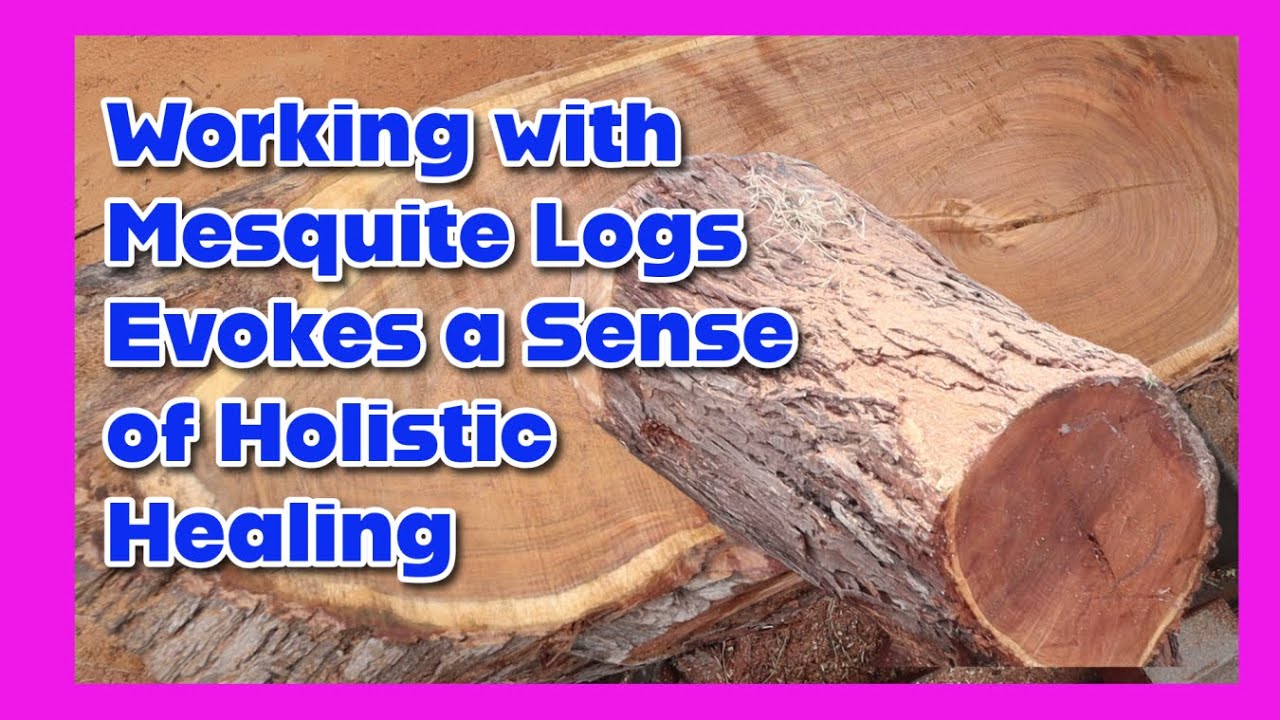
For brisket, use mesquite sparingly with oak or charcoal unless you’re cooking a bold regional style and can keep a clean-burning fire. The video below fits this section because fire control matters more than simply adding more wood.
Mesquite vs Hickory
Mesquite vs hickory comes down to sharpness and versatility. Mesquite is earthier, sharper, and often stronger, while hickory is smoky, bacon-like, and a bit sweeter, which makes it easier to use on pork and ribs.
For beef and game, choose mesquite when you want bold flavor; for pork ribs or mixed BBQ, choose hickory or blend the two. For deeper wood traits, compare this with the site’s hickory wood profile.
Mesquite vs Oak
Mesquite vs oak is a strength comparison: oak is medium-strong and steady, while mesquite is stronger and more aggressive. Oak works better as the main fuel for long brisket cooks, and mesquite works well as an accent when you want a bold Southwest edge.
In a stick burner, oak splits are easier to manage for long clean fires. Mesquite can ignite more slowly because it’s dense, then burn hot once established, so smaller splits and good airflow help prevent smoldering.
Mesquite vs Pecan
Mesquite vs pecan is bold versus gentle. Pecan tastes nutty, sweet, and softer, while mesquite tastes sharper, earthier, and more intense, so pecan is easier on poultry and pork, and mesquite is better on beef-heavy cooks.
A useful workaround is mixing woods. Use pecan as the base and add one small piece of mesquite for stronger bark flavor without covering the meat in harsh smoke.
Mesquite vs Fruitwoods
Mesquite vs fruitwoods is the biggest flavor gap in smoking wood. Apple and cherry are mild, sweet, and forgiving, while mesquite is much stronger and can dominate chicken, fish, pork loin, and vegetables.
For beginners cooking poultry, use fruitwood first, then add a pinch of mesquite after you know your grill’s airflow. This avoids the common “campfire chicken” problem where the skin smells smoky but tastes bitter.
Chips, Chunks, Logs, and Pellets
Mesquite wood forms change burn time, smoke control, and equipment fit. Chips are fast, chunks are steady, logs and splits supply heat plus smoke, and pellets work in pellet grills with consistent feed.
Pick the form by cook length, not by habit. Chips suit quick cooks, chunks suit charcoal smokers, logs suit offsets and fires, and pellets suit hopper-fed grills where size consistency matters.
Mesquite Wood Chips
Mesquite wood chips are best for gas grills, charcoal grills, smoker boxes, foil pouches, and short cooks. They ignite and smoke faster than chunks, so they work well for steaks, burgers, chicken thighs, and quick pork cooks.
The weak point is short burn time. Chips can flare or fade quickly, so place them away from direct flame and replenish only if the food still needs smoke.
These mesquite chip options fit quick smoke sessions on gas or charcoal grills.

Natural Mesquite Smoking Chips
- All-natural mesquite wood chips for smoking
- adds bold, spicy BBQ flavor
- works with any heat source
- great for backyard cookouts, camping, and grilling
- 1.8 pound bag offers plenty for multiple uses
 Buy on Amazon

Weber Mesquite Chips
- Premium mesquite chips for grilling and smoking
- bold flavor pairs well with beef, lamb, poultry, and pork
- compact 2 pound bag is easy to store
- great for adding quick smoke to cookouts
- all-natural wood for classic BBQ taste
Buy on Amazon
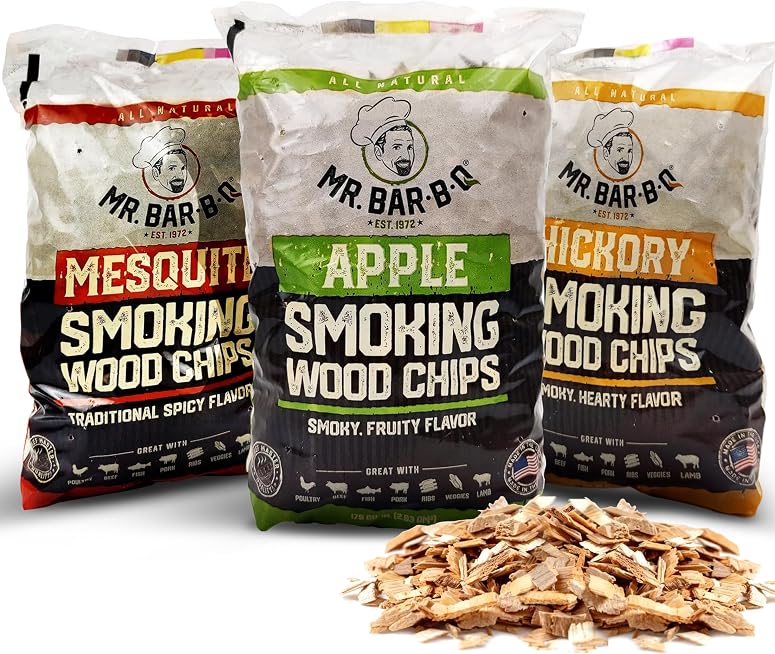
Triple Flavor Wood Chips
- Three-flavor bundle with apple, mesquite, and hickory
- works on gas and charcoal grills
- great for smoking, grilling, BBQ, and camping
- lets you match flavor to different meats
- multiple bags give you more cooking options
Buy on Amazon
Mesquite Wood Chunks
Mesquite wood chunks are better than chips for charcoal smokers, kamado grills, kettle grills, and longer BBQ sessions. Chunks burn slower, produce steadier smoke, and suit brisket, ribs, pork shoulder, lamb, and beef ribs.
Use one or two small chunks at first because mesquite smoke builds fast. Many beginners bury too many chunks in charcoal, then fight white smoke for an hour while the bark picks up a harsh edge.
These mesquite chunk choices make more sense for longer charcoal cooks and heavier meats.

Bold Mesquite BBQ Chunks
- Delivers rich mesquite smoke flavor
- great for beef, lamb, poultry, and pork
- long-lasting burn for steady cooking
- works well for grilling and smoking
- all-natural wood for authentic BBQ taste
Buy on Amazon

Camerons Mesquite Chunks
- Kiln-dried mesquite chunks for smoking meat
- large cut pieces for longer burn time
- adds deep, savory barbecue flavor
- works great with smokers and grills
- natural wood for authentic outdoor cooking
Buy on Amazon

Camerons Big Mesquite Chunks
- Extra-large mesquite chunks for serious smoking
- kiln dried for reliable heat and cleaner burn
- delivers bold flavor for brisket, ribs, and more
- all-natural wood with strong smoke profile
- ideal for long barbecue sessions
Buy on Amazon

Xiko Mesquite Wood Chunks
- High-BTU mesquite chunks for powerful heat
- long-burning wood supports steady cooking
- great for brisket, steaks, and pizza ovens
- adds a rich, smoky finish
- ideal for outdoor grilling and wood-fired flavor
Buy on Amazon

Oklahoma Joe's Mesquite Chunks
- Mesquite wood chunks built for bold smoking
- 432 cubic inch bag offers plenty for repeat cooks
- adds strong flavor to meats and barbecue
- works well in smokers and grills
- convenient size for backyard sessions
Buy on Amazon

Mr. Bar-B-Q Mesquite Chunks
- 100 percent natural mesquite wood chunks
- dense hardwood burns long and hot
- no soaking required for easy prep
- ideal for brisket, ribs, and pork shoulder
- delivers intense, classic BBQ flavor
Buy on Amazon
Mesquite Logs and Splits
Mesquite logs and splits are best for offset smokers, fire pits, campfires, fireplaces, wood stoves, and wood-fired cooking. They provide heat and smoke, but they must be seasoned to prevent dirty smoke, popping, and slow ignition.
Dense logs can feel stubborn to light, so use dry kindling, fatwood, or an established charcoal bed. For a small fire pit or cooking fire, smaller splits give better control than thick rounds.
For buyers who need a ready bundle, this mesquite firewood option fits fire pits, campfires, and cooking fires.

Mesquite Firewood Bundle
- Seasoned mesquite logs with strong aroma
- includes fatwood starter sticks for easier lighting
- ideal for fire pits, campfires, fireplaces, and wood stoves
- great for outdoor grilling and cooking
- burns hot for dependable heat
Buy on Amazon
Mesquite Pellets
Mesquite pellets are made for pellet grills and offer convenient, steady feeding through a hopper. Some bags are 100% mesquite, while many are mesquite blends with oak or alder, which can make the flavor milder and the burn more consistent.
Always read the bag label for 100% mesquite versus blend. A blend isn’t bad, but it changes expectations, especially if you want a strong mesquite profile for brisket or steak.
Chips vs Chunks
Chips vs chunks is mostly a burn-time decision. Chips smoke fast and suit short cooks, while chunks last longer and suit charcoal smokers, kamados, kettles, and multi-hour BBQ.
For burn time, chunk size matters more than brand name alone. Kiln-dried chunks of similar size usually burn more predictably, while mixed-size bags give flexible options but less consistent timing.
Mesquite Firewood Guide
Mesquite firewood is high-heat hardwood fuel that can produce around 28 million BTUs per cord when properly dried. It is excellent for heat, coals, and cooking fires, but it needs seasoning, airflow, and cautious indoor use.
The smell of burning mesquite is strong and resinous in a dry, earthy way. Some people love that aroma in an outdoor fire pit, while others find it too intense for a small indoor fireplace.
BTU: 28 Million per Cord
Mesquite BTU output is commonly cited around 28 million BTUs per cord, depending on species, density, and moisture content. That places it near strong firewoods such as hickory and many oaks, which is why it heats well and leaves durable coals.
Utah State University Extension lists many firewoods by heat value and shows why dense hardwoods outperform lighter woods; see its wood heating guide for BTU comparisons. Dryness still matters: wet wood wastes heat boiling off water before it warms the room.
Cord Size: 128 Cubic Feet
A full cord equals 128 cubic feet of stacked wood, commonly measured as a stack 4 feet high, 4 feet deep, and 8 feet long. Buyers should confirm whether the seller means a full cord, face cord, rack, half cord, bundle, or loose truckload.
Because mesquite is dense, a small bundle can feel heavy but still contain far less volume than bulk firewood. Compare by volume, weight, moisture content, and delivery fee, not by the word “bundle” on the label.
Seasoning Mesquite Wood
Seasoning mesquite means drying it before burning, usually by splitting, stacking off the ground, covering the top, leaving the sides open, and allowing airflow. Many pieces need 6–12 months or longer, depending on climate, split size, and starting moisture.
A practical target is under 20% moisture content for cleaner firewood burning. The EPA advises burning dry wood and maintaining appliances through its Burn Wise program, which is especially relevant for dense woods that can smolder when wet.
Green Mesquite Problems
Green mesquite can smoke heavily, hiss at the ends, smell sour, burn unevenly, and leave bitter flavor on food. In fireplaces and stoves, wet wood also raises the chance of creosote buildup because cooler smoke condenses in the chimney.
If you must process fresh logs, split them soon while moisture softens fibers slightly. Once twisted mesquite rounds dry whole, they can become brutally hard to split without a hydraulic splitter.
Fireplaces and Wood Stoves
Mesquite indoors can work in fireplaces and wood stoves if the wood is dry, the appliance is suitable, and the chimney is maintained. Because it burns hot, avoid overloading small stoves or closing the air too far and forcing a smoky smolder.
Use a spark screen in open fireplaces. Seasoned mesquite can still pop, and a glowing coal on carpet or a hearth rug is a preventable hazard.
Fire Pits and Campfires
Mesquite fire pits give strong heat, long coals, and a bold outdoor aroma. It’s excellent for campfire cooking once flames settle, but it can be too hot for casual close seating if you build a large fire.
For comfort, use smaller splits and build gradually. Mesquite coals radiate sharp heat on your shins, so a modest fire often feels bigger than it looks.
Mesquite Lumber and Woodworking
Mesquite lumber is valued for hardness, stability, color, and rustic character, but it is rarely a cheap clear-board hardwood. Trees often grow short, twisted, thorny, and branch-heavy, so usable yield is lower than oak, maple, walnut, or poplar.
That’s why mesquite is common as slabs, blanks, flooring stock, and short boards rather than long uniform planks. Designers get better results when they feature knots and cracks instead of pretending the wood is flawless.
Lumber Price Factors
Mesquite wood price depends on region, board size, drying method, figure, defects, slab thickness, surfacing, and shipping weight. Select boards, slabs, or specialty stock may appear around $20–$50+ per board foot, especially for clear, thick, wide, or figured pieces.
Large clear boards cost more because usable yield is low. A sawyer may open a heavy log and lose a surprising amount to pith, checks, branch knots, bark pockets, and end splits before getting furniture-grade stock.
Board Foot Buying
A board foot is a lumber volume measure equal to a board 1 inch thick, 12 inches wide, and 12 inches long. When buying mesquite, ask for thickness, width, length, surfacing status, moisture content, sapwood percentage, and whether the price is per board foot or per piece.
Beginners often underbuy because defects consume layout. Add extra waste allowance for checks, voids, and grain direction, especially if you need matching parts for doors, panels, or table aprons.
Kiln-Dried vs Air-Dried
Kiln-dried mesquite is usually more predictable for interior furniture, flooring, cutting boards, and cabinets because moisture content is controlled. Air-dried mesquite can work well too, but it needs time, good stacking, end sealing, and a final moisture check before machining.
Use a moisture meter before flattening slabs or gluing panels. Mesquite may feel dry on the surface while the center still holds enough moisture to move after surfacing.
Flooring Performance
Mesquite flooring performs well because it is hard and low in shrinkage. Its 2,340 lbf Janka rating beats white oak, red oak, hard maple, and hickory, so it resists dents better than many common North American flooring woods.
The trade-off is installation planning. Short boards, color variation, and character knots look intentional in Southwestern or rustic interiors, but they can look chaotic if the installer doesn’t rack boards carefully before fastening.
Rustic Furniture
Mesquite furniture is often rustic, heavy, and visually warm, with reddish-brown heartwood, pale sapwood accents, knots, and filled cracks. It suits dining tables, benches, desks, coffee tables, cabinets, shelves, beds, and thick tops.
For a cleaner look, pair mesquite with simple joinery and calm shapes. The grain already carries movement, so too many curves, heavy legs, and busy edges can make a piece feel crowded.
Live-Edge Slabs
Mesquite slabs are popular because the tree’s irregular shape creates dramatic live edges, voids, and color contrast. Slabs can make striking tabletops, counters, benches, shelves, and wall pieces.
Inspect both faces and the ends for hidden cracks. A beautiful slab can lose usable width after flattening, so confirm thickness, moisture content, and whether voids were stabilized before you price the project.
Cracks and Voids
Mesquite cracks, checks, bark inclusions, and voids are common because the tree grows under stress and often has twisted grain. For woodworking, seal end grain during drying, dry slowly, and stabilize acceptable cracks with epoxy where the design allows.
Do not fill every flaw by default; some voids hide dirt, bark, insect trails, or weak edges. For cutting boards and food-contact pieces, cut away questionable areas rather than turning them into a sanitation problem.
Tool Dulling
Mesquite dulls tools faster than many domestic hardwoods because it is dense and can include mineral streaks. Carbide blades, sharp planer knives, clean router bits, and slower feed decisions reduce burning and tear-out.
If a cut starts smelling hot and sugary instead of cleanly woody, stop and check the edge. Pushing through a dull cut can scorch the board and leave sanding scratches that show under oil.
Buying, Safety, and Problems
Buying mesquite wood safely means matching the product to the use: food-grade chips or chunks for cooking, seasoned logs for burning, and dry stable lumber for furniture or flooring. Most problems come from wet wood, unknown-source wood, oversmoking, poor airflow, or underestimating mesquite’s hardness.
Use this section as a final checklist before buying, burning, cooking, or machining mesquite. It covers the failure points that cause bitter food, smoky rooms, wasted lumber, and irritated lungs.
Smoking Wood Buying Tips
Buy mesquite smoking wood by checking chips versus chunks, bag weight, kiln-dried status, grill compatibility, and whether it is 100% mesquite or a blend. Retail chips and chunks commonly run around $1.50–$5.00 per pound depending on brand, bag size, shipping, and packaging.
For burn time, choose larger chunks over chips and avoid bags full of dust. Brands matter less than clean wood, consistent size, dryness, and whether the form fits your grill.
Firewood Buying Tips
Buy mesquite firewood by confirming seasoned versus green, moisture content, split size, bundle size, delivery cost, and whether the seller means bundle, rack, face cord, half cord, or full cord. Small retail bundles often cost more per cubic foot than bulk local firewood.
Ask to see a fresh split face if buying locally. Dry mesquite looks checked and feels hard at the exposed surface; wet wood may feel cool, smell green, and show moisture on a new split.
Lumber Buying Tips
Buy mesquite lumber by asking for board-foot price, moisture content, kiln-dried or air-dried status, dimensions, cracks, checks, sapwood percentage, slab thickness, and whether voids are stabilized. Premium stock costs more because wide, straight, clear boards are limited.
Photographs can hide end checks, so request end-grain photos for slabs or expensive boards. For dark furniture alternatives with wider commercial availability, compare mesquite with black walnut wood.
Cooking Safety
Mesquite is safe for smoking and grilling when it is clean, untreated, unpainted, chemical-free, mold-free, and properly dried. Do not cook with pressure-treated wood, painted wood, stained wood, construction scraps, plywood, particle board, moldy wood, or unknown-origin wood.
Use food-grade chips, chunks, pellets, or cooking splits when possible. If a piece smells like chemicals, oil, mildew, or old storage, keep it out of the smoker no matter how dry it looks.
Woodworking Safety
Mesquite dust can irritate eyes, skin, and lungs for some people, especially during sanding and routing. Use dust collection, eye protection, hearing protection, gloves for rough stock, and an N95 or P100 respirator when dust is visible or the shop smells dry and spicy.
CDC/NIOSH recognizes wood dust as a workplace exposure concern; see the NIOSH wood dust guide for exposure and protection context. Also watch for mesquite thorns when handling raw branches or yard-sourced material.
Fireplace Safety
Fireplace safety with mesquite starts with dry wood, a clear chimney, and good airflow. Avoid green wood, use a spark screen, do not overload small stoves, and schedule regular chimney cleaning when burning any solid fuel.
Mesquite burns hot and steady once established, so resist the urge to pack a small stove full. Overfiring can damage stove parts, flues, and nearby surfaces.
Bitter Smoke Fixes
Bitter mesquite smoke usually comes from too much wood, poor airflow, green wood, smoldering chunks, or heavy white smoke. Fix it by using less mesquite, mixing with oak or pecan, opening airflow, using dry wood, and waiting for cleaner smoke before adding food.
If food already smells acrid, stop adding smoke and finish with cleaner heat. You can’t remove bitterness, but you can prevent it from getting worse by moving the meat away from the dirty smoke source.
Splitting and Milling Issues
Splitting mesquite is hard because the wood is dense, twisted, knotty, and irregular. Split firewood before rounds dry rock-hard, use a hydraulic splitter for large pieces, and expect crooked splits rather than neat oak-like wedges.
For milling, use carbide blades, check for embedded dirt or metal, and plan for lower yield. A log that looks promising from the outside may reveal voids, branch stress, and cracks as soon as the first slab comes off.
Practical Notes From Real-World Use
Real-world mesquite rewards patience more than force. On the grill, I get cleaner flavor by lighting charcoal first, adding one dry chunk after the fire is stable, and waiting until the smoke turns thin before the meat goes on.
In the shop, mesquite tells on dull tools fast: the cut darkens, the room smells hot, and sanding dust feels gritty between fingers. The professional workaround is to rough oversized, let boards rest, sharpen before final passes, and use defects as layout guides instead of cutting blindly for maximum yield.
FAQs
Is Mesquite Wood Good For Smoking?
Yes, mesquite wood is good for smoking when used carefully. It adds a strong, bold flavor that works especially well for short cooks and hearty meats. Because the smoke can become bitter if overused, it is best used in moderation or mixed with a milder wood.
Is Mesquite A Hardwood?
Yes, mesquite is a hardwood. It is dense, heavy, and burns hot, which makes it useful for both smoking and firewood. Its hardness also helps it last a long time once it is properly seasoned.
What Meats Are Best Smoked With Mesquite Wood?
Beef is one of the best meats to smoke with mesquite wood. It also pairs well with lamb, venison, and other bold, rich meats. For lighter meats like chicken or pork, use a small amount so the flavor does not overpower them.
Is Mesquite Good Firewood?
Yes, mesquite is excellent firewood. It burns hot, lights relatively well once seasoned, and produces long-lasting heat. Many people like it for cooking fires because it gives strong heat with very little ash.
Why Is Mesquite Wood Expensive?
Mesquite wood can be expensive because it is dense, slow-growing, and highly valued for cooking and firewood. Quality, properly seasoned pieces often cost more due to demand and the work needed to process them. Availability in your area can also affect the price.
Affiliate Disclosure: Some links in this post are affiliate links. If you make a purchase through these links, we may earn a small commission at no extra cost to you. We only recommend products we genuinely believe in.