

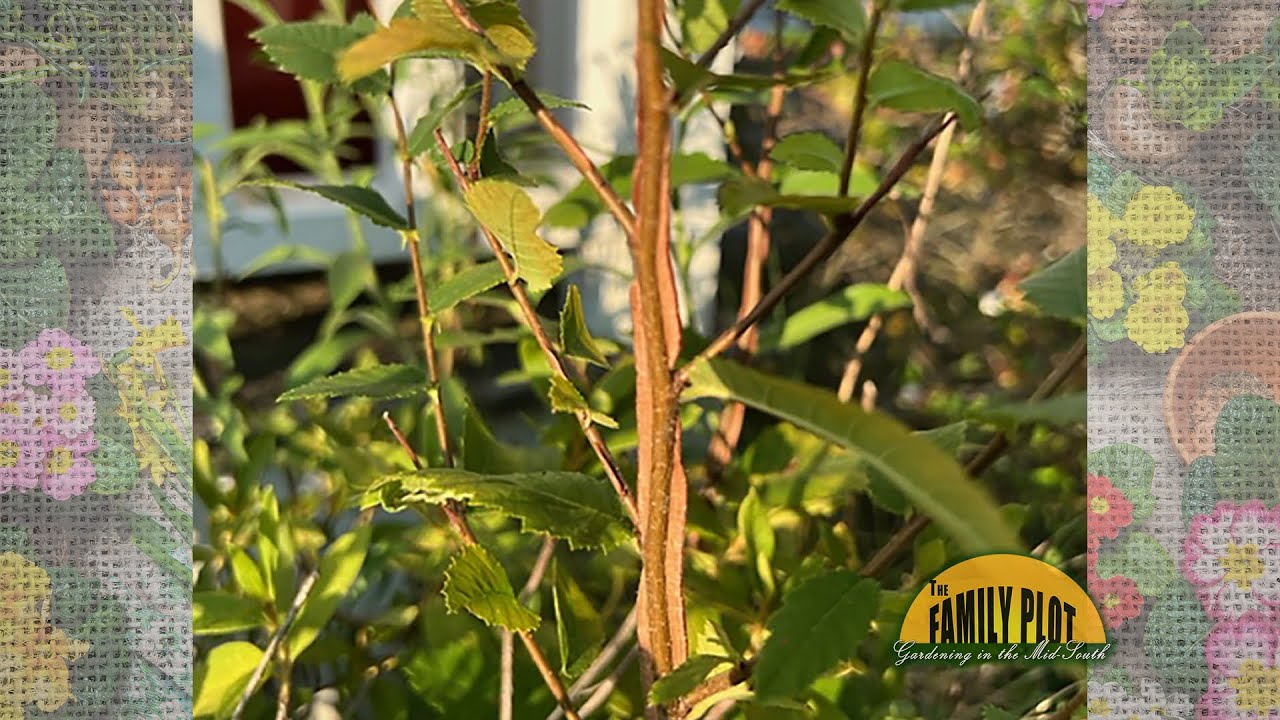
Winged elm (Ulmus alata) is a deciduous elm native to the southeastern and south-central United States. It gets its name from thin corky ridges that often grow along older twigs, though those wings may be weak or absent on young shoots.
Table of Contents
Winged Elm Quick Facts
A winged elm tree is a small to medium tree with alternate serrated leaves, spring samaras, furrowed bark, and occasional corky twig wings. Mature size commonly falls between 30 and 60 feet, while growth is usually slow to moderate.
Winged Elm Definition
The botanical name is Ulmus alata. Ulmus identifies the elm genus, while alata means winged and refers to the cork-like growth along some branches.
The Ulmus alata winged elm is separate from American, cedar, slippery, Chinese, Siberian, and rock elms. It’s also unrelated to winged euonymus, a shrub with opposite leaves and more regular stem wings.
Taxonomy and Common Names
Accepted taxonomy places the species in the elm family, Ulmaceae, within the order Rosales. Winged elm, cork elm, and wahoo are its most familiar common names, but “wahoo” is also applied to other plants and can cause labeling errors.
Quick Facts Table. Dimensions vary with soil depth, rainfall, competition, and whether the tree grows in a forest or open site. The NC State Extension Plant Toolbox provides a useful institutional profile for checking botanical traits.
| Trait | Winged elm information |
|---|---|
| Scientific name | Ulmus alata Michx. |
| Family | Ulmaceae |
| Plant type | Deciduous broadleaf tree |
| Native range | Southeastern and south-central United States |
| Common mature height | 30–60 feet |
| Typical spread | 25–40 feet |
| Growth rate | Slow to moderate |
| Hardiness | Commonly USDA Zones 6–9 |
| Light | Full sun to partial shade |
| Fruit | Flattened samara, usually maturing in spring |
| Main field mark | Corky ridges on some twigs and small branches |
Winged Elm Identification by Season

Identify winged elm by combining several matching traits: alternate leaves, unequal leaf bases, sharp teeth, a rough upper surface, spring samaras, corky twigs, and geographic range. Twig wings alone can mislead because cedar elm, rock elm, sweetgum, and winged euonymus may produce similar growth.
Multi-Trait Identification Rule
Use at least three independent features before naming a specimen. Leaf arrangement plus fruiting season and twig structure gives a stronger answer than leaf size, bark color, or wings used alone.
- Leaves occur alternately rather than in opposing pairs.
- Each simple leaf usually has an unequal base and sharply toothed edge.
- The upper surface feels rough, much like fine sandpaper under a fingertip.
- Flat, papery samaras develop during spring.
- Older twigs may carry thin, irregular corky ridges.
- The location falls within or near the species’ known range.
Winter Twig Identification
Winter twig identification starts with small alternate buds and gray-brown branches. Run a finger gently beside an older twig: the corky strips feel dry, firm, and slightly crumbly at their thinnest edges rather than soft or flexible.
Don’t reject an otherwise matching tree because one shoot is smooth. Wing development varies between branches, and fresh growth often needs time before cork forms. Check several older twigs without snapping living material.
Spring Flowers and Samaras. Tiny wind-pollinated flowers emerge before or close to leaf-out. Flat samaras mature soon afterward, making the spring reproductive cycle one of the best ways to separate winged elm from fall-fruiting cedar elm.
Summer Leaf Features. Leaves are commonly 1½–3½ inches long, simple, alternate, and ovate to oblong. Their uneven bases and serrated margins signal an elm, while the rasping upper surface helps narrow the identification.
Autumn Color and Twigs. Fall foliage tends to turn yellow or muted yellow-brown. Color varies with weather and isn’t diagnostic, so return to the twigs, arrangement of remaining leaves, and any samara evidence beneath the tree.
Bark and Tree Form. Young bark is gray to gray-brown and lightly furrowed; older bark develops intersecting ridges. Open-grown trees form rounded or irregular crowns, while crowded forest trees develop straighter trunks and narrower crowns.
Native Range and Habitat
Winged elm is native to the Southeast and parts of the south-central United States. It occupies dry uplands, rocky slopes, woodland margins, stream terraces, bottomlands, and disturbed woods.
Geographic Native Range
The broad range extends from Virginia and the Carolinas through Georgia, Florida, Alabama, Mississippi, Tennessee, Kentucky, Arkansas, Louisiana, and parts of nearby Midwestern and south-central states. County records near the range boundary should be checked through the USDA PLANTS profile or a state herbarium.
Florida and Regional Range
Among deciduous trees in Florida, winged elm stands out for tolerating heat, seasonal dryness, and varied soil textures. Regional performance still changes between sandy sites, clay uplands, and seasonally moist low ground.
Natural Habitats. Wild trees can occupy both dry woods and moister terraces. That range shows adaptability, but it doesn’t mean a planted tree will tolerate stagnant water, compacted fill, or an exposed drought site before its roots spread.
Native or Invasive. Winged elm isn’t classed as a major invasive tree within its native range. Seedlings appearing around a mature tree represent normal regeneration; outside that range, consult local conservation guidance before planting.
Mature Size, Growth Rate, and Lifespan
A winged elm commonly reaches 30–60 feet tall and 25–40 feet wide. Favorable forest sites can produce taller trees, while restricted urban soil, drought, disease, and repeated clearance cuts may keep a specimen much smaller.
Height and Spread
Open-grown trees receive light from several sides and usually build broader, lower crowns. Trees competing in woods invest more growth in a long trunk, which explains why forestry and horticultural references can report different dimensions.
Allow for the upper end of the spread rather than planting for the nursery size. A six-foot sapling may eventually interfere with roofs, narrow paths, utility wires, or vehicle clearance if placed only a few feet away.
Winged Elm Growth Rate
The winged elm growth rate is best described as slow to moderate. A fixed annual figure isn’t dependable because transplant quality, soil volume, moisture, sunlight, root competition, and seed provenance can shift annual extension considerably.
Fresh shoots on a well-watered young tree feel smooth and slightly flexible, while a drought-stressed tree produces short, stiff extension and smaller leaves. Measure the distance between terminal bud-scale scars each winter if you want a reliable site-specific growth record.
Crown and Forest Form. A young specimen may develop several upright leaders. Early structural pruning creates better spacing and reduces tight unions that can split under wind or wet foliage later in the tree’s life.
Lifespan Factors. No fixed lifespan applies to every tree. Dutch elm disease, elm yellows, storms, root cuts, trunk injuries, drought, compaction, and poor branch structure all shorten service life, while adequate rooting room and early training improve it.
Growing a Winged Elm Tree

Grow winged elm in full sun or light shade, with enough soil volume for a 25–40-foot crown. Established trees tolerate heat and dry periods, but a newly planted tree needs steady moisture while roots move beyond the original root ball.
Climate and Hardiness
Most horticultural references place winged elm in USDA Zones 6–9. Plants grown from nearby seed sources may handle local winter lows, rainfall timing, and summer heat better than stock moved across several climate regions.
Sun, Soil, and Water. The tree accepts clay, loam, and some sandy or rocky soils. Full sun produces denser growth; deep shade creates a thin crown and leaning trunk. Water deeply during establishment, then adjust for rainfall and drainage.
Planting Technique
Dig the hole two to three times wider than the root mass but no deeper. Locate the first main roots and set that root flare at or slightly above the finished soil level.
- Remove the container and inspect the outer roots.
- Cut or redirect circling roots before setting the tree.
- Place the root flare at finished grade rather than burying it.
- Backfill with the excavated soil and settle it with water.
- Spread 2–3 inches of mulch without touching the trunk.
- Stake only where the unsupported root ball moves in the soil.
Pruning and Structure. Select one well-positioned leader where the tree’s form permits, retain well-spaced scaffold limbs, and remove damaged or rubbing branches. Don’t strip out a large share of live foliage during one pruning cycle.
Site Uses and Placement. Winged elm suits native gardens, woodland edges, restoration mixes, wildlife plantings, and large residential lots. Keep it away from buildings, drain fields, pavement edges, retaining walls, and narrow planting strips where roots would lack usable soil.
Winged Elm Pros and Cons. Benefits include native status, heat tolerance, drought tolerance after establishment, wildlife value, and distinctive twigs. Drawbacks include disease susceptibility, variable nursery availability, modest autumn color, possible low branches, and the need for early structural pruning.
Compared with generic searches for elm tree pros and cons, species identity matters. A Bosque elm tree, American elm, cedar elm, and winged elm differ in mature form, fruiting season, regional fit, and disease response.
Common Planting Failures. Beginners often bury the flare, leave circling roots untouched, pile mulch against bark, or stop watering once the leaves look normal. Drought tolerance develops after establishment; it doesn’t protect a dry container-shaped root system in its first hot summer.
Practical Notes From Real-World Use. Check moisture at two depths rather than judging the dry surface. Soil may feel dusty at one inch yet remain cool and sticky beside the root ball, while coarse backfill can create the opposite pattern.
A useful workaround is a slow hose soak followed by a hand check the next day. Excess staking is another frequent mistake: allow slight trunk movement, then remove ties once the roots hold the tree upright.
Pests, Diseases, and Tree Health
Winged elm is susceptible to Dutch elm disease and elm yellows. It may also develop cankers, leaf spots, mildew, root decay, aphids, scale, beetle damage, and stress-related twig dieback.
Dutch Elm Disease
Dutch elm disease involves fungi in the genus Ophiostoma, carried mainly by elm bark beetles or passed through root grafts. Watch for one-sided branch wilting, curled brown leaves, crown dieback, and brown streaking beneath recently affected bark.
Drought, root injury, and other vascular disorders can look similar. Use a diagnostic laboratory or trained arborist before removing a valuable tree or applying fungicide; the University of Minnesota Extension explains symptom development and transmission.
Elm Yellows
Elm yellows, once called elm phloem necrosis, may cause broad crown yellowing, root decline, inner-bark changes, and fast deterioration. A seriously affected tree has no simple homeowner treatment, so early professional assessment matters.
Other Diseases. Leaf spots and powdery mildew often look worse than the damage they cause. Cankers and root rot deserve closer attention, particularly where bark wounds, poor drainage, or buried root flares have weakened the tree.
Common Insect Pests. Elm leaf beetles, Japanese beetles, aphids, scale insects, and bark beetles may appear. A few chewed leaves or sticky aphid residue rarely justify broad pesticide use on an otherwise vigorous mature tree.
Diagnosis and Management. Note which branches changed first, photograph symptoms weekly, inspect the trunk base, and check recent irrigation or construction history. Treat the identified cause rather than assuming every wilted elm has Dutch elm disease.
Winged Elm Versus Similar Trees
The best comparison traits are leaf arrangement, fruit, and season. Corky ridges help, but several trees and shrubs produce winged stems, so bark-only identification carries a high error rate.
Winged Elm vs Cedar Elm
Both species can carry corky twigs. Winged elm flowers and fruits in late winter or spring, while cedar elm usually reproduces from late summer into autumn; this seasonal difference is stronger than wings alone. See the site’s cedar elm guide for more context.
Winged Elm vs American Elm
For American elm vs winged elm, compare scale and form. American elm is often larger with a mature vase-shaped crown; winged elm tends to have smaller leaves, a rounded or irregular crown, and corky branchlets.
| Species | Strongest field clues | Reproductive season |
|---|---|---|
| Winged elm, U. alata | Small rough leaves, unequal bases, frequent twig wings | Spring |
| Cedar elm, U. crassifolia | Small leaves; corky ridges may occur | Late summer to autumn |
| American elm, U. americana | Larger tree, classic vase form, no defining twig wings | Spring |
| Slippery elm, U. rubra | Larger rough leaves and mucilaginous inner bark | Spring |
| Rock elm, U. thomasii | Corky branchlets possible; more northerly range | Spring |
Slippery and Rock Elms. Slippery elm usually has larger, very rough leaves and characteristic mucilaginous inner bark; never strip living bark for identification. Rock elm can have corky branchlets, so range and samara details carry more weight.
Winged Euonymus Comparison. Winged euonymus, or burning bush, is usually a shrub with opposite leaves and four pronounced stem wings. Winged elm grows as a tree and has alternate leaves with unequal bases.
Sweetgum Comparison. Sweetgum branches may develop corky plates, but its star-shaped leaves and hard spherical fruit differ sharply from the unlobed elm leaves and flat samaras of Ulmus alata.
Ecology, Uses, Propagation, and Sourcing
Winged elm provides canopy, seed, and shelter for native wildlife, while its hard interlocked wood has served practical uses. Home growers can propagate fresh spring seed or buy correctly labeled nursery stock.
Wildlife and Deer Browsing
Birds and small mammals may eat elm seed, while insects use foliage and bark habitat. Deer can browse young shoots, so winged elm shouldn’t be marketed as one of the fully deer resistant trees; local herd pressure changes the amount of damage.
Protect small trunks with a wide, ventilated guard where rubbing or browsing occurs. Keep the guard loose and inspect it twice yearly so it doesn’t trap moisture or cut into expanding bark.
Restoration Value. Winged elm fits mixed native plantings where local hydrology and soil match its needs. A multi-species plan limits the loss caused by a disease or storm that targets one tree type.
Wood and Human Uses
Winged elm wood is hard, heavy, and tough, with interlocked grain that resists clean splitting. Elm has been used for handles, furniture parts, crates, implements, and components exposed to shock; the broader elm wood guide explains these working traits.
Interlocked fibers can pull and leave a fuzzy surface beneath dull tools. Sharp cutters, light passes, and attention to changing wood grain pattern reduce tear-out, while predrilling lowers the chance of splitting near board ends.
Winged Elm Bonsai. Small leaves, fine branching, rough bark, and corky twigs give this species bonsai appeal. Don’t confuse it with Chinese elm, which appears far more often in bonsai shops and carries a different botanical name.
Healthy bonsai stock tolerates pruning, but repeated heavy root and canopy work in one season can drain reserves. Stagger major operations and protect freshly worked roots from harsh afternoon heat.
Seed Propagation. Collect papery samaras once mature in spring, discard empty or damaged seed, and sow fresh seed in a free-draining medium. Keep it evenly damp rather than waterlogged, since fine new roots rot quickly in stagnant mix.
- Collect mature samaras during their short spring shedding period.
- Separate filled seed from visibly empty or damaged material.
- Sow at once unless a verified seed protocol calls for storage.
- Use a clean medium that drains freely while retaining light moisture.
- Shield seedlings from drying wind, intense heat, and animal browsing.
Nursery Stock Selection. Look for a visible flare, evenly distributed roots, intact bark, and a stable trunk structure. Reject plants with severe circling roots, buried trunk bases, large pruning wounds, or a loose root mass that drops away from the stem.
Availability and Price Factors. Cost changes with stock age, trunk caliper, container size, shipping weight, local provenance, and whether the plant is bare-root or potted. Local native nurseries often offer better value because shipping a long, soil-filled container can cost as much as the tree.
Buying Genuine Ulmus alata. Verify that the botanical label states Ulmus alata, check plant size and shipping limits, and ask where the seed originated. Common-name listings may hide cedar, Chinese, slippery, Siberian, or American elm stock.
A 6–12-inch plant is young nursery stock, not instant shade. Plan for several establishment seasons, protect it from mowers and deer, and keep the planting zone free of grass competition.

Potted Winged Elm Tree
- Live Ulmus alata tree in a pot
- Young plant measures 6 to 12 inches
- Distinctive winged bark adds character
- A lovely choice for native landscapes
- Ready to grow in a sunny spot
 Buy on Amazon
FAQs
What Does A Winged Elm Tree Look Like?
A winged elm is a medium-sized deciduous tree with corky, wing-like ridges along its twigs and branches. Its leaves are small, oval, and finely toothed, turning yellow in fall. The tree has a rounded crown and rough gray-brown bark as it matures.
How Fast Does A Winged Elm Grow?
Winged elm grows at a moderate rate, usually about 1 to 2 feet per year in good conditions. Young trees grow fastest with full sun, regular watering, and well-drained soil. Growth may be slower in dry, compacted, or poor soil.
What Is The Difference Between Winged Elm And Cedar Elm?
Winged elm has distinctive corky wings on its twigs, while cedar elm usually has smoother twigs and smaller leaves. Cedar elm typically blooms in late summer or fall, whereas winged elm flowers in spring. Both are hardy native trees that tolerate heat and drought well.
Does Winged Elm Get Dutch Elm Disease?
Winged elm can get Dutch elm disease, but it is generally less susceptible than American elm. The disease is spread by bark beetles and can cause wilting, yellowing, and branch dieback. Keeping the tree healthy and removing infected wood can help reduce risk.
Is Winged Elm A Good Tree For A Yard?
Winged elm is a good yard tree for areas with heat, drought, and difficult soil. It provides shade, supports wildlife, and needs relatively little care once established. Give it enough space, since mature trees can reach 40 to 60 feet tall and wide.
Affiliate Disclosure: Some links in this post are affiliate links. If you make a purchase through these links, we may earn a small commission at no extra cost to you. We only recommend products we genuinely believe in.