
Blue Gum Guide: Tree Identification, Uses, Growth, and Risks

Blue gum most often means Eucalyptus globulus, a tall evergreen eucalyptus native to southeastern Australia and Tasmania, though several related species share the name. Also informally written as bluegum, the name can describe either the tree or its timber. This guide explains blue gum tree identification, growth, wood uses, benefits, invasiveness, fire behavior, toxicity, planting costs, and the separate meaning of blue bubble gum.
Table of Contents
What Is Blue Gum?
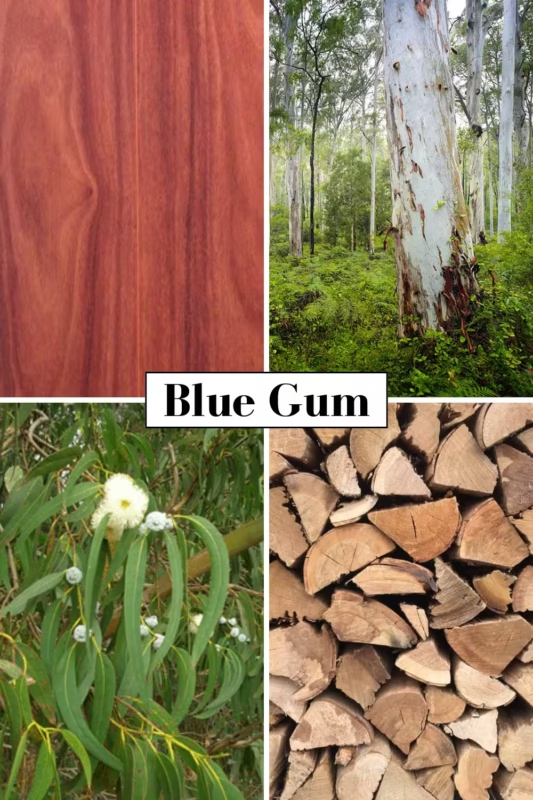
Blue gum is ambiguous: internationally, it usually refers to Eucalyptus globulus, while regional usage can point to Sydney blue gum and other eucalyptus species. Location, bark, leaves, buds, and the scientific name settle the identity.
Direct Definition
Eucalyptus globulus is an evergreen flowering tree in the Myrtaceae, or myrtle, family. Common names include Tasmanian blue gum, southern blue gum, Victorian blue gum, and blue gum eucalyptus. Kew Plants of the World Online provides accepted names and distribution records, which are safer than relying on common names alone.
Why “Blue Gum”?
The word “blue” describes the waxy, blue-gray bloom on juvenile leaves and young stems. “Gum” comes from resinous, tannin-rich exudates known as kino, rather than edible chewing gum. The botanical name globulus refers to the rounded, button-like bud or fruit form.
Blue Gum Species Table
Use this species comparison before buying seed, assessing invasive status, or discussing timber. Shared common names don’t mean the trees have identical bark, flowers, native ranges, or growth habits.
| Common name | Scientific name | Native range | Useful identifying trait | Frequent use |
|---|---|---|---|---|
| Tasmanian or southern blue gum | Eucalyptus globulus | Tasmania and southeastern mainland Australia | Large solitary buds, glaucous juvenile leaves, peeling upper bark | Pulp, oil, shelter and firewood |
| Sydney blue gum | Eucalyptus saligna | Coastal eastern Australia | Rough lower trunk with smooth pale bark above | Forestry and large-scale planting |
| Victorian or eurabbie blue gum | E. globulus subsp. bicostata | Inland southeastern Australia | Bud and capsule arrangement differs from subsp. globulus | Forestry and shelter |
| Maiden’s blue gum | E. globulus subsp. maidenii | Southeastern New South Wales and eastern Victoria | Narrower buds and fruit within the species complex | Plantations and regional forestry |
| South Australian blue gum | Eucalyptus leucoxylon | Southern mainland Australia | Variable bark and white, pink, or red flowers | Shade, nectar and ornamental planting |
Regional and International Names
International names reflect where eucalyptus plantations spread. Blaugummibaum is German, while Dutch sources may use blauwe gomboom. A blue gum tree in Afrikaans may be called a bloekom, bloukom, bloekom tree, or bloekomboom. “Bloekomboom in English” usually translates as eucalyptus tree or gum tree, not one confirmed species.
Blue Gum Tree Identification

Identify a blue gum tree by combining its immense form, shedding bark, two distinct leaf stages, capped flower buds, white stamens, and woody gumnuts. Aroma or leaf color by itself can misidentify another eucalyptus.
Size and Form
Mature Eucalyptus globulus commonly reaches 30–55 metres, or about 100–180 feet, on favorable sites. Exceptional forest trees can approach 70 metres, but that figure isn’t a normal garden expectation. Open-grown specimens often develop broad crowns, while crowded trees form straighter trunks.
Bark and Trunk
The upper trunk has smooth shedding bark in cream, gray, yellowish, or faint blue tones. Rough bark often remains at the base. Loose ribbons feel papery and fibrous in the hand; on dry days, they crackle underfoot and collect against fences or low branches.
Juvenile Blue Leaves
Juvenile leaves are opposite and glaucous, broadly oval to oblong, and nearly stalkless. Their powdery wax can leave a pale film on fingertips. Florists value this “baby blue” foliage, yet leaves from coppiced mature trees can also revert to juvenile form.
Adult Green Leaves
Adult leaves become alternate and narrow, often sickle-shaped, glossy green, and roughly 15–30 centimetres long. This sharp change causes beginners to mistake young and mature growth for separate species. Compare both leaf stages with bark and fruit before naming the tree.
Buds and Flowers
Blue gum buds carry a cap called an operculum. When it falls, a dense brush of white or cream stamens opens beneath it. Flowering time changes with latitude, rainfall, temperature, and tree age, so a seasonal calendar can’t confirm identity on its own.

Gumnuts and Seeds
The fruit is a hard woody gumnut with a thick rim and valves through which tiny seeds escape. Capsules remain attached after flowering and often identify the species more reliably than leaves. Photograph their side profile, top, stalk, and arrangement for comparison.
Eucalyptus Aroma
Crushing a fresh leaf releases a cool medicinal scent that reaches the nose quickly and may leave a slightly resinous feel on the fingers. The aroma comes partly from 1,8-cineole, or eucalyptol, but many eucalyptus species smell similar.
Range, Growth, and Growing Conditions
Blue gum grows best in sunny, mild climates with deep soil and enough moisture for establishment. Its fast early growth, vast mature crown, and extensive root zone make site size more significant than the low cost of a sapling.
Native Australian Range
Eucalyptus globulus is native to southeastern Australia, including Tasmania, Victoria, Bass Strait islands, and parts of New South Wales. Distribution differs among subspecies, which is why nursery labels and conservation records should state the complete botanical name.
Introduced Global Range
Plantations carried blue gum into California, Europe, Africa, South America, New Zealand, North Africa, and parts of Asia. Growers valued quick biomass production, pulp fiber, fuelwood, shade, wind protection, and oil-rich foliage. Some abandoned plantings later produced naturalized stands.
California Planting History
Large California plantings expanded during nineteenth-century timber schemes. Investors expected fast-grown construction lumber, but young logs often split at the ends, warped during seasoning, and carried internal growth stress. The wood remained useful; its drying behavior simply failed to match the original sales claims.
Growth Rate and Height
Young trees can gain about 1–2 metres yearly, or 3–6 feet, with adequate sun, water, warmth, and unrestricted roots. Wind exposure, frost, poor drainage, compacted soil, and competition reduce that pace. Fast height growth can also outstrip trunk taper on exposed sites.
Light and Soil
Blue gum performs best in full sun and deep, well-drained soil. Established trees tolerate seasonal dryness better than seedlings, but plantation-level growth needs dependable moisture. Waterlogged roots, filled soil over the root flare, and construction compaction can reduce stability.
Climate and Hardiness
Many horticultural references place the species near USDA zones 8–11, with variation among subspecies and sites. Young blue foliage suffers frost damage before established wood does. Coastal wind, dry heat, frost pockets, and soil moisture can make neighboring properties produce different results.
Space Requirements
A blue gum needs room for its mature fall zone, crown, roots, bark litter, and maintenance access. A fixed planting distance can mislead because slope, wind, soil, roads, buildings, and utility lines change the risk. Small residential lots rarely provide adequate separation.
Blue Gum Uses and Benefits
The main blue gum tree benefits are fast fiber production, useful firewood, aromatic leaf oil, nectar, shade, and wind protection. Those gains depend on suitable processing and site management; a valuable plantation tree can become an expensive residential liability.
Pulp and Paper
Hardwood pulp is a leading commercial use because blue gum grows quickly and produces fiber suited to smooth printing and tissue papers. Rotation length and yield vary with rainfall, genetics, soil, disease pressure, and forestry practice, so one global output figure has little practical value.
Timber and Firewood
Blue gum produces dense timber for flooring, furniture, posts, veneer, utility work, and fuel. Fresh boards can check, twist, or cup as internal stress releases. Controlled end sealing, prompt breakdown of logs, restrained drying, and suitable sawing patterns reduce waste. See the broader guide to eucalyptus wood for machining details.
- Split firewood while it is green; seasoned rounds can become hard and stringy.
- Dry pieces under cover with open sides so moisture escapes without trapping mold.
- Keep boards weighted and stickered with aligned supports to limit distortion.
- Compare density and hardness before substituting blue gum for another hardwood.
Eucalyptus Oil Benefits
Common benefits of using eucalyptus oil include fragrance, a cooling aroma in labeled inhalation products, and use in cleaners or regulated topical preparations. Commercial oil can come from several species. Home-distilled oil has uncertain concentration and shouldn’t be treated as a standardized medicine.
Honey and Pollinators
White flowers provide nectar and pollen for bees and other insects. Blue gum honey can taste full, woody, or faintly medicinal, with flavor shifting according to nearby blooms. Its benefits are mainly those of honey generally—quick dietary energy and small amounts of antioxidant compounds—and evidence doesn’t establish unique medicinal benefits for blue gum honey. Pollinator value doesn’t cancel the risk of seed escape where the tree behaves invasively.
Windbreaks and Shade
Rows of blue gum create fast shelter and shade on large properties. Poorly spaced rows become tall walls with sparse lower growth, heavy litter, and intense root competition. Mixed-height regional species often give steadier shelter and better wildlife value.
Invasiveness and Environmental Impact
Blue gum is invasive in some regions, naturalized but unlisted in others, and simply cultivated elsewhere. Legal status must come from the relevant country, state, county, or municipality rather than a universal label.
Seed Spread
Woody capsules release many small seeds near parent trees. Disturbed soil, cleared roadsides, waterways, fire, and abandoned plantations provide open germination sites. Seedlings are easiest to pull after rain, when the soil loosens and the root hasn’t thickened.
Ecological Effects
Dense stands can create deep shade and litter, reduce lower vegetation, compete for moisture, and alter habitat structure. Thick bark strips and leaves also change surface fuel. Effects vary with stand density, rainfall, neighboring plant communities, and management.
Allelopathy Claims
Claims that eucalyptus poisons every nearby plant overstate the evidence. Chemical effects may occur, but field observations also reflect shade, thirsty roots, dry soil, and a physical mat of leaves. Remove litter and test soil moisture before blaming allelopathy alone.
Regional Invasive Status
The California Invasive Plant Council profile documents regional concerns for Eucalyptus globulus. Introduced, naturalized, invasive, and prohibited describe different conditions; one term shouldn’t be substituted for another.
Legal Restrictions
Planting or removal may be affected by weed rules, canopy ordinances, heritage-tree status, nesting wildlife, and coastal regulations. Check both species rules and property-level permits before planting, pruning heavily, applying herbicide, or scheduling removal.
Fire, Property, and Toxicity Risks

Blue gum risks come from fuel accumulation, immense limbs, root-zone disturbance, and concentrated eucalyptus oil. A healthy tree isn’t automatically hazardous, but size and location raise the outcome of failure or fire exposure.
Wildfire Fuel Factors
Volatile leaf oils are only one part of blue gum wildfire risk. Dry leaves, twigs, hanging bark, dead branches, crown spacing, drought, slope, and wind control fire behavior. Long bark ribbons can lift as firebrands and carry embers beyond the trunk.
Exploding Tree Myth
Healthy eucalyptus trees don’t routinely explode. Intense heat can ignite volatile compounds, dry cavities, bark, and gases with dramatic flame or rupture. The practical threats are ember production, crown fire, falling burning material, and accumulated surface fuel—not a built-in explosive mechanism.
Roots and Foundations
Blue gum roots don’t automatically crush sound foundations. Risk rises with shrinkable clay, leaking pipes, shallow footings, drainage changes, and roots severed during construction. Roots often enter existing pipe defects because moisture and oxygen are available there.
Branch and Tree Failure
Large limbs can fail from decay, included bark, storm loading, drought stress, poor attachment, or old pruning wounds. Topping creates vigorous shoots attached around cuts; these can look healthy while carrying weaker connections than naturally formed branches.
Arborist Warning Signs
Arrange an inspection after a sudden lean, new soil cracking, root-plate movement, large dead limbs, cavities, fungal brackets, or unexplained branch drop. An ISA arborist search can help locate qualified assessors. Internal decay may remain hidden during a ground-level check.
Human Toxicity
Blue gum leaves and concentrated oil aren’t ordinary food. Swallowed oil can cause vomiting, drowsiness, confusion, breathing trouble, or seizures. Contact a regional poison service or emergency provider after exposure; don’t induce vomiting or estimate a home treatment dose.
Pet Toxicity
The ASPCA eucalyptus guidance lists eucalyptus as toxic to dogs, cats, and horses. Possible signs include drooling, vomiting, weakness, diarrhea, and lethargy. Call a veterinarian or animal poison service if a pet chews leaves or contacts concentrated oil.
Essential Oil Safety
Dilution doesn’t guarantee safety for infants, pets, people with breathing conditions, or sensitive skin. Diffusers can expose an entire room, while spills leave concentrated residue on fur, hands, and surfaces. Follow a labeled product rather than a homemade ingestion or vapor recipe.
Planting, Maintenance, and Costs
A blue gum sapling may cost less than many ornamental trees, but lifetime ownership costs can include irrigation, litter clearance, inspections, pruning, permits, cranes, traffic control, and removal. Site suitability matters more than purchase price.
Suitable Planting Sites
Suitable locations include large rural properties, managed forestry blocks, and botanical collections with ample root space and low conflict with buildings. Confirm local invasive status, fire rules, water availability, mature crown clearance, and maintenance access before planting.
Poor Planting Situations
Avoid compact lots, narrow verges, utility corridors, fire-prone slopes, unstable fill, and sites where a mature tree could strike a home or road. Restricted root zones beside paving may produce conflicts long before the crown reaches full size.
Native Tree Alternatives
Choose a regional native with a mature size that fits the available soil and overhead clearance. Compare water use, fire behavior, wildlife value, roots, and local pest pressure. The guide to hardwood trees helps compare growth forms, while red spotted gum shows why another gum still needs site-specific checking.
Purchase Price
Illustrative US retail pricing places seed packets below $15, young potted plants around $15–$50, and larger container trees around $50–$200 or more. Delivery distance, pot size, plant height, and regional availability change the total. These figures aren’t nursery quotations.
Lifetime Maintenance
Maintenance cost depends on tree height, climbing access, nearby utilities, disposal rules, and whether aerial equipment can reach the trunk. A tall tree behind a house can cost far more to prune than a larger-diameter tree beside an open driveway. Access often sets cost.
Practical Notes From Real-World Use
Fresh blue gum wood feels heavy and wet, and a newly cut end may open with a sharp tick as stress releases. Seal log ends soon, split firewood green, and stack boards on evenly spaced stickers. In tree care, never cut structural roots for a path without reviewing stability first.
Owners often focus on trunk diameter, yet crew positioning and rigging drive much of the bill. A moderate tree over a glass roof can demand more controlled lowering than a huge tree in an empty field. Improper topping also replaces one pruning bill with repeated weak-regrowth management.
Removal and Permits
Large blue gum removal may run from the low thousands to above $10,000 for crane-assisted, hazardous, or inaccessible work. Stump grinding, hauling, permits, wildlife surveys, utility coordination, and road closure add costs. Confirm canopy and nesting-bird rules before accepting a work date.
If You Meant Blue Bubble Gum
Blue bubble gum is confectionery, not a type of eucalyptus or a product made from blue gum trees. Its color usually signals a manufactured flavor or product theme rather than botanical ingredients.
Tree Versus Confectionery
A blue gum tree is a woody plant, while blue gum candy contains a chewable gum base, sweeteners, flavoring, and coloring. Blue packaging doesn’t show whether a product is sugar-free; read its ingredient and nutrition labels.
Blue Raspberry Bubble Gum
Blue raspberry bubble gum commonly combines a tart fruit aroma with candy-like sweetness. Tape formats let users tear off a short or long piece, though large pieces become firm and tiring to chew.

Hubba Bubba Blue Raspberry Tape
- Fun blue raspberry flavor brings candy-like sweetness
- Unique tape format lets you choose your chew size
- Twelve rolls offer plenty for sharing
- Great for party bags and candy bowls
- A playful treat for bubble gum fans
 Buy on Amazon
Is Blue Gum Hardwood or Softwood?
Blue gum is a hardwood, not a softwood, because eucalyptus trees are flowering broadleaf trees rather than conifers. This botanical classification doesn’t guarantee easy machining: blue gum wood is typically dense, strong, and prone to movement if rushed through drying. Compare its properties with other types of hardwood before selecting boards for a project.
Blue gum wood is used for pulp, flooring, veneer, posts, utility timber, firewood, and selected furniture or joinery. Suitability varies by species, growth conditions, grain, defects, and drying quality, so the common name alone cannot predict how a board will perform.
Is Blue Gum Good for Furniture?
Blue gum can be good for furniture when properly seasoned, graded, and machined. Its dense wood can produce durable tables, benches, cabinets, and decorative surfaces, often with warm color and interlocked grain. Poorly dried stock may check, warp, or split, making moisture content and board selection more important than appearance alone.
Use sharp cutters, drill pilot holes near board ends, and allow indoor stock to acclimate before assembly. Stable quarter-sawn or carefully selected boards are generally safer choices for wide panels than stressed, fast-grown lumber with visible end checks.
FAQs
What Is A Blue Gum Tree?
Blue gum is a fast-growing evergreen eucalyptus tree valued for its aromatic leaves, smooth peeling bark, and tall form. The name commonly refers to Eucalyptus globulus, a species native to southeastern Australia. It is often planted for shade, timber, windbreaks, and ornamental interest in mild climates.
Is Blue Gum The Same As Eucalyptus?
Blue gum is a type of eucalyptus, but the words are not exact synonyms. Blue gum usually means Eucalyptus globulus, while eucalyptus describes a large genus containing hundreds of species. Garden labels and regional usage can vary, so check the botanical name before choosing a tree.
How Fast And Tall Does A Blue Gum Tree Grow?
Blue gum can grow 3 to 6 feet per year in favorable conditions and may reach 100 to 200 feet tall. Growth is fastest in warm climates with full sun, adequate moisture, and well-drained soil. Its mature size makes it better suited to large properties than small gardens.
Is Blue Gum Eucalyptus Invasive Or Highly Flammable?
Blue gum can be invasive in some regions and is highly flammable when dry. It spreads most readily where the climate resembles its native habitat, while its oily foliage and leaf litter can increase fire risk. Check local invasive-plant guidance and fire regulations before planting near homes or natural areas.
Is Blue Gum Toxic To Dogs And Cats?
Blue gum is toxic to dogs and cats if they chew or swallow its leaves, bark, or essential oil. Eucalyptus oils may cause drooling, vomiting, weakness, or breathing problems. Keep pets away from fallen plant material and contact a veterinarian or pet poison service promptly if ingestion is suspected.
Affiliate Disclosure: Some links in this post are affiliate links. If you make a purchase through these links, we may earn a small commission at no extra cost to you. We only recommend products we genuinely believe in.