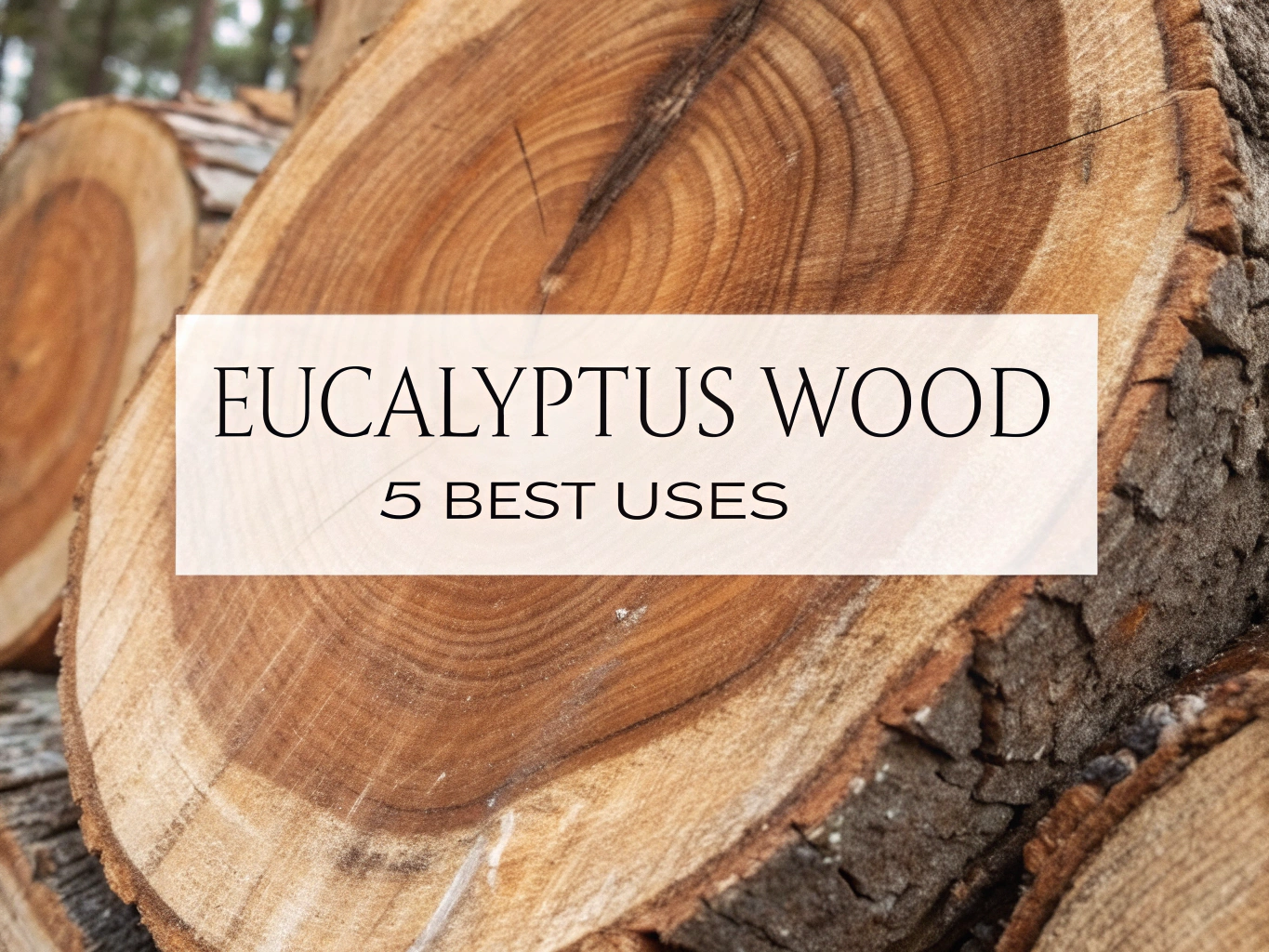
Eucalyptus Wood Guide: Uses, Durability, Furniture, and Care

Table of Contents
Eucalyptus wood is hardwood from trees in the Eucalyptus genus, used for furniture, flooring, millwork, garden products, pulp, and some outdoor pieces. It can be a good value hardwood, but species, drying quality, finish, and exposure decide whether it performs well or cracks early.
Quick answer: eucalyptus is strong, attractive, and often more affordable than teak, yet it’s not a single uniform material. Red Grandis, blue gum, jarrah, ironbark, and rainbow eucalyptus wood can behave very differently in a shop, on a patio, or in a lumber rack.
What Is Eucalyptus Wood?

Eucalyptus wood is hardwood cut from broadleaf Eucalyptus trees in the Myrtaceae family. The genus includes hundreds of species, with Plants of the World Online listing a large number of accepted Eucalyptus names, so the label “eucalyptus” on furniture or lumber needs more detail before you judge quality.
Hardwood Basics
Eucalyptus hardwood comes from angiosperm trees, not from conifers like pine or cedar. That doesn’t mean every eucalyptus board is harder than every softwood; it means the tree type is botanical, while dent resistance depends on density, species, and growth conditions.
Species Matter
Species changes everything: red grandis eucalyptus wood can machine into furniture and doors, while ironbark can feel like cutting stone with a saw. If a seller can’t name the species or trade group, treat broad claims about “weatherproof eucalyptus” with caution.
Appearance and Grain
Color ranges from pale cream and light brown to pinkish, salmon, reddish-brown, and dark red-brown. Freshly sanded eucalyptus can feel slightly dry and dense under the fingertips, with a warm, faintly sweet sawdust smell that becomes stronger near end grain and gum pockets.
Grain can be straight, wavy, interlocked, or irregular. Interlocked grain looks lively under oil, but it can tear out under planer knives, leaving fuzzy patches that need sharp blades, lighter cuts, or a cabinet scraper.
Hardness and Density
Hardness varies widely: Red Grandis often sits around 1,100–1,200 lbf Janka, jarrah is commonly near 1,900 lbf, and red ironbark groups can exceed 2,500 lbf. For context, teak is about 1,070 lbf and white oak about 1,360 lbf, based on commonly cited profiles from The Wood Database.
Density affects handling: plantation eucalyptus may land near 600–750 kg/m³, while dense Australian species can exceed 900 kg/m³. Heavier boards resist dents better, but they wear out blades faster, split more easily around screws, and make patio chairs harder to move.
Shrinkage and Movement
Movement is real with eucalyptus lumber because many species hold internal growth stress. Green or poorly dried boards can check at the ends, cup across the face, twist after ripping, or open hairline cracks after a few hot afternoons outside.
Kiln drying helps because controlled drying reduces moisture swings before the wood becomes furniture or flooring. For indoor furniture, let eucalyptus acclimate before assembly; for outdoor pieces, seal end grain first because end checks usually start where water enters fastest.
Pros and Cons
- Pros: attractive warm color, good strength, broad availability, useful hardness, and strong value compared with premium teak.
- Pros: plantation-grown sources can support better buying choices when certification and chain-of-custody details are clear.
- Cons: generic eucalyptus claims hide large species differences, so low-grade boards can warp, split, or finish unevenly.
- Cons: outdoor eucalyptus wood furniture needs cleaning, oiling, shade management, and off-ground storage to age well.
Beginner mistake: buying eucalyptus because it’s labeled “hardwood” and assuming it will behave like teak outdoors. The better move is to check species, drying, finish, joinery, and whether the product is rated for above-ground use only.
Main Eucalyptus Wood Types

Main eucalyptus types used in lumber and furniture include Red Grandis, blue gum, jarrah, ironbark, and rainbow eucalyptus. Each has a different balance of weight, hardness, durability, workability, and availability.
Red Grandis Eucalyptus Wood
Red Grandis is one of the most common commercial eucalyptus hardwoods for furniture, doors, windows, moulding, cabinets, veneer, and exterior joinery. It usually has a pinkish to reddish-brown tone and often appears as a plantation-grown tropical hardwood substitute.
Good Red Grandis machines cleanly when dry, but dull cutters and rushed sanding can leave burn marks or raised fibers. If you’re comparing it with mahogany or sapele for trim, ask for kiln-dried stock, grade, moisture content, and FSC documentation.
Blue Gum Wood
Blue gum wood often refers to Eucalyptus globulus, a dense species used for pulp, flooring, fuelwood, and utility lumber. It can be strong, but drying can be unforgiving, so cheap boards may hide stress cracks that show up after milling.
For deeper species context, see our guide to blue gum. This species is useful, but it isn’t the same buying category as a finished Red Grandis patio chair or jarrah decking board.
Jarrah Eucalyptus
Jarrah eucalyptus is Eucalyptus marginata, a Western Australian hardwood known for rich reddish-brown color, hardness, and good durability. It is more common in flooring, decking, outdoor structures, and heavy-duty uses than low-cost patio sets.
Ironbark Eucalyptus
Ironbark eucalyptus includes very dense Australian species valued for heavy construction, posts, bridges, sleepers, and decking. It is durable and tough, but it can be punishing on tools; pre-drilling is normal, not optional, if you want clean fasteners.
Rainbow Eucalyptus
Rainbow eucalyptus is Eucalyptus deglupta, famous for multicolored bark rather than rainbow-colored lumber. Searchers often type rainbow tree wood, rainbow wood, eucalyptus rainbow wood, or rainbow eucalyptus inside expecting vivid boards, but the inner wood is usually much calmer than the bark.
Species Comparison Table
| Species / Trade Name | Botanical Name | Typical Color | Relative Hardness | Common Uses | Outdoor Suitability |
|---|---|---|---|---|---|
| Red Grandis | Eucalyptus grandis | Pinkish to reddish-brown | Moderate hardwood, around 1,100–1,200 lbf Janka | Furniture, doors, windows, millwork | Good above ground when sealed |
| Blue Gum | Eucalyptus globulus | Pale to reddish-brown | Dense and hard | Pulp, flooring, utility lumber | Depends on drying and treatment |
| Jarrah | Eucalyptus marginata | Rich reddish-brown | Hard, around 1,900 lbf Janka | Flooring, decking, outdoor structures | Good to very good |
| Ironbark | Eucalyptus spp. | Red-brown to dark brown | Very hard, often above 2,500 lbf Janka | Heavy construction, posts, decking | Very good in durable species |
| Rainbow Eucalyptus | Eucalyptus deglupta | Usually pale to light brown wood | Variable | Pulpwood, utility uses, ornamental tree | Not typical premium patio furniture wood |
Use the table as a starting point, not a grading certificate. A well-dried Red Grandis board may outperform a poorly dried dense species in furniture because stability and joinery often matter more than raw hardness.
Rainbow Eucalyptus Wood Explained
Rainbow eucalyptus wood usually does not look rainbow-colored after sawing. The famous rainbow effect is bark color on the living eucalyptus deglupta tree, while the lumber is commonly pale, light brown, pinkish, or muted compared with the trunk.
Eucalyptus Deglupta Tree
Eucalyptus deglupta, also called rainbow eucalyptus, Mindanao gum, or rainbow gum, is native to tropical areas including the Philippines, Indonesia, and Papua New Guinea. The University of Florida IFAS Extension notes its colorful peeling bark and large mature size in warm climates.
Rainbow Bark Colors
The colors form as bark exfoliates in strips. Fresh inner bark starts green, then ages through blue, purple, orange, maroon, and brown, so the trunk can look painted after rain when the bark is slick and glossy.

Bark vs Lumber
Bark is not lumber: the vivid rainbow bands sit on the outside of the tree and don’t carry through the board like colored pencils. If a listing shows bright rainbow-colored wood, confirm whether it’s dyed, stabilized, painted, resin-filled, or simply photographed with bark attached.
Rainbow Eucalyptus Slabs
A rainbow eucalyptus slab may show pale sapwood, light brown heartwood, gum streaks, and irregular grain, but it rarely shows the trunk’s full bark palette inside. Slabs with live edges can still be attractive because the edge may keep fragments of colored bark, though that bark can loosen as it dries.
Rainbow Eucalyptus Timber
Rainbow eucalyptus timber is more common as utility wood or pulpwood in growing regions than as premium furniture lumber in North America. When you see rainbow eucalyptus lumber for sale, ask for moisture content, slab thickness, drying method, and whether the slab has been treated for insects.
Wood Bowls and Furniture
Rainbow eucalyptus bowls can look creamy, tan, or lightly pink with subtle grain rather than neon bands. Turners should seal blanks quickly because the end grain can crack with a sharp ticking sound as moisture leaves the wood unevenly.
Rainbow eucalyptus furniture is less common than Red Grandis eucalyptus wood furniture. If a table is marketed as “rainbow wood,” inspect whether the color comes from natural bark, dyed veneer, resin art, or a different wood species altogether.
Rainbow Eucalyptus Wood for Sale
Rainbow eucalyptus wood for sale usually appears as slabs, turning blanks, craft pieces, or novelty lumber rather than standardized hardwood boards. For buyers searching bois d’eucalyptus or bois d eucalyptus in import listings, the same rule applies: get the botanical name before paying for rare-looking material.
Ask for photos of the freshly cut face, not just the bark. A reliable seller should state whether the slab is air-dried or kiln-dried, whether both ends were sealed, and whether any live-edge bark is stable enough for the planned project.
For more detail, read our dedicated guide to rainbow eucalyptus wood. That topic deserves its own treatment because most buyer confusion comes from bark photos, not actual lumber performance.
Common Eucalyptus Wood Uses
Eucalyptus wood uses include indoor furniture, outdoor furniture, flooring, millwork, garden edging, veneer, pulp, paper, poles, and fuelwood. The best use depends on species durability, board stability, drying quality, and finish compatibility.
Indoor Furniture
Eucalyptus wood indoor furniture can include tables, chairs, cabinets, shelves, benches, bed frames, and veneer panels. Indoors, eucalyptus benefits from steadier humidity, but wide tops still need room for seasonal expansion and contraction.
Watch the joinery: dense eucalyptus can split if screws are driven without pilot holes, while interlocked grain can leave rough patches after poor sanding. A smooth finished chair arm should feel warm and firm, not splintery at the end grain or gritty around joints.
Outdoor Furniture
Eucalyptus outdoor furniture often includes patio dining sets, folding chairs, loungers, benches, bistro tables, and garden stools. It gives a hardwood look at a friendlier price than teak, but it needs oil or sealer to slow graying, checking, and water staining.
For broader material choices, compare eucalyptus with other options in our outdoor hardwood comparison. That helps if you’re deciding between eucalyptus, teak, cedar, cypress, or dense tropical hardwoods.
Flooring and Millwork
Flooring and millwork use select eucalyptus species where hardness, color, and machining quality suit the project. Red Grandis is common in doors, windows, trim, moulding, and cabinets; some denser species appear in flooring where wear resistance matters.
Garden and Landscaping Products
Garden products include eucalyptus wood garden border, edging, planters, path trim, small screens, and outdoor accessories. Keep landscape pieces from sitting in wet soil for long periods unless the product is treated or clearly rated for that exposure.
Pulp, Paper, and Utility
Pulpwood use is a major reason eucalyptus is planted across warm regions. Fast growth and fiber yield make it common in paper, fiberboard, plywood cores, poles, charcoal, biomass, and utility timber, even when the same species isn’t ideal for fine furniture.
Outdoor Furniture and Durability

Yes, eucalyptus wood can be good for outdoor furniture if it’s properly dried, sealed, and maintained. It is usually more affordable than teak, but it’s not waterproof and usually needs more care in rain, sun, and freeze-thaw exposure.
Short Answer
Featured-snippet answer: eucalyptus wood is good for outdoor furniture when used above ground, protected with exterior oil or sealer, and cleaned on a regular schedule. It is a strong hardwood choice for patios, but neglect can lead to graying, surface checks, and joint movement.
Weather and Water Resistance
Water resistance depends on species, finish, and design. Rain that beads and dries quickly is manageable; water trapped under a flat tabletop, inside screw holes, or around feet can swell the wood and darken end grain.
Rot and Insect Resistance
Rot resistance is stronger in durable species like jarrah and ironbark than in many plantation furniture woods. Untreated eucalyptus can still attract decay fungi, termites, or borers in wet climates, so seasonal inspection matters.
Above-Ground vs Ground Contact
Above-ground use is where most eucalyptus patio furniture belongs. Ground contact is harsher because soil holds moisture, feeds fungi, and keeps oxygen and water near the same surface for long periods.
Professional workaround: add nylon glides, rubber feet, or stone pads under legs so they don’t wick water from patios or grass. This tiny gap often prevents the black, soft end-grain staining that ruins otherwise decent chairs.
Lifespan and Cracking Risks
Expected lifespan ranges from several years with light care to ten years or more with cleaning, oiling, covering, and dry storage in harsh seasons. Climate, sun angle, joinery, end-grain sealing, and factory finish create big differences between similar-looking sets.
Small checks are common in outdoor hardwoods and don’t always mean failure. Wide cracks through legs, loose arms, rocking joints, or splits that follow fasteners are warning signs of poor drying, weak joinery, or water trapped in the structure.
Is Eucalyptus Wood Waterproof?
No, eucalyptus wood is not waterproof. Oil, sealer, paint, smart drainage, and maintenance can improve moisture resistance, but unfinished eucalyptus still absorbs water and can move, stain, swell, or decay.
To reduce damage, seal end grain, avoid puddles, cover during long storms, and recoat before the surface feels dry and rough. If you wait until the wood feels chalky under your palm, UV and water have already started breaking down the surface fibers.
Eucalyptus vs Other Woods
Eucalyptus compares well with many patio woods on price and hardness, but teak, cedar, oak, acacia, and ipe each solve different problems. The right choice depends on maintenance tolerance, budget, weight, climate, and desired look.
Eucalyptus vs Teak
Teak is usually more naturally weather-resistant because of its oils and silica, while eucalyptus is usually less expensive. Choose teak for lower-maintenance premium furniture; choose eucalyptus if you accept more upkeep for a similar warm hardwood look.
For more detail, compare grain, durability, and care in our teak wood guide. Teak can gray too, but it usually tolerates neglect better than typical eucalyptus patio furniture.
Eucalyptus vs Acacia
Eucalyptus and acacia often compete in budget to mid-range outdoor furniture. Both can be dense and attractive, both need sealing outdoors, and both vary by species, so construction quality often decides which set lasts longer.
Eucalyptus vs Cedar
Cedar is lighter, softer, aromatic, and naturally decay resistant, while eucalyptus is usually harder and heavier. Cedar dents more easily, but it’s easier to move, cut, and handle, which matters for large benches or lightweight garden seating.
If low weight matters, compare softwood choices like cypress wood too. Cypress and cedar often make sense where natural decay resistance and lighter handling are more useful than dent resistance.
Eucalyptus vs Oak
Oak is familiar for indoor furniture and flooring, especially in North America. Eucalyptus can match or exceed some oak hardness figures by species, but oak supply, grading, and finishing behavior are often more predictable for local cabinet shops.
Eucalyptus vs Ipe
Ipe is far harder and more durable than most eucalyptus used in consumer furniture. It’s also heavier, pricier, harder to drill, and less forgiving on tools, so eucalyptus can be the more practical patio choice for buyers who don’t need extreme deck-level durability.
Outdoor Furniture Comparison Table
| Material | Weather Resistance | Maintenance | Typical Cost Position | Main Advantage | Main Drawback |
|---|---|---|---|---|---|
| Eucalyptus | Moderate to good with finish | Medium | Lower than teak | Affordable hardwood look | Needs sealing and care |
| Teak | Very good | Low to medium | High | Natural oils and longevity | Expensive |
| Acacia | Moderate to good with finish | Medium | Budget to mid-range | Dense and attractive | Variable durability |
| Cedar | Good natural decay resistance | Low to medium | Mid-range | Lightweight and aromatic | Softer, dents easier |
| Ipe | Excellent | Medium | High | Extremely hard and durable | Heavy, expensive, hard to work |
Best value often comes from matching wood to use. A covered porch chair has very different needs from a dining table left uncovered near sprinklers, and eucalyptus performs much better in the first case.
Buying Eucalyptus Wood Products
Buy eucalyptus products by species, drying quality, certification, finish, hardware, and exposure rating rather than by the word “hardwood.” A low-cost eucalyptus item can be a smart buy, but vague product labels hide risk.
Pricing Factors
Eucalyptus wood price depends on species, grade, thickness, kiln drying, certification, import costs, finish, and whether you’re buying rough lumber, flooring, garden edging, or assembled furniture. Red Grandis lumber is often positioned as a mid-priced tropical hardwood alternative.
Patio furniture pricing usually lands below comparable teak and near acacia in many retail categories. Very cheap eucalyptus sets often save money through thinner stock, basic hardware, light factory oil, or less careful end-grain protection.
Furniture Buying Checklist
- Confirm kiln drying and avoid products that feel damp, oily-wet, or freshly raw at the end grain.
- Look for certification such as FSC where available, especially with plantation-grown eucalyptus.
- Inspect joinery for tight joints, clean plugs, sealed end grain, and no visible splits around fasteners.
- Check hardware for stainless steel, coated steel, brass, or another corrosion-resistant choice.
- Avoid maintenance-free claims because outdoor eucalyptus needs cleaning and recoating to stay sound.
Lumber Supplier Questions
Ask the supplier: What species is it, what grade is it, is it kiln-dried, what is the moisture content, is it FSC or PEFC certified, and is it rated for exterior or ground-contact use? If the answer is “just eucalyptus,” slow down before buying.
For weight clues, our guide to the density of wood helps compare species before lifting a slab or ordering furniture online. Dense wood can be durable, but it can also mean harder machining and higher shipping cost.
Certification and Grade
Certification matters because fast-growing eucalyptus is only a better choice when plantations are managed responsibly. The Forest Stewardship Council explains chain-of-custody certification, which helps buyers trace certified wood from forest to finished product.
Grade matters too: clear, straight, kiln-dried boards cost more because they waste less time in the shop. Lower grades may work for rustic garden pieces, but they can frustrate beginners who expect flat boards and receive knots, gum veins, and twist.
Eucalyptus Garden Border
A eucalyptus garden border works best as a visual edge for paths, lawns, and beds, not as buried structural timber. Keep it slightly proud of wet soil, improve drainage, and expect weathering unless it’s sealed or allowed to gray naturally.
This option fits garden edging projects where solid eucalyptus wood adds a natural border without heavy carpentry.

Natural Wood Garden Border
- Creates a clean, natural edge for gardens and lawns
- solid eucalyptus wood adds rustic charm
- helps define borders and pathways with ease
- sturdy build suits outdoor landscaping projects
- generous 72 inch length covers more space
 Buy on Amazon
Before installation, lay the edging out in the sun for a short time so bends, joints, and stake positions reveal themselves. The wood should smell clean and dry, not sour or moldy, and any loose splinters should be sanded before it goes near bare hands or pets.
Care, Finishing, and Safety
Eucalyptus care is simple but not zero-work: clean it, keep it out of standing water, seal or oil it on schedule, and repair rough areas early. Good maintenance slows graying, checking, mildew, and joint failure.
Cleaning Schedule
| Task | Frequency | Why It Matters |
|---|---|---|
| Wipe dirt and debris | Weekly or as needed | Prevents staining and surface wear |
| Wash with mild soap | Monthly during outdoor season | Removes grime and mildew |
| Inspect joints and cracks | Seasonally | Finds early damage |
| Reapply oil or sealer | Every 6–12 months | Helps resist moisture and UV damage |
| Cover or store | During harsh weather | Reduces swelling, checking, and finish wear |
| Light sanding and refinishing | As needed | Restores weathered surfaces |
A soft brush works better than aggressive pressure washing because high-pressure water can raise grain and force moisture into joints. Use mild soap, rinse lightly, and dry the piece in open air before covering it.
Oiling and Sealing
Oil or sealer should usually be reapplied every 6–12 months, with shorter intervals in full sun, coastal air, heavy rain, or dry heat. Outdoor oil enriches color, but it doesn’t make eucalyptus permanently waterproof.
Test finishes first on the underside or an offcut because eucalyptus can absorb stain unevenly. Thin first coats often behave better than heavy coats, which can stay tacky in pores and collect dust like sticky grit.
Weathered Wood Repair
Weathered eucalyptus often turns silver-gray and feels rough as UV breaks surface fibers. Clean it, let it dry fully, sand lightly with the grain, wipe dust away, then apply oil or exterior sealer before deep cracks spread.
Common mistake: coating dirty gray wood without sanding or cleaning. That traps mildew and dead fibers under the finish, so the new coat peels or blotches instead of bonding cleanly.
Working and Drying Tips
Working eucalyptus takes sharp tools, carbide edges for dense stock, pilot holes for screws, and patience around interlocked grain. If shavings come off dusty instead of ribbon-like, sharpen the blade or reduce the cut before tear-out spreads.
Drying is critical: the USDA Forest Products Laboratory’s Wood Handbook explains how moisture, shrinkage, and wood structure affect service performance. With eucalyptus, end sealing and controlled drying can mean the difference between a usable board and a checked firewood candidate.
Practical Notes From Real-World Use
Real patio use shows the same pattern again and again: eucalyptus lasts when water can leave quickly. Chairs under a covered porch stay smooth and warm-toned far longer than the matching table left flat under rain, where the top feels raised and grainy after one rough season.
The best workaround is prevention, not rescue. Seal end grain before assembly if you’re building, add glides under feet, tilt tables slightly during storms, and re-oil before the surface turns pale and thirsty to the touch.
Sustainability and Certification
Sustainable eucalyptus wood depends on plantation management, biodiversity protection, water use, fire planning, and chain-of-custody records. Fast growth is a benefit only when land conversion, monoculture risk, and local ecology are handled responsibly.
Look for FSC or PEFC claims backed by paperwork, not vague green language. For related buying context, see our guide to eucalyptus wood and compare it with other sustainable hardwood options on a project-by-project basis.
Dust and Finish Safety
Eucalyptus dust can irritate skin, eyes, nose, throat, and lungs like many hardwood dusts. Use dust collection, wear a respirator while sanding or cutting, and wash exposed skin if fine dust leaves an itchy, dry feeling.
Pet safety is mostly about chewing, finishes, preservatives, leaves, and eucalyptus oils rather than normal contact with finished furniture. Don’t let pets chew treated or finished eucalyptus products, and never burn painted, sealed, or preservative-treated scrap.
Bottom line: eucalyptus wood is a practical hardwood for furniture, garden products, and some outdoor use when the species is suitable, the wood is dry, and the finish is maintained.
Glamorwood practical wood guide
FAQs
Is Eucalyptus Wood Good For Outdoor Furniture?
Yes, eucalyptus wood is a good choice for outdoor furniture because it is naturally dense and durable. It can handle regular outdoor use well, especially when it is properly sealed and maintained. For the best results, keep it protected from constant moisture and harsh weather.
Does Rainbow Eucalyptus Have Rainbow-Colored Wood?
No, rainbow eucalyptus does not have rainbow-colored wood inside. Its colorful look comes from the bark, which peels in strips to reveal different shades over time. The wood itself is a more typical pale to reddish tone.
What Is Eucalyptus Wood Used For?
Eucalyptus wood is used for furniture, flooring, decking, cabinets, and general construction. It is also popular for outdoor items because it is strong and attractive. Some types are used for firewood, plywood, and decorative wood projects too.
Is Eucalyptus Wood Waterproof?
No, eucalyptus wood is not fully waterproof. It has some natural resistance to moisture, but it can still absorb water if left exposed for long periods. Sealing the wood helps protect it and extend its life outdoors.
How Long Does Eucalyptus Wood Furniture Last?
Eucalyptus wood furniture can last many years with proper care. Indoors, it may last for decades, and outdoors it can still perform well if cleaned, sealed, and stored correctly. Its lifespan depends on weather exposure and maintenance.
Affiliate Disclosure: Some links in this post are affiliate links. If you make a purchase through these links, we may earn a small commission at no extra cost to you. We only recommend products we genuinely believe in.