
Honey Mesquite Guide: Tree Facts, Uses, Pods, and Mesquite Honey

Table of Contents
Honey mesquite is a thorny, drought-adapted tree or shrub, Prosopis glandulosa, native to dry parts of the southwestern United States and northern Mexico. The name often causes confusion because the honey mesquite tree gives bees nectar for mesquite honey, but the tree, the honey, the pods, and the smoking wood are different products.
What Is Honey Mesquite?
Honey mesquite is a legume-family desert tree known for small compound leaves, sharp thorns, cream-yellow flower spikes, sweet pods, and very dense wood. In real landscapes, it can be a useful native tree or a stubborn brush problem, depending on site size, water, grazing pressure, and local ecology.
Prosopis glandulosa Facts
Prosopis glandulosa Torr. belongs to Fabaceae, the legume family, and it commonly grows as a thorny shrub or small to medium tree. The USDA PLANTS Database lists honey mesquite across much of the southern and southwestern United States, which matches how often it turns up on dry rangeland, roadsides, and desert washes.
Mature size usually lands near 20–30 feet tall, with a canopy that can spread as wide as the tree is high. In poor dry soil, it may stay shrubby and twisted; near extra water, it can stretch into a broader shade tree with a rough, rugged outline.
Tree vs Honey
The tree is honey mesquite; the food product is mesquite honey. Bees make mesquite honey from nectar gathered from mesquite blossoms, not from ground pods, bark, or smoky wood chips.
| Term | What It Means | Common Use |
|---|---|---|
| Honey mesquite | The tree, Prosopis glandulosa | Shade, wildlife, pods, wood |
| Mesquite honey | Honey from mesquite flower nectar | Tea, toast, yogurt, baking |
| Mesquite pods | Legume fruits from the tree | Flour, meal, wildlife food |
| Mesquite wood | Dense hardwood from mesquite trees | Smoking, grilling, firewood |
Quick Benefits
Honey mesquite uses include pollinator support, wildlife cover, edible pod production, heat-tolerant shade, erosion control, and dense wood for cooking fires. The trade-off is real: the same thorns, seed pods, and resprouting roots that help it survive can make it a poor fit beside patios, playgrounds, and narrow walkways.
Honey Mesquite Tree Identification
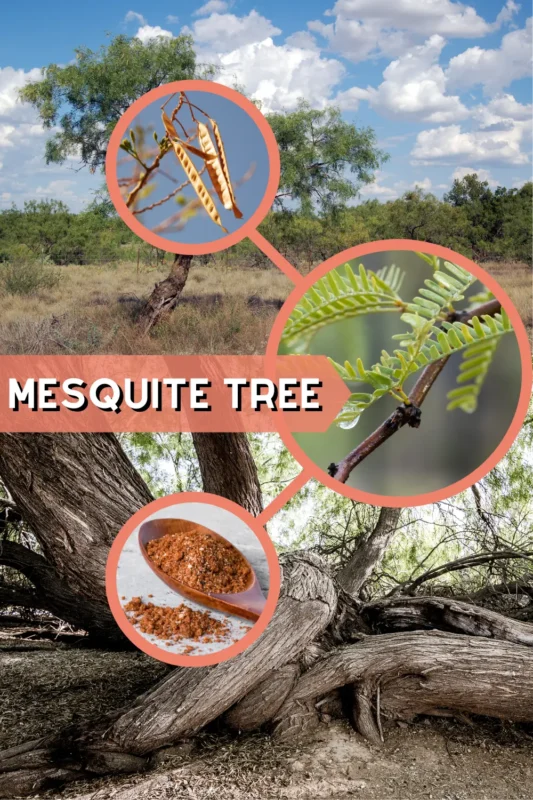
Honey mesquite identification starts with the whole plant: an airy, irregular crown, fine fern-like leaves, stiff thorns, yellowish flower spikes, and tan legume pods. Up close, the branches feel hard and dry, and the thorns can catch a glove with a sharp, sudden tug.
Shape and Size
Tree shape varies by moisture and disturbance. In open dry ground, honey mesquite often forms a multi-stemmed shrub with low, angular limbs; in deeper soil or watered areas, it can become a small tree with spreading shade and a canopy wide enough to cast broken, lace-like shadows.
Leaves and Thorns

Mesquite leaves are bipinnately compound, which means the leaf divides into many small leaflets along slender leaf stems. Those tiny leaflets reduce water loss, and in severe drought the tree may shed leaves rather than spend water keeping a full canopy alive.
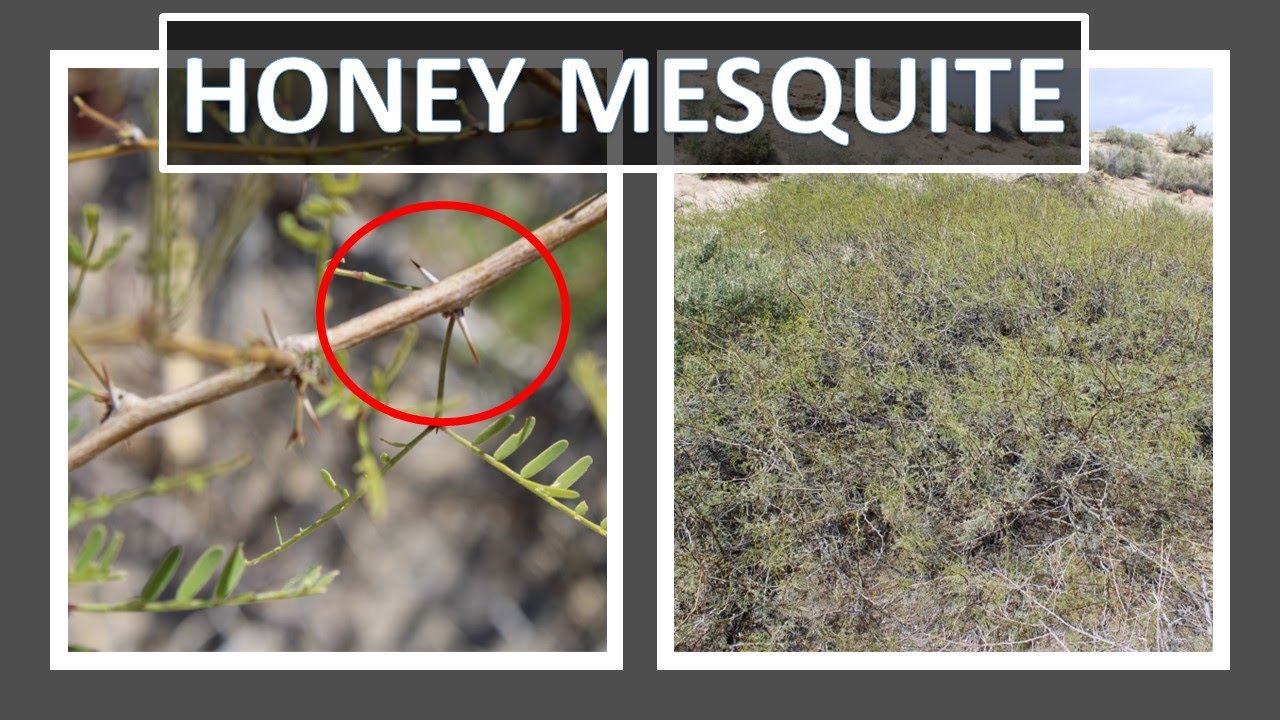
The thorns are the feature beginners underestimate most. A thorny honey mesquite tree can puncture thin shoes, scratch forearms, snag dog fur, and flatten small garden cart tires, so pruning debris needs a tarp or rigid bin rather than a soft bag.
Flowers and Pods
Honey mesquite flowers appear as pale cream to yellowish cylindrical spikes, often with a faint sweet scent when the air warms after rain. Bees work the blossoms closely, moving along the fuzzy flower spikes as they gather nectar and pollen.
Honey mesquite pods are long, narrow legumes that turn tan to brown as they mature. Dry pods can rattle softly when handled, and good pods often smell mildly sweet and dusty, while moldy pods smell sour or musty and shouldn’t be used for food.
Bark and Wood
Older bark becomes dark, rough, and furrowed, with a tough texture that looks cracked into narrow ridges. Spanish searches such as “corteza de mezquite para qué sirve” often point to traditional bark interest, but bark use varies by culture and shouldn’t be treated as a home medical remedy without qualified guidance.
Honey mesquite wood is dense, hard, and aromatic when burned, which is why cooks value it for grilling and smoking. For more detail on the wood side, see our guide to mesquite wood.
Range, Habitat, and Survival
Honey mesquite grows across arid and semi-arid regions where heat, drought, alkaline soil, and grazing pressure shape plant communities. Its survival comes from deep roots, spreading surface roots, drought-shedding leaves, and the ability to regrow after damage.
Native Range
Native range includes parts of Texas, Arizona, New Mexico, Oklahoma, Kansas, Louisiana, and northern Mexico. It’s strongly associated with desert grasslands, Chihuahuan Desert edges, dry washes, rangelands, and disturbed soils where grasses have been weakened.
Desert Habitats
Desert habitats favor plants that can handle long dry spells and sudden pulses of water. Honey mesquite often establishes along washes and low spots where runoff briefly soaks the soil, then persists after the surface dries hard and pale.
Roots and Drought
Mesquite roots are famous for reaching deep water, but that’s only part of the story. Lateral roots spread outward to grab short rain events, which explains why a small-looking tree can compete strongly with nearby grasses after a summer storm.
Drought response includes smaller leaflets, leaf drop, slow growth, and resprouting from protected tissues after top damage. New Mexico State University describes mesquite as a hard-to-control plant in dry grazing regions, with persistence tied to roots and regrowth ability in its mesquite management publication.
Soil and Nitrogen
Soil tolerance is broad: honey mesquite can grow in sandy, rocky, compacted, alkaline, and low-fertility sites. As a legume, it can associate with nitrogen-fixing bacteria, but field results vary with moisture, soil microbes, and local conditions, so it shouldn’t be treated like a guaranteed soil fertilizer.
Uses, Edibility, and Wildlife Value
Honey mesquite is useful because it feeds pollinators, produces pods for animals and people, offers cover for wildlife, and supplies dense cooking wood. The best use depends on the setting: a dry ranch, a bee-friendly planting, and a compact backyard all have different limits.
Pollinators and Bees
Bees like honey mesquite because the flower spikes offer nectar and pollen during warm bloom periods. When enough mesquite blooms near hives, beekeepers may harvest mesquite honey with a light amber color and mild floral flavor.
Wildlife and Livestock
Wildlife value is high in dry country. Quail, songbirds, deer, coyotes, rodents, insects, and livestock may use honey mesquite for food, cover, shade, nesting structure, or seed dispersal.
- Birds use thorny branches for cover and nesting protection.
- Deer and livestock may eat pods, especially after pod drop.
- Coyotes and rodents help move seeds after eating pods.
- Native bees visit blossoms for nectar and pollen.
- Rangeland grasses may decline where dense mesquite stands compete for water.
Pods and Flour
Mesquite pods are edible when correctly identified, mature, clean, dry, and mold-free. They’ve long been dried and ground into mesquite flour or meal, which has a sweet, earthy taste that works in small amounts in breads, pancakes, drinks, and desserts.
Beginner mistake is picking pods from roadsides or sprayed areas because they look dry and ready. A safer workaround is to harvest from known clean trees, taste only sound pods, dry them fully, and discard any pod with black spotting, mold, insect frass, or a fermented smell.
Wood and Smoking
Mesquite smoking wood burns hot and gives meat a bold, earthy smoke that can turn bitter if overused. For long cooks, many pit cooks mix mesquite with milder woods rather than loading the firebox with straight mesquite from start to finish.
Safety Notes
Food safety matters with both pods and honey. Honey, including mesquite honey, should never be given to infants under 12 months because of botulism risk, a warning supported by the FDA infant food safety guidance.
Pod safety starts with correct plant identification. People with legume sensitivities should use caution, and wild foods should come from clean areas away from traffic runoff, livestock chemical treatments, industrial lots, and herbicide drift.
Honey Mesquite vs Mesquite Honey
Honey mesquite is the tree; mesquite honey is the honey bees make from mesquite blossom nectar. This difference matters because true mesquite honey usually tastes mild and floral, not smoky like barbecue wood.
What Is Mesquite Honey

Mesquite honey is a regional or varietal honey linked to nectar from mesquite flowers. It may be sold as raw mesquite honey, pure mesquite honey, desert mesquite honey, mesquite blossom honey, northern Mexico mesquite honey, or a mostly mesquite honey blend.
What is mesquite honey? It’s floral honey from bees working mesquite blooms, not syrup from mesquite pods and not honey flavored with smoke. Real varietal honey depends on where bees forage, so labels that say “mesquite flavored” don’t mean the same thing as nectar-source mesquite honey.
Flavor and Benefits
Mesquite honey benefits are mostly the same practical benefits people seek from honey: natural sweetness, trace plant compounds, and a flavor that can replace refined sugar in drinks and recipes. Its texture is usually smooth and easy to drizzle, with golden color, soft floral notes, and a warm desert finish on the tongue.
The flavor is usually milder than buckwheat honey and less grassy than some wildflower honeys. If a jar tastes strongly smoky, check the label for added flavoring, because smoke character belongs more to mesquite wood than to true mesquite blossom honey.
Label Buying Notes
Read labels for phrases like pure mesquite honey, raw mesquite honey, mesquite blossom honey, honey blend, or mesquite flavored honey. Small sampler jars often cost more per ounce than larger jars, and blends can still taste good, but they don’t carry the same nectar-source meaning as a single-source varietal.
These options can help you compare mesquite honey styles after you know what the label wording means.

Sweet Mesquite Honey
- Rich desert-inspired flavor
- Smooth, easy-to-drizzle texture
- Great for tea, toast, and baking
- Naturally sweet with warm notes
- Convenient 16 oz jar
 Buy on Amazon

Pure Mesquite Honey
- 100% pure mesquite honey
- Small 5 oz size for sampling
- Natural sweetener for recipes
- Warm, mellow desert flavor
- Easy to enjoy in drinks or snacks
Buy on Amazon

Trader Joes Mesquite Honey
- Mostly mesquite honey blend
- Sourced from northern Mexico
- Distinctive earthy sweetness
- Perfect for tea, yogurt, or baking
- Smooth and easy to use
Buy on Amazon
Growing Honey Mesquite Trees
Growing honey mesquite works best in dry, sunny, open spaces where thorns, pods, roots, and seedlings won’t become daily problems. It’s a strong xeriscape candidate for the right site, but it’s a poor choice for tight yards with barefoot traffic, pets, or underground conflicts.
Best Planting Sites
Best sites have full sun, wide spacing, sharp drainage, and low foot traffic. Keep honey mesquite away from narrow paths, play zones, small patios, septic lines, irrigation valves, and places where fallen pods would create constant cleanup.
Planting choice should match your goal. If you want a drought-tolerant native tree for a large dry lot, honey mesquite can work well; if you need a thornless shade tree beside a patio, consider another hardwood or compare traits in our broader mesquite tree guide.
Watering and Care
Young trees need water while roots establish, especially during the first hot season. Once established, deep and infrequent watering works better than shallow frequent watering, which can keep roots near the surface and encourage weak, lush growth.
Overwatering is a common beginner error in irrigated yards. Too much water can speed growth, increase pod and seedling production, and make the tree less suited to the dry discipline that keeps desert trees compact and sturdy.
Growing From Seed
Honey mesquite seeds have hard seed coats, so germination often improves after scarification, warm soaking, and planting in well-draining soil. Nicking the seed coat lightly with sandpaper gives water a path in, but cutting too deep can kill the embryo.
For home propagation, start with identified seeds and expect uneven sprouting rather than perfect rows.

Mesquite Tree Seeds
- Prosopis glandulosa species
- Includes 10 seeds total
- Great for home gardening projects
- Drought-tolerant desert tree variety
- Ideal for planting and propagation
Buy on Amazon
Pruning Safely
Prune safely with leather gloves, eye protection, long sleeves, and bypass or lopper tools sharp enough to make clean cuts. The cut branches are awkward and springy, and a thorn can jab through fabric with a hot, needle-like sting.
Good pruning removes low hazards, crossing branches, and weak forks while keeping enough canopy to avoid stress. Don’t strip the tree into a bare pole; harsh topping often triggers weak sprouts and a worse structure later.
Should You Plant It
Plant honey mesquite if you have dry space, full sun, wildlife goals, and a tolerance for pods and thorns. Skip it near walkways, lawns, small courtyards, and places where volunteers would be hard to pull.
Practical field note: the easiest time to deal with unwanted seedlings is when they’re small enough to pull after rain. Once the stem turns woody and the root crown thickens, removal takes real digging, and cut stems may return.
Problems, Invasiveness, and Management
Honey mesquite problems include thorns, pod litter, seedling spread, resprouting after cutting, and rangeland competition with grasses. It can be native and still behave aggressively where grazing, fire suppression, disturbance, or extra water give seedlings an advantage.
Thorns and Pod Litter
Thorns and pods create the most visible yard problems. Pods can crunch underfoot, attract animals, and sprout in damp spots, while thorny branches make pruning and cleanup slower than with smoother ornamental trees.
Seedlings and Spread
Seed spread often follows animals that eat pods and drop scarified seeds elsewhere. Irrigated beds, fence lines, disturbed soil, and overgrazed ground give seedlings a better opening than intact grass cover.
Management trick: watch the dripline and nearby low spots after pod drop and summer rain. Pull seedlings while the soil is soft, then remove pods before animals or runoff move them farther.
Resprouting After Cutting
Cutting alone often fails because honey mesquite can resprout from the base or root crown. A clean stump may look dead for weeks, then send up fresh green shoots after heat and moisture return.
Better control may require stump treatment, repeated cutting, mechanical removal, or site-specific herbicide use where legal and appropriate. Texas A&M AgriLife discusses mesquite control challenges and timing in its mesquite control guidance.
Rangeland Concerns
Rangeland concern centers on woody encroachment, where dense honey mesquite stands reduce grass production, change habitat structure, and compete for soil moisture. Long-term control works best when brush work is paired with grazing management and follow-up checks, because one pass rarely ends the problem.
Similar Mesquite Species
Similar mesquite species can confuse identification because several Prosopis trees share thorns, compound leaves, yellowish flowers, edible pods, and dense wood. Pod shape, leaf texture, range, and local habitat help separate honey mesquite from its close relatives.
Velvet Mesquite
Velvet mesquite, Prosopis velutina, is common in parts of Arizona and the Sonoran Desert region. It often has a softer, slightly fuzzy look on young growth compared with honey mesquite, though both can form thorny trees with edible pods and quality smoking wood.
Screwbean Mesquite
Screwbean mesquite, Prosopis pubescens, is easier to spot when pods are present because its pods coil into tight screw-like spirals. Honey mesquite pods are longer and straighter or gently curved, not tightly twisted.
Generic Mesquite Trees
Mesquite tree is a broad name for several Prosopis species, while honey mesquite tree usually means Prosopis glandulosa. If you’re comparing different types of mesquite trees for wood, planting, or identification, confirm the scientific name before buying seeds, harvesting pods, or choosing smoking chunks.
Final takeaway: honey mesquite is valuable, tough, edible in the right form, and excellent for bees, but it demands respect. Treat it as a living desert hardwood with thorns and deep survival habits, not as a low-maintenance patio ornament.
FAQs
Is Honey Mesquite The Same As Mesquite Honey?
No, honey mesquite and mesquite honey are not the same thing. Honey mesquite is a tree or shrub, while mesquite honey is the sweet honey made by bees from mesquite blossoms. They are related, but they refer to different things.
What Is Honey Mesquite Good For?
Honey mesquite is good for shade, wildlife habitat, and drought-tolerant landscaping. Its wood is also valued for grilling, smoking, and woodworking. In some regions, people use the pods for food or flour, though preparation matters.
Can You Eat Honey Mesquite Pods?
Yes, honey mesquite pods can be eaten when properly dried and ground or cooked. The pods are often turned into flour or used in recipes, especially in traditional foods. Avoid eating raw pods in large amounts, and make sure they are clean and fully ripe.
Is Honey Mesquite Invasive?
Honey mesquite can be invasive in some areas, especially where conditions favor rapid spread. It may form dense stands and compete with grasses and other plants. Whether it is a problem depends on your region and how it is managed.
What Does Mesquite Honey Taste Like?
Mesquite honey tastes mild, smooth, and lightly sweet, often with a subtle floral or caramel note. It is usually less strong than darker honeys, which makes it easy to use in tea, baking, and drizzling over foods. Flavor can vary by region and season.
Affiliate Disclosure: Some links in this post are affiliate links. If you make a purchase through these links, we may earn a small commission at no extra cost to you. We only recommend products we genuinely believe in.