
Table of Contents
SEO title: Sissoo Tree Guide: Growth, Care, Arizona Root Problems, and Rosewood Facts
Meta description: Learn what a sissoo tree is, how fast it grows, why it’s popular in Arizona, and why its roots can cause problems near pools, walls, sidewalks, and foundations.
Sissoo Tree: Growth, Care, Root Problems, and Arizona Planting Guide
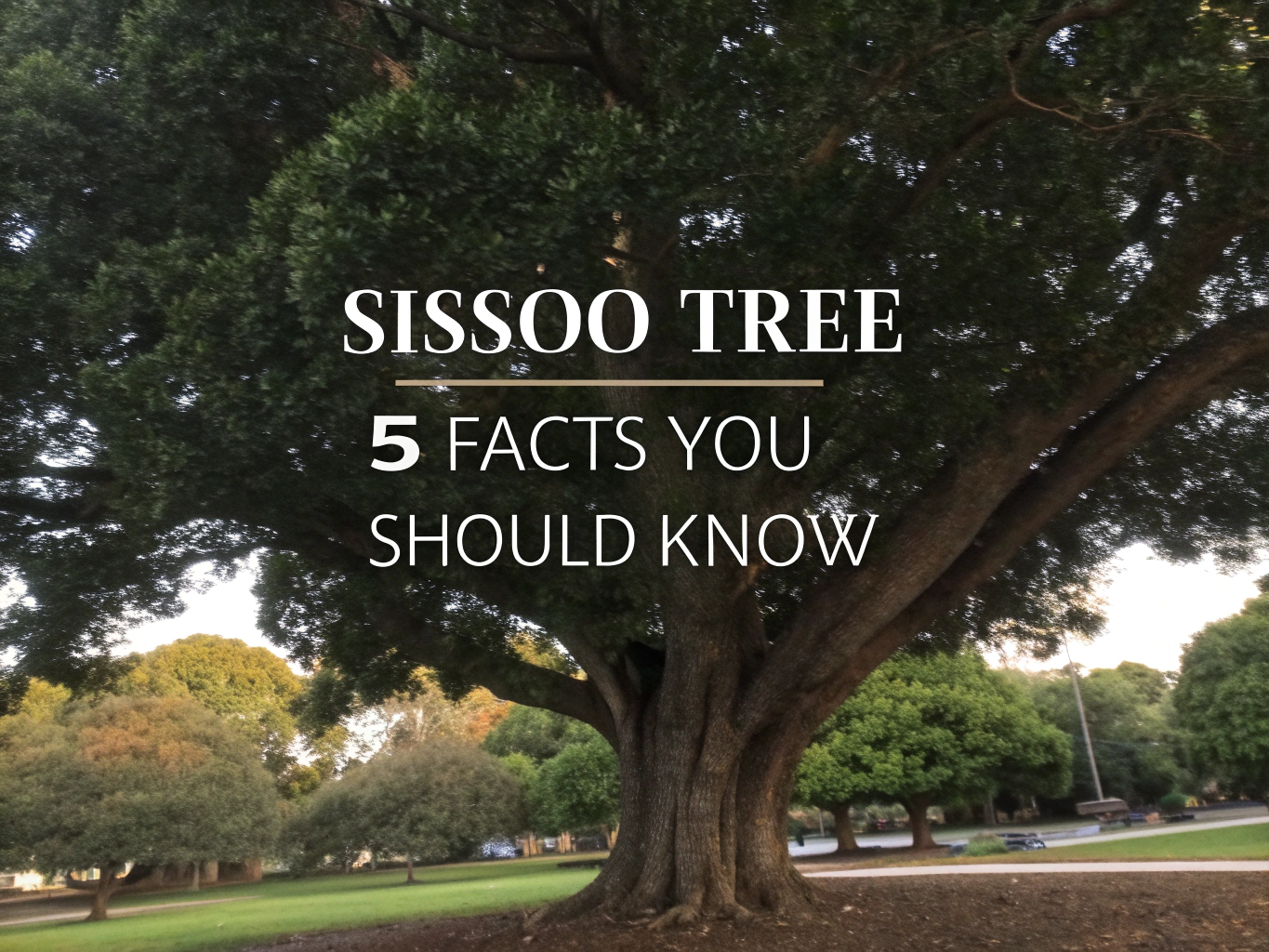
A sissoo tree, or Dalbergia sissoo, is a fast-growing rosewood species native to the Indian subcontinent. It can make strong shade, but in Arizona yards it often causes trouble because wide-spreading roots can lift hardscape, chase irrigation, and resprout after removal.
The tree feels lush in a hot yard: the leaves cast a cool green shade, the bark feels rough and dusty under your palm, and the dry pods make a papery rattle when you crush them. That appeal is real, but so are the long-term root risks that catch many homeowners by surprise.
What Is a Sissoo Tree?

A sissoo tree is Dalbergia sissoo, a member of the Fabaceae family, the same broad plant family that includes many legumes. It’s also called Indian rosewood, North Indian rosewood, shisham, sheesham, and tahli, and the NC State Extension profile lists it as a warm-climate tree used for shade and timber.
Dalbergia sissoo basics and common rosewood names
Dalbergia sissoo belongs to the rosewood group, so the phrase rosewood sissoo tree usually means this same species. In woodworking circles, the name often connects to sheesham furniture and Indian rosewood lumber; in U.S. yards, the same tree is more often judged by shade speed, root spread, and maintenance demands.
The tree is native to the Indian subcontinent, including parts of India, Pakistan, Nepal, and river areas near the Himalayan foothills. That riverine background matters because a tree that evolved with access to seasonal moisture often follows water aggressively when planted in dry urban soils.
Leaves, bark, pods, growth rate, and size

Sissoo tree leaves are compound, with rounded to oval leaflets that look bright green during active growth. Mature bark turns gray-brown and furrowed, while the flat brown seed pods can add litter to patios, gravel beds, and pool decks.
Most mature sissoo trees in yards reach about 40–60 feet tall with a 30–60-foot spread. The dalbergia sissoo growth rate is fast under heat and irrigation, and young trees can add several feet in a year when roots find steady water.
For wood readers, sissoo sits beside other hardwood topics on this site, including Indian rosewood and broader rosewood guides. The planting decision, though, should start with mature tree size rather than the value of the wood.
Sissoo Tree Pros and Cons
The main sissoo tree pros and cons are simple: it grows fast and gives strong shade, but its roots can become expensive near concrete, pools, walls, pipes, and small yards. This is why search interest is high around “sissoo tree pros and cons” rather than just tree care.
| Factor | Benefit | Trade-off |
|---|---|---|
| Shade | Fast canopy cover in hot sites | Can outgrow small yards |
| Heat tolerance | Handles full sun and desert heat | Fast growth can mean more pruning |
| Drought tolerance | Survives dry spells after establishment | Roots spread faster near irrigation |
| Appearance | Lush green canopy feels cooler than sparse shade | Leaves and pods create cleanup |
| Roots | Strong anchoring on large open sites | Can lift hardscape and produce suckers |
| Removal | Wood is dense and durable | Stumps and roots may resprout |
Shade benefit is the reason many people plant it. On a summer afternoon, standing under a well-watered sissoo feels noticeably cooler because the canopy filters sun with a dense green cover, but that same rapid canopy growth adds weight and can create weak branch angles if nobody trains the young tree.
Root-related drawbacks are the deal-breaker in many homes. Beginners often plant a small nursery tree five or six feet from a wall because it looks harmless in a 15-gallon pot; the professional workaround is to judge the future 40–60-foot tree, not the container size.
Yard litter is moderate but real: leaflets, twigs, and flat pods collect in gravel, drains, and pool skimmers. If you hate the dry scratchy sound of seed pods underfoot on a patio, choose a cleaner tree before the sissoo becomes too large to move.
Best-fit sites are large open properties, parks, broad commercial grounds, and rural windbreaks where root spread won’t press against expensive structures. Small urban lots, narrow side yards, and pool courtyards are poor matches.
Sissoo Tree Arizona Risks
Sissoo tree Arizona searches usually come from homeowners who either want fast shade or already have root problems. In Phoenix, Scottsdale, Mesa, Tucson, and other hot areas, the tree grows quickly because heat, alkaline soil tolerance, and irrigation line up with its strengths.
Why Arizona planted it and why Phoenix conditions favor it
Arizona planted sissoo trees because they created quick shade in places where many trees struggled. Full sun, long warm seasons, and irrigated yards can make a young tree surge upward before slower desert trees have filled out.
The problem is that performance becomes liability in tight sites. A tree sold as drought tolerant may still grow more aggressive surface roots when drip emitters, lawn irrigation, leaky valves, or pool overflow keep part of the soil damp.
Common root complaints around pools, hardscape, and irrigation

- Pool deck lifting where roots find moisture near plumbing or backwash areas.
- Cracked walks and raised pavers where shallow roots expand under hard edges.
- Broken drip tubing from roots following watered planting beds.
- Block wall pressure where roots thicken in narrow strips.
- Artificial turf lifting along seams and edges near irrigated zones.
- Root suckers appearing many feet from the trunk after pruning, digging, or stress.
Large-site-only guidance is the safest Arizona rule. If the planting area can’t absorb a 40–60-foot tree with wide lateral roots, pick a smaller desert-adapted species and protect the pool, wall, driveway, and irrigation system first.
For readers comparing fast growing shade trees Arizona options, sissoo gives speed, but speed isn’t the same as long-term fit. A better Arizona shade choice often grows slower yet saves years of concrete repair and sucker control.
Roots, Invasiveness, and Planting Distance
Sissoo tree roots are vigorous, wide-spreading, and strongly attracted to water sources such as lawns, drip irrigation, and leaking pipes. Many homeowners call them invasive because they move through yards and produce suckers, but official invasive status varies by region.
Root behavior, damage examples, and suckers
The roots often extend beyond the canopy, especially in irrigated desert yards. I’ve seen roots follow the cool damp line under gravel where a drip tube ran, then send up shoots in a bed that looked unrelated to the trunk until the soil was scraped back.
Common damage includes lifted patios, displaced pavers, cracked concrete, broken irrigation fittings, pool-edge movement, and shoots emerging through groundcover. The mistake is treating the root zone like a neat circle under the branches; in practice, water creates the path.
There’s a difference between yard invasion and ecological invasion. Yard invasion means roots and suckers spread through built spaces; ecological invasion means a plant spreads into wild areas and displaces native species, and that legal status depends on local agencies.
Field Experience Insights: root barriers and safe clearance
Root barriers can redirect some roots, but they don’t guarantee control. They need correct depth, clean seams, and enough distance from the trunk; roots can grow under, around, or past the barrier once the tree has size and steady water.
Think in tens of feet, not a few feet, when judging clearance from pools, foundations, walls, septic systems, driveways, sidewalks, and water lines. No single distance fits every soil and irrigation setup, so the best workaround is avoiding tight sites rather than trying to force the tree to behave later.
Don’t plant sissoo near a house, pool, narrow side yard, raised irrigated bed, artificial turf edge, or utility corridor. If a mature tree already sits there, an arborist can inspect risk, but inspection won’t shrink the root system.
Care, Watering, and Pruning
Sissoo tree care starts with full sun, well-drained soil, and deep watering during establishment. Mature trees tolerate dry periods, but frequent shallow irrigation encourages surface roots and faster spread in hot yards.
Full sun, soil, drainage, water, and mulch
Full sun gives the best canopy density and stronger branch development. Shade-grown trees stretch, lean, and form thinner crowns, which leads to more corrective pruning later.
Sissoo tolerates many soils, including alkaline desert soils, but it hates chronically soggy ground. The University of Arizona Extension recommends deep watering for trees and shrubs, and that same principle helps reduce the shallow root pattern that beginners create with frequent short irrigation cycles.
Mulch helps by cooling soil, slowing evaporation, and protecting the trunk from mower wounds. Keep mulch several inches off the bark; a wet mulch cone against the trunk can smell sour, hold decay fungi, and damage the root flare.
Fertilizer, structural pruning, suckers, and desert timing
Fertilizer needs are usually light because sissoo belongs to the legume family and can associate with nitrogen-fixing organisms. Overfeeding pushes soft fast growth, which adds pruning work and can make poor branch angles worse.
Train young trees early by selecting a balanced structure, removing crossing limbs, and reducing narrow crotches before they become heavy. A common beginner mistake is waiting until the tree is huge, then stripping large limbs in summer; a better approach is small cuts during lower-stress periods.
Sucker management works best while shoots are small and tender. Cut them cleanly at the source when possible, avoid chopping roots without a plan, and expect repeat visits after stress, root injury, or trunk removal.
The video below fits best with the practical care discussion because visual examples make pruning and growth habits easier to judge before making cuts.
In low-desert Arizona, avoid major canopy reduction during peak summer heat. Freshly exposed limbs can feel hot and dry to the touch by midday, and sunscald can damage bark that was previously shaded.
Pests, Diseases, and Health Issues
Sissoo tree diseases often start with stress rather than a single obvious pest. Poor drainage, irrigation failure, soil compaction, root cutting, freeze injury, and severe pruning can all trigger yellowing leaves, branch dieback, or decay.
Stress factors, yellowing leaves, and branch dieback
Yellow leaves can point to water stress, root damage, nutrient imbalance, seasonal drop, or cold injury. Before adding fertilizer, check soil moisture several inches down; dry powdery soil and sour wet soil call for different fixes.
Sudden branch dieback can follow drought, root loss from trenching, deep planting, or irrigation failure. The beginner mistake is pruning out symptoms without finding the cause; the workaround is to test irrigation coverage, inspect the root flare, and look for wounds or decay before cutting more canopy.
Root rot, fungal decay, pests, and diagnosis
Root rot becomes more likely in poorly drained or overwatered soil. Mushrooms, soft wood near the trunk, sunken bark, or a musty smell at the base can signal decay that needs closer inspection.
Possible pests include borers on stressed trees, scale insects, aphids, and leaf-chewing insects, with severity changing by region. For large trees near structures, a certified arborist can assess defects, decay pockets, and failure risk using accepted tree-risk methods from groups such as the International Society of Arboriculture.
Diagnosis matters because a dying branch and an unstable root system can look similar from a distance. Don’t rely on leaf color alone when people, roofs, cars, or pool areas sit under the canopy.
Removal, Regrowth, and Costs
Sissoo tree removal is difficult because the tree can regrow from stumps and live roots. Cutting the trunk may solve the shade problem for a week, then create a sucker problem across the yard.
Why removal is difficult: stumps, roots, and suckers
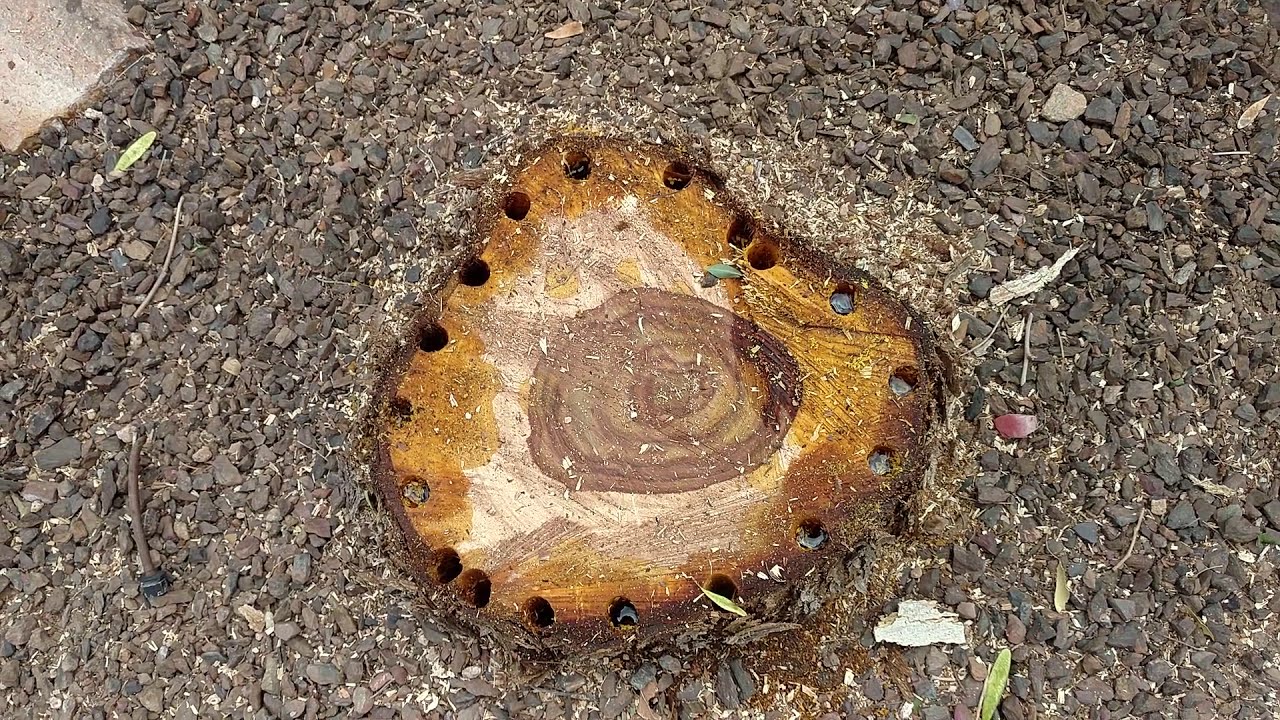
Stump grinding removes the visible stump and helps reclaim the surface, but it may not kill every live root. Shoots can keep appearing where roots still carry stored energy, especially after irrigation continues nearby.
Repeated sucker control is normal after removal. Cut young shoots before they harden, track where they appear, and avoid scattering root fragments through a bed if you’re digging by hand.
Herbicide caveats matter near pools, drains, wells, edible beds, and shared property lines. Any chemical treatment should follow the product label and local rules, and licensed help is safer when roots run through utility-heavy areas.
Cost variables, permits, HOA rules, and utility locating
Removal cost depends on height, trunk diameter, canopy spread, access, rigging needs, disposal, stump grinding, and nearby structures. The expensive part is often not the tree crew alone; pool repair, wall work, concrete replacement, or irrigation rebuilding can exceed the cutting cost.
Check municipal rules, HOA guidelines, and shared-wall agreements before work starts. Call utility locating services before root excavation because irrigation, low-voltage lighting, gas, water, and communication lines can hide under gravel with no surface clues.
Professional workaround: if the tree sits near a pool or wall, plan removal, stump work, sucker monitoring, and hardscape repair as one project. Splitting the work into disconnected steps often leaves live roots, broken lines, and repeat labor.
Seeds, Rosewood, and Alternatives
Sissoo tree seeds can germinate in warm, moist, well-drained media, but seed starting only makes sense if you have a safe future planting site. A seedling in a small pot feels harmless; the mature tree is the real decision.
Seed propagation and learning resources
Use fresh Dalbergia sissoo seeds, warm conditions, and a draining seed-starting mix. Keep seedlings protected from frost and avoid planting them near pools, foundations, sidewalks, septic systems, narrow side yards, or underground utilities.
Seed packs can be useful for large properties, controlled nursery trials, education, or agroforestry projects where the species is locally appropriate.

North Indian Rosewood Seeds
- Fast sprouting seeds for growing a striking rosewood tree
- High germination potential for better planting success
- Great for gardens, landscapes, and reforestation projects
- Easy way to start a valuable shade tree
- Choose the amount that fits your growing needs
 Buy on Amazon
Rosewood Seed Starter Pack
- Trial size pack for first-time growers
- Fast sprouting seeds with strong germination potential
- Ideal for testing growing conditions and soil
- Perfect for small garden projects or sample planting
- Easy to try before buying a larger amount
Buy on Amazon
Rosewood Seeds, 1 Oz Pack
- Handy 1 oz pack for home growers
- Fast sprouting seeds with strong germination potential
- Great for landscapes, patios, and garden beds
- A simple way to start a premium shade tree
- Balanced size for moderate planting needs
Buy on Amazon
Learning guides are most useful after you’ve confirmed the site has enough room for the mature root system.

Sissoo Tree Guide
- Helpful reference for growing and caring for sissoo
- Learn planting tips, growth habits, and maintenance
- Great for gardeners, landscapers, and tree lovers
- Easy-to-use guide for better results
- Useful companion for seed and tree projects
Buy on Amazon
The rosewood sissoo tree does produce valued hardwood in South Asia for furniture, veneer, flooring, carving, and musical instruments. A removed urban Arizona tree is not automatically valuable lumber because nails, included bark, stress cracks, branching defects, milling cost, transport, and disposal can erase any wood value.
For wood comparisons, readers often pair sissoo with durable hardwoods like mesquite wood and acacia wood. Those wood traits don’t change the planting rule: yard safety comes before lumber hopes.
Better hot-climate alternatives to sissoo
Desert willow (Chilopsis linearis) fits smaller hot yards better than sissoo and brings showy flowers, but it gives lighter shade. It’s a good choice where flowers and lower water use matter more than dense canopy.
Palo verde options, including Parkinsonia florida, Parkinsonia microphylla, and Desert Museum palo verde, give filtered shade, yellow spring flowers, and strong desert character. They won’t create the same dark shade as sissoo, but they fit many Arizona sites with less hardscape risk.
Mesquite trees, including velvet mesquite and thornless hybrids, give useful filtered shade and strong drought tolerance. Spacing still matters because mesquites have powerful roots too, but they’re better matched to desert conditions than sissoo in many yards.
Chinese pistache (Pistacia chinensis) can serve as a deciduous shade tree with fall color in some climates. It needs room to mature and moderate water, but it’s often less troublesome than sissoo near homes when sited well.
Texas ebony (Ebenopsis ebano) grows slower and stays more manageable, with dense evergreen character in warm areas. Its thorny branches can snag sleeves and skin during pruning, so don’t place it where people brush past the canopy.
Shoestring acacia (Acacia stenophylla) has an upright shape and drought tolerance, with fine weeping foliage that moves lightly in wind. It can still drop litter and needs training, but it fills a different space than a broad, aggressive sissoo.
If the site can’t handle a 40–60-foot tree with forceful lateral roots, choose another species. Fast shade feels good now, but clean clearances around pools, walls, pipes, and foundations save more money over the life of the yard.
FAQs
Are Sissoo Tree Roots Invasive?
Yes, sissoo tree roots can be invasive and aggressive. They may spread widely in search of water and can lift sidewalks, damage foundations, or interfere with pipes if planted too close to structures.
How Fast Does A Sissoo Tree Grow?
Sissoo trees grow very fast, especially when they get full sun and regular water. In good conditions, they can add several feet of growth per year and reach a large size relatively quickly.
Should I Plant A Sissoo Tree In Arizona?
Yes, a sissoo tree can do well in Arizona because it handles heat and dry conditions. It is a better choice for large open areas than small yards, since it grows fast and needs room for its roots.
Is Sissoo The Same As Rosewood?
No, sissoo is not exactly the same as rosewood, although the names are sometimes used loosely. Sissoo usually refers to Dalbergia sissoo, a species that is related to some rosewood trees and valued for its wood.
Will A Sissoo Tree Grow Back After Cutting It Down?
Yes, a sissoo tree can often grow back from the stump or roots after being cut down. It may resprout vigorously unless the stump and root system are treated or fully removed.
Affiliate Disclosure: Some links in this post are affiliate links. If you make a purchase through these links, we may earn a small commission at no extra cost to you. We only recommend products we genuinely believe in.