
Table of Contents
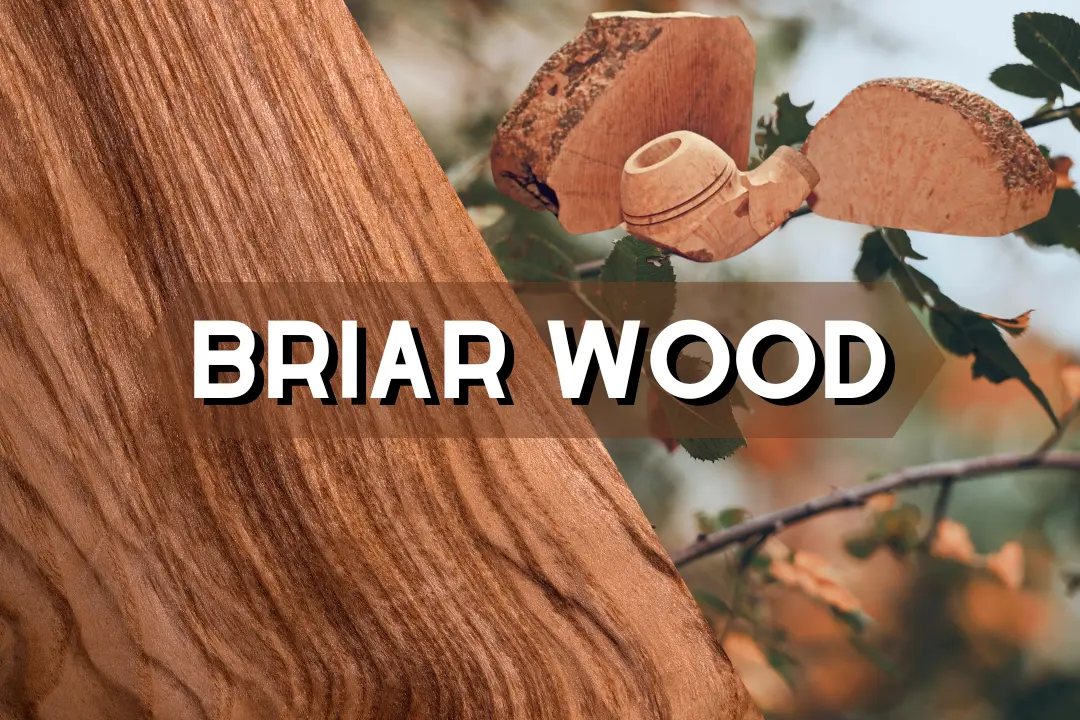
Briar wood is the dense, hard, heat-resistant wood taken mainly from the root burl or lignotuber of Erica arborea, also called tree heath or white heath. It’s best known for tobacco pipe bowls, but the same “briar root” name can also appear on natural dog chews and raw craft blocks.
Good briar feels surprisingly heavy for its size, with a dry mineral smell when freshly sanded and a tight, slightly waxy dust that clings to fingertips. The value comes from its root-burl structure, not from ordinary branches or straight lumber.
What Is Briar Wood?
Quick Answer
What is briar wood? It’s the usable burl wood from the lower root mass of Erica arborea, a Mediterranean heath plant. Pipe makers prize it because it resists heat, absorbs some smoking moisture, holds detail well, and can show striking straight grain, flame grain, and birdseye figure.
Briar Quick Facts
Briar quick facts help separate the material from lookalike hardwoods. The plant belongs to the Ericaceae family, and Plants of the World Online lists Erica arborea as the accepted botanical name.
| Feature | Practical Meaning |
|---|---|
| Botanical source | Erica arborea, tree heath or white heath |
| Valuable part | Root burl or lignotuber, not normal branch wood |
| Main region | Mediterranean basin and nearby dry scrub areas |
| Best-known use | Tobacco pipe bowls and shanks |
| Key property | Heat-resistant, dense, hard, and mildly porous |
| Common warning | Heat-resistant does not mean fireproof |
Burl, Root, Wood
The best pipe material comes from the root burl, which grows as an irregular storage mass near the base of the plant. If you’re new to figured wood, this connects closely with how burls form; our tree burl guide explains why those swollen growths create twisted grain and compact structure.
Briar vs Brier
Briar is the spelling most pipe makers, block sellers, and collectors use today. Brier appears in older writing and some botanical contexts, so “brier wood” and “briar wood” can point to the same material in search results.
Common Briar Uses
Common uses center on pipes, pipe blocks, and natural dog chews. Small craft uses exist, but briar’s irregular shape, cost, and limited block size make it a poor choice for furniture or wide boards.
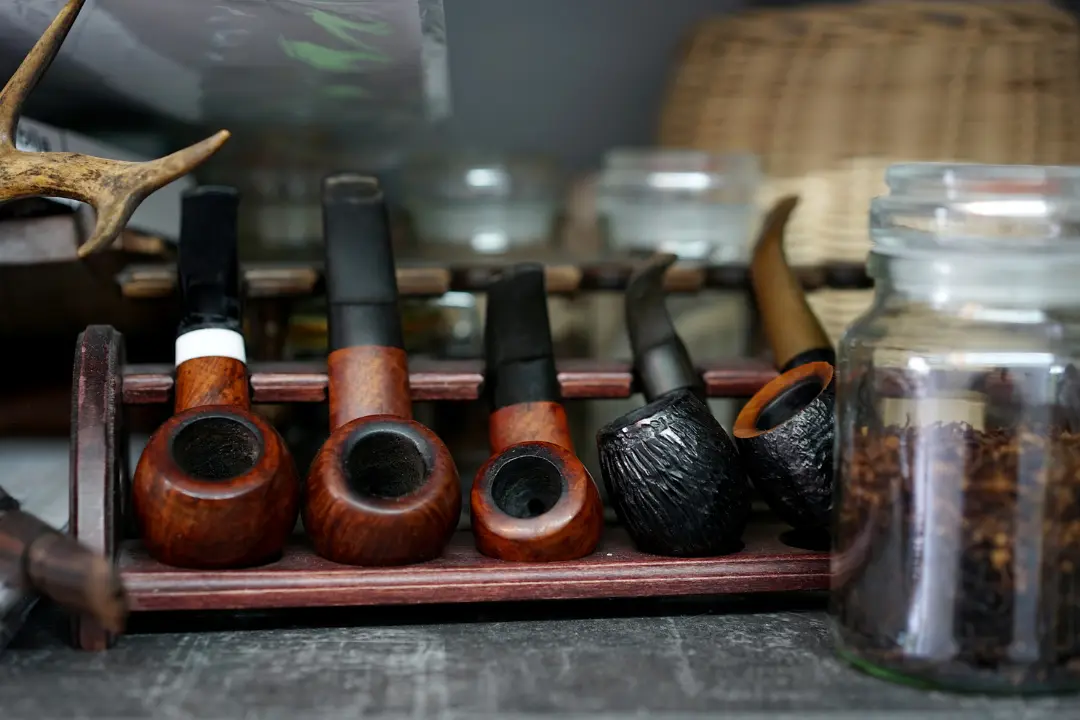
- Tobacco pipe bowls, shanks, churchwardens, bent billiards, and straight pipes
- Raw briar pipe blocks, briar pipe blanks, and pre-drilled hobby blocks
- Briar root dog chews sold as hard, natural chewing roots
- Small handles, turned pieces, and collectible burl blanks
Where Briar Wood Comes From

Erica Arborea Origin
Erica arborea grows as a woody shrub or small tree in dry, scrubby regions where wind, poor soil, and seasonal drought slow growth. Those harsh conditions help form dense root masses with uneven grain, mineral staining, and small natural voids that a cutter must read before sawing blocks.
Root Burl Value

The root burl value comes from density, heat tolerance, and figure. Ordinary branch wood lacks the same compact, tangled structure, so it can’t match good briar for pipe bowls that face repeated heating and cooling.
Mediterranean Sourcing
Mediterranean briar has traditionally come from Italy, France, Corsica, Sardinia, Greece, Spain, Morocco, Algeria, and nearby regions. In hand, older briar blocks can show tan, orange, and reddish-brown streaking, with a faint earthy smell after the saw opens the burl.
Italian Briar Meaning
Italian briar can mean the burl was cut, cured, sold, or made into a pipe in Italy. It doesn’t always prove the plant grew in Italian soil, so judge the block by curing, grain, flaws, and seller clarity rather than the label alone.
Sustainability Concerns
Sourcing pressure matters because quality briar burls take decades to become desirable. Beginners often assume all “Mediterranean briar” is equal, but responsible cutters sort hard-earned burl carefully and avoid wasting large plateaux pieces on shapes that could come from smaller ebauchon blocks.
Why Briar Wood Is Used for Pipes
Heat Resistance
Heat resistance is the main reason briar wood for pipes became the standard. Briar tolerates repeated smoking heat better than many fruitwoods, but a thin bowl, hidden flaw, harsh torch lighting, or careless break-in can still cause burnout.
Moisture Absorption
Moisture absorption gives briar a practical edge during smoking. The wood can take in some condensation, but wet tobacco, fast puffing, rough airway drilling, or a poor stem fit can still create gurgle and a sour heel.
Durability and Hardness
Durable briar handles heat cycles, cleaning tools, pocket wear, and years of normal handling. The trade-off is tool wear: sharp rasps bite cleanly, but dull sandpaper skates and burns the surface, leaving glossy patches that stain unevenly.
Grain and Appearance
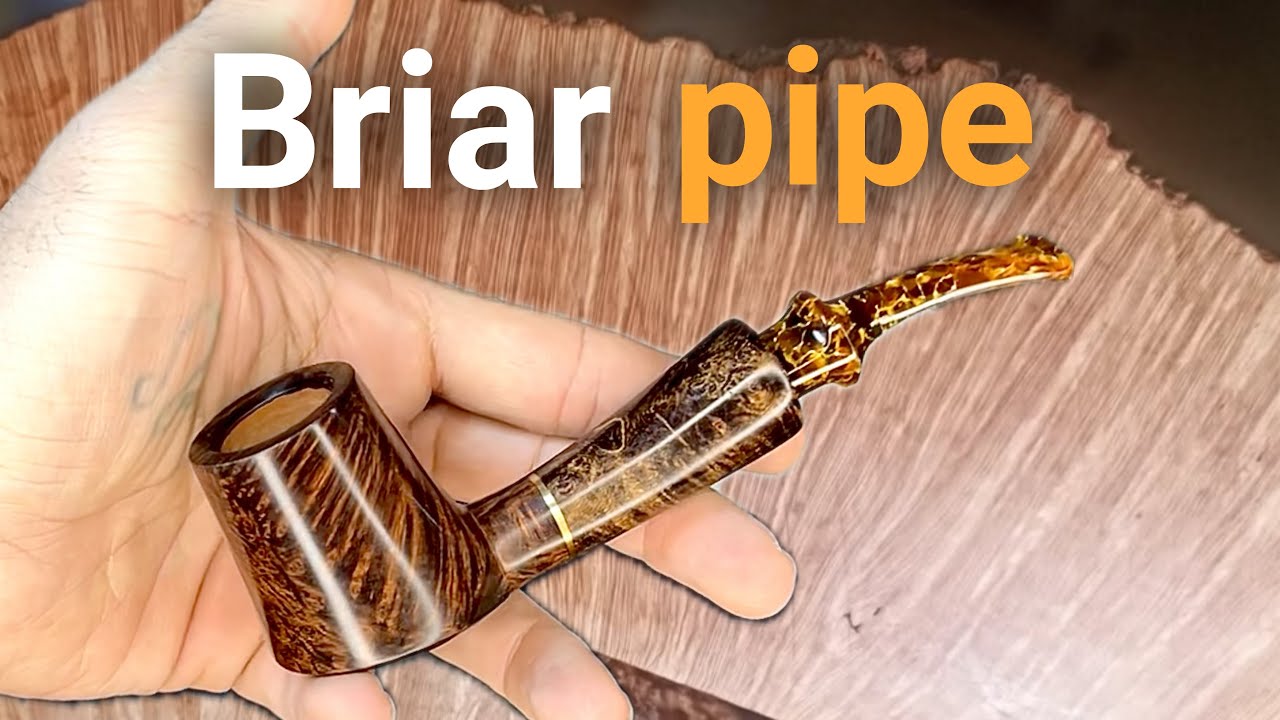
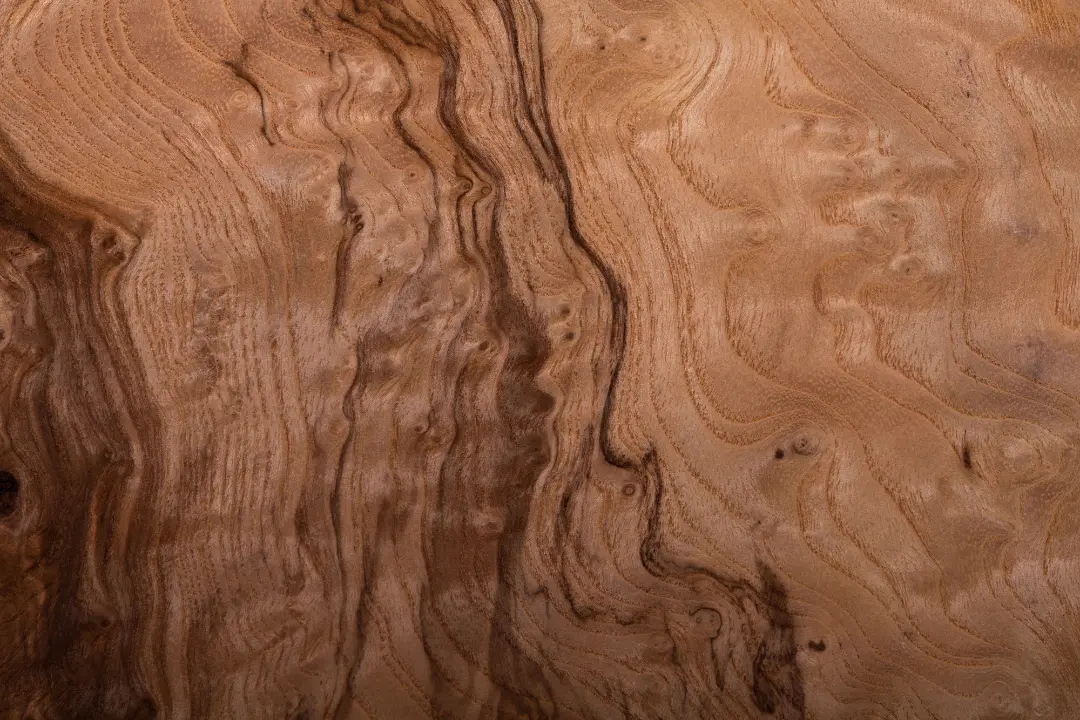
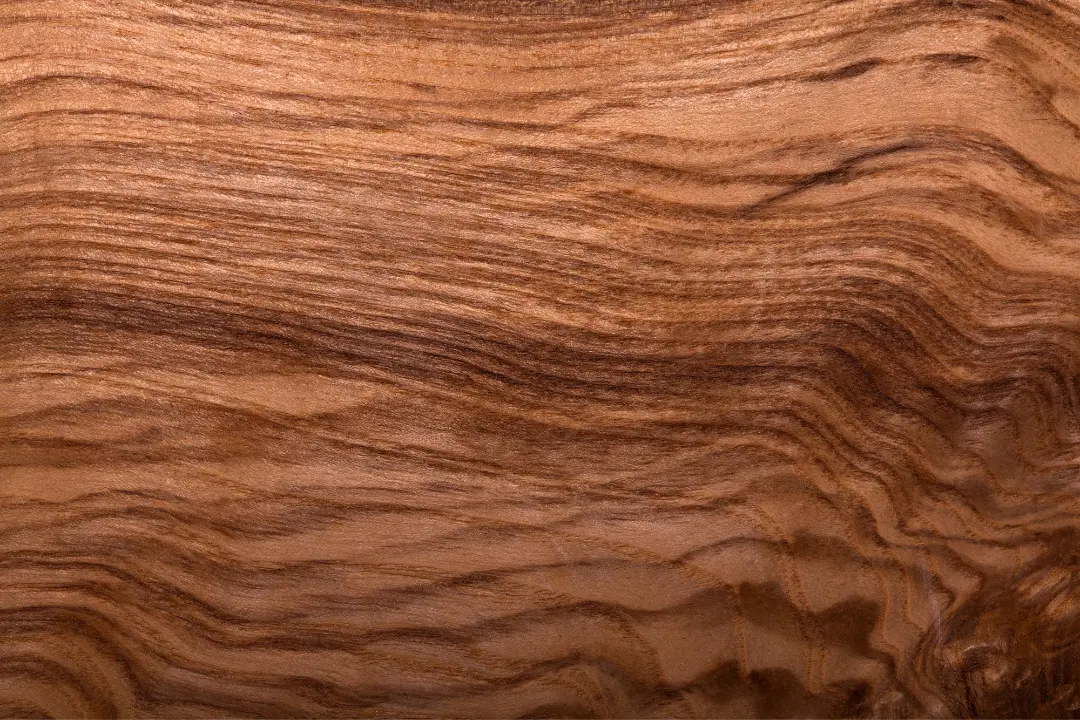
Briar grain can show straight grain rising along the bowl, birdseye on the rim or heel, flame grain wrapping the sides, or cross grain cutting through the shape. Smooth finishes reward clean blocks, while rusticated and sandblasted finishes add grip and can disguise small pits.
Pipe-Making Tradition
Pipe-making tradition made briar the default pipe wood in Europe during the mid-19th century, with St-Claude in France becoming a major production center. Makers still use briar because it gives a rare mix of performance, beauty, and workable hardness.
Processing, Cuts, and Properties
Harvesting and Cutting
Harvesting briar starts with the burl or lower root mass, then cutters saw it into blocks based on grain direction, size, defects, and possible pipe shapes. A good cutter wastes less wood by matching the block to a realistic chamber, shank, and bowl design before the first deep cut.
Boiling and Curing

Boiling briar helps reduce sap, tannins, bitter compounds, and internal impurities. After that, slow curing may run from months to several years, and under-cured briar can move after shaping, taste sharp, crack, or reject finish around the shank.
Plateaux Briar
Plateaux briar comes from the outer part of the burl and may keep the rough natural surface on one side. It often gives dramatic grain, but it costs more and punishes poor layout because a careless cut can turn premium figure into off-center waste.
Ebauchon Briar
Ebauchon briar comes from inner burl sections and is common in factory pipes and beginner blocks. It’s practical, more affordable, and often easier to shape, but it may show plainer grain than a strong plateaux block.
Raw and Pre-Drilled Blocks
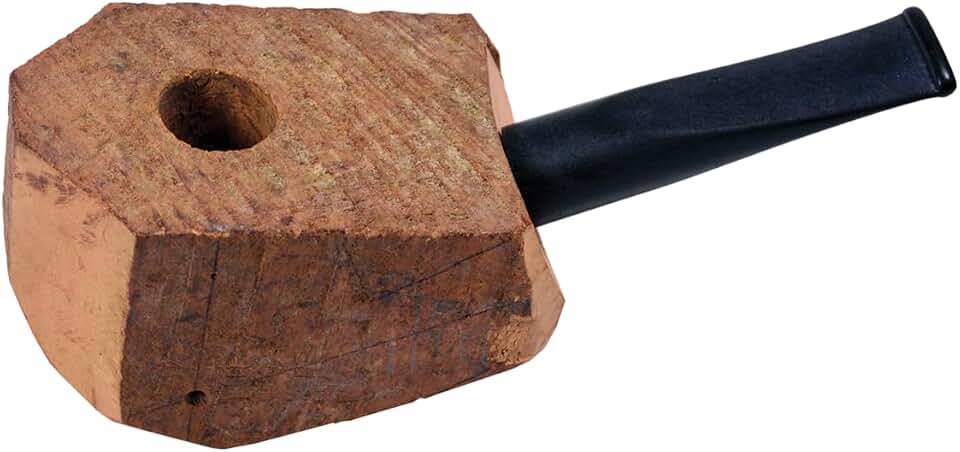
Pre-drilled blocks remove the hardest step for new makers: aligning the chamber, draft hole, and mortise. Raw blocks give more freedom, but they demand accurate drilling, clean layout, and enough wall thickness around the tobacco chamber.
Density and Porosity
Briar density is often cited around 0.7–1.0 g/cm³, with real blocks varying by source, age, and curing; the Wood Database lists briar as a very dense hardwood-like material for its use case. The pores still matter because the wood can absorb some moisture without behaving like a soft sponge.
Quality, Grading, and Pipe Problems
Grain Quality
Grain quality affects price, finish choice, and collector interest. Clean straight grain around the bowl with birdseye on the rim can raise value, while scattered grain, visible pits, or heavy stain usually signal a lower grade or a finish meant to hide flaws.
Curing Quality
Curing quality shows up in weight, smell, stability, and taste. A block that feels cold, heavy, and damp under sanding may still hold moisture, and a finished pipe made from it can taste bitter or develop hairline checks after heat cycles.
Pipe Engineering
Pipe engineering matters as much as briar grade. Draft holes commonly sit around 3–4 mm, European filter pipes often use 9 mm filters, some traditional systems use 3 mm filters, and many makers prefer chamber walls near 6 mm or thicker when the shape allows it.
Real-world note: the best-feeling pipe has a smooth, open draw before it ever sees tobacco. If the airway whistles, catches a cleaner, or steps sharply at the tenon, premium briar won’t save the smoking feel.
Fills and Sandpits
Sandpits are small natural flaws in briar, and fills are putty repairs used to hide them. Beginners often miss fills under dark stain, so inspect the bowl in angled light and look for dull spots that don’t reflect like surrounding wood.
Burnout and Cracking
Burnout happens when the chamber chars deeply or burns through the wall. Common causes include smoking too hot, thin walls, poor curing, hidden voids, aggressive reaming, and lighting one side of the bowl until it glows.
Sour Taste
Sour taste can come from under-cured briar, wet tobacco, poor cleaning, old moisture in the shank, or residual oils in the wood. A cleaner that comes out brown and sharp-smelling from the mortise tells you the problem may be maintenance, not the briar itself.
Poor Airflow
Poor airflow makes a pipe smoke wet, hot, or tight. Check for a misaligned draft hole, narrow airway, rough drilling, a filter that doesn’t fit, or a tenon face that blocks part of the mortise.
Briar vs Other Pipe Materials
Briar vs Meerschaum
Briar vs meerschaum is a wood-versus-mineral choice. Briar builds cake, darkens with use, and handles daily carry better, while meerschaum can smoke very dry and color beautifully but can chip or crack if dropped.
Briar vs Corn Cob
Briar vs corn cob comes down to lifespan, cost, and feel. Corn cob pipes are light and forgiving for beginners, while briar costs more but gives better durability, finish variety, and long-term craft value.
Cherry, Olive, Pear, Apple
Fruitwoods such as cherry, olive, pear, and apple can make attractive pipes, but they lack briar’s long reputation for repeated heat cycles. If you compare them with dense specialty woods like ebony wood or lignum vitae, briar still wins for pipe bowls because performance depends on heat behavior and porosity, not hardness alone.
Briar Material Tradeoffs
Briar tradeoffs include higher price, hidden pits, sourcing limits, and the need for good curing. The upside is a rare balance: it’s hard enough to last, porous enough to manage some moisture, and attractive enough for smooth collector-grade finishes.
| Material | Best Strength | Main Weakness |
|---|---|---|
| Briar | Heat resistance, durability, classic grain | Can burn out if abused or poorly made |
| Meerschaum | Dry smoking feel and color change | More fragile under impact |
| Corn cob | Low cost and light weight | Shorter lifespan and simpler finish |
| Cherry, olive, pear, apple | Attractive craft appeal | Less proven than briar for repeated heat |
Buying Briar Blocks and Pipes
Briar Block Buying
Briar block buying starts with your tool setup. Choose a pre-drilled ready-to-carve briar block if you lack a drill press or lathe; choose a raw block if you want full control over chamber size, shank angle, draft hole placement, and final pipe shape.
DIY blocks below fit hobby carving, practice shaping, and custom briar pipe projects after you’ve checked size, cut type, and drilling.

DIY Briar Pipe Block
- Pre drilled for easier shaping
- solid briar wood for pipe making
- ideal for custom outer designs
- great for hobbyists and makers
- ready for carving and finishing
 Buy on Amazon
Ready-to-Carve Briar Block
- Pre drilled for pipe construction
- quality briar wood blank
- perfect for DIY shaping projects
- helps speed up custom builds
- suitable for new and experienced makers
Buy on Amazon
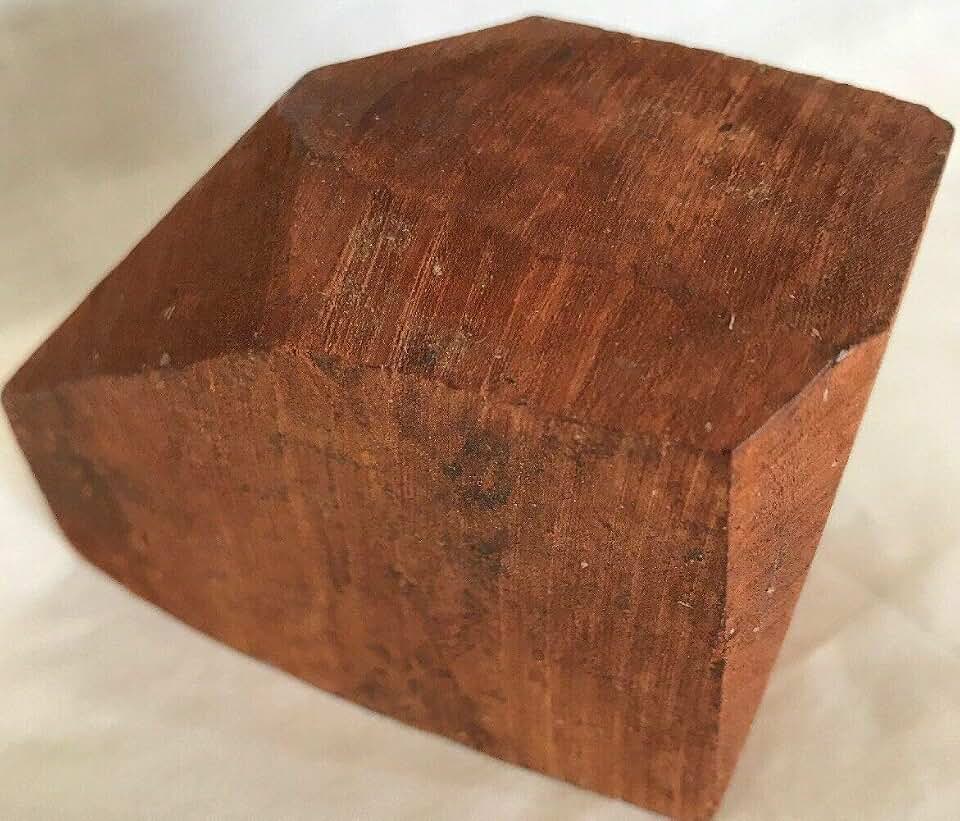
Briar Burl Pipe Block
- Natural briar burl for crafting
- R type plateaux shape
- pre selected for pipe making
- offers a unique wood grain look
- great for custom tobacco pipe builds
Buy on Amazon

Italian Briar Burl Block
- Italian briar burl for pipe making
- M type plateaux shape
- ideal for custom shaping and finishing
- durable wood with attractive grain
- suited for builders and hobby crafters
Buy on Amazon
Finished Briar Pipes
Finished briar pipes should be judged by wood, drilling, stem fit, finish, chamber wall thickness, and comfort. Tobacco use carries health risks, and the CDC tobacco information gives public health guidance separate from material and craftsmanship.
Finished pipe options below show common briar styles such as churchwarden, curved, rusticated, and Italian-made designs.

Mini Churchwarden Pipe
- Handcrafted briar wood build
- classic churchwarden style
- compact size with elegant profile
- comfortable long stem design
- a distinctive choice for collectors
Buy on Amazon

Curved Briar Pipe
- 9mm pipe hole for compatibility
- curved handle for easy grip
- crafted from briar for durability
- sleek black finish adds style
- makes a thoughtful gift for pipe fans
Buy on Amazon

Savinelli Churchwarden Pipe
- Handmade in Italy
- extra long churchwarden design
- rusticated finish for a refined look
- bent billiard shape for classic appeal
- 3mm filter compatible for a smoother draw
Buy on Amazon
Buying Checklist
Buying mistakes often start with choosing by stain color or brand name alone. Use this checklist before buying a briar pipe block, briar burl pipe block, Italian briar burl block, or finished briar wood tobacco pipe.
- Confirm whether the block is plateaux, ebauchon, raw, or pre-drilled.
- Check dimensions against your planned chamber and shank size.
- Look for cracks, soft spots, deep pits, and suspicious filled areas.
- Ask about curing if the seller doesn’t mention it.
- For finished pipes, test draw, stem fit, filter size, and chamber drilling.
- Prefer enough wall thickness over an ultra-slim shape for a first pipe.
Pricing Factors and Ranges
Briar pricing depends on burl age, source region, cut type, block size, grain, curing time, visible defects, pre-drilling, and maker reputation. Basic beginner blocks often sit in the low double-digit range, high-grade plateaux can cost several times more, factory briar pipes often start under $100 and move into the $100–$300+ midrange, and artisan pipes can reach hundreds or thousands.
Professional workaround: buy two modest ebauchon blocks before buying one expensive plateaux block. The first block teaches tool pressure, sanding sequence, stain behavior, and how hot briar smells when you over-buff it; that lesson saves premium material later.
Briar Root Dog Chews
Dog Chew Uses
Briar root dog chews use the hard root material as a natural chew for dogs that like firm textures. These products target chewing behavior and dental play, not pipe making, and they should be sized to the dog’s weight and bite strength.
Dog chew roots below are separate from pipe-grade briar blocks and should be selected by dog size, chewing style, and supervision needs.

Large Briar Chew Root
- Splinter free for safer chewing
- natural wood texture dogs enjoy
- helps support dental health
- odorless and long lasting
- sized for dogs 55 to 99 lbs
Buy on Amazon
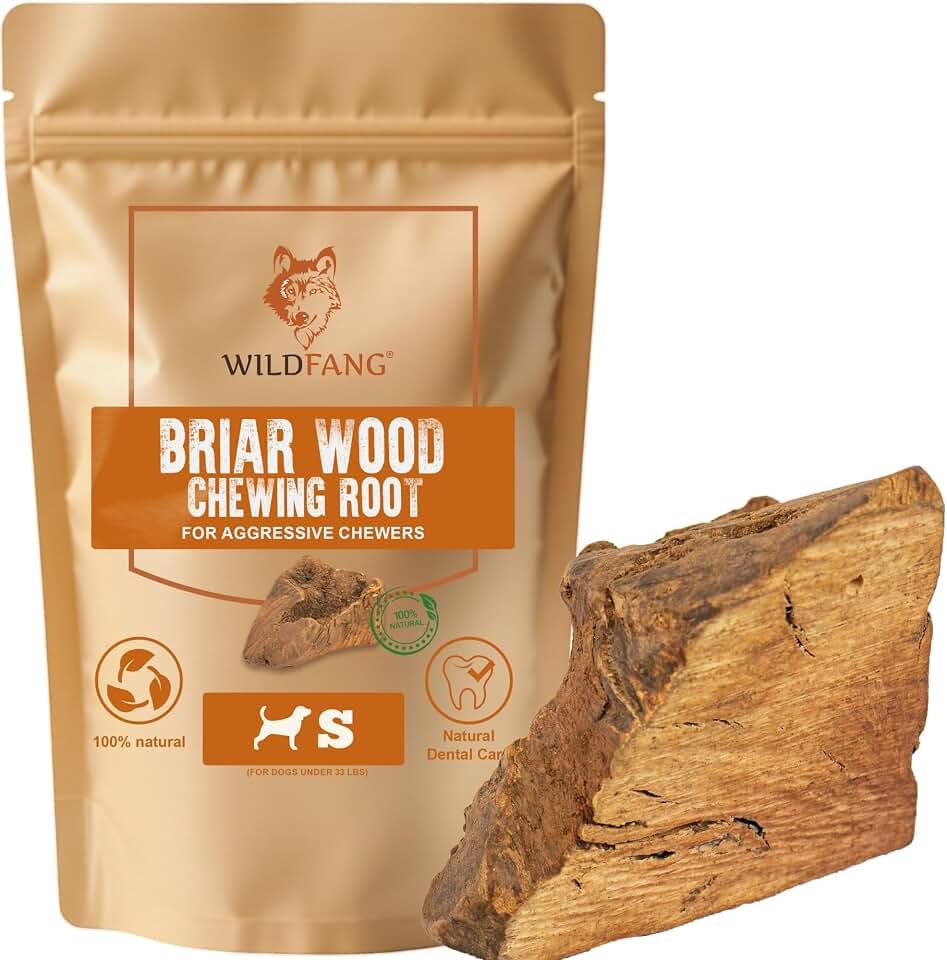
Small Briar Chew Root
- Splinter free design for safer play
- natural chew texture supports gums
- odorless and appealing to dogs
- durable for everyday chewing
- sized for dogs under 33 lbs
Buy on Amazon
Dog Chew Safety
Dog chew safety starts with supervision. “Splinter-resistant” doesn’t mean risk-free, so remove the chew if it becomes small enough to swallow, develops sharp edges, or causes gum bleeding; the FDA pet chews guidance gives broader safety advice for chew products.
Pipe Briar Distinction
Pipe briar and briar root chews share a name, but buyers need different standards. Pipe makers care about curing, grain, drilling, and heat performance, while dog owners care about size, surface smoothness, chewing durability, and safe replacement timing.
FAQs
What Is Briar Wood And Where Does It Come From?
Briar wood comes from the root burl of the Mediterranean heath tree, Erica arborea. It is harvested from the underground root section, then dried and cured before being shaped into pipe bowls and other small изделий. Its dense grain and natural heat resistance make it especially valuable.
Why Is Briar Wood Used For Tobacco Pipes?
Briar wood is used for tobacco pipes because it is dense, durable, and handles heat very well. It also absorbs moisture, which can help improve the smoking experience. For many pipe makers, it is the best balance of strength, flavor neutrality, and workability.
Is Briar Wood Fireproof Or Just Heat Resistant?
Briar wood is heat resistant, not fireproof. It can withstand the high temperatures created in a pipe bowl better than many other woods, but it can still burn if overheated. Proper curing and careful use help it last a long time.
What Is The Difference Between Plateaux And Ebauchon Briar?
Plateaux briar comes from the upper, outer part of the burl and usually shows more natural grain and irregular shapes. Ebauchon briar is cut from the lower burl area and is generally more uniform, making it easier to use for standard pipe shapes. Both can be high quality, but plateaux is often preferred for premium hand-cut pipes.
Is Briar Root Safe For Dogs To Chew?
Briar root is not a good chew toy for dogs unless it is specifically prepared and sold as pet-safe. Raw briar can splinter, and splinters may hurt a dog’s mouth or digestive tract. If you want a chew for your dog, choose a product made and labeled for pets.
Affiliate Disclosure: Some links in this post are affiliate links. If you make a purchase through these links, we may earn a small commission at no extra cost to you. We only recommend products we genuinely believe in.