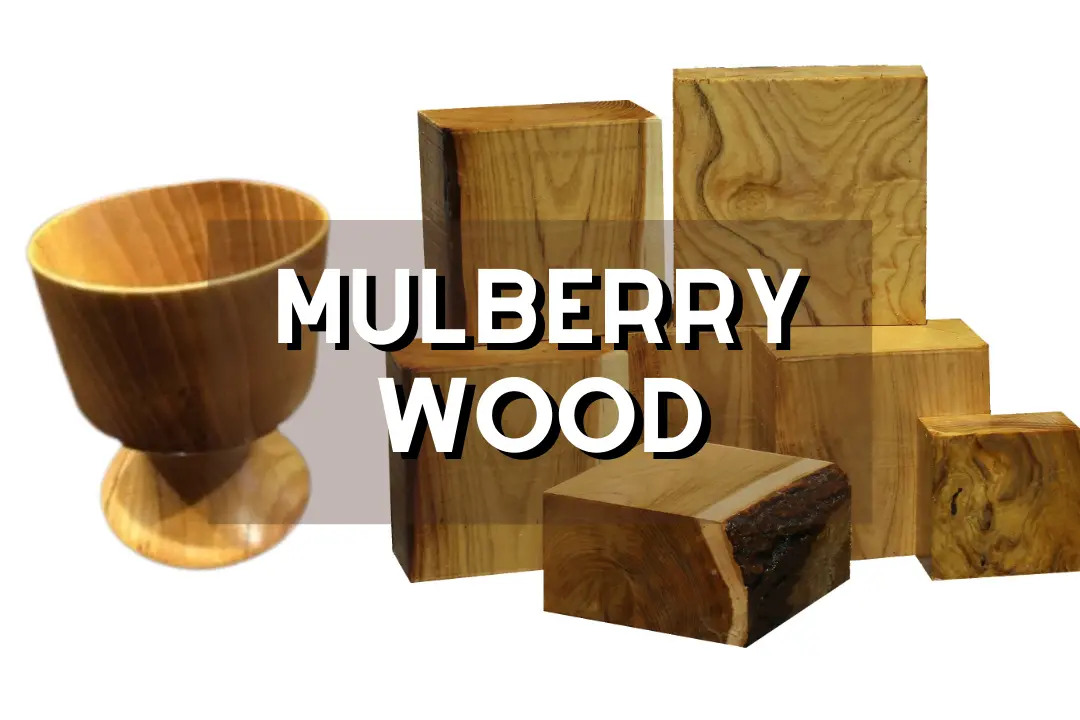

Mulberry wood is a dense yellow hardwood from Morus trees, valued for firewood, smoking meat, turning, small furniture, tool handles, and rustic crafts. Fresh heartwood often looks bright yellow inside, then ages to golden brown, while fruitless mulberry wood can be used the same way if it’s clean, untreated, and seasoned.
Best quick answer: mulberry is good for many uses, but it has trade-offs: it can spark in fires, crack during drying, dull tools faster than softer hardwoods, and it’s harder to buy as wide lumber than oak, maple, cherry, or walnut.
Table of Contents
What Is Mulberry Wood?
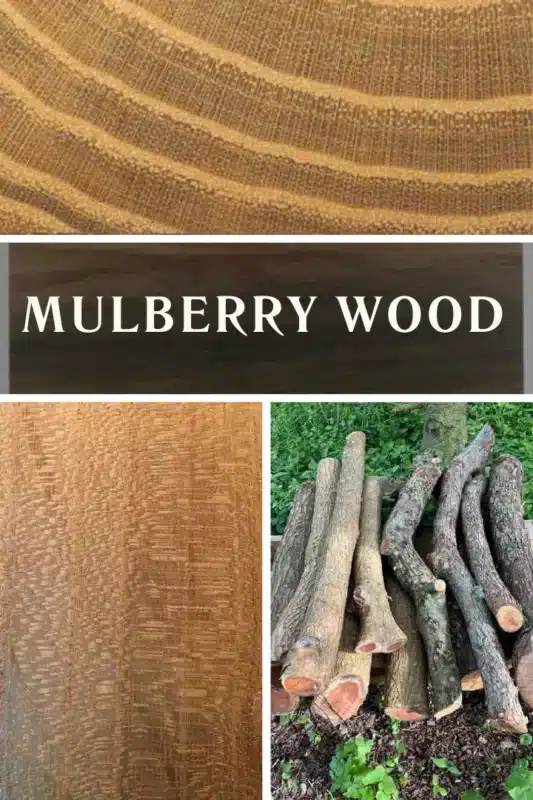
Mulberry wood comes from deciduous hardwood trees in the Morus genus, including white mulberry, red mulberry, black mulberry, and many fruitless ornamental forms. The USDA PLANTS Morus profile lists Morus as the genus, which helps separate true mulberry tree wood from unrelated “berry wood” names used in casual conversation.
What It Is Good For
Mulberry tree wood is good for hot firewood, mild sweet smoking wood, bowls, small boxes, handles, mallets, rustic shelves, branch decor, and occasional furniture parts. Large clear boards are less common because many yard-grown trees are branchy, crooked, or full of tension, so I treat mulberry more like a specialty hardwood than a commodity cabinet wood.
- Best uses: firewood, barbecue smoke, turning blanks, tool handles, small furniture, craft branches, fence posts, and rustic outdoor utility.
- Less ideal uses: wide tabletops, perfectly flat cabinet doors, thin drawer sides, and indoor open fireplaces without a spark screen.
- Beginner mistake: cutting a fresh log into thick blanks and leaving the ends unsealed; the ends can split with a sharp clicking sound as moisture escapes too fast.
- Workaround: seal the end grain the same day, cut blanks oversize, and let the wood dry slowly before final milling.
White, Red, and Black Mulberry
White mulberry is Morus alba, red mulberry is Morus rubra, and black mulberry is Morus nigra. Red mulberry gets cited most often for North American wood-property data, while white mulberry and fruitless mulberry show up more often after yard removals, street pruning, and shade-tree work.
Fruitless Mulberry Wood
Fruitless mulberry usually means a low-fruiting or non-fruiting cultivar of Morus alba, so “fruitless” describes fruit production, not a different wood category. Fruitless mulberry wood can be burned, turned, smoked with, or milled if it’s clean, but urban logs need extra checking for nails, wire, irrigation stains, decay pockets, and chemical exposure.
Quick Reference Table
| Property | Typical value or description | Practical meaning |
|---|---|---|
| Botanical group | Morus hardwood | True mulberry tree wood, not bamboo or unrelated berry shrubs |
| Main species | Morus alba, Morus rubra, Morus nigra | White, red, black, and many fruitless mulberries have similar broad uses |
| Fresh color | Bright yellow to golden yellow heartwood | Answers searches like “what tree is yellow inside” or “what wood is yellow inside” |
| Aged color | Golden brown, honey brown, orange-brown | Boards darken after cutting and finishing |
| Janka hardness | About 1,680 lbf for red mulberry | Harder than red oak, white oak, cherry, walnut, and hard maple by common figures |
| Dried weight | About 43 lb/ft³ for red mulberry | Moderately heavy, with good heat and sturdy small-project feel |
| Smoke flavor | Mild to medium, sweet, fruity | Good for pork, poultry, fish, vegetables, and sausage |
| Main drawback | Sparks, checking, uneven urban logs | Season it well, use screens, and inspect salvaged wood |
Color of Mulberry Wood
Mulberry wood color is one of the easiest clues for identification: fresh heartwood is often bright yellow, golden yellow, or yellow-orange, while sapwood stays pale cream to light tan. If you split a fresh log, the cut face can look almost like turmeric powder against the bark, then it slowly warms into honey brown as air and light hit it.
Fresh Yellow Heartwood
Fresh heartwood is the reason people ask, “what tree is yellow inside?” Mulberry can show a vivid yellow core right after cutting, especially in sound heartwood, and the wet surface may feel waxy under a thumb before the fibers dry and lose that cool, slick feel.
Aged Golden Brown
Aged mulberry shifts from yellow to golden brown, orange-brown, or honey brown through oxidation and UV exposure. A board left near a sunny shop window can brown noticeably faster than one stored under cover, so sample boards should be kept in similar light if you’re matching parts for furniture.
Pale Sapwood
Mulberry sapwood is usually cream, pale yellow, whitish, or light tan, and it can look flat next to the golden heartwood. For outdoor work, I avoid relying on sapwood because it doesn’t resist decay like heartwood; for color-led projects, the contrast can look sharp in boxes and turned bowls.
Finish Effects
Oil finishes deepen yellow and orange tones, while water-based polyurethane keeps the first coat paler for a while. Stain can turn blotchy because the natural color is already strong, so test on offcuts and compare finishes beside other warm woods in our wood color guide.
Color Comparison Table
| Wood part or finish state | Fresh color | Aged color | Notes |
|---|---|---|---|
| Heartwood | Bright yellow, golden yellow, yellow-orange | Golden brown to orange-brown | Most distinctive part of mulberry |
| Sapwood | Cream, pale yellow, light tan | Light tan to dull beige | Less decay resistant than heartwood |
| Oil-finished wood | Deep golden yellow | Honey brown | Tung oil, Danish oil, and linseed oil warm the color |
| Water-based finish | Cleaner pale yellow | Golden tan over time | Best choice when you want less ambering |
| Weathered wood | Yellow-gold at first | Gray-brown outdoors | Sun and rain mute the golden color |
Mulberry Wood Properties
Mulberry wood properties place it in the hard, moderately heavy hardwood group, with good strength for small durable objects and strong heat value as fuel. Common figures from The Wood Database red mulberry list red mulberry at about 1,680 lbf Janka hardness and roughly 43 lb/ft³ dried weight.
Janka Hardness
Mulberry hardness is higher than many familiar domestic hardwoods, which surprises people who only know the tree as a messy fruiting shade tree. At about 1,680 lbf, red mulberry sits above black walnut, cherry, red oak, white oak, and hard maple on common Janka charts; compare the numbers in our wood hardness scale.
Density and Weight
Dried mulberry often feels heavier than its log size suggests, especially in dense heartwood. That weight helps it make solid handles, warm coals, and stable small parts, but it also means a wheelbarrow load of split mulberry feels dense and gritty against gloves compared with lighter woods like poplar.
Grain and Texture
Mulberry grain is usually straight, but it can run interlocked, wavy, or irregular around limbs and urban-grown stems. The texture is medium to coarse, so sharp cutters matter; dull planer knives can leave torn, fuzzy streaks that need extra scraping before finish.
Durability
Mulberry heartwood is often treated as moderately durable to durable, which explains its use in fence posts, stakes, and outdoor utility pieces. The sapwood is a weak link outdoors, so remove or protect pale sapwood if the piece will touch soil, shed rain poorly, or sit in shaded damp spots.
Workability
Sharp tools make mulberry pleasant to work, while dull edges make it chatter, burn, and tear. Pre-drill screws near ends, take light passes on reversing grain, and use carbide turning tools when knots, crotches, or branch unions make the lathe vibrate through the tool rest.
Mulberry Firewood
Mulberry firewood is good to very good hardwood fuel because it burns hot, makes useful coals, and seasons well when split early. Its main drawback is sparking, so it fits closed stoves, screened fireplaces, outdoor pits, boilers, and controlled campfires better than open indoor fires.
BTU and Heat
Mulberry BTU values are often estimated around 25 to 27 million BTU per cord, depending on species, moisture, density, and measurement method. In use, dry mulberry throws a strong radiant heat that you can feel on your shins from several feet away, closer to locust or oak than soft maple.
Seasoning Time
Seasoning mulberry usually takes about 12 months or longer for firewood, with longer times for big rounds, shaded stacks, humid climates, and bark-heavy pieces. Split it soon after cutting, stack it off soil, leave the sides open, and cover only the top so air can pull moisture out.
Moisture Target
Moisture content should be about 20% or lower for cleaner indoor burning, measured on a freshly split face rather than old exposed end grain. The EPA Burn Wise wood practices recommend burning dry, seasoned wood because wet wood wastes heat, smokes more, and builds creosote faster.
Sparks and Popping
Mulberry sparks can snap out of the firebox, especially when pieces are not fully seasoned or still carry dirty, loose bark. Beginners often judge wood by flame alone, but the popping sound and flying embers tell you why a screen or closed stove door matters with mulberry.
Best Burn Settings
Best settings for mulberry include wood stoves, fireplaces with screens, outdoor fire pits away from dry grass, maple syrup arches, and boilers. Mix a few mulberry splits with steadier oak or ash if you want hot output without loading the stove too fast.
Mulberry Smoking Wood
Mulberry smoking wood is safe for barbecue when it’s clean, untreated, unpainted, chemical-free, and seasoned. The smoke is mild to medium, sweet, fruity, and smoother than hickory or mesquite, so it works best when you want flavor without heavy soot or bitterness.
Smoke Flavor
Smoke flavor from mulberry sits near apple, pear, peach, and light cherry, with a faint tang that smells sweet when the chunk first catches. Green mulberry smells sharper and steamier, and that wet smoke can leave bitter edges on chicken skin or fish.
Food Pairings
Best pairings include pork ribs, pork shoulder, chicken, turkey, sausage, fish, vegetables, and mild beef cuts. For brisket or short ribs, use mulberry with oak or hickory so the sweet smoke adds top notes while the stronger wood carries the base flavor.
Chips, Chunks, Pellets
Chips ignite fast and suit short cooks, while chunks last longer in charcoal cookers and offsets. Pellets belong in pellet grills, and sticks work in stick burners, but never force wet chips into a hot firebox expecting clean smoke; steam and white smoke can overpower food quickly.
Blending Woods
Wood blending lets mulberry stay useful for stronger barbecue styles. Try mulberry with oak for beef, mulberry with hickory for pork shoulder, mulberry with cherry for color on poultry, or mulberry with maple for a soft smoke profile on sausage.
Cooking Safety
Cooking safety depends on the wood’s history, not just the species. Avoid roadside wood, pesticide-treated orchard scraps, construction debris, painted wood, pressure-treated wood, moldy chunks, and any fruitless mulberry tree wood that came from a yard with unknown chemical use.
Smoking Formats Table
| Format | Best use | Burn time | Grill or smoker type |
|---|---|---|---|
| Chips | Quick smoke bursts | Short | Gas grills, charcoal grills, electric smokers |
| Chunks | Low-and-slow barbecue | Medium to long | Charcoal cookers, offsets, drum smokers |
| Pellets | Steady feed systems | Continuous feed | Pellet grills and pellet smokers |
| Sticks | Open-fire cooking and stick burning | Long, depending on size | Offsets, fire pits, larger smokers |
| Blends | Balanced flavor | Varies | Most smoker types |
Woodworking, Turning, and Crafts
Mulberry woodworking works best in small to medium projects where color, hardness, and local character matter more than wide clear boards. The wood cuts with a firm, dry rasping sound, smells faintly earthy when sanded, and can polish to a warm golden sheen.
Mulberry Lumber
Mulberry lumber is usually local or specialty stock, not a standard rack item at most lumberyards. Ask sawyers about drying method, moisture reading, end checking, metal detection, and whether boards include sapwood, because those details change yield more than species name alone.
Furniture and Boxes
Small furniture parts, boxes, drawer pulls, shelves, and accent panels are good targets for mulberry. It pairs well with darker woods like walnut because the yellow heartwood creates contrast; see our black walnut wood guide if you’re planning two-tone pieces.
Bowls and Blanks
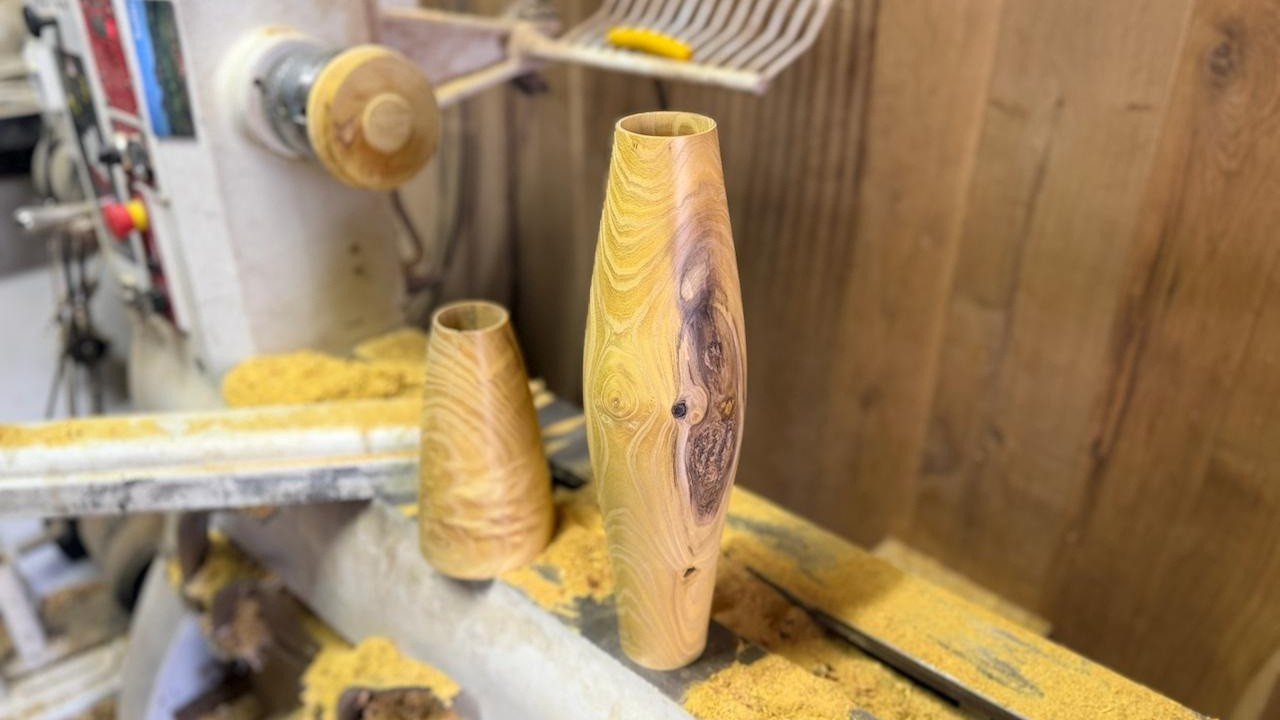
Turning blanks need slow drying because mulberry likes to check from the ends and pith. Rough-turn green bowls with even wall thickness, seal the rim and foot areas if they dry too quickly, and wait for moisture to stabilize before final cuts.
Tool Handles
Tool handles benefit from mulberry’s hardness and weight, especially for garden tools, mallets, awl handles, and shop jigs. Use straight-grained pieces, avoid pith, and round sharp corners because hard end grain can feel harsh in the palm during long use.
Outdoor Utility
Outdoor utility projects should use heartwood-heavy pieces and shed water well. Mulberry can work for stakes, rustic rails, and fence parts, but black locust lasts longer in ground contact; compare that option in our black locust wood guide.
Branch Decor
Mulberry branches and twigs suit vases, wedding arrangements, seasonal displays, centerpieces, and DIY wall accents. Choose dry, clean branches that don’t shed bark flakes on the table, and keep craft bundles separate from smoking wood so no one confuses decorative material with food-safe fuel.
For rustic styling, this natural twig bundle fits vase arrangements, event decor, and craft projects where you want the dry branch texture without cutting a yard tree yourself.

Natural Mulberry Twig Bundle, 47 Inch
- natural dry branch texture
- suits vase arrangements
- adds rustic event decor
- useful for craft projects
 Buy on Amazon
Drying, Seasoning, and Safety
Drying mulberry wood is where many good logs get ruined, because thick pieces can check, warp, honeycomb, or split from the pith. The USDA Wood Handbook explains how wood movement follows moisture loss, and mulberry shows those rules clearly in oversized blanks and slabs.
Lumber Drying
Lumber drying starts with milling soon after felling, stacking with even stickers, keeping boards off soil, blocking direct sun, and adding weight on top. Mulberry boards can cup if one face dries faster than the other, so airflow should be even rather than blasted from one side.
End Sealing
End sealing slows moisture loss through the end grain, where cracks start fastest. Wax emulsion, latex paint in a pinch, or a commercial sealer can save several inches of usable stock on turning blanks and short lumber pieces.
Turning Blank Storage
Blank storage should slow drying without trapping mold. I rough-cut blanks oversize, remove the pith when possible, seal the ends, and store them where air moves gently; a sealed plastic bag in a hot corner can grow mold before the blank has time to stabilize.
Firewood Seasoning
Firewood seasoning works faster when mulberry is split early into manageable sizes. Big unsplit rounds can hold wet cores for a long time, so a split that hisses at the stove door or shows foamy moisture at the end needs more time outside.
Smoking Wood Storage
Smoking wood should stay dry, ventilated, and clean. Store chunks and sticks in breathable bags, bins with airflow, or covered shelves; discard pieces that smell musty, show fuzzy mold, or came from unknown chemical exposure.
Urban Tree Hazards
Urban hazards include nails, fence wire, clothesline hooks, concrete grit, herbicide drift, and hidden decay. Run a metal detector before milling fruitless mulberry logs, and don’t use questionable yard wood for cooking; a saw tooth hitting metal gives a sharp spark and a sickening stop that’s cheaper to prevent than repair.
Comparisons, Buying, and Products
Buying mulberry wood takes more patience than buying oak, cherry, maple, walnut, or hickory because mulberry is usually local, salvaged, or sold in small specialty formats. For smoking wood, product format matters more than species label alone, so match chips, chunks, pellets, or sticks to your cooker.
Mulberry vs Apple
Mulberry vs apple is a close match for barbecue because both give mild, sweet fruitwood smoke. Apple is easier to buy, while mulberry feels a bit less common and can add a lightly tangy sweetness; compare apple’s traits in our apple wood guide.
Mulberry vs Cherry
Mulberry vs cherry comes down to color and smoke strength. Cherry lumber is pinkish to reddish-brown and more available, while mulberry is yellow-gold and less common; cherry smoke can darken meat color more, so read our cherry wood guide if color on ribs or poultry matters.
Mulberry vs Oak
Mulberry vs oak is mild sweetness against classic strength. Oak is easier to source, stronger for beef smoke, and more common in lumber racks, while mulberry works better when you want lighter smoke; see our white oak wood guide for oak’s stronger structure and grain.
Mulberry vs Hickory
Mulberry vs hickory is a clear flavor split: hickory is bold, bacon-like, and stronger, while mulberry is sweeter and easier to keep gentle. Use hickory for assertive pork shoulder, then add mulberry if you want a softer edge without losing barbecue character.
Mulberry vs Osage Orange
Mulberry vs osage often starts with the yellow-orange heartwood, but osage orange is usually denser, harder, more vivid, and more extreme as firewood. Mulberry is less intense and easier for many small projects; compare the brighter, tougher option in our osage orange wood guide.
Where to Buy
Where to buy depends on the form you need: sawyers for lumber, tree services for logs, firewood sellers for splits, woodturning suppliers for blanks, and barbecue suppliers for chips or chunks. Ask local woodworking groups too, because mulberry often appears after removals before it ever reaches a retail rack.
Buying Checklist
- For lumber: ask for moisture content, drying method, board thickness, end checking, sapwood amount, and metal detection.
- For slabs: check pith position, cracks, flattening allowance, insect tracks, and whether the slab is dry enough to work.
- For turning blanks: look for sealed ends, oversized dimensions, sound wood, and clear labeling as green, air-dried, or kiln-dried.
- For firewood: confirm split size, seasoning time, species mix, delivery volume, and whether the wood measures near 20% moisture.
- For smoking wood: buy food-safe, untreated, seasoned pieces with no mold, paint, finish, or chemical odor.
Pricing Factors
Pricing factors include scarcity, form, dryness, defect level, size, figure, and labor already invested. Smoking chips and chunks are sold in bags, boxes, or multi-packs; turning blanks by size and dryness; slabs by dimensions and character; firewood by cord, face cord, rick, bundle, or local delivery load.
Smoking Wood Products
These options cover chips, chunks, pellets, sticks, blends, and bulk formats for cooks who want mulberry BBQ wood without processing a clean tree themselves.

Classic Mulberry Smoke Chips
- Fast-starting wood chips for grills and smokers
- mild sweet smoke that works well with meats and veggies
- generous 210 cu inch bag for multiple cookouts
- easy to soak and use for low-and-slow smoking
- great choice for balanced, flavorful smoke
Buy on Amazon

Mulberry Chips 4-Pack
- Four convenient quart bags for steady supply
- mulberry wood adds a gentle sweet smoke flavor
- compact 65 cu inch bags are easy to store
- ideal for grilling, smoking, and flavor boosts
- handy pack for frequent backyard cooks
Buy on Amazon

Mulberry Smoking Pellets
- 9 lb bag for longer smoking sessions
- made for pellet grills and smokers
- mulberry offers a smooth, lightly sweet profile
- consistent pellet size helps even burn
- excellent for adding gentle smoke to meat and fish
Buy on Amazon

Mulberry Smoke Chunks 4-Pack
- Four gallon-sized bags for serious smoking
- chunk format gives long-lasting smoke
- mulberry brings a mild sweet finish
- great for brisket, pork, poultry, and more
- easy to use for backyard or competition cooks
Buy on Amazon

Mulberry Smoke Sticks Box
- Large 730 cu inch box for plenty of smoking sessions
- stick format offers steady, reliable smoke
- mulberry delivers a mild sweet flavor
- ideal for grills, smokers, and open-fire cooking
- good pick for cooks who want easy handling
Buy on Amazon

Mulberry Oak Smoke Blend
- Balanced blend of sweet mulberry and hearty oak
- rich smoky flavor for grilling favorites
- chunk form supports longer cook times
- works well with beef, pork, chicken, and vegetables
- a flavorful mix for outdoor cooking
Buy on Amazon

Mulberry Chunks 2-Pack
- Two gallon-sized bags for dependable smoke on hand
- chunk pieces burn longer than chips
- mulberry adds a gentle sweet aroma
- great for low-and-slow barbecue sessions
- easy way to stock up for repeat cooks
Buy on Amazon

Bulk Mulberry Smoke Chunks
- Bulk 2500 cu inch supply for heavy use
- mulberry wood offers mild, sweet smoke
- chunk size supports longer burns and steady flavor
- ideal for frequent grilling and smoking
- smart choice for pitmasters and big cookouts
Buy on Amazon
FAQs
Is Mulberry Wood Good For Anything?
Yes, mulberry wood is good for furniture, tool handles, turned items, and small woodworking projects. It is strong, workable, and has a pleasant grain that can look attractive when finished. Many people also use it for fence posts and decorative pieces.
What Color Is Mulberry Wood When It Is Cut?
Freshly cut mulberry wood is usually pale yellow to light tan or creamy white. It often darkens over time as it is exposed to air and light. The heartwood can also develop a warmer brownish tone as it ages.
Is Mulberry Wood Good Firewood?
Yes, mulberry wood is very good firewood. It burns hot, steady, and produces good heat for its size. Like most hardwoods, it performs best when it is properly seasoned before burning.
Can You Smoke Meat With Fruitless Mulberry Wood?
Yes, you can smoke meat with fruitless mulberry wood if it is untreated and safe hardwood. It gives a mild, slightly sweet smoke that works well for poultry, pork, and fish. Always make sure the wood is fully seasoned and free from paint, chemicals, or rot.
How Hard Is Mulberry Wood Compared With Oak?
Mulberry wood is generally hard, but oak is usually harder and denser overall. Mulberry still holds up well for many practical uses and can be quite durable. For everyday woodworking, it offers a solid balance of strength and workability.
Affiliate Disclosure: Some links in this post are affiliate links. If you make a purchase through these links, we may earn a small commission at no extra cost to you. We only recommend products we genuinely believe in.