
Aliso Wood Guide: Species, Properties, Uses, and Limitations

Aliso wood is the Spanish name commonly used for alder wood from trees in the genus Alnus. In Latin America, aliso often means Andean alder (Alnus acuminata), while North American lumber references usually describe red alder (Alnus rubra), so confirm the species before comparing properties.
Table of Contents
What Is Aliso Wood?
Aliso is alder in most Spanish-language botanical and timber contexts. It belongs to the broadleaf genus Alnus in the Betulaceae family, which also includes birch, and accepted species names can be checked through Kew Plants of the World Online.
Aliso in English
Aliso in English translates to alder. The translation identifies a group of trees rather than one timber species, much like “oak” can describe several woods with different densities, colors, and working properties.
A Latin American seller may use aliso for Alnus acuminata, while a cabinet shop in the western United States usually means Alnus rubra. Our broader alder wood guide covers the genus and its common woodworking roles.
Hardwood Versus Hardness
Aliso is a botanical hardwood because alder trees are flowering broadleaf plants. That classification doesn’t mean the lumber resists dents: red alder measures about 590 pounds-force on the Janka scale, far below hard maple at about 1,450 lbf.
Why Species Names Matter. Scientific names prevent a supplier’s regional term from being mistaken for tested material data. Ask whether the boards are Alnus acuminata, Alnus rubra, or Alnus glutinosa before relying on density, shrinkage, strength, or durability figures.
Aliso Product-Name Confusion. “Aliso” can be a furniture collection, finish color, or model name. A table called Aliso may contain teak, elm, steel, marble, veneer, or engineered board, so the product title alone doesn’t prove that it contains alder.
Alder Species Commonly Called Aliso
Three species account for much of the aliso naming ambiguity: Andean alder, red alder, and European alder. Their shared genus produces some visual similarities, but their origin, commercial supply, and published test results differ.
Andean Alder
Andean alder, Alnus acuminata, grows from parts of Mexico and Central America through Andean South America, subject to the subspecies treatment used. It favors moist mountain sites and appears in furniture, interior carpentry, plywood, crates, pulp, fuelwood, agroforestry, and erosion-control planting.
Published dried-density figures often fall near 400–500 kg/m³, but site, tree age, moisture basis, and testing methods change the result. Don’t copy red alder’s 590 lbf Janka rating onto Andean alder without a species-specific test report.
Red Alder
Red alder, Alnus rubra, is the main commercial alder of western North America. Trees commonly reach about 65–100 feet (20–30 meters), and the lumber is widely used for cabinets, furniture, doors, mouldings, carvings, turnings, veneer, and plywood; the USDA Forest Service species profile documents its range and ecology.
European Alder. Alnus glutinosa, also called black or common alder, is native across much of Europe and into parts of western Asia and northern Africa. Its traditional uses include turning, carving, plywood, interior joinery, and submerged foundation work; see our separate black alder profile.
Three-Species Comparison. This table separates geographic and practical differences without assigning red alder measurements to every aliso board.
| Common name | Scientific name | Typical origin | Density guidance | Natural durability | Common uses |
|---|---|---|---|---|---|
| Andean alder | Alnus acuminata | Mexico, Central America, Andes | Often reported near 400–500 kg/m³; basis varies | Low in exposed decay conditions | Furniture, plywood, carpentry, crates, fuelwood |
| Red alder | Alnus rubra | Western North America | About 450 kg/m³ dried | Non-durable to perishable | Cabinets, furniture, doors, moulding, veneer |
| European alder | Alnus glutinosa | Europe, western Asia, northern Africa | Often near the middle-light hardwood range | Poor in alternating wet and dry exposure | Joinery, turning, carving, plywood, submerged work |
Red Alder Properties and Appearance
The figures below describe red alder only, not every timber sold as aliso. Red alder is a light, fine-textured hardwood with modest strength and low dent resistance compared with cherry, walnut, oak, and hard maple.
Physical Properties Table
| Property | Red alder figure |
|---|---|
| Scientific name | Alnus rubra |
| Average dried weight | About 28 lb/ft³ or 450 kg/m³ |
| Basic specific gravity | Approximately 0.41 |
| Specific gravity at 12% moisture | Approximately 0.45 |
| Janka hardness | About 590 lbf or 2,620 N |
| Modulus of rupture | About 9,800 psi or 67.6 MPa |
| Modulus of elasticity | About 1.38 million psi or 9.5 GPa |
| Crushing strength | About 5,820 psi or 40.1 MPa |
| Radial shrinkage | Approximately 4.4% |
| Tangential shrinkage | Approximately 7.3% |
| Volumetric shrinkage | Approximately 12.6% |
| Tangential-to-radial ratio | Approximately 1.7 |
These values align with commonly cited Red Alder wood data. For more context on weight measurements, compare the difference between dried weight and specific gravity in our wood density guide.
Hardness and Strength
At roughly 590 lbf Janka, red alder machines easily but records pressure marks readily. A dropped metal tape measure can leave a shallow crescent in a tabletop, and chair legs can compress soft floor surfaces under concentrated loads.
Janka hardness measures resistance to indentation, not bending strength, screw holding, or decay. Use the wood hardness scale to compare dent resistance while treating each mechanical property separately.
Color and Oxidation. Fresh red alder can look nearly white or pale tan, then warm into pinkish tan, honey, or light reddish brown after exposure to air and light. Sapwood and heartwood usually lack the sharp boundary seen in walnut.
Grain and Texture. Most boards show straight grain, small pores, and a fine, even surface that feels smooth rather than deeply ridged after sanding. Character grades may carry dark knots, mineral streaks, small bark pockets, and stronger color shifts; our wood grain patterns guide explains how pore structure changes appearance.
Data Variability. Published averages change with growing site, moisture content, grain direction, defects, and test method. Treat the table as design guidance, then use graded structural data or physical testing for load-bearing work rather than relying on an average furniture-wood profile.
Workability, Fastening, and Finishing

Aliso is easy to machine, carve, glue, and paint, but dark stain can expose every sanding error and glue smear. Sharp tools, controlled sanding, and a sample finish board prevent most avoidable failures.
Cutting and Carving
Sharp cutting edges leave alder clean and silky, while dull knives raise soft, fuzzy fibers around routed profiles. Use a light final pass, support the back of crosscuts, and climb-cut only short, controlled sections where reversing grain would otherwise tear.
Carvers value the low cutting resistance, yet thin details can bruise under a clamp or fingernail. Pad vise jaws, reduce clamping pressure, and leave delicate edges slightly heavy until final sanding.
Gluing and Fastening
Alder usually glues reliably on clean, freshly prepared faces. Ordinary wood screws can split narrow parts near an end, while excessive torque crushes fibers and strips the hole, so drill pilot holes and stop driving once the joint seats.
Preventing Stain Blotching. Sand every visible face through the same grit sequence, remove glue with a scraper, and test the complete schedule on an offcut. A thin washcoat, dye, toner, gel stain, or layered combination can control dark patches better than flooding raw alder with penetrating pigment.
End grain drinks finish quickly and can turn almost black beside a medium-brown face. Sand end grain one or two grits finer, apply a light sealer, and wipe test stain on the end before coating the finished component.
Paint and Clear Coats. Alder’s restrained grain suits painted doors and moulding. Waterborne polyurethane keeps the color paler, while oil-based polyurethane and many solvent lacquers add an amber cast; hardwax oil gives a low-build, tactile surface but less protection from standing liquid.
Practical Notes From Real-World Use. Raking light reveals scratches that disappear under overhead shop lighting, so inspect stained parts from a low angle before coating them. A clean sample board should include face grain, edge grain, end grain, and a glued joint because each area absorbs finish differently.
Durability, Moisture, and Best Uses
Aliso wood performs best in dry interior applications. Its easy machining suits furniture and cabinets, but low natural decay resistance and modest hardness limit exposed exterior and high-impact uses.
Interior Applications
Good uses include cabinet doors, furniture frames, interior doors, supported shelving, trim, carvings, turned pieces, veneer, and plywood. Alder works particularly well where low weight, clean profiles, paint, or a controlled warm stain matters more than dent resistance.
For shelves, calculate span and load rather than selecting by appearance alone. Long, heavily loaded solid-wood shelves can sag, so add a front nosing, center support, thicker stock, or a stable panel construction.
High-Wear Limitations
Use caution for busy flooring, restaurant tables, workbench tops, children’s furniture, and unprotected desks. A hard film finish can resist scratches and spills, but it can’t stop the softer wood beneath from compressing after a sharp impact.
Exterior Exposure. Untreated alder is rated non-durable or perishable in decay-prone settings. It’s a poor choice for ground contact, decking, exposed posts, wet trim, or garden furniture; the USDA Wood Handbook explains moisture, decay, movement, and wood-protection principles.
European alder’s history in submerged piles doesn’t make it a durable patio wood. Continuously submerged wood faces different decay conditions from a board that cycles between rain, sunlight, and drying air.
Moisture and Acclimation. Indoor furniture stock often targets 6–8% moisture content in dry conditioned rooms and 8–10% in many temperate interiors. Local equilibrium moisture content controls the right target, so check boards with a calibrated meter instead of waiting an arbitrary number of days.
Boards moved from a damp garage can feel cool and slightly clammy against the palm. Sticker them with air gaps, measure several boards and depths, and begin construction after readings stabilize near the installation environment.
Seasonal Wood Movement. Red alder shrinks more tangentially than radially, so wide flatsawn panels move noticeably across their width. Use tabletop fasteners, elongated screw holes, floating frame-and-panel construction, or another joint that permits cross-grain movement.
Advantages and Limitations. The following points provide a quick project check before buying aliso lumber.
- Easy to saw, route, turn, carve, glue, and paint.
- Fine texture supports smooth profiles and restrained interior designs.
- Moderate weight is useful for doors and movable furniture.
- Dark stain can blotch without a tested finishing schedule.
- Red alder dents more readily than cherry, walnut, oak, or hard maple.
- Low decay resistance restricts untreated outdoor use.
- The word “aliso” alone doesn’t confirm the species or its tested properties.
Aliso Wood Versus Other Woods
Red alder is close to poplar in hardness, softer than cherry and walnut, and less than half as hard as white oak or hard maple. Its main advantages are easy machining, moderate weight, subdued grain, and flexibility under paint or controlled stain.
Alder Versus Poplar
Red alder measures about 590 lbf, while yellow poplar is near 540 lbf. Poplar often carries cream, green, or purple color shifts and is commonly painted; alder offers a warmer base for clear or brown finishes, as discussed in our poplar wood guide.
Alder Versus Pine
Pine varies widely by species, so no single hardness comparison is accurate. Pine often shows stronger growth-ring contrast, resin pockets, and prominent knots; both woods can dent and develop uneven color under penetrating stain.
Alder Versus Cherry. Black cherry measures about 950 lbf and naturally darkens with light exposure. Stained alder can approach cherry’s warm color at lower material cost, but it can’t reproduce cherry’s hardness, figure, pore structure, or natural aging; compare those traits in our cherry wood profile.
Alder Versus Walnut. Black walnut is naturally darker and measures about 1,010 lbf. Walnut-colored alder remains lighter in weight and softer under the finish, and close inspection reveals a more uniform grain without walnut’s natural chocolate-brown depth.
Alder Versus Oak. White oak measures about 1,360 lbf and has prominent open pores, stronger wear resistance, and better options for properly detailed exterior work. Alder cuts and carves more easily but shows impact damage sooner.
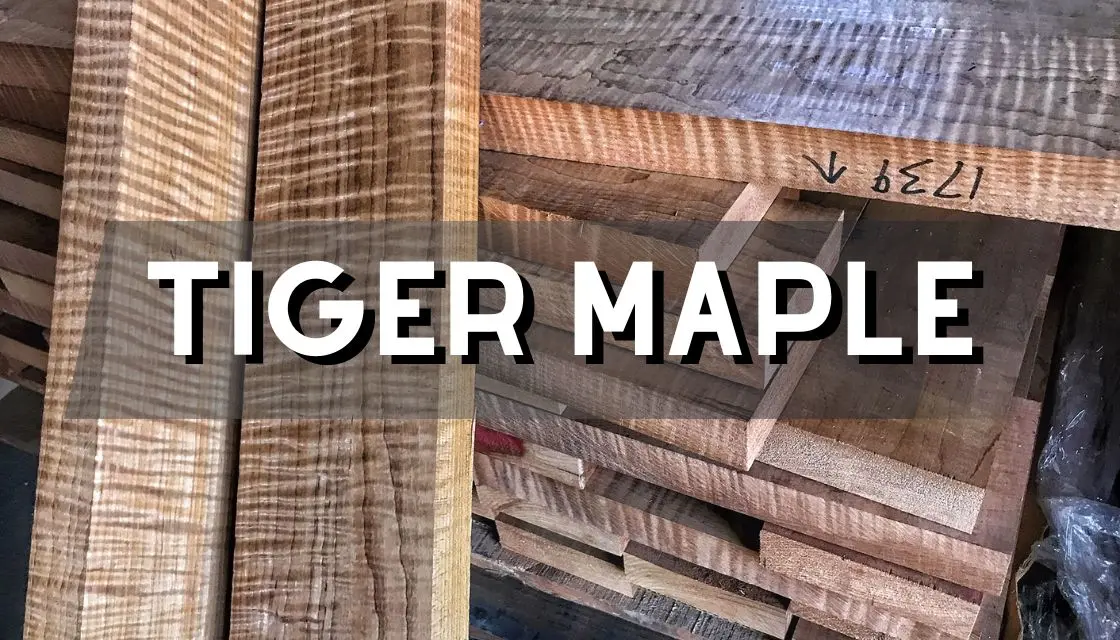
Alder Versus Maple. Hard maple measures about 1,450 lbf, giving it far better indentation resistance. Maple feels heavier and harder beneath a hand plane, while alder cuts with less effort; the maple wood guide covers its pale color and demanding stain behavior.
Buying and Identifying Aliso Lumber

Buy aliso lumber by scientific name, grade, moisture content, actual dimensions, and certification claim. Color alone can’t separate alder reliably from birch, poplar, linden, or lightly colored diffuse-porous woods.
Supplier Verification
Ask the seller for the botanical species, harvest country, drying method, measured moisture content, grade, surfacing state, width policy, and certification documents. Confirm whether quoted board footage includes defects and whether freight, handling, or minimum-order fees appear separately.
- Is the wood Alnus acuminata, Alnus rubra, or another species?
- Is it solid lumber, veneer, plywood, or printed engineered board?
- Was it kiln-dried, and what moisture content does it measure?
- Are dimensions rough, S2S, S3S, or S4S?
- Are boards random width or sold at fixed dimensions?
- Does certification cover this shipment and seller?
Grades and Defects
Inspect for knots and checks, cup, bow, twist, crook, stain, bark pockets, insect holes, mineral streaks, reaction wood, and drying damage. Clear stock suits visible doors and moulding, while character grades work well when knots form part of the design.
Thickness and Surfacing. Rough 4/4 lumber begins near one inch thick before drying and planing; delivered S4S stock is thinner. Ask for the actual finished measurement rather than assuming a nominal thickness will yield a 1-inch component.
Board Feet and Waste. Calculate rough lumber with: board feet = thickness in inches × width in inches × length in feet ÷ 12. A 1-inch × 8-inch × 10-foot board contains 6.67 board feet before defect removal.
Allow about 10–15% extra for straightforward work using sound stock. Character boards, long clear parts, matching door panels, and severe color selection can require far more because a defect in the wrong place may remove a full component length.
Lumber Pricing Factors. Species, country, grade, width, length, 4/4 versus 8/4 thickness, kiln drying, surfacing, certification, freight, and order size all affect the invoice. Any price checked in 2026 should state currency, region, grade, thickness, preparation, and shipping terms rather than presenting one universal aliso lumber price.
Only consider listings that state alder or aliso as the actual material, identify solid wood versus veneer, and preferably name the species. Products using “Aliso” only as a collection name aren’t valid examples of aliso wood.
Use any individual listing below only after the specification confirms genuine alder material; a model name isn’t proof of species.
Sustainability and Responsible Sourcing
Alder’s ecological role doesn’t make every alder product responsibly sourced. Buyers still need to check legal harvest, forest conversion risk, processing, transport, expected service life, finishes, adhesives, and chain-of-custody records.
Nitrogen-Fixing Ecology
Alder roots form nodules with Frankia bacteria, which convert atmospheric nitrogen into biologically available compounds. This association helps alder colonize disturbed soil and can add nitrogen to forest or agroforestry systems, but ecological usefulness doesn’t verify how a board was harvested.
Harvest and Transport
Source distance matters, yet freight alone doesn’t decide the lower-impact option. Drying energy, sawmill yield, forest management, product lifespan, repairability, and whether local stock requires heavy defect removal can outweigh a simple distance comparison.
FSC and PEFC. Forest Stewardship Council and Programme for the Endorsement of Forest Certification claims can support purchasing policies when the product and seller carry valid documentation. The FSC certificate search lets buyers check certificate status and scope rather than trusting a logo alone.
Chain-of-Custody Verification. Match the supplier’s certificate code, legal business name, valid dates, product scope, and invoice claim. A certified forest in the supply region doesn’t mean an unlabelled shipment is certified, and a seller’s general membership doesn’t transfer a claim to every board.
FAQs
What Is Aliso Wood In English?
Aliso wood is called alder in English. It usually refers to wood from Alnus trees, a group of fast-growing hardwoods common in temperate regions. Alder has a light reddish-brown color, fine grain, and even texture. It is widely used for cabinets, furniture, doors, and musical instruments.
Is Aliso The Same As Alder?
Yes, aliso is generally the Spanish name for alder. The term may describe several alder species in the Alnus genus, depending on the country or region. While individual species can vary slightly in color and density, aliso and alder usually refer to the same type of wood in woodworking and lumber discussions.
Is Aliso Wood Hard Enough For Furniture?
Yes, aliso wood is hard enough for many indoor furniture projects. Alder is a relatively soft hardwood, so it is easy to cut, shape, and sand while still being stable for cabinets, tables, shelves, and chairs. For surfaces that receive heavy wear, use a durable finish or choose a harder wood.
Does Aliso Wood Stain Well?
Yes, aliso wood stains well and can resemble more expensive woods with the right finish. Its smooth, closed grain accepts stain evenly compared with many porous hardwoods. For the most consistent color, sand carefully and test the stain on an offcut first. A pre-stain conditioner can help prevent blotchy areas.
Can Aliso Wood Be Used Outdoors?
Aliso wood is not a good choice for unprotected outdoor use. Alder has limited natural resistance to moisture, decay, and insect damage, so it can deteriorate when exposed to rain or damp soil. It may work outdoors only if thoroughly sealed, regularly maintained, and kept under cover. Cedar or teak are more durable options.
Affiliate Disclosure: Some links in this post are affiliate links. If you make a purchase through these links, we may earn a small commission at no extra cost to you. We only recommend products we genuinely believe in.