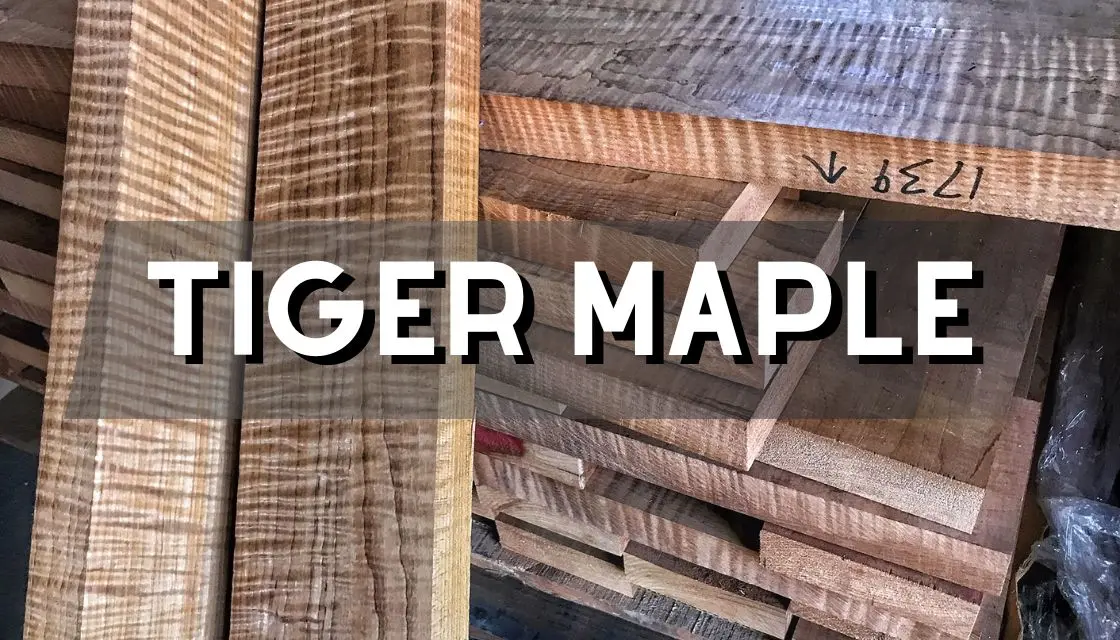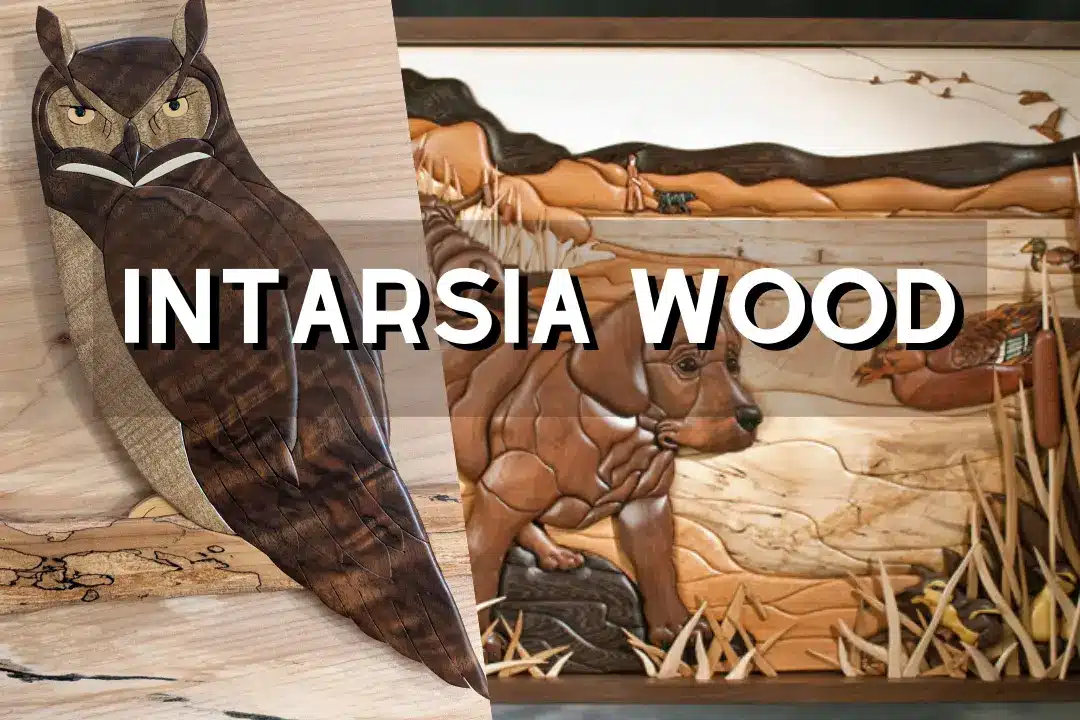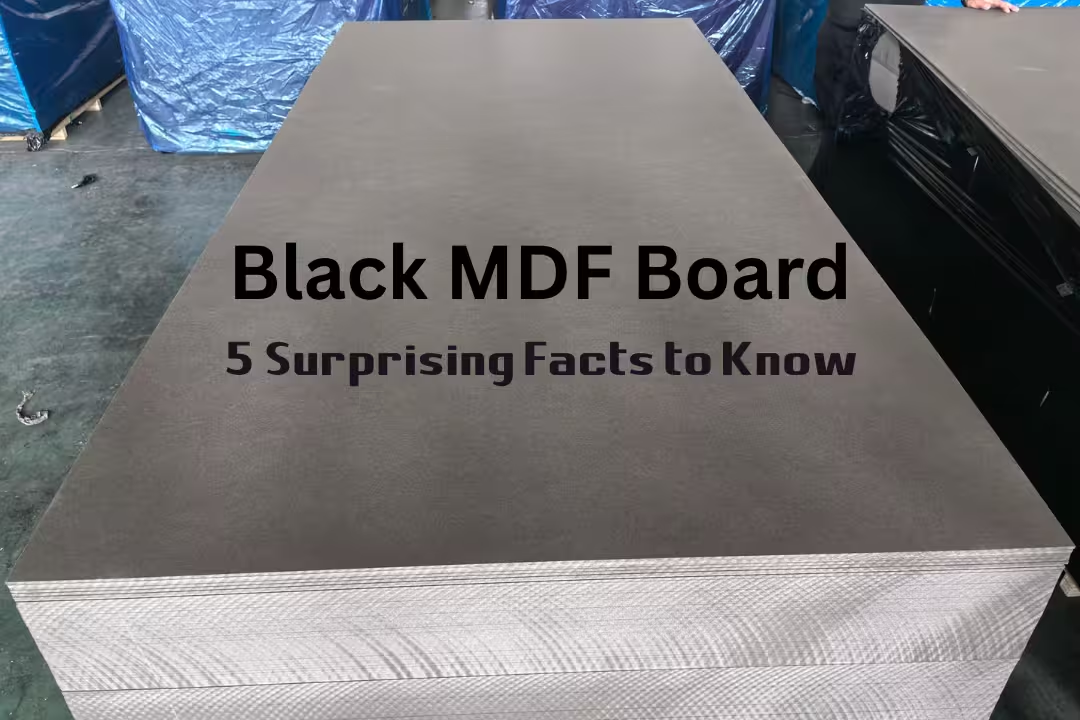


Natural colors of wood range from nearly white, cream, and gold to red, chocolate brown, purple, and almost black. Each board varies with species, heartwood, sapwood, moisture, grain, aging, light, and finish, so no species has one fixed color.
Table of Contents
What Colors Does Natural Wood Come In?
Natural wood comes in white, cream, yellow, tan, orange, pink, red, medium brown, dark brown, purple-brown, gray-brown, and near-black shades. Familiar commercial species cluster around cream through brown, while vivid yellow, red, purple, and black woods are less common.
Natural Wood Color Spectrum and Types of Wood Colors
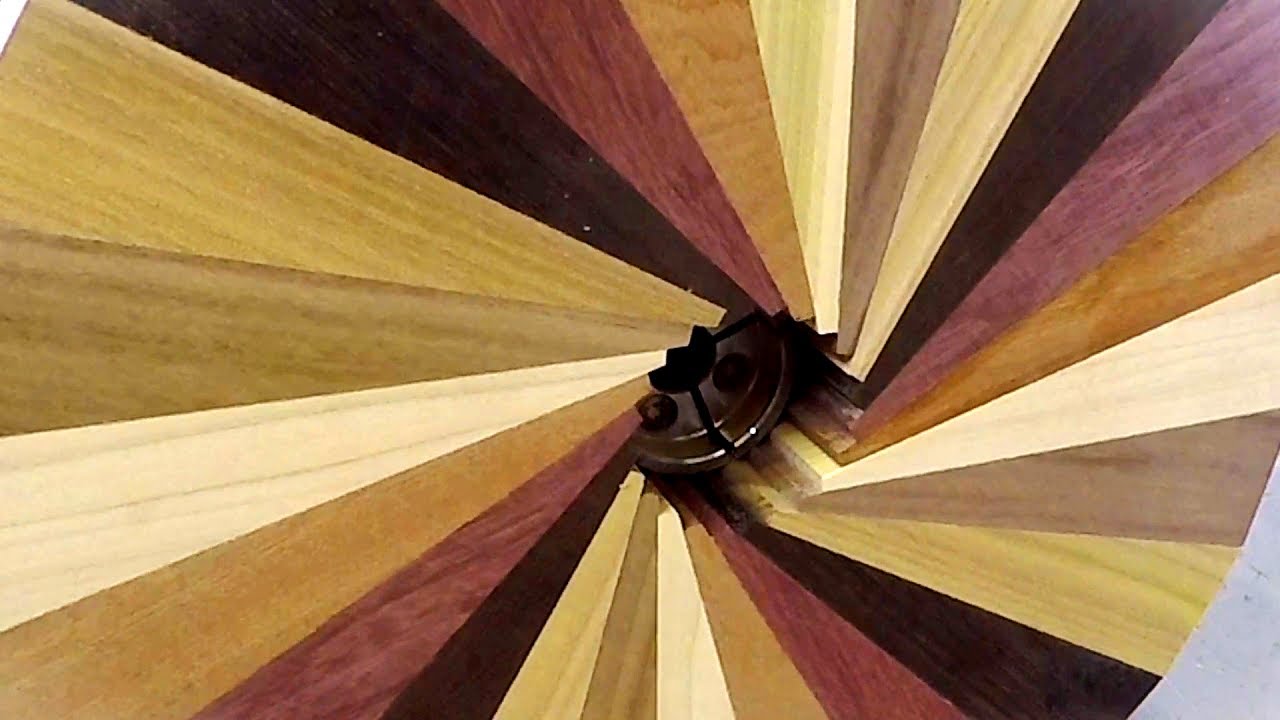
The main types of wood colors are light neutral, yellow-gold, tan, reddish, medium brown, dark brown, and purple-black. Holly and maple sit near the pale end; oak and teak occupy the middle; cherry and cedar introduce red; walnut, wenge, and ebony move into darker ranges.
- Nearly white and cream: holly, hard maple, birch, ash, and aspen.
- Yellow and gold: pine, yellowheart, Douglas fir, teak, and canarywood.
- Tan and neutral brown: white oak, beech, elm, and some acacia.
- Pink and red-brown: cherry, redwood, cedar, mahogany, padauk, and bloodwood.
- Chocolate and dark brown: black walnut, ipe, rosewood, and wenge.
- Purple or near-black: purpleheart, African blackwood, and ebony.
Blue or green areas aren’t a standard family for most sound lumber. They may indicate mineral streaks, fungal staining, chemical reactions, or unusual growth, as seen in some poplar and spalted wood. Such marks can be decorative, but active decay feels soft or crumbly under a fingernail and needs separate assessment.
Wood Color Names, Screen Swatches, and Furniture
A wood color name such as natural, honey, oak, cedar, or walnut usually describes a broad visual family rather than a botanical standard. One brand’s “neutral wood color” may look beige, while another leans orange. Furniture makers get better matches by comparing physical samples beside flooring, trim, and fabric.
A light wood color code can help with digital mockups, but it can’t specify real lumber. Approximate screen references might place pale maple near #E8D2AD and pine near #D6B17A, yet white balance, monitor calibration, grain shadows, finish sheen, and surrounding wall color can shift the result.
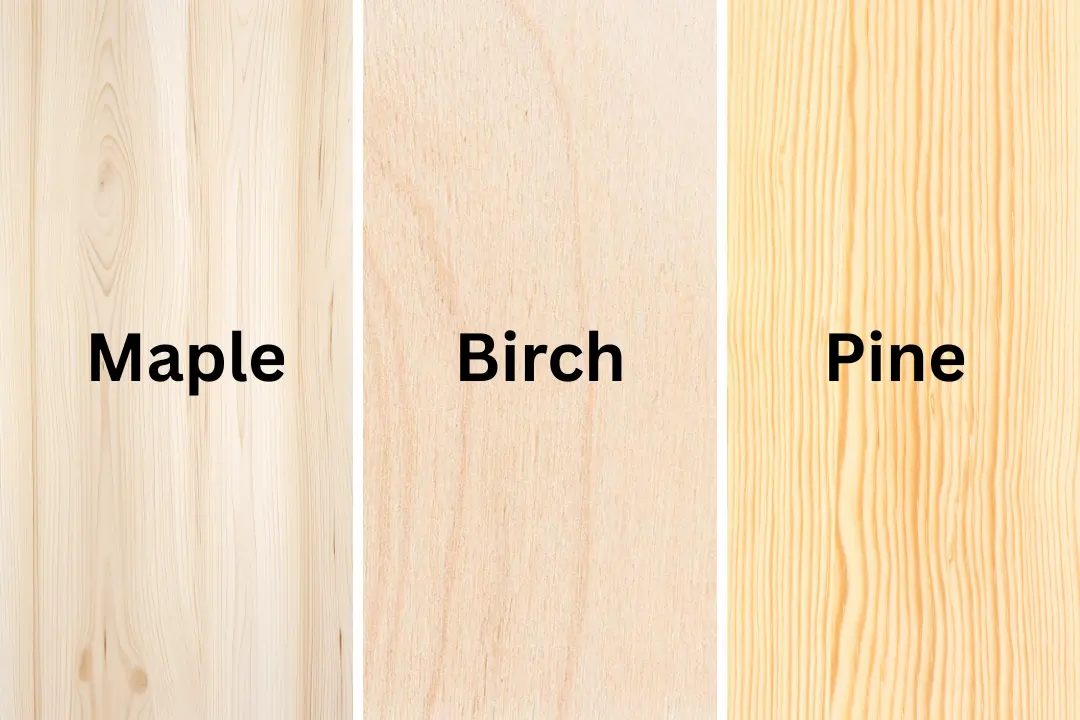
For a practical birch vs pine color comparison, birch tends to look creamier and quieter, while pine commonly has warmer yellow bands, orange resin lines, and dark knots. A pale wood color works well on large furniture because it reflects more room light; dark wood types create stronger visual weight and show pale dust sooner.
Natural Wood Color Chart by Species
This wood color chart groups species by typical heartwood appearance, but individual boards can cross category boundaries. Sapwood, aging, drying, grain orientation, and clear coating explain why two boards carrying the same species label may not match.
Species, Grain, Aging, and Uses
| Species | Typical heartwood color | Sapwood | Grain or variation | Expected change | Common uses |
|---|---|---|---|---|---|
| Holly | Nearly white | Similar | Fine and subdued | May cream or yellow | Inlay, turning |
| Hard maple | Light reddish brown | Creamy white | Fine; curl or bird’s-eye possible | Warms with age | Cabinets, floors |
| Birch | Light brown to reddish | Pale cream | Fine, sometimes figured | Develops warmer tones | Plywood, furniture |
| Pine | Yellow to warm brown | Pale yellow | Knots and resin contrast | Usually ambers | Furniture, trim |
| White oak | Tan to medium brown | Pale beige | Strong rays and pores | Deepens slightly | Flooring, cabinets |
| Teak | Golden to medium brown | Pale cream | Dark streaks; oily feel | Exterior faces gray | Outdoor furniture |
| Black cherry | Pink to red-brown | Pale yellow | Fine, occasional gum pockets | Darkens red-brown | Furniture, millwork |
| Western red cedar | Pink to red-brown | Yellow-white | Large board variation | Weathers silver-gray | Siding, decks |
| Black walnut | Brown to chocolate | Cream to gray-white | Dark streaks and figure | May lighten golden-brown | Furniture, panels |
| Wenge | Dark brown | Pale yellow | Coarse with black lines | May darken | Accents, furniture |
| Purpleheart | Brown to purple | Pale cream | Often straight | Turns muted purple-brown | Inlay, furniture |
| Ebony | Dark brown to black | Pale and contrasting | Fine; color may be striped | Often stays very dark | Keys, inlay, turning |
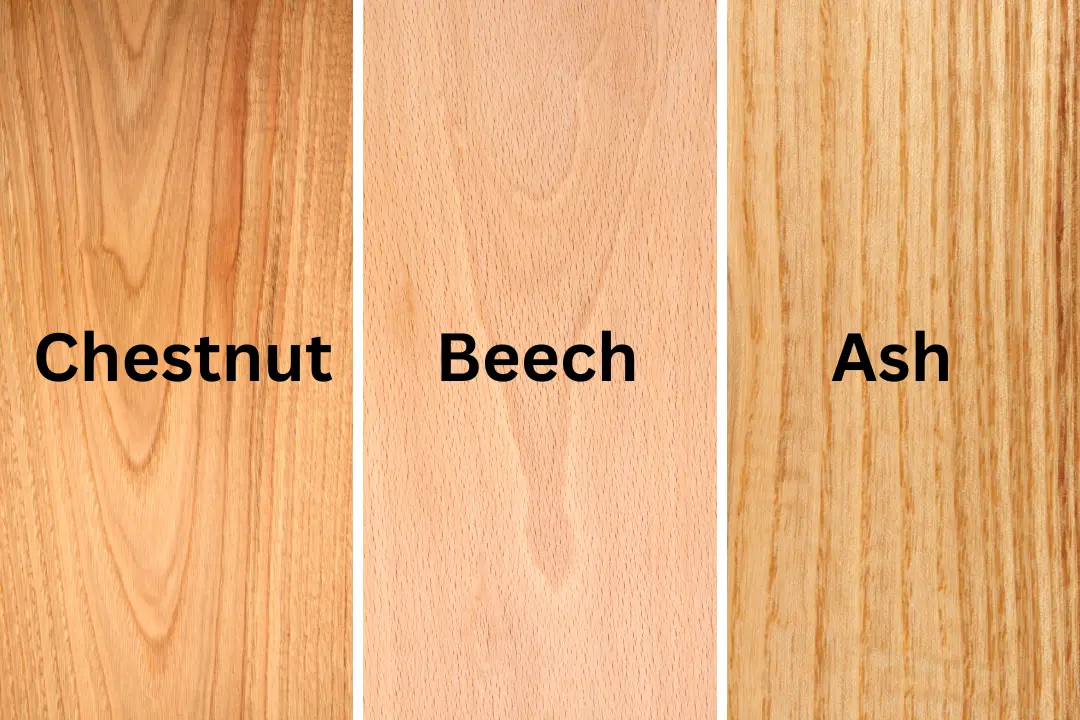
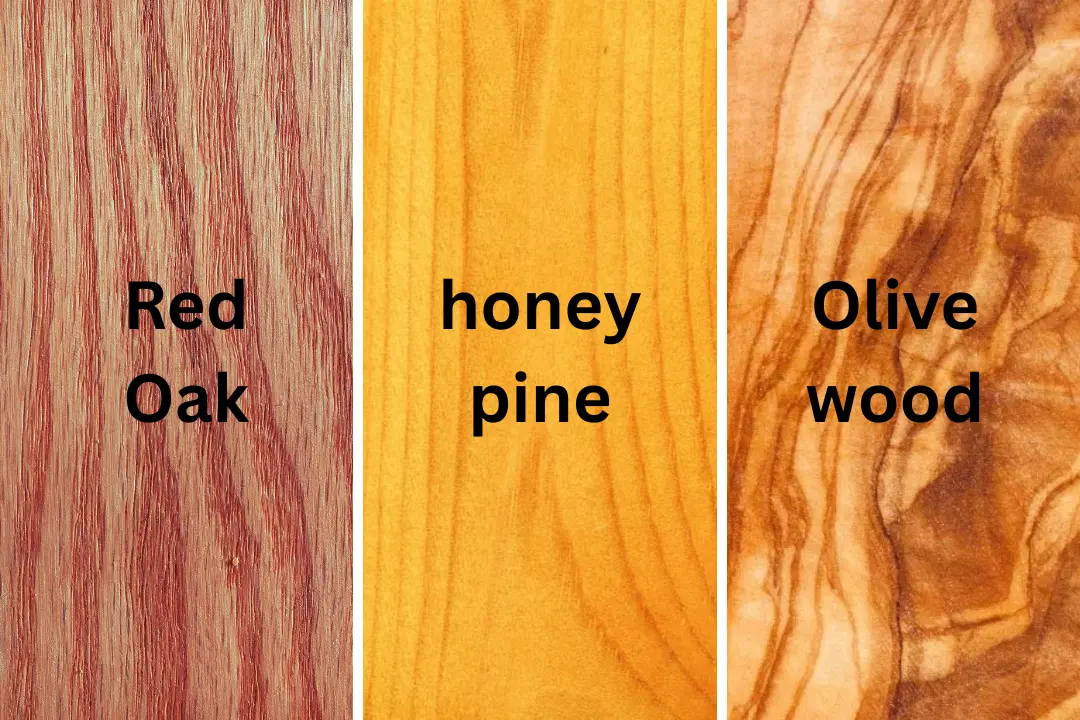
White and cream woods include holly, maple, birch, ash, and poplar. Pine, Douglas fir, teak, white oak, yellowheart wood, and canarywood supply yellow or golden tones. Hickory and acacia often combine several families within one board.
Red, Dark, Purple, and Sustainably Sourced Woods
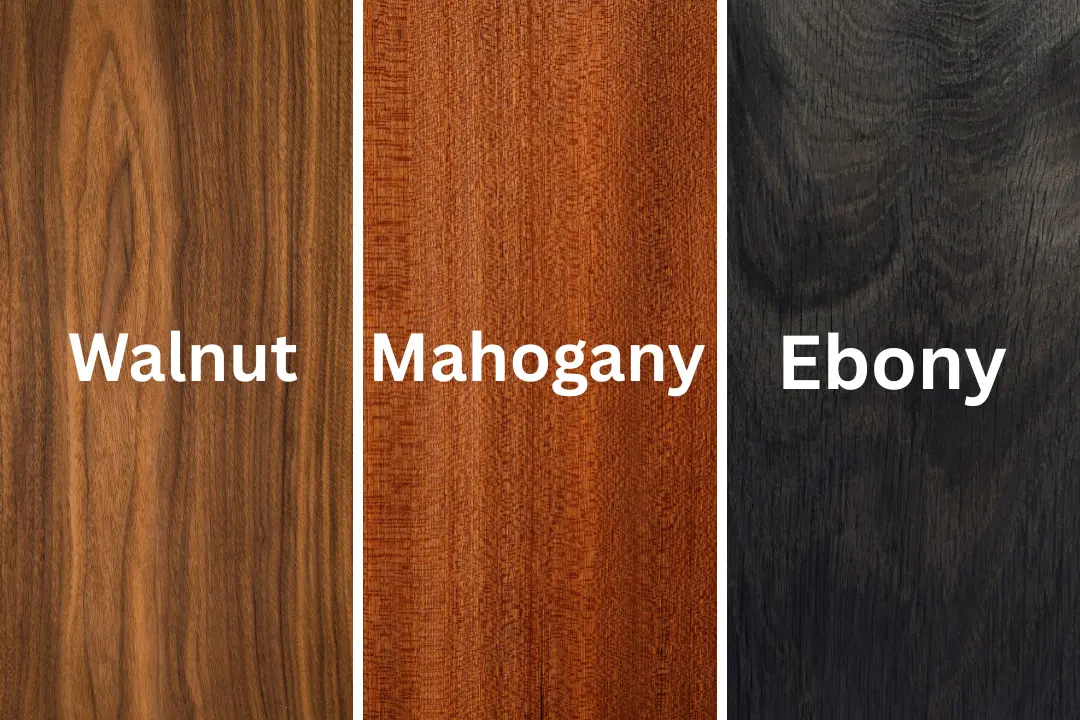
Cherry, western red cedar, redwood, mahogany, padauk wood, and bloodwood cover pink through deep red-brown. Padauk often starts with a startling orange-red surface that stains sanding dust and fingertips, then settles into a quieter brown-red under light.
Walnut, wenge, ipe, ziricote, and rosewood cover the dark-brown range. Purpleheart, African blackwood, and ebony wood extend into purple-black, though ebony isn’t always uniformly jet black and purpleheart doesn’t retain its fresh purple indefinitely.
Dark exotic timber may face harvest restrictions or trade controls. Check the botanical name, source country, chain-of-custody documents, and current CITES Appendices before ordering. Reclaimed stock, verified plantation wood, domestic walnut, and thermally modified local species can provide deep color with fewer sourcing concerns.
What Determines the Color of Wood?
Wood color comes from its cell structure and colored extractives, then changes through moisture, drying, oxygen, ultraviolet light, and coating chemistry. The largest visual split often occurs between dark heartwood and pale sapwood.
Natural Pigments, Heartwood, Sapwood, and Growing Conditions
Extractives include tannins, resins, oils, phenolic compounds, and other chemicals stored in wood cells. Heartwood is the older inner zone and commonly contains more extractives; sapwood is younger conducting tissue and is often lighter. The USDA Wood Handbook explains these anatomical differences in detail.
Soil, minerals, climate, growth rate, tree age, disease, and location within the trunk affect board-to-board variation. Color grading can narrow the range for cabinetry, yet it can’t remove every pale band, mineral streak, gum pocket, or transition between heartwood and sapwood.
Moisture, Drying, Aging, and CIELAB Color Measurement
Wet wood looks darker and more saturated, much like a stone deepens after rain. Air drying, kiln drying, and steaming can alter that appearance. Commercial walnut is sometimes steamed to blend pale sapwood into the heartwood, but the process can mute purple notes and leave a more uniform gray-brown.
Species age differently. Cherry usually darkens, walnut often becomes lighter and more golden, maple and pine develop amber tones, and exterior cedar turns silver-gray. Sunlight produces sharper changes near windows; removing a vase after several months can reveal a crisp, darker outline beneath it.
CIELAB measurement describes color with three coordinates: L* for lightness from 0 black to 100 white, a* along the green-to-red axis, and b* along the blue-to-yellow axis. Readings still depend on moisture, sanding, instrument geometry, illuminant, specimen direction, and applied finish.
Lighting changes perception before the board itself changes. Warm household bulbs pull beige wood toward honey or orange, cool daylight can expose gray-green notes, and glossy films create bright reflections. Compare samples vertically and horizontally under the room’s actual morning and evening light.
What Is the Color of Walnut Wood?

The direct answer to what is the color of walnut wood is light brown through deep chocolate brown, often with gray, red, purple, or nearly black streaks. Black walnut sapwood creates a marked contrast because it is usually cream, pale yellow, or grayish white.
Black Walnut Heartwood and Pale Sapwood
North American black walnut, Juglans nigra, may show coffee-brown heartwood beside a cream outer band in one board. That contrast is natural rather than a defect. Furniture builders may celebrate it in a live-edge top or select color-matched heartwood for a quieter cabinet front; see this detailed black walnut guide.
Fresh sanding exposes cooler brown or purple-gray notes, while fine walnut dust feels silky and leaves dark traces in open pores. Steamed stock tends to show less heartwood-sapwood contrast. Sapwood sold as “steamed walnut” still may not match dark heartwood after finishing.
Fresh, Finished, Aged Walnut and Walnut Stain
A water-clear coating keeps walnut relatively neutral. Oil produces the familiar wet chocolate tone, deepens grain lines, and may add amber. Extended light exposure can soften dark brown into golden brown, so new repairs may initially look much darker than an older walnut cabinet.
Walnut stain is a formulated color, not natural walnut in liquid form. Applied to pine or oak, it colors that species’ pores and grain without copying walnut’s anatomy. Labels such as walnut, warm walnut, and dark walnut vary between manufacturers, making a cured test board more reliable than the name.
What Is the Color of Cedar Wood?
The direct answer to what is the color of cedar wood is pale cream, yellow-tan, pink, salmon, reddish brown, or medium brown, depending on species and tree zone. Unfinished exterior cedar gradually loses its fresh warm color and develops a silver-gray surface.
Western Red, Aromatic Red, and Northern White Cedar
Western red cedar heartwood varies from salmon pink to reddish or medium brown, often with dark stripes. Its narrow sapwood is pale yellow-white. Freshly cut boards release a dry, sweet scent, and earlywood bands feel slightly softer under a sanding pad than the darker latewood.
Aromatic red cedar commonly has violet-red or reddish-brown heartwood beside nearly white sapwood, creating dramatic striped closet lining. Northern white cedar is much paler, with light tan heartwood and narrow white sapwood. The shared word “cedar” doesn’t imply a shared color.
Heartwood, Sapwood Contrast, and Outdoor Cedar Weathering
Sunlight breaks down the exposed surface before rain washes away loosened material, producing gray weathering. The Western Red Cedar finishing guidance explains coating and exposure factors. Covered boards stay warmer longer, which can leave a fence or siding wall patchy rather than evenly gray.
Brown streaks may signal extractive bleed, while blue-black marks often result from iron reacting with cedar chemicals. Mildew looks black, gray, or green and may feel slick when damp. Use compatible corrosion-resistant fasteners, keep steel wool away, and diagnose the stain before sanding or bleaching.
How Grain and Finishes Change Wood Color
Grain and finish alter perceived wood color by changing shadow, absorption, reflection, and contrast. Strong pores make oak appear busier and darker than fine maple, while an oil finish adds warmth that a water-based clear coat largely avoids.
Grain, Texture, Figure, and Board Cut
Large pores and alternating earlywood and latewood create dark lines in oak and ash. Curl, quilt, bird’s-eye, and ribbon stripe reflect light from changing fiber angles, making color appear to move as you walk past. Explore common wood grain patterns before judging a sample by shade alone.
Plain-sawn boards show cathedral patterns, quartersawn oak displays bright ray fleck, and riftsawn stock has straighter grain. Sawing changes the presentation rather than the base pigment. End grain exposes open cell ends, feels rougher after face-grain sanding, and absorbs far more stain.
To prevent dark end grain, sand it one or two grits finer than the faces or apply a compatible washcoat. Test this method before treating visible parts; over-polishing can reduce absorption so much that the end looks pale instead.
Water, Oil, Amber, and Wood Stain Effects
Water-based clear finishes add less amber, making them useful for maple, ash, birch, and other light-colored wood. Film thickness and sheen still matter: gloss adds bright highlights, while matte surfaces scatter light and can appear slightly paler.
Oil finishes deepen grain and produce a warm, wet-looking surface. Amber shellac and traditional varnishes shift pale wood toward gold or yellow. Beginners often choose a clear product by label alone, then find that a white maple panel turns honey-colored after the first coat.
Stain results depend on species, sanding sequence, porosity, wiping time, chemistry, coats, and topcoat. Pine, maple, birch, and cherry can absorb color in blotches. A manufacturer-approved conditioner, gel stain, dye-and-washcoat schedule, or sprayed toner offers more control than repeatedly adding dark wiping stain.
Colors of Outdoor Wood Stain

The main colors of outdoor wood stain include clear, natural, cedar, honey, redwood, walnut, dark brown, weathered gray, charcoal, black, white, and opaque custom colors. Opacity matters as much as hue because added pigment hides natural variation while providing greater shielding from visible UV-driven color change.
Outdoor Stain Color Families and Opacity
Clear, natural, cedar, honey, and light oak products preserve the freshest wood appearance and expose the most variation. Clear treatments contain little or no color pigment, so they can’t hold a fresh cedar tone as effectively as a pigmented finish. “Cedar” on a can remains a color label, not a guarantee of a species match.
Redwood and warm red-brown stains strengthen salmon or mahogany notes. Pale pine can turn much redder than an aged brown deck receiving the same product. Test these shades beside brick, roofing, siding, and doors because warm masonry may amplify orange undertones.
Walnut, espresso, chocolate, mahogany brown, and dark oak create visual depth but reveal pale scratches, pollen, lap marks, and fading. In direct summer sun, a dark deck can feel sharply hot through thin shoe soles, while light cedar or gray boards remain more comfortable.
Weathered gray, driftwood, silver gray, and slate create controlled aging without waiting for uneven natural weathering. Charcoal and black suit fences, planters, and siding accents, though dust and scratches stand out. Check that the product is approved for horizontal walking surfaces before using it on decking.
Solid white and opaque colors hide nearly all natural color and much of the grain, while surface texture remains visible. They can unify repairs and mixed lumber more effectively than transparent stain. Cedar and redwood extractives may bleed through pale coatings, so use the coating maker’s blocking primer or complete system where required.
| Opacity | Grain visibility | Color uniformity | Practical trade-off |
|---|---|---|---|
| Clear or lightly tinted | Highest | Lowest | Shows natural wood but offers little pigment shielding |
| Transparent | Very high | Low | Adds a light tone while showing board variation |
| Semi-transparent | High | Medium | Balances visible grain with stronger color |
| Semi-solid | Limited | High | Helps blend weathering and repairs |
| Solid-color | Mostly hidden | Highest | Strong hiding, but removal is harder later |
Testing, Preparation, Building Palette, Cost, and Stain Examples
Test stain on an offcut or hidden project area after completing the planned cleaning and sanding. Coat both face grain and end grain, let the sample cure, and inspect it in morning, midday, and evening light. A paper color card can’t reproduce the wood’s porosity or existing undertone.
- Confirm the old coating type and remove loose or incompatible material.
- Clean the wood, rinse it fully, and use a brightener only when the coating system calls for one.
- Check several locations with a moisture meter; around 15% or lower is a common benchmark, but the product label controls.
- Sand repairs and sharp transitions consistently without polishing isolated spots.
- Apply a sample at the specified spread rate and view it after full drying.
- Check the forecast for rain, dew, strong sun, wind, and acceptable air and surface temperatures.
Coordinate the sample with roof, siding, stone, trim, railings, and interior flooring visible through windows. Warm cedar and brown usually sit comfortably with cream and warm masonry; gray and charcoal often pair with white, blue, cool stone, and black metal. Treat these as starting points rather than fixed design rules.
Calculate project cost from completed coverage, not container price. Rough-sawn wood, railings, steps, end grain, and porous boards consume more stain. Include cleaner, brightener, brushes, pads, masking, sanding supplies, disposal, and any second coat allowed by the technical sheet.
A dark oak stain is a rich brown example rather than a standard for natural oak. Verify outdoor suitability, spread rate, drying conditions, and topcoat compatibility on the current label before applying it to furniture or exterior wood.

Dark Oak Wood Stain
- Rich dark oak tone for wood projects
- Water-based formula with low odor
- Fast-drying finish saves project time
- Suitable for indoor and outdoor furniture
- Non-toxic option for refreshing wood color
 Buy on Amazon
A warm walnut stain can add brown color to cabinets, furniture, or approved outdoor surfaces, but it won’t reproduce black walnut grain. The base wood remains visible through transparent and semi-transparent formulas.

Walnut Wood Stain
- Warm walnut color enhances wood grain
- Water-based formula applies easily
- Fast-drying for efficient refinishing
- Low-odor and non-toxic finish
- Works on furniture cabinets and outdoor wood
Buy on Amazon
Dark walnut stain suits indoor furniture, cabinets, and doors when the product is rated for those surfaces. Don’t assume an interior oil stain is suitable for a deck; check ventilation, drying, disposal, and exterior-use instructions before purchase.

Fast-Dry Dark Walnut Stain
- Deep dark walnut color in one coat
- Oil-based stain highlights natural grain
- Dries in about one hour
- Ideal for furniture cabinets and doors
- Covers up to seventy square feet
Buy on Amazon
Wood Color Problems and Identification
Blotching, yellowing, gray weathering, black marks, and repair mismatches usually result from absorption, coating chemistry, exposure, contamination, or different lumber rather than one simple color defect. Correct diagnosis prevents aggressive sanding or bleaching from making the damage worse.
Uneven Stain, Yellowing, Weathering, Black Marks, and Repairs
Uneven stain is common on pine, maple, birch, and cherry. Typical causes include glue residue, skipped sanding grits, polished patches, variable density, and stain left wet for different periods. Sand evenly, inspect under low side-light, remove glue fully, and test conditioner or a washcoat with the whole finishing system.
Unexpected yellowing is most visible on pale maple, ash, birch, and whitewashed work. Amber oil, varnish, shellac, and natural aging can all contribute. Use a tested water-clear coating where neutrality matters, and prepare a full sample containing stain, sealer, and every planned topcoat.
Gray outdoor wood has usually weathered only at the exposed surface. Cleaning or sanding may reveal warm wood below, but covered, shaded, and damp zones rarely gray at the same rate. Black marks require separate tests because iron-tannin reactions, mildew, dirt, water stains, and corroding fasteners need different remedies.
Replacement boards seldom match weathered wood at installation. Species, moisture, age, mill glaze, exposure, and earlier coatings create the mismatch. Allowing new lumber to dry and weather can reduce the gap; semi-solid or solid stain hides repairs better but sacrifices more natural color.
Identifying Wood by Color, Anatomy, and Practical Notes
Color alone can’t identify wood reliably. Examine end-grain anatomy, pore arrangement, growth rings, rays, grain direction, odor, weight, hardness, geographic source, fluorescence, and known use. A brown board could be walnut, stained poplar, aged cherry, tropical hardwood, or printed veneer.
- Look for open pores in oak, ash, walnut, and many tropical hardwoods.
- Check for visible ray fleck, which can support an oak identification.
- Compare heartwood and sapwood boundaries rather than one isolated patch.
- Inspect unfinished end grain with a sharp hand lens after making a clean cut.
- Use odor cautiously; cedar scent fades, and coatings can mask it.
- Never treat Janka hardness as a color test; it measures resistance to indentation.
A small hidden sanding test may reveal fresh wood under stain or oxidation, but don’t sand valuable antiques, thin veneer, or historically finished pieces without specialist assessment. Veneer can be thinner than a fingernail, and one aggressive pass may expose pale substrate beneath it.
Practical shop matching works best with several nearby samples, not one perfect-looking swatch. Prepare them from project offcuts, label each sanding and finish schedule, and keep one covered as a control. This exposes changes from light and oxidation before the full piece receives color.
For furniture, select boards together under the installation lighting, then arrange the palest and darkest pieces before cutting. Place natural variation deliberately across doors or tabletops rather than discovering a striped mismatch after glue-up. Grain direction, sheen, and viewing angle can matter as much as the named wooden colour shade.
FAQs
What Colors Does Natural Wood Come In?
Natural wood comes in shades ranging from pale cream and yellow to honey, red, brown, and nearly black. The color depends on the tree species, the cut of the board, and how the wood is finished. Sunlight, stain, and age can also change its appearance over time.
What Is The Color Of Walnut Wood?
Walnut wood is usually a rich medium to dark brown with gray, purple, or reddish undertones. Its heartwood is darker, while the outer sapwood is much lighter and cream-colored. Walnut often develops a warmer, deeper look when it is finished with oil or clear protective coatings.
What Is The Color Of Cedar Wood?
Cedar wood ranges from light tan and pinkish red to deep reddish brown. Western red cedar commonly has warm red and amber tones, while eastern red cedar can show stronger purple-red coloring. Outdoors, unfinished cedar gradually weathers to a soft silvery gray.
Does Wood Become Darker With Age?
Yes, many types of wood become darker or warmer in color as they age. Exposure to oxygen, sunlight, and natural oils changes the wood over time, especially in species such as cherry and walnut. A UV-blocking finish can slow color changes, but it cannot stop them completely.
Which Outdoor Wood Stain Color Shows The Most Grain?
Light, semi-transparent natural stain colors show the most wood grain outdoors. Clear, natural, cedar, pine, and light honey tones let the board’s texture and variation remain visible. Choose a semi-transparent or transparent exterior stain instead of a solid-color stain for the strongest grain definition.
Affiliate Disclosure: Some links in this post are affiliate links. If you make a purchase through these links, we may earn a small commission at no extra cost to you. We only recommend products we genuinely believe in.