
Table of Contents
Mango wood is a hardwood from the mango fruit tree, Mangifera indica, used for furniture, bowls, trays, and decor because it’s moderately hard, visually distinctive, workable, and often sourced from mango trees removed after fruit production declines. It’s real wood, but its quality depends heavily on drying, sealing, joinery, and sourcing.
Quick answer: mango wood is good for indoor furniture and homeware, but it isn’t waterproof and shouldn’t sit outside in rain; the best pieces feel smooth under the fingertips, smell faintly woody rather than chemical, and show stable joints with no open cracks.
What Is Mango Wood?

Quick Definition
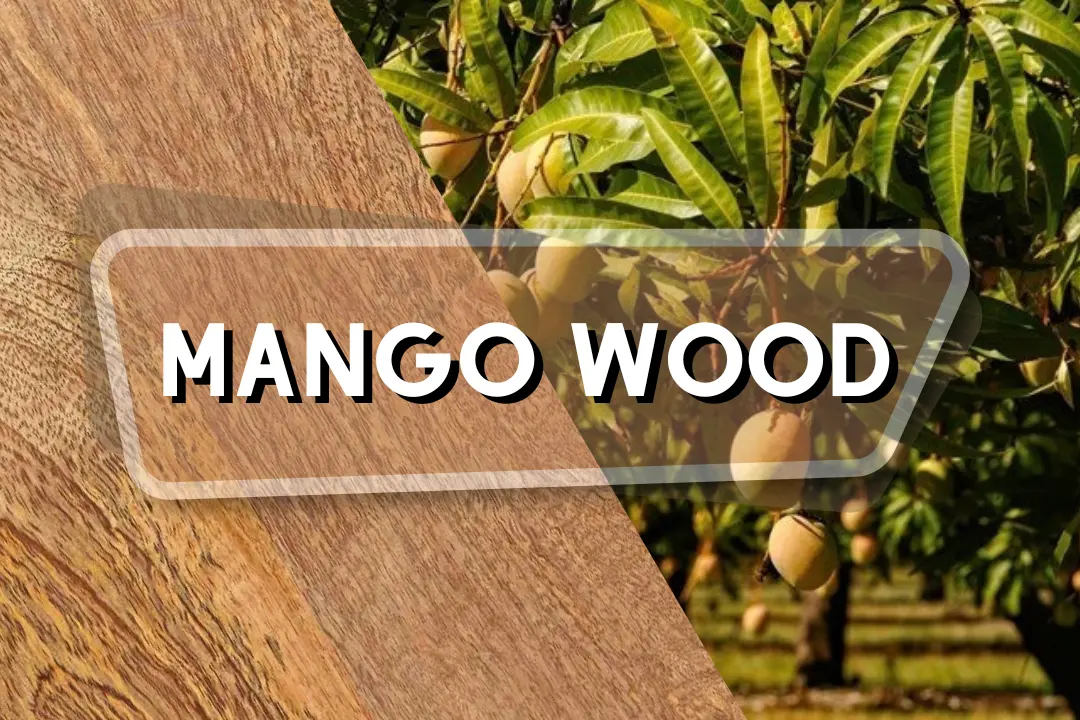
Mango wood is timber cut from the mango tree, a fruit-bearing hardwood species known botanically as Mangifera indica. Botanical references such as Plants of the World Online list Mangifera indica as the accepted species name, which matters because “mango wood” should mean real mango tree wood rather than a stain color or marketing label.
Real mango wood is a hardwood, not a softwood, because it comes from a broadleaf flowering tree rather than a conifer. If a product says “solid mango wood,” the main boards should be mango lumber; if it says “mango finish,” “mango veneer,” or “mango effect,” it may be engineered wood with a surface layer or color treatment.
Mango Tree Wood Origin
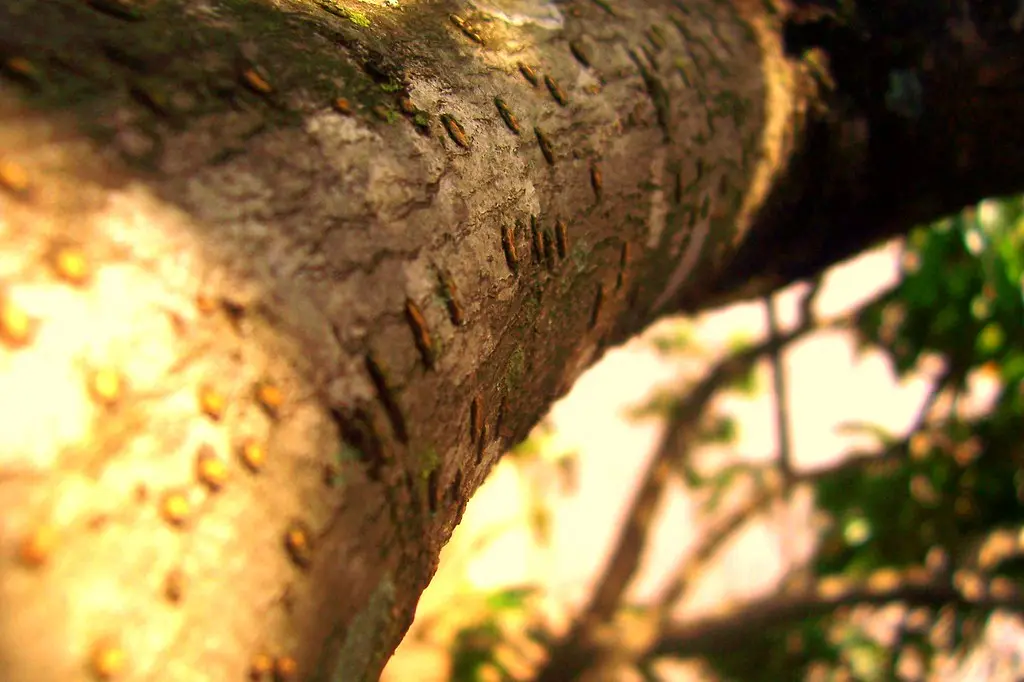
Mango tree wood usually comes from orchard regions in India, Pakistan, Bangladesh, Indonesia, Thailand, Vietnam, the Philippines, Mexico, Brazil, and parts of Africa. In furniture showrooms, I see a lot of mango wood pieces linked to India and Southeast Asia, especially rustic coffee tables, carved cabinets, sideboards, trays, and bowls.
Mango hardwood basics are simple: the wood is moderately hard, medium-weight, easy to carve, and known for warm color variation. It sits in a practical middle ground between soft pine and dense tropical hardwoods; for a wider material comparison, see this guide to types of hardwood.
Orchard supply chain is the reason mango wood often costs less than teak, walnut, or premium oak. Mango trees are grown first for fruit, then the timber may enter the furniture supply chain when yields drop, trees suffer storm damage, disease appears, or an orchard gets replanted.
Appearance and Technical Properties

Grain, Color, Spalting

Mango wood grain can look golden, honey-brown, tan, pale brown, gray-streaked, or darkly striped, and some boards show dramatic spalting. When you run a hand over a polished mango tabletop, the surface often feels glassy-smooth, but the visual texture still looks lively because the grain can twist, wave, and shift color across one board.
Spalted mango wood gets its black, gray, or wavy lines from fungal activity before drying. Spalting can look beautiful on bowls and tabletops, but the wood must be properly dried and stabilized; soft, punky spalted areas can crumble at edges, soak up finish unevenly, or leave a dull patch after sanding.
Color variation is part of mango wood’s appeal and one of its buying risks. A cabinet door may show pale yellow beside coffee-brown streaks, so buyers who want a perfectly uniform look should choose stained pieces, book-matched panels, or another wood with calmer grain; this guide to wood grain pattern helps explain why boards can differ so much.
Janka: 1,070 lbf
Mango wood hardness is about 1,070 lbf, or roughly 4,780 N, on the Janka scale, according to common wood data references such as The Wood Database. That makes mango wood harder than many pines and close to rubberwood, but softer than white oak, many acacias, and sheesham.
Density averages about 42 lb/ft³, or about 675 kg/m³, with specific gravity around 0.55 basic and 0.68 at 12% moisture content. In use, a mango wood coffee table feels substantial when you lift one end, but it usually doesn’t have the dense, almost stone-like heft of sheesham or some acacia species; for more context, compare it with this guide to density of wood.
Strength figures place mango wood in a useful furniture range: modulus of rupture is about 12,830 lbf/in², elastic modulus about 1,667,000 lbf/in², and crushing strength about 7,240 lbf/in². Those numbers explain why mango works for tables, cabinets, shelving, stools, and carved decor, but thin unsupported shelves can still sag if overloaded.
Shrinkage values are roughly 3.6% radial, 5.5% tangential, and 9.5% volumetric. Proper kiln drying keeps movement manageable, but poorly dried boards can cup, twist, or split after they move from a humid warehouse into a dry heated home.
Workability is good for turning, carving, sanding, staining, and polishing, which is why mango wood appears in handmade bowls, carved drawer fronts, and turned legs. Interlocked grain can tear out under a planer, and beginners often press too hard with an orbital sander; the better workaround is to progress through grits evenly, keep the pad flat, and stop before heat builds in one spot.
Allergy caution matters during woodworking because mango belongs to the Anacardiaceae family, related to cashew and poison ivy. Finished mango wood furniture is usually fine for normal contact, but sawdust can irritate skin, eyes, and lungs; food-contact bowls and trays should have a food-safe oil, wax, or cured finish and should never go in a dishwasher.
Mango Wood Uses
Furniture and Tables
Mango wood furniture is common in dining tables, coffee tables, sideboards, cabinets, console tables, bed frames, desks, stools, bookshelves, benches, and chairs. It works well indoors because it combines a hard enough surface for daily use with the warm, handmade look buyers often want in rustic, farmhouse, bohemian, and Indian-inspired furniture.
Table surfaces need the most scrutiny because mugs, plates, elbows, laptops, and plant pots test the finish every day. A good mango wood dining table or coffee table should feel smooth at the edges, have sealed end grain, sit flat without rocking, and show no white cloudy patches under the finish.
Bowls, Trays, Coasters

Mango wood bowls, trays, coasters, serving boards, and utensil holders are popular because the wood turns and carves cleanly. The best kitchen pieces feel silky rather than fuzzy, show no sour chemical smell, and come with care instructions that mention hand washing, quick drying, and food-safe finishing.
Decor and carvings are another strong use because mango wood accepts shaping and stain well. Carved wall panels, candle holders, picture frames, jewelry boxes, sculptures, and turned vases can show deep shadows in the grain after wax or lacquer is applied.
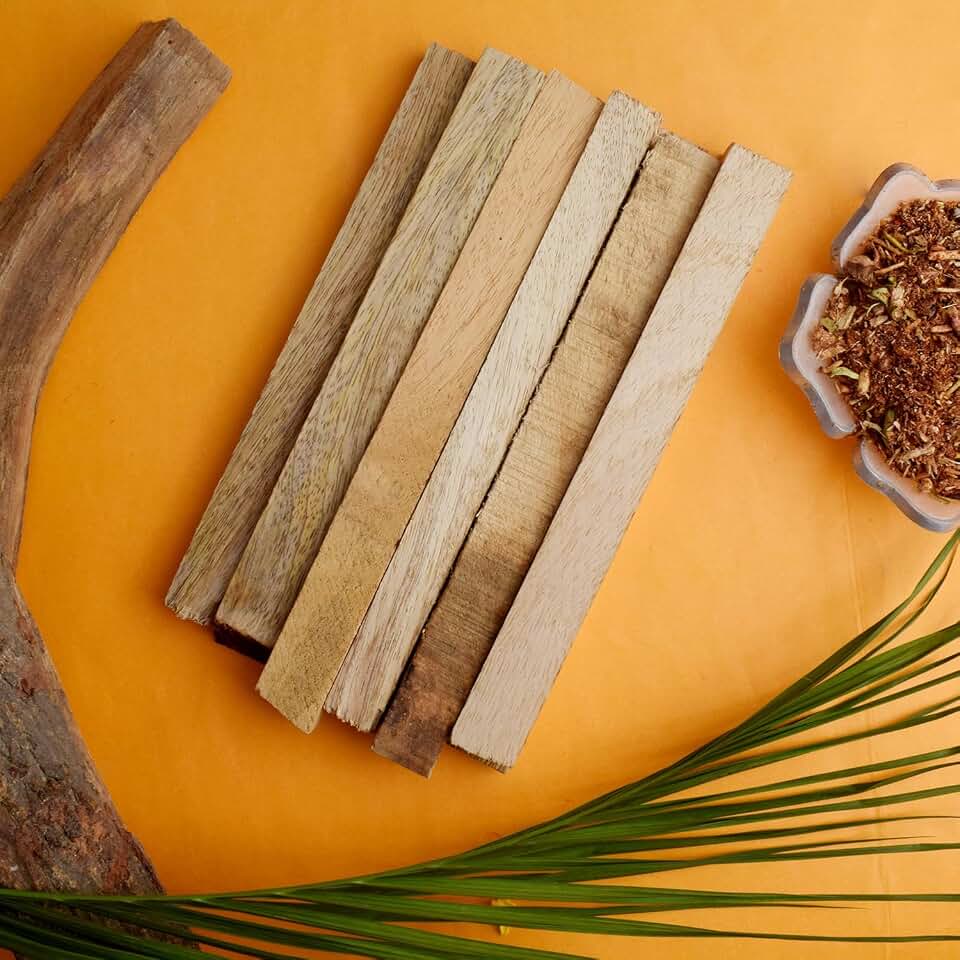
Havan, yagya, pooja, aarti, and mandir ceremonies may use mango wood as samidha in some South Asian traditions. For ritual burning, choose dry, natural sticks, use a fire-safe container, keep ventilation open, and avoid painted, glued, stained, or unknown scrap wood.
Ritual product examples below show common mango wood samidha options that readers often compare for havan and pooja use.

Sacred Mango Wood Samidha
- Pure mango wood sticks for havan and yagya
- suitable for pooja, aarti, and daily rituals
- dry, natural wood that burns steadily
- ideal for home mandir and festive ceremonies
- a simple choice for traditional sacred fire use
 Buy on Amazon
Pure Mango Havan Sticks
- Made from pure mango wood for traditional havan
- supports pooja, aarti, and spiritual prayers
- natural dry sticks for clean ceremonial burning
- handy for home, mandir, office, or yagya use
- a भरोसेमंद pick for daily devotion and festivals
Buy on Amazon

Natural Mango Wood Havan Sticks
- Chemical-free mango wood for sacred fire rituals
- ideal for mandir, pooja, and festival use
- burns naturally for traditional havan and yagya
- suitable for home, office, and religious ceremonies
- generous 1 kg pack for regular worship needs
Buy on Amazon

Mango Samidha for Pooja
- Natural mango wood samidha for havan and puja
- useful for home mandir and spiritual ceremonies
- dry sticks designed for easy ritual burning
- helps support traditional prayers and offerings
- 1 kg pack for convenient regular use
Buy on Amazon
Is Mango Wood Good for Furniture?
Best Indoor Uses
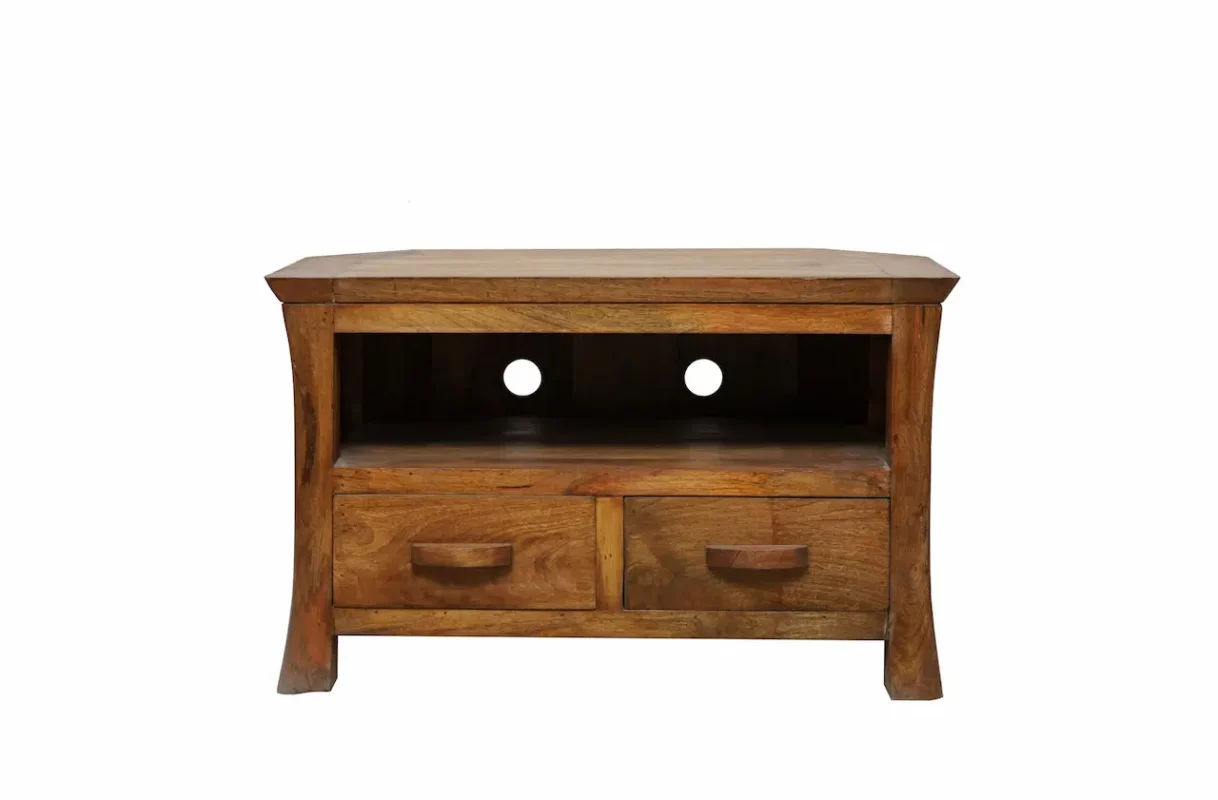
Yes, mango wood is good for furniture when the piece is properly dried, sealed, and built for indoor use. It’s a smart choice for coffee tables, dining tables, cabinets, sideboards, dressers, desks, console tables, bed frames, and shelves that stay away from standing water and direct heat.
Coffee tables are one of the best uses because mango wood gives enough hardness for daily cups, books, remotes, and trays while still offering bold grain. If you’re comparing shapes and finishes, this guide to a mango wood coffee table gives more focused buying advice.
Pros for Furniture
- Attractive grain: warm color, streaking, and natural variation make each piece look different.
- Moderate hardness: the 1,070 lbf Janka rating suits many indoor furniture surfaces.
- Good workability: makers can carve, turn, stain, and polish it without extreme tool wear.
- Accessible pricing: orchard sourcing often keeps it below teak, walnut, and premium oak.
- Versatile style: it fits rustic, modern, farmhouse, boho, and artisan interiors.
Furniture drawbacks show up when mango wood is rushed through production or used in the wrong place. Common problems include cracks near end grain, warped tabletops, sticky finishes, color mismatch across doors, drawer gaps, and water rings on thin or poorly sealed finishes.
Quality variables matter more than the species name alone. Check whether the item is solid mango wood, veneer, or mango over MDF; ask about kiln drying; inspect joinery; test drawers and doors; look underneath tabletops for sealing; and avoid pieces with strong solvent odor, open splits, wobble, or rough unfinished interiors.
Durability, Water, and Outdoor Use
Indoor Durability
Mango wood durability is best indoors, where moisture and sunlight stay controlled. A sealed mango wood cabinet, table, or tray can handle normal use, but the wood can stain, swell, crack, or attract insects if it stays damp or arrives poorly dried.
Indoor performance depends on moisture movement, which all wood experiences as humidity changes. The USDA Wood Handbook explains how wood changes dimension with moisture, and that principle applies directly to mango wood tabletops, doors, shelves, bowls, and trays.
Waterproofing Reality
Mango wood is not waterproof. A good seal can resist short spills, but standing water, wet glasses, plant pots, steam, alcohol, and hot mugs can leave rings, cloudy finish marks, raised grain, or dark stains.
Can mango wood go outside? Only in a protected, covered setting with a suitable exterior-grade finish and steady maintenance; it’s not a set-and-forget outdoor wood. For fully exposed patios, teak, ipe, cedar, treated acacia, powder-coated metal, or recycled plastic furniture is safer; this guide to the best wood outdoors explains the difference.
Cracking and warping often come from sudden humidity changes, weak kiln drying, thin boards, one-sided sealing, or placement near radiators and fireplaces. A professional workaround is to let new furniture acclimate for several days, keep it out of heat drafts, and maintain indoor humidity near 40–60% when possible.
Stains, heat, insects, and finish damage are the main owner complaints. Use coasters, trivets, felt pads, and placemats; wipe spills fast; avoid alcohol-heavy cleaners; and reject pieces with pinholes, powdery frass, soft spots, or fresh tunnels because those signs can point to insect activity.
Sustainability and Sourcing
Orchard By-Product
Mango wood can be sustainable when it comes from orchard trees removed after fruit productivity drops. Global production of mangoes, mangosteens, and guavas is close to 60 million metric tons a year in recent FAOSTAT crops data, and India commonly accounts for a large share, which creates a major orchard renewal stream.
Sustainable mango wood is more credible when sellers explain country of origin, orchard sourcing, legal harvesting, kiln drying, finish type, and factory practices. A vague “eco-friendly” label tells you less than a clear chain showing the tree came from agricultural replacement rather than unmanaged clearing.
FSC and PEFC
FSC mango wood or PEFC-related chain-of-custody information can strengthen a sustainability claim, though certification is not as common as it is for some plantation and forestry timbers. If certification isn’t available, ask for legal sourcing details, low-VOC finish information, and whether engineered parts use MDF, plywood, or veneer.
Legal sourcing still matters because imported furniture can fall under rules such as the Lacey Act in the United States and timber due-diligence systems in Europe. Mango wood is not commonly known as a CITES-restricted timber, but responsible buyers should still avoid unclear origin claims, suspiciously cheap bulk lots, and products with no material breakdown.
Environmental trade-offs include shipping distance, kiln energy, adhesives, stains, packaging, and replacement lifespan. A well-built solid mango wood sideboard kept for twenty years can be a better buy than a weak “green” product that cracks, smells strongly of solvent, or lands in the trash after one move.
Mango Wood vs Other Woods
Mango Wood vs Oak
Mango wood vs oak usually comes down to price, look, and wear expectations. Mango wood is about 1,070 lbf Janka, while red oak is about 1,290 lbf and white oak about 1,360 lbf, so oak is harder and more established for premium furniture, flooring, and resale recognition.
Choose mango if you want a warmer, more varied, handcrafted look at a friendlier price. Choose oak if you want a traditional grain, better hardness, stronger market familiarity, and a wood with a long record in heavy-use tables and cabinets; this profile of white oak wood gives more detail.
Mango Wood vs Acacia
Mango wood vs acacia favors acacia for hardness and moisture resistance in many species, with common Janka values often around 1,700–2,200+ lbf. Mango wood is usually easier to carve, often cheaper, and better suited to indoor furniture and decorative pieces; compare species traits in this acacia wood guide.
| Comparison | What to Know | Best Pick |
|---|---|---|
| Mango vs teak | Both are often listed around 1,070 lbf Janka, but teak has natural oils and far better outdoor durability. | Teak outside; mango indoors. See teak wood. |
| Mango vs sheesham | Sheesham is usually harder, denser, darker, and more premium; mango is lighter and often more affordable. | Sheesham for heavy heirloom furniture; mango for value and varied grain. |
| Mango vs rubberwood | Rubberwood is commonly around 960 lbf Janka, so mango is slightly harder by common references. | Mango for grain drama; rubberwood for a calmer, uniform look. |
| Mango vs pine | Pine is usually softer, lighter, and easier to dent; mango looks and feels more substantial. | Mango for tabletops; pine for budget painted furniture. |
| Mango vs ash | Ash is often stronger, springier, and paler; mango has warmer color variation and more rustic character. | Ash for pale modern strength; mango for warm statement pieces. |
Comparison shortcut: mango wood is not the hardest, cheapest, or most water-resistant wood, but it balances character, workability, moderate strength, and price well. That balance is why it appears so often in coffee tables, cabinets, bowls, trays, and carved decor rather than exposed decking or high-end flooring.
Care and Buying Guide
Daily Cleaning
Clean mango wood by dusting with a soft dry microfiber cloth, then wiping sticky spots with a barely damp cloth and drying right away. The cloth should feel cool and only slightly moist in your hand; if water beads or runs, you’re using too much moisture.
- Dust first so grit doesn’t scratch the finish.
- Spot clean with mild soap only when needed.
- Dry immediately with a clean towel.
- Use coasters under cold drinks, hot mugs, and bottles.
- Avoid soaking, dishwashers, steam cleaners, bleach, ammonia, abrasive pads, and alcohol-heavy sprays.
Oil, Wax, Finish
Mango wood oil works only on unfinished or oil-finished pieces that can absorb it. For food-contact bowls and trays, use food-safe mineral oil or a compatible food-safe wax; for lacquered or polyurethane furniture, don’t add oil because it can sit on top, feel greasy, and attract dust.
Wax maintenance every 3–6 months can help compatible pieces feel smoother and reduce dryness. Apply a thin coat, let it haze, then buff until the surface feels slick rather than tacky; beginners often use too much wax, which leaves cloudy corners and smudges around carved details.
Humidity and placement affect cracking more than most buyers expect. Keep indoor humidity near 40–60% when possible, avoid direct sun, radiators, fireplaces, HVAC vents, damp walls, and bathrooms, and leave a small air gap behind cabinets placed against exterior walls.
Furniture quality checks should happen before you fall for the grain. Press lightly on corners, open drawers, inspect the underside, smell for harsh solvents, check leg level, look for unsealed end grain, and reject large open cracks unless they’re filled, stabilized, and clearly part of the design.
Solid wood vs veneer changes durability, repair options, and price. Solid mango wood can be sanded and repaired more easily, while mango veneer over MDF or plywood may look good but can chip at edges, swell if water enters seams, and limit refinishing.
Price expectations are usually mid-range: coasters often run $15–$35, bowls $20–$80, trays $25–$100, side tables $100–$400, coffee tables $250–$900, dining tables $600–$2,000+, and cabinets or sideboards $500–$1,800+. Handmade carving, thick solid boards, clean joinery, better hardware, and shipping weight can push prices higher.
Items readers compare often include coffee tables, coasters, bowls, trays, and utensil holders because these products show mango wood’s color and grain clearly.

Zetta Rustic Square Coffee Table
- Square coffee table with a warm rustic look
- wood-tone finish adds charm to living spaces
- sturdy design for everyday use
- works well with farmhouse and modern decor
- spacious surface for drinks, books, and display
Buy on Amazon

Mango Wood Coaster Set
- Set of 5 coasters to protect tabletops
- natural mango wood adds a warm handmade look
- included iron holder keeps pieces neatly stored
- suitable for glasses, cups, and mugs
- a stylish everyday accent for home serving
Buy on Amazon
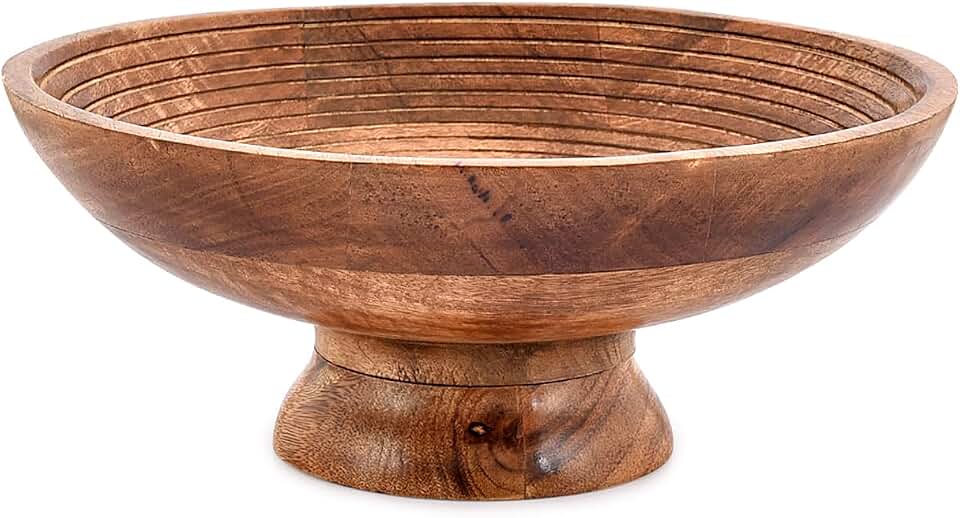
Handcrafted Mango Fruit Bowl
- Round mango wood bowl with a natural finish
- great for fruit, desserts, and snacks
- adds a warm decorative touch to dining areas
- durable design for everyday serving
- roomy size makes it useful for kitchen or table display
Buy on Amazon
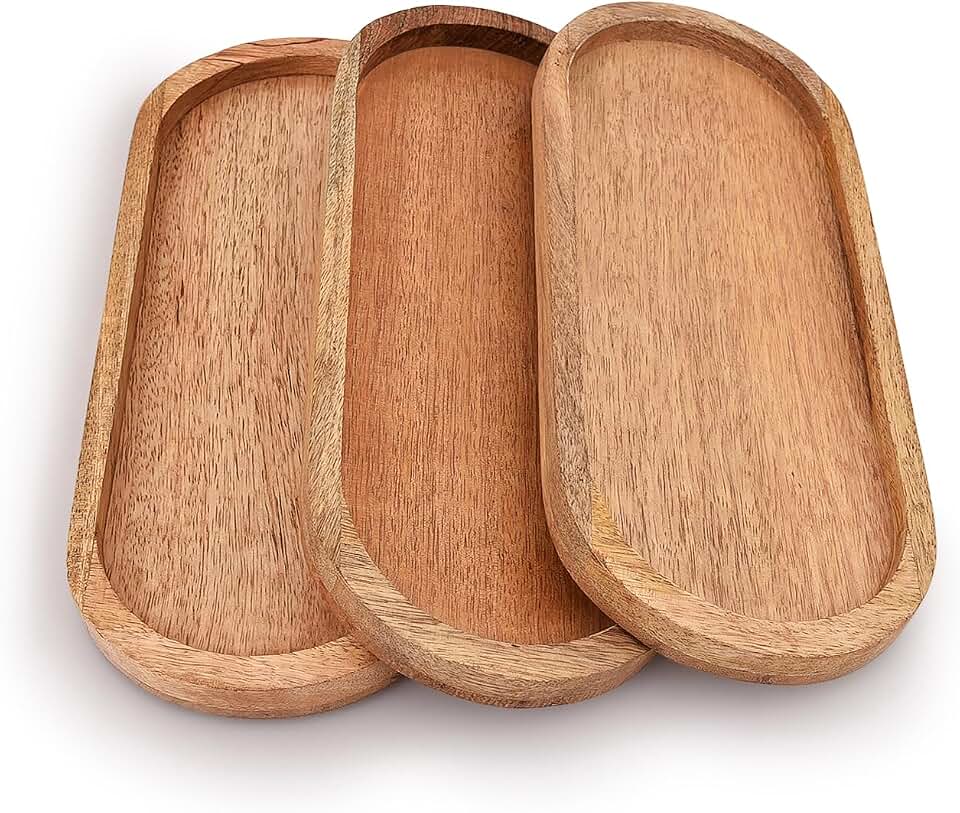
Mango Wood Tray Set
- Set of 3 versatile trays for serving and display
- ideal for cheese, sushi, snacks, and small bites
- slim shape makes storage easy
- mango wood brings natural charm to the table
- useful for holidays, parties, and everyday meals
Buy on Amazon
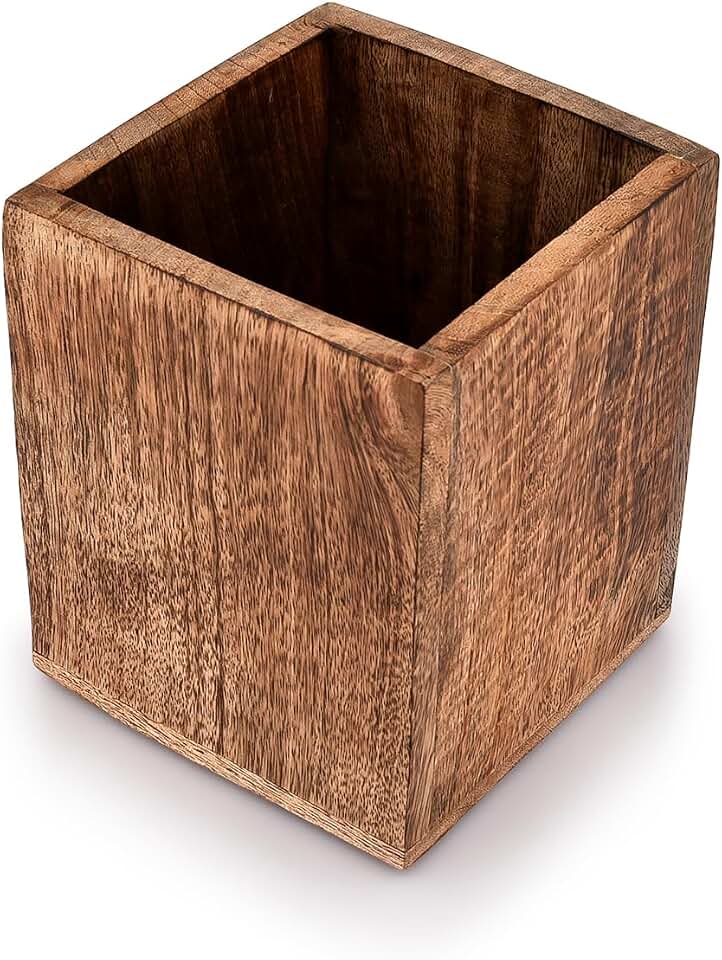
Mango Wood Utensil Holder
- Keeps cooking tools organized and within reach
- mango wood adds a warm natural look
- sturdy countertop design for daily kitchen use
- roomy interior fits spatulas, spoons, and ladles
- a neat solution for clutter-free prep areas
Buy on Amazon
Practical Notes From Real-World Use
Real-world mango wood problems usually start at the edges, joints, and finish rather than the middle of a board. On a dry winter morning, a weakly dried tabletop can make a faint ticking sound as a hairline split opens; the fix is prevention, not panic sanding, because moisture balance and stable placement matter more than filler.
Beginner mistakes include placing a wet planter directly on a mango wood sideboard, using disinfecting wipes on a dining table, sanding through veneer while trying to remove a ring, and oiling a lacquered surface that can’t absorb oil. The safer workaround is to identify the finish first, test cleaners under the piece, protect high-risk zones, and use professional refinishing only when the damage reaches bare wood.
Use this video as a visual companion for care and inspection habits before you buy or refinish mango wood furniture.

Final buying rule: choose mango wood when you want warm grain, solid indoor performance, and fair pricing, not when you need waterproof outdoor furniture. The best pieces feel smooth, stable, sealed, and dry; the risky ones smell sharp, wobble, show fresh cracks, or hide vague wording behind the word “mango.”
FAQs
What Is Mango Wood And Is It Real Wood?
Mango wood is real hardwood that comes from the mango tree. It is often used after the tree stops producing fruit, which makes it a popular and more sustainable choice for furniture and home decor.
Is Mango Wood Good For Furniture?
Yes, mango wood is good for furniture because it is strong, attractive, and relatively affordable. It has a warm grain pattern that works well for tables, cabinets, beds, and shelves.
Can Mango Wood Go Outside?
Mango wood is not ideal for outdoor use unless it is properly sealed and protected. Like most natural woods, it can warp, crack, or discolor when exposed to rain, sun, and humidity for long periods.
Is Mango Wood Waterproof Or Water Resistant?
Mango wood is water resistant, not waterproof. It can handle small spills if they are wiped up quickly, but standing water or repeated moisture can damage the finish and the wood itself.
How Do You Clean And Care For Mango Wood?
Clean mango wood with a soft, slightly damp cloth and dry it right away. Avoid harsh cleaners, soaking, and direct heat, and use a wood-safe polish or oil occasionally to help maintain its finish.
Affiliate Disclosure: Some links in this post are affiliate links. If you make a purchase through these links, we may earn a small commission at no extra cost to you. We only recommend products we genuinely believe in.