
Want a home that feels bright and open? Choosing the right light colored wood can change a space. From light colored wood floors to cabinets and tables, pale woods make rooms feel larger and calm. This guide walks through ten top woods, their color and grain, common light wood stain colors, and simple care tips.
Table of Contents
Looking for the best light colored wood for floors, furniture, or trim? This guide compares top species, highlights pros and cons, and shows how to pick finishes and light wood stain colors that suit your style.
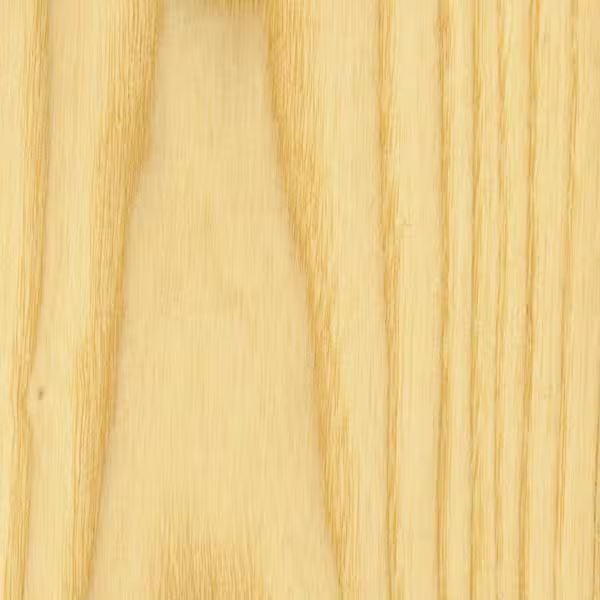
1. Ash: The Strong and Versatile Choice
Strength and Durability
Praised for its high shock resistance, ash delivers a Janka rating around 1,320 lbf (white ash), which suits furniture, stair treads, and some light colored wood floors. It stands up well to daily wear, though it isn’t naturally rot- or bug-resistant; choose proper sealing if moisture is a risk (Duffield Timber pale woods guide).
Applications and Uses
Tool handles, benches, and athletic gear benefit from ash’s tough profile. For a deeper dive into species traits and project ideas, see this overview of ash wood to plan performance-focused builds with a clean, light wood color.
Color and Grain Characteristics
Expect pale beige to light brown tones with a straight, even grain that accepts light wood stain colors beautifully. Clear finishes keep the wood color light, while whitewash or blonde oils push ash toward Scandinavian palettes.
2. Hard Maple: Premium Light Wood for High-Traffic Areas
Exceptional Hardness Rating
Hard maple (sugar maple) sits at about 1,450 lbf on the Janka scale, making it a top pick for busy homes and gyms (Cameroon Timber Export guide). Compare common light species by hardness to match traffic levels and maintenance goals.
| Species | Typical Janka Hardness (lbf) |
|---|---|
| Hard Maple | 1,450 |
| White Oak | 1,360 |
| Ash (White) | 1,320 |
| Birch (Yellow) | 1,260 |
Best Uses for Flooring
High-traffic rooms benefit from maple’s dense, fine texture that resists dents while keeping a light wood color. Use a matte or satin finish to hide scuffs and keep light colored wood floors bright without glare.
Color and Texture Profile
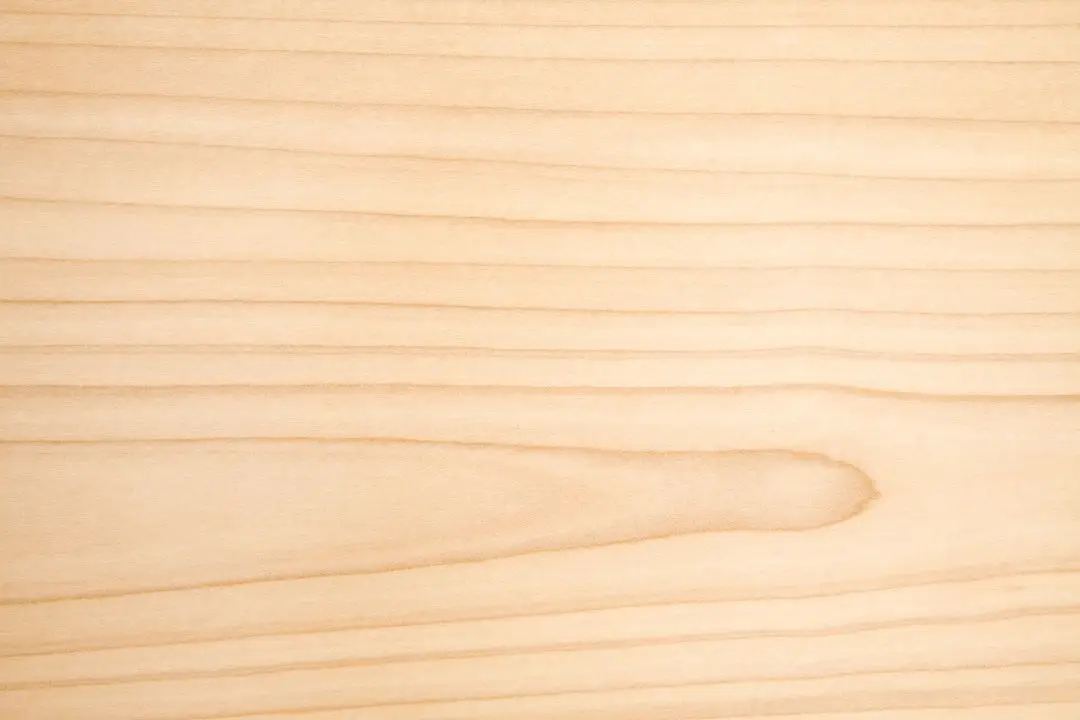
Near-white to creamy off-white tones deliver a clean, neutral base that fits minimalist palettes. Explore species details and finishing options in this quick guide to maple wood for projects that require uniform grain and stability.
3. Eastern White Pine: Affordable Softwood Option
Construction and Millwork Applications
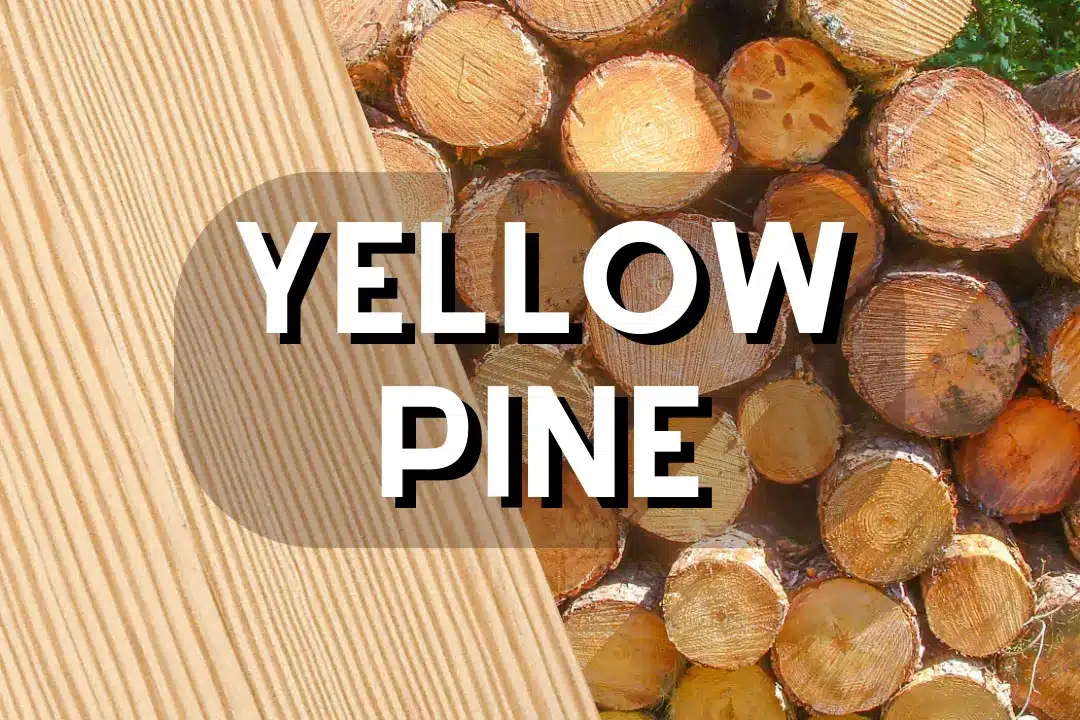
Builders and DIYers pick eastern white pine for paneling, trim, and boxes because it’s light, stable, and easy to cut. The soft body sands fast, and it’s perfect for painted millwork and casual furniture with a bright, wood color light look.
Workability and Availability
Wide boards and long lengths are common, with stock up to about 16 feet readily found in many regions (WKC light-colored wood guide). Pre-drill for screws to avoid splitting, and use knot sealer before paint or light wood stain colors for consistent results.
Natural Color Range
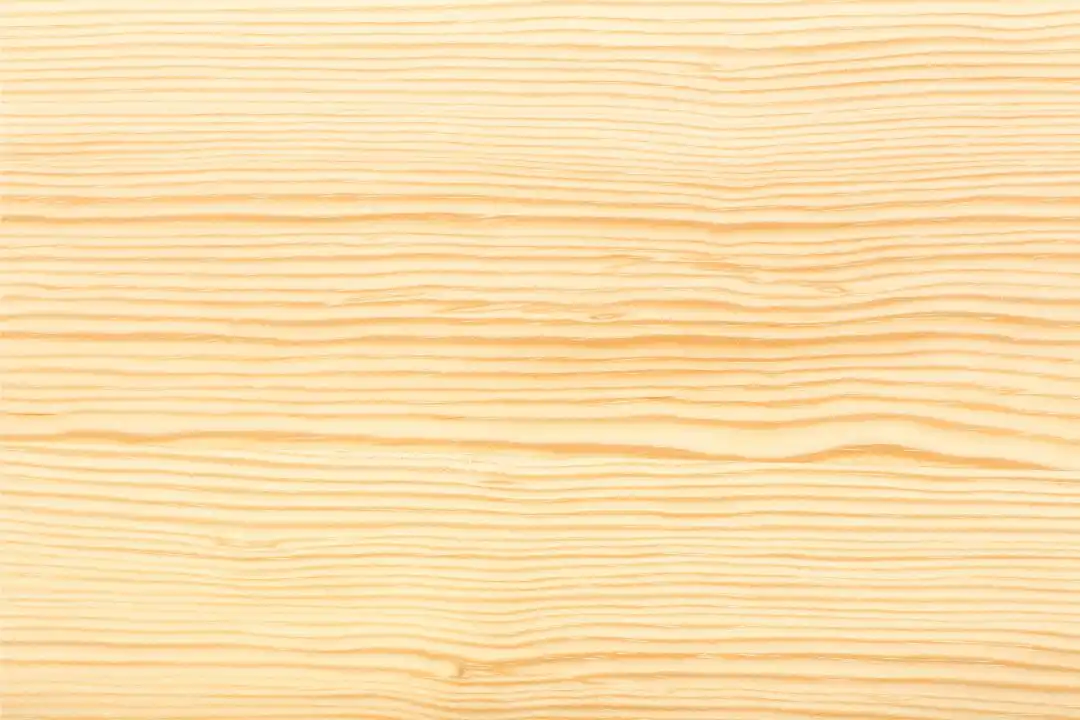
Pine’s sapwood runs from pale yellow to near-white, while heartwood leans light brown for gentle contrast. A clear finish keeps the light colored wood vibe, and a soft whitewash amplifies the airy tone.
4. White Oak: Classic Light Wood with Natural Resistance
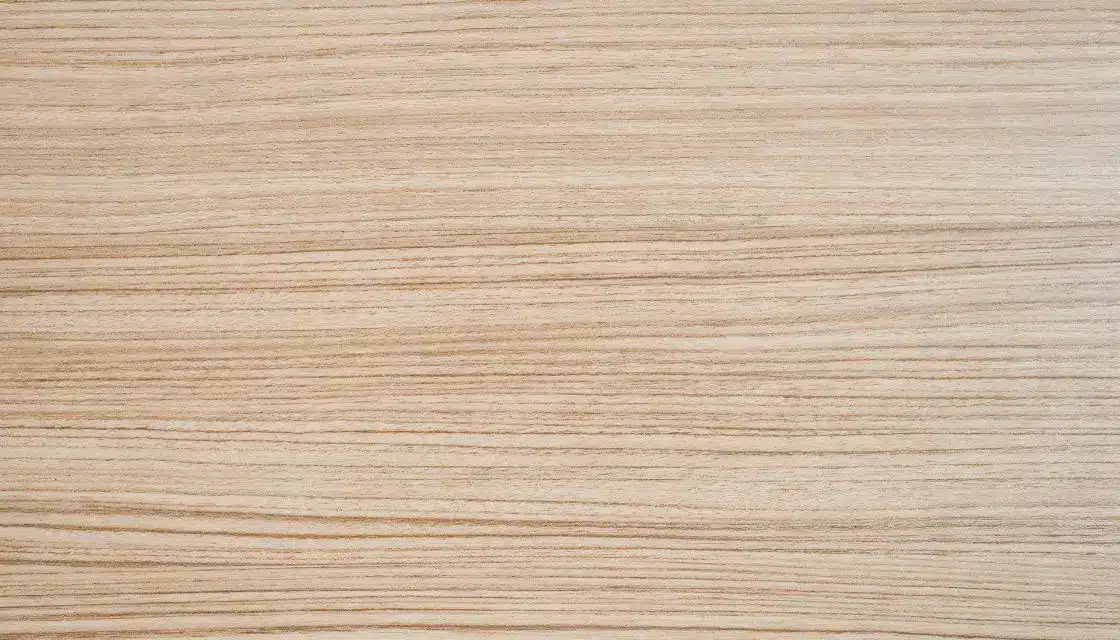
Rot-Resistant Properties
White oak’s closed pores and tyloses help block moisture, giving it strong decay resistance for interiors and select exterior uses (K-Timbers overview). That property keeps light colored wood floors and cabinetry stable in kitchens and entryways.
Furniture and Flooring Applications
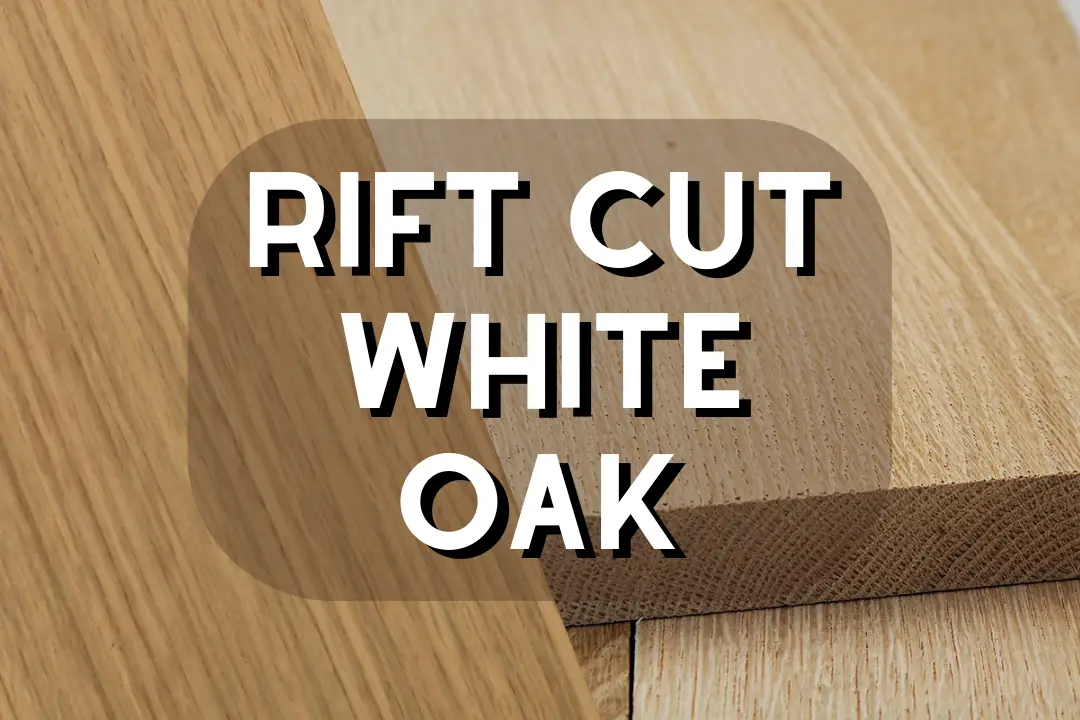
Rift or quarter-sawn white oak yields straight grain for sleek modern lines with a light wood color. Use waterborne finishes to maintain the beige tone and prevent ambering on floors, vanities, and dining tables.
Distinctive Grain Patterns
Prominent medullary rays create “tiger fleck” figure in quartersawn boards for subtle movement. That character pairs well with light wood stain colors like pale oak or raw-look finishes that keep the wood color light.
5. Beech, Birch, and Poplar: Versatile Light Hardwoods
Beech Characteristics
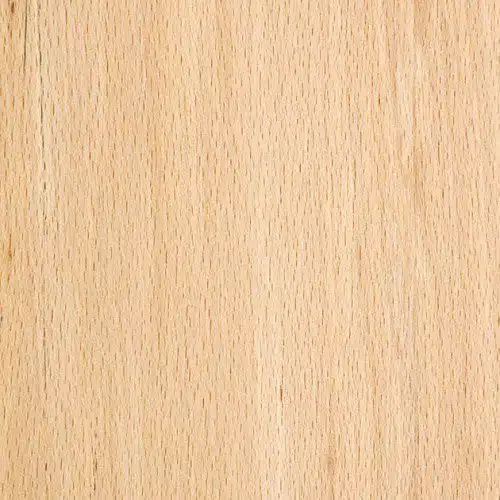
Beech runs pale cream to pinkish-brown with tight, even grain that machines cleanly. For cost-effective cabinetry and turned parts that take light wood stain colors well, review this primer on beech wood before you buy.
Birch for Contemporary Interiors
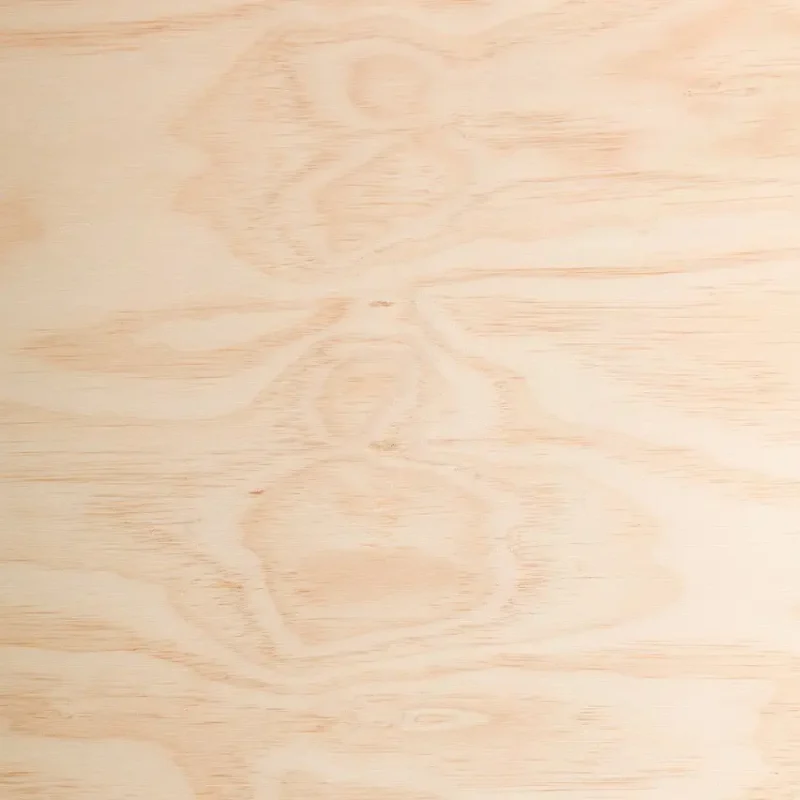
The smooth, fine texture of birch accepts uniform finishes, making it great for modern cabinets and light colored wood floors. Choose clear sealer, natural maple stain, or subtle whitewash to keep a calm, clean look.
Poplar as a Budget Alternative
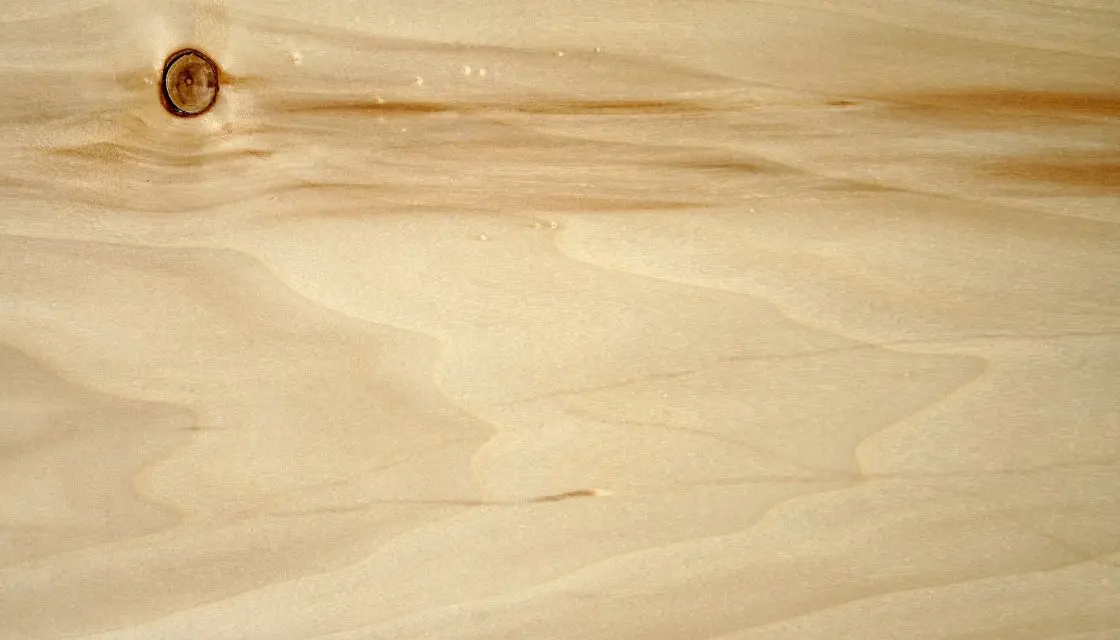
Poplar offers creamy tones with a greenish cast at times, ideal for paint-grade builds and hidden parts. Learn where it shines in this quick guide to poplar wood if you want an affordable light colored wood for trim and casework.
6. Hemlock, Sycamore, and Alder: Specialty Light Woods
Hemlock for Construction
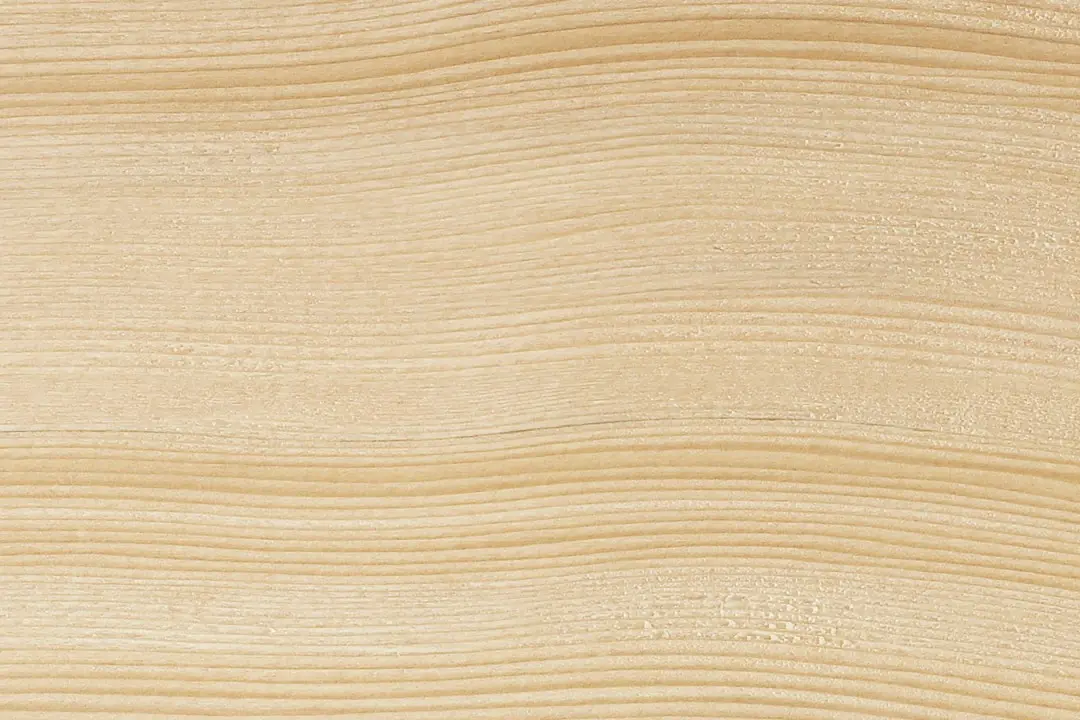
With a pale brown to yellowish cast and straight grain, hemlock is a practical choice for framing, paneling, and shop projects. Stains in light wood color families produce a calm, uniform surface that suits minimalist rooms.
Sycamore’s Decorative Qualities
Sycamore brings creamy tones and fine texture; quartersawn boards can show dramatic fleck patterns that read as refined. More species notes appear in this concise WoodWatch wood types resource if you need figure-forward light colored wood for accents.
Alder’s Staining Versatility
Alder sands fast, takes dye evenly, and can mimic birch or maple with the right toner. Use neutral-toned sealers to keep the wood color light on doors, vanities, and built-ins.
7. Design Applications and Interior Benefits
Light Colored Wood Floors Advantages
Brighter floors bounce daylight, making rooms feel larger and more relaxed with a light colored wood palette. Pale planks also blend with more paint and textile choices, simplifying decor changes over time.
Scandinavian and Modern Design Trends
Neutral woods like white oak, maple, and ash pair with soft whites, grays, and muted pastels for calm interiors. Keep grain visible with low-amber finishes to preserve a wood color light look that reads warm yet clean.
Popular Light Wood Stain Colors
Top picks include natural maple, pale oak, whitewash, and light honey, each keeping the light wood color while highlighting grain. Test on offcuts first since species density and sanding grit can shift stain tone and depth.
8. Care and Maintenance for Light Wood
Cleaning Best Practices
Gentle care preserves the light colored wood look and helps finishes last longer. Try these quick habits that fight grime and protect sheen.
- Dust or vacuum with a soft brush weekly to reduce abrasion on light colored wood floors.
- Use pH-neutral cleaner and a barely damp pad; avoid ammonia or oil soaps that can yellow the finish.
- Wipe spills within minutes and keep entry mats to cut grit that causes micro-scratches.
- Stick felt pads on chair legs and rotate rugs to prevent uneven fading.
- Maintain humidity between 35–55% to limit seasonal gapping and cupping.
Repair and Touch-Up Solutions
Minor scratches and gaps are easy to hide on a wood color light surface using color-matched fillers, wax sticks, and repair markers. Pick a kit with multiple shades to blend defects along grain lines for low-visibility fixes.
Below are proven kits for quick fixes on furniture, trim, and light colored wood floors.
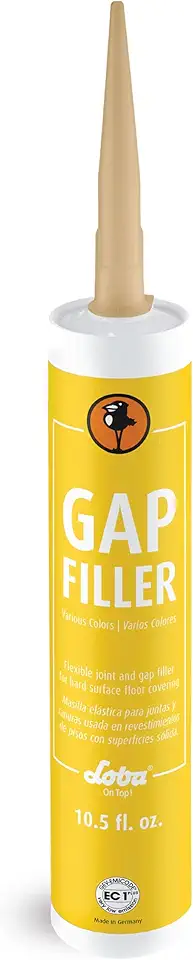
Light Oak Gap Filler (310 ml)
- Smooth, easy-to-apply paste for filling gaps and seams
- Dries to a sandable, paintable finish for seamless repairs
- Color matches light oak for a natural look
- Durable, shrink-resistant formula for long-lasting results
- Ideal for trim, flooring joints, and furniture gaps
 Buy on Amazon
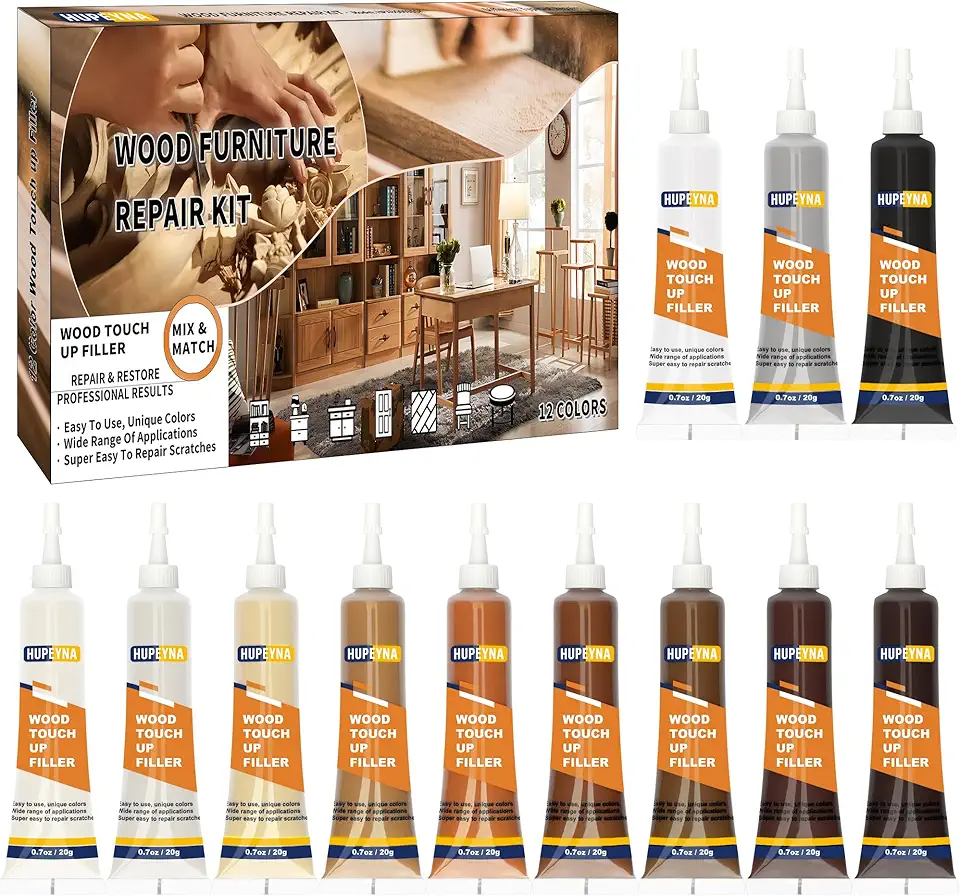
12-Color Wood Repair Kit — Complete Touch-Up
- Twelve blendable shades to match most wood tones
- Repairs scratches, chips, stains and discoloration on furniture and floors
- Includes fillers and tools for both shallow and deep damage
- Quick, easy application for DIY touch-ups
- Long-lasting finish that hides imperfections
Buy on Amazon

Katzco 13-Piece Wood Repair Markers & Wax
- Thirteen shades for precise color matching on various woods
- Fine-tip markers deliver controlled, mess-free touch-ups
- Wax sticks fill deeper gouges and blend with markers
- Includes sharpener for maintaining marker tips
- Fast results that restore appearance of tables, floors, and furniture
Buy on Amazon

Rejuvenate Exact Match Wood Markers — 6-Pack
- Six brown tones designed to match common wood finishes
- Marker tip allows quick correction of scratches and scuffs
- Blendable ink for natural-looking repairs
- Dries quickly and resists smudging
- Great for furniture, cabinets, and hardwood floors
Buy on Amazon
For single-scratch fixes on cabinets or end tables, a compact marker-only option can be handy on-the-spot after routine cleaning. Consider a small add-on for your toolkit .
Emerging Trends and Sustainability
Designers lean into fast-growing species like pine and spruce, plus low-VOC finishes that keep the light wood color natural. Curious about ultra-light options for decor and crafts? Scan this note on paulownia wood to pair low weight with a bright tone for small projects.
FAQs
What Are The Different Types Of Light Colored Wood Used In Furniture?
Maple, birch, ash, beech, pine, alder and poplar are common light-colored woods used for furniture; white oak and quarter-sawn oak can also be quite light. Each species differs in grain, hardness and color stability so choose based on the look and durability you need.
How Can I Finish Light Colored Wood To Maintain Its Natural Look?
Use clear, low-ambering finishes such as water-based polyurethane, hardwax oils or clear tung or Danish oil to preserve the pale tone. Test first, sand smooth, apply thin coats and use UV-resistant finishes to reduce yellowing; choose a matte or satin sheen to keep a natural appearance.
What Are The Advantages Of Using Light Colored Wood For Flooring?
Light floors brighten rooms, make spaces feel larger and create a neutral backdrop that works with many styles. They tend to show dust and scratches less than very dark floors and can help conceal minor surface wear, while reflecting more natural light for an airy feel.
How To Change Wood Color From Dark To Light?
Strip the existing finish and sand to bare wood, then use a wood bleach appropriate for the stain—oxalic acid for tannin stains or a two-part wood bleach to lighten deep color. Rinse and neutralize per product instructions, sand again, and finish with a light stain or clear, non-yellowing sealer. For veneered surfaces or antiques consider professional help.
Which Light Colored Woods Are Best For Outdoor Use?
Choose naturally durable species like teak, white oak, Western red cedar, cypress or larch; engineered options such as acetylated wood (Accoya) are also excellent. Even durable woods need proper finishing and maintenance, so seal and allow for airflow to extend outdoor life.