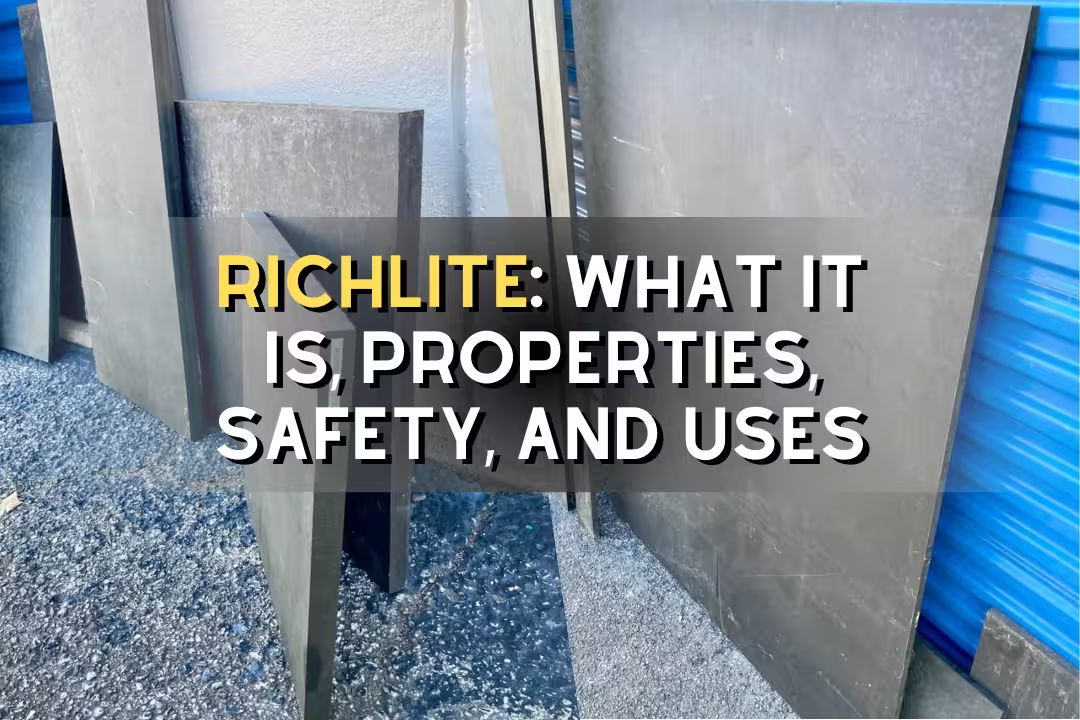

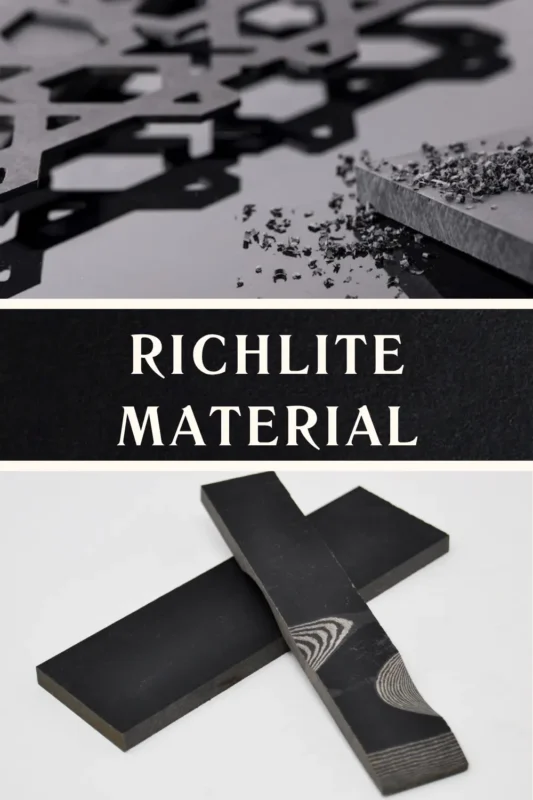
Richlite is a dense paper-and-resin composite sheet made by saturating paper with thermoset resin, then pressing it under heat and pressure into a non-porous, through-colored panel. People use it for cutting boards, countertops, instrument fretboards, and handles because it machines like a hard wood, resists moisture, and stays stable.
Table of Contents
Quick reality: it’s tough and hygienic, but it can chip on sharp inside corners, it dislikes strong alkalis, and sloppy machining can scorch edges and dull tools fast. This guide breaks down what it is, how it behaves, whether it’s food-safe, and how to cut and fasten it without the common beginner mistakes.
What Is Richlite
What is Richlite comes up a lot because it looks like wood at a glance, yet it behaves closer to a dense industrial laminate. In day-to-day use, it feels cool and dry like stone, with a faint “paper” warmth in the look of the surface—especially on matte finishes where the mottling shows.
Richlite paper composite
Richlite paper composite means paper fibers form the reinforcement, and a thermosetting resin forms the binder. That paper-fiber structure is why edges can show a subtle layered look under bright light, while the resin makes the surface non-porous and far less fussy than raw wood for wet or messy jobs.
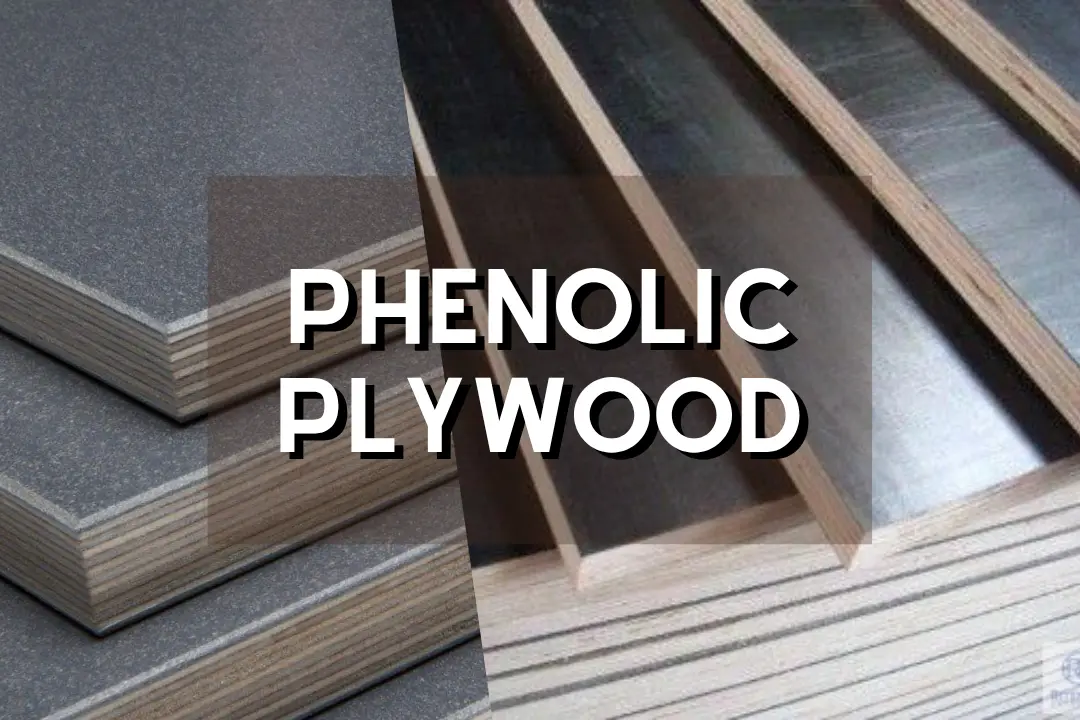
Comparisons help: if you’ve ever worked with phenolic panels, you’ll recognize the “hard, slick, dense” feel and the way it produces fine dust when machined. If you’re coming from wood products like Baltic birch, expect less movement from humidity, but also less forgiveness if you slam a corner into concrete.
How it’s made
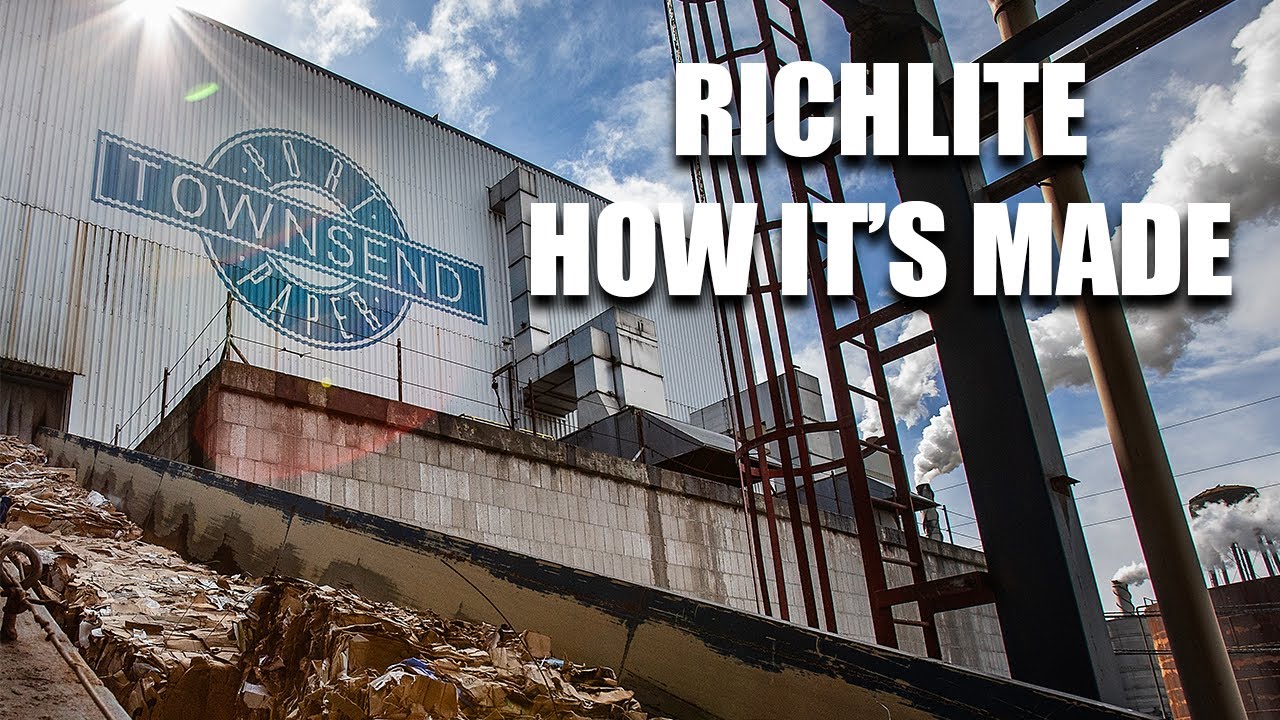
How it’s made is straightforward: paper is impregnated with thermoset resin, stacked, and compressed under heat and pressure into a dense sheet. The material data for density, heat limits, and strength is typically published on manufacturer datasheets like the Richlite datasheet (PDF).
Why it matters: thermoset resin doesn’t melt like a thermoplastic. That’s why you can’t heat-bend Richlite like acrylic, and why friction heat from a dull router bit can leave a permanent dark “toast line” that sanding won’t fully erase.
Appearance and aging
Appearance changes over time. In real kitchens and shops, I see Richlite darken slightly with UV exposure and repeated handling, especially on high-touch zones like board edges and knife-hold areas; the surface develops a soft, low-sheen patina that feels smoother under your palm.
Beginner mistake: judging color off a small sample and expecting it to stay identical next to a sunny window. If you need a consistent look across multiple panels, store all sheets together before install, and plan seam placement where minor darkening won’t read as a mismatch.
Richlite Material Specs
Specs affect fittings, thickness choices, and whether a panel feels “heavy” in the hand. Richlite’s numbers sit closer to dense laminates than wood, and that shows up the first time you pick up a full-size sheet or mount a large cutting surface.
Density and weight
Density is high: published figures list about 75.84 lb/ft³ and specific gravity around 1.213 (so it’s about 21% heavier than water by volume). On a 10 mm panel, mass is often cited around 17.3 kg/m², which is why big countertops feel “serious” compared with many wood-based options.
| Spec (typical published) | What it means in practice |
|---|---|
| Specific gravity ~1.213 | Sinks in water; feels dense and stable in-hand |
| Density ~75.84 lb/ft³ | Heavier than most plywood; plan for support and lifting |
| ~17.3 kg/m² at 10 mm | Large panels add up fast on wall cladding and cabinetry |
Trade-off: that weight helps damp vibration (nice for counters and some instrument parts), but it also punishes weak fasteners and underbuilt carcasses. If you’re estimating loads, compare against your known sheet goods using a reference like this plywood weight guide.
Mechanical strength
Strength is real: datasheets commonly show tensile strength in the 13,100–19,200 psi range (by direction), flexural strength around 17,300–22,000 psi (face), and compressive strengths that can reach 30,000 psi in the Z direction. That’s a big reason you can sometimes use thinner sections than wood for the same “stiff feel,” as long as spans and fasteners are planned well.
Edge case: the material is strong, but thin lips and sharp inside corners still chip if they take an impact. If you’re routing a sink cutout or a handle slot, a small inside radius and a chamfered top edge reduce stress risers that trigger corner fractures.
Thermal and fire
Heat resistance is often cited up to about 350°F for typical use. That’s plenty for warm cookware contact in many settings, but direct flame, red-hot pans, or a broiler tray set down in a hurry can still scorch the resin matrix and leave a permanent brown/gray witness mark.
Fire behavior is better than many wood-based materials; published indexes include a flame spread rating around 25 and smoke index around 40 on common test reporting. Realistically, I still treat it like a combustible interior finish: keep it away from open flame and use proper clearances and heat shields near ranges.
Electrical properties
Electrical insulation is part of its phenolic-laminate DNA. Typical published values include dielectric strength around 150 V/mil and a dielectric constant around 9.24, which explains why it shows up in industrial-style uses beyond kitchens.
Real limit: electrical specs don’t mean it’s your “insulation solution” for code-driven assemblies. Surface contamination, moisture film, and fastener penetrations change outcomes fast, so treat it as a component material, not a certified electrical barrier.
Durability, Resistance, and Care
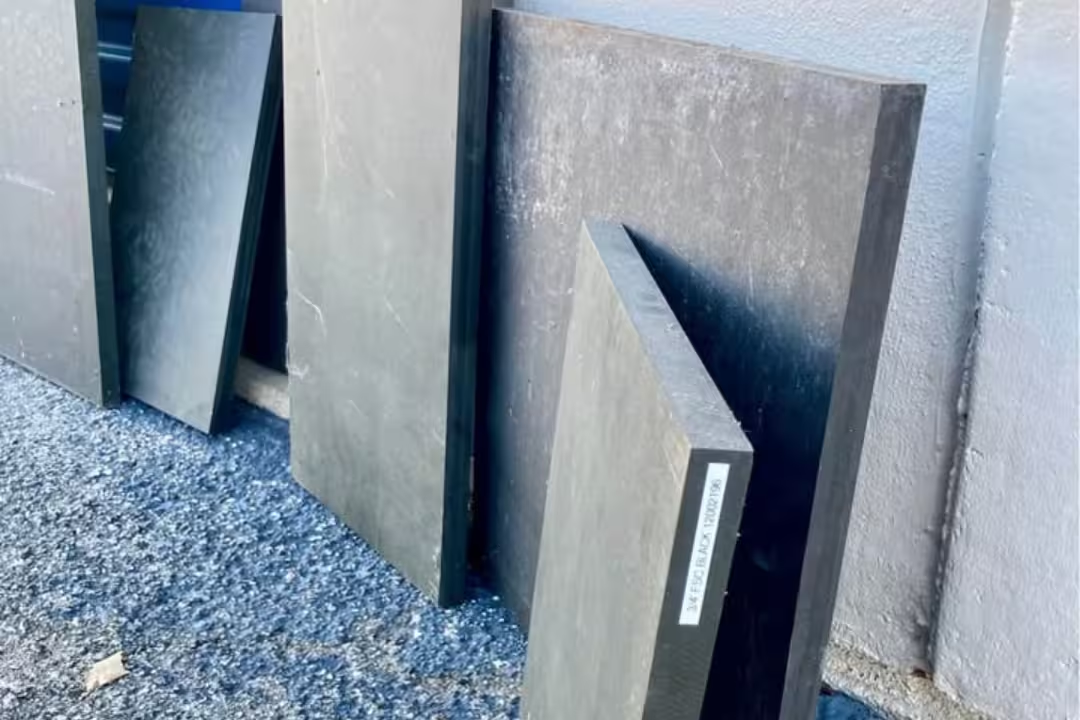
Durability is where Richlite earns its reputation: it doesn’t soak up water like wood, it doesn’t get that fuzzy grain-raise after washing, and it doesn’t carry odors the same way end-grain boards can if people neglect drying. The surface feels slightly “draggy” under a damp cloth, then turns slick once it’s clean and dry.
Stain and chemical resistance
Stain resistance is strong because the surface is non-porous, so beet juice, turmeric, wine, and coffee usually wipe off before they get a foothold. In real prep areas, most “stains” turn out to be surface residue stuck in knife micro-scratches, not absorption; a mild abrasive cleanser or a baking-soda paste fixes that.
Chemical limits matter: datasheet-style chemical charts commonly report weak acids as none-to-slight effect, strong alkalis as decomposition, and many organic solvents as little effect. The practical takeaway is simple—don’t hit it with oven cleaner, heavy lye degreasers, or strong alkaline CIP chemicals used in some commercial back-of-house setups.
Hygiene and antimicrobial
Hygiene is one reason Richlite shows up in food environments: there’s no open grain, so you don’t get that “wet wood” smell after a rushed rinse. Published claims often reference antibacterial testing like JIS Z 2801, and that aligns with what I see—fewer lingering odors and easier reset between tasks.
Common mistake: treating it as “self-sanitizing” and skipping basic food safety. You still need hot soapy water, a proper sanitizer where required, and separation between raw proteins and ready-to-eat foods; if you need a wood-focused hygiene baseline, use this end-grain cutting board guide for workflow ideas and then apply them to composite.
Failure modes
Failure modes are predictable once you’ve seen a few: chipped corners from drops, edge delamination-like “steps” caused by aggressive tooling, heat scorch from friction, and surface haze from harsh scrub pads. The material is tough, but it doesn’t like sharp internal geometry or dull cutters.
- Chip-prone zones: sharp corners, thin overhangs, and tight inside cutouts
- Finish damage: green Scotch-Brite and heavy powders can turn matte into blotchy satin
- Chemical damage: strong alkalis can etch or break down the surface
- Thermal damage: friction heat from routing can “burn in” dark tracks
Workaround: break edges early (small chamfer or 1/16-inch roundover), keep inside corners radiused, and do your final machining with sharp carbide and controlled feed. If a corner has to be crisp for design reasons, I’ll often add a mechanical guard detail (metal trim, proud frame, or sacrificial bumper) so the first impact doesn’t hit the panel itself.
Is Richlite Toxic or Food-Safe?
Is Richlite toxic is a fair question because it’s a resin composite. In normal use as a finished panel (cutting boards, counters, fretboards), it’s typically described as non-toxic and suitable for food contact when it meets the right standard, but you still need to treat the dust as a hazard during fabrication.
Non-toxic profile
Non-toxic use comes down to the cured thermoset structure: once cured, the resin is not meant to behave like a soft, migrating plastic. The bigger real-world exposure isn’t “food on the surface,” it’s breathing dust when cutting—freshly machined dust feels dry and ultra-fine, and it can irritate your throat fast without good collection and a respirator.
Beginner mistake: sanding or routing without extraction because “it’s just paper.” Set up a hood, run a HEPA vac, and wear a properly fitted respirator; shop air filters help, but they don’t replace source capture.
Heavy metals and dioxins
EPD reporting is where you’ll see hard numbers cited for emissions and content-related indicators. Richlite’s Environmental Product Declaration reports figures such as 0% dioxin and very low heavy-metal indicators in its lifecycle inventory, with many impacts dominated by the paper input rather than the resin input; you can review the Richlite-EPD.pdf directly.
Reality check: “0% dioxin” in an EPD context doesn’t mean “do anything with a heat gun and it’s fine.” Burning or overheating resins can make nasty smoke across many materials, so keep cutting boards away from direct burners and don’t use scrap as kindling.
NSF/ANSI 51 compliance
Food-surface claims usually point to NSF/ANSI 51 (materials for food equipment). If you’re buying a Richlite cutting solution for a commercial kitchen, look for products that explicitly claim NSF compliance for the finished item, not just the raw sheet.
Common trap: mixing up “dishwasher safe” with “commercial sanitizers safe.” High-pH degreasers and aggressive quats at strong concentration can haze many surfaces over time; rinse well, follow label dilutions, and test a hidden spot if your kitchen runs heavy chemistry.
Machining and Fabrication Basics
Machining Richlite is very doable with standard shop tools, but your process has to respect heat and brittleness at edges. The best cuts feel almost “buttery” under a sharp carbide bit, while poor setups sound squealy and leave a hot, dusty smell that hangs in the air.
Cutting and routing
Cutting works best with sharp carbide and steady feed. On table saws, a high-tooth-count blade reduces edge chipping; on CNC, compression spirals help keep both faces clean. If you see brown edges, that’s friction heat—speed and feed are mismatched, or the tool is dull.
Pro workaround: take a light “cleanup pass” (0.2–0.5 mm) after your main profile cut. That final pass removes fuzz and micro-chips so edges look factory, and it reduces the temptation to over-sand (over-sanding can round corners and change the sheen patchily).
Screws and joinery
Screw holding is typically strong, but pilot holes still matter. If you drive a screw like you would into softwood, you can wedge-split an edge or create a small star crack that grows later after a few thermal cycles or impacts.
Best practice: drill proper pilots, keep fasteners back from edges, and use washers where clamp load matters. If you’re mating Richlite to wood, give wood room to move—Richlite stays stable while wood swells, and that mismatch can telegraph as warped assemblies or popped fasteners.
Curves and radiusing
Curves need machining, not heat forming, because thermoset composites don’t re-melt. For gentle arcs (like ergonomic handles), I’ll rough on a bandsaw, then template-route in shallow passes to keep heat down, then finish with controlled sanding to match sheen.
Radiusing for a Richlite fretboard or Richlite fingerboard is the same idea: remove material to shape the radius rather than trying to bend it. Go slow near the edges; thin margins are where chipping shows up, and it’s the kind of defect your fingertips will feel every time you slide up the neck.
Sustainability and Environmental Impact
Sustainability is one of the main reasons architects and makers pick Richlite over some plastic-heavy alternatives. It’s typically reported as paper-based (often cited around 63% paper by mass) with FSC sourcing options, which shifts a lot of its footprint to forestry and paper inputs rather than mined fillers.
FSC and recycled content
FSC content matters when a job requires chain-of-custody documentation. If you’re matching materials across a build (casework, panels, and trim), confirm the exact product line and that your supplier can provide the paperwork, because “paper composite” alone doesn’t automatically satisfy project specs.
Practical caution: recycled content and fiber sourcing can vary by product line and batch. If you’re doing a high-visibility install where color matching is picky, request all sheets from the same run and keep offcuts for future patch or repair pieces.
VOCs and production
VOC profile is often cited as 0% VOCs in production for the material’s published environmental reporting, which is a big deal for tight indoor-air targets. You’ll still smell something when machining—more like warm paper and phenolic dust—so ventilation in the shop remains non-negotiable.
Common mistake: assuming “low VOC” means “safe dust.” Dust is its own exposure category; protect lungs and eyes, and keep settled dust from getting into finish areas where it can contaminate topcoats on nearby projects.
EPD lifecycle metrics
Lifecycle data from the EPD includes impact categories like acidification, eutrophication, photochemical ozone creation, and water input; reported totals often show the paper input dominates many categories. That’s useful when you’re comparing to other sheet goods on a spec sheet, because it forces an apples-to-apples look at published product declarations rather than marketing copy.
Trade-off: a durable panel with a higher upfront footprint can still look good over time if it avoids replacement cycles. If your current alternative tends to swell, delaminate, or need refinishing, the “long service life” argument can be the deciding factor on real projects.
Richlite Uses and Examples
Uses range from food prep to instruments to exterior cladding. The common threads are stability, a non-porous surface, and a “warm hard” feel—hard like laminate, but not as glassy as stone.
Richlite cutting board
Richlite cutting board performance is why chefs like it: the knife feel is firm but not brittle, and the board doesn’t drink water. You’ll hear a slightly higher-pitched “tap” than end-grain wood, and you’ll see shallower tracking than softer plastics; clean-up is quick because odors don’t cling the same way they can on porous surfaces.
If you’re shopping, these are common composite-board options people cross-shop for similar reasons (hygiene, stability, easy clean-up):
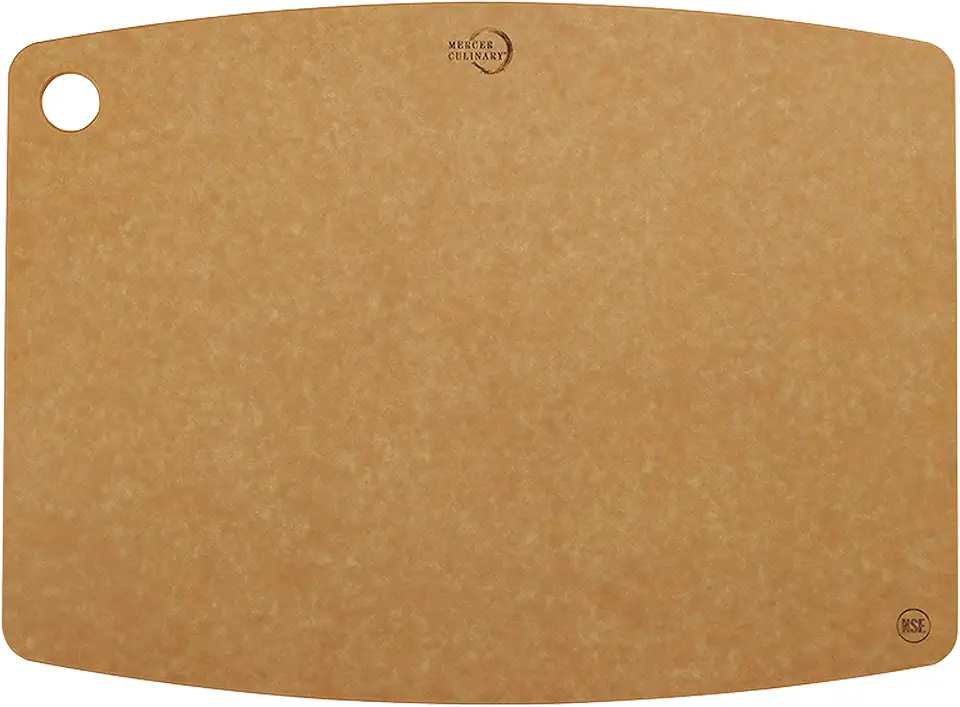
Mercer Composite Prep Board 11 3/4-inch x 9 1/4-inch
- NSF certified professional surface for safe food prep
- durable composite resists warping and staining
- knife friendly surface helps protect blade edges
- compact size ideal for small kitchens and meal prep
- lightweight and easy to sanitize after use
 Buy on Amazon
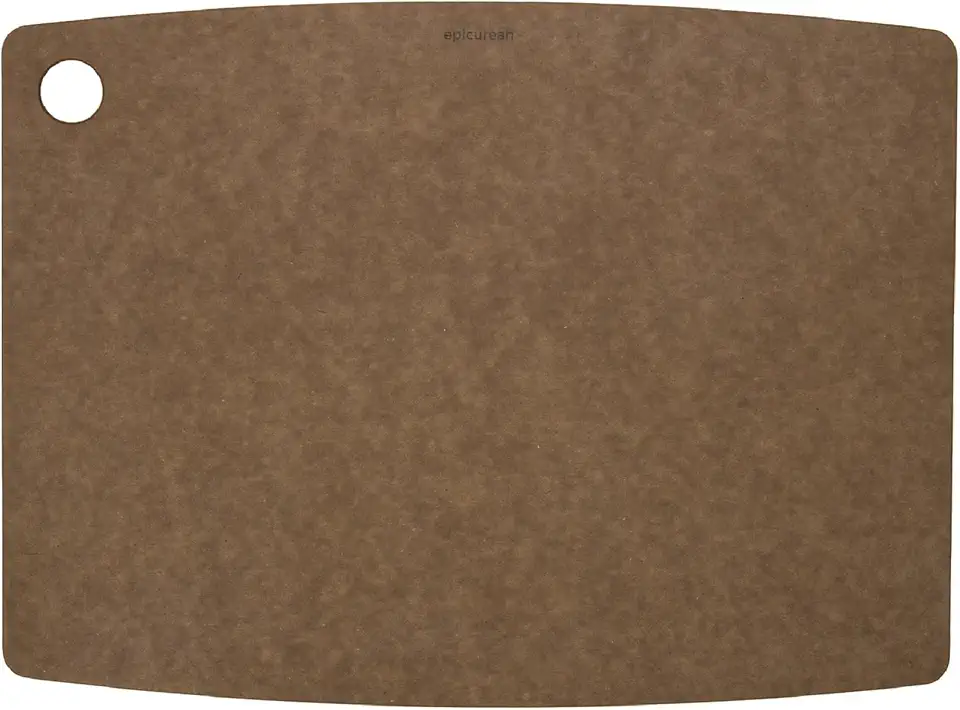
Epicurean Large Nutmeg Cutting Board 17.5-inch x 13-inch
- Large work surface great for chopping and serving
- durable composite material resists knife marks and staining
- heat and dishwasher resistant for easy cleanup
- gentle on knife edges to extend blade life
- attractive nutmeg finish doubles as a serving board
Buy on Amazon

Elihome Essential 3-Pack Cutting Boards
- Three-board set for separate prep tasks and cross contamination control
- reversible design maximizes usable surface
- built-in juice groove catches liquids and reduces mess
- non-porous eco-friendly material resists stains and odors
- dishwasher safe for quick cleanup
Buy on Amazon
Beginner mistake: using a serrated knife aggressively or “sawing” hard crusts—this can leave fuzzy micro-burrs along deep tracks that catch grime. Use cleaner slicing strokes, then scrub with a nylon brush and a mild abrasive when the surface starts to look gray.
Richlite fretboard and Richlite fingerboard
Richlite fretboard use makes sense because the material stays stable through humidity swings where some woods move. Under the fingers, it feels smooth and fast, with a slightly dry grip compared with oily rosewood; that “dry” sensation is great for control, but it can feel unfamiliar if you expect a waxy, open-pore wood texture.
Setup nuance: fret seating and slot cleanliness matter because the material is dense—sloppy slot dust can keep frets from fully seating, then you chase buzz forever. If you’re building an instrument, test your saw kerf, clean slots with compressed air and a thin pick, and don’t over-hammer; press seating reduces chip risk at the slot edges.
Handles and EDC gear
Handles are a natural fit because Richlite grips well even when hands are sweaty or cold. In use, the surface doesn’t feel “sticky” like rubber; it feels more like a dry, fine-matte laminate that locks into skin without hotspots, especially when edges are softened correctly.
Watch for fastener torque and thin sections around pivots. If you crank hardware down like you would on G10 without a pilot and countersink discipline, you can start tiny cracks that show up later as edge chipping around screws.
Countertops, cladding, and furniture
Countertops and furniture panels benefit from the stability and density: doors feel solid, worktops sound “dead” instead of hollow, and splashes wipe clean without sealing routines. For exterior and wet-adjacent uses, Richlite is often specified in cladding systems; for project details and use cases, see the manufacturer overview at Richlite exterior cladding.
Design trap: long unsupported spans and skinny cantilevers still need structure. Richlite can be strong, yet it’s not magic—build proper substrate and brackets, and avoid sharp inside corners at cutouts (cooktops, sinks, finger pulls) where stress concentrates.
Practical Notes From Real-World Use
What didn’t go as expected the first time I built with paper composites was edge finishing. Sanding can “polish” certain colors unevenly, so one area turns glossy while the rest stays matte; under raking light you’ll see it as a shiny patch that looks like a fingerprint smear that won’t wipe off.
Fix that by standardizing your grit sequence and stopping earlier than you would on wood. If you need a consistent matte, use a uniform abrasive pad over the whole face after machining, then clean with a degreaser that’s not strongly alkaline; spot-sanding is what creates mismatched sheen.
Tool wear surprised me too. Richlite can dull edges faster than many hardwoods, and once a bit goes slightly dull it starts making heat, then you get scorch marks and micro-chips. Keeping a “Richlite-only” set of sharp carbide cutters (and rotating them before they’re obviously dull) saves time versus fighting burn marks later.
Dust control is the other lesson people learn the hard way. The dust is fine and floats; you’ll taste it if you skip respiratory protection, and it settles everywhere like talc. Source capture at the tool plus a HEPA vac cleanup works better than blowing it around with compressed air, which just spreads it into benches, drawers, and finishes.
One more kitchen-specific note: strong dish detergents and aggressive scrub pads can turn a nice even surface into a blotchy one. If a Richlite cutting board looks “cloudy,” it’s usually abrasion, not a stain—switch to a softer brush and let chemistry do the work, then rinse and dry fully so the surface returns to its normal look.
FAQs
What Is Richlite Made Of?
Richlite Is Made From Layers Of Resin-Impregnated Paper That Are Compressed Under Heat And Pressure.
This Process Produces A Dense, Stable Material With A Smooth, Satin Surface That Resembles Hardwood. It Is Often Chosen For Durability And Sustainability Because It Uses Paper Fiber Rather Than Solid Wood.
Is Richlite Toxic Or Safe For Food Contact?
Richlite Is Generally Considered Safe For Food Contact When Manufactured And Finished To Food-Grade Standards.
Always Check The Manufacturer’s Certification And Avoid Using Boards With Damaged Or Worn Surfaces. Clean With Warm Soapy Water And Rinse Thoroughly; Avoid Harsh Chemicals To Maintain The Food-Safe Finish.
How Heat Resistant Is Richlite?
Richlite Has Moderate Heat Resistance And Can Tolerate Short Exposures To Hot Cookware, But It Is Not Fully Heatproof.
Avoid Placing Red-Hot Pans Or Open Flames Directly On The Surface, As Prolonged High Heat Can Cause Discoloration Or Surface Damage. Use A Trivet For Very Hot Items.
How Do You Clean And Maintain A Richlite Cutting Board?
Clean A Richlite Cutting Board With Warm Soapy Water, Rinse Well, And Dry Immediately To Prevent Water Damage.
Avoid Soaking Or Dishwashers; For Light Scratches Or Stains, Use A Gentle Scrub With A Non-Abrasive Pad. Apply A Food-Safe Board Cream Or Mineral Oil Occasionally If Desired For A Deeper Sheen, Though Richlite Is Less Porous Than Wood.
Is A Richlite Fretboard As Good As Ebony Or Rosewood?
A Richlite Fretboard Can Be As Functional And Durable As Ebony Or Rosewood, Providing Stability, Smooth Playability, And Resistance To Humidity Changes.
Tonal Differences Are Subtle And Often Come Down To Player Preference; Richlite Offers Consistent Manufacturing And Environmental Benefits. Setup And Fretwork Matter More To Playability Than Material For Most Players.