
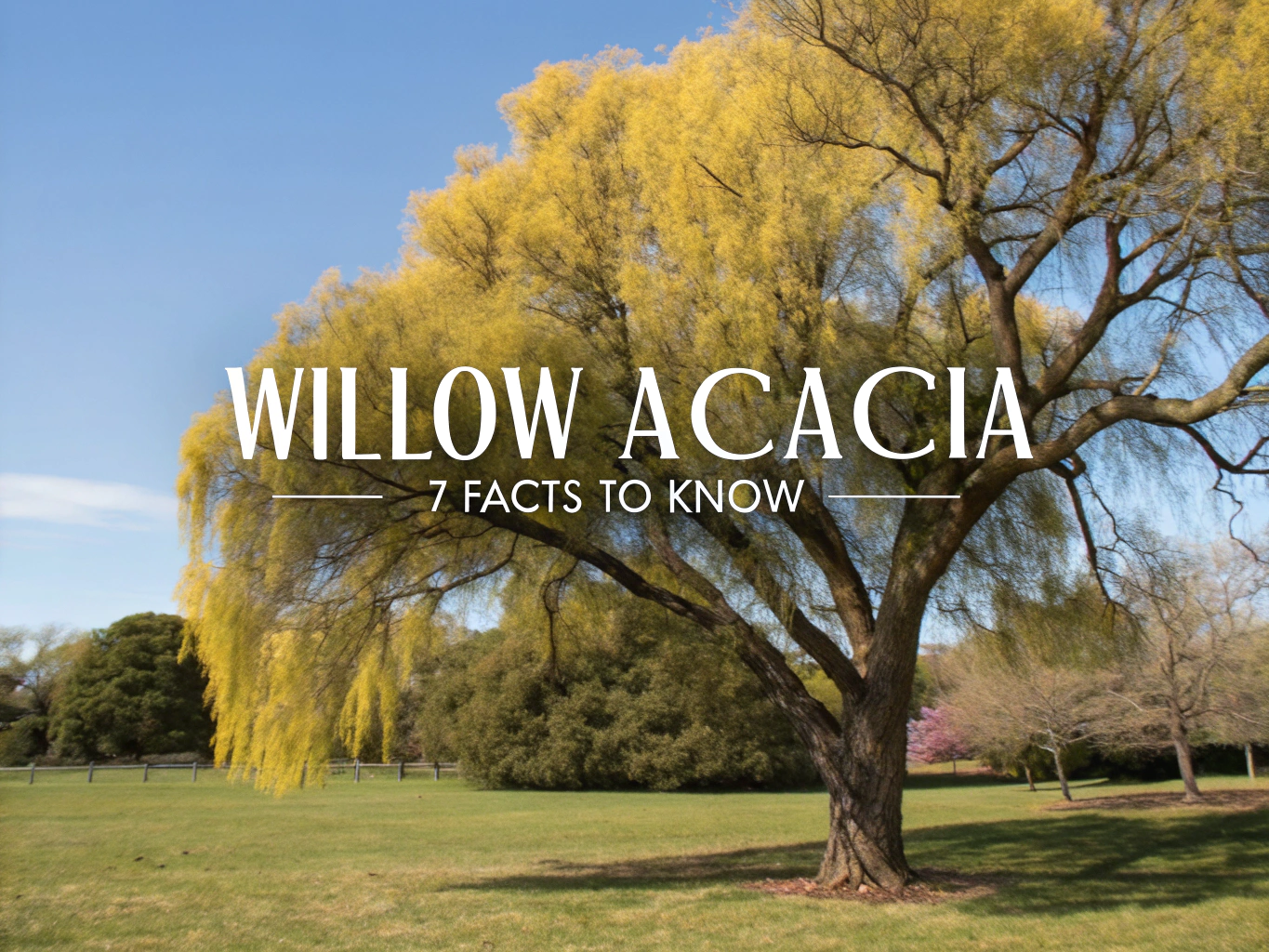

Ever wondered if the willow acacia is the right tree for your yard? This small acacia willow grows fast and handles dry heat. It gives quick shade and works well for screening. Read seven clear facts to help you pick and care for one, especially if you live in Arizona.
Table of Contents
The willow acacia is a fast-growing evergreen tree prized for its narrow form, soft look, and low water use in dry regions. This guide explains growth, care, benefits, and best uses for the acacia willow tree in Arizona and similar climates.
What Is Willow Acacia: Growth and Appearance
Distinctive Tree Characteristics
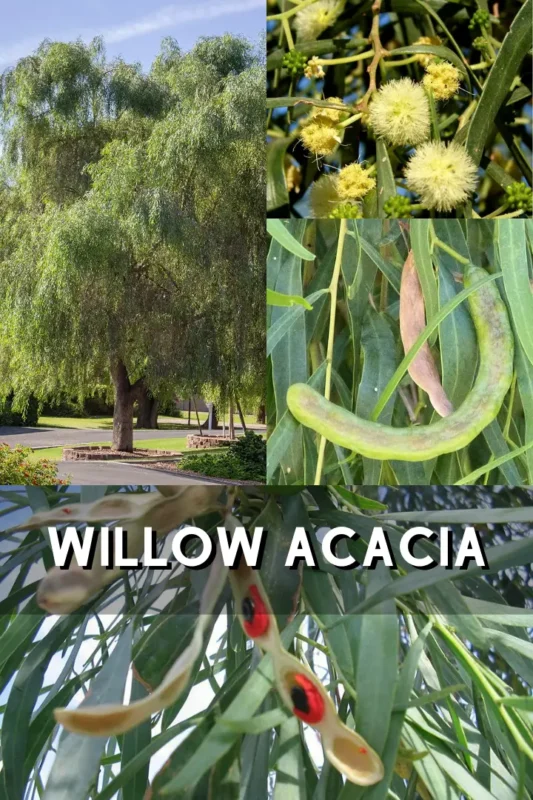
This evergreen features a tall, narrow profile with pendulous branches that give a willow-like look; see the Arizona Arboretum profile for verified traits (University of Arizona Arboretum). Its phyllodes, not true leaves, create fine texture and moderate shade that fits tight spaces and xeriscape designs.
- Evergreen with upright trunk and weeping side branches
- Long, narrow, blue-green phyllodes (leaf-like blades)
- Cream-white to yellow puffball flowers in late winter/spring
- Brown pods over 3 inches; seeds feed birds
- Heat and drought tolerant once established
Size and Form
Mature height ranges from 20–40 feet, with a width of 15–20 feet in most sites. The form stays columnar to narrowly oval, making the acacia willow suitable for driveways and screens.
Branches arch gracefully and may sweep the ground if left unpruned. Train a single leader early to keep a strong top and reduce future storm breakage.
Foliage and Flowers
Phyllodes run narrow and long, colored blue-green to dark green with a subtle silver cast. Fragrant puffball blooms appear mainly in late winter or spring, with light bloom cycles at other times in mild winters, drawing bees and hummingbirds.
Lifespan and Growing Conditions
Growth Rate and Longevity
The willow acacia grows quickly, establishing canopy and shade in a few seasons. With good siting and care, lifespan runs about 15–50 years (Horticulture Unlimited), making it a reliable pick for new desert gardens.
Climate and Hardiness Requirements
This tree fits USDA zones 7–11 and tolerates short dips near 20°F. In low deserts, heat resilience is strong, while in zone 7 sites, winter protection from north winds helps reduce tip damage.
| Factor | Best Range for Willow Acacia |
|---|---|
| USDA Zones | 7–11 |
| Cold Tolerance | To about 20°F (short events) |
| Heat Tolerance | High; suitable for low deserts |
| Exposure | Full sun preferred; part shade tolerated |
Sun and Soil Preferences
Plant in full sun for denser foliage and heavier bloom; part shade yields a looser canopy. Use well-drained soil—sandy, decomposed granite, or amended clay—and set the root flare slightly above grade to prevent trunk rot and improve air exchange.
Water Requirements and Maintenance
Drought Tolerance and Watering
After the first year, water deeply and infrequently to promote a wide, resilient root system. A practical schedule in hot months: every 14–21 days for established trees, letting the top 2–3 inches of soil dry between cycles (Moon Valley Nurseries); increase interval length in cool seasons to cut salt stress and improve drought hardiness.
Pruning and Care Needs
Shape early to set a single leader, remove crossing branches, and raise canopy above paths. Make small, clean cuts in late winter after bloom, and thin heavy tips to reduce wind load and future breakage risk.
- Select a strong central leader and remove competitors.
- Clip dead, rubbing, or inward shoots back to a junction.
- Reduce long, pendulous tips by 10–20% of length.
- Disinfect tools between trees to limit disease spread.
For visual guidance, watch this practical pruning walkthrough and adapt the timing to your local bloom cycle for best results.

Managing Root Suckers
Cut suckers cleanly at their origin below soil level; don’t shear at the surface, or they return thicker. Improve watering depth and spacing, reduce soil compaction, and avoid trenching over roots to lower sucker pressure from site stress.
Wildlife and Ecological Benefits
Pollinator Support
Fragrant puffballs draw bees, butterflies, and hummingbirds for nectar in late winter and spring. Plant in small groups 12–15 feet apart to make a richer resource corridor for urban pollinators.
Seed Production for Wildlife
Pods over 3 inches ripen to brown and drop seeds that ground-feeding birds and small mammals use. Leave a portion of spent pods on site away from walkways to feed wildlife while keeping paths cleaner.
Nitrogen Fixation
Like many acacias, roots host bacteria that fix nitrogen, slightly improving nearby soil over time. Pair with compatible shrubs that enjoy lean soils to keep growth balanced and reduce fertilizer needs.
Plant selection that feeds pollinators and builds soil function pays back in fewer inputs and stronger resilience.
Urban forestry best practice
Safety Considerations and Potential Issues
Plant Toxicity
Leaves are slightly poisonous, and bark carries high tannins; do not ingest and keep pets from chewing branches (Garden Oracle). Some people get mild skin or eye irritation, so wear gloves and eye protection during pruning.
Invasive Tendencies
This tree can sucker from roots under stress, forming clonal patches if ignored. Use root barriers near irrigated turf edges and remove suckers early to keep the acacia willow within the intended planting zone.
Structural Weaknesses
Wood can be somewhat brittle, so heavy, long branches may fail in strong winds. Reduce end weight with light tip-thinning and maintain a central leader to lower failure risk.
Landscape Uses in Arizona and Desert Climates
Xeriscaping Applications
The willow acacia fits tight courtyards, medians, and parking lots where water budgets are strict. Nurseries highlight its narrow form and quick canopy as a prime xeriscape pick (Boething Treeland) for low-water designs.
Shade and Screening Solutions
Use 8–12 foot spacing for a fast privacy screen; stagger rows for deeper coverage. For driveways and narrow side yards, keep lower branches pruned up to 6–8 feet for clear passage and cooler microclimates.
Decorative Acacia Wood Products
Acacia wood boards blend durability with striking grain, great for gifts and daily kitchen duty; see this guide to acacia wood and tips for acacia woodworking for care and food-safe finishes. Below are two well-rated options that highlight design and long service.
Browse these featured picks to compare style, size, and finish, then choose based on your prep and serving needs for a stylish kitchen upgrade.
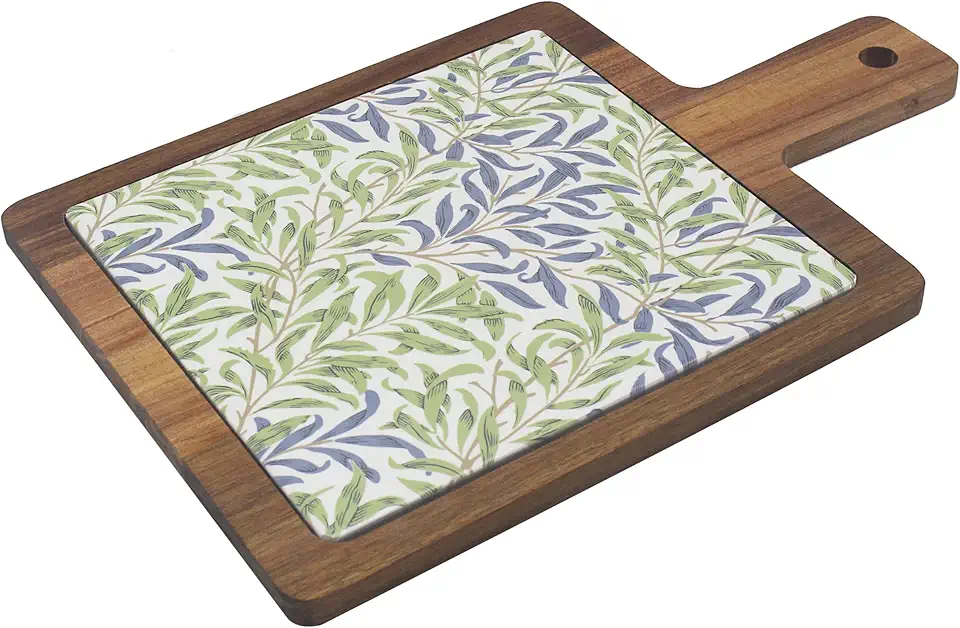
Willow Bough Acacia Serving & Cutting Board
- Elegant William Morris-inspired willow bough design
- Durable acacia wood ideal for chopping and serving
- Versatile for food prep, charcuterie, and display
- Smooth finish protects knives and enhances presentation
- Makes a stylish and practical kitchen gift
 Buy on Amazon

Live-Edge Willow Acacia Charcuterie Board
- Striking fractal grain with a natural live edge
- Made from sturdy acacia wood for durability
- Generous surface for cheeses, meats, and appetizers
- Natural finish highlights wood pattern and color
- Ideal centerpiece for entertaining and gifting
Buy on Amazon
Note that buying products made from acacia wood does not impact the health of your willow acacia tree; these items come from managed sources and serve as durable, food-safe home goods.
FAQs
What Are The Benefits Of Planting Willow Acacia Trees?
Willow Acacia Trees Provide Fast Shade, Windbreaks, And Attractive Foliage; They Can Improve Soil Structure, Help With Erosion Control, And Often Require Little Maintenance Once Established, Making Them Useful For Screening And Low‑effort Landscaping.
How Fast Does A Willow Acacia Grow?
Willow Acacia Is A Fast‑Growing Tree That Often Adds Several Feet Of Growth Each Year Under Good Conditions, Reaching A Mature Size Within A Few Years; Actual Growth Depends On Soil, Water, And Climate.
Are Willow Acacia Trees Drought Tolerant?
Yes—Willow Acacia Trees Are Generally Drought Tolerant Once Established. They Prefer Well‑Draining Soil And Benefit From Regular Watering While Young, But They Can Withstand Dry Periods Better Than Many Other Ornamental Trees.
What Care Does A Willow Acacia Tree Require?
Care Is Relatively Simple: Plant In Full Sun With Well‑Draining Soil, Water Regularly During Establishment, Prune To Maintain Shape Or Remove Dead Wood, And Avoid Overwatering; Fertilizer Is Rarely Necessary Unless Soil Is Very Poor.
Can A Willow Acacia Tree Survive In Different Climates?
Willow Acacia Performs Best In Warm Temperate To Subtropical Climates And Tolerates Coastal Conditions And Mild Frosts; It May Struggle In Areas With Prolonged Freezing Temperatures, So Check Local Hardiness And Microclimate Before Planting.