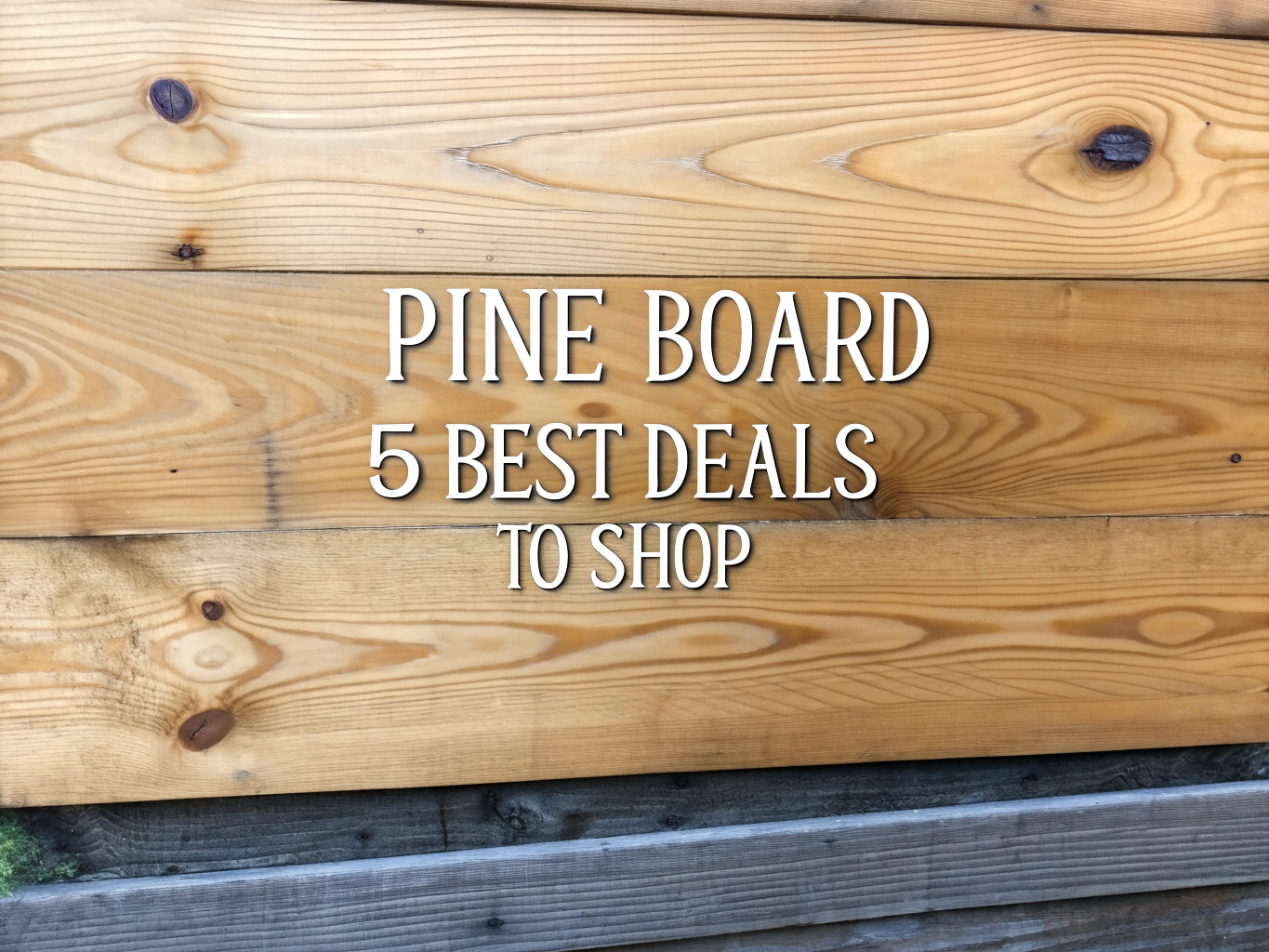

Looking for affordable wood that works great for crafts, shelves, and signs? Pine boards are light, easy to cut, and take paint or stain well. This guide shows five top deals and simple tips to pick the right white pine lumber for your project.
Table of Contents
Shopping a pine board in 2025 can save money and speed up projects. This guide shows the best deals, key buying tips, and smart ways to use pine boards at home or in the shop.
What Makes Pine Boards Worth Shopping in 2025
Pine stays popular for its low cost, easy cutting, and fast finishing. Recent snapshots put softwood pine near $2.00/bd‑ft for common thicknesses, keeping it one of the best buys in lumber (softwood and hardwood prices 2025).
Different species fit different jobs. Southern yellow pine brings strength for framing and utility shelves, while white pine lumber offers a smooth, light grain that suits trim and furniture; see a quick primer on yellow pine to compare uses.
Pre-surfaced stock speeds builds and reduces sanding time. If you want clean faces right off the rack, consider S4S lumber to simplify prep and layout (S4S guide).
Top 5 Best Pine Board Deals
Use these quick picks to grab a pine board that fits your project and budget.
Edge-Glued Pine Board
Choose edge-glued panels for flat tops, shelves, and signs that resist cupping and splitting; they save glue-up time and finish cleanly right out of the box.

Edge-Glued Pine Board 12 x 16 x 3/4 in
- Durable, heavy-duty edge-glued construction for stability
- Smooth, project-ready surface that sands and finishes well
- Ready for staining, painting, or sealing
- Ideal size for home decor, small furniture, and crafts
- Versatile for DIY projects and small business use
 Buy on Amazon
Mini Unfinished Pine Panels
These tiny panels help with craft kits, model builds, and classroom sets; cut, sand, and paint with minimal waste.

Mini Unfinished Pine Panels 3.5 x 1.6 x 0.2 in (10-Pack)
- Smooth unfinished surface perfect for painting and decoupage
- Thin, lightweight panels ideal for models and dollhouses
- Consistent dimensions for uniform builds
- Easy to cut, sand, and glue for custom projects
- Great value pack for classrooms and craft kits
Buy on Amazon
Knotty Pine Board
Knotty stock gives a warm, rustic look for signs and accents; whitewash or stain to highlight grain and tight knots.

Knotty Pine Board 1/4 in x 5-6 in x 24 in
- Attractive knotty grain for a rustic, natural look
- Kiln-dried lumber for improved stability and reduced movement
- Smooth surface that accepts stain, paint, or whitewash well
- Ready-to-cut size perfect for signs, shelves, and accents
- Lightweight and easy to work with hand tools
Buy on Amazon
Southern Yellow Pine Boards
Pick SYP for sturdy builds like utility shelves, trim, and light framing; pre-cut sticks speed up repairs and small jobs.

Southern Yellow Pine Boards 1 x 3 x 36 in (2-Pack)
- Strong, durable pine suitable for trim, framing, and shelving
- Straight-grained boards that cut and fasten easily
- Takes stain and paint for a finished look
- Economical option for larger projects and repairs
- Good balance of strength and workability
Buy on Amazon
Make Market Pine Signboard
This pre-cut sign blank offers a smooth face for crisp letters and logos; hang in minutes for gifts and décor.

Make Market Pine Innkeeper Signboard
- Pre-cut pine signboard ready for painting or staining
- Smooth face for crisp lettering and designs
- Classic pine grain for a rustic look
- Lightweight and easy to hang or mount
- Ideal for custom signs, gifts, and home decor
Buy on Amazon
What to Consider When Buying Pine Boards
Market moves can nudge pine board prices, with framing lumber showing a year-over-year rise in 2025; plan purchases with that in mind (framing lumber price surge). The tips below help you pick better stock and avoid waste.
Lumber Grade and Quality
Decide between clear pine for smooth surfaces and knotty pine for rustic charm; check faces, edges, and end grain. Sight down each board, reject twists or big edge dings, and pick grain that matches your finish plan.
Moisture Content
Look for kiln-dried boards near 6–10% MC for indoor builds; they move less after install. Bring a moisture meter, and read more about drying in this quick guide to kiln-dried wood.
Acclimate pine for 48–72 hours in the project space before cutting to reduce warp and gaps.
Shop tip
Wood Type and Sourcing
Match species to use: white pine for trim and furniture, SYP for structure and utility. Check local mills for better prices and learn nominal vs actual sizes with this primer on lumber dimensions.
Dimensional Stability
Edge-glued panels and straight, quarter-sawn faces stay flatter over time. If you need clean, ready-to-finish edges, consider pre-surfaced S4S stock to speed assembly.
Pine Board Applications and Project Ideas
Pick projects that match your tools and space, then choose a pine board format that limits waste. Here are practical ideas by category.
Crafts and Miniatures
Use small panels for signs, ornaments, and model parts; batch-cut blanks for fast painting days. Thin stock glues well and sands smooth for decals or vinyl.
- Laser-ready blanks for name tags and ornaments
- Dollhouse walls and floors from thin panels
- Stencil-ready sign boards for pop-up markets
Furniture and Home Décor
Edge-glued panels make strong shelves, tabletops, and bench seats; add a bevel or roundover for a finished look. Pocket-hole joinery and glue blocks create sturdy frames with basic tools.
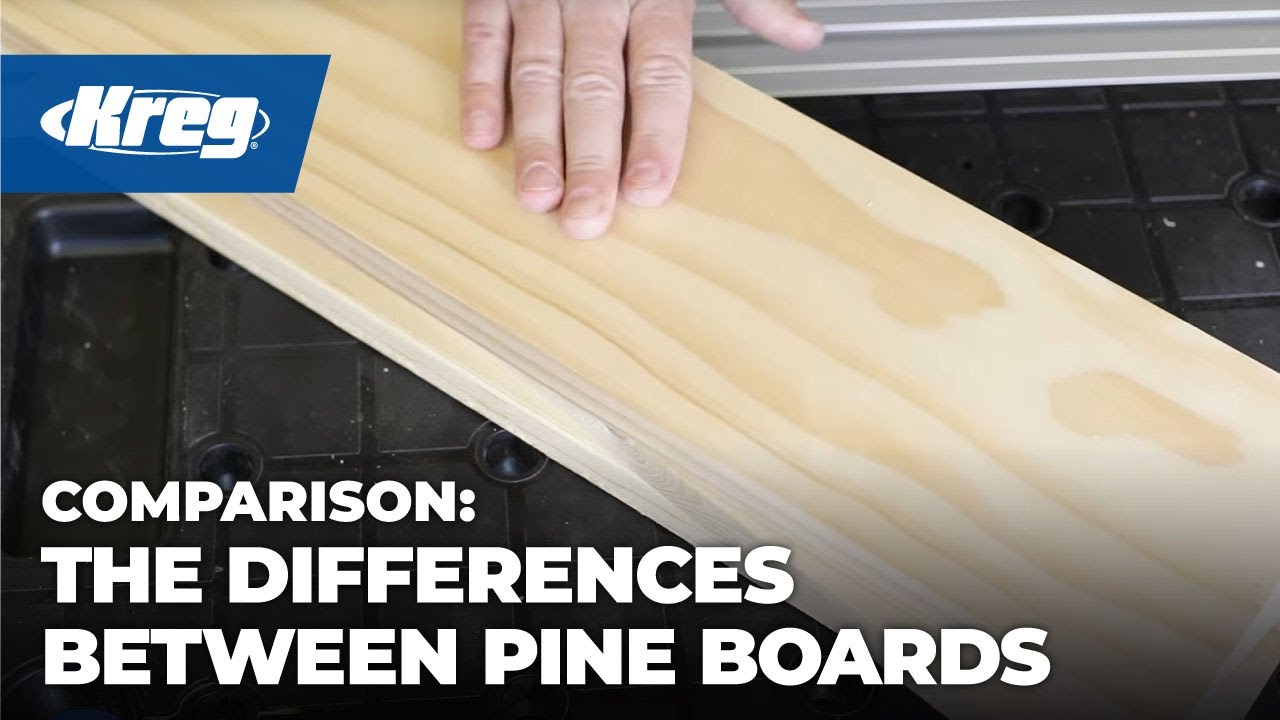
Watch this helpful video on basic board prep and finishing for pine; it pairs well with simple shelf and table builds. The steps apply to many DIY projects.
Signage and Rustic Finishes
Knotty pine gives farmhouse character; dry-brush white or gray, then sand edges for a worn look. Pre-made sign blanks save time for custom lettering and gifts.
Construction and Repair
SYP boards suit utility work like cleats, brackets, and shelf frames; predrill ends to reduce splits. For heavy loads, add a center support and upsize screws for shear strength; see general tips in construction wood basics.
Understanding White Pine Lumber
Characteristics and Benefits
White pine machines easily and leaves a clean surface with sharp tools; it takes paint and stain evenly. The wood moves less across seasons, so casing, doors, and mouldings stay tight with modest finishing.
Best Uses and Applications
Pick white pine for trim work, cabinet parts, drawer sides, and built-ins where a lighter tone helps. For outdoor use, switch to treated stock or SYP, and seal edges well for longer service life.
Current Market Trends and Pricing
2025 Price Overview
Softwood pine hovers near $2.00/bd‑ft at retail for common thicknesses, while the broader lumber index sat around $548.50/MBF in late August 2025 with a sharp monthly dip and double-digit year-over-year gain (lumber price). Buyers can time purchases during dips and stock up for Q4 builds.
| Metric | Figure (2025) |
|---|---|
| Softwood pine retail (common thicknesses) | ~$2.00 per board foot |
| Lumber index (late Aug.) | ~$548.50 per 1,000 board feet |
| Recent monthly change | ~20% lower month-over-month |
| Year-over-year move | ~11% higher |
Market Fluctuations
Short-term swings come from housing starts, mill output, and freight shifts, so keep a small buffer of common sizes on hand. High-demand weeks can lift prices briefly; buying during midweek restocks often lands fresher boards.
Regional Variations
Regions with strong SYP supply may show better pricing on structural grades, while clear white pine can cost more where supply is thin. Call two yards within driving range and compare mill sources and defects policy before you buy.
Tips for Finding the Best Pine Board Deals
Where to Shop
Compare local yards, regional chains, and online sellers; ask about mill runs and fresh lifts. Some shops offer cull carts and offcuts that work great for crafts and jigs.
Quality vs Cost Considerations
Measure cost by usable yield, not just the tag price; a straighter board wastes less. Avoid big knots near edges if you need long strips or face frames.
Bulk Purchase Benefits
Ask for bundle or contractor pricing on 20–50 board feet and more; mix sizes if allowed. Keep common lengths on hand and rip to width to fit changing plans.
Seasonal Timing
Watch late-winter and late-summer promos for deals before peak building waves. If you need sheet goods too, compare panel options in this quick guide to ply board types and consolidate deliveries.
FAQs
What Are The Common Uses Of Pine Board In Construction?
Pine board is widely used for interior framing, trim, mouldings, wall and ceiling paneling, subflooring, and lightweight furniture. Treated pine is commonly used for decking, fencing, and exterior posts. Its affordability, availability, and ease of working make it a popular choice for both structural and decorative applications.
How Does Pine Board Compare To Other Types Of Wood For Furniture Making?
Compared to hardwoods like oak or maple, pine is softer and less durable but more affordable and easier to work with. It takes nails, screws, and joinery well and accepts paint and stain readily. Because it dents and scratches more easily, pine is ideal for rustic or painted furniture or pieces that won’t receive heavy daily wear unless reinforced and properly finished.
Can Pine Board Be Stained Or Painted Easily For Diy Projects?
Yes. Pine accepts paint and stain well, but its soft grain can cause blotchy staining. For the best results, sand thoroughly, use a pre-stain wood conditioner before staining, and apply a quality primer before painting. Finish with a clear topcoat (polyurethane or varnish) to protect the surface.
What Are The Benefits Of Using Pine Board For Wall Paneling?
Pine paneling offers a warm, natural look at a relatively low cost. It’s lightweight and easy to install, especially in tongue-and-groove profiles, and can be painted or stained to suit many styles. Pine also helps conceal wall imperfections and adds character with its knots and grain, though those features should be considered in the overall design.
How Do I Properly Maintain And Care For Pine Board Surfaces?
Regular maintenance includes dusting and wiping spills promptly, keeping surfaces dry, and avoiding harsh cleaners. Protect pine with an appropriate finish—paint, oil, or clear topcoat—and reapply or touch up finishes as needed. For exterior or treated pine, periodically re-seal or re-stain and avoid prolonged ground contact to prevent rot.