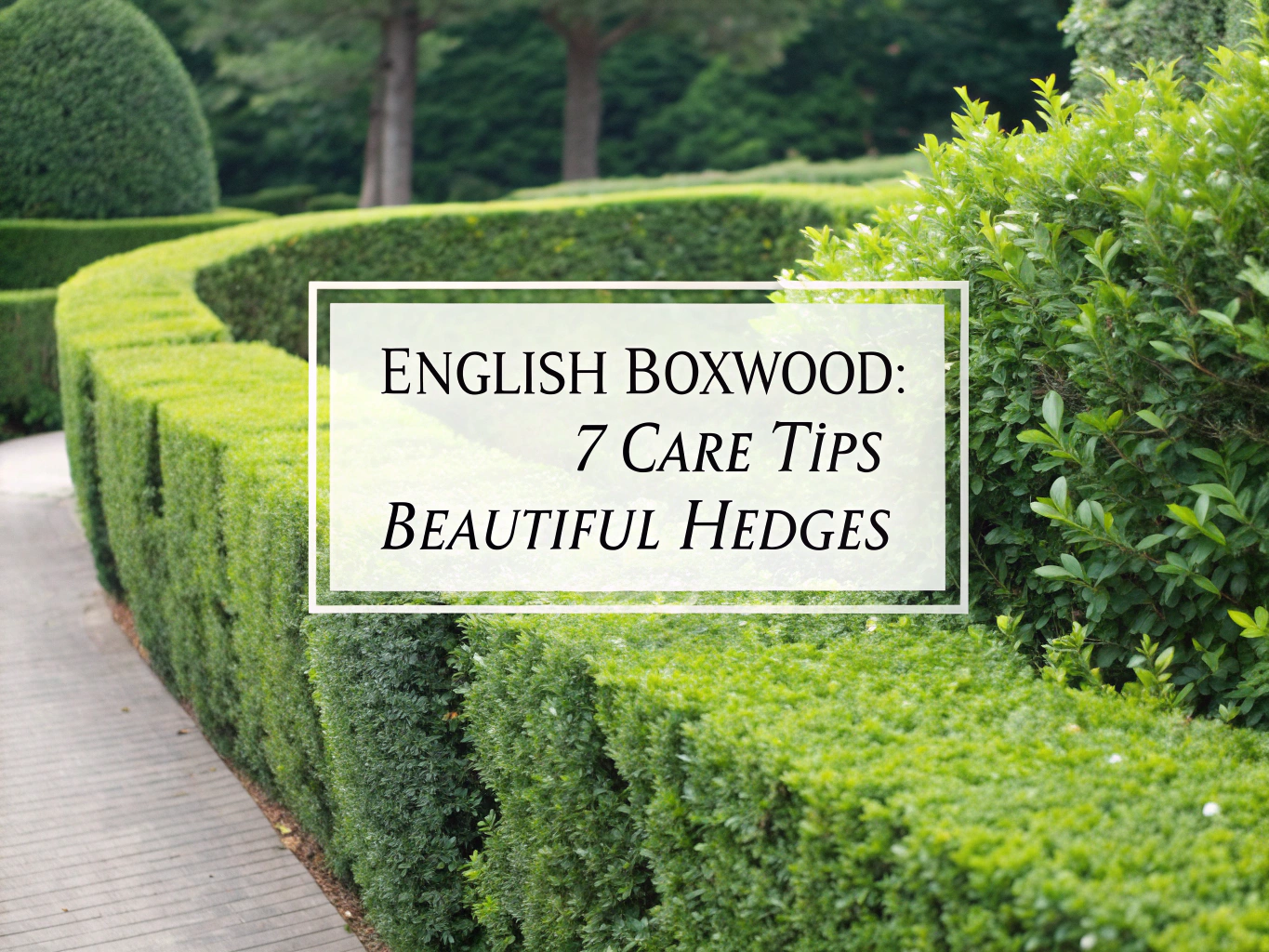

Want a neat, long-lived hedge with less fuss? English boxwood (Buxus sempervirens) is a classic choice for tidy borders and shaped hedges. This short guide gives seven clear tips to help your plants stay full and healthy. Read on to learn easy care steps for planting, watering, pruning, and pest protection.
Table of Contents
English boxwood (Buxus sempervirens) brings year-round structure, lush texture, and easy shaping to borders, paths, and containers. Grow a compact boxwood hedge or tidy topiary with simple care, smart spacing, and light pruning.
What is English Boxwood: Understanding Buxus Sempervirens
Key Characteristics
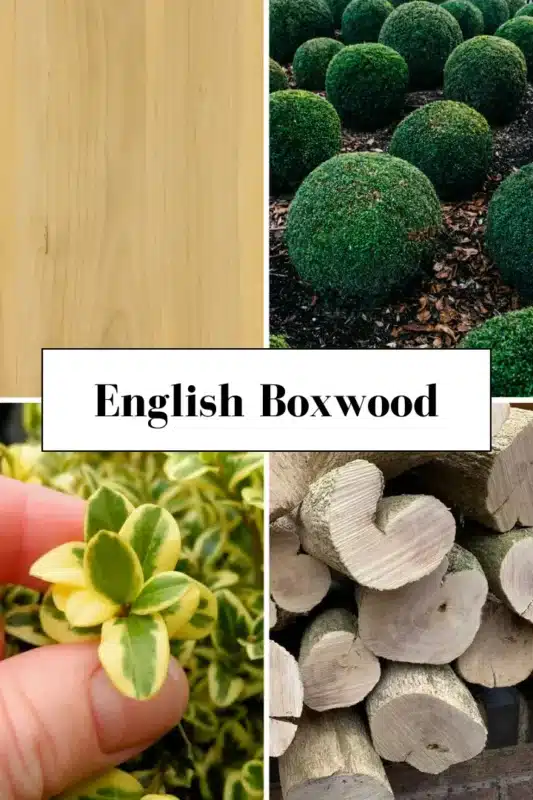
Buxus sempervirens features small, glossy evergreen leaves, tight branching, and a naturally rounded habit that responds well to clipping. Gardeners value boxwood english for formal knots, low borders, and neat foundation lines that stay green through winter.
Growth Habits and Zones
Growth rate runs slow to moderate, with mature size ranging from tiny dwarfs to tall screens based on the cultivar. Many types thrive in USDA zones 5–9, with select picks handling zone 4 in protected sites; for sizes and range, see All About Boxwood.
| Trait | Typical Range |
|---|---|
| USDA Zones | 5–9 (some to 4) |
| Mature Height | 2–20 ft (variety-dependent) |
| Mature Width | 2–8 ft (variety-dependent) |
| Growth Rate | Slow to moderate |
| Form | Rounded, dense, evergreen |
Popular Cultivars and Forms
Traditional types suit medium hedges and clipped balls, while dwarf english boxwood options handle tight edges and patio pots. Look for compact forms like ‘True Dwarf’, quick-fill choices like ‘Sprinter’, cold-hardy ‘Wintergreen’, and spreading groundcover types such as ‘Tide Hill’ to match your space and style.
Choosing the Perfect Location for English Boxwood
Light Requirements
Sun exposure of 4–6 hours daily supports dense foliage and strong branching. In hot regions, give afternoon shade to reduce leaf scorch; see seasonal guidance in seasonal boxwood shrub care.
Wind Protection Considerations
Winter winds can bronze leaves and dry branches, especially on exposed corners. Plant near fences, hedges, or buildings that soften gusts without blocking all light, and keep airflow open to limit disease pressure.
Climate Adaptability
Boxwood buxus sempervirens adapts to many climates within its hardiness range, yet heat and cold extremes call for small tweaks. Offer shade in high heat, mulch roots in colder zones, and pick cultivars known to handle your local conditions.
Soil and Drainage Requirements
Well-Draining Soil Essentials
Drainage makes or breaks boxwood roots, so avoid soggy, low-lying spots that stay wet. For heavy clay, raise beds or blend in pine bark and coarse material; for guidance on soil, drainage, and care, see How to Care for Boxwood.
pH and Soil Type Flexibility
Boxwood tolerates acidic to alkaline soils, which gives you broad choices for beds and containers. Keep soil loose and aerated so fine roots can spread; compacted zones slow growth and raise disease risk.
Mulching Best Practices
Pine bark mulch works well because it breathes and sheds excess moisture, unlike dense hardwood chips that can trap moisture. Pull mulch a few inches back from stems to reduce collar rot, and refresh a 1–2 inch layer yearly to keep roots cool and evenly moist.
Watering Schedule and Techniques
Newly Planted Care
New plants need deep watering twice weekly for 2–3 months to build strong roots. Water at the base in the morning, and keep the root ball consistently damp but never waterlogged.
Established Plant Maintenance
After establishment, plan for about 1 inch of water weekly, adjusting for rainfall and soil type; see practical tips in Creating Borders with Boxwoods. Long dry spells call for a slow soak that reaches 6–8 inches deep, which supports resilient foliage and root health.
Seasonal Watering Adjustments
Summer heat raises demand, while cool weather slows uptake. Keep watering until the ground freezes in late fall so roots go into winter well hydrated and less prone to burn.
Pruning and Shaping Your Boxwood Hedge
Optimal Timing
Best window runs from late spring to early summer, after the first flush and before peak heat; timing like this limits stress and keeps color rich, as shared in How to Maintain Boxwoods. Skip heavy pruning in late fall so tender shoots don’t face frost right away.
Pruning Techniques
Formal hedges do well with shears held slightly wider at the base so light reaches lower growth. For natural shapes, thin by hand, remove crossing twigs, and cut just above a leaf node to keep plants compact without heavy shearing.
Clip after the spring flush, then touch up lightly mid-summer to keep edges crisp without stressing the plant.
Boxwood care tip
Maintaining Dense Growth
Sunlight on all sides prevents thin spots, so rotate container plants and keep hedges slightly tapered. Clean up clippings and old leaves under shrubs to boost airflow and cut fungal pressure.
Planting and Spacing Guidelines
Boxwood Hedge Spacing
For hedges, plant 2–3 feet apart on center, depending on variety vigor and mature width. Stagger double rows for wider screens, and keep foliage off walls or fences by a few inches for healthy airflow.
Dwarf English Boxwood Placement
Dwarf english boxwood makes crisp edging at 12–18 inch spacing, or slightly tighter for a solid ribbon. Compact forms shine along paths, as low knot outlines, and in small beds where neat structure matters.
Container Gardening Tips
Large pots with wide drainage holes suit boxwood roots; use a chunky mix with pine bark and perlite. Wooden planters hold up well if built from rot-resistant species; see this guide to durable wood types for smart material picks.
Here are reliable live plant options that fit hedges, borders, and small-space designs.

True Dwarf English Boxwood Starter
- Compact dwarf habit ideal for small hedges and edging
- Dense evergreen foliage keeps a neat look year-round
- Great for shaping and topiary projects
- Cold-hardy and disease resistant for reliable performance
- Easy to plant and low-maintenance for beginners
 Buy on Amazon

Proven Winners Sprinter Boxwood 2 Gal
- Fast-growing, well-branched habit for quick landscape impact
- Glossy, dark green leaves that maintain color through seasons
- Improved disease resistance for healthier plants
- Works well in hedging, foundation plantings, or containers
- Low-maintenance and easy to prune to shape
Buy on Amazon
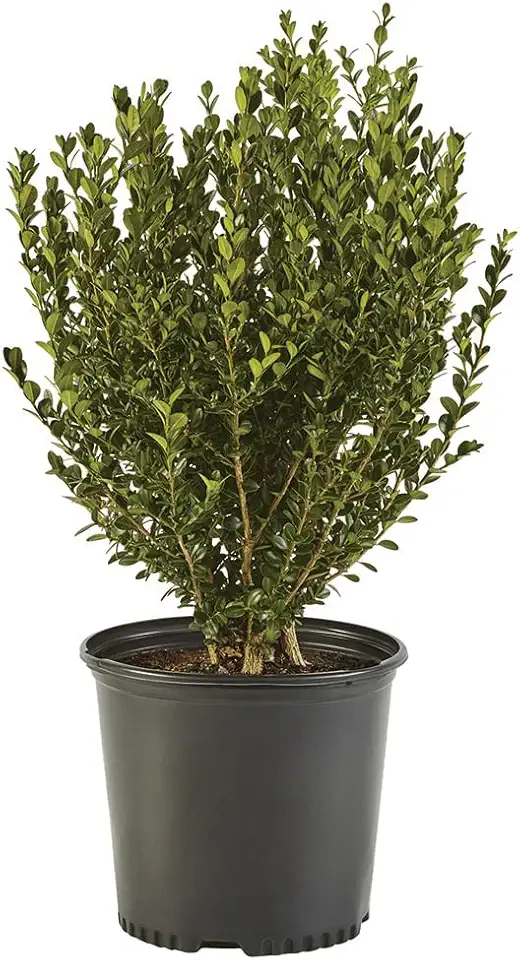
Wintergreen Boxwood Shrub (Compact)
- Bright, glossy green foliage that stays attractive year-round
- Compact growth habit suits borders and small gardens
- Tolerant of pruning for formal shapes and topiary
- Good cold hardiness for reliable winter interest
- Simple care needs make it great for busy gardeners
Buy on Amazon
Common Problems and Solutions
Boxwood Blight Prevention
Blight spreads by water splash and infected debris, so space plants well, prune for airflow, and keep leaves dry. Sanitize tools between plants and bag clippings so spores don’t spread around the garden.
Pest Management
Leafminer and mites can cause bronzing, blistered leaves, or thinning growth. Inspect new flushes in spring, introduce beneficial insects, and use horticultural oil on the undersides of leaves if pressure builds.
- Water at soil level to keep foliage dry.
- Rake and remove old leaves under hedges.
- Thin inner branches to light and air.
- Choose disease-aware cultivars for trouble spots.
- Quarantine new plants before adding to a hedge.
Winter Protection Strategies
Cold winds dry foliage, so wrap young shrubs with burlap screens and water well before freezes. Add 2–3 inches of mulch after soil cools to buffer roots, but keep the crown clear of piled mulch.
English Boxwood Varieties and Alternatives
Traditional and Dwarf Varieties
Classic picks like ‘Sprinter’ fill fast for hedges, while true dwarfs carve clean edges with minimal height. Spreading forms such as ‘Tide Hill’ create low, textural swaths where a broad groundcover fits the plan.
Maintenance-Free Options
Artificial boxwood gives instant structure on porches and balconies without watering or clipping. Use UV-resistant pieces outdoors for year-round color with no upkeep.
Explore these landscape-ready options for live and faux greenery suited to hedges, containers, and accents.

Buxus 'Tide Hill' Spreading Boxwood #2
- Low, spreading habit makes it ideal for groundcover and borders
- Evergreen foliage provides year-round texture and color
- Great for mass plantings and erosion control on slopes
- Tolerant of light pruning to maintain neat edges
- Durable and adaptable in a variety of garden settings
Buy on Amazon
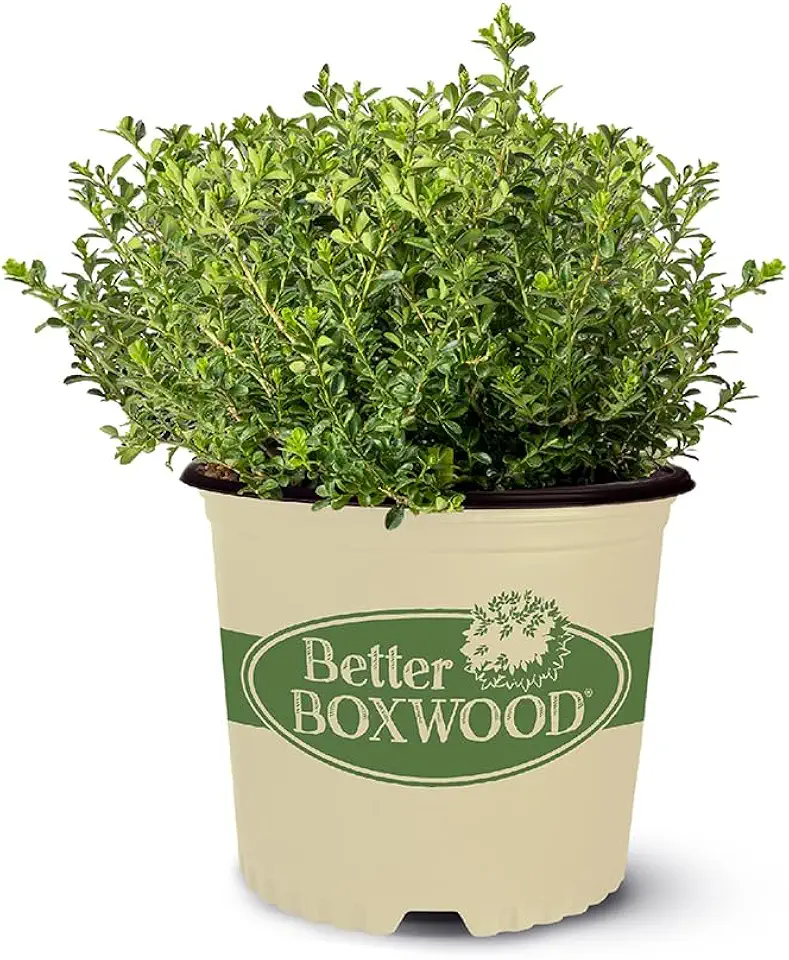
Better Boxwood Renaissance 1 Gal
- Dense, attractive growth that fills in quickly
- Versatile for hedges, specimen plantings, or containers
- Tolerant of pruning and shaping for formal designs
- Resilient performance in varied garden conditions
- Low-maintenance once established
Buy on Amazon
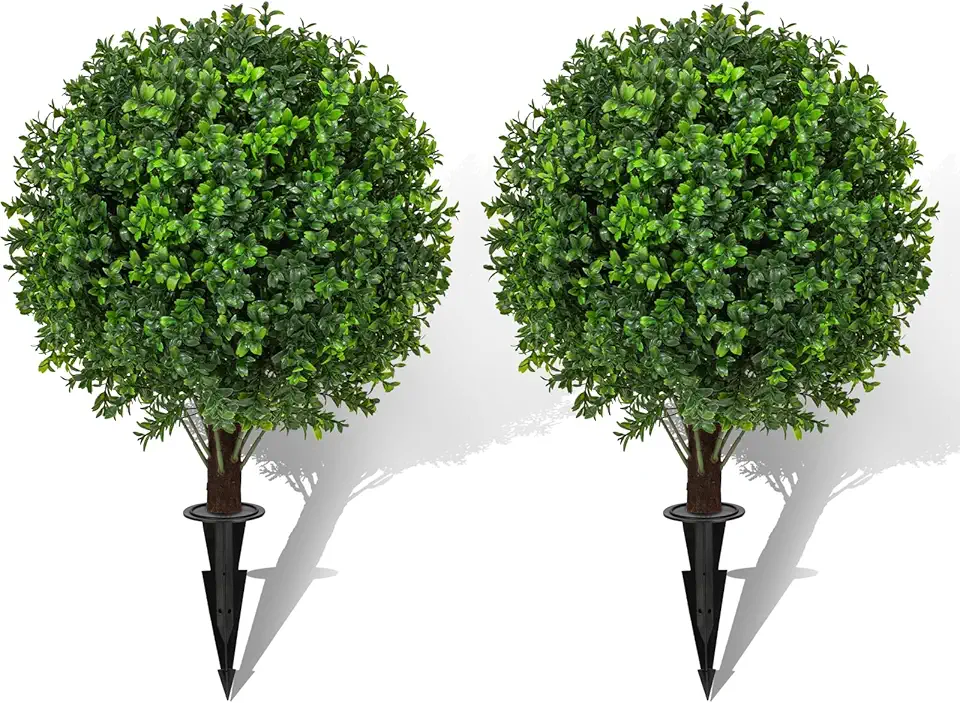
22-inch Artificial Boxwood Topiary Balls Set of 2
- Realistic, full foliage that mimics live boxwood without upkeep
- UV-resistant material prevents fading in sun-exposed areas
- Includes ground spikes for secure outdoor installation
- Perfect for porch, patio, or indoor accent use
- No watering or pruning required for year-round greenery
Buy on Amazon
For materials inspiration on outdoor planters and accents, browse our blog and projects that pair greenery with durable woods.
FAQs
What Is The Difference Between American And English Boxwood?
American boxwood and English boxwood differ mainly in leaf size, growth habit and typical use: English boxwood varieties tend to have smaller, denser foliage and a finer texture, making them popular for low hedges and formal topiary, while American types are often more vigorous with larger leaves and a coarser habit. Cultivar traits and growing conditions vary, so individual plants may perform differently.
How Do You Care For English Boxwood?
Plant English boxwood in well-drained soil with full sun to partial shade, water regularly until established, and apply a 2–3 inch layer of mulch to conserve moisture and protect roots. Prune lightly after new growth to maintain shape, feed with a balanced fertilizer in spring, avoid heavy late-season pruning, and monitor for pests and diseases like boxwood leafminer or blight. Good air circulation and consistent moisture are key.
Can English Boxwoods Survive In Cold Climates?
Many English boxwood varieties are cold-hardy and will survive in temperate climates (commonly USDA zones 5–8), but they can suffer winter burn from cold winds and desiccation. Planting in a sheltered spot, applying mulch, avoiding late-season fertilization, and protecting exposed plants with burlap or windbreaks in extreme winters will improve survival. Choose cold-hardy cultivars for the coldest sites.
How Fast Does English Boxwood Grow?
English boxwood is generally slow-growing; most varieties add about 3–6 inches (7–15 cm) of new growth per year under typical conditions. Growth rate depends on cultivar, soil fertility, light and water—better conditions can increase growth slightly, while poor or stressed plants will grow more slowly.
Why Are The Leaves On My English Boxwood Turning Brown?
Brown leaves can result from winter burn, sunscald, drought stress, overwatering and root rot, nutrient deficiency, salt damage, or pests and diseases such as leafminer or fungal infections. Check soil moisture and drainage, inspect for insects and fungal symptoms, prune out dead wood, improve mulching and watering practices, and consider professional diagnosis if blight or persistent decline is suspected.