

Monterey cypress is a fast-growing evergreen conifer native to two small groves on California’s Monterey Peninsula. Known botanically as Hesperocyparis macrocarpa or Cupressus macrocarpa, it has aromatic scale foliage, woody cones, strong coastal tolerance, and a mature form that varies sharply with exposure.
Table of Contents
What Is a Monterey Cypress?
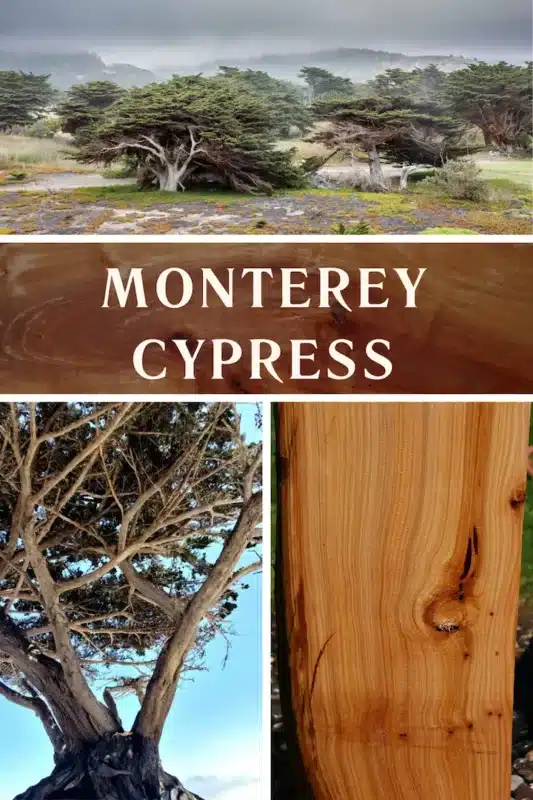
A Monterey cypress tree is a California coastal conifer in the cypress family, Cupressaceae. Young trees often look upright and pyramidal, while old trees exposed to Pacific wind develop broad, flattened crowns and thick horizontal limbs.
The species isn’t the same thing as the Lone Cypress or lemon cypress. The Lone Cypress is one famous wild-form tree, while lemon cypress refers to golden cultivated forms such as ‘Wilma’ and ‘Goldcrest’.
Species Fact Sheet
| Feature | Monterey cypress facts |
|---|---|
| Accepted botanical name | Hesperocyparis macrocarpa |
| Common synonym | Cupressus macrocarpa |
| Family | Cupressaceae |
| Plant type | Evergreen conifer |
| Native range | Cypress Point and Point Lobos, California |
| Typical planted height | 40–70 feet |
| Possible sheltered height | 100–130 feet |
| Typical spread | 20–40 feet or more |
| Young-tree growth | Often 2–3 feet per year on a suitable site |
| Light | Full sun |
| Soil | Free-draining; several textures tolerated |
| Common hardiness guidance | USDA Zones 7–10, subject to local heat and humidity |
These dimensions describe the straight species, not compact nursery cultivars. Exposure, root space, disease, irrigation, and climate can produce trees far outside the typical planted range.
Botanical Name Explained
Hesperocyparis macrocarpa is accepted by many modern plant authorities, including Plants of the World Online. The familiar name Cupressus macrocarpa remains common on nursery labels and in older horticultural books.
The genus name changed because taxonomists separated western North American cypresses from many Old World members of Cupressus. Some references also use Callitropsis macrocarpa, but all three combinations can point to the same species.
Cupressus Monterey Usage
People sometimes search for “cupressus monterey,” but that isn’t the formal botanical construction. Use Cupressus macrocarpa in plant records, then add Monterey cypress as the common name so buyers and growers can recognize both terms.
Keeping the synonym matters in practical work. A supplier may list seed under Cupressus, while a regional database files the same plant under Hesperocyparis; searching only one name can miss shipping restrictions, disease notices, or planting guidance.
California Cypress Names
“California cypress” and “coastal cypress” can refer to Monterey cypress in commerce, but both names lack precision. California supports several native cypress species, so confirm the label says macrocarpa before buying seeds or plants.
Its wood belongs to the broader group discussed in this guide to cypress wood. Common names alone shouldn’t guide identification because unrelated or hybrid conifers can share similar foliage and trade names.
Native Range and Conservation
The natural Monterey cypress range is restricted to two coastal areas near the Monterey Peninsula. Trees planted elsewhere may naturalize, but they don’t prove the species once occupied the entire California coast.
Two Native Groves
The two principal native populations occur around Cypress Point and Point Lobos. This tiny range makes wild genetics and habitat protection significant, despite the tree’s widespread use in gardens, parks, farms, and windbreaks across several continents.
Ornamental planting doesn’t automatically aid wild conservation. Unknown seed provenance can mix cultivated genetics with native populations, and transported soil or tools can carry pathogens into sensitive groves.
Coastal Habitat
Native trees occupy exposed headlands shaped by fog, salt, and wind. Their roots may work through thin, rocky soil while their crowns absorb cool mist and endure abrasive salt spray that would burn many inland conifers.
On a windy day, the foliage feels firm and slightly waxy between the fingers, and crushed scales release a sharp resin-citrus smell. That coastal toughness doesn’t mean roots tolerate standing brine or waterlogged ground.
Conservation Status
The IUCN Red List has assessed Monterey cypress as Vulnerable, reflecting its exceptionally narrow wild distribution. A species can remain common in cultivation while facing serious risk within its original habitat.
Pressures include development, recreation, soil disturbance, disease, altered fire patterns, drought, changing fog conditions, and genetic mixing. Never collect cones, cuttings, or branches from protected native stands without formal permission.
Fire and Naturalization
Woody cones can remain attached for years and may open after drying or heat exposure. Fire can release seed, yet an intense burn can kill mature trees, damage seed, and remove the cool conditions young plants need.
Outside California, Monterey cypress has escaped planting in some regions. Its native rarity doesn’t make it harmless everywhere; check local invasive-plant guidance before establishing windbreaks or groups that could seed into nearby habitat.
The Lone Cypress
The Lone Cypress Monterey visitors recognize is one individual Monterey cypress on a granite outcrop beside 17-Mile Drive in Pebble Beach. It isn’t a separate species or the sole survivor of the native population.
Its low, asymmetrical silhouette reflects prolonged wind and salt exposure. A seedling planted in a sheltered yard will usually grow taller and more conical rather than copying the landmark’s dramatic form.
Age and Protection
The Lone Cypress age is commonly estimated at about 250 years, not confirmed by a known planting date. Supports and protective work have helped reduce structural risk from storms, exposed roots, and heavy limbs.
Old cypress branches carry enormous leverage. Props or cables on a mature specimen require an arborist’s structural assessment; improvised straps can cut into bark, concentrate force, and hide decay.
Pebble Beach Landmark
The official 17-Mile Drive guide provides visitor and access information for the overlook. The tree’s silhouette is closely tied to Pebble Beach Company, so commercial logo use raises separate trademark questions from ordinary visitor photography.
View the tree from the designated area rather than approaching the outcrop. Foot traffic compacts soil, damages fine roots, and can speed erosion around trees already living under severe exposure.
Identification, Size, and Lifespan
Identify Monterey cypress by combining crown shape, scale foliage, rounded woody cones, and fibrous bark. No single trait is conclusive because several cypresses and common screening hybrids show similar features.
Shape and Growth Habit
Young trees usually form an upright cone with a clear leader. Sheltered adults become tall and broad, while exposed coastal specimens develop flattened tops, bent trunks, and muscular horizontal branches shaped by prevailing wind.
A windswept crown is an environmental response, not a guaranteed genetic feature. Repeatedly shearing a vigorous young tree won’t recreate centuries of coastal exposure and may leave weak branch unions or a dense, dry interior.
Foliage and Fragrance
Mature foliage consists of tiny overlapping scales carried on rounded sprays. The straight species is medium to dark green, while juvenile shoots may feel pricklier and appear more needle-like.
Rub a healthy green spray gently and it releases a resinous citrus scent. Golden cultivars often smell more distinctly lemon-like, but fragrance alone can’t separate Monterey cypress from every related conifer.
Cones and Bark
Seed cones are rounded to broadly oval and commonly measure about 1–1.5 inches across. They mature from green to gray-brown, have several thick scales, and may remain fixed to branches after ripening.
Older bark changes from gray-brown to reddish brown and becomes thick, ridged, and fibrous. The surface feels stringy under a fingertip, but bark alone won’t distinguish it reliably from Arizona or Italian cypress.
Mature Tree Size
A typical planted Monterey cypress reaches 40–70 feet tall with a 20–40-foot spread. Sheltered trees with deep soil and ample root room can approach 100–130 feet, while wind-cut coastal trees may stay shorter and grow much wider.
These dimensions make the species a poor choice beneath wires, beside foundations, or in narrow yards. Hard pruning can delay expansion, but it can’t permanently turn a full-size tree into a compact shrub.
Growth Rate
The Monterey cypress growth rate is often 2–3 feet per year while young on a favorable site. Full sun, mild temperatures, establishment water, free drainage, and unrestricted roots support that pace.
Hot humid weather, compacted soil, root binding, transplant shock, canker, or prolonged saturation can cut annual growth sharply. Nursery height alone says little about quality; a shorter plant with radial roots often establishes faster than a tall, pot-bound specimen.
Expected Lifespan
Monterey cypress lifespan can extend across several centuries, but there’s no reliable single limit. Canker, root disease, storms, drought, structural failure, and poor siting shorten the lives of planted trees.
Age estimates for ancient trees often rely on size, site history, and partial records because hollow trunks or protected status prevent complete ring counts. Treat exact ages without documented evidence as informed estimates.
Similar Cypress Trees
- Italian cypress: commonly selected for a narrow, columnar outline rather than a broad crown.
- Arizona cypress: often has blue-gray foliage and better tolerance of dry inland conditions.
- Leyland cypress: a fast-growing hybrid used for screens; Monterey cypress is part of its parentage.
- Lawson cypress: has flatter sprays and many ornamental cultivars.
- Lemon cypress: a golden Monterey cypress cultivar, not a separate wild species.
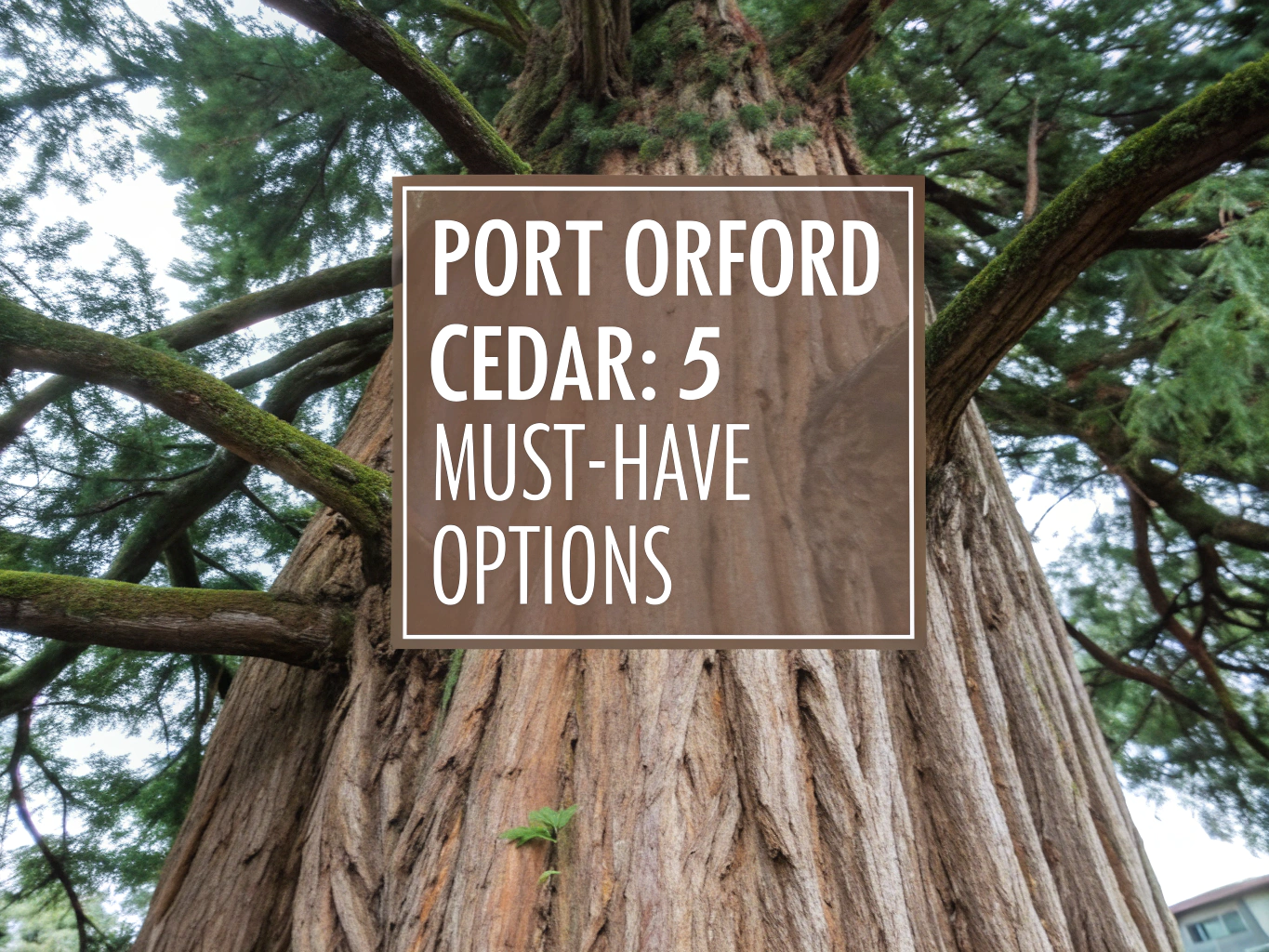
Compare foliage arrangement, cones, crown habit, and provenance before naming a tree. Readers comparing western conifers may also find Port Orford cedar useful, since its common name hides its membership in the cypress family.
Monterey Cypress Care

Successful Monterey cypress care starts with full sun, open space, mild weather, and soil that drains freely. Correct placement prevents more failures than fertilizer or corrective pruning can fix later.
Climate and Sunlight
Monterey cypress performs best in a mild Mediterranean-type climate with wet winters, dry summers, and moving air. USDA Zones 7–10 offer a rough screening range, but zone numbers don’t measure summer humidity, reflected heat, or drainage.
Give the tree at least six hours of sun, preferably more. Deep shade creates sparse foliage and interior browning, while young golden cultivars may scorch beside west-facing masonry in very hot districts.
Soil and Drainage
Drainage matters more than soil richness. Sandy, loamy, or moderately clay-based soil can work if water doesn’t remain around the root ball after irrigation or heavy rain.
Set the root flare level with the surrounding ground and backfill mainly with excavated soil. Filling only the hole with rich compost can create a wet planting pocket and discourage roots from entering native soil.
Establishment Watering
Water deeply after planting, then keep the root ball evenly moist while roots spread. Check the soil by touch: damp soil feels cool and clings lightly, while saturated soil smears and often smells stale.
Move irrigation outward as the root zone grows, and reduce frequency gradually after establishment. “Drought tolerant” describes an established tree in a suitable climate; it doesn’t mean a newly planted root ball can become bone dry.
Spacing and Roots
Allow for a canopy at least 20–40 feet wide and roots extending beyond it. Monterey cypress roots aren’t universally invasive, but a large tree can lift paving or conflict with pipes, walls, septic components, and compact beds.
Keep the straight species away from foundations, overhead utilities, narrow patios, and retaining walls. A compact cultivar is safer where available space can’t accommodate the tree’s mature footprint.
Mulching and Fertilizing
Apply 2–3 inches of organic mulch over the root zone, leaving several inches bare around the trunk. Mulch piled against bark traps moisture, conceals the root flare, and encourages decay or rodent injury.
Don’t feed automatically. Excess nitrogen creates soft growth with higher water demand; use foliage symptoms and a soil test to decide whether a measured nutrient correction is warranted.
Pruning Safely
Remove dead, damaged, rubbing, or diseased branches and guide young structure with light cuts. Many cypresses regenerate poorly from leafless brown stems, so keep pruning within green foliage.
Never top a mature tree. Topping creates large wounds, weak shoots, decay entry points, and an unstable crown; disinfect tools between trees when canker is suspected and obtain arborist help for elevated or heavy limbs.
Landscape Uses
Suitable uses include large coastal gardens, spacious specimen sites, windbreaks where permitted, and shelter for birds. Golden cultivars work in containers or smaller beds, while the straight species needs room to develop without repeated shearing.
Practical notes from real-world use. A young cypress can look comfortably distant from a path, then close the gap within several growing seasons. Mark the projected canopy on the ground before planting; this simple step exposes spacing errors that a small nursery pot hides.
Fire and Site Safety
Monterey cypress is a resinous evergreen that collects dry interior foliage. Don’t place it directly beside buildings in wildfire-prone districts, and follow local defensible-space, utility-clearance, and vegetation-management rules.
Remove dead material without stripping healthy shaded growth, and clear accumulated debris from rooflines and structures. A green outer shell can conceal a dry, crackling interior that becomes a meaningful fuel load.
Why Monterey Cypress Turns Brown

Monterey cypress turns brown from canker, root disease, drought, saturated soil, mites, temperature injury, or physical root damage. The browning pattern matters: isolated branches suggest a different cause from uniform whole-tree decline.
Cypress Canker
Cypress canker, often associated with Seiridium species such as Seiridium cardinale, causes isolated brown branches, sunken bark, resin bleeding, and progressive crown dieback. Drought, heat, and root injury can increase susceptibility.
Cut affected branches well below visible damage where practical, clean tools between cuts, and seek diagnosis before removing a major tree. The UC Integrated Pest Management resources help distinguish disease from stress; advanced systemic decline has no simple homeowner cure.
Root Rot
Phytophthora, Armillaria, and other root pathogens may cause dull foliage, slowed growth, generalized browning, decayed roots, or sudden decline after wet weather. Bark near the base may loosen or discolor.
Adding water to a fading tree can worsen root disease. Check soil drainage and root condition before changing irrigation; correct pooling, expose a buried root flare, and avoid disturbing weakened anchoring roots.
Drought and Waterlogging
Drought often browns tips and outer foliage before damage moves inward. Waterlogging produces a dull, generalized decline because oxygen-starved roots can’t absorb water effectively, leaving the crown looking dry while the soil remains wet.
Probe several points around the root zone rather than judging moisture at the surface. Irrigation can miss one side of the root ball, while clay beneath a dry-looking crust may remain slick and saturated.
Spider Mites
Spider mites create pale stippling, bronzed foliage, and fine webbing, especially on indoor, dusty, or drought-stressed plants. Tap a branch over white paper and watch for tiny moving dots before selecting treatment.
Don’t spray merely because foliage is brown. Broad insecticides can kill mite predators and make outbreaks worse; wash dusty foliage where practical and choose a pest treatment only after confirming mites.
Heat and Cold Damage
Cold injury usually burns exposed tips after a freeze, while reflected heat causes browning on the side facing pavement, glass, or masonry. Golden forms show scorch sooner because tender foliage absorbs intense sun and dries quickly.
Wait until the full extent of cold damage becomes visible before pruning. For heat injury, adjust irrigation coverage, add root-zone mulch, and use temporary afternoon protection for young plants without creating deep shade.
One-Sided Dieback
One-sided dieback often points to reflected heat, prevailing wind, trenching, mower damage, uneven watering, or a localized canker. Inspect the trunk and branches for lesions, then compare soil moisture on both sides.
Roots may have been severed months before the crown reacts. Ask about recent paving, utility work, grade changes, or construction; delayed symptoms make this common diagnosis easy to miss.
Wilma Goldcrest and Lemon Cypress
Wilma Goldcrest Monterey cypress is a compact golden selection derived from Monterey cypress. Lemon cypress is a horticultural common name for these fragrant cultivars, not a separate wild species.
Cultivar Identity
Nurseries may label plants ‘Wilma’, ‘Goldcrest’, or ‘Goldcrest Wilma’. Check the complete cultivar label because naming isn’t consistent, and different clones may vary in mature size, color, cold tolerance, and growth habit.
Healthy foliage ranges from chartreuse to rich yellow-green and releases a clear lemon scent when rubbed. The form is narrow and conical, which explains its popularity as a porch, holiday, and tabletop plant.
Wilma Goldcrest Size
A small store plant won’t remain tabletop-sized. Depending on clone, climate, pruning, and root space, in-ground Wilma Goldcrest plants can reach roughly 10–20 feet or more, while containers restrict growth.
Root restriction isn’t maintenance-free. Dense circling roots make containers hard to wet evenly, and the pot may become top-heavy; repot before roots form a solid woody coil around the wall.
Donald Gold Monterey Cypress
Donald Gold Monterey cypress appears in some nursery searches and regional catalogs, but labels should be checked carefully against the seller’s botanical description. Similar trade names may refer to golden forms with different mature habits.
Buy by the full botanical and cultivar name, not foliage color alone. Ask for expected local dimensions and whether the plant was propagated from a verified mother plant.
Outdoor Care
Grow lemon cypress outdoors in full sun or very bright light, using freely draining soil. Protect containers from severe freezes, drying wind, and intense reflected afternoon heat where those conditions occur.
Water when the upper layer begins to dry, then soak the mix fully and let excess drain. Narrow containers topple easily, so use a stable pot rather than burying the trunk in extra soil for support.
Indoor Care
Place indoor lemon cypress beside the brightest cool window available and away from radiators, fireplaces, and heating vents. The full-size species isn’t a permanent houseplant, and cultivars also perform better outdoors where climate permits.
Check moisture below the surface rather than watering on a schedule. Remove decorative foil or empty the cachepot after watering; hidden standing water is one of the fastest routes to root decline.
Lemon Cypress Browning
Lemon cypress turns brown indoors from low light, warm dry air, missed watering, saturated potting mix, mites, or abrupt movement from a humid greenhouse. Crispy outer tips often signal dry air or roots, while soft widespread decline suggests excess moisture.
Lift the pot after watering and again as it dries to learn the weight difference. This tactile check is more dependable than surface color, especially when peat-based mix shrinks from the pot and lets water run around a dry root ball.
Pruning Named Cultivars
Trim only green, active growth to refine the cone and remove irregular shoots. Cutting into bare brown stems often leaves permanent holes because old cypress wood may not push new foliage.
Propagate named cultivars by cuttings if you need the parent’s color, fragrance, and compact form. Seedlings from ‘Wilma’ or ‘Goldcrest’ can vary and may revert to larger green growth.
Propagation and Buying Guide
Monterey cypress can be raised from seed or cuttings, but germination and rooting vary. Buy only after confirming the mature size, regional legality, site drainage, and whether you need the straight species or a named cultivar.
Growing From Seed
Use fresh or properly stored seed in a sterile, loose medium with drainage holes. Pretreatment varies by seed lot; some growers use cool, moist stratification, while other seed germinates without a long chilling period.
- Follow any lot-specific soaking or stratification directions supplied by the seller.
- Sow in free-draining seed compost and cover only as directed.
- Keep the medium evenly moist, never saturated.
- Provide bright light and moving air after emergence.
- Thin weak seedlings and transplant before roots circle tightly.
- Harden plants gradually before outdoor placement.
Seed count isn’t a seedling guarantee. Age, storage temperature, genetics, pretreatment, fungal contamination, and moisture control all affect germination percentage; sowing several seeds is more realistic than expecting every seed to grow.
Growing From Cuttings
Semi-ripe or semi-hardwood cuttings are commonly tested for Monterey cypress. Take healthy material with clean tools, remove lower foliage, and place the stems in sterile, airy rooting medium under high humidity with good ventilation.
Rooting can be inconsistent, so start multiple cuttings and discard any that blacken or smell sour. Once rooted, reduce humidity slowly; moving tender roots straight from a covered propagator into dry air causes fast wilt.
Buying Live Trees
A live tree gives faster results than seed, but root quality matters more than height. Look for a visible root flare, evenly colored foliage, firm branch tips, free drainage, and roots that haven’t formed a dense circle.
The straight species can exceed 70 feet on a favorable site. Confirm shipping eligibility and planting space before ordering this large evergreen tree.

Live Monterey Cypress Seedling
- Live Monterey cypress plant
- Botanical name Hesperocyparis macrocarpa
- Useful starting size for home planting
- Evergreen tree with coastal character
- Grow in a sunny well-drained location
 Buy on Amazon
Buying Small Seed Packs
A small packet suits a home propagation trial where only one or two trees are wanted. Check the packaging or harvest date, storage details, botanical name, and seller policy before treating the packet as viable stock.
Ten seeds may produce fewer than ten seedlings, and some lots may fail entirely. Keep notes on chilling, sowing date, temperature, and emergence so a second attempt can correct the weakest variable.

Monterey Cypress Seeds 10 Pack
- Includes 10 Monterey cypress seeds
- Cupressus macrocarpa species
- Grow the iconic coastal evergreen
- Good choice for patient gardeners
- Start seeds in a well-draining mix
Buy on Amazon
Buying Larger Seed Packs
Larger packs allow repeated sowings and compensate for variable germination, but quantity doesn’t prove viability. Unknown storage history, old seed, or poorly identified provenance can make a cheap bulk packet poor value.
Don’t assume commercial seed preserves the genetics of the rare native groves. Use purchased seed for ordinary cultivation, not habitat restoration or conservation planting without documented genetic provenance.
Monterey Cypress Seeds 30 Pack
- Includes 30 Monterey cypress seeds
- Cupressus macrocarpa species
- More seeds for propagation attempts
- Grow a distinctive coastal evergreen
- Use free-draining seed compost
Buy on Amazon
Buyer Inspection Checklist
- Confirm Hesperocyparis macrocarpa or Cupressus macrocarpa on the label.
- Verify whether the plant is the straight species, ‘Goldcrest’, ‘Wilma’, or another cultivar.
- Match its mature height and spread to the available site.
- Inspect branch tips for browning, webbing, resin, or canker lesions.
- Check for a visible root flare and avoid severely circling roots.
- Reject plants sitting in sour-smelling, saturated potting mix.
- Ask whether the tree was grown outdoors or under protected glass.
- Review the live-arrival, viability, and replacement policy.
- Confirm shipping rules before placing the order.
A healthy root ball should hold together without forming a hard woody cylinder. If roots spiral densely around the container, light correction may help a young plant, but severe defects can remain a long-term structural problem.
Regional Planting Rules
Check state, national, or local rules covering invasive plants, agricultural shipping, wildfire clearance, and protected habitat. Monterey cypress is conservation-significant within its tiny native range yet can spread as an introduced conifer elsewhere.
Also review utility setbacks and local tree ordinances before planting. If the site is hot, humid, permanently wet, very small, or beside a structure in a high-fire district, select a better-matched species rather than forcing Monterey cypress into unsuitable conditions.
FAQs
Is Monterey Cypress Native To California?
Monterey cypress is native to a small stretch of California’s central coast, especially around Monterey and Carmel. In the wild, it grows naturally in only a few coastal groves, although it is widely planted elsewhere. It thrives in mild, foggy conditions and can struggle in hot, dry inland climates.
How Big And Fast Does A Monterey Cypress Grow?
Monterey cypress can reach 40 to 70 feet tall in gardens and may grow 2 to 3 feet per year when young. Its mature spread can be 20 to 40 feet, so give it generous space. Growth is fastest in full sun, well-drained soil, and cool coastal conditions.
Is Monterey Cypress The Same As Lemon Cypress?
No, Monterey cypress and lemon cypress are not the same plant, although lemon cypress is a cultivar of Monterey cypress. Lemon cypress, usually sold as Cupressus macrocarpa ‘Goldcrest,’ has bright yellow-green foliage with a citrus scent. Standard Monterey cypress is typically darker green and grows much larger.
Why Is My Monterey Cypress Turning Brown?
Monterey cypress usually turns brown because of drought, root problems, salt exposure, pests, or natural aging of inner foliage. Check soil moisture and ensure water drains well rather than staying soggy. Prune only dead branches, inspect for pests or canker, and water deeply during dry periods.
Where Is The Lone Cypress In Monterey?
The Lone Cypress stands on the rocky coast along 17-Mile Drive in Pebble Beach, near Monterey, California. It is one of the area’s best-known landmarks and is viewed from a designated roadside stop. Access is generally through the gated 17-Mile Drive route, which may charge an entry fee.
Affiliate Disclosure: Some links in this post are affiliate links. If you make a purchase through these links, we may earn a small commission at no extra cost to you. We only recommend products we genuinely believe in.