

Want to know what makes yew wood prized by woodworkers? It has tight grain and strong heartwood. It can show knots, burr and color shifts as it ages. With the right prep you can cut, dry and finish it for great results. These seven tips cover choosing european and english yew wood, drying methods, cutting rules and how to find yew wood for sale. Read on for clear, practical advice on yew woodworking.
Table of Contents
Yew woodworking blends beauty and performance, giving makers a reliable path to fine boxes, furniture, and bows with remarkable grain. This guide explains yew wood from species and sourcing to drying, machining, finishing, and expert tips for consistent results.
Understanding Yew Wood Characteristics
What Is Yew Wood
Yew wood comes from Taxus species, mainly European yew (Taxus baccata) and Pacific yew (Taxus brevifolia), prized in yew woodworking for strength and visual warmth. For a concise species profile and workability notes, see European yew.
Physical Properties and Strength
Although classed as a softwood, yew is dense, hard, and springy, so thin parts resist breakage and return to shape with elastic energy. That unique mix supports longbows, tool handles, slim drawer fronts, and crisp moldings with clean edges.
| Species | Relative Density | Grain & Texture | Workability | Common Uses |
|---|---|---|---|---|
| European yew | High for a conifer | Fine, even, tight rings | Planes/polishes to high sheen | Furniture, veneers, boxes |
| English yew | Premium selection | Lively figure; frequent knots | Excellent for small luxury items | Decorative work, heirloom pieces |
| Pacific yew | High and resilient | Fine, straight to wavy | Strong and flexible for thin parts | Bows, instruments, tool handles |
Expect minimal movement once dry, yet internal tensions can release during resawing, so plan light cuts and test offcuts for spring-back. For bow-grade insights, the Pacific yew profile highlights strength and flexibility trends.
Color and Grain Features
Heartwood runs from pale yellow through orange-brown into deep reddish hues, while sapwood stays much lighter for striking contrast lines. Knots, “cats paw” pipp, and occasional ripple add lively figure that finishes with a natural glow.
Durability and Stability
Yew resists decay and insects impressively, which supports thin parts and crisp joinery in long-lived work. Stable stock stays flat through seasons, helping parts fit tightly without constant tweaking.
Types and Sources of Yew Wood
European Yew Wood
European yew offers a fine, silky texture that accepts delicate profiles and tiny chamfers with clean definition. Its warm orange tones complement classic interiors and pair well with species featured in types of wood for furniture.
English Yew Wood
English yew represents select European material with vivid character and sought-after burry figure. Makers pick it for veneers, jewelry boxes, and small accent pieces that call for statement grain.
Pacific Yew Wood
Pacific yew balances high strength with elasticity, which suits bows, slim handles, and instrument parts with flex under load. It sands to a fine surface that glows under clear finishes, even in narrow, curved elements.
Finding Yew Wood for Sale
Look for “yew wood for sale” from specialty yards and boutique veneer dealers that handle figure-rich short logs. Ask about air-dry duration, moisture content, and whether the boards were sticked and shaded to reduce surface checks.
- Request recent moisture readings and ask for photos of end grain rings for tight growth.
- Buy 20–30% extra to trim around knots, splits, and wandering grain.
- Prefer longer air-dried stock for small-box parts that need stability.
- For veneers, check figure continuity across leaves to keep bookmatches clean.
Essential Preparation and Drying Techniques
Proper Seasoning Methods
Sticker stacks with uniform spacers, good airflow, and cover from sun and rain give yew time to relax. A practical primer on slow seasoning appears in yew tree history & beauty, which discusses long, gentle drying for stable boards.
Air-Drying Timeline
Plan on several years for thicker stock; thin boards can reach shop-ready moisture sooner with shaded, breezy storage. Track weight or use a meter monthly and stop at equilibrium with your space to cut movement risk.
Storage Best Practices
Stack on level runners, keep stickers aligned, and strap bundles lightly to reduce bow. Seal ends right after cutting, and leave paths for air to move through the pile for steady drying.
Yew Woodworking Tips for Success
Machining and Cutting Guidelines
Use sharp cutters and light passes to avoid lifting grain near knots or pipp, then follow with a fine smoothing plane for clarity. Resaw slowly, clamp near the blade line, and pause between cuts so internal stress can settle.
Hone edges often; a quick touch on a fine sharpening stone keeps tools slicing clean with less tearout. Back-bevel tricky areas, and switch to a high-angle plane when grain switches direction.
Surface Finishing Techniques
Sand to 320–400 grit, raise grain lightly with water, then burnish with a clean cloth for a warm glow. Test oils, shellac, or clear varnish on offcuts to preview color shift and settle on your target tone.
Working with Setup Tools
Accurate height and fence settings cut chip-out and keep joinery crisp, which matters on dense, springy yew. These shop aids help you dial repeatable setups fast.
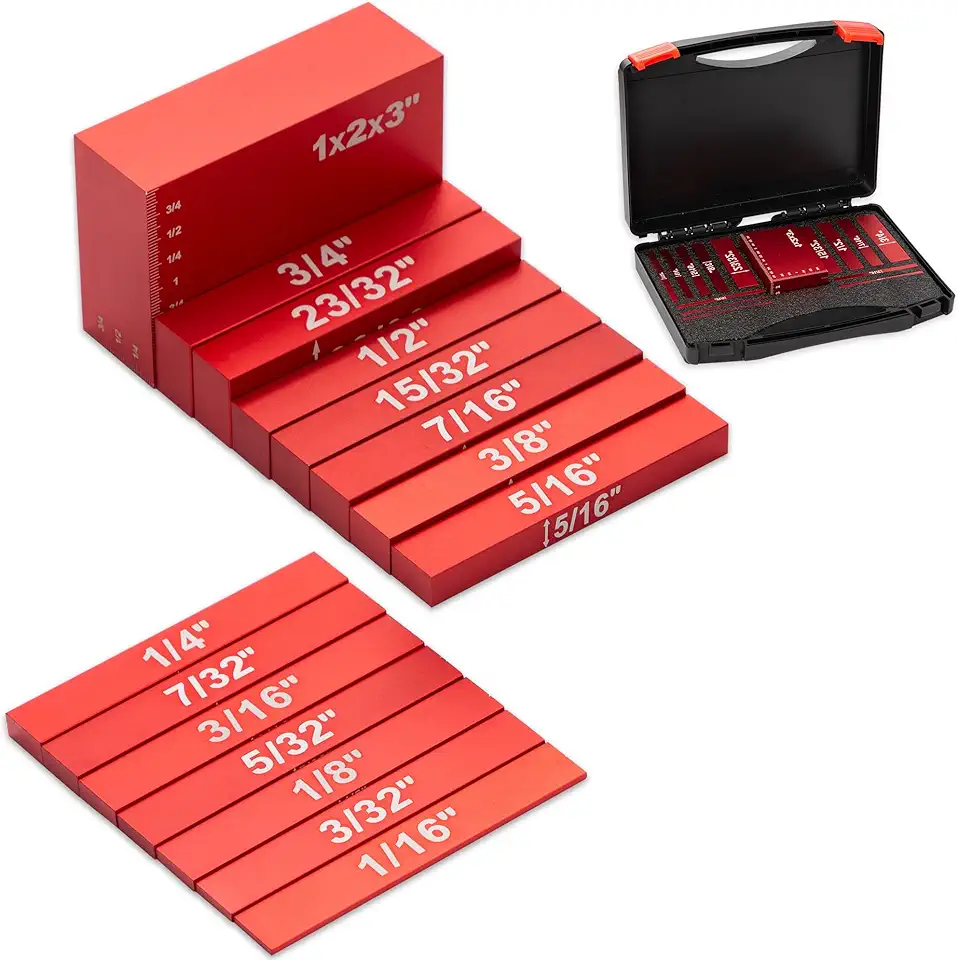
15pc Precision Setup Block Kit for Router & Table Saw
- Precision-machined aluminum blocks for repeatable height settings
- Ruler-marked bars allow quick, accurate adjustments
- Covers multiple heights with 15 different sizes
- Durable anodized finish resists wear and corrosion
- Speeds up fence, blade and router bit setup for cleaner cuts
 Buy on Amazon

8pc Heavy-Duty Router Table Setup Blocks
- Heavy-gauge aluminum construction for shop durability
- Exact sizing for quick height, depth and angle setup
- Clear engraved markings for fast, error-free reading
- Compatible with most router tables and table saw fences
- Robust design for long-term, repeated use
Buy on Amazon

Adjustable Aluminum Setup Gauge (1/64 to 1-1/16)
- Quick micro-adjustments in 1/64 increments for precise setups
- Locking mechanism secures measurements during cuts
- Wide range covers fine and larger offsets for versatility
- Lightweight yet rigid aluminum construction for stability
- Ideal for router, table saw and blade height adjustments
Buy on Amazon
Managing Natural Defects and Character Features
Working with Knots and Splits
Drill pilot holes near knots, clamp firmly, and use slower feeds to prevent crack propagation and tearout. Stabilize small splits with thin CA glue, then plane lightly after cure for a clean, flat surface.
Handling Burr and Pipp
Burr and pipp deliver dramatic “cats paw” figure that shines under clear coats, yet fibers can be short and crumbly. Learn about figure choices in this quick primer on burl wood, then back up tricky spots with tape, climb-cut lightly, and scrape with a sharp hook.
Expect premium pricing on clean, continuous burr; plan layouts that feature it on door panels, box lids, or small inlays for maximum impact. For more detail on common defects and character, see The Wood Place on yew.
Preventing Movement Issues
Rip wide boards into narrower strips, let them rest, then re-joint and glue back up to reduce internal tension. After heavy cuts, pause a day before final milling so parts settle and hold tolerance.
Color Changes and Aging Considerations
Natural Maturation Process
Fresh yew starts pale orange or yellow and shifts deeper toward cherry or mahogany tones with age. Communicate this shift to clients, especially on matched sets or light-first designs, as explained in this yew wood overview.
Finishing for Color Preservation
Use UV-resistant topcoats to slow darkening; waterborne clears keep color lighter than oil-based options. Place finished pieces away from direct sun to maintain a more consistent tone.
Long-Term Appearance
Plan uniform exposure for cabinets and sets to avoid door or panel mismatch over time. Save offcuts for future repairs so you can match the matured color and figure closely.
Historical Significance and Modern Applications
Traditional English Longbow Heritage
Yew’s spring and compression strength made it the classic choice for English longbows with formidable draw. Craftspeople still study ring placement and sapwood/heartwood orientation to build resilient limbs with balanced stress.
Contemporary Artisan Uses
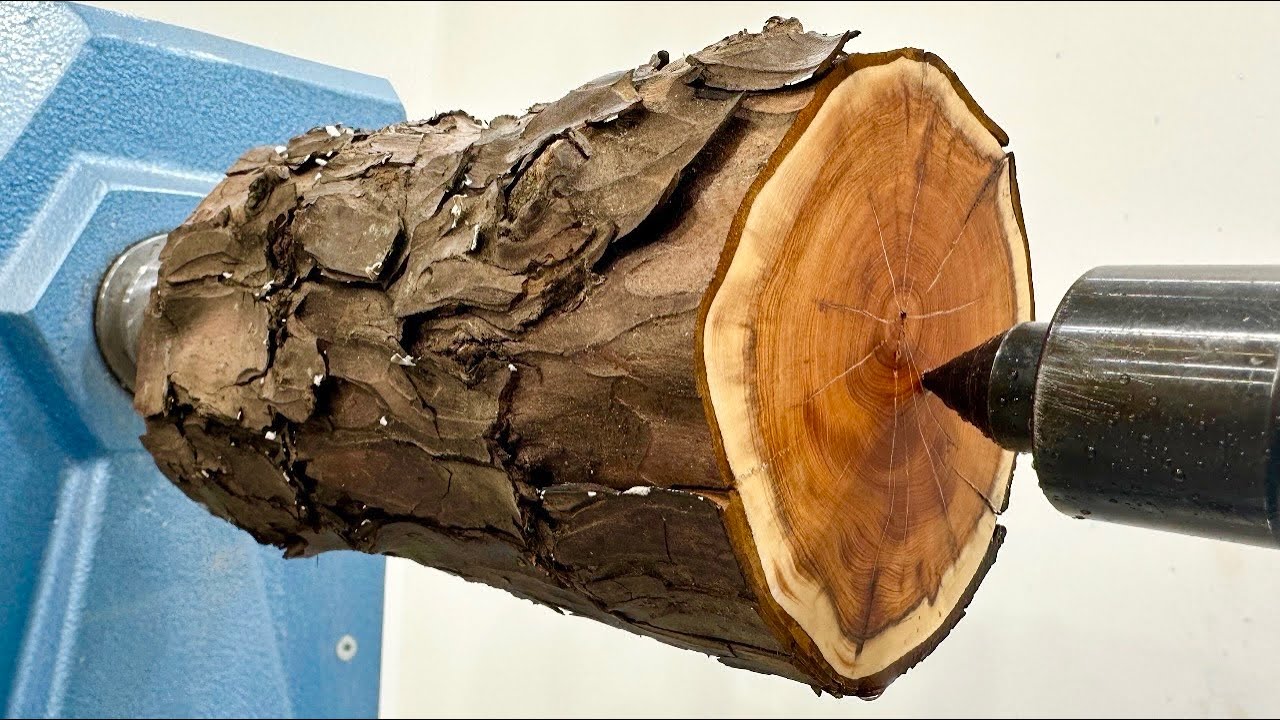
Makers choose yew for turned bowls, jewelry, knife scales, and box lids where color and compact grain give luxury appeal. Veneers on stable cores let you stretch scarce material while keeping a rich face.
Premium Woodworking Projects
Consider small furniture, music stands, and keepsake chests with framed panels that showcase figure. Pair yew accents with subtle species like maple or with character species such as olive wood for lively contrast.

English Yew Veneer Square Tissue Box Cover
- Hand-finished yew veneer showcases warm, natural grain
- Designed to fit standard square tissue boxes for instant upgrade
- Smooth, durable finish resists stains and scratches
- Clean square profile complements modern and classic decor
- Makes an elegant gift for home or office
Buy on Amazon
Expert Techniques for Yew Woodworking Success
Acclimation and Stock Preparation
Let boards acclimate to your shop for a few weeks, then rough mill and rest again to reduce final movement. Keep a flat staging area; well-built woodworking workbenches make accurate flattening and layout easier.
Cutting and Fastening Methods
Pre-drill and use waxed screws near knots; switch to thread inserts on thin parts for repeatable assembly. For glue-ups, use moderate pressure and balanced clamping—see these types of clamps to match pads and jaws to sensitive surfaces.
Where figure reverses, cut tenons with a shoulder plane instead of heavy passes on a table saw to avoid blowout. Dry-fit often, and ease edges slightly to protect the brittle ends of short-grain areas.
Advanced Finishing Strategies
For maximum chatoyance, use a light amber shellac wash, sand back, then build with clear varnish or oil-varnish blends. On very darkened pieces, pick a water-clear topcoat to preserve contrast between sapwood and heartwood.
FAQs
What Types Of Projects Are Best Suited For Yew Wood?
Yew Is Excellent For Small-To-Medium Decorative And Functional Projects Such As Cabinetry Accents, Veneers, Turned Objects, Musical Instruments, Walking Sticks, Handles, And Fine Furniture Where Its Warm Color And Attractive Grain Can Be Showcased. It Works Well For Carving And Steam-Bent Components But Is Less Suitable For Constant Outdoor Use Unless Properly Sealed.
How Do You Finish Yew Wood To Highlight Its Natural Grain?
To Highlight Yew’S Grain, Sand Smooth Through Fine Grits, Clean Off Dust, And Use A Clear Finish Like Tung Oil, Danish Oil, Shellac, Or A Thin Varnish. Oils Bring Out The Figure And Provide A Warm Depth, While Shellac Or Lacquer Give A Brighter Sheen. Apply Multiple Thin Coats, Lightly Sand Between Coats, And Avoid Heavy Fillers That Can Mask The Natural Texture.
Is Yew Wood Safe To Use For Making Kitchen Utensils?
Yew Contains Toxic Compounds In Its Foliage And Bark, But The Heartwood Is Generally Considered Acceptable If Properly Cleaned And Finished. For Utensils, Use Only Heartwood, Sand Smooth, And Seal With A Food-Safe Finish Such As Mineral Oil Or A Beeswax-Mineral Oil Blend. If You’Re Concerned About Toxicity Or Working With Sapwood, Choose A Widely Recommended Food-Safe Wood Like Maple Or Cherry Instead.
What Are The Benefits Of Using Yew Wood In Furniture Making?
Yew Offers A Tight Attractive Grain, Good Elasticity, And A Warm Color Range That Polishes Nicely. It’S Suitable For Detailed Work, Turned Pieces, And Decorative Inlays, And It Responds Well To Finishing. Benefits Include Visual Appeal, Good Shock Resistance, And Ease Of Shaping For Many Indoor Furniture Applications; Limitations Are Availability, Cost, And Sensitivity To Extreme Moisture Changes.
How Does Yew Wood Compare To Other Hardwoods In Terms Of Durability And Workability?
Yew Is Moderately Hard And Tough With Excellent Elasticity, Making It More Shock-Resistant Than Many Softwoods But Not As Dense As Oak Or Maple. It Machines And Turns Well, Though Interlocked Grain Can Cause Tearout. Yew Glues And Finishes Nicely But Is Less Naturally Rot-Resistant Than Teak Or Ipe, So It’S Best For Indoor Use Or Where Proper Sealing Is Applied.