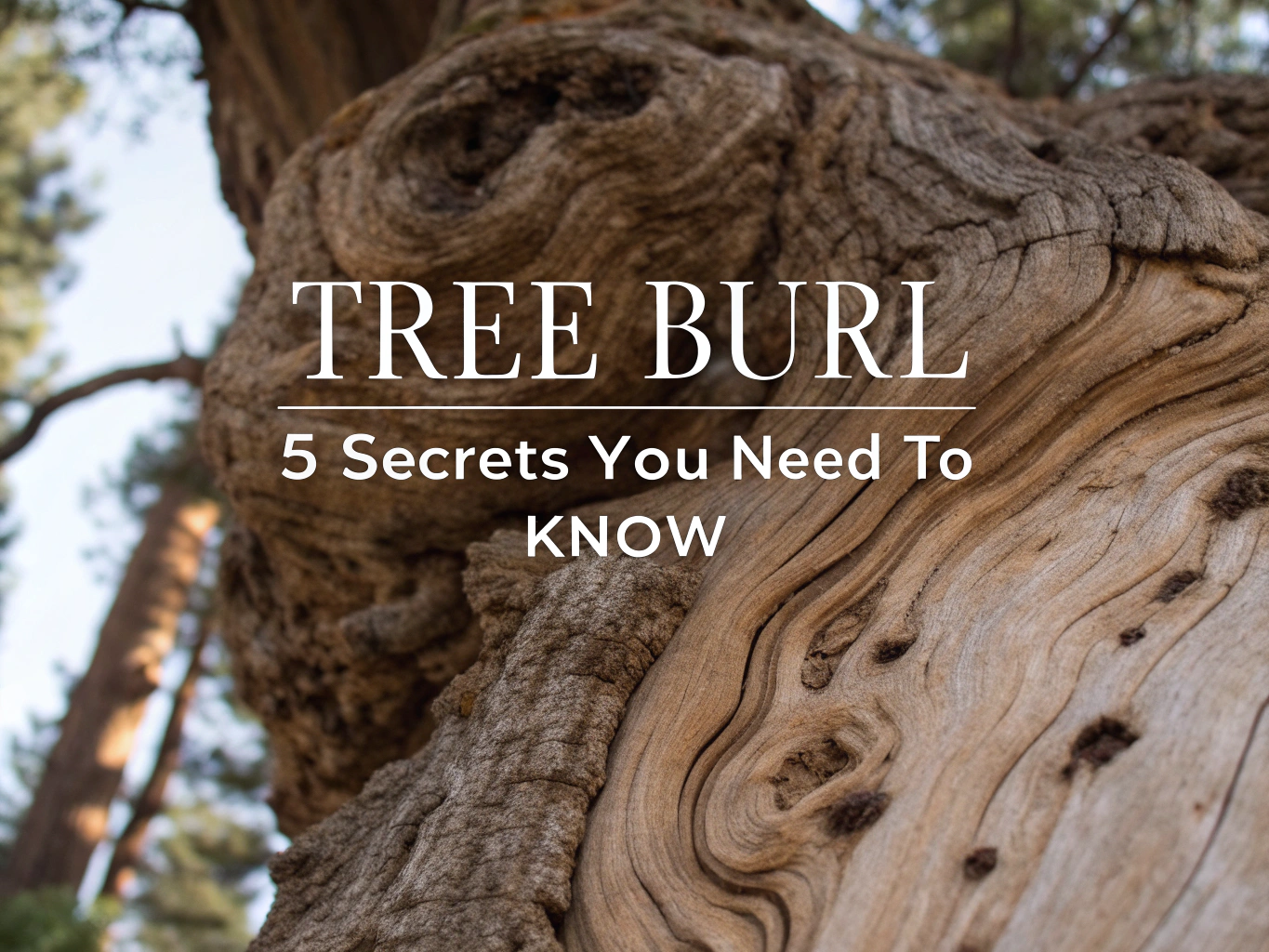

Have you ever seen a knobby growth on a tree and asked what it is? That bulge is often a tree burl. Woodworkers prize burl wood for its wild grain and one-of-a-kind patterns. This post explains what burls are, what causes them, which trees make them, how to spot true burls, and how to source them responsibly. Read on for five useful facts you can use right away.
Table of Contents
Tree burl growths fascinate woodworkers and hikers alike, yet many people don’t know what they are or why they form. This guide explains burls in trees, how to identify them, why tree burl wood is valuable, and how to buy or use burl wood responsibly.
What Is a Tree Burl?
Definition and Characteristics
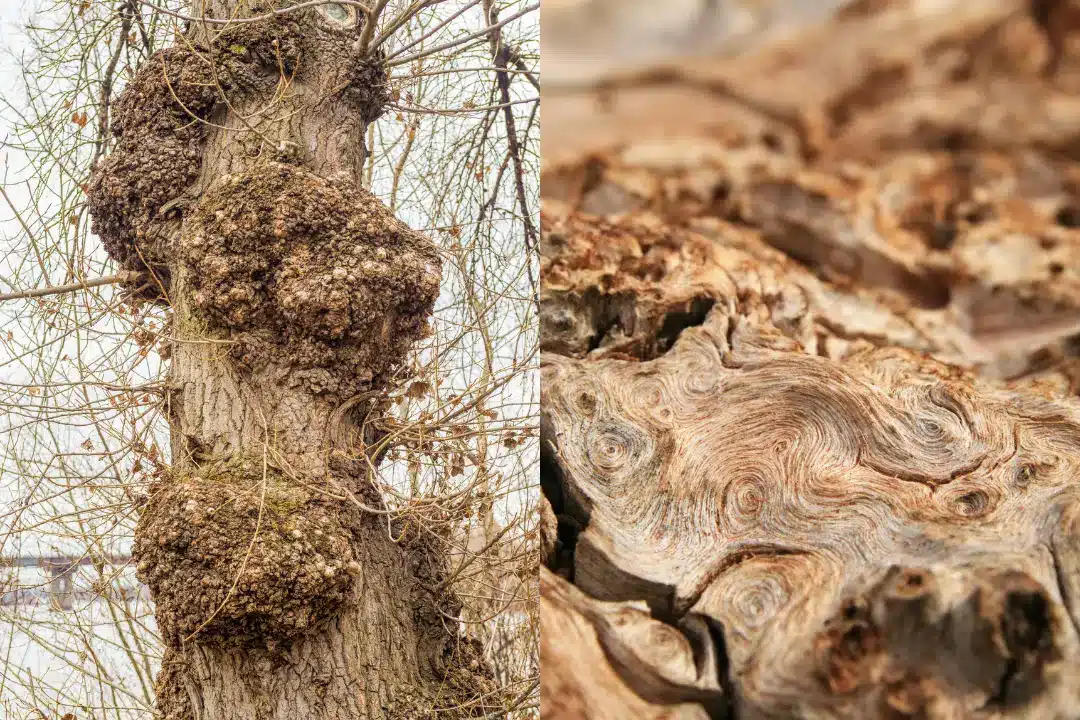
A burl is a rounded, woody outgrowth on a trunk, branch, or root, packed with dormant buds that create swirling, interlocked grain in the wood. The bark usually continues over the lump, so the outside looks knobby while the inside shows dramatic figure patterns like eyes, curls, and ripples (Texas A&M Forest Service).
Size and Appearance Variations
Sizes range from small fist-sized bumps to giant masses that can weigh tons, depending on species, age, and site conditions. Expect smooth or bulbous contours, a bark-covered exterior, and wood inside that looks chaotic and highly decorative when cut or polished.
Where Burls Form on Trees
Burls can form on trunks, along limbs, or on roots; some root burls sit partly or entirely below the soil line. For more photos and examples of burl wood, browse our visual guide to help you spot authentic grain in logs and veneers.
What Causes Burls in Trees?
Stress and Environmental Factors
Burls often start after stress such as physical injury, insect damage, viruses, fungi, or drought and site challenges. The tree responds to that stress, and the unusual healing process can trigger a burl (Wikipedia: Burl).
The Biological Process Behind Burl Formation
Inside the tree, the vascular cambium can enter hyperplasia, where certain cells divide abnormally and create dense, tangled xylem with many bud traces. This “overgrowth” leads to the rounded mass and the unique, multi-directional grain prized by woodworkers.
“Most burls are considered benign growths that reflect a tree’s response to stress rather than a fatal disease.”
Texas A&M Forest Service
Why Burls Don’t Harm Trees
In many cases the burl helps compartmentalize damage, so the tree keeps growing and functions normally. If the trunk and roots remain sound and the burl isn’t cut off, the tree usually survives for decades without issue.
Tree Species Most Prone to Burls
Common North American Species
Many native trees can form burls, but some species show higher frequency and produce more attractive figure. Use this quick list when scouting parks, yards, or salvage sites.
- Maples (bigleaf, sugar, soft maples)
- Oaks (white, red, live oaks)
- Elms
- Willows
- Walnut and redwood in certain regions
Other Notable Burl-Producing Trees
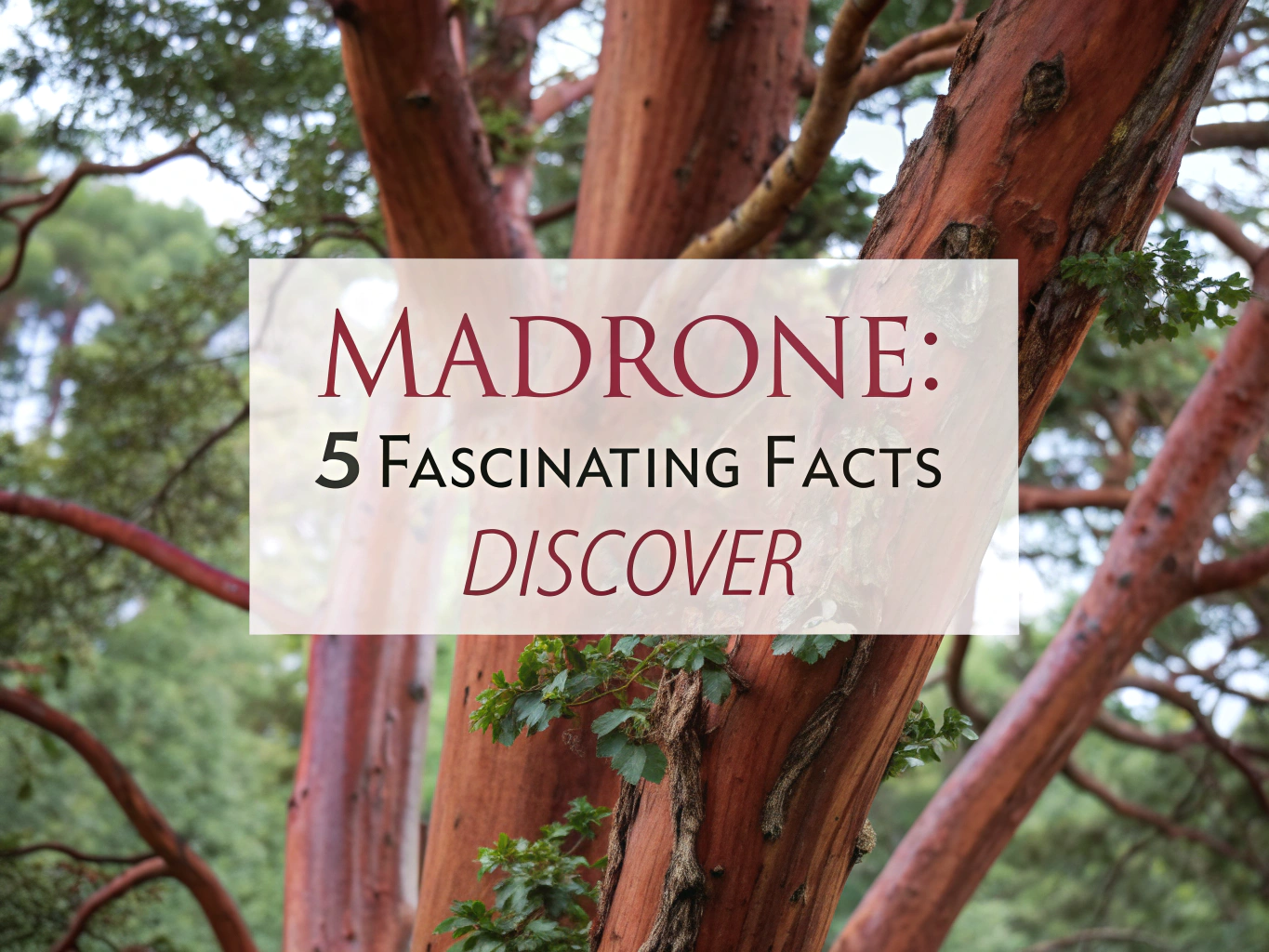
Beyond North America, look for thuya, olive, madrone, eucalyptus, and exotic maples showing bird’s-eye, quilted, and curly effects. Compare birdseye maple, quilted maple, and curly maple to see how figure patterns differ even within the maple family.
Factors Affecting Burl Development
Genetics, tree age, local pests, site moisture, and past wounds all influence whether a burl starts and how big it gets. Urban trees with frequent pruning or damage often show more burls than well-protected forest stands.
Why Tree Burl Wood Is So Valuable
Unique Grain Patterns and Strength
The tangled grain in wood burl creates striking swirls, eyes, and curls, making each blank or veneer truly one-of-a-kind. That interlocked grain also resists splitting better than straight-grained stock, which helps during turning and finishing (Gray Hill Woodworking).
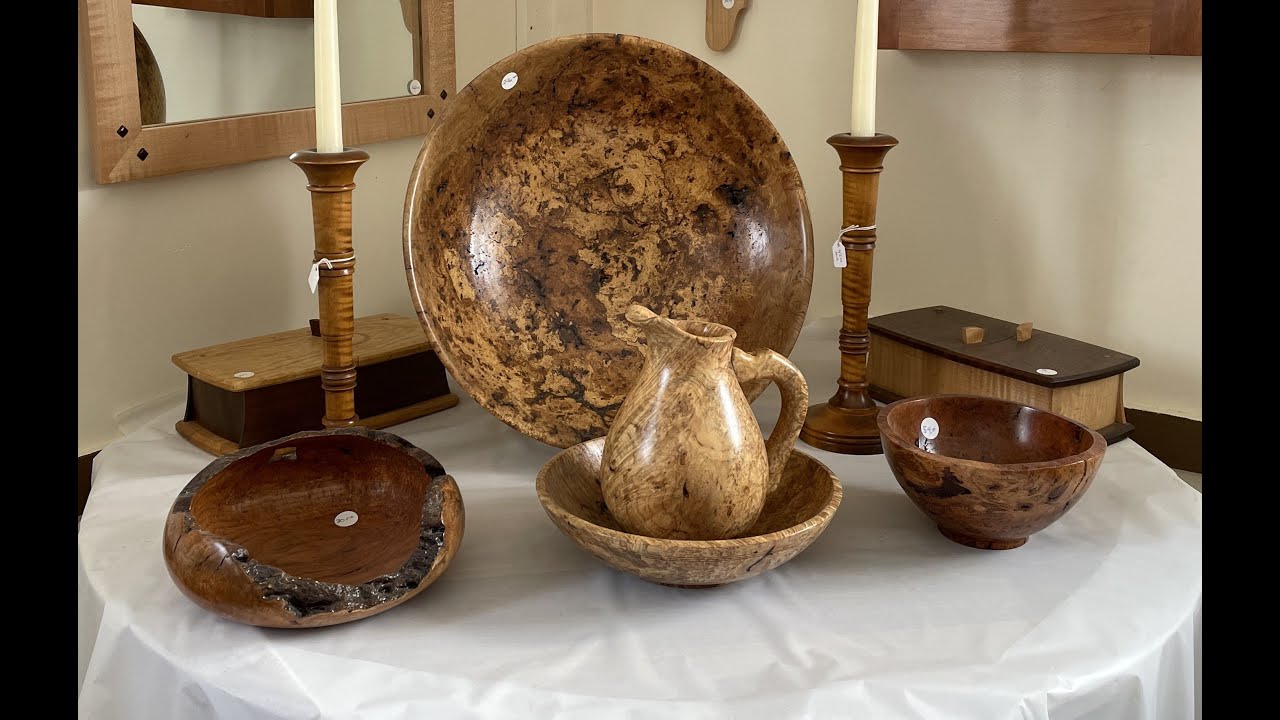
Woodworkers also value unusual figure categories like spalted material that pairs color streaks with burl eyes for even more drama; see examples in our spalted maple guide. Careful drying and sealing stabilize the figure while keeping the chatoyance that burl fans love.
Premium Applications and Market Demand
High-end buyers seek burl veneers for cabinetry, dashboards, guitars, and fine furniture, while turners use solid burls for bowls, vases, and pens. For inspiration on natural-edge furniture that highlights burl figure, browse this live-edge coffee table ideas page.
Pricing and Rarity Factors
Price depends on species, burl size, figure intensity, defects (voids, bark pockets), dryness, and whether it’s slab, block, or veneer. Rarer species and highly figured, stable material command the top end of the market.
| Species or Type | Common Form | Relative Price | Notes |
|---|---|---|---|
| Bigleaf Maple Burl | Slabs, Turning Blocks, Veneer | High | Consistent eyes/curls; popular with turners |
| Walnut Burl | Veneer, Small Slabs | High | Deep color; prized for furniture and dashboards |
| Redwood Burl | Large Slabs, Veneer | High–Very High | Massive sizes; poaching risk increases scarcity |
| Oak Burl | Blocks, Veneer | Medium–High | Bold figure; can have more voids |
| Poplar Burl | Veneer | Medium | Affordable decorative grain for panels |
Before buying, request photos of fresh cuts or wet surfaces to judge figure and defects, and ask about moisture content and provenance. Many sellers provide certificates or harvest notes; compare offers and check current pricing trends.
Tree Burl Identification and Common Lookalikes
How to Identify True Burls
Look for a rounded, bark-covered lump that blends into the trunk or limb without a narrow “stem” attaching it. When cut, the interior displays swirling, wavy, or “eyes” patterns that differ sharply from straight grain nearby.
Distinguishing Burls from Galls
Galls usually form from insect or mite activity and often look rough, warty, or clustered on twigs, while burls are smoother and more integrated into the wood mass. For photo comparison of a gall example, see Gall on Oak Tree.
Underground and Hidden Burls
Some burls grow on roots and remain hidden until storms topple the tree or excavation exposes them. If you suspect a root burl, consult a certified arborist before digging to avoid root damage and safety hazards.
Popular Uses and Examples of Burl Wood Products
Woodworking and Decorative Applications
Below are practical products that showcase burl figure for kitchens, furniture fronts, and DIY projects. Compare thickness, size, and finishability to match your project goals.

Live-Edge Mango Wood Cutting & Charcuterie Board 12.75-inch
- Solid 1.5-inch thick mango wood for long-lasting use
- Live bark rim gives a rustic, attractive presentation
- Smooth, food-safe surface for chopping and serving
- Versatile for prep work, entertaining, and charcuterie displays
- Easy to maintain with occasional oiling to preserve finish
 Buy on Amazon
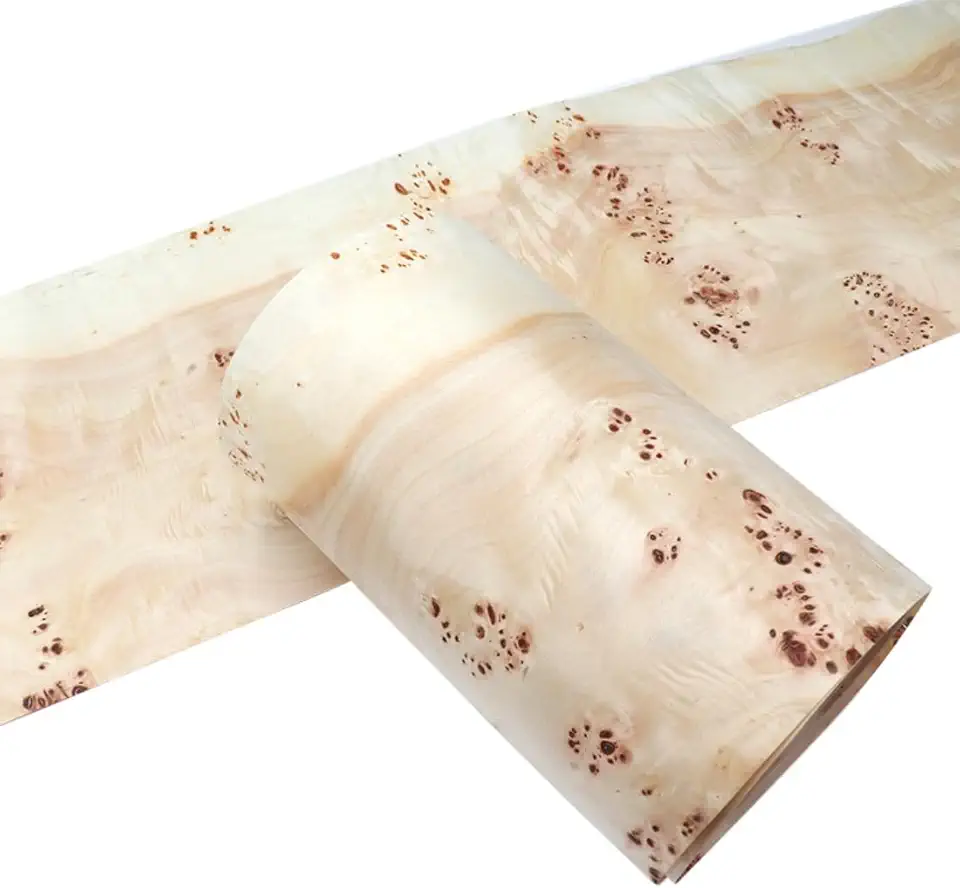
11x66 Poplar Burl Wood Veneer Sheet for Furniture and Audio
- Large 11x66-inch sheet ideal for speakers, cabinets, and furniture facing
- Natural burl figure adds rich, decorative grain
- Thin, flexible veneer conforms to curves and contours
- Easy to glue, trim, and sand for DIY projects
- Sandable and stainable for seamless finishing
Buy on Amazon

Poplar Burl Veneer Sheet 20.5x22.5 in for Repairs and Crafts
- Thin, lightweight sheet perfect for guitars, speakers, and interior trim
- Distinctive burl pattern delivers high-end visual appeal
- Flexible enough for curved surfaces and small repairs
- Smooth surface sands and takes stain evenly
- Great for furniture refurbishing and custom DIY work
Buy on Amazon
Art, Memorial, and Musical Instrument Examples
Artists and makers turn burl blanks into urns, bowls, sculptures, and striking guitar tops, while interior designers specify burl veneers for upscale accents. Consider how each species’ color and eye density supports your intended finish and hardware.

Big Leaf Maple Burl Turning Blank 2.5 x 6 x 6 in
- One-piece big leaf maple burl with striking, unique grain
- Ideal size for turning bowls, pens, and small sculptures
- Dense hardwood takes fine finishes and polishes exceptionally well
- Each block offers one-of-a-kind character and figure
- Perfect for woodworkers and specialty craft projects
Buy on Amazon
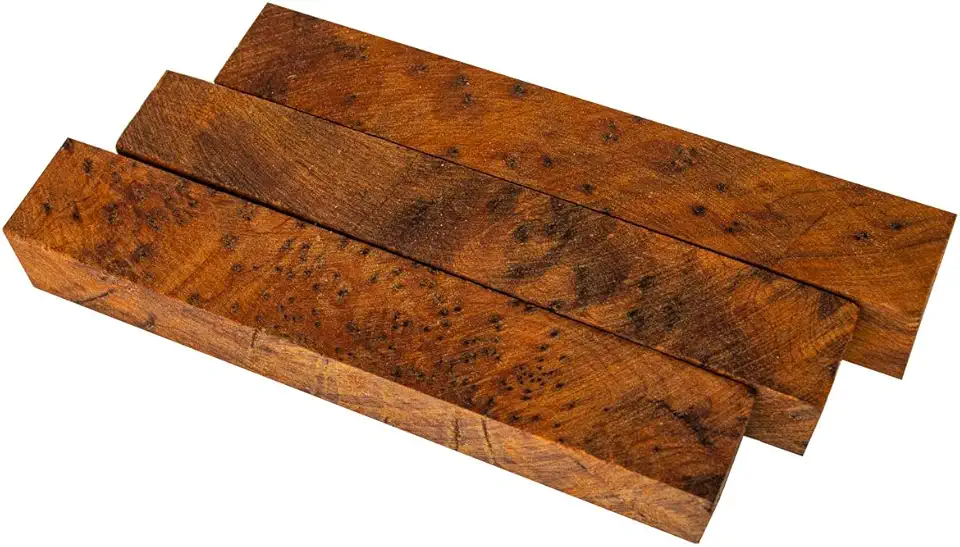
Thuya Burl Pen Blanks 3-Pack — Premium Turning Wood
- Three matched blanks showcasing striking thuya burl figure
- Dense, stable wood ideal for turning and detailed work
- Polishes to a high sheen and accepts resin and finishes well
- Consistent sizes for easy mandrel fitting and drilling
- Perfect for making custom, high-end pens and small projects
Buy on Amazon
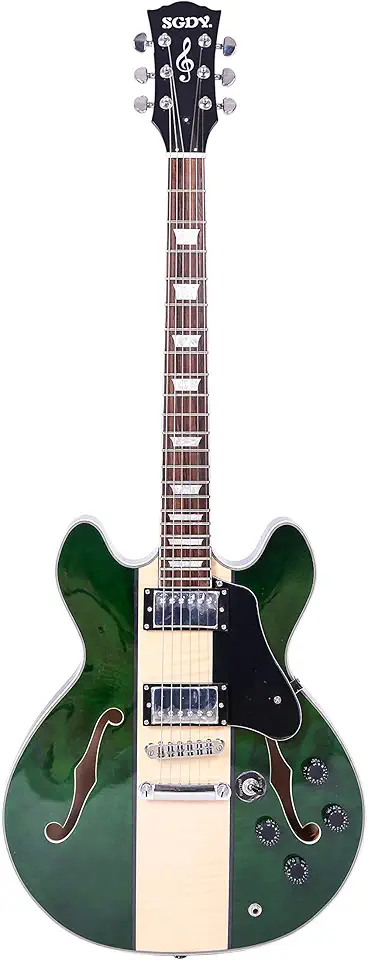
Flame-Stripe Semi-Hollow Electric Guitar with Burl Pattern
- Maple body and neck deliver bright, balanced tone and sustain
- Semi-hollow design adds warmth and natural resonance
- Rosewood fingerboard with 22 frets for smooth playability
- Eye-catching flame stripes and burl-style pattern for standout looks
- Built for right-handed players seeking versatile performance
Buy on Amazon
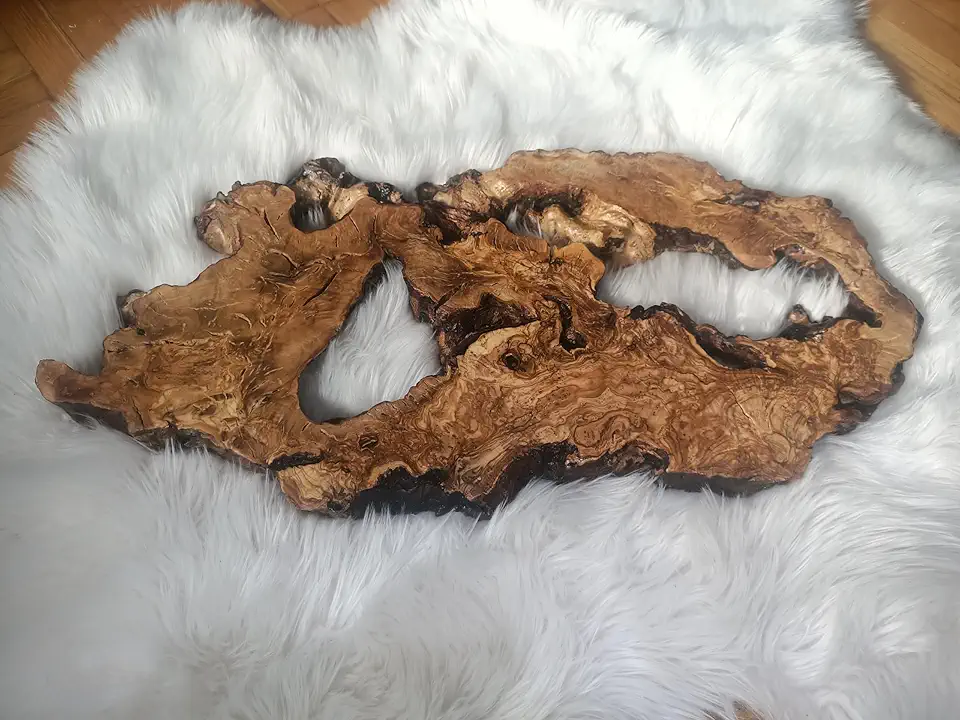
Live-Edge Olive Root Slab 16x20 in — Ready for Epoxy Tables
- Live-edge olive root slab with natural voids and striking grain
- Sized for small resin river tables, countertops, or wall art
- Planed and cleared for immediate epoxy or resin application
- Rich color and figure create dramatic finished pieces
- Ideal for DIY builders working with resin and wood
Buy on Amazon
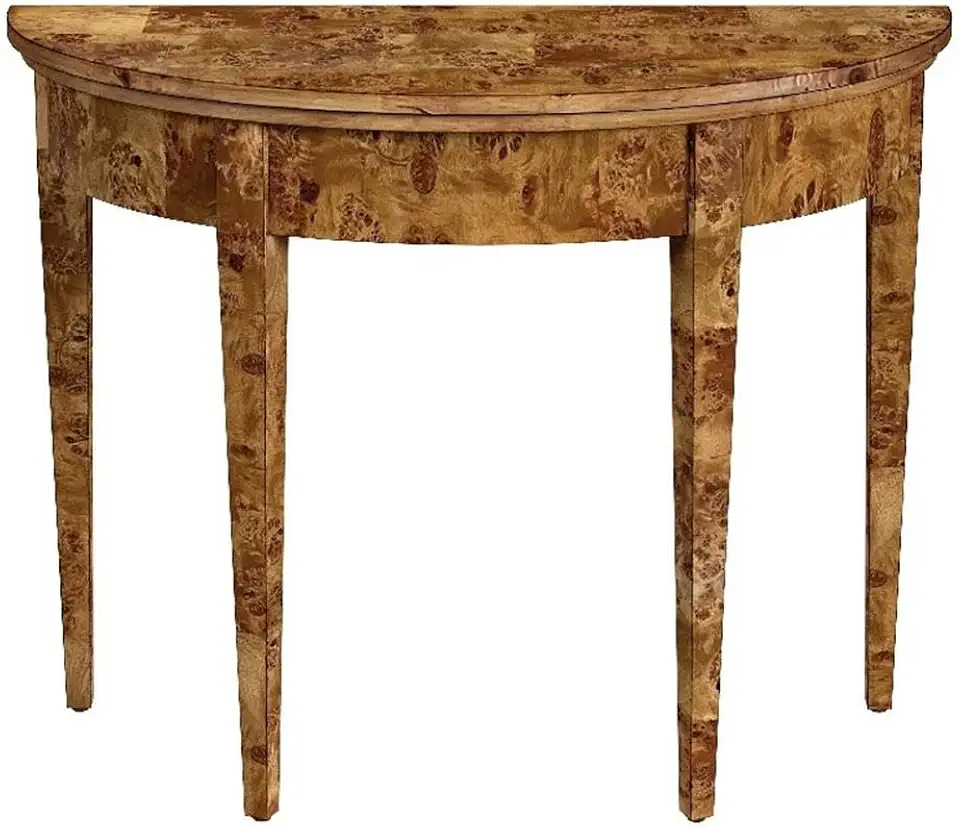
Hampton Burl Demilune Console Table 36-inch Brown Accent
- Classic demilune silhouette fits entryways and tight spaces
- Burl wood veneer top provides elegant, textured interest
- Sturdy construction supports decor, lamps, and daily use
- Warm brown finish complements traditional and transitional rooms
- Ready-to-place accent table for hallway or living area
Buy on Amazon
Conservation Issues and Responsible Harvesting
Burl Poaching Problems
Illegal burl cutting damages old-growth stands, reduces habitat, and harms scenic forests, with high-profile cases in coastal redwoods. Read more background on poaching and rarity factors here: Wikipedia: Burl.
Ethical Sourcing Guidelines
Buy only from suppliers who provide legal harvest documentation, salvage notes, or certifications, and ask for traceable origin on large slabs. Skip deals that hide location or species, and prefer windfall, urban salvage, or permitted harvests from managed lands.
Sustainable Harvesting Practices
Work with arborists to remove burls without girdling the trunk, and leave habitat snags and downed logs where possible. Mill carefully to reduce waste, stabilize offcuts for turning blanks, and air-dry thicker material before kiln cycles to protect figure.
FAQs
What Causes A Tree To Develop A Burl?
Burls Form When A Tree’s Normal Growth Is Disrupted By Stressors Such As Injury, Fungal Or Bacterial Infection, Insect Activity, Or Genetic Mutations. The Tree Produces Uncontrolled Growth Of Cambium And Dormant Buds, Resulting In The Rounded, Knotty Swelling Known As A Burl.
Are Tree Burls Harmful To The Tree?
Most Burls Aren’t Immediately Harmful And Many Trees Live For Years With Them. However, Large Or Multiple Burls Can Compromise Structural Integrity, Encourage Decay, Or Indicate Underlying Disease Or Stress. Have An Arborist Inspect A Tree If The Burl Grows Rapidly, Leaks, Or The Tree Shows Signs Of Decline.
How Can You Identify A Burl On A Tree?
Burls Appear As Rounded, Bulbous Or Irregular Swellings On The Trunk Or Branches With Rough Or Cracked Bark, Small Knobbly Protrusions, Or Unusual Sprouting. Internally The Wood Has A Twisted, Swirled Grain Pattern, And A Close Visual Inspection Or Professional Assessment Can Confirm A Burl.
Can Tree Burls Be Removed Without Killing The Tree?
Removal Can Be Risky: Cutting Out A Burl Often Leaves A Large Wound That Invites Decay And Infection And Can Destabilize The Tree. Small, Superficial Burls May Be Managed By A Qualified Arborist, But In Many Cases It’s Safer To Leave The Burl Or Consult An Expert To Weigh Aesthetic, Health, And Safety Concerns.
What Is The Value Of A Tree Burl?
Burls Are Highly Valued By Woodworkers For Their Unique Figured Grain, And Prices Vary Widely Based On Species, Size, And Figure, Ranging From Hundreds To Thousands Of Dollars. Legal And Ethical Considerations Matter: Removing Burls From Protected Or Urban Trees May Be Illegal Or Harmful, So Always Confirm Ownership, Permits, And Tree Health Before Harvesting.