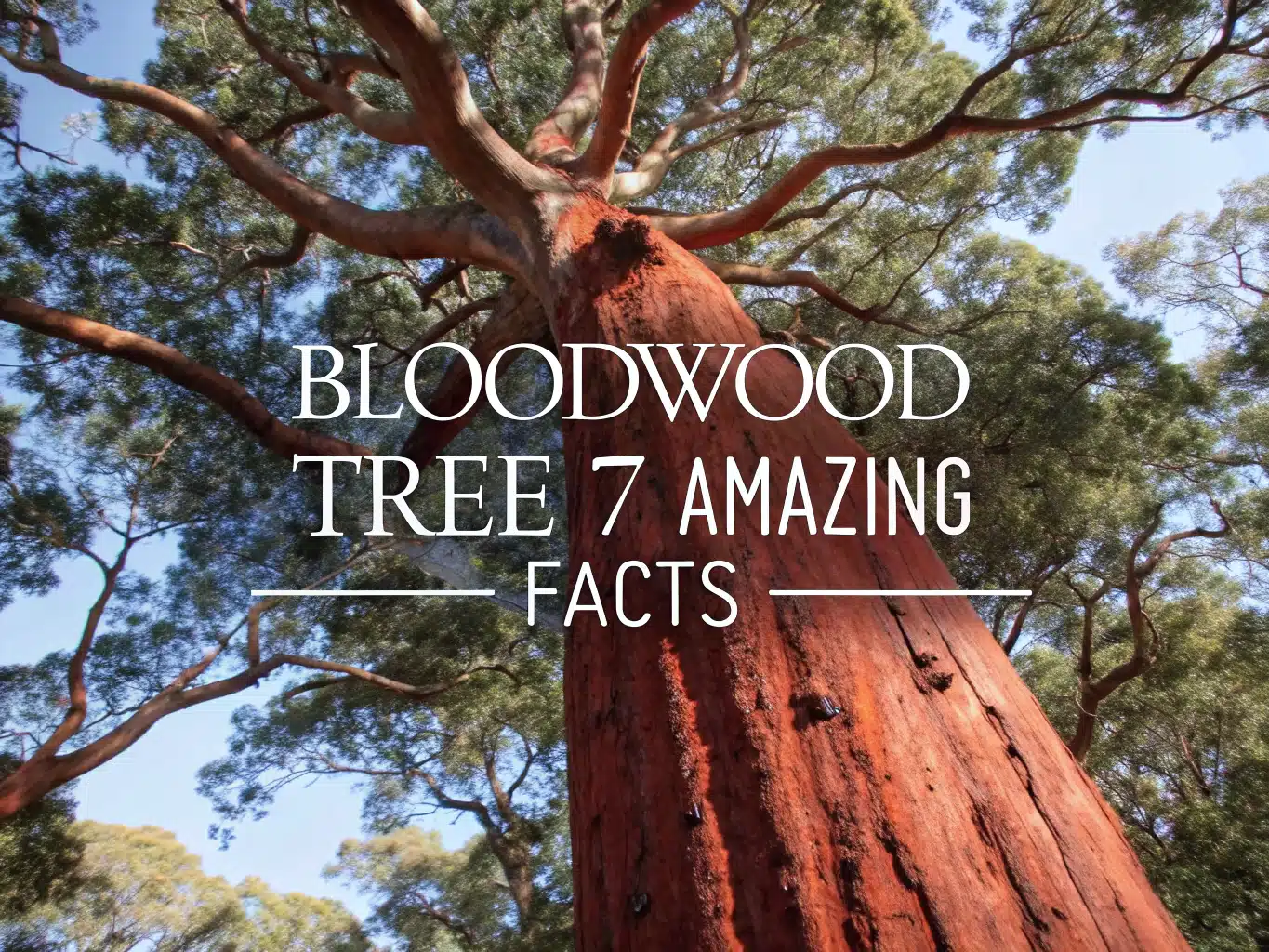

Have you ever heard of a tree that seems to bleed? The bloodwood tree, with its striking red sap, is a marvel of nature that’s shrouded in mystery and wonder. Across various continents, these trees offer more than what meets the eye. From vital roles in ecosystems to cultural significance, bloodwood trees have stories to tell and secrets to share. Let’s explore the fascinating facts that make these trees truly unique!
Table of Contents
Bloodwood tree covers several distinct species famous for red sap or richly colored timber and the wildlife they support. This guide explains key bloodwood tree facts, species, uses, and conservation in clear steps.
Not one tree: many bloodwood tree species
Red bloodwood (Corymba gummifera)
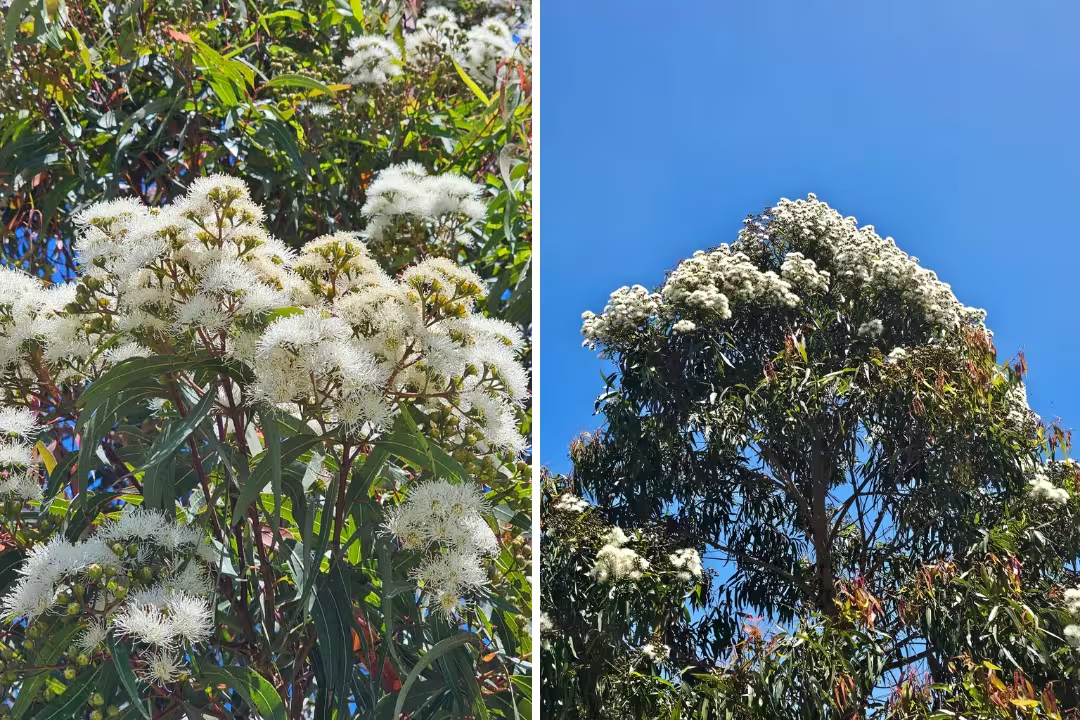
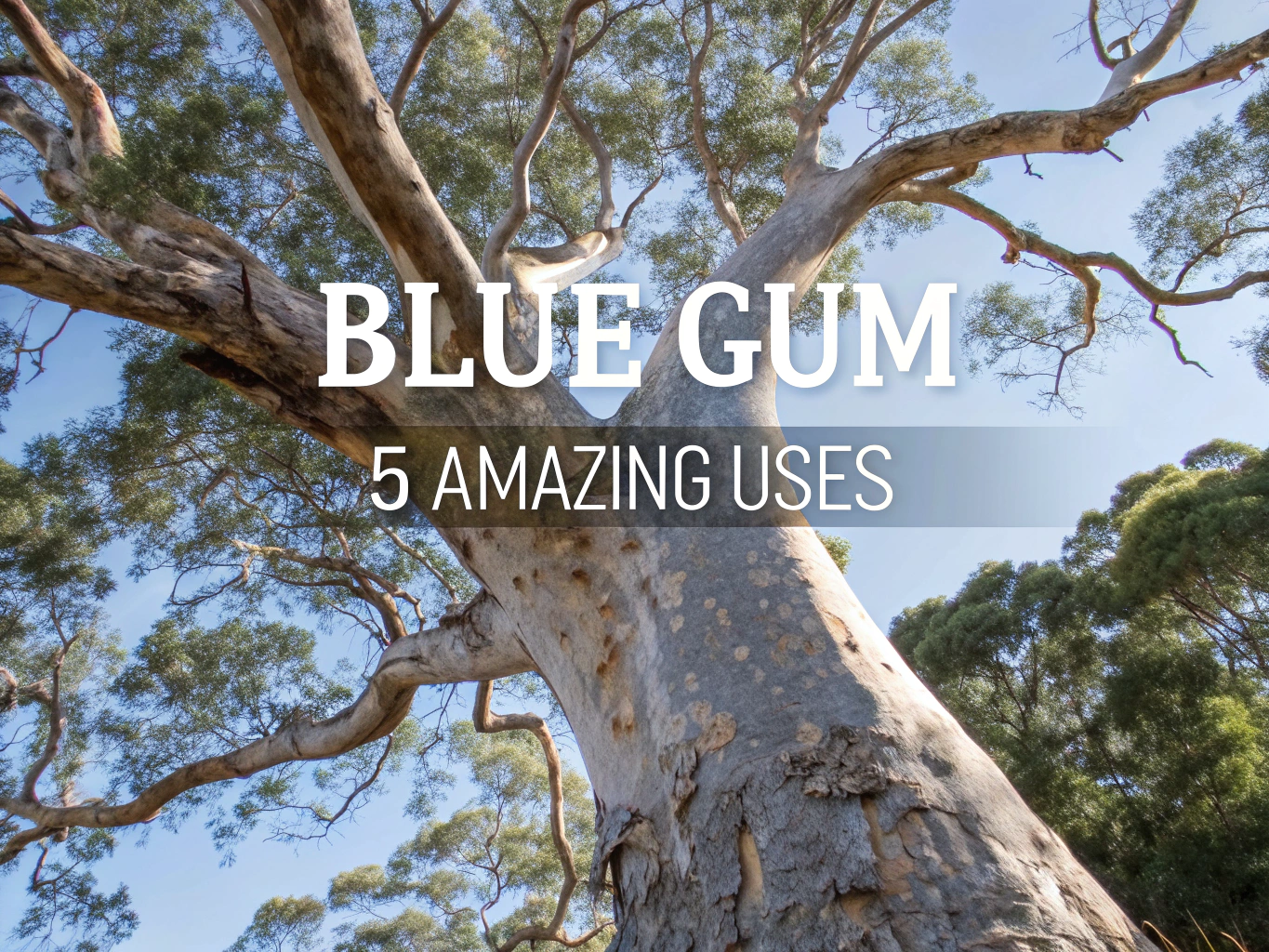
Red bloodwood is a tall Australian eucalypt relative that often reaches 15–30 m and sheds blood-red sap called kino when bark is damaged. It shows rough, fibrous bark, glossy leaves, cream flowers, and a stout form that stands out in coastal and tableland forests of eastern Australia.
Long-fruited bloodwood
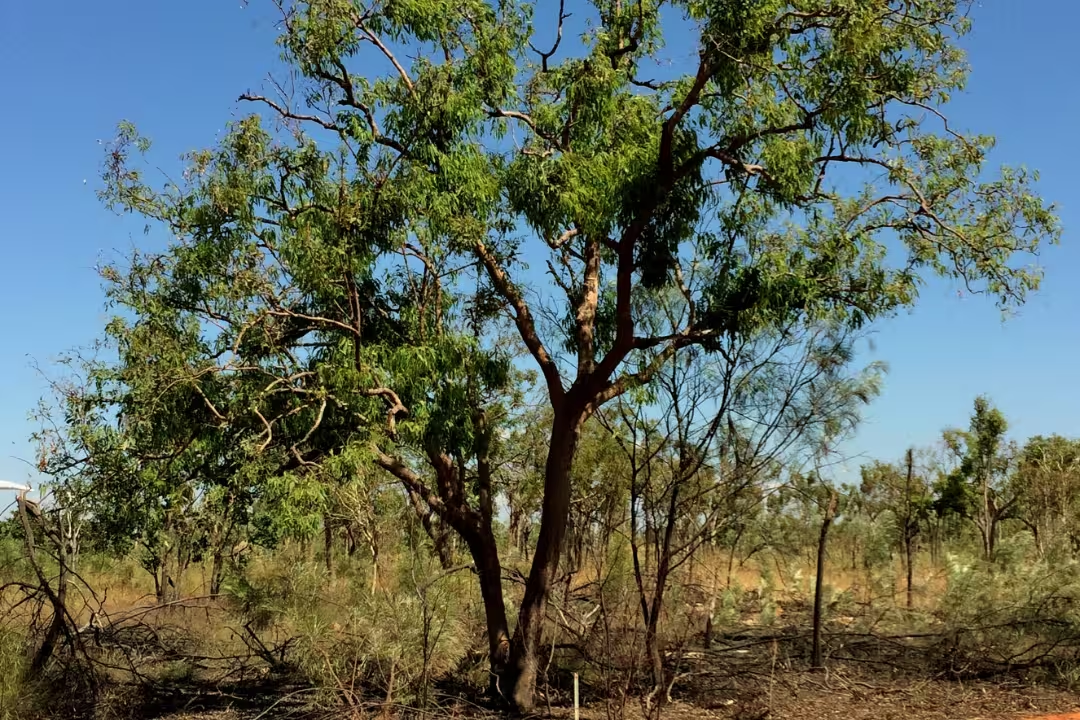
Corymbia polycarpa grows in northern Australia and bears large, barrel-shaped fruit with white to cream flower clusters. For a concise species overview, see Corymbia polycarpa, which highlights habitat and key traits that match field observations.
African bloodwood
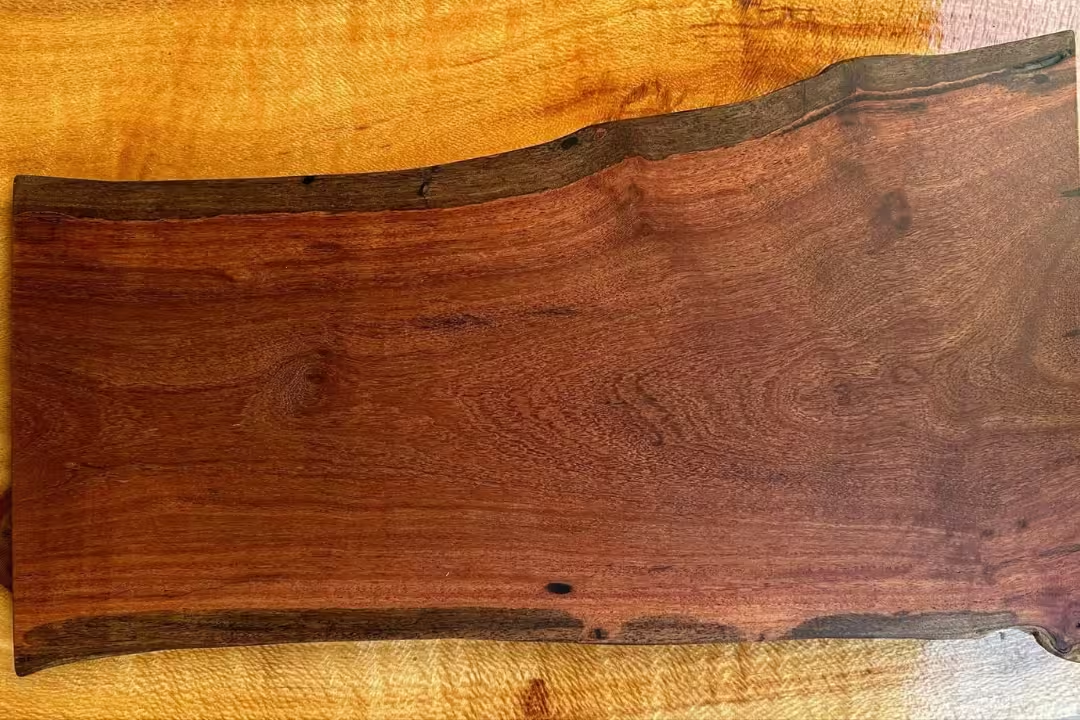
Pterocarpus angolensis, often called African bloodwood or umbila, spans sub‑Saharan savannas and is famed for durable, red-brown bloodwood timber. It’s a valued craft wood and a cultural tree, yet natural regeneration can be weak without management support.
New Zealand bloodwood
New Zealand’s “bloodwood” name usually refers to Coprosma wallii, a small 2–5 m tree with bright orange inner bark and red fruit. It grows in frost flats and alluvial sites, and now needs careful habitat care where pressure from weeds and browsing is high.
Habitats and range
Bloodwood species occupy very different places: eucalypt forests in Australia, dry savannas in Africa, and cool flats in New Zealand. This spread shows how “bloodwood trees” is a broad label that covers several lineages with similar sap or color traits.
| Species | Region | Height | Signature feature |
|---|---|---|---|
| Corymbia gummifera | Eastern Australia | 15–30 m | Deep red kino sap |
| Corymbia polycarpa | Northern Australia | Medium | Large barrel fruit |
| Pterocarpus angolensis | Southern–central Africa | Medium–tall | Resinous wood; prized timber |
| Coprosma wallii | New Zealand | 2–5 m | Orange inner bark; red berries |
Bloodwood sap: the “bleeding” phenomenon
Why it oozes
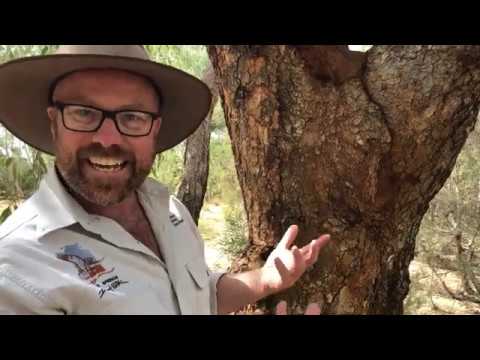
When bark is cut or split, many bloodwood trees exude a crimson resin that clots in minutes and seals the wound. This sticky sap helps block insects and microbes, making the tree’s “bleeding” a natural defense with real survival value.
Tannins and dyes
Kino is packed with tannins and polyphenols, which give the resin its rich red color and mild antiseptic traits used in folk remedies. A field-friendly summary of these sap properties appears in the accessible Red Bloodwood tree profile.
Most pronounced species
Visible “bleeding” stands out in Australian Corymbia like red bloodwood and in African Pterocarpus angolensis. You’ll often spot hardened, glassy kino beads on trunk scars after the resin dries.
Botanical traits of bloodwood trees
Size and lifespan
Bloodwood species range from small 2–5 m shrubs or trees (Coprosma wallii) to 30 m giants (Corymbia gummifera). Many live past a century in stable bloodwood habitat with low fire and good moisture.
Bark and leaves
Australian bloodwoods often show rough, fibrous or tessellated bark and lanceolate leaves, while Coprosma wallii has small opposite leaves and orange inner bark. These diagnostic cues help field ID even without flowers or fruit.
Flowers and fruit
Flowers tend to be white or cream in tight clusters, producing nectar that attracts bees and birds. Fruits vary widely, from Corymbia’s woody capsules to Pterocarpus discs and Coprosma’s red berries.
Roots and seedlings
Seedlings often push a quick taproot, and Pterocarpus can reach ~1 m in the first year, giving drought resilience. That speed contrasts with low germination and high early mortality in the wild, so recruitment can lag.
Keystone roles of bloodwood trees
Nectar for wildlife
Rich nectar feeds bees, beetles, and birds, helping pollination across dry seasons. In parts of Australia, lorikeets and honeyeaters flock to red bloodwood canopies during peak bloom.
Blooming season
Many Corymbia species bloom from late spring to early summer, a strategic window for pollinators. That timing supports food gaps when few other trees flower at scale.
Shade and soils
Broad crowns cast heavy shade that cools understories and helps conserve soil moisture. Thick root systems bind soils, reducing erosion risk on slopes and stream edges.
Biodiversity support
Bloodwood trees create structure for nests, perches, and insect communities, boosting local diversity. Fallen flowers, leaf litter, and kino add resources to the food web through the year.
- Nectar and pollen for birds, bees, and bats
- Hollows and bark shelters for small fauna
- Litter that fuels soil microbes and fungi
- Shade corridors that aid plant seedlings
Bloodwood trees in culture and medicine
Indigenous Australian uses
Communities have used kino as a topical antiseptic, made dyes from the resin, and shaped tools from dense timber. Such practical knowledge reflects long, place-based bloodwood traditional uses across regions.

Beneath the Bloodwood Tree (Novel)
- Atmospheric storytelling set around a vivid, evocative location
- Deep character development with emotional resonance
- Tension and mystery that build throughout the narrative
- Poetic, descriptive prose with memorable imagery
- Great pick for readers of literary and contemporary fiction
 Buy on Amazon
African community uses
Pterocarpus angolensis supports timber trades, carvings, and remedies prepared from bark or resin. Communities prize its workability and color, pairing craft value with long-standing medical lore.

Bloodwood - Guardians of the Path (Book 1)
- Epic fantasy opener introducing the Guardians of the Path series
- Fast-paced plot with rich worldbuilding and stakes
- Memorable characters with compelling motivations
- Blend of adventure, magic, and mystery to drive the story
- Great for readers seeking a fresh fantasy series to binge
Buy on Amazon
New Zealand significance
Coprosma wallii carries cultural and ecological weight, and current work focuses on habitat protection, seed propagation, and pest control. A clear species note is available via rarespecies.nzfoa.org.nz, which stresses the need for active conservation.
Coveted bloodwood timber for crafts
Color and finish
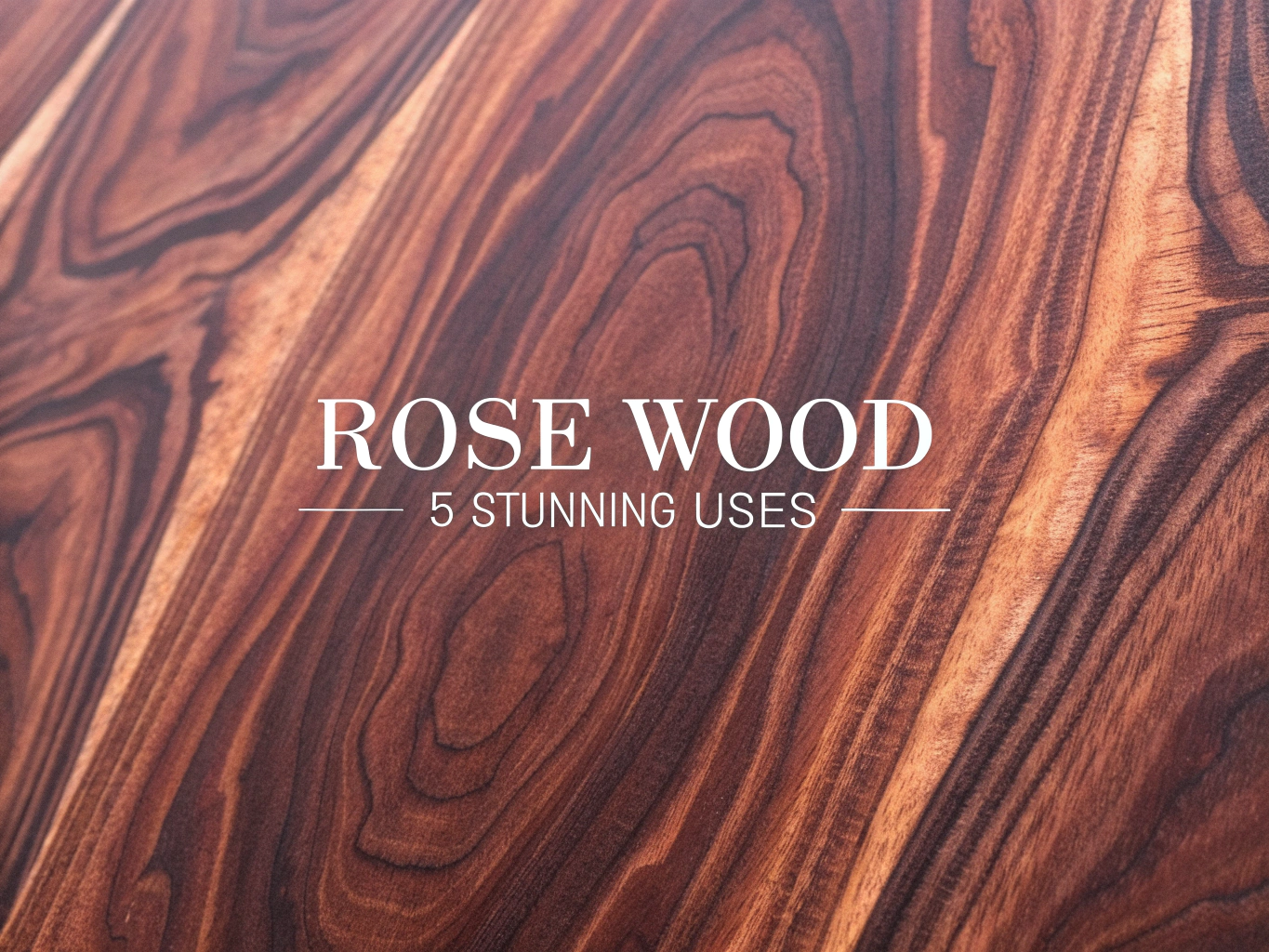
Fresh cuts show vivid cherry to deep crimson that matures to warm cinnamon tones, often with a natural luster. For a quick overview of species options and looks, see our bloodwood guide, then match color to your project goals.
Workability notes
Bloodwood is very dense and can blunt edges, so keep cutters sharp, take light passes, and pre-drill for screws. For properties and shop tips, the concise Wood Database profile pairs well with test cuts on offcuts to reduce tearout risk.
Popular applications
Woodworkers use it for turned bowls, inlay, tool handles, instrument parts, boxes, and statement furniture. If you compare color families, check African padauk and rich bubinga to balance price, stability, and finish goals.

Bloodwood Hardwood Plank 3/4 x 3 x 24 in
- Dense, richly colored hardwood ideal for furniture and accents
- Stable and easy to work for turning, carving, and joinery
- Smooth finish with natural luster and deep tones
- Durable and wear-resistant for long-lasting projects
- Perfect size for small woodworking and craft uses
Buy on Amazon
Conservation of bloodwood trees
African habitat loss
Pterocarpus angolensis faces heavy pressure from land conversion and unsustainable cutting in parts of southern Africa. Limited natural regeneration worsens the trend where seedling survival stays low without safeguards.
Field reviews report low germination and high first‑year mortality for Pterocarpus angolensis; harvest plans must reflect these limits to keep stocks viable.
CITES non-detriment findings (2024)
New Zealand threats
Coprosma wallii declines where wetlands are drained, weeds spread, and browsing hits young plants. Active site care and exclosures can boost survival for planted stock and wild recruits.
Low regeneration rates
Even where trees fruit heavily, only a small fraction sprouts and reaches sapling stage. Managers often combine seed collection, nursery propagation, and careful site prep to raise success rates.
Protection measures
Practical steps include habitat mapping, seed banking, community forestry, and legal harvest quotas for at‑risk stocks. In craft supply chains, ask vendors about source region and permits, and consider alternatives like cocobolo or Brazilian options when you need similar red tones.
FAQs
What Are The Uses Of The Bloodwood Tree?
Bloodwood trees provide dense, durable timber used for heavy construction, flooring, tool handles, fence posts and outdoor joinery. They are also used for firewood, ornamental planting, shade, wildlife habitat and traditional uses such as resin for medicinal or craft purposes.
How Do You Identify A Bloodwood Tree?
Bloodwoods Are Often Identified By Bark That Sheds In Patches And May Exude A Distinctive Red, Gum-Like Sap When Cut. They Typically Have Evergreen, Lance-Shaped Leaves, Clusters Of Cream Or White Flowers, And Gumnut Fruits—using Local Field Guides Or Photos Can Help Confirm The Species.
Is Bloodwood Tree Wood Durable For Furniture?
Many bloodwood species produce hard, dense timber that is naturally resistant to decay and suitable for furniture and flooring. However, the wood can be difficult to work, may require careful drying and sharp tools, and often needs pre-drilling for fasteners and proper finishing.
What Conditions Does A Bloodwood Tree Need To Grow?
Bloodwoods Generally Prefer Warm, Sunny Sites With Well-Drained Soil. They Tolerate Poor Soils And Drought Once Established But Benefit From Regular Watering When Young; Specific Requirements Vary By Species, And Some May Be Sensitive To Frost.
Are Bloodwood Trees Endangered?
Most bloodwood species are not globally endangered and are common in their native ranges, particularly in Australia. However, some localized species or populations may be threatened by habitat loss, land clearing or overharvesting—check local conservation lists for precise status and protection guidance.