

Poplar wood is a light-colored, fast-growing hardwood used heavily for paint-grade furniture, interior trim, carvings, and craft sheets because it machines easily and stays reasonably stable. It’s botanically a hardwood (deciduous/angiosperm), yet it feels soft, dents easily, and can stain blotchy unless you prep and seal it the right way.
Table of Contents
What Is Poplar Wood?
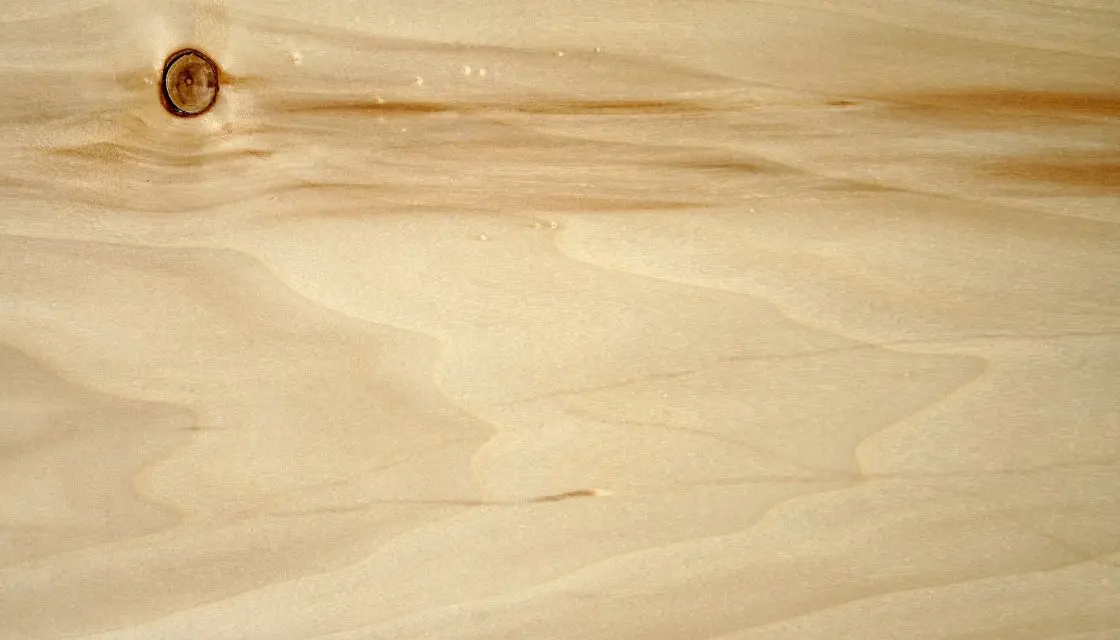
What is poplar wood depends on your lumberyard’s label: “poplar” may mean true poplar (Populus species) or tuliptree (Liriodendron tulipifera) sold as yellow poplar. In day-to-day shop use, it’s the go-to for straight-grained boards that plane quickly and take paint to a smooth, furniture-like feel after sanding.
Populus vs tuliptree
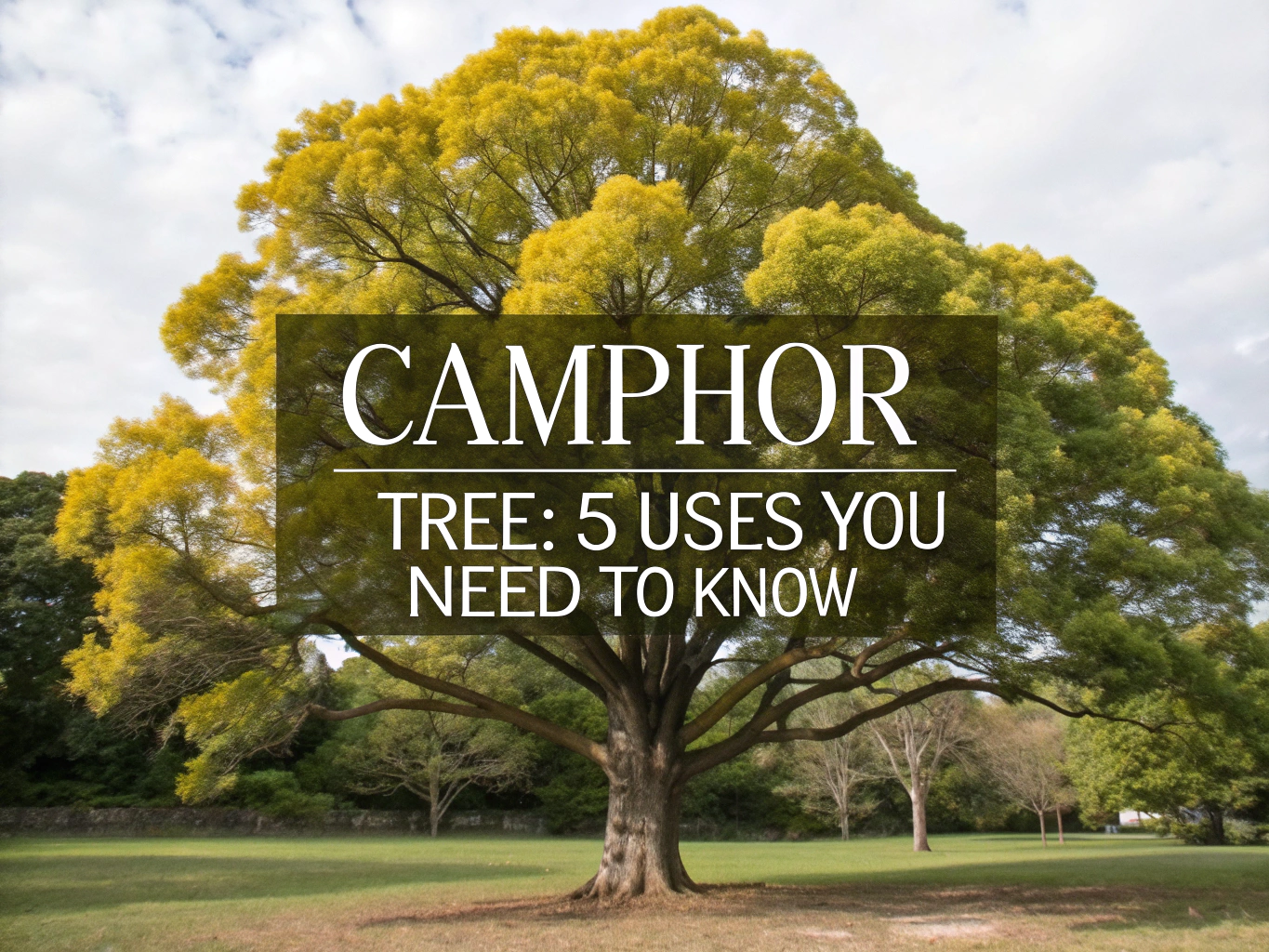
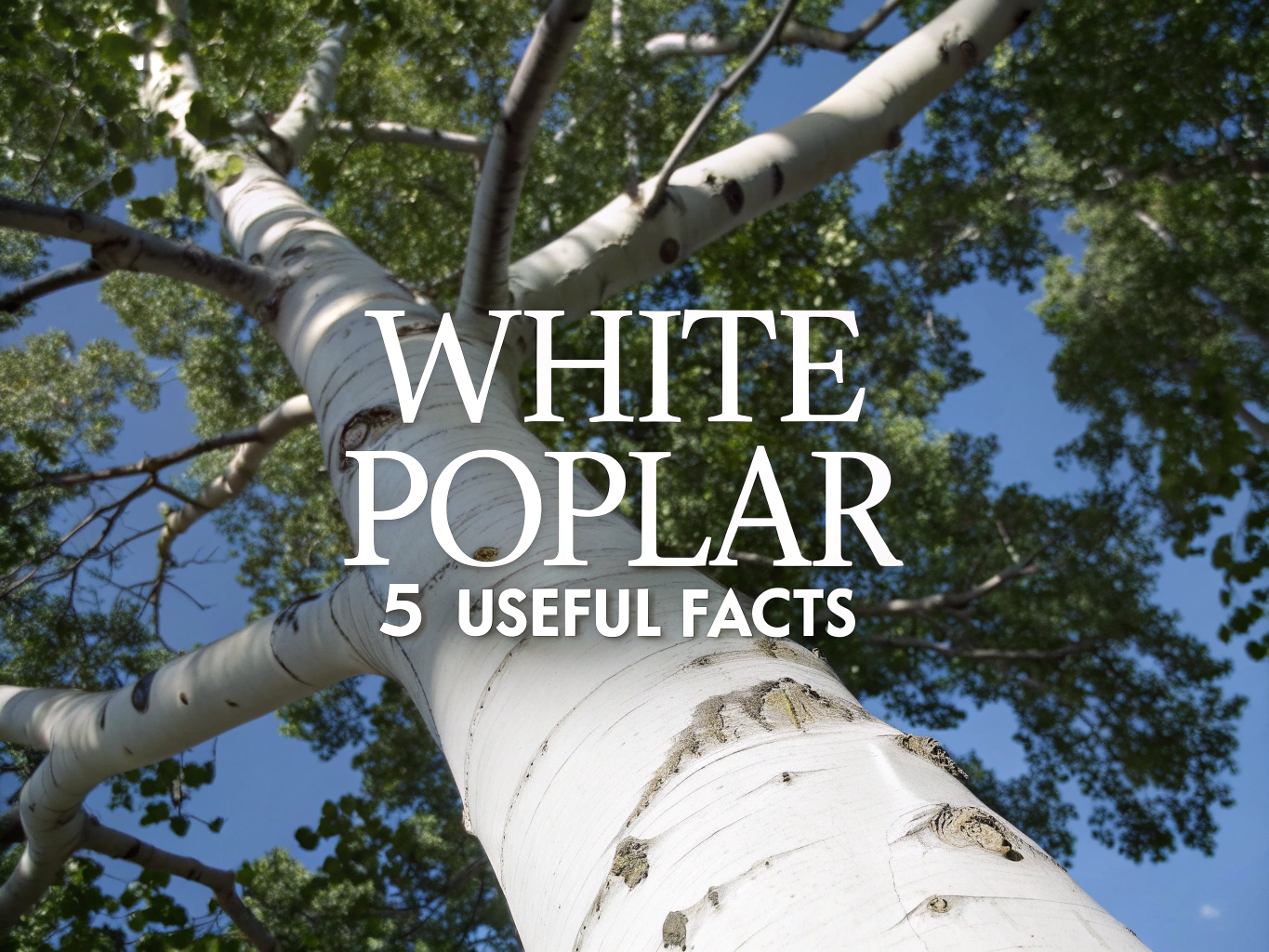
True poplars come from the Populus genus (like aspen/cottonwood types), while “yellow poplar” is actually tuliptree, an entirely different genus. That naming mismatch is where beginners get burned: they’ll read one set of specs online, then buy boards that behave a bit differently at the planer—some Populus boards get fuzzier, while tuliptree poplar often feels more consistent across a stack.
One quick check: look at the color cast and weight. Tuliptree boards often show pale cream with greenish/brown streaks and feel a touch heavier in the hand than some aspens; Populus boards can read whiter and lighter. If you want to go deeper on species labels and what sellers mean, this internal guide on white poplar helps decode common naming.
Yellow poplar wood
Yellow poplar wood (tuliptree) is what I see most often in home-center S4S boards and paint-grade trim stock: straight grain, fine-to-medium texture, and occasional olive/green mineral streaking. Those streaks can “telegraph” through light paint if you don’t prime well, so I treat any green areas like knots—spot-prime or use a stain-blocking primer before the full coat.
Exposure changes color too: boards left near a sunny window tend to warm up and darken, which matters if you’re trying to match panels. If you need a consistent look, buy enough at once and keep it out of direct light until finishing; rotating boards during acclimation also helps prevent one face from shifting faster than the other.
Rainbow poplar wood
Rainbow poplar wood is poplar with dramatic mineral staining—blue, green, purple, even red/yellow flashes—that comes from minerals absorbed while the tree grows. It’s picked for appearance, so it often carries a premium and requires smarter finishing: clear coats can make the colors pop, while heavy pigments can drown them out or turn them muddy.
Common mistake: sanding too aggressively and “washing out” the surface figure before finish. I stop earlier than I would for paint-grade work, then build clarity with finish instead of trying to sand to perfection. If you want examples and buying notes, see this internal page on rainbow poplar.
Is Poplar Wood a Hardwood?
Yes—hardwood in the botanical sense. The confusion comes from how it behaves under a fingernail: poplar dents more like many softwoods, so people assume it’s “softwood,” even though it comes from a deciduous broadleaf tree.
Botanical hardwood definition
Hardwood vs softwood is about tree type, not how hard the board feels. Hardwood species are angiosperms (flowering broadleaf trees), and poplar fits that definition even if it’s lighter and less dent-resistant than many other hardwoods.
Practical trade-off: being a hardwood doesn’t guarantee “floor-worthy” durability. Poplar works great for interior parts that don’t take abuse (drawer sides, face frames behind paint), but chair seats, table tops, and stair parts show dents fast unless you design around that with thicker edges, protective profiles, or a harder wear surface.
Janka hardness explained
Janka hardness measures how much force it takes to embed a steel ball into the wood, which correlates with dent resistance. Poplar commonly lands around 460–540 lbf, which explains why it feels “soft” under clamps and why a dropped screwdriver can leave a crisp little moon-shaped bruise.
Beginner pitfall: using Janka like a full strength rating. Janka mostly tracks surface denting; it doesn’t tell you everything about stiffness, bending strength, or joinery performance. For a quick refresher on how the scale is used across species, this internal wood hardness scale guide is handy.
Poplar vs other woods
Compared to oak or maple, poplar dents easier and can look bland under clear finish, yet it often machines cleaner than cheap construction pine and stays straighter once dry. I’ll pick poplar over knotty pine for painted built-ins because knots bleed and edges crumble; poplar edges stay crisp and take a routed profile without that crumbly earlywood feel.
| Wood (typical) | Janka hardness (lbf) | What you’ll notice in real use |
|---|---|---|
| Poplar | ~460–540 | Dents from clamps/tools; great paint results |
| Cherry | ~950 | Fewer dents; stains more predictably |
| Red/white oak | ~1,200+ | Much tougher surface; open pores need grain fill for glassy paint |
| Hard maple | ~1,400+ | Very dent-resistant; can burn when routed |
Data source for poplar’s standard reference properties (including hardness and strength values) can be cross-checked at Wood Database – Poplar. Treat any single number as a range: different poplar species and growing conditions can shift how a board feels and cuts.
Poplar Wood Properties and Specs
Poplar’s specs explain why it’s everywhere in paint-grade work: it’s light, straight-grained, and stable enough for interior parts, but it’s also more absorbent and dent-prone than many furniture hardwoods. When you run your palm over planed poplar, it can feel almost silky at first, then slightly “velvety” after sanding because the fibers can lift if the cutters aren’t razor sharp.
Color and grain
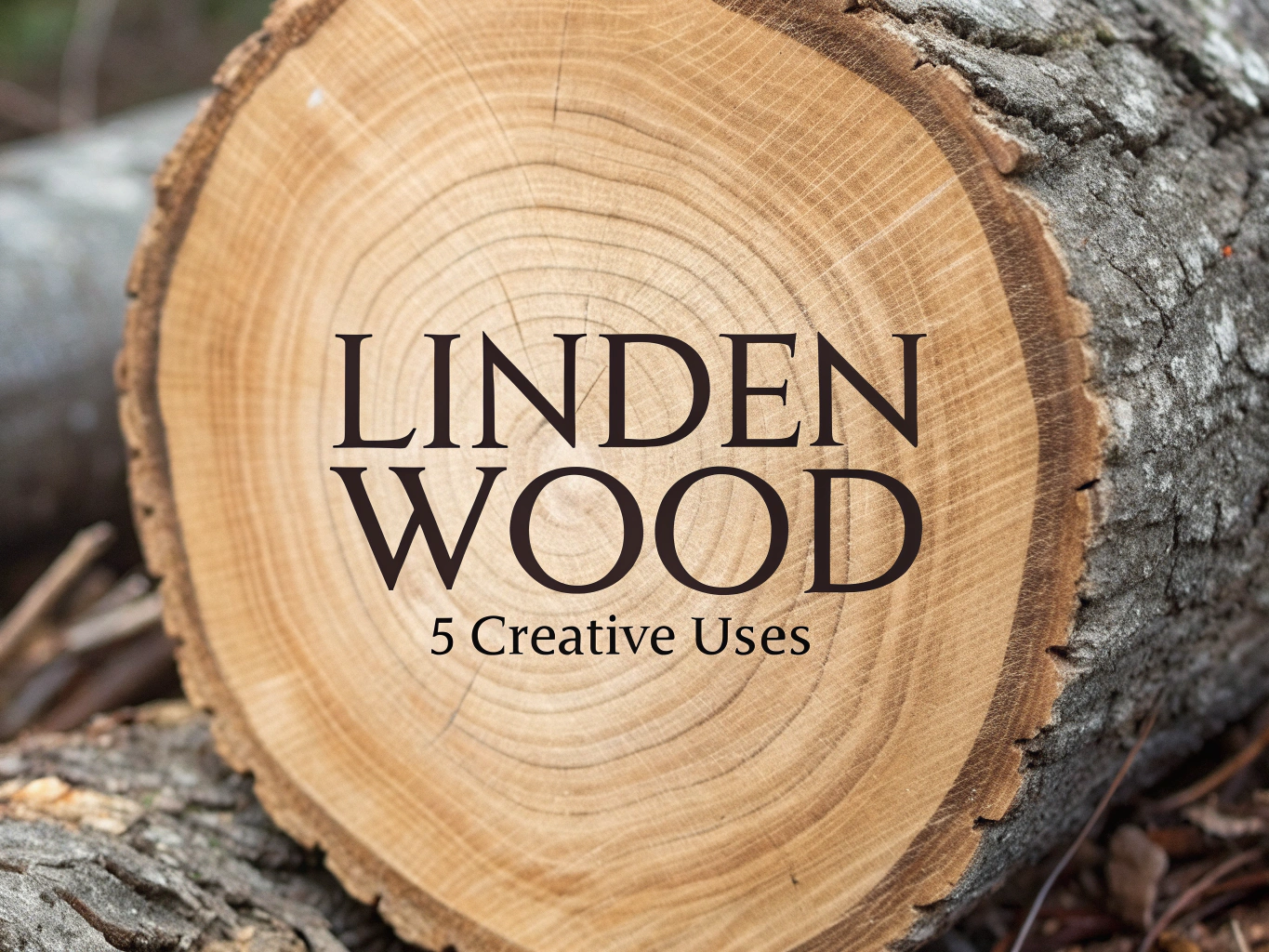
Color shifts from creamy white/yellow sapwood to light brown heartwood, with common green or gray mineral streaks. Grain is usually straight and uniform with a fine-to-medium texture, which is why it takes crisp joinery lines—dovetails and rabbets stay clean without the big pore troughs you fight in ring-porous woods.
Edge case: some boards have small zones of interlocked grain that tear out under a dull planer knife. If you see “cat tongue” fuzz or little ripped patches, switch to lighter cuts, skew the board, or finish with a card scraper instead of chasing perfection with more sanding that can round edges.
Density and stability
Low density makes poplar easy to carry, easy on tools, and forgiving for nailing, yet it also means corners ding during installation. On interior trim jobs, I keep a small sanding block in my pocket; just brushing a corner against a ladder can leave a shiny compressed spot that needs a quick scuff before primer.
Stability notes: poplar can stay pretty well-behaved if it’s properly kiln-dried and acclimated. If you want to tighten your process, this internal guide on kiln dried wood helps you avoid the “built it flat, installed it crooked” surprise that comes from working too wet.
Strength values
For its weight, poplar is respectably strong, which is why it shows up in drawer parts, web frames, and painted cabinet boxes. Typical published values you’ll see cited include Modulus of Rupture around 9,230 lbf/in², Elastic Modulus around 1,045,000 lbf/in², and crushing strength around 5,220 lbf/in²—numbers that translate to “plenty for interior furniture structure” if you keep spans reasonable.
Real limit: slender parts can bruise at clamps and fasteners before they actually fail structurally. I spread clamp pressure with cauls and back off brad-nailer air pressure so nails seat without blowing soft craters that show through paint.
Shrinkage rates
Shrinkage matters more than most people expect when they’re making doors or wide panels. Poplar’s typical shrinkage values often cited are about 4.0% radial and 9.3% tangential (T/R ratio about 2.3), which means it can cup if you rush drying, store boards flat with no stickers, or finish only one face and leave the other raw.
Workaround: seal both faces close together in time, and sticker boards so air hits both sides. If a panel still wants to move, I’ll redesign with narrower glue-ups or add a proper frame-and-panel assembly instead of trying to “win” against seasonal change with thicker stock.
Durability and Workability
Poplar behaves like a friendly shop wood: it cuts, glues, and nails easily, then rewards you with smooth painted surfaces. The trade-off is durability—untreated poplar doesn’t like moisture, and it shows wear quickly in high-touch spots like chair rails and cabinet toe-kicks.
Rot and insect resistance
Rot resistance is low, so poplar isn’t a smart pick for outdoor furniture, fence parts, or damp basements unless it’s fully protected by a proven exterior coating system and kept off wet surfaces. A common beginner mistake is using poplar for porch trim because it’s cheap and straight; it can swell at joints, then paint cracks, water gets in, and you get soft punky spots that feel spongy under a fingernail.
If you must use it in borderline areas, isolate it from moisture: prime end grain heavily, keep miters out of splash zones, and leave drainage/vent gaps. For outdoor work, I usually switch species rather than gambling on perfect maintenance.
Machining and planing
Machining feel: poplar planes easily, but it can turn fuzzy, especially around reversing grain or softer streaks. You’ll notice the surface go from crisp to “peach-fuzz” under your fingertips; that fuzz can drink finish unevenly and create dull patches under paint sheen.
Pro fix: sharpen cutters, take lighter passes, and finish with a high-angle plane, scraper, or a quick 220-grit scuff that knocks fuzz without rolling edges. On routed profiles, climb-cutting the last whisper pass can reduce blowout on the exit end, but keep a firm grip because climb cuts can grab.

Gluing and fasteners
Glue bonds are usually excellent because poplar is absorbent, but that same absorbency can starve joints if you over-sand burnished edges or clamp too hard. I aim for firm pressure without crushing; if you see a shiny dented line from a clamp jaw after glue-up, you already pressed too hard for paint-grade perfection.
Fastener tip: poplar nails without splitting, so it’s great for trim—yet brads can “blow out” near edges if you angle poorly. I’ll pre-drill for screws near corners, use blunt-point brads when I’m close to an edge (snip the tip), and fill holes after sealing so the filler doesn’t sink later.
Odor notes
Odor is real: freshly cut poplar can smell faintly sweet or perfumey, and sanding dust has a dry, slightly “paper-like” scent that lingers in a small shop. Burning poplar scraps can smell plasticky to some noses, so I don’t judge the wood by the burn-pile smell—judge it by how clean it machines and finishes.
Health note: the dust is still dust. Wear a respirator when sanding; poplar’s fine fibers can hang in the air and leave your throat feeling dry and scratchy after a big sanding session.
Common Uses for Poplar Wood
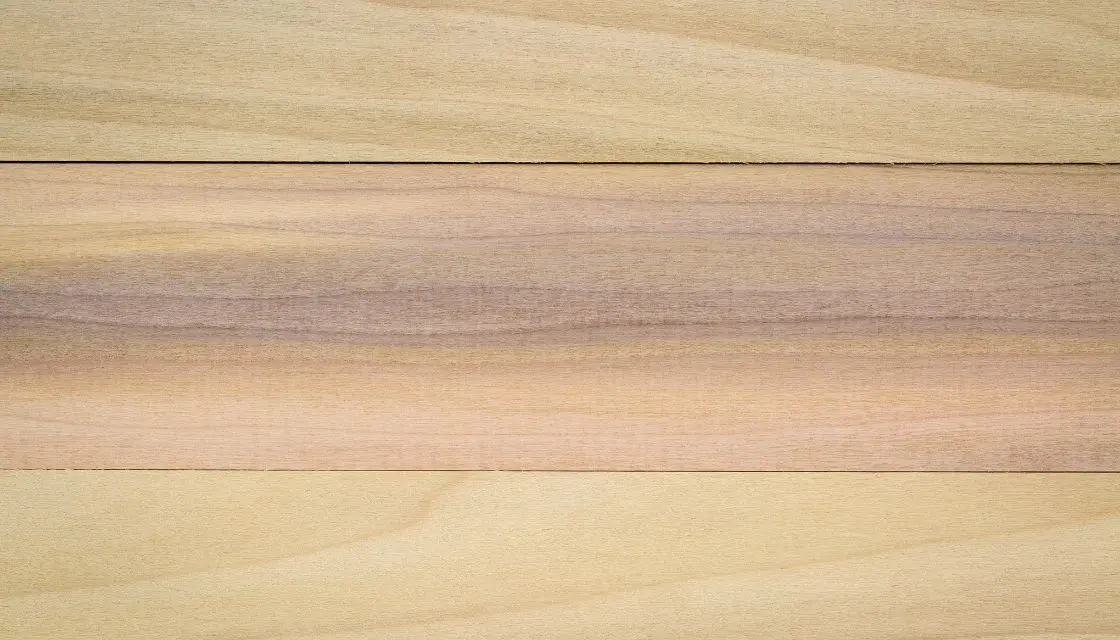
Poplar gets used where straight grain, easy machining, and paint-ready surfaces matter more than dent resistance. If you’re planning furniture, it helps to decide early whether your project is paint-grade or clear-finish grade; poplar can do either, but it demands different prep and design choices.
Furniture and cabinetry
Best fit: internal frames, drawer sides/backs, face frames under paint, and cabinet stretchers where you want straight parts that stay put. Poplar also works well for prototypes because it’s quick to cut and easy to correct; when you pare it with a chisel, you get that clean “shave” sound instead of crunchy tear-out.
Common failure: using poplar for tabletops without planning for dents. If you want the look, consider a harder top wood with poplar for the painted base, or add a durable film finish and accept that it’ll develop character marks fast.
Trim and millwork
Trim work is where poplar shines: baseboards, casings, built-in shelving faces, and interior doors (painted). It cuts clean on a miter saw, and it doesn’t have the pitch pockets that can smear and gum up sandpaper like some softwoods.
Pro move: seal end grain before installation for cleaner caulk lines and fewer “dry edges” that keep drinking paint. If you buy pre-dressed boards, knowing what “four sides surfaced” actually means saves time—this internal S4S lumber primer clears up what you’re paying for.
Crafts and carving
Carving and whittling feel smooth with poplar because the grain is usually cooperative, and the knife slides with less chatter than ring-porous hardwoods. On a sharp cut, you’ll see thin ribbons peel off and you can feel the blade glide, then suddenly tug when it hits a mineral-streak zone—rotate the cut direction instead of forcing it.
Product pick: carving blanks take away the randomness of big-box offcuts, especially when you’re practicing details that snap easily in brittle woods.
Plywood and crates
Poplar plywood shows up in laser-cut craft packs, drawer bottoms, light cabinets, and shipping crates because it’s lightweight and easy to bond. For small-shop production, it’s convenient because sheets handle easily on a bench without that “wrestling a heavyweight panel” fatigue you get with denser cores.
Good example for makers who want consistent thin stock for models and templates:
If you need boards for small trim repairs or mockups, short solid pieces can be a practical way to avoid buying a full-length board.
Staining Poplar Wood and Finishing Tips
Staining poplar wood is where most projects look “DIY” fast: uneven absorption causes dark splotches beside pale areas, especially around mineral streaks and softer earlywood. If you want a predictable look, you either control absorption with a sealer/conditioner or choose a finish strategy (gel stain or paint) that’s less sensitive to blotching.
Why poplar stains blotchy
Blotch happens because poplar’s density can change quickly across a board, so pigment dives into softer zones and sits lighter on denser zones. End grain makes it worse: it acts like a bundle of straws, going darker and duller than the face grain even if you sanded everything “the same.”
Common mistake: sanding to very high grits (like 320+) and expecting that to reduce blotch. Over-sanding can burnish areas, making stain even less consistent; I’d rather stop around 180–220 and use a controlled sealing step than try to sand my way out of absorption problems.
Surface prep and sanding
Prep goal is flat and clean, not glassy. I scrape or plane for flatness, then sand 120 → 150 → 180 (sometimes 220 for paint), vacuum, then wipe with a damp rag to raise grain lightly; once it dries, a quick final scuff knocks down whiskers so the first coat doesn’t feel fuzzy.
Edge case: planer fuzz that returns after the first coat. If your first seal coat raises a fuzzy halo, let it dry fully, then sand lightly with a fresh 220; don’t press hard or you’ll cut through sealed areas and create new blotch zones.
Wood conditioner basics
Conditioner works by partially sealing the surface so stain can’t race into softer pockets. In practice, the timing window matters: apply conditioner evenly, wait the manufacturer’s window, then stain—waiting too long can reduce stain uptake so much that the color looks weak and gray.
Pro trick: for extra control, I’ll sometimes use a thin washcoat of dewaxed shellac instead of a generic conditioner, then scuff lightly before stain. That approach takes test boards, but it’s one of the most reliable ways to keep poplar from going leopard-spotted.
Gel stain approach
Gel stain sits closer to the surface, so it’s less sensitive to poplar’s uneven absorption. It can still blotch on end grain, so I seal end grain first or sand end grain one grit higher than the faces, then apply gel in thin coats and even it out with consistent wipe pressure.
Watch your rags: oily stain rags can self-heat and ignite if wadded up. Lay them flat to dry on nonflammable concrete or store them in a sealed metal container designed for oily waste.
Painting best practices
Paint is poplar’s easiest win: sand to 180–220, prime, fill dents, then topcoat. The tactile difference is obvious when you do it right—after primer and a scuff sand, the surface feels uniformly smooth, and routed edges feel crisp instead of furry.
Beginner pitfall: skipping primer and going straight to paint, which can leave shiny “dry zones” and uneven sheen. If you’re making signs or plaques, panels are a simple starting format.
Poplar Wood for DIY and Craft Supply Shopping
Buying poplar for DIY is mostly about picking the right format: thin plywood for lasers, stable panels for painting, and straight boards for trim. If your project needs lightweight stock that’s easy to move and clamp, this internal guide to lightweight wood gives quick comparisons that help you avoid overbuilding.
Sheets for laser cutting
Laser cutting sheets work best when thickness is consistent and faces are smooth, so focus on packs that call out tight sizing tolerances. Warped sheets cause uneven focus height; you’ll see it as shallow engraving in one corner and darker burns in another, even with the same settings.
Squares and panels
Squares and panels are ideal for classroom builds, coasters, layered signs, and prototypes because you skip breakdown and go straight to layout. If you’re sealing painted craft pieces, don’t forget edges—raw edges wick moisture and can feel rough, like dry cardboard, until you seal and scuff them.
Boards for trim
Trim boards should be straight, dry, and free of crushed corners; dings cost time because poplar compresses rather than chips, and those bruises can show through glossy enamel. For interior projects, I also look for consistent grain direction on long runs so the final sheen reads even after paint.
Here are options that match common DIY formats (sheets, squares, plywood squares, and thin boards) for small builds and repeatable craft work:

OMTech Poplar Sheets 24-Pack 12 inch x 12 inch x 1/8 inch
- Designed for laser engraving and cutting with consistent 3 mm thickness
- Poplar plywood balance of strength and smoothness
- Unfinished boards accept stains and paints nicely
- Generous pack size for multiple projects or production runs
- Easy to trim and shape for models and crafts
 Buy on Amazon

Juvale Poplar Squares 60-Pack 2 inch x 2 inch
- Uniform 2 inch squares perfect for classroom and craft projects
- Smooth poplar surface paints and decorates easily
- Unfinished pieces allow full customization and sealing
- Bulk 60 piece pack gives great value for group activities
- Lightweight and easy to glue into larger assemblies
Buy on Amazon

Poplar Plywood Squares 60-Pack 6 inch x 6 inch x 1/8 inch
- Handy 6 inch craft squares for coasters signs and models
- Thin 1/8 inch profile works well for layering and engraving
- Smooth unfinished surface accepts paint stain and wood burning
- Consistent sizing simplifies pattern work and sets
- Large 60 piece set ideal for classrooms and makers
Buy on Amazon

Poplar Lumber Boards 5-Pack 1/4 inch x 3.5 inch x 2 foot
- Thin sawn poplar boards ideal for board and batten and trim
- Solid American hardwood offers stability and good workability
- Unfinished surface ready for paint or stain to match decor
- Handy 2 foot length fits many interior applications
- Five piece pack covers multiple runs or projects
Buy on Amazon
Lessons Learned in Practice With Poplar
Poplar surprises people because it’s “easy” right up until finish day. The most common real-world problem I see is a project that looked perfect sanded raw, then turned patchy after stain or felt fuzzy after the first coat—both issues come from poplar’s fiber structure and uneven density, not from bad luck.
What didn’t work for me early on was chasing blotch by sanding finer and finer. It wastes time and often makes absorption less predictable; a better fix is to control absorption on purpose (conditioner or washcoat), then choose a finish strategy that matches the wood (gel stain or paint) instead of forcing poplar to mimic walnut or cherry.
Dent management is another daily friction point: poplar bruises during assembly and install, especially at edges. I keep offcuts as soft cauls, pre-pad clamp jaws, and I’ll put painter’s tape on visible corners during dry-fit—tape sounds silly until you feel that sickening “thunk” of a board corner tapping the concrete and leaving a shiny compression mark you can’t unsee.
Edge cases show up in routing and planing: mineral-streak sections can cut a little differently and leave tiny torn fibers that only appear under raking light. A sharp scraper fixes that faster than more sanding, and it preserves crisp profiles—especially on door edges where rounding over ruins the shadow line.
Moisture mistakes cause the biggest failures in painted trim: unsealed end grain drinks primer, then swells, then paint cracks at joints. My workaround is boring but reliable—seal ends early, prime before install when practical, and don’t leave raw poplar sitting in a humid space. If you’re comparing poplar to other light species for similar work, this internal reference on light-colored wood helps you pick a wood that matches your finish and wear expectations.
Poplar is a hardwood by tree type, but it behaves like a soft wood at the surface—plan your design and finish around dents and blotchy stain, and it becomes one of the most efficient interior woods to build with.
Shop-floor rule of thumb
FAQs
What Is Poplar Wood Used For?
Poplar wood is commonly used for furniture frames, interior trim, cabinetry, moldings, and painted millwork. It’s favored for its straight grain, affordability, and ease of machining, making it ideal for hidden structural parts and painted finishes. Avoid exterior use unless properly sealed, as it’s less durable than oak or walnut.
Is Poplar Wood Actually A Hardwood?
Yes, poplar is classified as a hardwood because it comes from a deciduous (broadleaf) tree. It is one of the softer temperate hardwoods, so its density and wear resistance are lower than many hardwoods like oak. Treat it like a soft hardwood for joinery and finish choices.
Why Does Staining Poplar Wood Come Out Blotchy?
Poplar often stains blotchy because its grain absorbs finish unevenly, and earlywood/latewood differences create visible blotches. Its low tannin content and variable grain can make dye and oil-based stains uneven; use a pre-stain wood conditioner, gel stain, or paint for uniform color. Always test on scrap and sand carefully.
What Is Rainbow Poplar Wood And Is It Real?
Rainbow poplar refers to poplar boards that display colorful streaks and figure, and yes, it can be a real natural variation rather than a dye. Color can come from mineral uptake, fungal activity, or spalting, producing greens, purples, and browns. Verify by checking end grain and seller reputation; some products may be dyed for effect.
Is Yellow Poplar Wood The Same As Poplar Wood?
Yes — yellow poplar is a common name for Liriodendron tulipifera (tulip poplar), and it is often sold simply as ‘poplar’ in lumberyards. However, the term can be confusing because other Populus species (true poplars) also exist; check species or botanical name when specific properties are needed. Yellow poplar tends to be stable and easy to work.