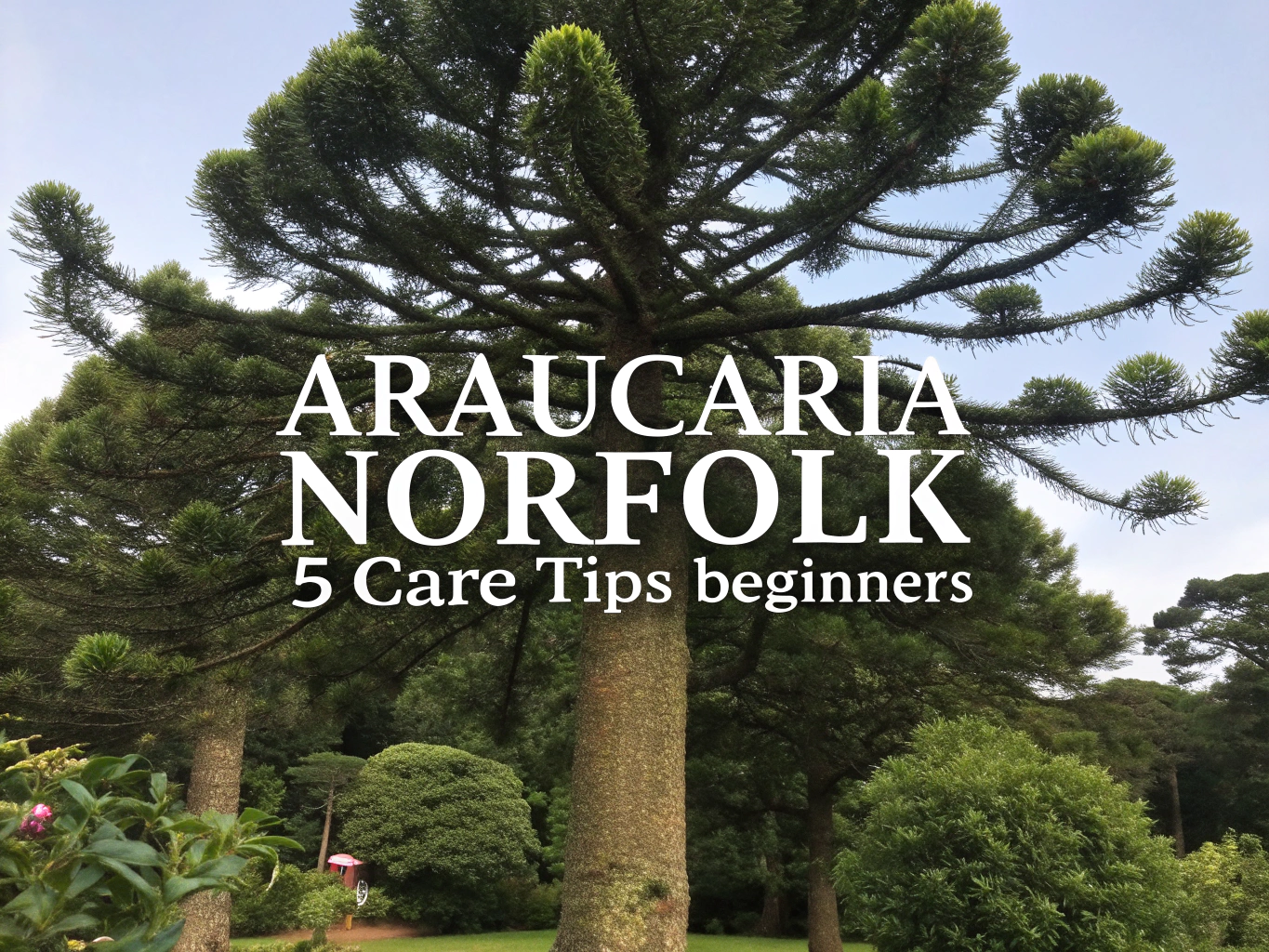

Want a small indoor tree that adds soft, feathery green to your space? The araucaria norfolk, also called Norfolk Island pine, is a great choice for beginners. With a few clear habits you can keep it healthy. This post shares 5 practical tips on light, water, soil, temperature and pests to help your plant do well.
Table of Contents
Learn how to care for araucaria norfolk (Norfolk Island Pine) with clear steps that fit any home. This guide covers light, water, soil, temperature, feeding, problems, growth, and decor ideas using simple, proven tips for araucaria heterophylla norfolk island pine care.
Light Requirements for Araucaria Norfolk
Bright, Indirect Light
Place your Norfolk where it gets bright, indirect light for most of the day, plus 3–4 hours of gentle direct sun through glass for compact growth. A south window with sheer curtains works well; rotate the pot weekly so branches grow evenly and don’t lean, as noted by the Bloomscape guide.
Direct Sun Exposure
Morning sun is usually safe, while harsh midday rays can scorch needles. If you move the plant outdoors in summer, pick bright shade or light dappled sun, then bring it inside before frost hits.
Supplemental Lighting Options
Use LED grow lights at 5000–6500K set 12–18 inches above the top to keep growth dense in winter. Target 12–14 hours daily and adjust height so leaves don’t feel hot to the touch.
Seasonal Light Management
Clean dusty needles monthly so they capture more light. Shift the plant closer to windows in fall and winter, then step it back a bit in summer to avoid burn.
Watch a short care video that reinforces the key light and placement tips for Norfolk Pines.

Watering and Humidity Needs
Proper Watering Schedule
Water when the top 1–2 inches of mix feel dry, then soak until excess drains from the holes. Lift the pot before and after watering to learn its “dry” and “wet” weight, a simple way to avoid overwatering backed by Mahoney’s Garden.
Humidity Requirements
Keep humidity at or above 50% to prevent crispy tips. Use a room humidifier, a pebble tray with water under the pot, or group plants to raise local moisture.
Winter Care Adjustments
Cut watering frequency as growth slows in cooler months to avoid soggy roots. Move away from heaters and cold drafts; both swings can trigger needle drop.
Ideal Soil and Potting Tips
Soil pH and Drainage
Use a well-draining, acidic mix with a target pH of 4.5–5.5. Mix 2 parts peat or coco, 1 part perlite, and 1 part fine bark; this keeps air in the root zone and supports steady hydration per Plantify.
Pick a pot with large drainage holes and avoid heavy garden soil that holds too much water. If your tap water is alkaline, acidify with peat or use an acid-forming fertilizer at light strength.
Repotting Guidelines
Repot every 2–4 years in spring, stepping up only one size to keep roots slightly snug. Slide the plant out, trim dead roots, refresh the mix, and set the crown at the same depth to protect the trunk.
If you want starter plants or seeds that match the care tips above, these options are handy for beginners and gifters.

Norfolk Island Pine Seeds — Easy‑Grow Starter
- High-quality seeds selected for germination
- Ideal for starting indoor decorative trees or bonsai
- Simple sowing instructions for beginners
- Slow-growing, attractive evergreen foliage as it matures
- Perfect for gifting to plant lovers and hobby gardeners
 Buy on Amazon

Live Norfolk Island Pine — 6-inch Pot
- Compact, ready-to-display houseplant in a 6-inch pot
- Adds a soft, tropical feel to indoor spaces
- Low-maintenance care ideal for beginners
- Improves indoor ambiance and natural decor
- Great gift for plant enthusiasts and offices
Buy on Amazon
Temperature and Fertilization
Optimal Temperature Range
Keep temps between 65–80°F (18–27°C) for steady growth. Try not to drop below 60°F (16°C), and protect from blasts of hot or cold air that stress needles as highlighted by Growcycle.
Feeding Schedule
Feed monthly in spring and summer with a balanced liquid fertilizer (for example 20‑20‑20) at half strength. Flush the pot with plain water every 2–3 months to clear salts.
Seasonal Adjustments
Pause feeding in late fall and winter when growth slows to avoid soft, weak growth. Resume light feeding as days lengthen and new tips start to form.
Common Problems and Solutions
Needle Issues
Brown tips point to dry air or underwatering; raise humidity and water on schedule. Heavy needle drop signals light, water, or temperature stress; adjust placement and check your routine with help from Bath Garden Center.
Root Problems
Mushy roots and a sour smell mean root rot; trim damage, repot into fresh airy mix, and water less often. Let the top layer dry between drinks and pick pots with large drainage holes.
Pest Management
Watch for spider mites, mealybugs, scale, and aphids, which thrive on stressed plants. Treat early with insecticidal soap or neem oil, repeat weekly until clear, and boost light and humidity to reduce relapses.
- Inspect weekly with a flashlight under branches.
- Isolate new or infested plants for two weeks.
- Wipe pests with alcohol-dipped swabs before spraying.
- Rinse foliage in the shower to knock down mites.
- Repeat treatments 2–3 times to break cycles.
Safety Considerations
Norfolk Island Pine is reported as toxic to pets and people if chewed. Place it out of reach and sweep fallen needles before curious pets can sample them.
Propagation and Growth Patterns
Seed Propagation
Start fresh seed in a sterile, acidic mix kept at 70–75°F and lightly moist; cover trays to hold humidity and give bright light. Germination can take several weeks, and seedlings like snug pots and gentle feeding at quarter strength
Norfolk Island Pine Seeds — Easy‑Grow Starter
- High-quality seeds selected for germination
- Ideal for starting indoor decorative trees or bonsai
- Simple sowing instructions for beginners
- Slow-growing, attractive evergreen foliage as it matures
- Perfect for gifting to plant lovers and hobby gardeners
Buy on Amazon
Growth Expectations
Indoors, growth is slow, often 2–6 inches per year with mature heights around 6–8 feet. Don’t cut the central leader; this top shoot guides the tree’s classic form.
Root System Management
Norfolk roots like a slightly tight fit, so avoid big pot jumps that keep soil wet too long. If roots circle, lightly tease and trim tips, then repot at the same depth to protect the base collar.
Decorative Uses and Display Ideas
Holiday Decorating
Use mini ornaments, felt garlands, and battery micro-lights that don’t heat the needles. Pair your tree with warm accents like cedar plywood shelves for a soft, natural look.
Bonsai Arrangements
Group several small Norfolks in a shallow pot to create a forest-style bonsai. Display on a mantel or a douglas fir wood bench to frame the soft layered branches.
Gift Options
Small live plants make charming gifts for offices and homes; include a care card with light and watering basics. For instant impact, pick styled groupings that look great right out of the box.
Browse ready-made groupings that fit tabletops and living rooms for fast, polished displays.

Five-Tree Norfolk Island Pine Bonsai Forest
- Hand-arranged cluster for a natural forest look
- Compact 20 x 18 x 12 inch footprint for tabletops
- Pre-shaped trunks and foliage for instant display
- Low watering needs with regular light care
- Creates a striking centerpiece or bonsai starter set
Buy on Amazon

Seven-Tree Norfolk Island Pine Bonsai Group
- Lush multi-tree composition for realistic forest appeal
- Generous 28 x 19 x 17 inch display size for impact
- Carefully pruned and styled for immediate display
- Requires simple maintenance to keep shape and health
- Perfect focal point for tabletops or mantels
Buy on Amazon
Quick Reference Guide
Essential Care Checklist
| Aspect | What To Do |
|---|---|
| Light | Bright indirect + 3–4 hrs soft sun daily; rotate weekly |
| Water | When top 1–2 inches are dry; soak, then drain fully |
| Humidity | Target 50–60%; humidifier or pebble tray |
| Temperature | 65–80°F; avoid drafts and cold below 60°F |
| Soil | Acidic pH 4.5–5.5; airy peat/perlite/bark mix |
| Fertilizer | Half-strength balanced feed monthly in spring/summer |
Troubleshooting Tips
Brown tips? Raise humidity and water on time. Leaning plant? Increase light on the dim side and rotate more often.
Success Indicators
New tiered whorls with soft, lime-green tips show strong growth. Dense, evenly spaced branches and deep green color signal happy roots.
FAQs
How Do You Care For A Norfolk Island Pine Indoors?
Place It In Bright, Indirect Light, Keep Temperatures Between About 60–75°F (15–24°C), And Maintain Moderate To High Humidity By Misting Or Using A Humidity Tray. Water When The Top Inch Of Soil Feels Dry—Avoid Soggy Soil—And Feed With A Balanced Liquid Fertilizer During The Growing Season. Rotate The Pot Regularly For Even Growth And Prune Only Dead Or Damaged Branches.
Can A Norfolk Island Pine Survive Outdoors?
Yes—But Only In Frost-Free, Mild Climates Where Temperatures Rarely Drop Below Freezing (Typically USDA Zones 10–11). Outdoors It Prefers Sheltered Sites With Bright, Indirect Light Or Morning Sun, Well-Draining Soil, And Protection From Strong Winds And Intense Midday Sun; In Cooler Regions Grow It In A Container You Can Move Indoors In Winter.
Why Are My Norfolk Pine’s Needles Turning Brown?
Brown Needles Can Result From Several Issues: Overwatering And Poor Drainage Leading To Root Problems, Underwatering And Low Humidity, Sunburn From Direct Harsh Sun, Salt Or Fertilizer Buildup, Or Pests And Disease. Inspect Soil Moisture And Roots, Adjust Watering And Humidity, Flush Excess Salts, Move The Plant To Softer Light If Needed, And Treat Any Pests Promptly.
How Often Should You Water An Araucaria Norfolk?
Water When The Top 1–2 Inches Of Soil Have Dried Out; For Many Indoor Plants This Means About Once A Week, But Frequency Varies With Pot Size, Light Levels, And Season. Water Thoroughly Until Excess Drains From The Pot, Then Allow The Soil To Partly Dry—Avoid Constantly Soggy Conditions And Reduce Watering In Winter.
What Type Of Soil Is Best For A Norfolk Island Pine?
Use A Well-Draining, Aerated Potting Mix—A Peat-Based Or Coco Coir Mix Amended With Perlite, Coarse Sand, Or Pine Bark Works Well. Aim For Slightly Acidic To Neutral pH And Avoid Heavy, Compact, Or Clayey Soils That Hold Excess Water.