

Ever tasted fresh pine nuts picked from a nearby tree? A pinon pine can give you those nuts. It also offers fragrant resin and homes for birds and small animals. These trees handle dry summers and need little care. Below are seven good reasons to buy a pinon pine and simple tips for growing and using it.
Table of Contents
Pinon pine is a small, hardy pine with edible seeds, fragrant wood, and time-tested cultural uses. This guide covers types, benefits, growing tips, and smart ways to use pinyon pine in 2025.
What Is Pinon Pine?
Overview and Species
Pinon pine (also spelled pinyon, piñon, or pinion) refers to several small pines native to the American Southwest, with Pinus edulis and Pinus monophylla being the most common. These trees form open woodlands at high elevations and thrive in dry sites with well-drained, sandy or rocky soils (Gardenia: Singleleaf Pinyon).
Growth is slow and compact, which suits small yards and xeriscapes. Mature trees produce heavy, resinous cones and wood with a distinctive, warm aroma prized for fires, incense, and candles.
Alternate Names and Terms
Shoppers and gardeners will see pinyon pine tree, pinyon tree, pinion pine, and pinion tree used for the same group of species. Products often use the term pinyon wood for firewood, incense, and scented goods.
1. Nutritious and Delicious Pine Nuts
Key Nutritional Benefits
Piñon pine nuts are rich, buttery seeds eaten for centuries across the Southwest. They supply vitamins and minerals like magnesium, zinc, iron, manganese, phosphorus, vitamin K, thiamine, and niacin (Specialty Produce: Pinyon Pine Cones).
Use them to boost energy, support metabolism, and add healthy fats to salads, baked goods, sauces, and snacks. People with tree-nut allergies should avoid them.
| Nutrient | What it supports |
|---|---|
| Magnesium | Muscle function and steady energy |
| Zinc | Immune defense and skin health |
| Iron | Healthy red blood cells |
| Manganese | Antioxidant enzymes and bone health |
| Vitamin K | Normal blood clotting |
| Thiamine & Niacin | Carb metabolism and nerve function |
Culinary Uses and Harvest
Let cones mature and dry on the tree until the scales loosen and release plump seeds. Crack shells gently, toast the nuts in a dry pan for 2–3 minutes, then use in pesto, mole, granola, or a simple salted snack.
Freeze extra kernels in airtight jars to keep the buttery flavor. A light roast brings out aroma without burning the delicate oils.
2. Easy to Grow and Drought-Tolerant
Climate Adaptation
Pinyon pines love high light, lean soils, and dry air. Plant in full sun with sharply drained soil, and avoid humid, wet locations that promote root issues.
The trees handle long dry spells once established. Deep, infrequent watering builds deep roots far better than frequent sips.
Low-Maintenance Growing
Keep care simple with these practical steps for healthy growth.
- Water deeply the first 2–3 seasons, then cut back to occasional soakings in long dry periods.
- Avoid rich fertilizers; pinyons prefer lean, mineral soils.
- Mulch lightly with gravel or bark to reduce weeds while keeping the root crown dry.
- Prune broken or crossing branches in late winter for a clean, open form.
- Space trees to improve airflow and reduce pest pressure.
New to seeds? These beginner-friendly options help you get started with confidence.

Piñon Pine Seed Grow Kit
- Includes piñon pine seeds and planting instructions for beginners
- Compact kit ideal for windowsill or garden sowing
- Encourages growth of drought-tolerant native trees
- Great educational activity for kids and hobby gardeners
- Supports habitat restoration and long-term planting projects
 Buy on Amazon
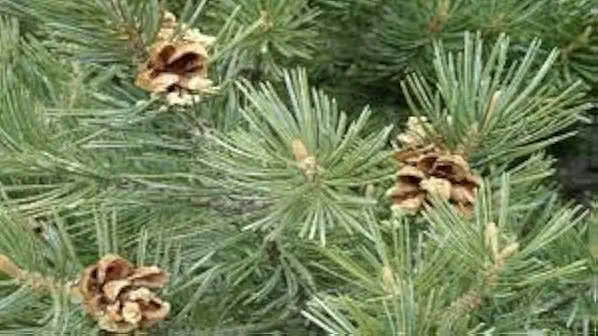
100-Pack Pine & Pinyon Tree Seeds
- Contains 100 seeds ideal for planting and propagation
- Affordable bulk pack for reforestation or landscaping projects
- Suitable for outdoor beds and container growing with proper care
- Can be stratified and stored for seasonal planting
- Perfect for gardeners and tree-planting initiatives
Buy on Amazon
3. Ecological and Wildlife Benefits
Wildlife Support
Pinyon pine woodlands feed and shelter many species. Birds like Pinyon Jays and Clark’s Nutcrackers move seeds across the landscape, while squirrels, chipmunks, deer, and elk rely on cones and cover (Grand Canyon Trust: Piñon-Juniper Forests).
Planting a pinyon adds long-term habitat value for western pollinators and small wildlife. Mixed plantings with sagebrush or native grasses create stable, low-input cover.
Non-Invasive Native Species
Pinyon trees spread slowly and rely on wildlife rather than aggressive runners. That makes them a solid pick for native gardens, restoration plots, and xeriscapes.
4. Versatile Resin and Traditional Uses
Medicinal Properties
Pinyon resin (pitch) has a long record in folk medicine for minor wounds, coughs, and as a topical protectant. Many people value its aromatic, antimicrobial character and use small amounts in salves and steam blends (Of Sedge & Salt: Pine Nut Harvest).
Crafting and Ceremonial Applications
Artisans heat pitch to make natural glue, waterproof baskets, and seal containers. The smoke’s sweet, resinous scent also supports rituals, meditation, and simple home ambiance.
Here are popular resin-based picks for aroma and ritual use with pinyon.

Pinyon Pine Resin — 2 oz
- Pure pinyon resin with rich, earthy aroma
- Perfect for incense, smudging, and aroma blends
- Concentrated form gives long-lasting fragrance from small amounts
- Handy 2-ounce jar for storage and travel
- Versatile for crafts, rituals, and scenting spaces
Buy on Amazon
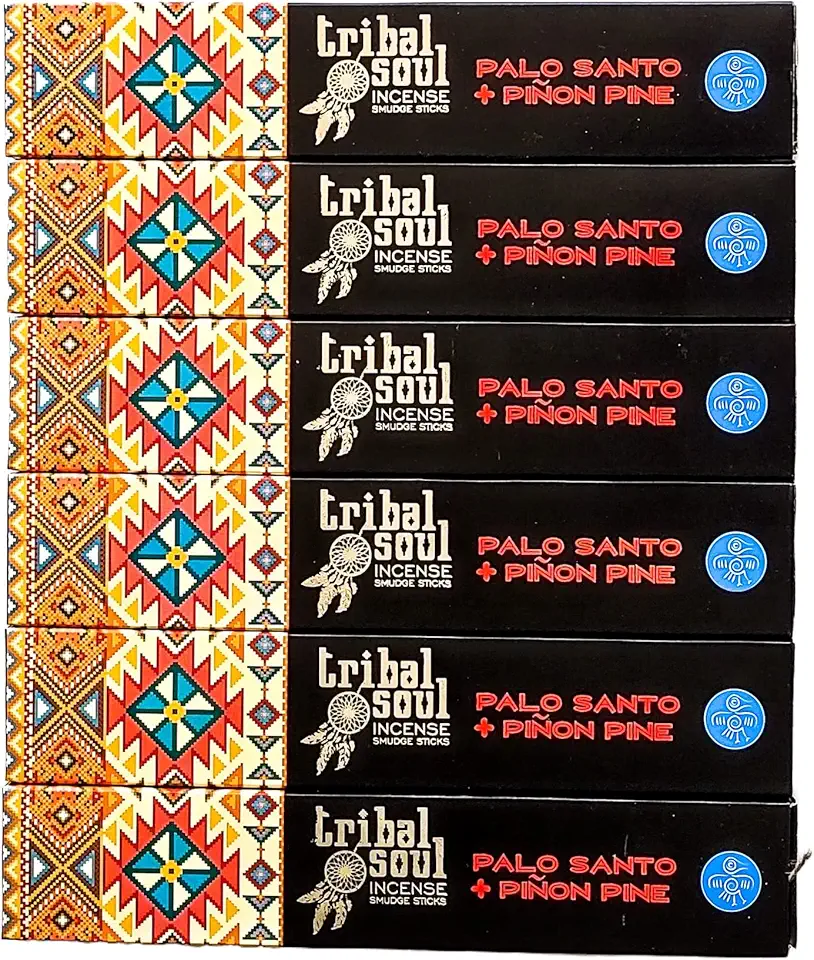
Palo Santo & Piñon Smudge Bundle (90 g)
- Blended palo santo and piñon for a balanced, cleansing aroma
- Generous 90 g supply for repeated use
- Handcrafted, premium-smudging mix for rituals and meditation
- Produces smooth, fragrant smoke for space clearing
- Ideal for spiritual practices or creating a calming home atmosphere
Buy on Amazon
5. Beautiful Aromatic Products
Pinyon Wood Fragrance
Pinyon wood is famous for its cozy, desert-campfire scent with bright pine top notes and a soft, sweet resin base. For a deeper look at uses and care, see this pinon wood guide.
Scented Home Products
Use incense, candles, and sachets to bring a clean, resinous aroma indoors. The scent pairs well with cedar, sage, and citrus for warm, balanced blends.
These fan-favorite picks bottle the classic pinon fragrance for easy home use.

Piñon Natural Incense Bricks (40 Count)
- Authentic piñon wood aroma for a warm, resinous scent
- Long-burning bricks deliver hours of fragrance
- Made in the USA with natural ingredients
- Easy to use on any heat-safe surface for home or ritual
- Great for meditation, relaxation, and clearing space
Buy on Amazon

Way Out West Piñon Pine Soy Candle — 12 oz
- 12 oz soy wax candle with long, even burn time
- Authentic native piñon pine scent captures outdoor freshness
- Made with quality oils for clean, aromatic fragrance
- Attractive gift-ready presentation for home or gifting
- Proudly made in the USA with natural ingredients
Buy on Amazon
6. Cultural and Historical Significance
Native American Heritage
Piñon pines have fed, warmed, and supported Southwestern communities for generations. People use cones, nuts, pitch, wood, and smoke in foodways, medicine, tools, and ceremony.
Traditional Harvesting Practices
Many families harvest with respect: leave some cones for wildlife, avoid overcollecting resin, and thank the land. Community-sharing of techniques keeps cultural knowledge alive.
7. Rustic Beauty and Landscaping Value
Natural Aesthetic Appeal
Short needles, rounded crowns, and textured bark give pinyons a rugged look. Group several near boulders or gravel paths to create a low-water, Southwest vibe.
Safety and Year-Round Beauty
The trees are evergreen, non-toxic to people and pets, and provide steady color through winter. That makes them great for wildlife gardens and family yards.
Growing and Using Pinyon Pine Tips
Germination Requirements
For reliable results, give seeds a brief chill and sow shallowly for steady, even sprouting (Ujamaa Seeds: Pinyon Pine).
- Soak seeds 12–24 hours.
- Cold stratify in the fridge about 30 days in moist medium.
- Sow 3/8 inch deep in fast-draining mix; keep barely moist.
- Give bright light and good airflow; avoid overwatering.
- Transplant once roots fill the plug; protect from harsh heat in the first summer.
Sustainable Harvesting
Harvest with a light touch to protect the tree and its wildlife partners. Take a portion of mature cones, leave plenty for animals, and collect resin in small amounts from naturally oozing spots rather than cutting fresh wounds.
FAQs
What Are The Uses Of Pinon Pine Wood?
Pinon pine wood Is Commonly Used For Firewood And Smoking Because Of Its Pleasant, Resinous Aroma; It Is Also Used For Small-Scale Crafting, Rustic Furniture, Fence Posts, And Traditional Handicrafts Where A Dense, Aromatic Wood Is Desired.
How Can You Identify A Pinon Pine Tree?
Pinon Pines Are Generally Short, Stout Evergreens With Needle Bundles Usually One Or Two Needles Long, Short, Compact Cones, And A Rounded, Often Multi-Trunked Form; They Have Thick, Rough Bark And Are Commonly Found In Dry, Rocky Soils In The Southwestern United States.
Do Pinon Pine Trees Produce Edible Nuts?
Yes. Many Pinon Pine Species Produce Small, Edible Pine Nuts That Are Nutty And Sweet; They Are Harvested From The Cones In Late Summer Or Fall And Have Been A Traditional Food Source For Indigenous Peoples And Local Communities.
What Climate Is Best For Growing Pinon Pines?
Pinon Pines Thrive In Semi-Arid, Continental Climates With Well-Drained, Rocky Or Sandy Soils, Full Sun, And Moderate Elevations; They Are Drought-Tolerant And Cold-Hardy, Making Them Suited To High Desert And Mountainous Regions Rather Than Wet, Humid Areas.
How Do You Care For A Pinon Pine Tree?
Plant Pinon Pines In Full Sun With Well-Draining Soil, Water Regularly Until Established Then Reduce Irrigation, Mulch To Conserve Moisture, Protect Young Trees From Rodents And Herbivores, Prune Sparingly To Remove Dead Branches, And Avoid Overfertilizing Or Overwatering Which Can Cause Root Problems.