
Which dark wood fits your project best – bold walnut, warm mahogany, or sleek ebony? Dark woods add warmth and rich color to furniture and floors. They can be very strong and last for years with basic care. This guide looks at 10 top dark wood types, how they look, where they work well, and simple finishing tips to keep them looking great.
Table of Contents
Looking for clear guidance on dark wood types? This guide explains the most popular species, their properties, best uses, and smart buying tips for projects of any size.
1. What Are Dark Wood Types?
Natural Characteristics
Dark types of wood include species with deep colors like chocolate, coffee, reddish-brown, or near-black. These colors come from natural compounds and aging in the heartwood. Some woods darken further with oil or UV exposure, giving projects richer color over time.
For a concise overview of species and tones, see this dark wood types guide. It shows how color, grain, and cut impact the final look and feel.
Strength and Durability
Most dark wood types are true hardwoods with high density (roughly 600–1200 kg/m³ by species), strong screw-holding, and solid wear resistance. That mix suits furniture, floors, and instruments that face daily stress.
Common Applications
Professionals pick these woods for custom furniture, cabinetry, flooring, veneers, paneling, and musical instruments. Designers also specify them for accent walls and built-ins to add warmth and contrast.
2. Benefits of Choosing Dark Wood Types
Superior Hardwood Properties
Dense structure brings stability, long wear life, and strong edges that hold profiles cleanly. Many species resist moisture, insects, and minor knocks better than lighter, softer woods.
Luxury Aesthetic Appeal
Rich hues and dramatic grain signal premium quality in high-end interiors. These tones pair well with stone, brass, leather, and matte paint for a timeless, upscale finish.
Versatile Design Applications
Designers use different types of dark wood to fit job demands—black accents, warm cabinetry, or durable floors. Compare popular options at a glance below.
| Wood Type | Origin | Density (kg/m³) | Hardness | Typical Uses | Unique Feature |
|---|---|---|---|---|---|
| American Walnut | North America | 600–750 | High | Furniture, Floors, Cabinetry | Rich chocolate brown, showy grain |
| Mahogany | Central/South America, Africa | 600–850 | High | Fine Furniture, Instruments | Reddish tones, fine workability |
| Wenge | Central Africa | 850–950 | High | Flooring, Furniture, Paneling | Bold dark stripes |
| Ebony | Africa, Asia | 950–1200 | Very High | Instruments, Decorative Inlays | Deepest black, rarity |
| Rosewood | South America, Asia | 800–900 | High | Furniture, Musical Instruments | Distinct veining |
| Teak | Tropical Asia | 650–800 | High | Outdoor/Indoor Furniture, Boats | Water resistance, golden hues |
| Ziricote | Central America | 900–950 | High | Artistic Furniture, Marquetry | Unique, dramatic veining |
| Iroko | Africa | ~650–800 | High | Outdoor Furniture, Joinery | Teak alternative |
3. American Black Walnut
Color and Grain Patterns
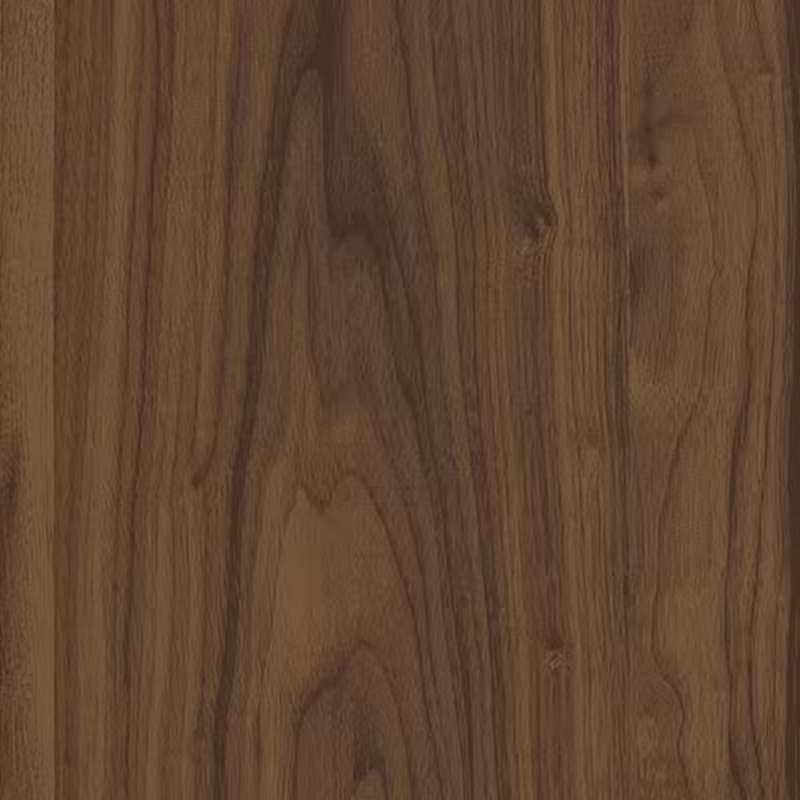
American black walnut shows chocolate-brown heartwood with creamy sapwood accents and occasional purple undertones. The grain ranges from straight to curly or wavy, which adds movement to panels and tabletops.
Origins and Density
Native to North America, walnut typically sits near 600–750 kg/m³ in density, balancing weight and strength well. See species notes and uses at AtoZ Wood Company for context on grades and color.
Best Uses
Walnut shines in furniture, fine cabinetry, doors, millwork, and decorative veneers. Many shops pick it for its finish quality and the way it pairs with brass or black hardware.
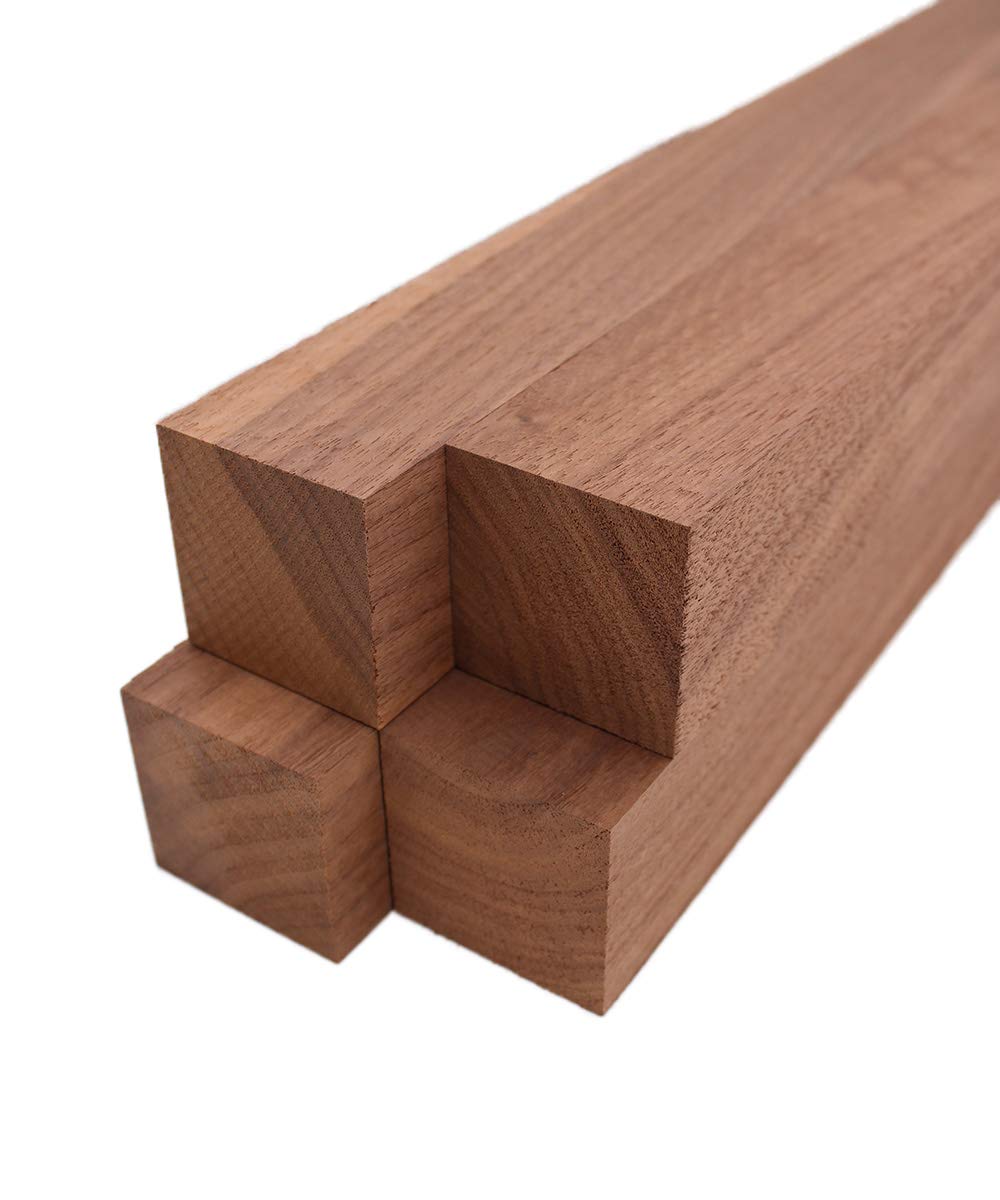
Barrington Hardwoods Black Walnut Lumber Turning Squares 2×2×12″ (4 pcs)
- Premium American black walnut hardwood
- Perfect 2×2×12″ squares for woodturning & craft projects
- Rich dark color with distinctive grain
- Easy to cut, shape & sand
- Ideal for furniture, pens & hobby woodworking
 Buy on Amazon
4. Mahogany and Wenge
Mahogany Characteristics
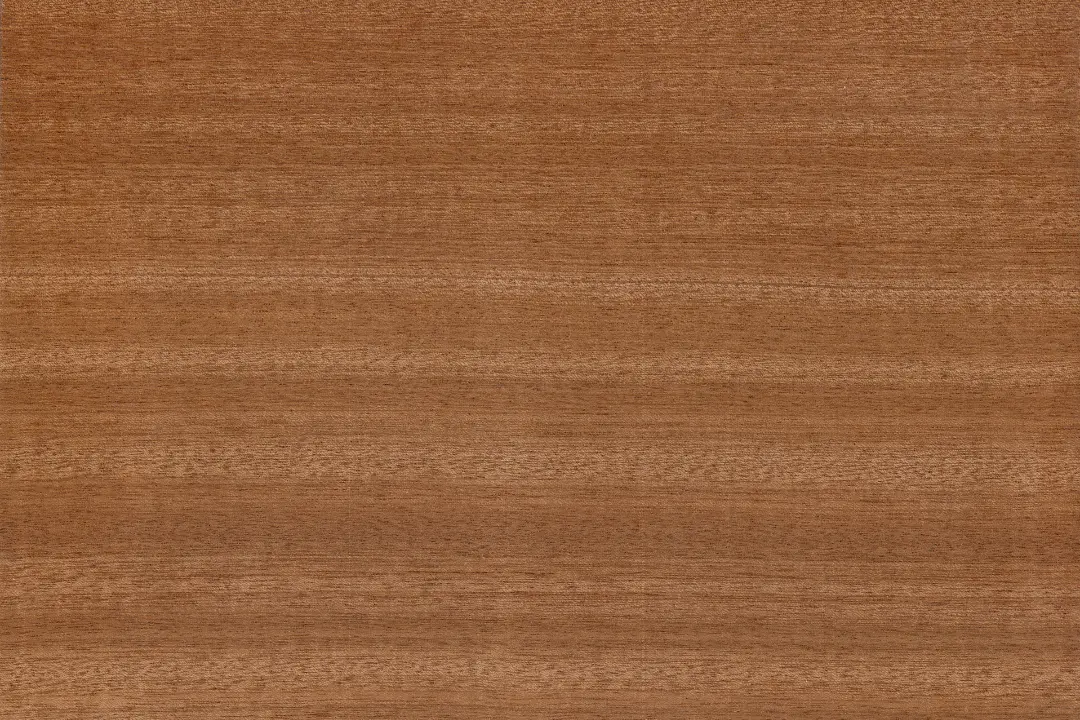
Genuine mahogany (Swietenia macrophylla) ranges from deep brown to red-brown with a fine, even texture. It cuts cleanly, glues well, and ages with a mellow glow prized in heirloom pieces and instruments.
Wenge Features
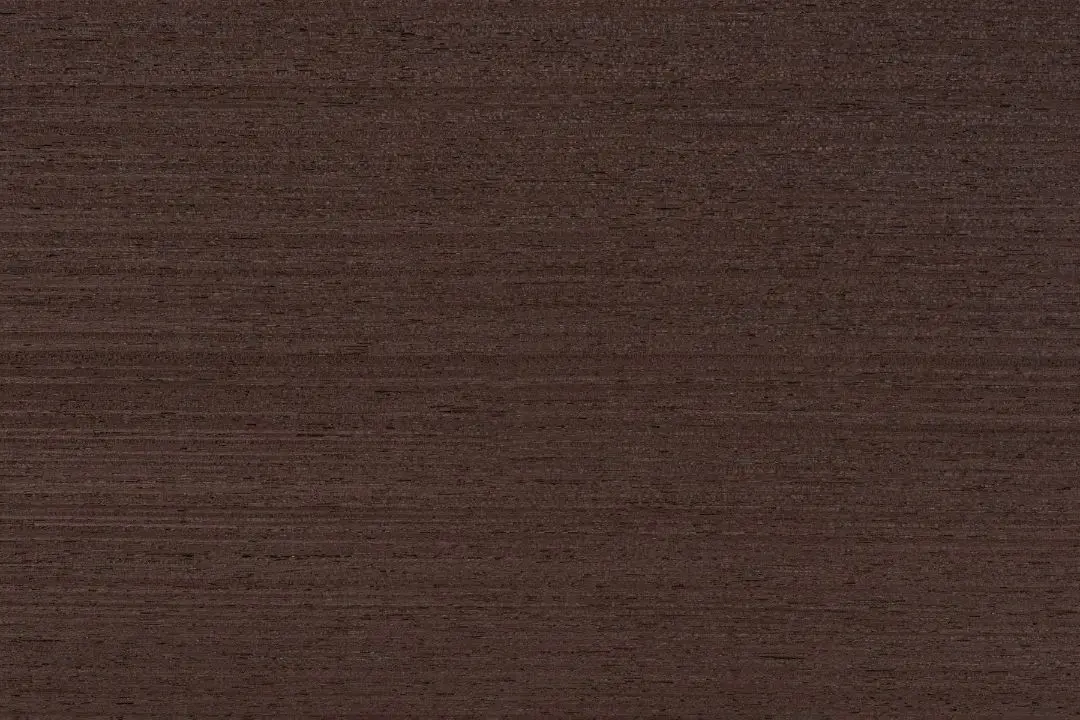
Wenge wood is very dark with nearly black streaks and striking lines. High density and brittleness call for sharp carbide tooling and a steady feed to avoid tear-out.
Comparison of Uses
Mahogany fits fine furniture, guitars, and yacht trim, while wenge excels in bold floors, modern furniture, and contrast accents. For a quick overview of species properties, browse Cameroon Timber Export and match wood to project needs for long-term performance.

Wenge Wood Turning Blanks
- Dark, exotic hardwood turning blanks
- dense and durable for lathe projects
- great for bowl, pen, handle, or craft turning
- rich brown wood with striking grain
- pre-cut lumber pieces ready for woodworking projects
Buy on Amazon

Craftiff African Mahogany Wood Sheets 1/8″ Thick, 4×8″ (5 Pack)
- Reddish brown African mahogany hardwood with beautiful grain
- Five 4×8″ sheets, 1/8″ (3 mm) thick
- Unfinished, dense and durable for crafts & décor
- Great for DIY projects, small furniture & coasters
- Easy to engrave, laser mark, cut & finish
Buy on Amazon
5. Ebony and Rosewood
Ebony Varieties
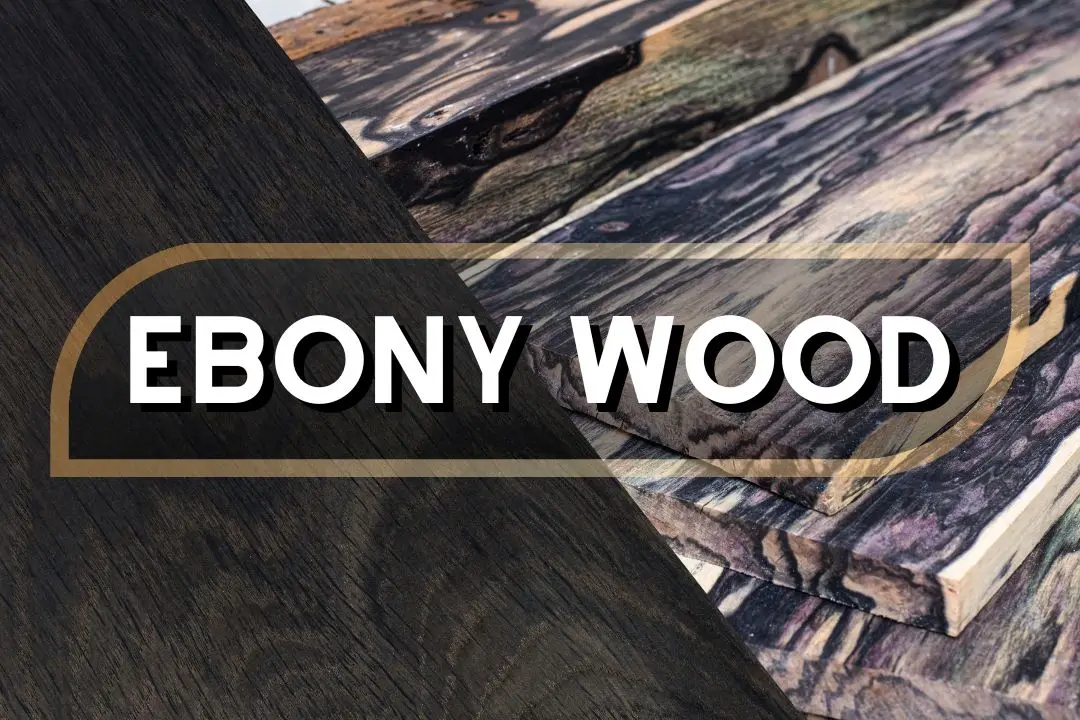
Ebony (African, Macassar, Madagascar) is known for deep black heartwood with very high density and a glassy polish. Learn why many luthiers choose it for fingerboards and inlays in this overview by Ligna Wood Design.
For more technical details on working characteristics, see ebony wood profiles that cover tooling, gluing, and finish behavior. Those notes help reduce waste with such a precious species.
Rosewood Types
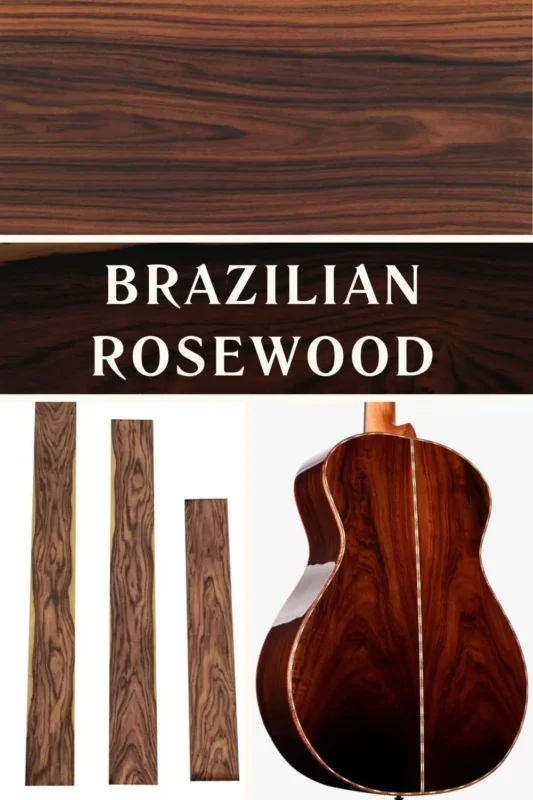
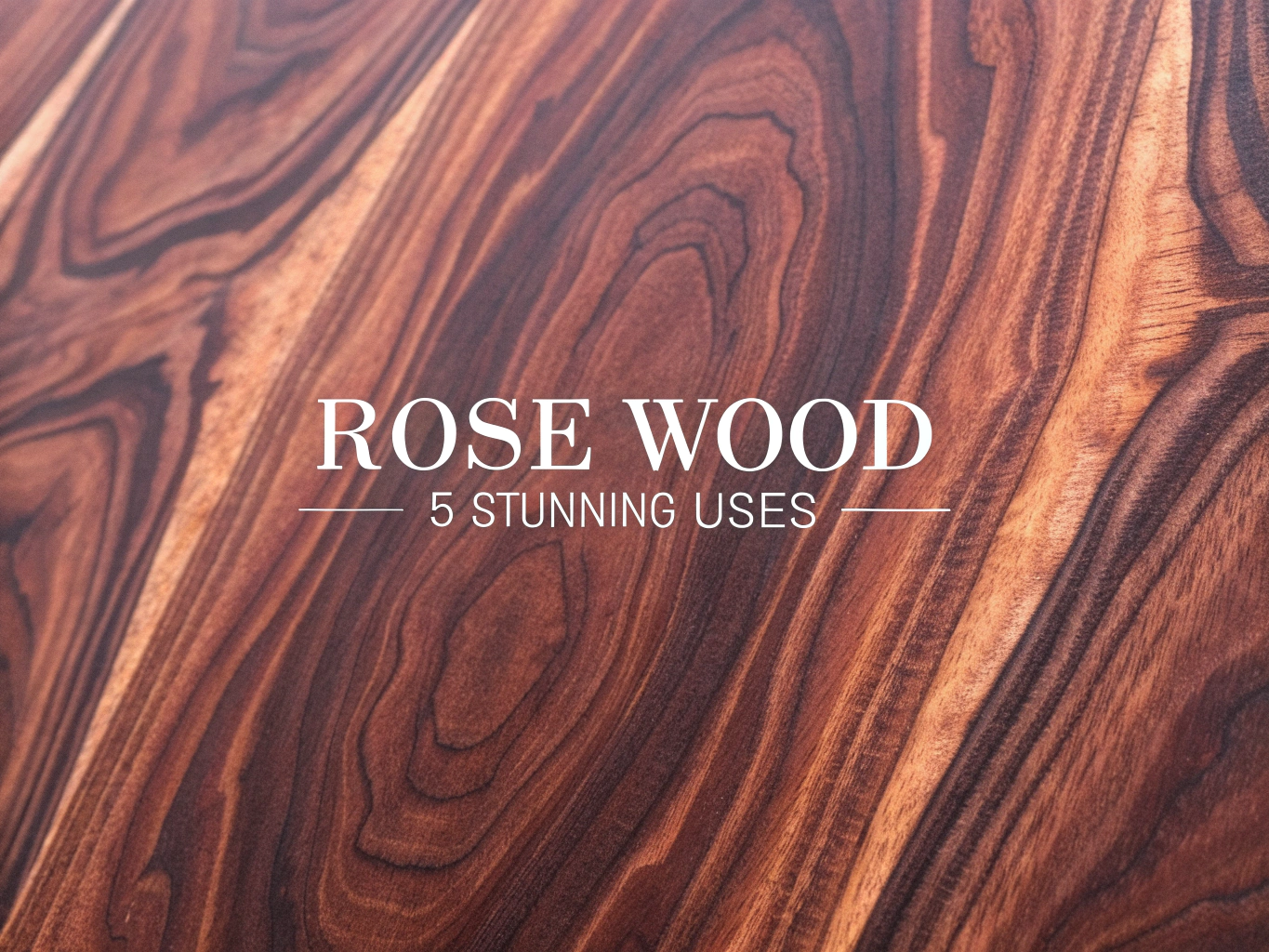
Rosewoods (Dalbergia) span colors from red-brown to purple-brown with dark veins. Brazilian rosewood is famous but tightly restricted, while Indian rosewood remains common in fine guitars and furniture with distinct figure.
Premium Applications
Use ebony for small, high-impact parts—knobs, inlays, instrument parts—where its color and density matter most. Choose rosewood for premium furniture, fretboards, and cases where rich veining steals the show.

Bolivian Rosewood Lumber
- Hardwood lumber from Bolivian rosewood
- rich brown wood with attractive grain
- ideal for turning, carving & woodworking
- solid, dimensional lumber
- great for DIY furniture, instruments & craft projects
Buy on Amazon

Black Ebony Wood Lumber (2 Pack)
- Premium African blackwood lumber
- two unfinished exotic wood pieces
- ideal for knife handles, woodworking & crafts
- dense, durable, and richly textured
- perfect for DIY projects & custom carving
Buy on Amazon
6. Teak and Other Notable Options
Teak Properties
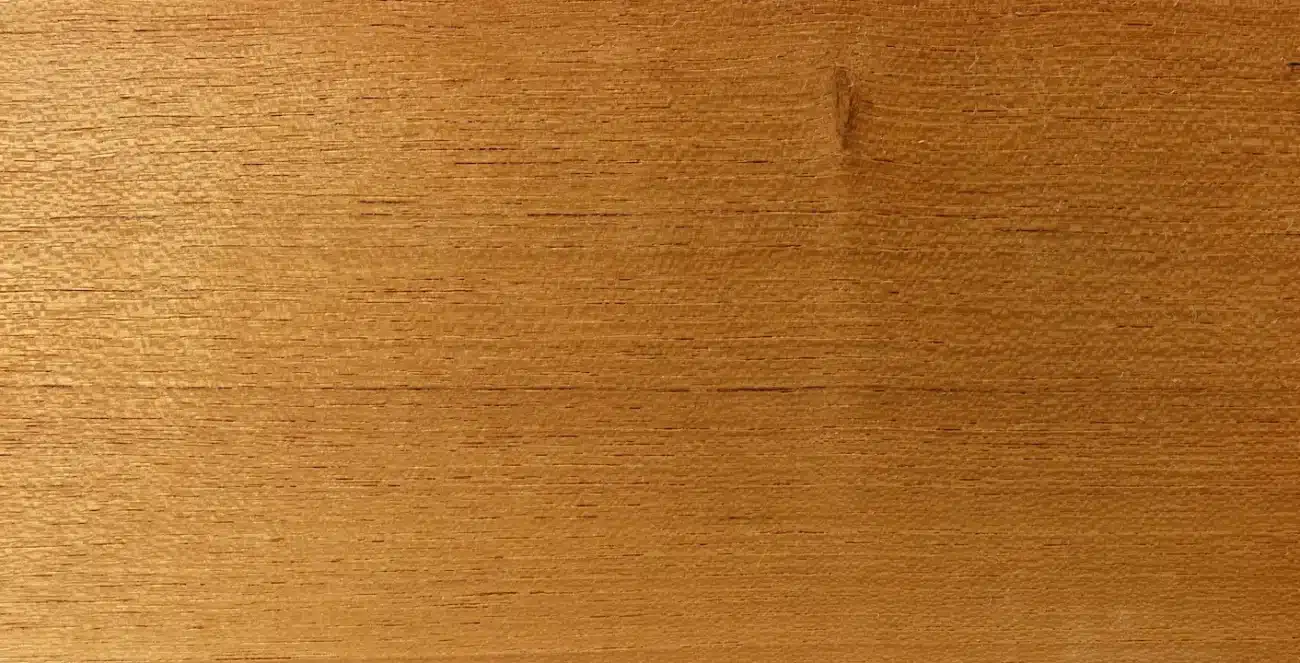
Teak offers natural oils and silica that resist moisture and wear, so outdoor furniture and marine trim last longer between refinish cycles. Expect a dark golden-brown that deepens with age and oil finishes.
Ziricote and Iroko
Ziricote shows spider-webbing grain and heavy contrast that suits statement panels and guitar backs. Iroko ages from yellow-brown to dark brown and works as a cost-effective teak stand-in for benches, decks, and joinery.
Looking for another dramatic choice? Consider bubinga for dense, stable slabs with reddish-brown color and striking figure that pairs well with metal bases.
Hickory Variants
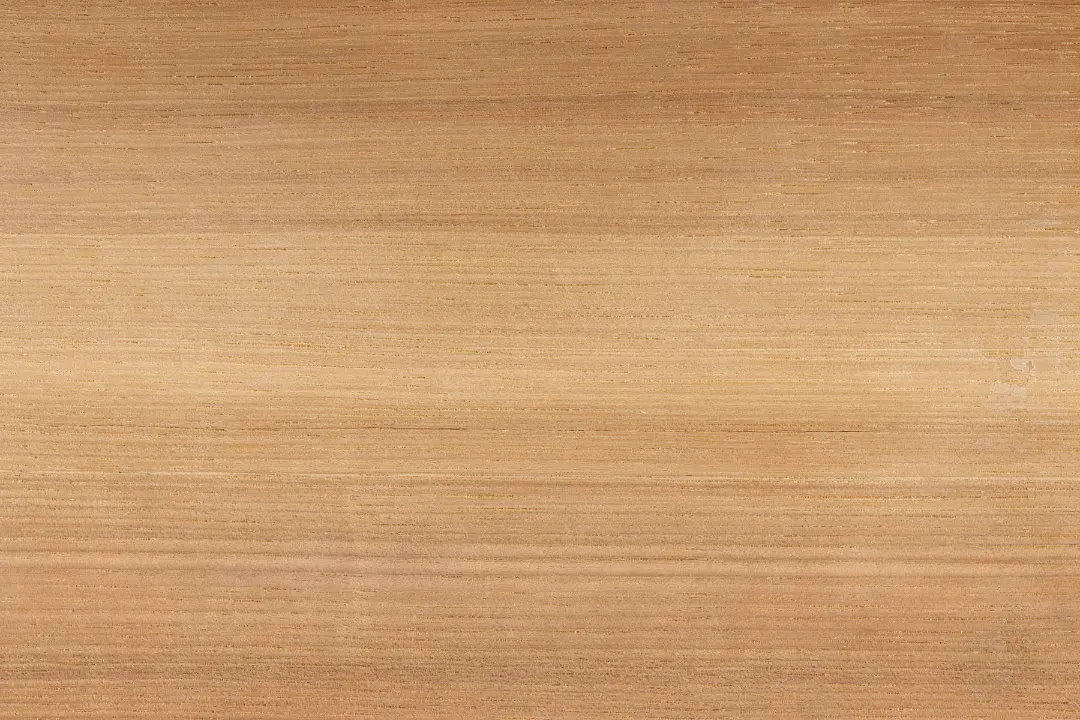
Hickory (genus Carya) is typically light to medium brown but can read darker in heartwood or with fuming/stain. Use it when you want toughness similar to oak while aiming for a deeper, rustic look.

Teak Wood Sheets – Thin Solid Panels (5 Pack)
- Premium solid teak wood sheets
- Thin 1/8″ (≈3 mm) thickness for precision projects
- Each panel ~4″ × 8″ size
- Beautiful natural teak grain
- Great for crafts, modeling, and woodworking
Buy on Amazon

Hickory Hardwood Lumber Boards – 4 Pack
- Kiln-dried hardwood for stability
- Sanded on both sides to consistent thickness
- Rich, attractive natural hickory grain
- Four pieces, 3/4″ × 2″ × 12″ each
- Great for woodworking & DIY projects
Buy on Amazon
7. Working with Dark Wood Types
Cutting and Shaping Tips
High density needs sharp tooling and accurate setup. Adopt these shop practices to save time and avoid defects.
- Use fresh carbide blades/bits; slow the feed when grain reverses.
- Score crosscuts on veneered panels to reduce chipping.
- Pre-drill and wax screws for ebony, wenge, and ziricote.
- Joint and plane with light passes; skew the cut to limit tear-out.
- Check moisture (6–9% for interiors) to control movement before glue-up.
Finishing Techniques
Oil and wax deepen color and highlight figure, while pore-filling gives a flat, mirror gloss on open-grain woods like wenge and rosewood. Wipe on thin coats, buff between steps, and test on offcuts to match sheen across parts.
These conditioners help refresh sheen and add light protection on completed pieces. Pick a formula that suits your finish system and project type.
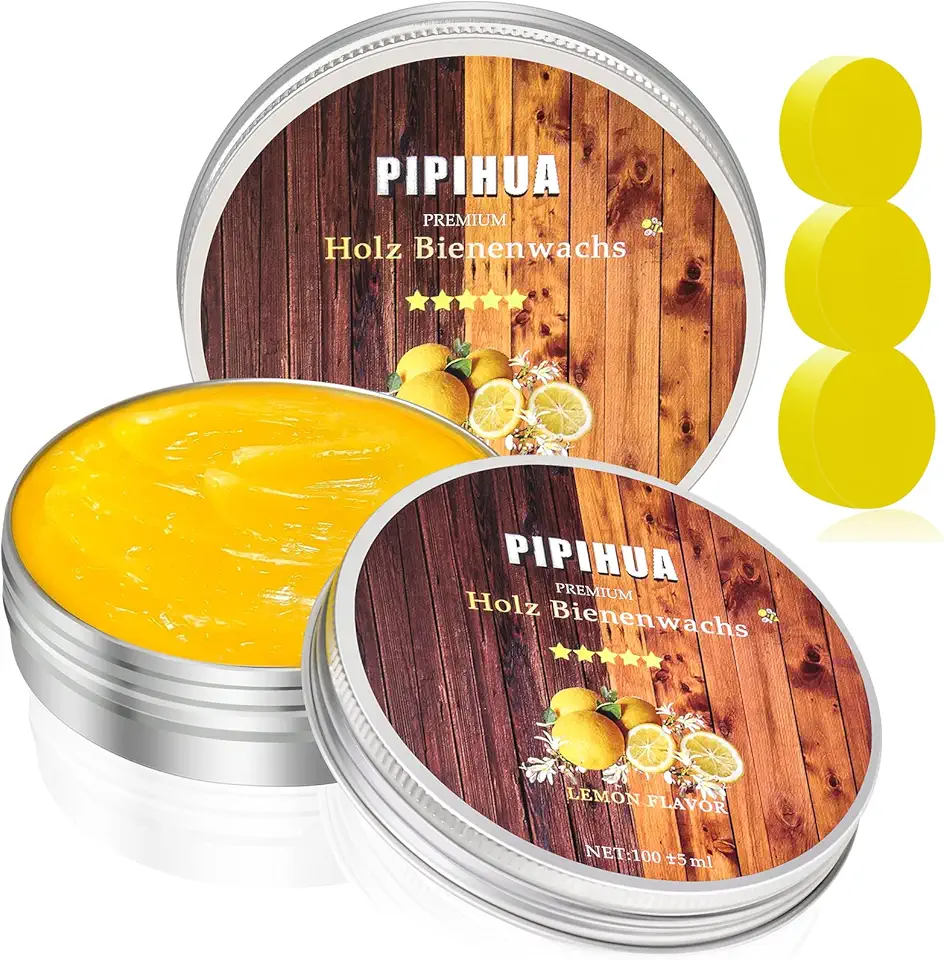
PIPIHUA Beeswax Wood Polish — Lemon Scent, 2×100g
- Beeswax formula restores and nourishes dry wood surfaces
- Creates a water-resistant protective layer for furniture
- Safe for a variety of wood types and colors
- Includes three sponges for simple, even application
- Refreshing lemon scent leaves a pleasant finish
Buy on Amazon
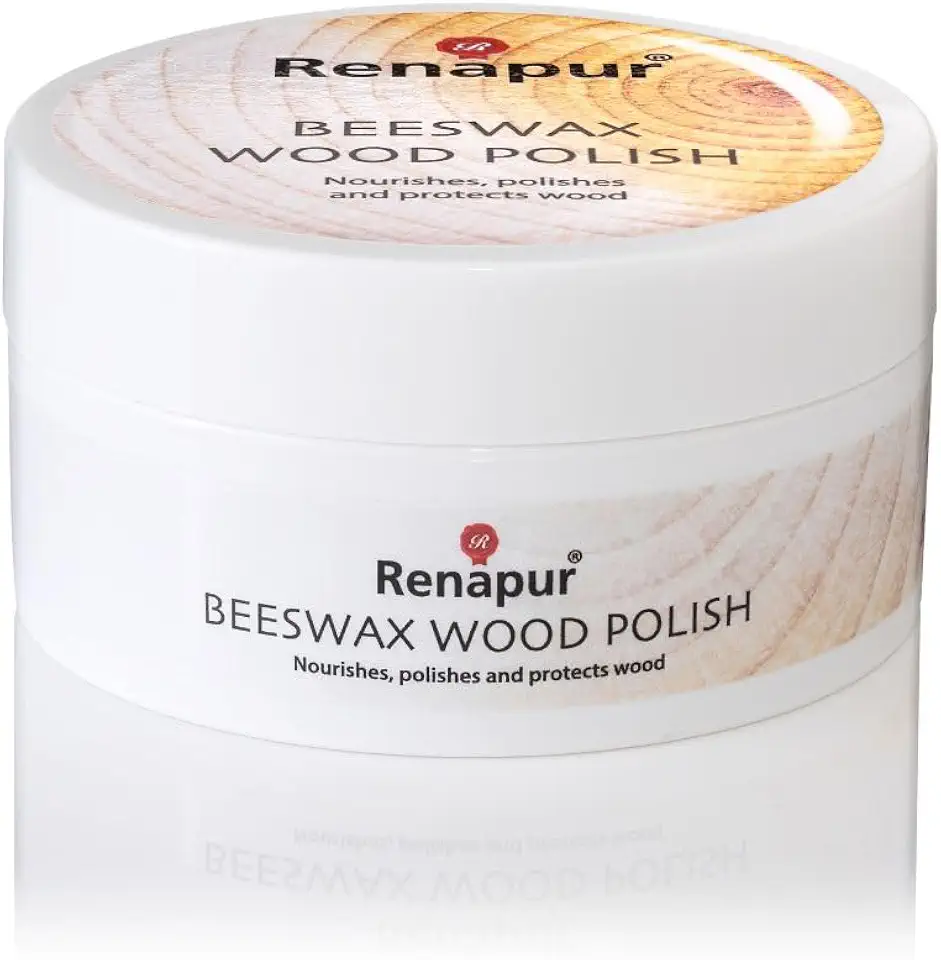
Renapur Beeswax Wood Polish — Food-Safe Conditioner
- Natural beeswax formula nourishes and protects wood surfaces
- Food-safe, suitable for cutting boards and countertops
- Restores shine and conceals minor scratches
- Repels moisture and helps prolong furniture life
- Easy to apply with a soft cloth for a lasting finish
Buy on Amazon
Want a quick overview of surface prep and wiping techniques? Watch the video below for a simple walk-through you can apply to most dark types of wood.
For product highlights or current offers, check the box below to find a matching polish for your finish.
Wood Identification Tools
Correct species ID and moisture readings reduce waste and callbacks on dark wood projects. These tools make field checks quick and reliable.

Wood Identification Kit — Field Guide & Samples
- Helps identify common hardwoods and softwoods by sample and key
- Useful toolset for hobbyists, carpenters, and students
- Compact and portable for field or shop use
- Includes clear reference information for quick ID
- Great educational resource for learning wood characteristics
Buy on Amazon
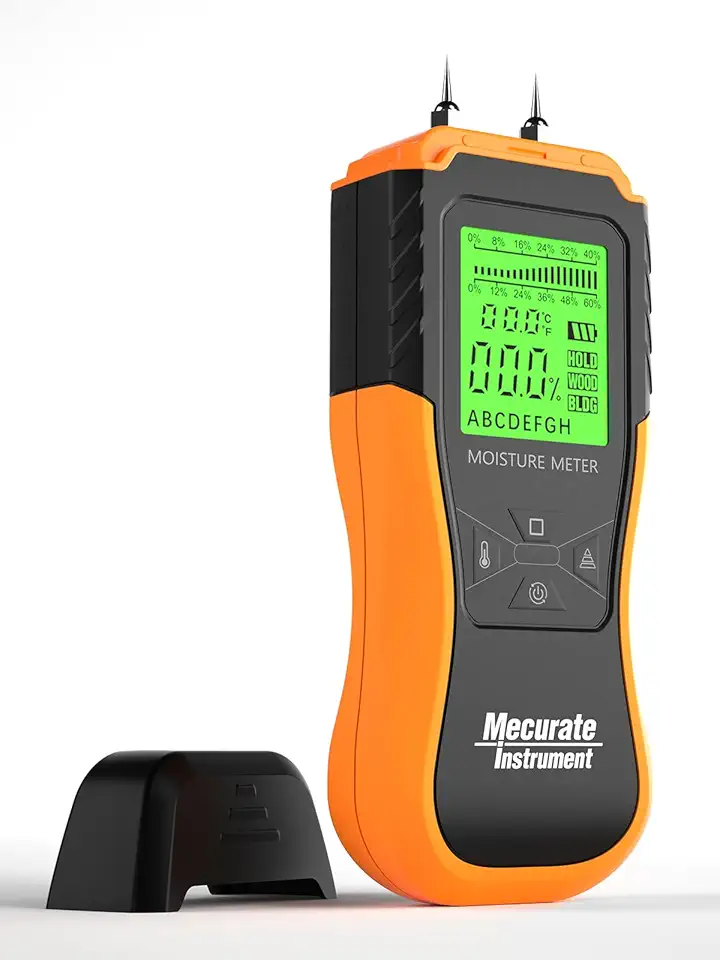
Mecurate Pin Moisture Meter — Dual Mode, Backlit
- Provides quick, accurate moisture readings for wood and building materials
- Three-color indicator for easy wet/dry interpretation
- Two measurement modes and eight calibration options
- Large backlit screen for clear visibility in low light
- Compact, durable design for jobsite portability
Buy on Amazon
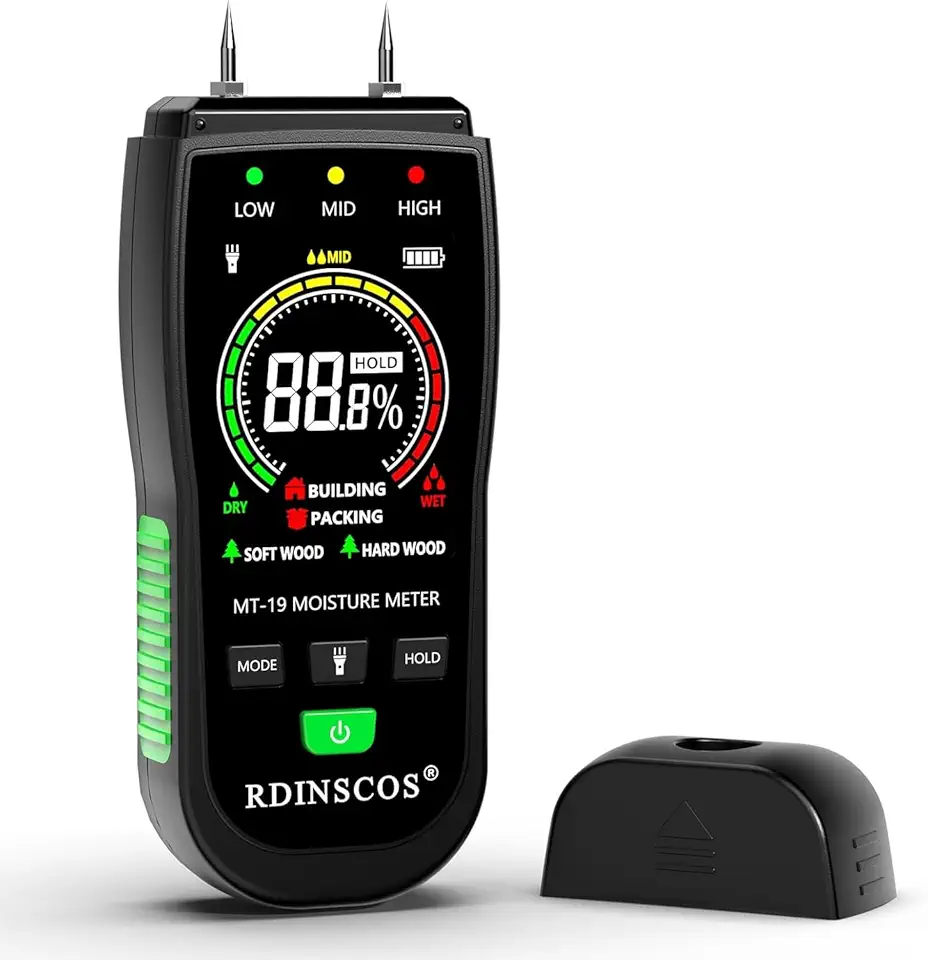
RDINSCOS Pin Moisture Meter — Handheld with Hold Function
- Accurate readings for firewood, drywall, concrete, and lumber
- Hold function captures readings for later review
- Clear backlit LCD for use in dim conditions
- Ergonomic, handheld design for easy single-handed use
- Battery-efficient and rugged for frequent use
Buy on Amazon
8. Sustainable Sourcing and Environmental Impact
CITES Regulations
Many premium species—ebony and rosewoods in particular—require permits under CITES. Ask for chain-of-custody paperwork so your purchase stays compliant across borders.
Certification Standards
Look for FSC or equivalent certifications from reputable mills and distributors. Verified sourcing supports forests, protects biodiversity, and reduces risk in long-lead projects.
Eco-Friendly Alternatives
Consider reclaimed lumber, engineered veneer panels, or ebonized ash/oak to mimic dark tones with a lighter footprint. Regional species like oak or maple, finished with dye and oil, can match the aesthetic at lower cost and impact.
FAQs
What Are Some Common Types Of Dark Wood For Furniture?
Common dark woods Used For Furniture Include Walnut, Mahogany, Ebony, Wenge, And Rosewood. Each Has Its Own Grain Pattern And Tone—Walnut Is Warm And Chocolate-Brown, Mahogany Has A Reddish Undertone, Ebony Is Very Dense And Nearly Black, Wenge Shows Strong Linear Grain, And Rosewood Can Be Rich And Varied.
How Can I Identify Different Types Of Dark Wood?
Identify Dark Woods By Examining Grain Patterns, Color Variations, Density, And End Grain. Walnut Has Straight Or Wavy Grain; Mahogany Often Shows Interlocking Grain With A Reddish Tint; Ebony Is Extremely Dark And Dense; Wenge Has Pronounced Dark Streaks. Comparing Samples, Checking Weight And Hardness, And Consulting A Reference Or Expert Can Help Confirm The Species.
Is Dark Wood More Expensive Than Light Wood?
Price Depends On The Species, Rarity, And Availability Rather Than Color Alone. Some Dark Woods Like Ebony And Rosewood Are Expensive Due To Scarcity, While Others Are Affordable. Light Woods Can Also Be Costly If They Are Rare Or Highly Figured. Staining A Common Light Wood Is A Budget-Friendly Way To Achieve A Dark Look.
How Do I Maintain Dark Wood To Prevent Fading?
To Prevent Fading, Keep Dark Wood Out Of Direct Sunlight, Use UV-Protective Finishes Or Window Films, Dust Regularly With A Soft Cloth, And Clean With A Mild Wood Cleaner. Periodically Reapply Appropriate Oils, Waxes, Or Finishes Recommended For The Species, And Maintain Stable Indoor Humidity To Avoid Cracking Or Surface Dulling.
Are There Any Sustainable Dark Wood Options For Flooring?
Yes—Sustainable Options Include FSC-Certified Hardwoods, Engineered Wood From Responsibly Sourced Veneers, Reclaimed Wood, And Alternatives Like Carbonized Bamboo Or Thermally Modified Timber. Look For Certification Labels (FSC, PEFC), Buy Local Where Possible, Or Choose Engineered Flooring That Uses A Thin Layer Of Exotic Veneer Over Sustainable Core Materials.