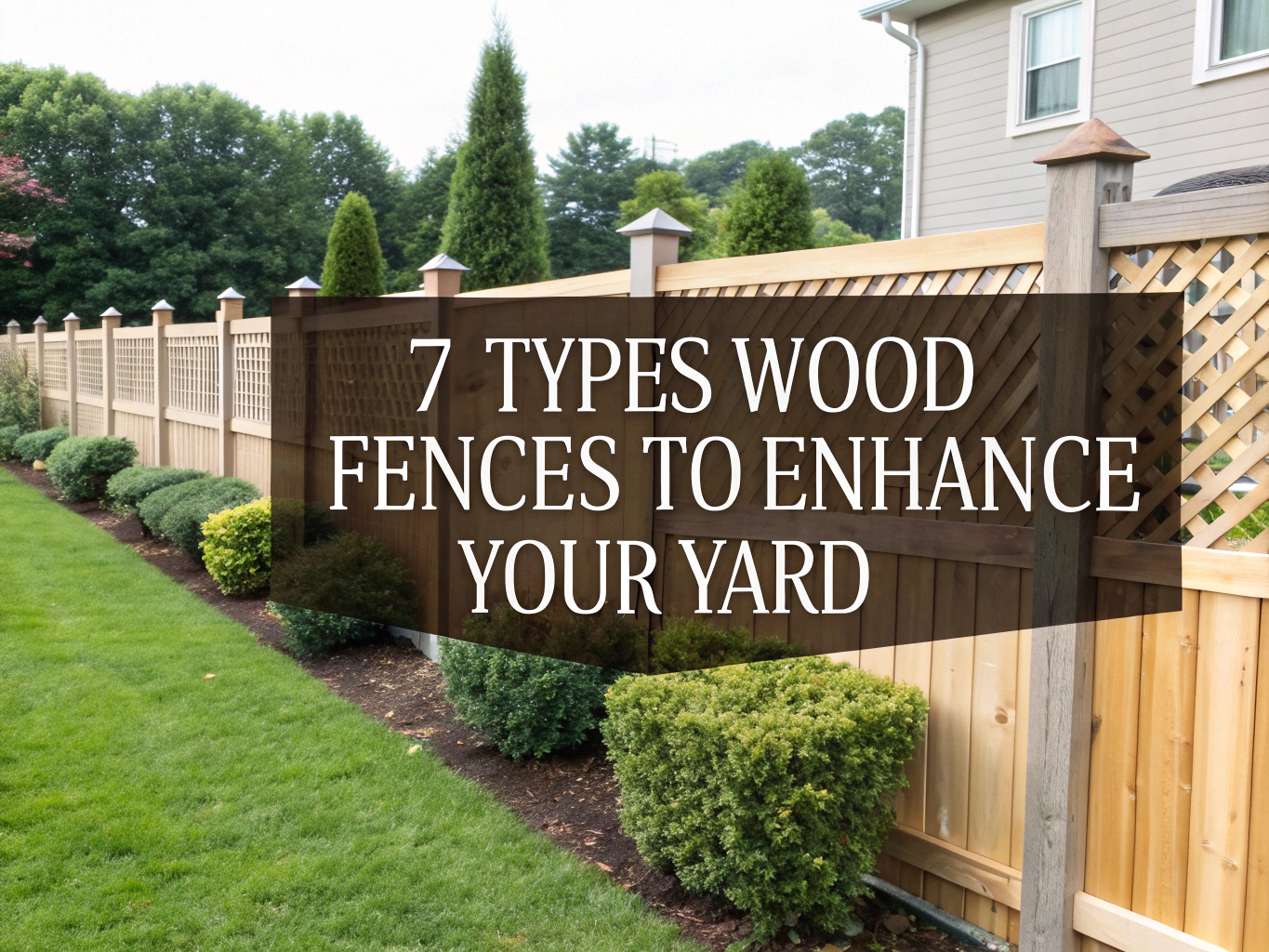

Not sure which fence fits your yard and budget? This guide shows 7 common types of wood fences and what each offers. You will see privacy, picket, shadowbox, horizontal, split rail, lattice-top, and post-and-rail styles. Get quick tips on the best saws for cutting fence boards and the best woods to use. Skim the sections that match your project and pick the right fence for your space.
Table of Contents
Looking for the best types of wood fences for privacy, style, and budget? This guide breaks down the most popular types of wooden fences, their pros, and the tools you need to build them.
1. Wood Privacy Fences
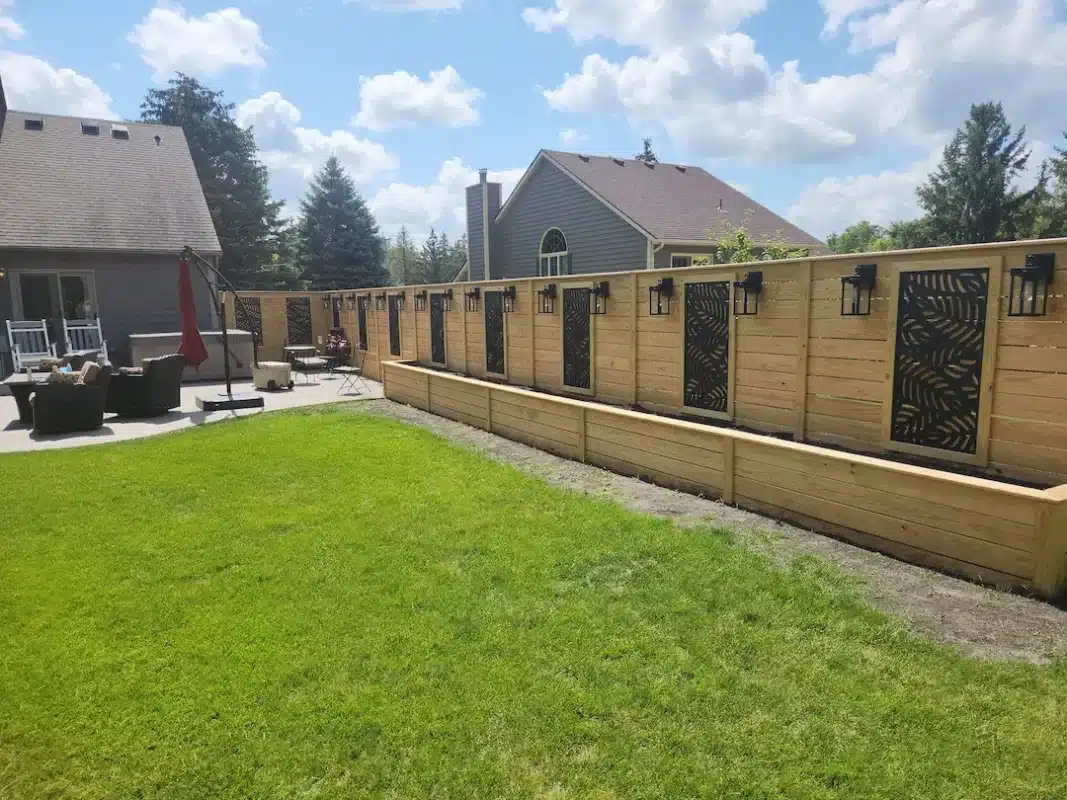
Privacy fences give strong seclusion, reduce noise, and boost security with tall, tight boards (usually 6–8 ft). Popular types of wood fence designs here include stockade, board-on-board, and tongue-and-groove, which all block sightlines while matching many home styles (comprehensive guide to wood fencing).
| Fence Type | Features & Use | Height | Privacy | Typical Wood |
|---|---|---|---|---|
| Privacy / Stockade | Tight boards; strong screening | 6–8 ft | High | Cedar, PT Pine |
| Picket | Classic fronts; visible yard | 3–4 ft | Low | Pine, Cedar |
| Shadowbox | Both sides look finished | 6–8 ft | Medium | Cedar, PT Pine |
| Horizontal | Modern slats; sleek lines | 4–6 ft | Variable | Cedar, Redwood |
| Split Rail | Rural look; large lots | 3–4 ft | Low | PT Pine |
| Lattice Top | Solid base + lattice accent | 6–8 ft | High | Cedar, PT Pine |
| Post & Rail | Open rails; boundary use | 4–5 ft | Low | PT Pine |
Stockade Style
Stockade fences use tightly butted vertical boards for maximum privacy. Choose cedar or pressure-treated pine to reduce rot and keep maintenance simple.
Board-on-Board Design
This design overlaps boards, so gaps don’t appear as wood dries, keeping coverage consistent. It’s a smart pick in windy zones since airflow slips through small overlaps.
Tongue-and-Groove Option
Interlocking edges create a tight seal that looks premium and blocks sound better than flat boards. Consider it for side yards close to streets or neighbors.
2. Wood Picket Fences
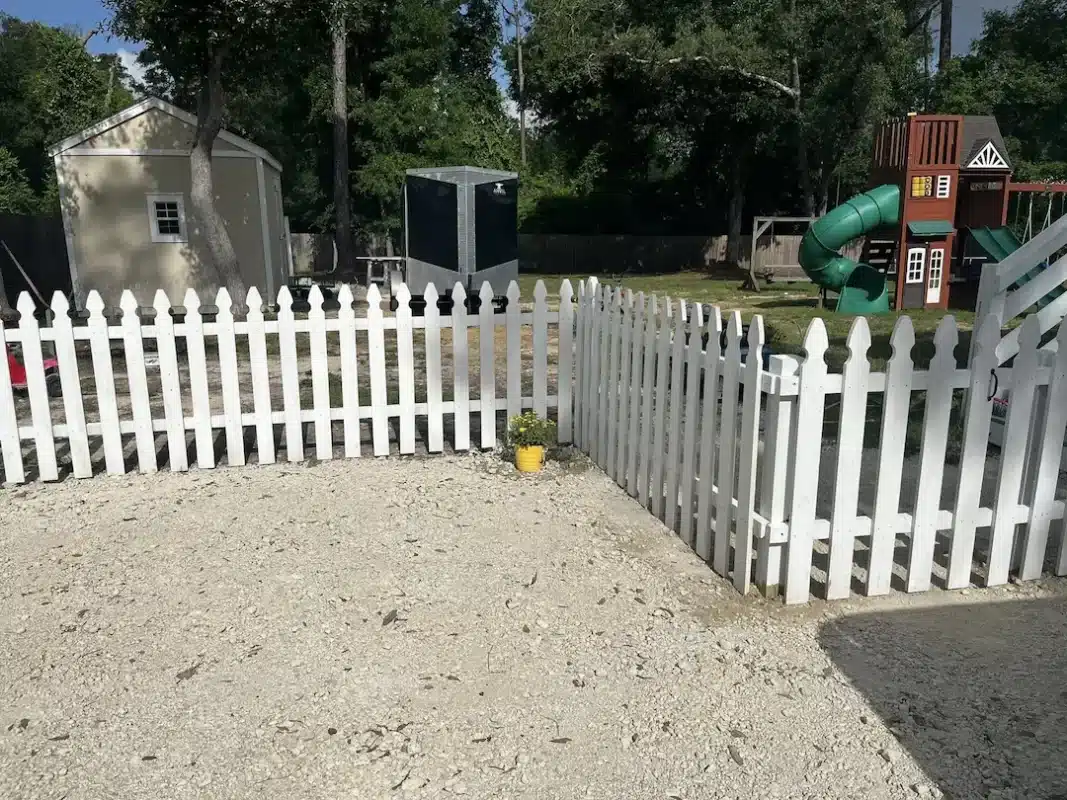
Picket fences define front yards and gardens with clear boundaries while keeping views open. Standard heights run 3–4 ft and suit classic or cottage-style homes (best types of wood fences).
Dog-Ear Tops
Dog-ear pickets have clipped corners that soften the line for a friendly look. Use them for family yards and garden edges where a softer profile fits the design.
Square Tops
Square tops give a clean, simple profile that pairs with modern or traditional homes. Keep gaps even for airflow and a tidy, repeating pattern along the street.
Pointed Tops
Pointed pickets add a classic, slightly formal accent. They also discourage climbing, which helps deter pets or wildlife at modest heights.
3. Wood Shadowbox Fences
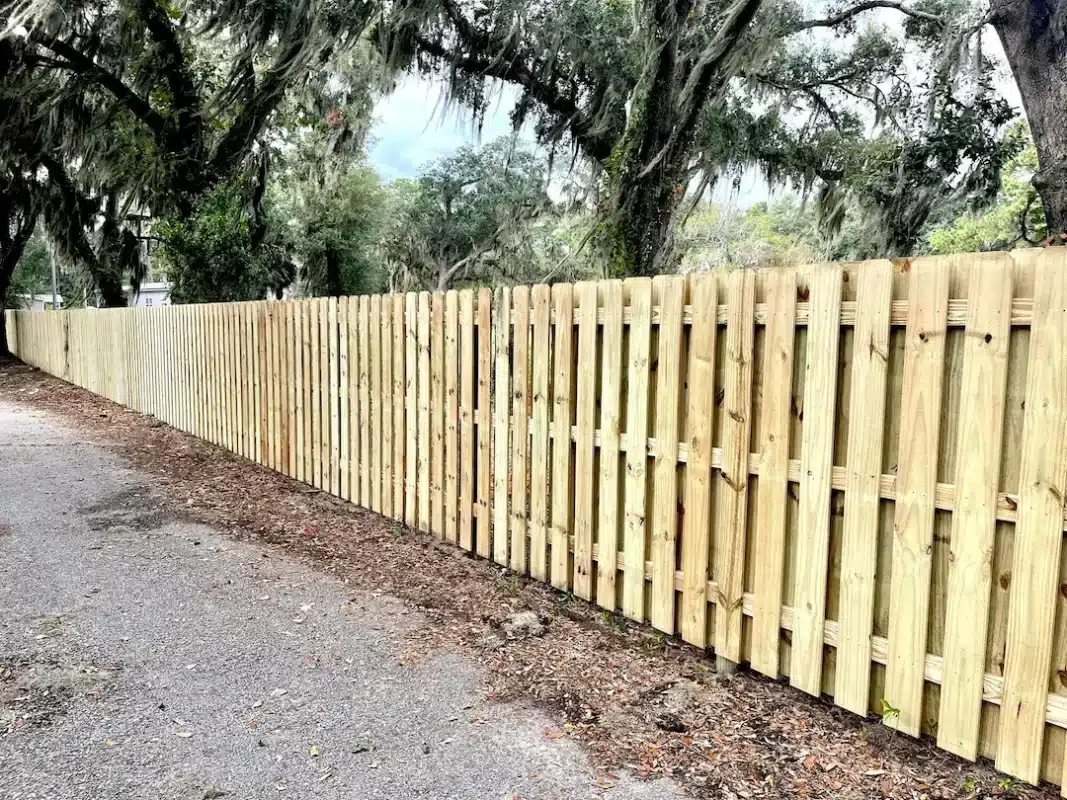
Shadowbox fences alternate pickets on both sides so the fence looks finished from either yard. Heights are often 6–8 ft, delivering semi-privacy with airflow for comfortable patios (complete guide to wood fences).
Good Neighbor Design
This “good neighbor” layout shares attractive faces on both sides, which can reduce disputes over appearance. Alternate spacing to fine-tune views and breeze.
Semi-Privacy Benefits
You get decent screening without a “wall” feeling, which keeps yards feeling open. It’s helpful along patios where ventilation and light matter.
4. Horizontal Wood Fences
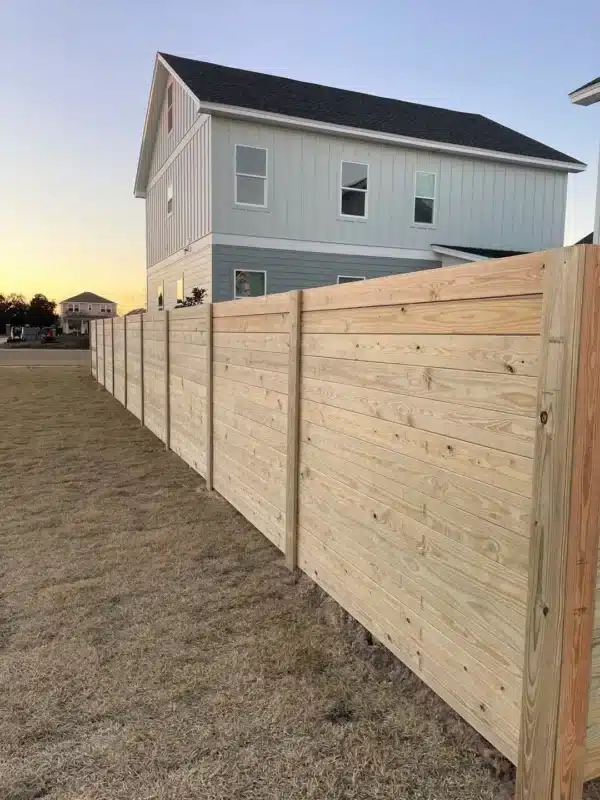
Horizontal boards run parallel to the ground to create clean lines that suit modern homes. Slat spacing controls privacy and wind load while adding visual width to small yards.
Modern Clean Lines
Even gaps between slats read as sleek, especially with cedar or redwood. Use hidden fasteners or rear mounting for a minimalist face.
Contemporary Settings
Pair with metal posts or stained wood for durable, stylish contrast. A 4–6 ft height often balances privacy with neighborhood guidelines.
5. Split Rail Wood Fences
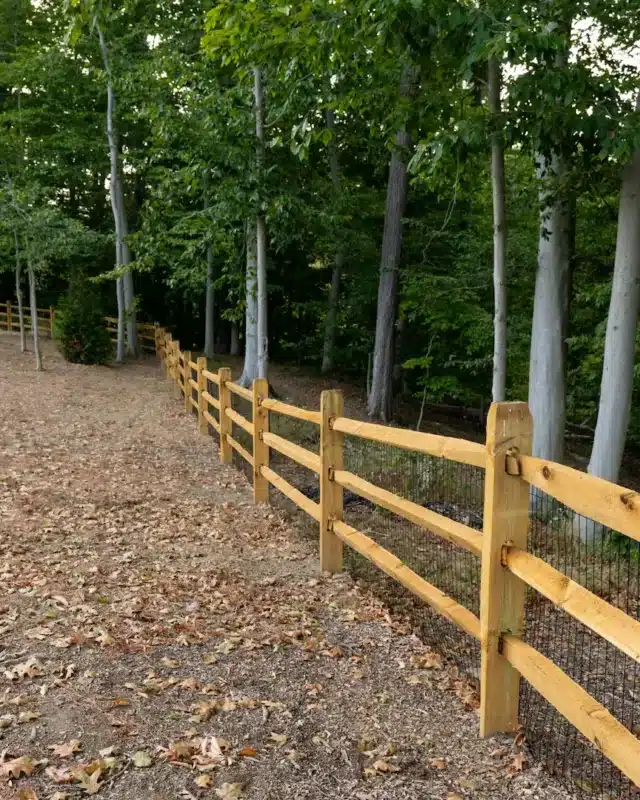
Split rail fences use long rails between posts for a rural, low-cost border. They mark property lines clearly while keeping views open across large lots.
Rustic Appearance
Rough-sawn rails and simple post lines bring natural character. Stain with earth tones to blend the fence into fields or wooded edges.
Large Property Solutions
Two- or three-rail layouts stretch far with minimal materials. Use welded wire mesh on the inside if you need pet containment without losing the look.
6. Lattice Top Wood Fences
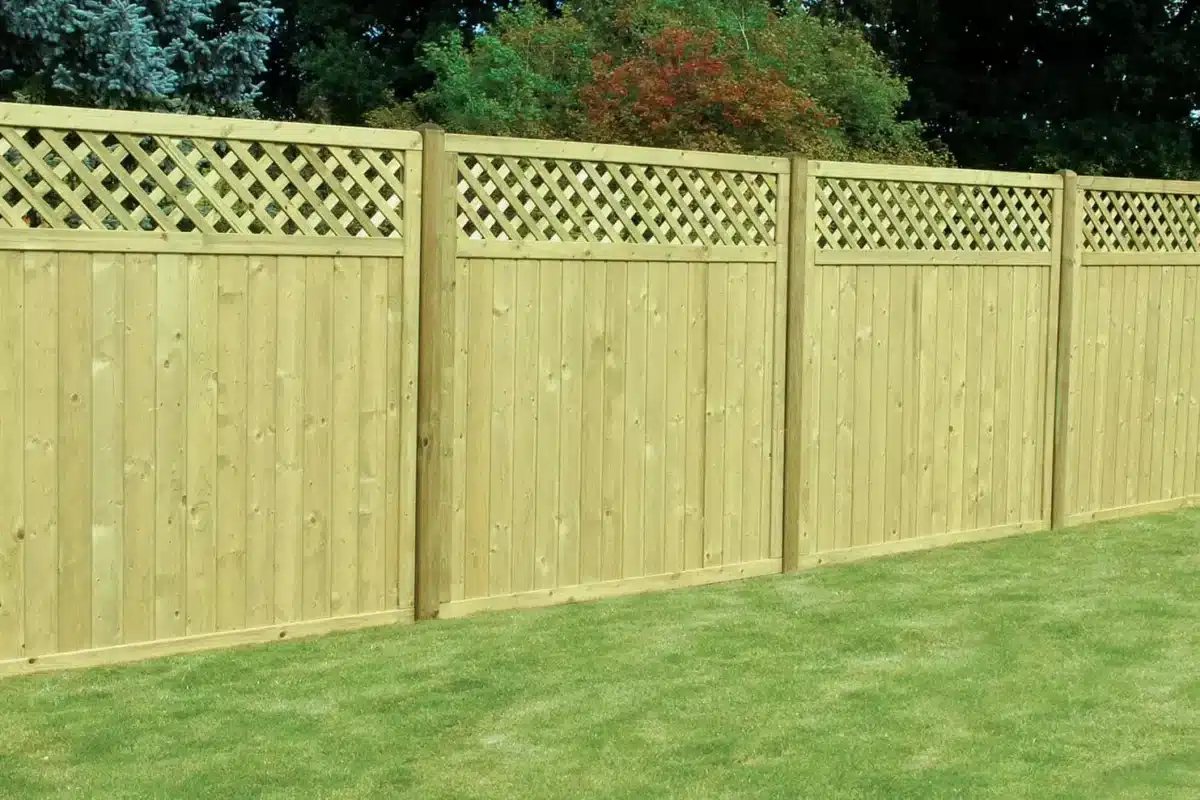
Lattice top fences combine a solid base with an airy pattern along the upper section. This brings height, privacy, and decoration in one build.
Decorative Elements
Square or diagonal lattice adds light and shadow interest. Paint or stain the lattice a slightly lighter tone to highlight the texture.
Privacy and Style Balance
The solid lower portion blocks sightlines while the top keeps things airy. This style works well along patios, hot tubs, and side yards.
7. Post and Rail Wood Fences
Post and rail setups stretch rails between larger posts for simple, open boundaries. You’ll see them along acreage, entry drives, and farm edges.
Basic Open Design
Few parts and quick assembly make this fence efficient for long runs. Add a center rail for proportion if you want a more decorative line.
Boundary Marking
This fence type marks property lines and guides foot traffic while keeping views clear. It pairs nicely with native plantings and meadow edges.
Best Wood Types for Your Fence
Picking the right wood affects lifespan, upkeep, and long-term costs. Cedar, redwood, and pressure-treated pine top most lists for durability and value (best wood for fence).
“Cedar and redwood offer natural resistance to rot and insects, making them reliable options for many climates.”
Lowes Buying Guide
Cedar Benefits
Cedar resists decay and insects without chemical treatment, which keeps maintenance low. Learn about grain, grades, and uses in this quick cedar wood overview.
Redwood Durability
Redwood brings rich color and long service life with strong stability. For characteristics and common grades, check this concise redwood guide.
Pressure-Treated Pine
Pressure-treated pine offers an affordable workhorse for posts and pickets. See species notes and uses in this short read on yellow pine.
Looking for advanced options? Modified woods like Accoya wood and resilient softwoods like Douglas fir can raise performance with proper finishes for longevity.
Seal new fences within 4–8 weeks and recoat every 1–2 years for richer color and protection. New in 2026: eco-friendly, plant-based sealers and UV-resistant finishes are gaining traction for safer, longer-lasting care
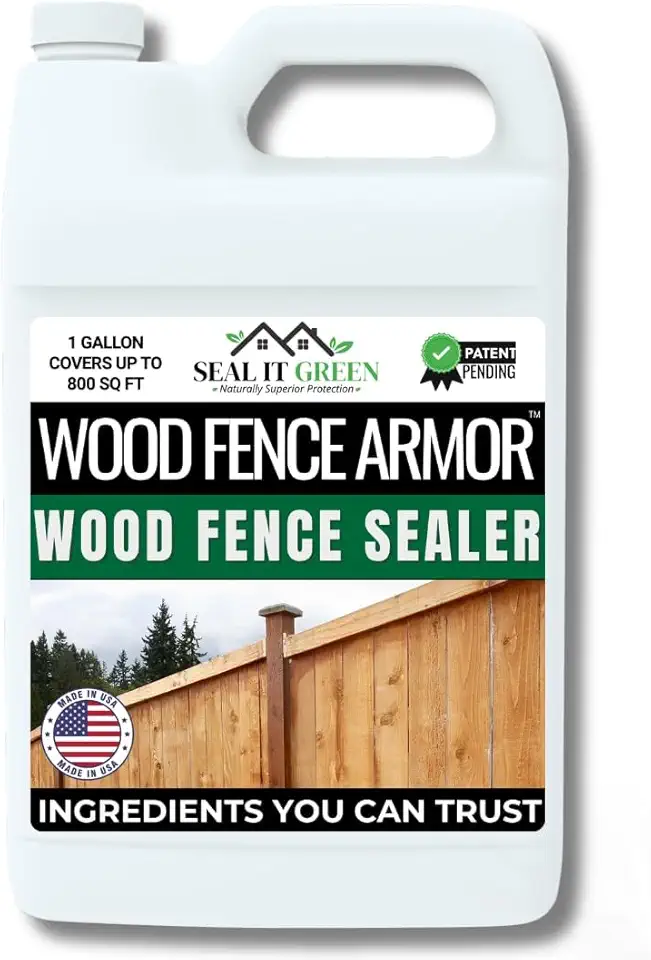
Seal It Green Wood Fence Sealer — 1 Gallon, Plant‑Based
- Plant-based formula protects wood from rot and moisture
- Long-lasting protection that can extend surface life up to years
- Guards against mildew, UV damage, and weathering
- Safe for fences, decks, and outdoor furniture
- Easy to apply with brush or sprayer for quick coverage
 Buy on Amazon
Installation and Cutting Tools Guide
Good tools make clean cuts and solid builds while saving time. Here’s the best type of saw to cut wooden fence parts plus tips for accuracy and safety.
Best Saws for Fence Projects
Use this quick list to match each saw to the job for better results:
- Table saw: long rips for panels, pickets, and lattice strips
- Circular saw: fast crosscuts and on‑site trimming
- Miter saw: accurate angles for rails, trim, and caps
- Jigsaw: curves and decorative cuts in picket tops
- Sharp 24–40T blades: clean edges on construction lumber
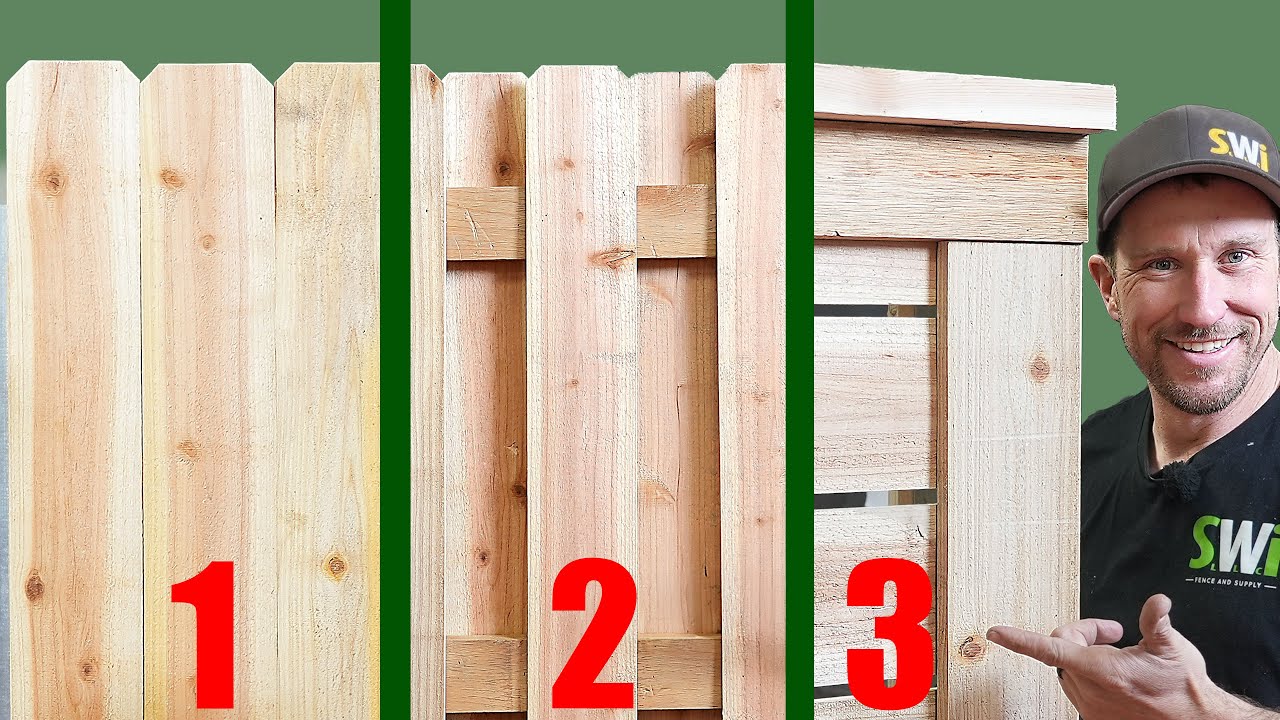
Table Saw Applications
Rip boards to uniform widths for horizontal slats, privacy panels, and trim. Add a featherboard and push stick for control on long cuts.
Circular Saw Uses
Break down stock, shorten posts before setting, and trim panel edges for a flush fit. Mark lines, clamp a straightedge, and cut with the blade just past the board’s thickness.
Miter Saw Benefits
Set precise miters for top caps, rail ends, and gate pieces with clean, repeatable cuts. Use stop blocks for consistent lengths across a stack of pickets.
Here are a few handy edging and border picks that pair well with your fence project for neat finishes:

12 ft Decorative Wood Edging — 8 in High
- Long 12 ft length creates continuous border for beds and paths
- 8 in height helps contain mulch and soil
- Natural wood finish complements outdoor spaces
- Easy to cut and shape for custom layouts
- Sturdy enough for garden edging and low barriers
Buy on Amazon

3-Pack Picket Garden Edging, 5.9" H x 47" L
- Defines flower beds and pathways for a tidy yard
- Easy to install and reposition without tools
- Natural wood blends with garden plants
- Low 5.9"
- height protects seedlings while staying discreet
- Durable design for seasonal landscaping use
Buy on Amazon

Rustic Log Garden Border — 2-Pack, 6.9 in H
- Solid log-style pieces add a natural, rustic look to beds
- 6.9 in height protects plants and keeps soil in place
- Compact 3 ft lengths are easy to arrange and replace
- Durable construction resists outdoor wear and decay
- Simple installation for quick landscape accents
Buy on Amazon
Need temporary screening for bins or AC units without digging new posts? Try this quick option for instant privacy
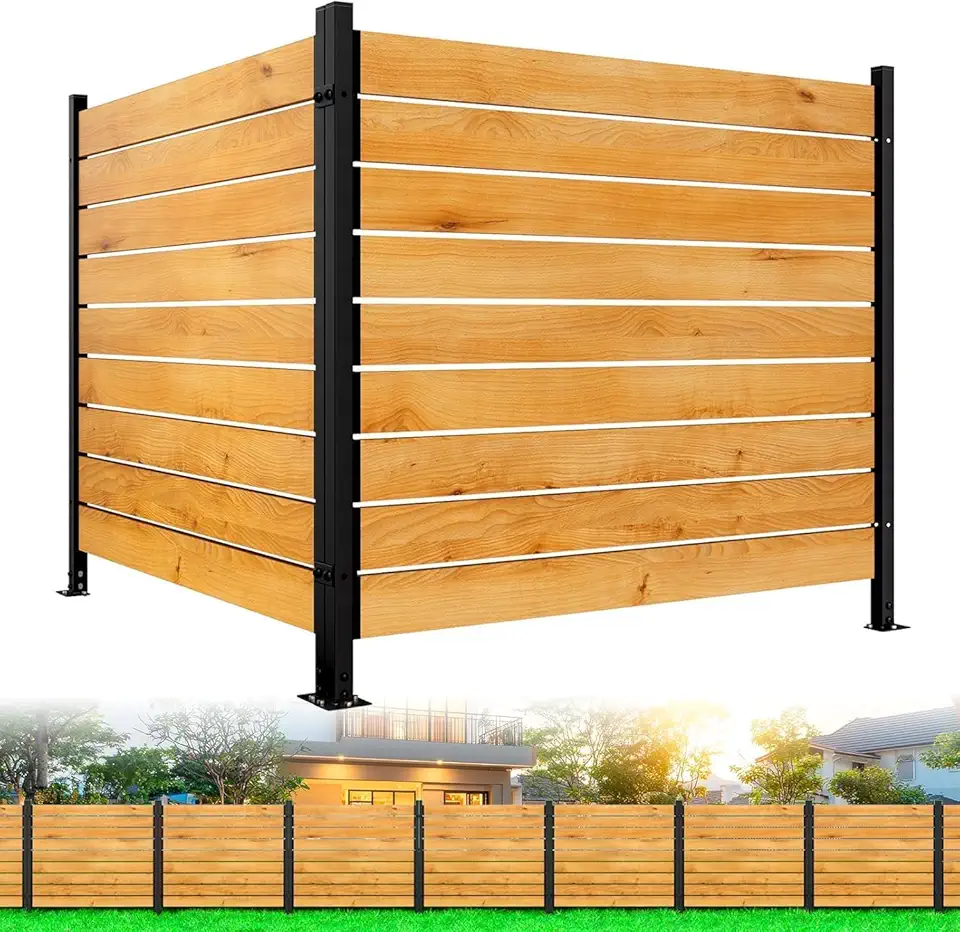
No‑Dig 2-Panel Privacy Screen, 42
- Fast no-dig setup ideal for renters and quick installs
- Creates instant privacy to hide AC units, trash bins, or unsightly equipment
- Durable wood finish stands up to outdoor conditions
- Slim, space-saving profile fits patios and narrow spots
- Temporary but sturdy solution for backyard and garden use
Buy on Amazon
FAQs
What Are The Different Types Of Wood Used For Fences?
Common Types Of Wood For Fences Include Cedar, Redwood, Pressure-Treated Pine, Spruce, Fir, And Cypress; Some Projects Use Hardwoods Like Ipe Or Teak For Extra Durability. Cedar And Redwood Are Naturally Rot-Resistant And Attractive, Pressure-Treated Pine Is Affordable And Widely Available, While Hardwoods Offer Long Lifespan But At A Higher Cost.
How Do I Choose The Right Wood Fence For My Yard?
Choose A Fence Based On Your Budget, Climate, Desired Lifespan, Maintenance Willingness, And Aesthetic Preferences. Consider The Purpose (Privacy, Decorative, Containment), Check Local Codes, Compare Durability And Cost Of Wood Types, And Factor In Maintenance Like Sealing Or Staining; When In Doubt, Cedar Or Pressure-Treated Pine Are Practical Starting Points.
What Are The Pros And Cons Of Cedar Versus Pine Wood Fences?
Cedar Is Naturally Rot-Resistant, Stable, And Low-Maintenance With A Pleasant Appearance And Aroma; It Typically Lasts Longer But Costs More. Pine Is Usually Sold As Pressure-Treated Pine, Which Is Cheaper And Widely Available But May Require More Regular Maintenance (Sealing/Staining) To Prevent Warping And Rot If Not Properly Treated.
How Long Does A Wooden Fence Typically Last?
Lifespan Varies By Wood Type And Maintenance: Untreated Softwoods May Last 7–15 Years, Pressure-Treated Pine Often Lasts 15–25 Years, And Cedar Or Redwood Can Last 20–30+ Years With Proper Care. Climate, Installation Quality, And Maintenance Schedule Greatly Affect These Estimates.
How Do I Maintain A Wood Fence To Prevent Rotting?
To Prevent Rot, Use Rot-Resistant Or Pressure-Treated Wood, Keep The Bottom Of The Fence Off The Ground, Ensure Good Drainage And Airflow, Apply A Water-Repellent Stain Or Sealant Regularly, Clean Debris And Vegetation Away From The Fence, Replace Damaged Boards Promptly, And Use Galvanized Or Stainless Hardware To Avoid Corrosion.