Phenolic Plywood Guide: Uses, Types, Waterproofing, and Buying Tips

Table of Contents
Phenolic plywood is plywood coated with a phenolic resin film that creates a hard, smooth or textured, moisture-resistant, and wear-resistant surface. It’s used for concrete forms, trailer floors, platforms, cabinets, CNC fixtures, and shop projects where raw plywood would wear out too fast.
What Is Phenolic Plywood?
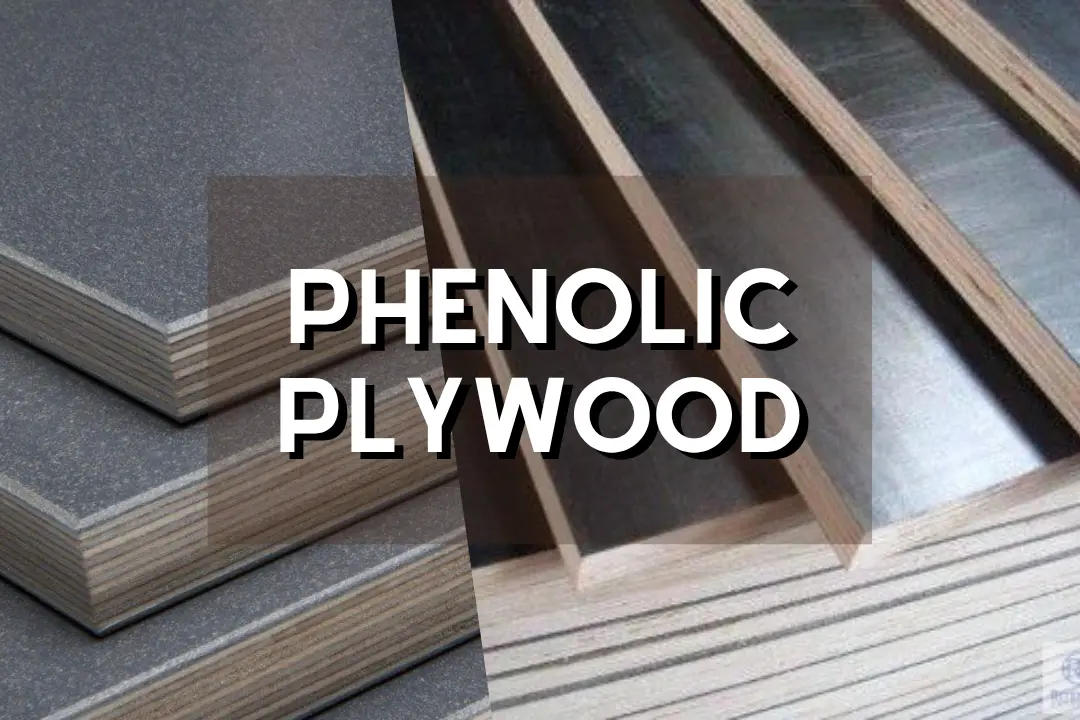
Phenolic plywood starts with a plywood core, then gets a resin-impregnated paper or film pressed onto one or both faces. The face feels slick and hard under your fingertips, almost like a thin plastic laminate, and a fresh-cut edge gives off that sharp, resin-and-wood smell you notice around formwork panels and cabinet-grade birch sheets.
Phenolic plywood meaning
Phenolic plywood meaning is simple: it’s a plywood panel faced with phenolic resin film for added wear, moisture resistance, and easier cleaning. If you’re comparing it with other types of plywood, the key difference is the resin surface, not just the wood core.
Phenolic face vs glue
Face and glue get mixed up often. Phenolic-faced plywood has a resin film on the surface, while phenolic glue plywood uses phenol-formaldehyde adhesive between veneers; a premium panel may have both, but a shiny black face alone doesn’t prove the glue line is exterior-rated.
Common product names
Common names include film faced plywood, phenolic film faced plywood, black phenolic plywood, brown form plywood, phenolic coated plywood, anti-slip phenolic plywood, hexa plywood, wire mesh plywood, buffalo board, and crocodile board. Suppliers use these names loosely, so always check the core, film weight, thickness, and surface texture before buying.
Core materials
Core choices include birch, poplar, eucalyptus, mixed hardwood, and combi-core panels. Birch phenolic plywood feels dense and stiff when lifted, poplar feels lighter and easier to carry, and eucalyptus or hardwood cores often show up in heavier concrete formwork sheets.
How Phenolic Plywood Is Made
Manufacturing quality controls how long phenolic plywood lasts. A good face film can’t save a weak core with voids, poor glue bonding, or unsealed edges that drink water after the first cut.
Veneer core construction
Veneer layers are laid with alternating grain directions, then pressed into a stable plywood panel. More plies, fewer voids, and tighter veneer selection improve screw holding, flatness, and the clean “thunk” you hear when a panel is tapped instead of the hollow sound of a void-filled sheet.
Phenolic film overlay
Phenolic film is usually resin-impregnated paper bonded under heat and pressure. The overlay protects the plywood face from abrasion, water splash, concrete alkalinity, shop grime, and many mild chemicals, but sharp impacts can still crack or lift the coating.
Film weight options
Film weight is often listed as 120 g/m², 167 g/m², or 220 g/m². A 220 g/m² face usually handles more abrasion and formwork reuse than a 120 g/m² face, but it also costs more and still fails early if edges and screw holes stay exposed.
Glue lines and standards
Glue lines matter most in wet or exterior service. Ask for exterior adhesive ratings such as EN 314 Class 3, EN 636-3, PS 1 where relevant, and clear documentation rather than relying on the old trade term WBP; North American buyers can review structural plywood references through APA PS 1 resources.
Edge sealing
Edges are vulnerable because the phenolic film protects the faces better than the exposed core. Factory edges may be sealed with acrylic, polyurethane, or water-resistant paint, but every saw cut, router pass, drilled hole, or CNC pocket creates new raw wood that needs sealing.
Types, Sizes, and Specifications
Product labels can hide big differences. Two black phenolic plywood sheets may look the same on a rack, yet one may be a dense birch fabrication panel and the other a lighter poplar formwork sheet with a thinner film.
Smooth phenolic plywood

Smooth phenolic plywood has a low-friction face that wipes clean and releases concrete better than raw wood. It suits formwork, cabinets, workbench tops, jigs, tool walls, and displays, but it can feel slick like wet tile when water, dust, release oil, or sawdust sits on the surface.
Anti-slip phenolic plywood
Anti-slip panels use a raised hex, wire mesh, diamond, or crocodile texture for better grip. Use textured phenolic plywood for trailer floors, ramps, platforms, small steps, and utility decks where a smooth black face would be a slipping risk.
Film faced formwork plywood
Formwork plywood uses phenolic film to reduce concrete bonding and create a smoother pour face. Low-grade sheets may survive only a few pours, while better panels often reach 10–30 uses when crews oil the forms, clean them quickly, seal cut edges, and avoid dragging them over gravel.
Birch phenolic panels
Birch phenolic panels are popular for CNC, cabinets, furniture, speaker boxes, and precision shop fixtures. The core machines cleanly, holds screws well, and feels solid under clamps, much like quality Baltic birch with a ready-to-use resin face.
Decorative fabrication panels
Decorative panels are chosen for their clean black, brown, grey, or specialty color finish. Color doesn’t prove quality; film weight, core species, number of plies, face smoothness, and adhesive rating tell you far more than whether the panel is black, brown, or grey phenolic plywood.
Sheet sizes
Common sizes include 4 ft x 8 ft, 1220 x 2440 mm, 1250 x 2500 mm, and some 1500 x 3000 mm industrial panels. Online project sheets often come in 12 x 24 in, 18 x 24 in, 24 x 36 in, and 24 x 48 in sizes, so check dimensions against a reliable plywood dimensions guide before planning cuts.
Thickness guide
Thickness selection should match span, load, fastener size, and handling limits. A 6mm phenolic plywood sheet works for linings or templates, but an 18mm or 21mm sheet is far more common for form plywood, trailer decking, and heavy shop fixtures.
| Thickness | Common use | Practical note |
|---|---|---|
| 6–9 mm | Wall lining, templates, drawer bottoms | Light and easy to cut, but not suited for wide unsupported spans |
| 12 mm | Cabinet parts, small panels, CNC projects | Good balance for small-format black phenolic plywood sheets |
| 15 mm | Displays, work surfaces, medium fixtures | Stiffer than 12 mm without the full weight of 18 mm |
| 18 mm | Concrete forms, cabinets, trailer parts, benches | Common heavy-use thickness; full sheets can need two-person handling |
| 21–24 mm | Heavy formwork, truck beds, industrial platforms | Use manufacturer span and load data for structural work |
Grades and certifications
Certifications help when panels go into regulated work, cabinetry, schools, or commercial interiors. Ask about EN 314, EN 636, PS 1, CARB Phase 2, TSCA Title VI, FSC, PEFC, CE marking, E1, or E0 where relevant; formaldehyde rules for composite wood products are explained by CARB composite wood products.
Weight and density
Density range is often about 500–750 kg/m³, depending on species and core quality. Birch phenolic plywood is usually heavier than poplar, and an 18mm 4 x 8 sheet can feel awkward and edge-heavy when you lift it off a flat stack; use a plywood weight reference when handling matters.
Slip and load ratings
Ratings vary by panel, texture, thickness, core, and support spacing. For platforms, ramps, vehicle floors, or work access areas, get manufacturer slip data and span/load tables rather than guessing from thickness alone.
Phenolic Plywood Uses
Phenolic plywood uses split into two main groups: construction panels that take abuse and fabrication panels that need a clean finished face. The right surface matters because smooth panels release and wipe clean, while textured panels grip shoes, tires, and equipment better.
Concrete formwork

Concrete formwork is one of the most common uses. Phenolic film helps wet concrete release from the panel, but crews still need form release oil, sealed edges, careful stripping, and prompt cleaning to prevent cement paste from grinding into the face.
Flooring and trailers
Trailer flooring usually needs anti-slip phenolic plywood, not a smooth formwork face. If someone asks, “Can phenolic board be used as flooring?” the answer is yes only when the panel has the right texture, thickness, support spacing, fasteners, and moisture protection.
Platforms and ramps
Platforms and ramps carry safety risks because smooth phenolic plywood can become slippery fast. For workplace walking surfaces, use rated anti-slip panels and check rules such as OSHA walking-working surfaces guidance, plus local code and engineering data.
Cabinetry and furniture
Cabinet makers use black phenolic birch plywood for drawer systems, shelves, workstations, retail fixtures, and tool carts. It saves finishing time compared with raw cabinet grade plywood, but the exposed edges still need sanding, banding, oil, paint, or sealant for a clean look.
CNC and shop fixtures
CNC fixtures benefit from the slick, hard face because glue squeeze-out and dust wipe off easily. Use sharp compression bits or clean downcut tooling on visible faces, because dull cutters chip the black film and leave tiny white wood flecks along the cut line.
Outdoor utility uses
Outdoor utility uses include animal trailer dividers, storage boxes, temporary decks, equipment panels, and van build components. It can handle splashes and damp service better than regular plywood, but it’s not a substitute for properly rated marine panels in wet structural boat work; see this marine plywood guide when constant wet exposure is part of the project.
Water Resistance, Pros, and Limits
Water resistance is the most misunderstood part of phenolic plywood. The face resists moisture well, but the edge is the weak point, and every cut creates a new exposed edge.
Is phenolic plywood waterproof?
Short answer: phenolic plywood is highly water-resistant on its coated faces, but it isn’t fully waterproof if edges, screw holes, damaged film, routed grooves, and cutouts are left unsealed. A poor core can swell behind a perfect-looking black face once water reaches the wood.
Main advantages
Main advantages include abrasion resistance, easier cleaning, moisture resistance on the face, reduced finishing work, and better reuse in formwork. In the shop, dried glue beads usually pop off the slick surface with a fingernail instead of tearing wood fibers like they do on raw plywood.
Edge vulnerability
Edge swelling starts quietly: a corner darkens, the ply line feels raised, then the film near the edge begins to curl. Seal cut edges right after cutting with epoxy, polyurethane, exterior edge paint, or a compatible water-resistant sealer.
Painting and gluing
Painting phenolic plywood is possible, but the resin face rejects many coatings. Scuff sand, degrease, use a compatible primer, run a test patch, and use mechanical fasteners when the bond has to carry load because standard wood glue doesn’t grip the slick film reliably.
Slippery smooth faces
Smooth faces can turn hazardous when wet, dusty, oily, or covered with concrete slurry. For floors, ramps, scaffold planks, or trailer beds, choose anti-slip phenolic plywood with verified traction data instead of trying to roughen a smooth form panel after installation.
Cutting film chips
Film chips happen when the blade is dull, the panel vibrates, or the cut exits through the finished face unsupported. Use sharp carbide tooling, tape or score visible cuts, support the sheet fully, and accept that a disposable sacrificial backer often saves the finished edge.
Outdoor use limits
Outdoor limits include UV exposure, standing water, freeze-thaw cycling, and water entering fastener holes. Phenolic plywood can work outdoors for utility panels and temporary use, but long-term exterior projects need exterior-rated glue, sealed edges, protected penetrations, and periodic inspection.
Phenolic Plywood Comparisons
Panel comparisons help avoid expensive mismatches. Phenolic plywood wins when the surface needs to resist wear and wipe clean, while other sheet goods may perform better for painting, permanent wet service, or low-cost sheathing.
vs marine plywood
Phenolic vs marine is about face durability versus wet-core quality. Phenolic plywood is better for concrete forms, shop surfaces, and trailer floors; marine plywood is the better choice for boatbuilding, wet structural use, and epoxy-coated wood faces.
| Feature | Phenolic plywood | Marine plywood |
|---|---|---|
| Main strength | Hard resin-coated surface | High-quality waterproof-bonded core |
| Best use | Formwork, fixtures, trailer decks, wear surfaces | Boats, wet structures, exterior projects that need sealed wood faces |
| Face finish | Smooth or textured phenolic film | Wood veneer face |
| Painting | Difficult without sanding and primer | Easier to paint or epoxy coat |
| Common mistake | Leaving cut edges unsealed | Assuming it needs no finish or edge protection |
vs film faced plywood
Film faced plywood often means phenolic-faced formwork plywood. The terms overlap in many markets, but phenolic plywood is broader and can include decorative black birch panels, anti-slip flooring sheets, CNC panels, and fabrication-grade resin-coated plywood.
vs regular plywood
Regular plywood costs less and works fine for dry sheathing, hidden framing, and painted shop projects. Phenolic plywood costs more, but it saves time and lasts longer where the face gets wet, dirty, scraped, or reused.
vs melamine plywood
Melamine panels suit cabinet interiors and decorative furniture parts in dry spaces. Phenolic plywood handles tougher shop and construction use, but it usually offers fewer decorative colors and can be harder to glue or paint.
vs MDO and HDO
MDO and HDO use overlay surfaces with different densities and performance goals. MDO plywood is common for signs and paint-grade exterior faces, HDO is used for smoother concrete finishes, and phenolic plywood is often chosen for hard resin wear surfaces and formwork reuse.
Buying Checklist and Price Factors
Buying phenolic plywood gets easier when you ask the same questions every time. Price varies by core species, thickness, overlay weight, surface texture, certification, freight, and whether you buy one project panel or a full pallet.
Core type
Core type drives strength, weight, machining quality, and price. Choose birch for precision and screw holding, poplar for lighter panels, eucalyptus or hardwood for heavy formwork, and combi-core when cost and weight need balance.
Film weight
Film weight should match abuse level. For heavy-duty formwork, industrial worktops, or abrasion-prone surfaces, ask for 167 g/m² or 220 g/m² film rather than assuming every black phenolic plywood sheet has the same overlay.
Surface texture
Surface texture decides safety and function. Smooth/smooth panels suit forms and cabinets, smooth/textured panels can work where one face needs traction, and textured/textured panels fit utility floors or small ramps.
Thickness by use
Thickness by use should account for span and support, not just appearance. Use 12mm for cabinets and small builds, 18mm for stronger fixtures and forming plywood, and 21mm or thicker for heavy-duty panels only with load data.
Standards to verify
Verify standards before purchase if the panel goes into exterior, commercial, or regulated use. Ask for adhesive rating, emission compliance, grade documents, species details, and any FSC or PEFC chain-of-custody claims instead of trusting a product photo.
Edge sealing plan
Plan sealing before the first cut. Keep edge paint, epoxy, polyurethane, or compatible sealer ready, because waiting until the end of a job often leaves screw holes, saw cuts, and corners exposed to rain or jobsite washdown.
Price drivers
Price drivers include Baltic birch core, 18mm and 21mm thicknesses, 220 g/m² film, anti-slip texture, exterior certification, specialty sizes, freight, and minimum order quantity. A crocodile phenolic board price can be higher than a smooth sheet because the textured film and flooring use case add cost.
Single sheets vs bulk
Single sheets cost more per square foot than contractor packs or pallets. Bulk buying lowers unit cost, but storage becomes part of the price because warped, wet, or sun-baked panels lose value fast.
Small project panels
Small panels make sense for cabinet parts, signs, CNC prototypes, shop fixtures, and decorative builds where a full 4 x 8 sheet is too large to move or store. Measure twice before ordering because many online black phenolic birch panels are project sizes, not full industrial sheets.
- Choose smooth black phenolic birch for cabinets, displays, furniture parts, and CNC fixtures.
- Choose anti-slip phenolic plywood for platforms, steps, utility surfaces, and small ramps.
- Choose formwork-grade film faced plywood for concrete only after checking film weight, core, and reuse expectations.
- Choose thicker panels for load and stiffness, but confirm span data before using any panel as structural flooring.
These examples fit small shop projects, fabrication work, and compact utility builds where full industrial sheets aren’t practical.

Classic Black Birch Panel
- Smooth phenolic surface for a clean finished look
- sturdy Baltic birch core for dependable strength
- versatile 24 inch x 48 inch size for larger projects
- ideal for cabinetry, signage, and custom builds
- easy to cut, shape, and machine for shop use
 Buy on Amazon
Large Black Birch Panel
- Smooth black phenolic coating for a refined appearance
- 12 mm Baltic birch offers dependable strength and stability
- 24 inch x 36 inch sheet suits medium to large projects
- ideal for cabinets, displays, and custom fabrication
- cuts cleanly for accurate results
Buy on Amazon

Anti-Slip Birch Panel
- Hex-Ply surface helps improve grip and reduce slipping
- sturdy 12 mm birch core supports demanding use
- black finish gives a professional industrial look
- 24 inch x 36 inch size works for platforms and builds
- great for shop projects needing traction
Buy on Amazon
Cutting, Sealing, and Maintenance
Working cleanly with phenolic plywood takes sharp tools and quick sealing. The surface is tough in use, but chipped film, crushed screw holes, and unsealed edges shorten service life faster than most beginners expect.
Cutting without chipping
Clean cutting starts with a sharp carbide blade, full panel support, and the correct face orientation for your saw. On visible black faces, score the line, use painter’s tape, slow the feed slightly, and back up the exit side so the film doesn’t fracture into tiny shiny flakes.
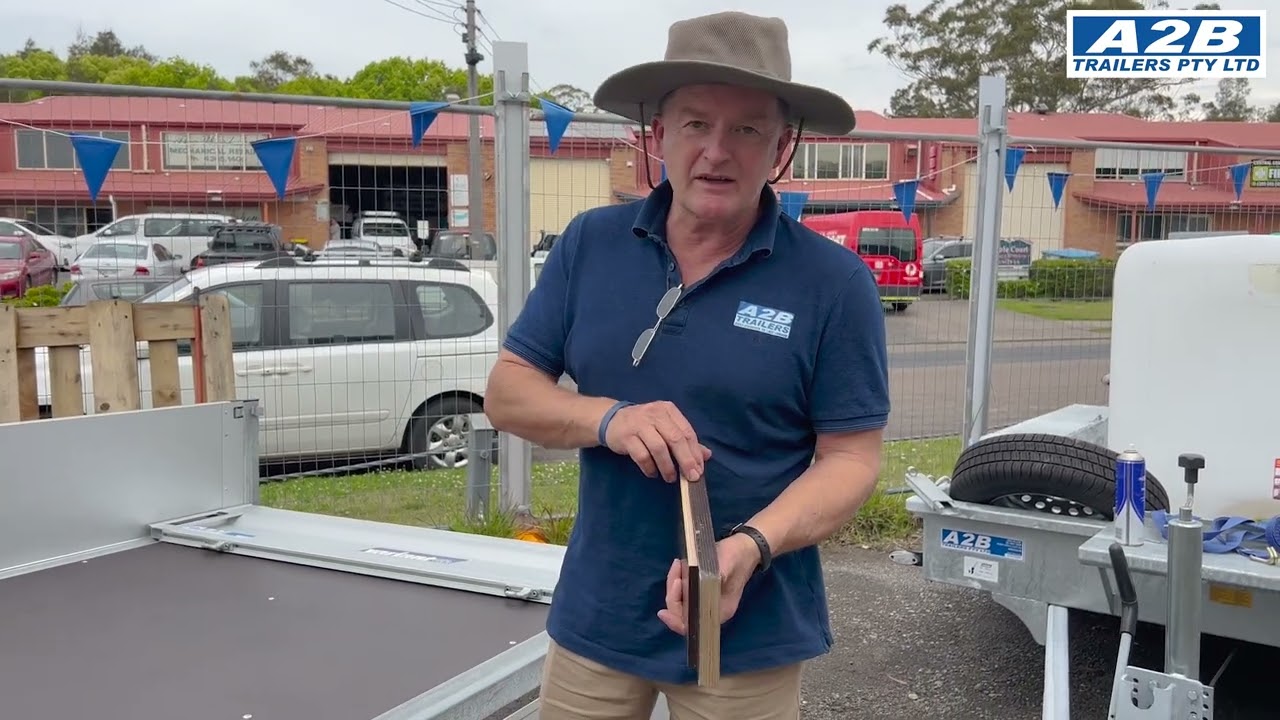
This video fits the cutting and handling stage because blade support, feed control, and sheet stability affect how phenolic film behaves at the cut edge.
Drilling and fastening
Drill first near edges to reduce splitting and film lift. Avoid overdriving screws because the head can crush the coating into a raised ring; use countersinks, washers, stainless fasteners outdoors, and seal any hole exposed to water.
Gluing and painting
Glue bonds are weak on the resin face without preparation. Sand the surface until it loses its gloss, clean it with a suitable degreaser, test epoxy or specialty adhesive, and use screws or biscuits where the joint can’t fail.
CNC and laser use
CNC routing works well with sharp bits and strong dust extraction. Laser cutting phenolic plywood can create unpleasant fumes from resin and adhesive, so confirm material suitability, ventilation, and machine rules before placing it in a laser bed.
Cleaning methods
Clean faces with mild detergent, water, and a soft cloth or plastic scraper. Avoid harsh abrasives and sharp steel scraping on finished panels because scratches become dirt tracks that hold grey concrete dust, oil, or shop grime.
Storage practices
Store flat on level supports, off wet ground, and away from long sun exposure. If panels arrive damp, use stickers for airflow; leaning a heavy 18mm sheet against a wall for weeks can leave a slow bow that shows up later during assembly.
Formwork reuse care
Reuse care means cleaning concrete residue after each pour, applying release agent before the next use, and checking edges before stacking. The best crews handle panels like reusable tools, not disposable sheathing, which is why they get more pours from the same sheet.
Failure prevention
Failure prevention comes down to sealing, storage, surface choice, and fastener discipline. Most beginner mistakes are predictable: using smooth sheets for wet floors, leaving cut edges raw, buying by color alone, and assuming “phenolic” means fully waterproof.
| Failure problem | Common cause | Professional workaround |
|---|---|---|
| Edge swelling | Unsealed cuts, wet storage, open screw holes | Seal every cut and touch up corners before water exposure |
| Film peeling | Impact, overdriven fasteners, weak overlay bond | Use washers or countersinks and avoid striking panel edges |
| Delamination | Poor glue line, standing water, freeze-thaw cycling | Buy exterior-rated panels and keep water out of the core |
| Surface cracking | UV, abrasion, heavy point loads | Choose heavier film and store panels out of direct weather |
| Slippery surface | Smooth face used for walking areas | Specify anti-slip phenolic plywood with traction data |
Final check: buy phenolic plywood for the surface performance you need, then protect the edges like they’re the most exposed part of the panel. That small habit separates long-lasting sheets from panels that swell, peel, and disappoint after only a few wet days or jobsite uses.
FAQs
What Is Phenolic Plywood Used For?
Phenolic plywood is used for applications that need a strong, smooth, and durable surface. It is commonly chosen for concrete formwork, truck beds, scaffolding platforms, and workshop surfaces because it handles wear well.
Is Phenolic Plywood Waterproof?
Phenolic plywood is highly moisture resistant, but it is not always completely waterproof. The phenolic coating helps protect the surface, but exposed edges and repeated water exposure still need proper sealing for the best results.
Is Phenolic Plywood Better Than Marine Plywood?
Phenolic plywood is not automatically better than marine plywood because they are made for different jobs. Phenolic plywood is often better for hard-wearing, reusable surfaces, while marine plywood is usually better for long-term moisture resistance in boat and outdoor projects.
Can Phenolic Plywood Be Used As Flooring?
Yes, phenolic plywood can be used as flooring in utility areas, trailers, workshops, and temporary platforms. Its tough surface resists slipping and wear, but it is not usually the first choice for decorative indoor floors unless properly finished.
Can You Paint Or Glue Phenolic Plywood?
Yes, but phenolic plywood often needs surface preparation before painting or gluing. Light sanding and the right primer or adhesive help materials bond better because the coated surface is designed to resist sticking.
Affiliate Disclosure: Some links in this post are affiliate links. If you make a purchase through these links, we may earn a small commission at no extra cost to you. We only recommend products we genuinely believe in.